

CLASSE: GASTROPODA: TERRESTRE
FAMÍLIA: MEGASPIRIDAE
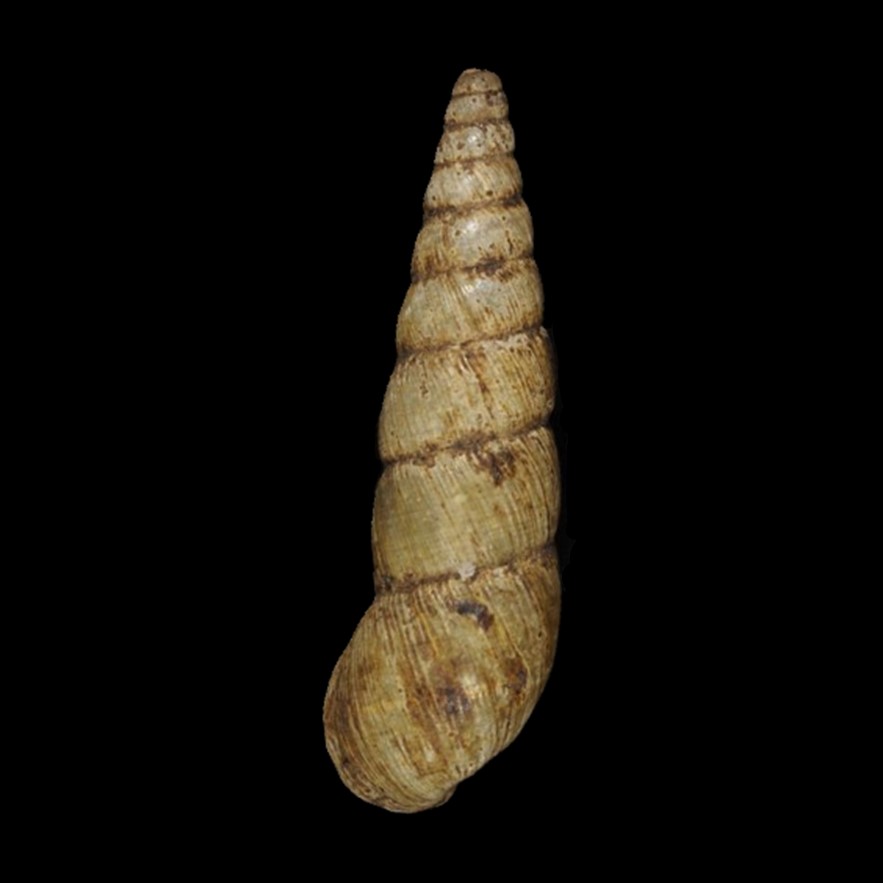
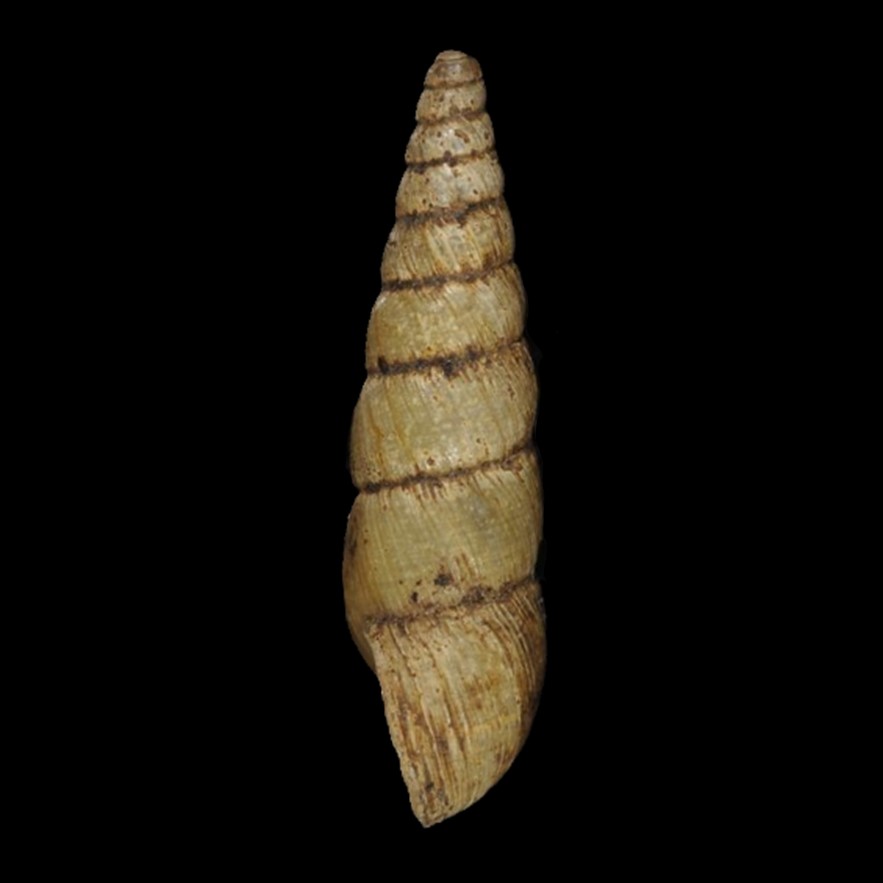
ESPÉCIE: Callionepion iheringi Pilsbry & Vanatta, 1899
Tamanho médio: 24 mm
Habitat: vive no solo, na serapilheira, na Mata Atlântica
Ocorrência: Brasil (São Paulo)
Localidade tipo: Brasil, São Paulo, Município de Piquete
Nome original: Callionepion iheringi Pilsbry & Vanatta, 1899
Sinônimos: Callinepion iheringi Pilsbry & Vanatta, 1899 [sic] (Simone, 2006)
Etimologia: o nome da espécie é uma homenagem ao zoólogo teuto-brasileiro Hermann von Ihering (9 de outubro de 1850 – 24 de fevereiro de 1930). Foi o fundador e primeiro diretor do Museu Paulista, em São Paulo, em 1894
Descrição original:
(Pilsbry & Vanatta, 1899): “Shell rimate, turreted, narrow, subregularly tapering; surface glossy, covered with a greenish cuticle, somewhat irregularly plicatulate, decussated by numerous minute spiral strite or very short cuticular processes, which are lost by wear from the greater part of the shell, and then appear as lightly impressed lines.
Whorls 9 1/2, moderately convex, separated by impressed sutures, the apex very obtuse, with depressed tip, surface of the earlier 2 1/4 whorls cut into an evenly grauose pattern by close, deep, obliquely descending grooves intersecting at right angles; last whorl rounded at base.
Aperture irregularly ovate, slightly oblique, its length contained 3i times in that of the shell; peristome thin, acute, the outer margin slightly expanded, columellar margin reflexed, dilated, impressed at its insertion, bearing a low, narrow submedian oblique fold. Internal pillar slender and nearly straight, with a low spiral fold within the last whorl.”
Fotos: (1-3) The Academy of Natural Sciences, Philadelphia: LECTOTYPE de Callionepion iheringi, ANSP 71258, Piquete, São Paulo, doador: H. von Ihering, 1897

Figura: Salvador, 2019: Museum of New Zealand Te Papa Tongarewa: Callionepion iheringi, NMNZ 325306; H = 20.0 mm, D=7.4mm, com o close-up da protoconcha (barra da escala = 1 mm)
Fontes:
Descrição original: Pilsbry, H.A. & Vanatta, E.G. (1899). Morphological and systematic notes on South America land snails: Achatinidae. Proceedings of the Academy of Natural Sciences of Philadelphia. 51: 366–374., disponível online em https://www.biodiversitylibrary.org/page/6389551
página(s): 372, pl. 15 figs 11-13
Pilsbry, H. A. (1903-1904). Manual of conchology, structural and systematic, with illustrations of the species. Ser. 2, Pulmonata. Vol. 16: Urocoptidae, Achatinidae. pp i-xl, 1-329, pls 1-37. Philadelphia, published by the Conchological Department, Academy of Natural Sciences. [pp. 1-64, pls 1-18, 6 October 1903; 65-128, pls 19-31, 28 November 1903; 129-192, pls 1-15, 8 January 1904; i-xl, 193-329, pls 16-37, 7 March 1904.]. , disponível online em https://www.biodiversitylibrary.org/page/1104120
página(s): 179, pl. 30 figs 30-32
Simone, L. R. L. (2006). Land and Freshwater Molluscs of Brazil. Editora Gráfica Bernardi, FAPESP. São Paulo, 390 pp. página(s): 183, foto 665
Salvador, Rodrigo. (2019). Brazilian, Uruguayan and Argentinian terrestrial gastropods in the collection of the Museum of New Zealand Te Papa Tongarewa. Tuhinga. 30. página(s) 82-98
Rosenberg G (2025). Malacology Collection at the Academy of Natural Sciences of Philadelphia. Academy of Natural Sciences. Occurrence dataset https://doi.org/10.15468/xp1dhx accessed via GBIF.org on 2025-08-11
MolluscaBase: https://www.molluscabase.org/aphia.php?p=taxdetails&id=1448195

Vive em árvores e arbustos

Vive sob ou sobre pedras

Vive em corais ou recifes

Vive em algas marinhas

Vivem em fundos de cascalho de coral, pedra ou conchas

Vive no solo. Sob folhas ou enterada parte do tempo

Vive em fundos arenosos, enterrada ou sob ele.

Animais que nadam ou vivem livremente

Presos a certos animais ou parasitando

Vive em fundos lodosos

Vive em plantas de água doce

Seu habitat é desconhecido

Alimenta-se de plantas e algas

Alimenta-se de outros animais

Alimenta-se de qualquer fonte

Alimenta-se de animais mortos
Seu hábito alimentar é desconhecido


