CLASSE: GASTROPODA: TERRESTRE
FAMÍLIA: EPIPHRAGMOPHORIDAE
ESPÉCIE: Dinotropis harringtoni Pilsbry & T. D. A. Cockerell, 1937
Tamanho médio: 27 mm
Habitat: “near a limey horizon”
Ocorrência: Bolívia
Localidade tipo: Bolívia, “Rio Iguembe, two or three miles above junction with Rio Ingre”
Nome original: Dinotropis harringtoni Pilsbry & T. D. A. Cockerell, 1937
Etimologia: o nome da espécie é uma homenagem a George L. Harrington, quem coletou o material tipo na Bolívia
Descrição original:
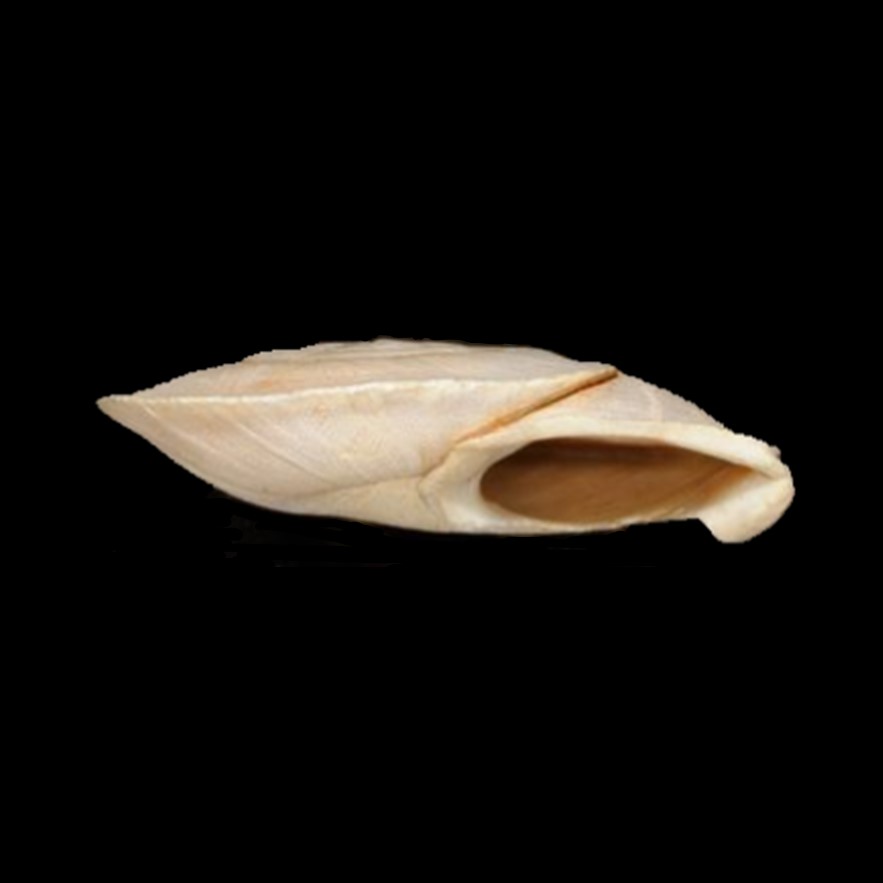
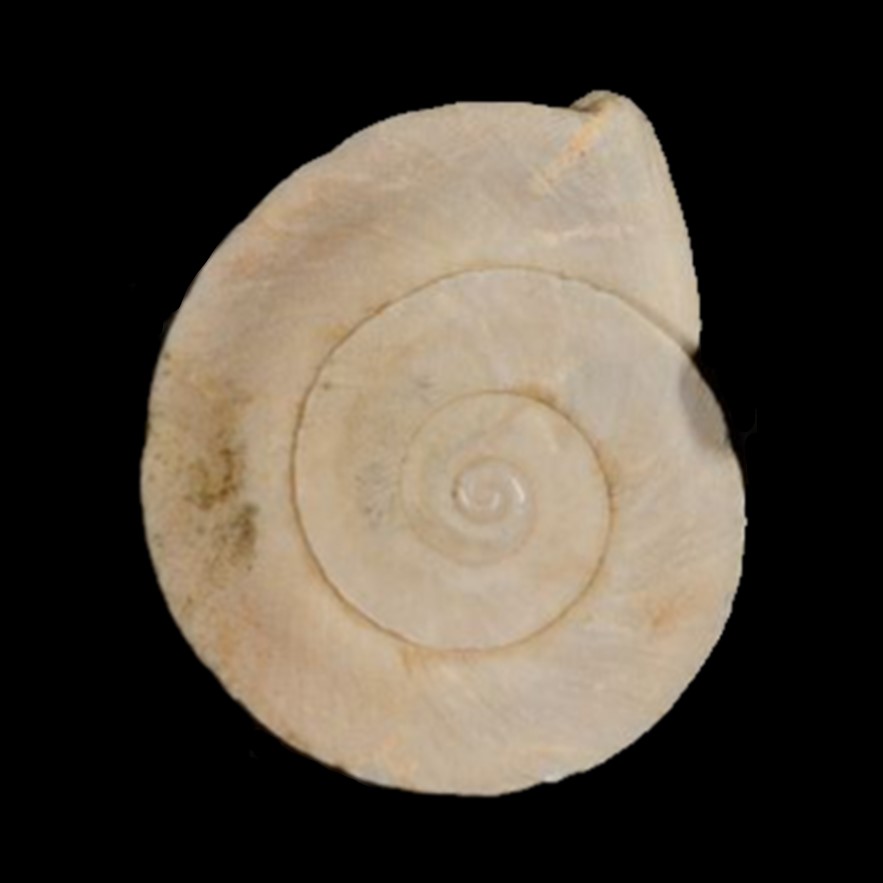
(Pilsbry & Cockrell, 1937): “The umbilicus is contained about six times in diameter. The spire is only slightly convex. The whorls are weakly convex in the inner, concave in the outer half, the last whorl descending slowly below the very acute peripheral keel, the base being concave below the keel, convex towards the umbilicus. The color (dead) is light buff, with very faint indications of a brownish band above the keel. The dull surface is very closely granulose, the granules pustuliform, indistinctly arranged along light erowth-striae, but in places forming short oblique trends. The peristome is well expanded and, so far as preserved, reflected basally, but most of the basal margin is broken away. Height 8.5 mm. (estimated) ; diam. 27.7 mm.”
Fotos: (1-4) The Academy of Natural Sciences, Philadelphia: HOLOTYPE ANSP 168636,Bolívia, Rio Iguembe, two or three miles above junction with Rio Ingre, 27.7mm
Fontes:
Descrição original: Pilsbry, H. A. & Cockerell, T. D. A. (1937). A new Bolivian helicoid, Dinotropis harringtoni. The Nautilus. 51(1): 24-25, pl. 2, fig. 14., disponível online em https://www.biodiversitylibrary.org/page/9203217
página(s): 25, pl. 2, fig. 14
Cuezzo, M. G. & Pena M. S. (2017). Minaselates, a new genus and new species of Epiphragmophoridae from Brazil (Gastropoda: Stylommatophora: Helicoidea). Zoologia. 34: e13230., disponível online em https://doi.org/10.3897/zoologia.34.e13230
página(s): 3
Rosenberg G (2025). Malacology Collection at the Academy of Natural Sciences of Philadelphia. Academy of Natural Sciences. Occurrence dataset https://doi.org/10.15468/xp1dhx accessed via GBIF.org on 2025-08-13
Molluscabase: https://molluscabase.org/aphia.php?p=taxdetails&id=1600818