
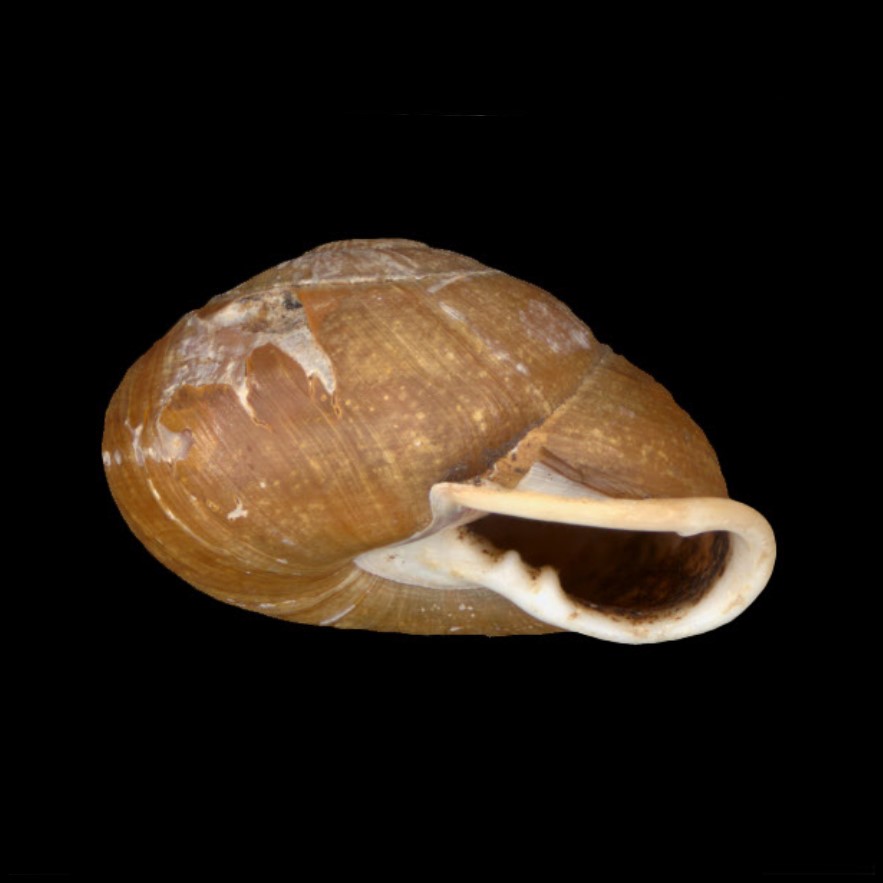
CLASSE: GASTROPODA: TERRESTRE
FAMÍLIA: LABYRINTHIDAE
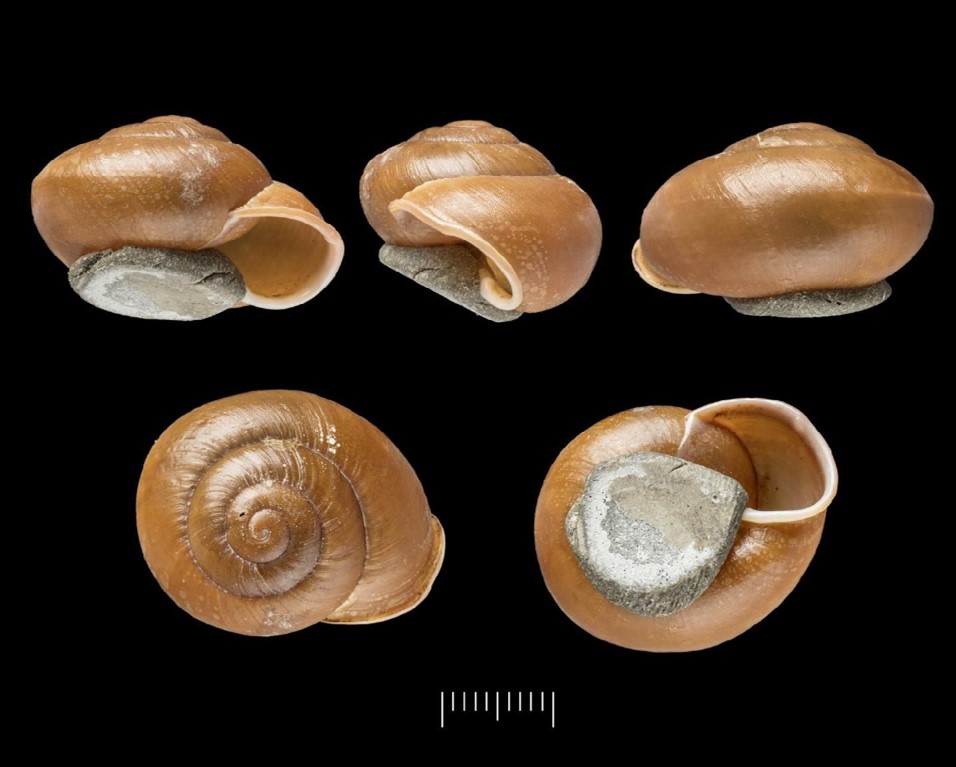
ESPÉCIE: Isomeria bituberculata (Reeve, 1852)
Tamanho médio: 22 mm
Habitat: vive no solo, sob folhas ou enterrada parte do tempo
Ocorrência: Equador (Chimborazo, Pastaza, Pichincha, Tungurahua)
Localidade tipo: “prope Tunguragua reipublicae Aequatoris”
Nome original: Helix bituberculata Reeve, 1852
Sinônimos: Dentellaria latidentata (K. Miller, 1878); Dentellaria tridentula (K. Miller, 1878); Helix (Dentellaria) latidentata K. Miller, 1878; Helix (Dentellaria) tridentula K. Miller, 1878; Isomeria bituberculata (L. Pfeiffer, 1853)
Fotos: (1,2) Breure & Ablett, 2024: Museum für Naturkunde Berlin, SYNTYPE de Isomeria bituberculata, ZMB/Moll 264775, “Quito”, “Quito”, ex Albers ex Cuming respectively ex Dunker ex Cuming., 22mm; (3) Natural History Museum, London: SYNTYPE NHMUK 20160369, Equador, Tungurahua, [‘Mr Bourcier’]

Fontes:
Descrição original: (como Helix bituberculata Reeve, 1852) Reeve, L. A. (1851-1854). Monograph of the genus Helix. In: Conchologia iconica, or, illustrations of the shells of molluscous animals, vol. 7, pls. 1-210 and unpaginated text. L. Reeve & Co., London, disponível online em https://biodiversitylibrary.org/page/11120877
página(s): pl. 99, species 544
Descrição original: (como Helix (Dentellaria) tridentula K. Miller, 1878) Miller, K. (1878). Die Binnenmollusken von Ecuador. Malakozoologische Blätter. 25: 153-199., disponível online em https://www.biodiversitylibrary.org/page/15855524
página(s): 165, pl. 7, figs. 5a-5b
Descrição original: (como Helix (Dentellaria) latidentata K. Miller, 1878) Miller, K. (1878). Die Binnenmollusken von Ecuador. Malakozoologische Blätter. 25: 153-199., disponível online em https://www.biodiversitylibrary.org/page/15855524
página(s): 166, pl. 8, figs. 1a-1c
Breure, A. S. H. & Araujo, R. (2017). The Neotropical land snails (Mollusca, Gastropoda) collected by the “Comisión Científica del Pacífico.”. PeerJ. 5, e3065., disponível online em https://www.ncbi.nlm.nih.gov/pmc/articles/PMC5354113/#
página(s): 116, figs. 45A-45C
Breure, A. S. H., Roosen, M. T. & Ablett, J. D. (2022). Land and freshwater molluscs of mainland Ecuador: an illustrated checklist. Iberus. 40(1): 1-290.
página(s): 212, 214, figs. 285, 301
Breure, Bram & Ablett, Jonathan. (2024). Salvation and documentation: additional (probable) type material of South American land-snail species (Gastropoda, Stylommatophora) in the Museum für Naturkunde Berlin. Journal of Conchology. 45. 1-14
MolluscaBase: https://molluscabase.org/aphia.php?p=taxdetails&id=1371168

Vive em árvores e arbustos

Vive sob ou sobre pedras

Vive em corais ou recifes

Vive em algas marinhas

Vivem em fundos de cascalho de coral, pedra ou conchas

Vive no solo. Sob folhas ou enterada parte do tempo

Vive em fundos arenosos, enterrada ou sob ele.

Animais que nadam ou vivem livremente

Presos a certos animais ou parasitando

Vive em fundos lodosos

Vive em plantas de água doce

Seu habitat é desconhecido

Alimenta-se de plantas e algas

Alimenta-se de outros animais

Alimenta-se de qualquer fonte

Alimenta-se de animais mortos
Seu hábito alimentar é desconhecido


