
CLASSE: GASTROPODA: TERRESTRE
FAMÍLIA: LABYRINTHIDAE
ESPÉCIE: Isomeria medemi Solem, 1966
Tamanho médio: 23.3 – 24.6 mm
Ocorrência: Colômbia (Magdalena)
Localidade tipo: Colômbia, Magdalena, “Finca La Granja, San Lorenzo Ridge”, Sierra Nevada de Santa Marta
Altitude: ~2500 – 2700 m
Ecologia: Segundo Borrero, 2012: “All specimens were collected dead, and no ecological information was recorded. L. sieversi and Isomeria goettingi have also been collected at approximately the same location, described as humid, with rainforesT vegetation”
Nome original: Isomeria medemi Solem, 1966
Etimologia: o nome da espécie é uma homenagem a F. Medem, coletor do material tipo
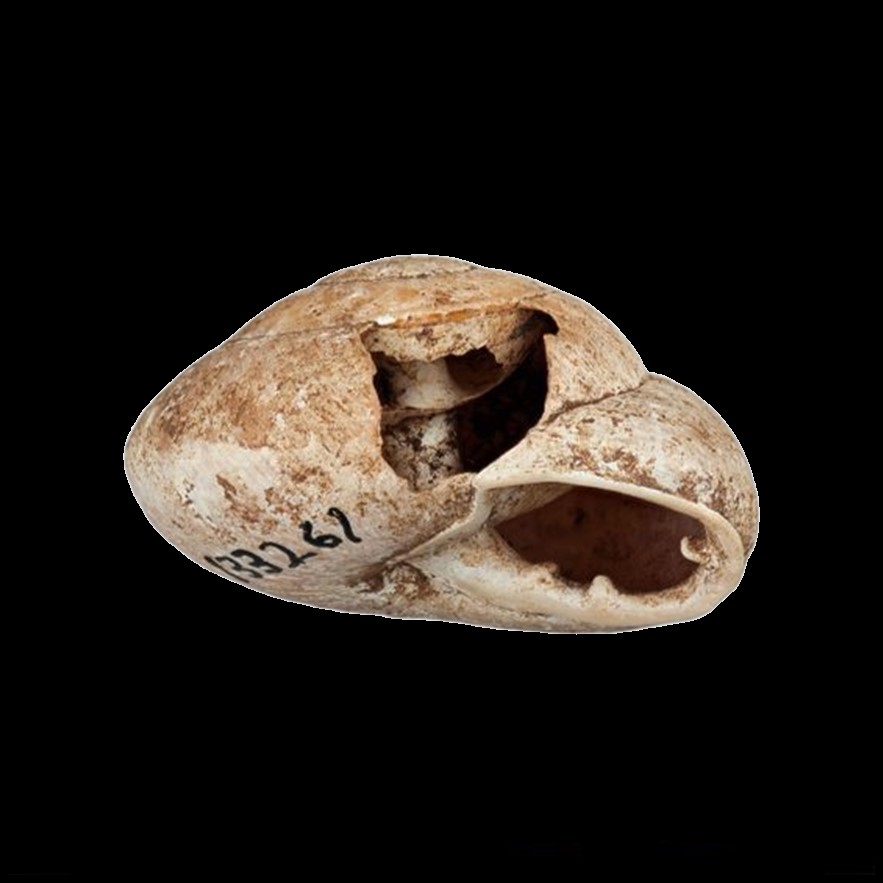
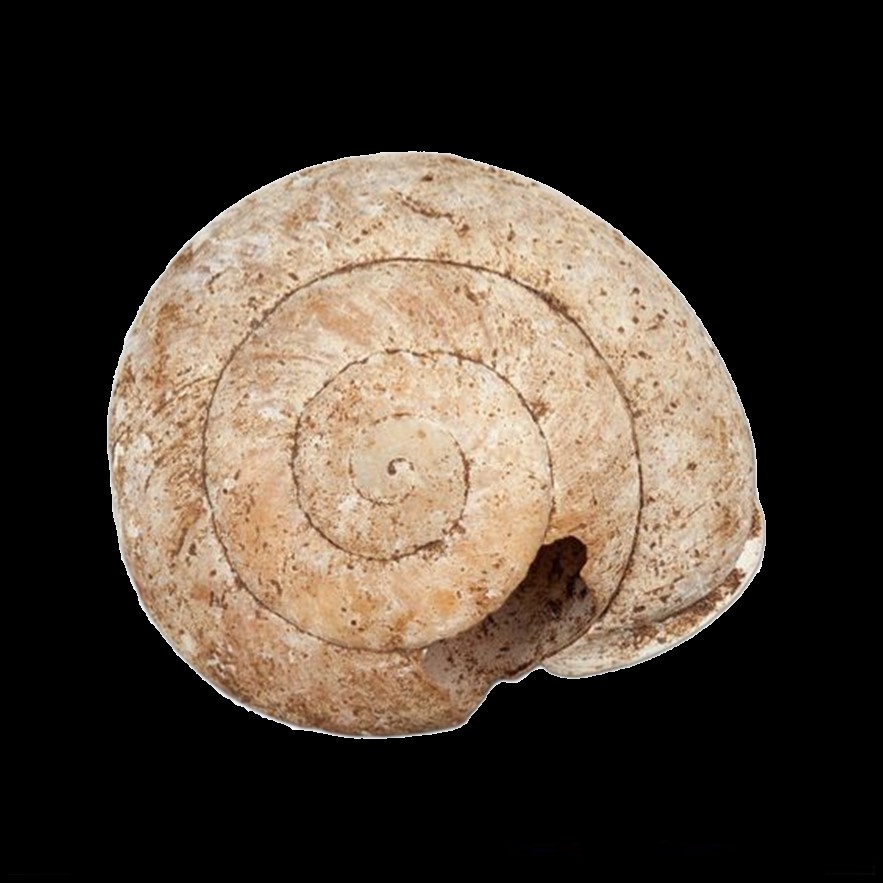
Fotos: (1,2) Field Museum of Natural History (Zoology) Invertebrate Collection: HOLOTYPE FMNH 133261, Colômbia, Magdalena, 2500-2700m: “Sierra Nevada de Santa Marta, San Lorenzo Ridge, Finca La Granja”, leg. F. Medem, C. A. Velásquez
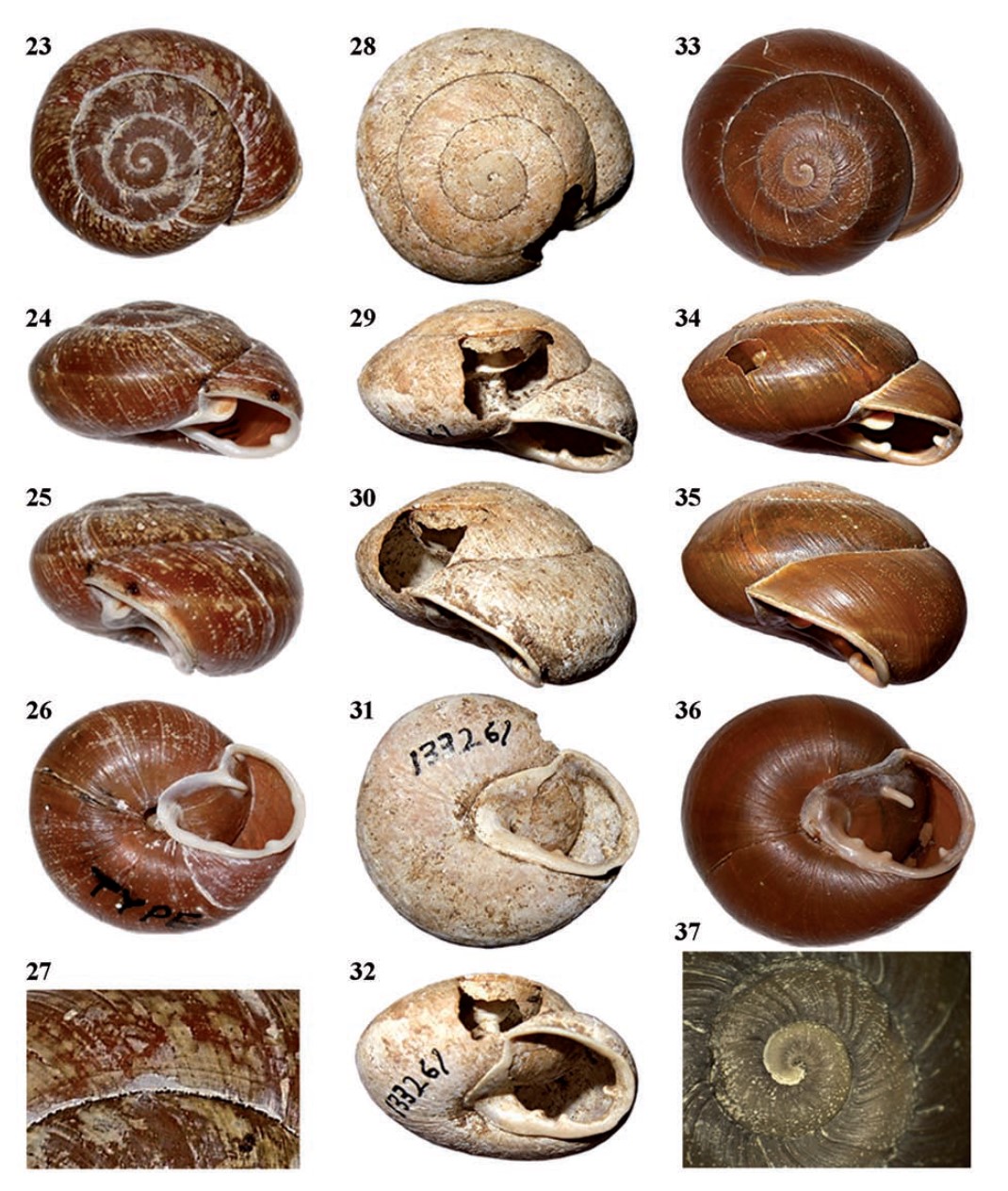
Figura: Borrero, 2012: (23–27) Isomeria inexpectata, HOLOTYPE USNM 599522, 24.6 mm; (28-32) Isomeria medemi, HOLOTYPE FMNH 133261, 28.4 mm; (33–37) Isomeria goettingi, HOLOTYPE SMF 329554, 28.1 mm
Fontes:
Descrição original: Solem, A. (1966). Neotropical land snail genera Labyrinthus and Isomeria (Pulmonata, Camaenidae). Fieldiana: Zoology. 50: 1-226., disponível online em https://biodiversitylibrary.org/page/2780997
página(s): 136, figs 38a-d
Breure, A. S. H. (1984). Survey of the land Mollusca of the Sierra Nevada de Santa Marta, Colombia. In: T. van der Hammen & P. M. Ruiz (eds.). La Sierra Nevada de Santa Marta (Colombia), Transecto Buritaca-La Cumbre. Studies on Tropical Andean Ecosystems. 2: 487-500, figs. 108-112., disponível online em https://breure.files.wordpress.com/2014/12/35_snsm-buritaca-la-cumbre.pdf
Borrero, F. J. (2012). A re-examination of the Pleurodontid land snails from the Sierra Nevada de Santa Marta region, Colombia, with the description of a new species of Isomeria Albers. Archiv für Molluskenkunde. 141(2): 217-231.
página(s): 224, figs 28-32
Grant S, Webbink K, Keogh S (2025). Field Museum of Natural History (Zoology) Invertebrate Collection. Version 18.51. Field Museum. Occurrence dataset https://doi.org/10.15468/6q5vuc accessed via GBIF.org on 2025-12-14. https://www.gbif.org/occurrence/1065101762
MolluscaBase: https://molluscabase.org/aphia.php?p=taxdetails&id=1371105

Vive em árvores e arbustos

Vive sob ou sobre pedras

Vive em corais ou recifes

Vive em algas marinhas

Vivem em fundos de cascalho de coral, pedra ou conchas

Vive no solo. Sob folhas ou enterada parte do tempo

Vive em fundos arenosos, enterrada ou sob ele.

Animais que nadam ou vivem livremente

Presos a certos animais ou parasitando

Vive em fundos lodosos

Vive em plantas de água doce

Seu habitat é desconhecido

Alimenta-se de plantas e algas

Alimenta-se de outros animais

Alimenta-se de qualquer fonte

Alimenta-se de animais mortos
Seu hábito alimentar é desconhecido


