CLASSE: GASTROPODA: TERRESTRE
FAMÍLIA: XANTHONYCHIDAE
ESPÉCIE: Leptarionta maxwellsmithi Pilsbry, 1930
Tamanho médio: 25 mm
Ocorrência: Colômbia (Choco)
Localidade tipo: Colômbia, Departamento de Choco, Acandi
Nome original: Leptarionta maxwellsmithi Pilsbry, 1930
Etimologia: o nome da espécie é uma homenagem a Maxwell Smith
Descrição original:
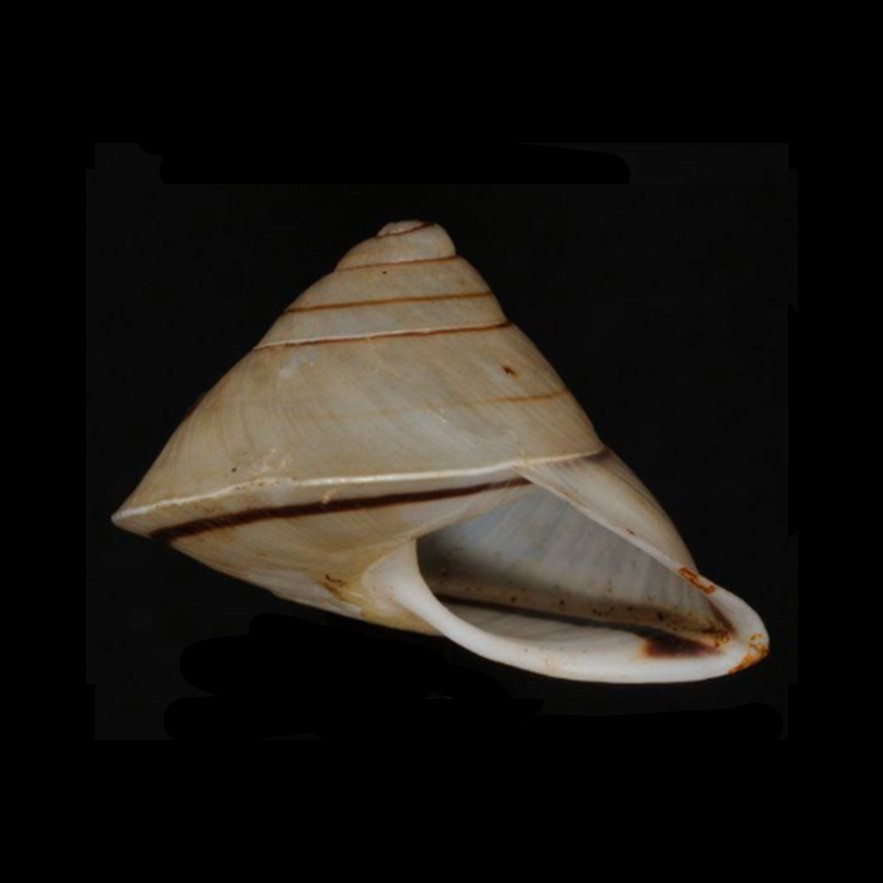
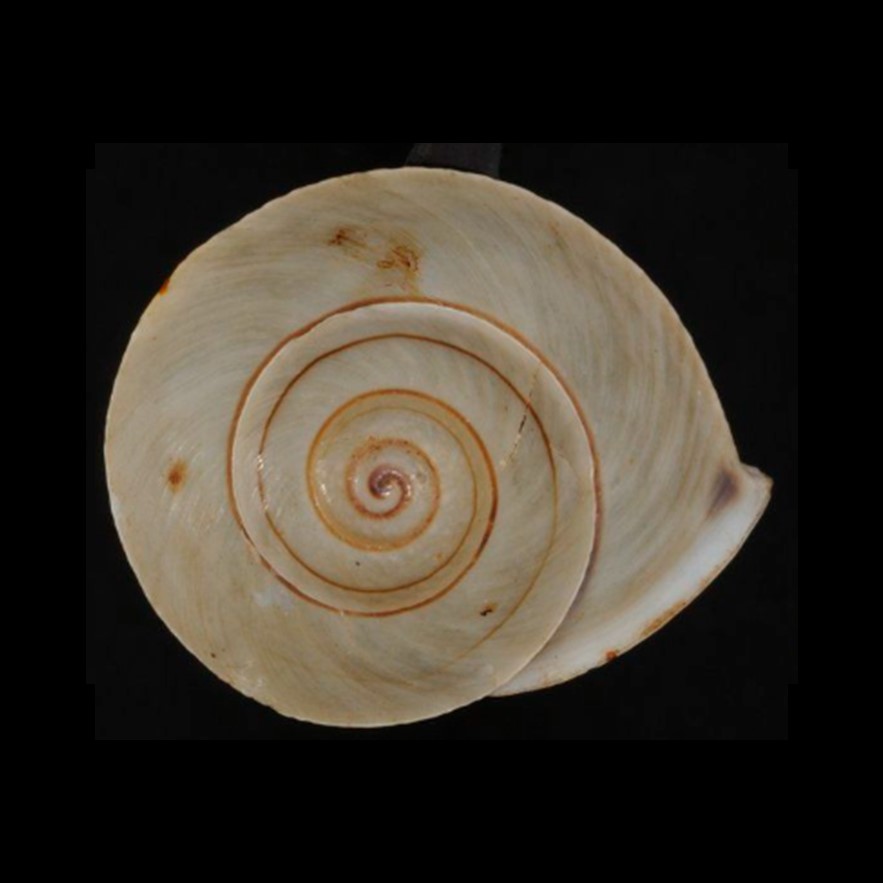
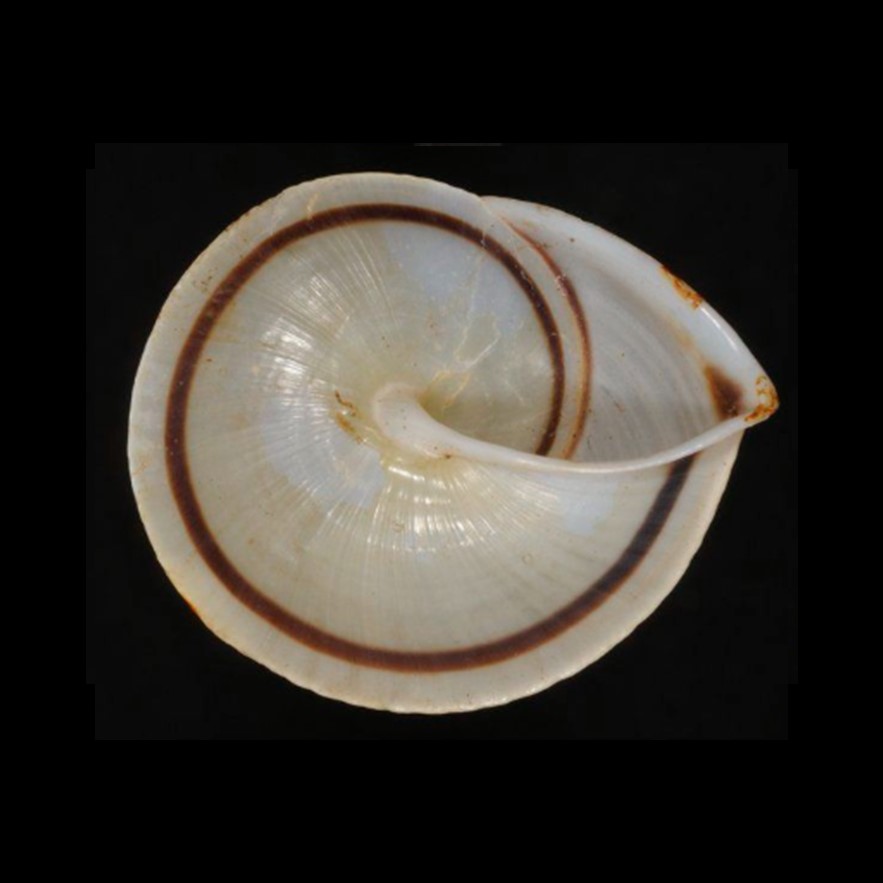
(Pilsbry, 1930): “The shell is imperforate, trochiform, acutely carinate; thin; grayish white under a very thin, faintly yellow periostracum, with a narrow brown band near the middle of the wliurls of the spire, failing on the last whorl, and a brown line immetliately below the suture, widening into a comma-shaped spot at tlie apex: on the base there is a wider carob brown band a short distance below the peripheral keel; there is a small dark spot above the keel behind the expansion of the lip.
The first two whorls are convex, the rest nearly flat, the last whorl being slightly concave above and below the acute keel, and not in the least descending in front. The base is nearly flat. The first whorl is smooth and glossy; the later whorls are smoothish, less glossy, and show low, unequal ripples of growth, which are a little stronger on the base. The aperture is angular out-wardly, the peristome white, upper margin slightly curved forward, expanded and thin, the basal margin arcuate, reflected, at the axis dilated over the umbilical region.”
Fotos: (1-3) The Academy of Natural Sciences, Philadelphia: HOLOTYPE de Leptarionta maxwellsmithi, ANSP 150243, Colômbia, Acandi, coletado em folhas de bananeiras, “his cousin” [of Smith, Maxwell], 25.2mm
Fontes:
Descrição original: Pilsbry, H. A. (1930). A new Colombian helicid snail of the genus Leptarionta. The Nautilus. 43(4): 116-117, text-fig. 1., disponível online em https://www.biodiversitylibrary.org/page/8515170
Thompson, F. G. (2011). An annotated checklist and bibliography of the land and freshwater snails of México and Central America. Florida Museum of Natural History Bulletin. 50(1): 1-299
Rosenberg G (2026). Malacology Collection at the Academy of Natural Sciences of Philadelphia. Academy of Natural Sciences. Occurrence dataset https://doi.org/10.15468/xp1dhx accessed via GBIF.org on 2026-02-16. https://www.gbif.org/occurrence/215777146
Molluscabase: https://molluscabase.org/aphia.php?p=taxdetails&id=1064117