CLASSE: GASTROPODA: TERRESTRE
FAMÍLIA: BULIMULIDAE
ESPÉCIE: Protoglyptus tubulaxis (Pilsbry, 1930)
Tamanho médio: 13.6 – 17.7 mm
Ocorrência: Bolívia (Santa Cruz)
Localidade tipo: Bolívia, Santa Cruz, Questa del Lima
Altitude: 800 m
Nome original: Bulimulus (Protoglyptus) tubulaxis Pilsbry, 1930
Comentários: Molluscabase, 2026 considera como “uncertain / unassessed”
Descrição original:
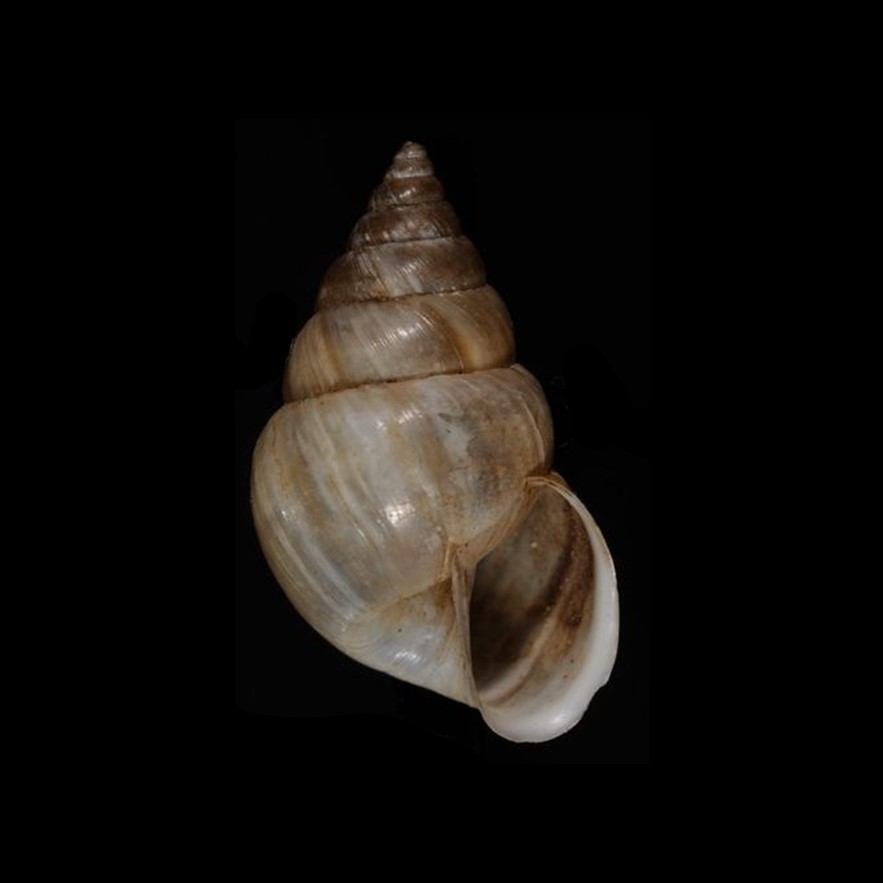
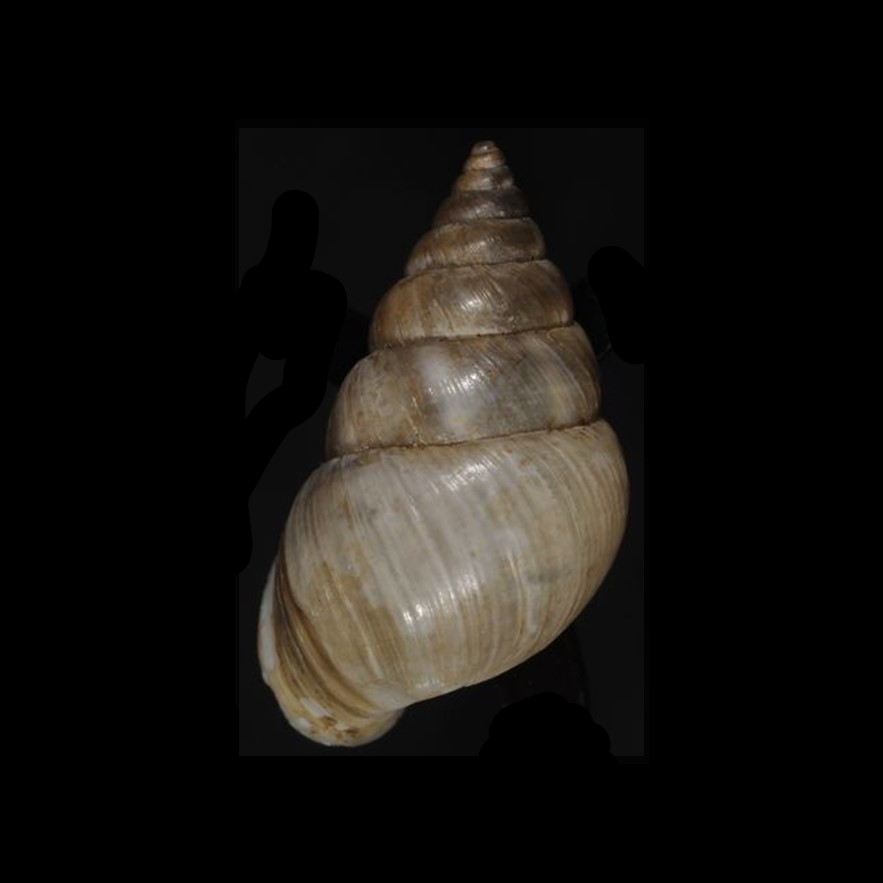
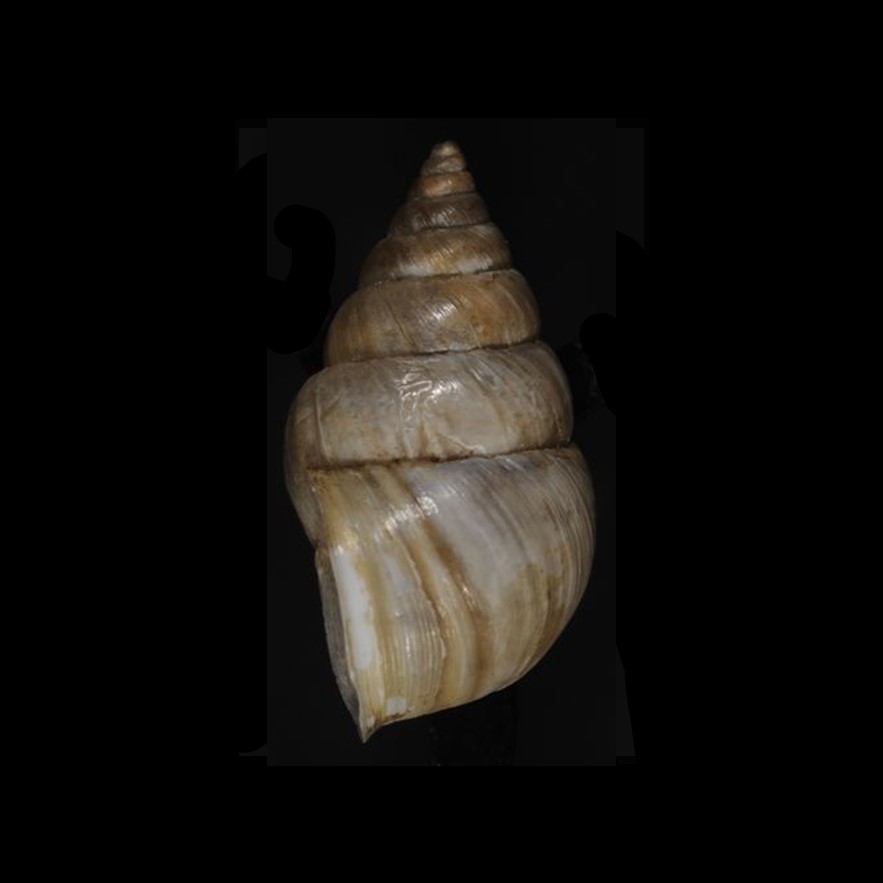
(Pilsbry, 1930): “The shell is openly umbilicate, ovate conic, thin. Color corneous with white streaks (or white with brownish corneous streaks). The spire is straightly conic with subacute apex. Whorls 7 2/3, short, strongly convex, the last prominent around the large umbilicus. The surface is glossy, the first half whorl smooth, the next whorl with low, narrow, widely spaced axial riblets, the intervals smooth, five or six times the width of the riblets. Subsequent whorls have unequal growth-wrinkles and in places fine im- pressed spiral lines can be traced. The aperture is oblong. Peristome thin-edged, with a white thickening within, the outer and especially the basal margin expanded, columellar margin somewhat dilated, built forward.”
Fotos: (1-3) The Academy of Natural Sciences, Philadelphia: HOLOTYPE de Protoglyptus tubulaxis, ANSP 152288, Bolívia, Santa Cruz, Questa del Lima, coll. Steinbock, J., ii.1916, 17.7mm
Fontes:
Descrição original: (como Bulimulus (Protoglyptus) tubulaxis Pilsbry, 1930) Pilsbry, H. A. (1930). South American land and freshwater mollusks. Notes and description, 7. Proceedings of the Academy of Natural Sciences of Philadelphia. 82: 355-365.
página(s): 357, pl. 31, fig. 5-8
Rosenberg G (2026). Malacology Collection at the Academy of Natural Sciences of Philadelphia. Academy of Natural Sciences. Occurrence dataset https://doi.org/10.15468/xp1dhx accessed via GBIF.org on 2026-02-21. https://www.gbif.org/occurrence/4422499030
MolluscaBase (2026): https://molluscabase.org/aphia.php?p=taxdetails&id=1730795