
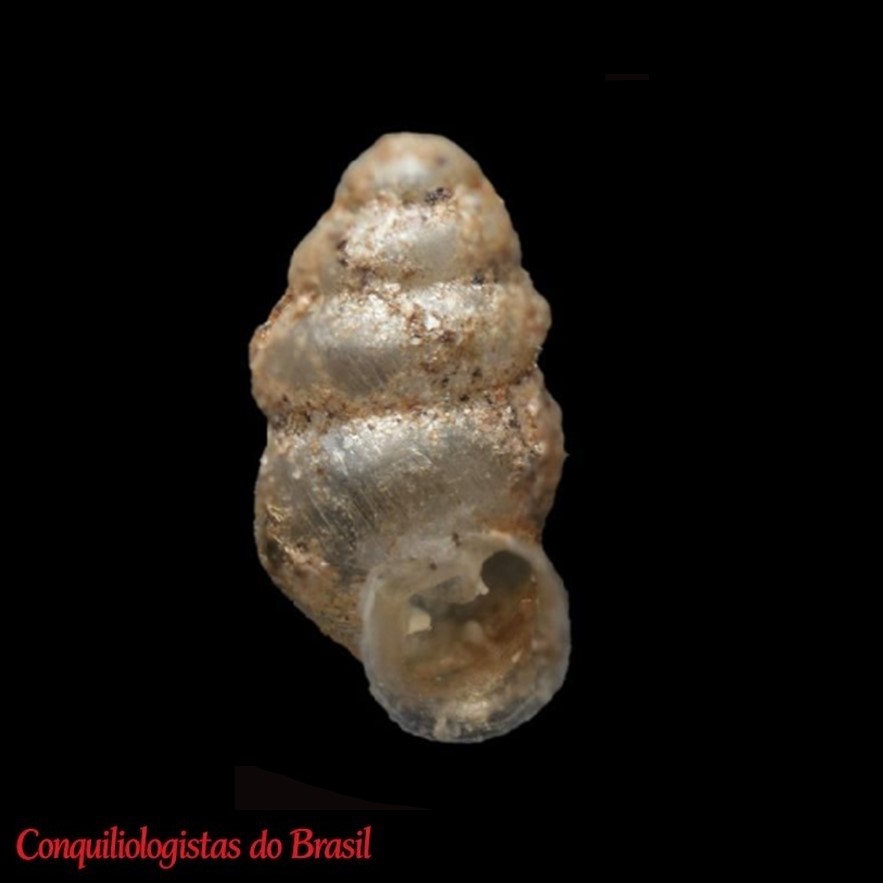
CLASSE: GASTROPODA: TERRESTRE
FAMÍLIA: VERTIGINIDAE
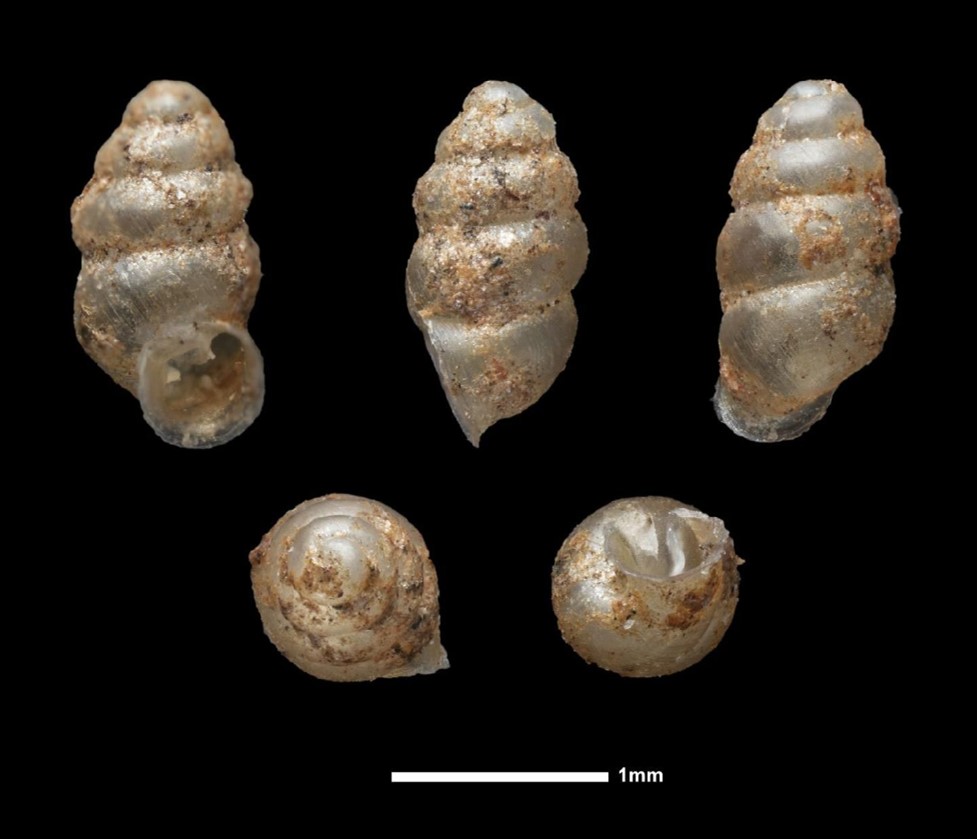
ESPÉCIE: Bothriopupa tenuidens (C. B. Adams, 1845)
Tamanho médio: 1.8 mm
Habitat: vive na serapilheira e também em troncos
Ocorrência: Trinidad & Tobago, Jamaica, Nicaragua, Cuba, Venezuela (Cariaquita)
Localidade tipo: Jamaica
Nome original: Pupa tenuidens C. B. Adams, 1845
Fotos: (1,2) Natural History Museum, London: Bothriopupa tenuidens (C. B. Adams, 1845), NHMUK 20190641, Trinidad & Tobago, Trinidad, “off Lady Young Road, Port of Spain”, coll. Mike G. Rutherford, 08.i.2015
Fontes:
Descrição original: (como Pupa tenuidens C. B. Adams, 1845) Adams, C. B. (1845). Specierum novarum conchyliorum, in Jamaica repertorum, synopsis. Proceedings of the Boston Society of Natural History. 2: 1-17., disponível online em https://www.biodiversitylibrary.org/page/9490685
página(s): 15
Thompson, F. G. (2011). An annotated checklist and bibliography of the land and freshwater snails of México and Central America. Florida Museum of Natural History Bulletin. 50(1): 1-299., disponível online em https://doi.org/10.58782/flmnh.bnej7351
Rosenberg, G. & Muratov, I. V. (2006). Status report on the terrestrial Mollusca of Jamaica. Proceedings of the Academy of Natural Sciences of Philadelphia. 155: 117-161; Erratum: 156: 401 (2007)., disponível online em https://doi.org/10.1635/i0097-3157-155-1-117.1
página(s): 151
Baker, H. B. (1925). The Mollusca collected by the University of Michigan-Williamson Expedition in Venezuela, Part III: Pupillidae to Oleacinidae. Occasional Papers of the Museum of Zoology, University of Michigan. 156: 1-56, pls. 6-11., disponível online em https://deepblue.lib.umich.edu/bitstream/handle/2027.42/56595/OP156.pdf?sequence=1&isAllowed=y
página(s): 2
Haas, F. (1960). Caribbean land molluscs: Vertiginidae. Studies on the Fauna of Curaçao and other Caribbean Islands: no. 41. 10(1): 1-17, pls. 1-5.
página(s): 4-5, pl. 1, fig. C
Robinson, D. G., Fields, A. & Zimmerman, F. J. (2004). The terrestrial malacofauna of Trinidad and Tobago. Interim report. 1-21.
páginapage(s): 8
Hummelinck, P. W. (1940). A survey of the mammals, lizards and mollusks. Studies on the Fauna of Curaçao, Aruba, Bonaire and the Venezuelan Islands: no. 2. 1(1): 59-108., disponível online em https://repository.naturalis.nl/pub/506090
página(s): 96
Natural History Museum (2026). Natural History Museum (London) Collection Specimens. Occurrence dataset https://doi.org/10.5519/qd.m3qeuv0u accessed via GBIF.org on 2026-05-24. https://www.gbif.org/occurrence/2273400002
MolluscaBase: https://molluscabase.org/aphia.php?p=taxdetails&id=1064226

Vive em árvores e arbustos

Vive sob ou sobre pedras

Vive em corais ou recifes

Vive em algas marinhas

Vivem em fundos de cascalho de coral, pedra ou conchas

Vive no solo. Sob folhas ou enterada parte do tempo

Vive em fundos arenosos, enterrada ou sob ele.

Animais que nadam ou vivem livremente

Presos a certos animais ou parasitando

Vive em fundos lodosos

Vive em plantas de água doce

Seu habitat é desconhecido

Alimenta-se de plantas e algas

Alimenta-se de outros animais

Alimenta-se de qualquer fonte

Alimenta-se de animais mortos
Seu hábito alimentar é desconhecido


