
CLASSE: GASTROPODA: TERRESTRE
FAMÍLIA: NEOCYCLOTIDAE
ESPÉCIE: Aperostoma translucidum (G. B. Sowerby I, 1843)
Tamanho médio: 27 mm
Habitat: vive no solo, sob folhas ou enterrada parte do tempo
Ocorrência: Venezuela, Margarita I., Trinidad & Tobago
Localidade tipo: não informada
Nome original: Cyclostoma translucidum G. B. Sowerby I, 1843
Nomes sinonimizados: Aperostoma (Cyclohidalgoa) translucidum (G. B. Sowerby I, 1843); Cyclohidalgoa translucida (G. B. Sowerby I, 1843); Cyclotus translucidus (G. B. Sowerby I, 1843); Neocyclotus (Cyclohidalgoa) translucidus (G. B. Sowerby I, 1843); Neocyclotus (Neocyclotus) translucidus (G. B. Sowerby I, 1843); Neocyclotus translucidus (G. B. Sowerby I, 1843); Poteria (Neocyclotus) translucida (G. B. Sowerby I, 1843); Poteria translucida (G. B. Sowerby I, 1843)
Subespécies:
(i) Aperostoma translucidum bejumense (H. B. Baker, 1923)
(ii) Aperostoma translucidum dunoonense Bartsch & J. P. E. Morrison, 1942
(iii) Aperostoma translucidum major (H. B. Baker, 1923)
(iv) Aperostoma translucidum pygmaeum Bartsch & J. P. E. Morrison, 1942
(v) Aperostoma translucidum translucidum (G. B. Sowerby I, 1843)
(vi) Aperostoma translucidum trinitense (Guppy, 1864)
Fotos:
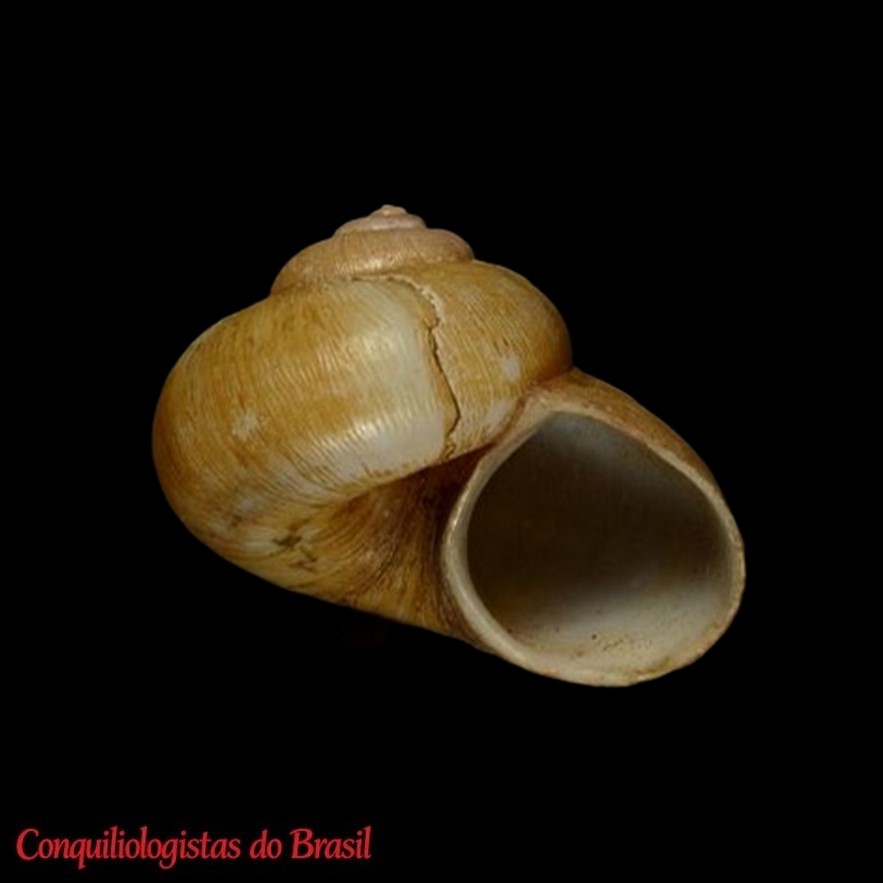
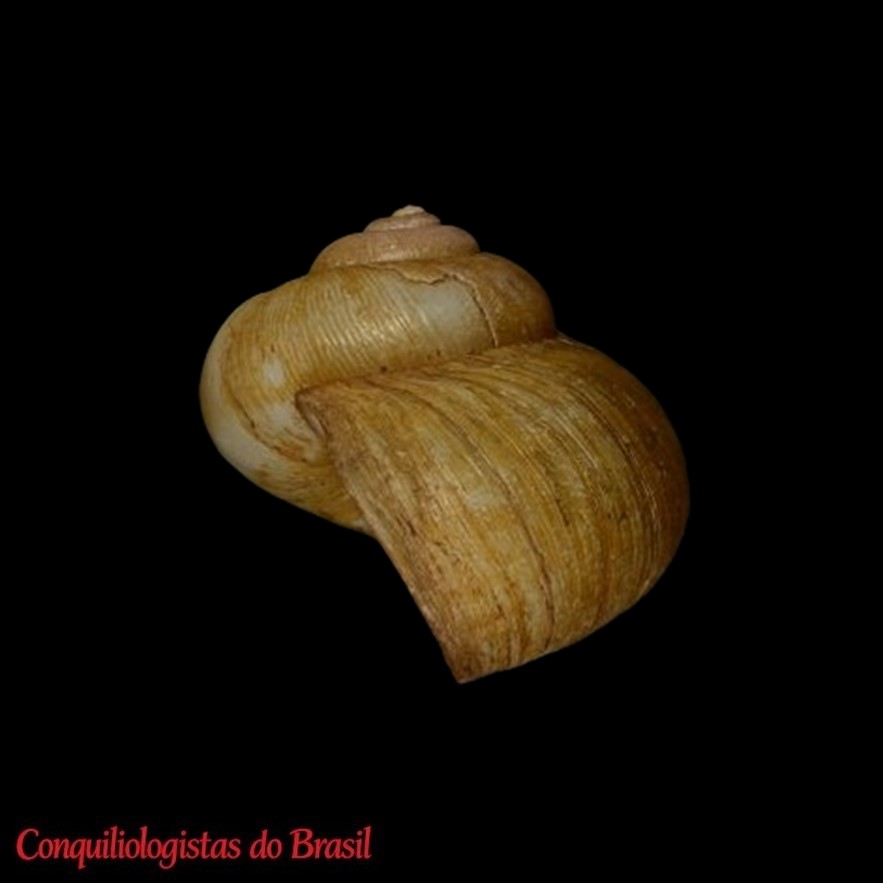
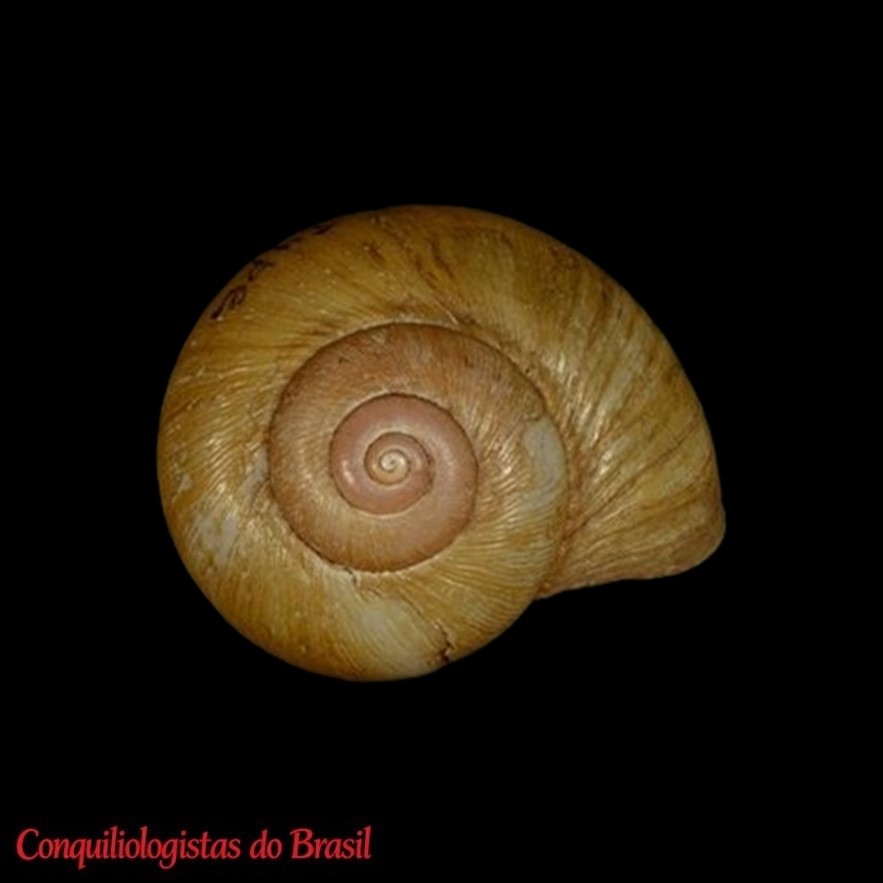
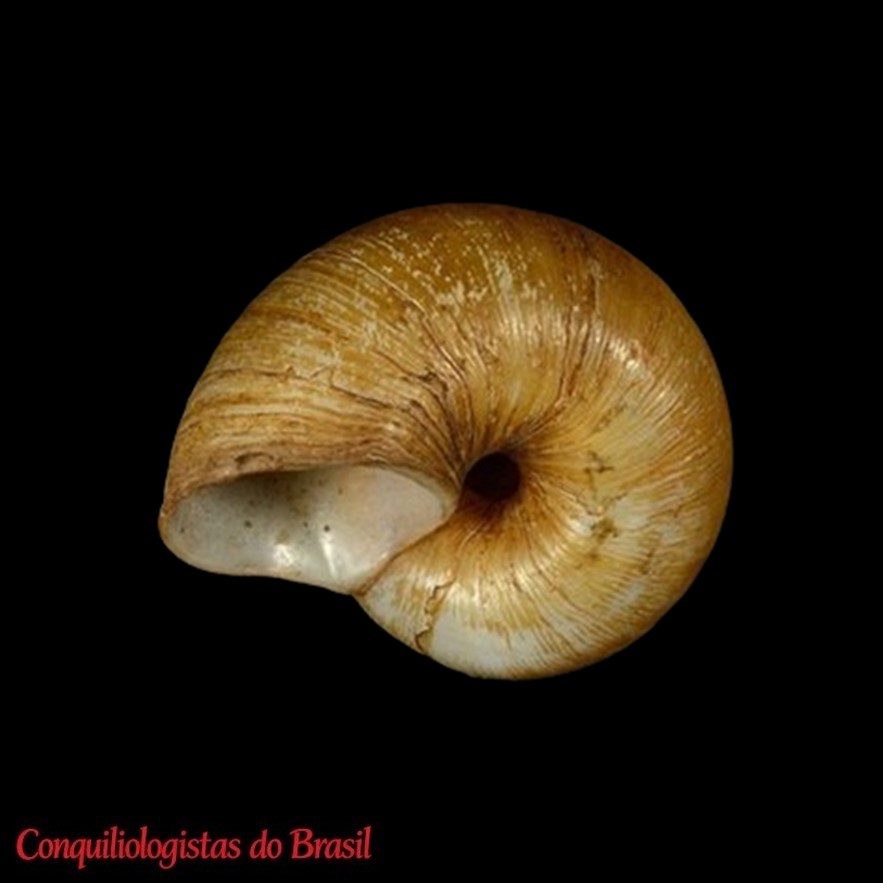
(1-4) The Academy of Natural Sciences, Philadelphia: SYNTYPE de Poteria translucida var. major H. B. Baker, 1923, ANSP MO12990, Robert Swift Collection, Venezuela, Caracas, 26.9mm
(5) Natural History Museum, London; SYNTYPE de Cyclotus trinitensis Guppy, 1864, NHMUK 1864.12.17.2, coll. R.J.Lechmere Guppy, Trinidad, Trinidad & Tobago, “it is not a common shell on the main island of Trinidad; but it is found in abundance on one of the rocky islets of the group called the Coloras, or Five Islands, in the Gulf of Paria“, 14mm

Fontes:
Descrição original: (como Cyclostoma translucidum G. B. Sowerby I, 1843) Sowerby, G. B. I. (1843). Monograph of the genus Cyclostoma. In G. B. Sowerby II (ed.), Thesaurus conchyliorum, or monographs of genera of shells. Vol. 1 (3): 89-156, pl. 23-31. London, privately published. [23 June]., disponível online em https://biodiversitylibrary.org/page/11076319
página(s): 106, pl. 23 fig. 4
Descrição original: (como Poteria (Neocyclotus) translucida var. major H. B. Baker, 1923) Baker, H. B. (1923). The Mollusca collected by the University of Michigan-Williamson Expedition in Venezuela. Part I. Curaçao. Occasional Papers of the Museum of Zoology, University of Michigan. 137: 1-59, pls. 1-5., disponível online em https://www.biodiversitylibrary.org/page/13922433
página(s): 33
Descrição original: (como Cyclotus trinitensis Guppy, 1864) Guppy, R. J. L. (1864). Descriptions of new species of fluviatile and terrestrial operculate Mollusca from Trinidad. The Annals and Magazine of Natural History, 3rd series. 14: 243-248., disponível online em https://www.biodiversitylibrary.org/page/15623690
página(s): 245-246
Bartsch, P. & Morrison, J. P. E. (1942). Part 3 – The cyclophorid mollusks of the mainland of America. In: Torre, C. de la; Bartsch, P.; Morrison, J. P. E. The cyclophorid operculate land mollusks of America. United States National Museum Bulletin. 181: 142-293., disponível online em https://www.biodiversitylibrary.org/page/7837960
Hummelinck, P. W. (1940). A survey of the mammals, lizards and mollusks. Studies on the Fauna of Curaçao, Aruba, Bonaire and the Venezuelan Islands: no. 2. 1(1): 59-108., disponível online em https://repository.naturalis.nl/pub/506090
página(s): 103
Rutherford, M.G. 2011. Land Snails from the Five-Islands Archipelago, North-west Trinidad, West Indies. Living World, Journal of The Trinidad and Tobago Field Naturalists’ Club, 2011, página(s) 42-45
Molluscabase: https://molluscabase.org/aphia.php?p=taxdetails&id=1434640

Vive em árvores e arbustos

Vive sob ou sobre pedras

Vive em corais ou recifes

Vive em algas marinhas

Vivem em fundos de cascalho de coral, pedra ou conchas

Vive no solo. Sob folhas ou enterada parte do tempo

Vive em fundos arenosos, enterrada ou sob ele.

Animais que nadam ou vivem livremente

Presos a certos animais ou parasitando

Vive em fundos lodosos

Vive em plantas de água doce

Seu habitat é desconhecido

Alimenta-se de plantas e algas

Alimenta-se de outros animais

Alimenta-se de qualquer fonte

Alimenta-se de animais mortos
Seu hábito alimentar é desconhecido


