
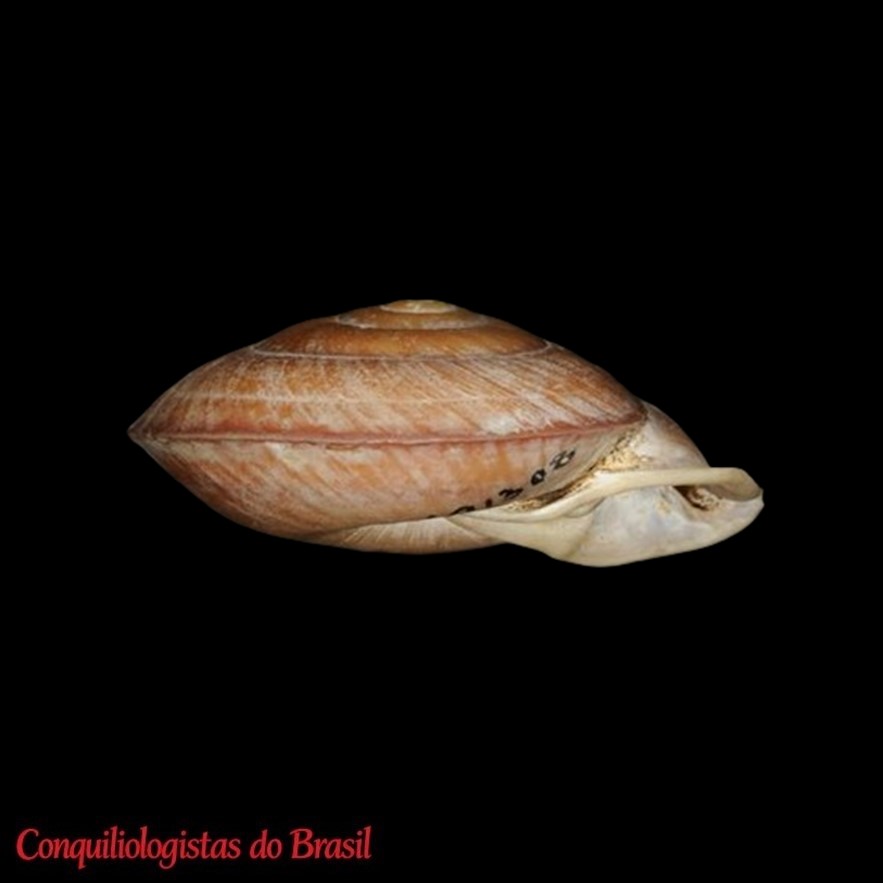
![<i>Labyrinthus otis</i> ([Lightfoot], 1786)](https://conchasbrasil.org.br/wp-content/uploads/2026/04/Labyrinthus-otis-orthorhinus-Pilsbry-1910-HOLOTYPE-ANSP-MO101308-LATERAL.jpg)
![<i>Labyrinthus otis</i> ([Lightfoot], 1786)](https://conchasbrasil.org.br/wp-content/uploads/2026/04/Labyrinthus-otis-orthorhinus-Pilsbry-1910-HOLOTYPE-ANSP-MO101308-APICAL.jpg)
![<i>Labyrinthus otis</i> ([Lightfoot], 1786)](https://conchasbrasil.org.br/wp-content/uploads/2026/04/Labyrinthus-otis-orthorhinus-Pilsbry-1910-HOLOTYPE-ANSP-MO101308-BOT.jpg)
CLASSE: GASTROPODA: TERRESTRE
FAMÍLIA: LABYRINTHIDAE
ESPÉCIE: Labyrinthus otis ([Lightfoot], 1786)
Tamanho médio: 34 – 58 mm
Ocorrência: Colômbia (Cundimarca, Santander, Cundimarca, Bolívar, Chocó), Panamá (vizinhanças da fronteira entre Colômbia e Panamá)
Localidade tipo: não informada
Nome original: Helix otis [Lightfoot], 1786
Nomes sinonimizados: Helix (Labyrinthus) labyrinthus Pilsbry, 1889; Helix labyrinthus Chemnitz, 1795; Pleurodonte otis ([Lightfoot], 1786)
Subespécies:
Labyrinthus otis orthorhinus (Pilsbry, 1910)
Fotos:
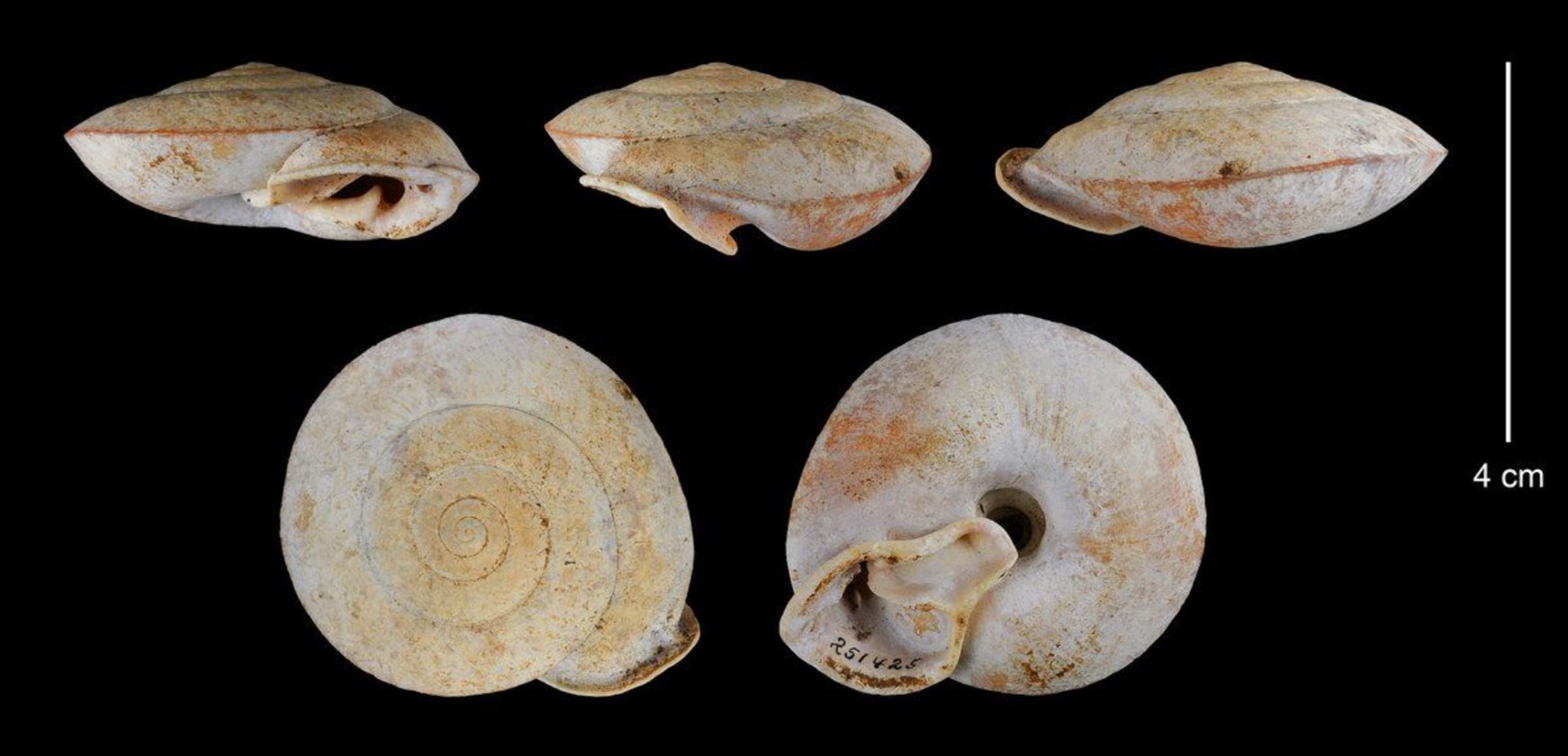
(1-4) The Academy of Natural Sciences, Philadelphia: PARATYPE de Pleurodonte otis orthorhinus Pilsbry, 1910, ANSP MO101308, “Clearing between Tabernillo and San Pablo”, Panamá, 48mm;
(5) National Museum of Natural History, Smithsonian Institution, Labyrinthus otis orthorhinus (Pilsbry, 1910), USNM 251425, Panamá
Fontes:
Descrição original: (como Helix otis [Lightfoot], 1786) Lightfoot, J. (1786). A Catalogue of the Portland Museum, lately the property of the Duchess Dowager of Portland, deceased; which will be sold by auction by Mr. Skinner & Co. [book]. London. viii + 194 pp., disponível online em https://biodiversitylibrary.org/page/43259464
página(s): 38
Descrição original: (como Helix labyrinthus Chemnitz, 1795) Chemnitz, J. H. (1780-1795). Neues systematisches Conchylien Cabinet. Gabriel Nicolaus Raspe, Nürnberg. Vol. 4 [1780]: [xxvii] + 344 pp. + 1 (errata), pl. 122-159; vol. 5 [1781]: [xxiv] + 324 p., pl. 160-193; vol. 6 [1782]: [xii] + 375 pp., pl. 1–36; vol. 7 [1784], [xii] + 356 pp., pl.. 37–69; vol. 8 [1785], xvi + 372 pp., pl. 70–102; vol. 9(1) [1786], xii + 151 pp., pl. 103–116; vol. 9(2) [1786], [xxvi] + 194 pp., pl. 117–136; vol. 10 [1788], [xx] + 376 pp., pl. 137–173; vol. 11 [1795], [xx] + 310 pp., pl. 174–213 [Work placed on the Official Index by ICZN Direction 1 (1954)] [volumes 1-3 are by F.H.W. Martini]., disponível online em https://www.biodiversitylibrary.org/bibliography/43760
Descrição original: (como Pleurodonte otis orthorhinus Pilsbry, 1910) Pilsbry, H. A. (1910). Land Mollusca of the Panama Canal Zone. Proceedings of the Academy of Natural Sciences of Philadelphia. 62: 502-509., disponível online em https://www.biodiversitylibrary.org/page/5526436
página(s): 505
Thompson, F. G. (2011). An annotated checklist and bibliography of the land and freshwater snails of México and Central America. Florida Museum of Natural History Bulletin. 50(1): 1-299., disponível online em https://doi.org/10.58782/flmnh.bnej7351
Solem, A. (1966). Neotropical land snail genera Labyrinthus and Isomeria (Pulmonata, Camaenidae). Fieldiana: Zoology. 50: 1-226., disponível online em https://biodiversitylibrary.org/page/2780997
página(s): 105-108
Orrell T, Informatics and Data Science Center – Digital Stewardship (2026). NMNH Extant Specimen Records (USNM, US). Version 1.108. National Museum of Natural History, Smithsonian Institution. Occurrence dataset https://doi.org/10.15468/hnhrg3 accessed via GBIF.org on 2026-05-17. https://www.gbif.org/occurrence/1318731151
MolluscaBase: https://molluscabase.org/aphia.php?p=taxdetails&id=1064481

Vive em árvores e arbustos

Vive sob ou sobre pedras

Vive em corais ou recifes

Vive em algas marinhas

Vivem em fundos de cascalho de coral, pedra ou conchas

Vive no solo. Sob folhas ou enterada parte do tempo

Vive em fundos arenosos, enterrada ou sob ele.

Animais que nadam ou vivem livremente

Presos a certos animais ou parasitando

Vive em fundos lodosos

Vive em plantas de água doce

Seu habitat é desconhecido

Alimenta-se de plantas e algas

Alimenta-se de outros animais

Alimenta-se de qualquer fonte

Alimenta-se de animais mortos
Seu hábito alimentar é desconhecido


