
CLASSE: GASTROPODA: TERRESTRE
FAMÍLIA: BULIMULIDAE
ESPÉCIE: Naesiotus veseyianus (Dall, 1893)
Tamanho médio: 36.5 mm
Ocorrência: México (Baja California), conhecida apenas para Isla Espiritu Santo, Baja California Sur
Localidade tipo: México, “Espiritu Santo Id., Gulf of California”
Nome original: Bulimulus (Leptobyrsus) veseyianus Dall, 1893
Etimologia: o nome da espécie é uma homenagem ao naturalista, zoólogo e coletor húngaro John Xantus de Vesey (1825–1894) (nascido Xántus János). Advogado de formação, Xantus lutou na revolução nacionalista húngara de 1848 contra o Império Austríaco. Capturado e exilado, ele fugiu para os Estados Unidos em 1852. Sem recursos, alistou-se no Exército Americano como assistente médico, onde conheceu mentores que o conectaram à Smithsonian Institution. Entre 1859 e 1861, Xantus trabalhou como observador de marés em Cabo San Lucas, no extremo sul da península da Baja California. Vivendo de forma isolada e sob condições severas, ele dedicou seu tempo livre a coletar intensamente a fauna e a flora locais
Comentários: SYNTYPE está depositado no National Museum of Natural History, Smitisonian: USNM 34122, coll. Belding, L., Espiritu Santo Id.
Descrição original:
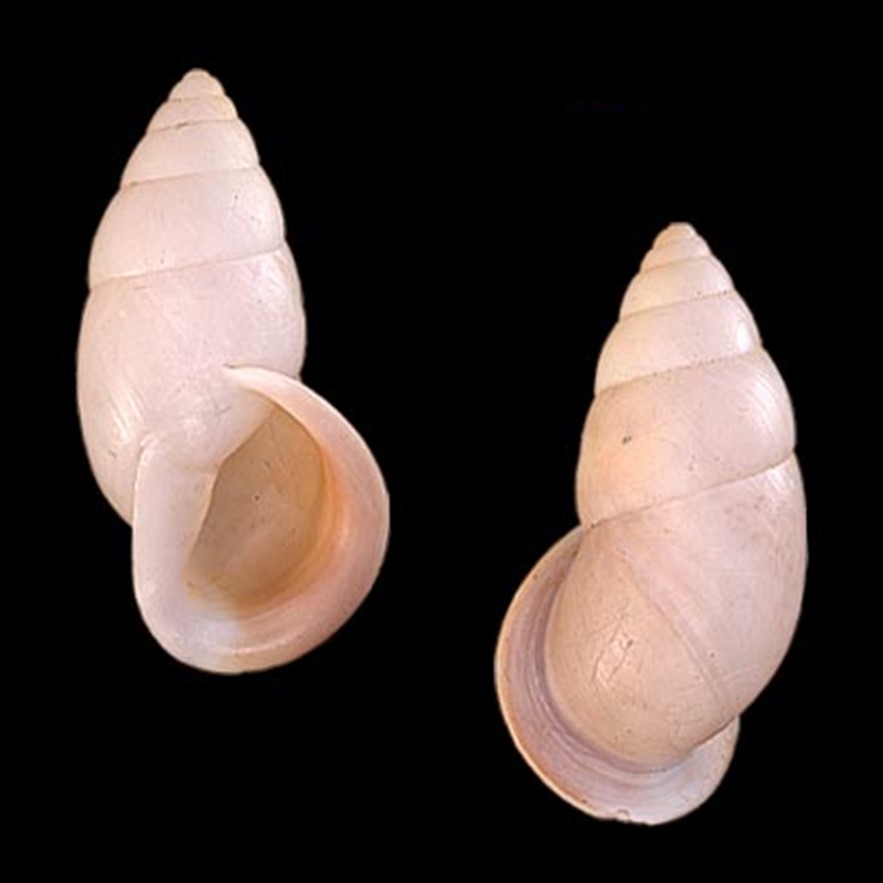
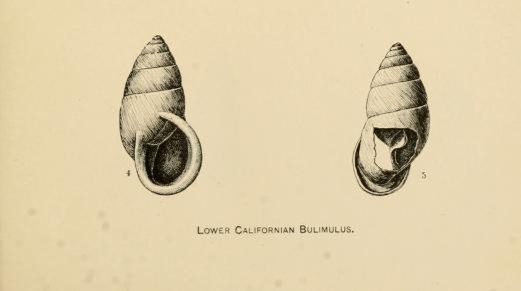
(Dall, 1893) “Shell stout, inflated, brownish, polished, with seven whorls; suture appressed, distinct, but shallow; nucleus wornin all the specimens butapparently not differing from that of B. Bryanti except as being more blunt; whorls except the last rather rounded, the last whorl somewhat flattened at the periphery; umbilicus large but narrow, overshadowed by: very wide expansion of the pillar-lip; aperture large, the lips approximated behind, the reflection wide and greatly recurved, of a livid waxen passing into white at themargin; body moderately callous, pillar straight with an obscure fold visible at the aperture, internally with a large thick sublinguiform lamina; surface of the shell like that of Bulimulus excelsus, but more polished”
Fotos: (1) Naesiotus veseyianus, cortesia Femorale, 2011, México, Baja California, 39.7mm; (2) Dall, W. H. (1893), desenho HOLOTYPE CAS 34122, coll. Belding, 1883
Fontes:
Descrição original: (como Bulimulus (Leptobyrsus) veseyianus Dall, 1893) Dall, W. H. (1893). Land shells of the genus Bulimulus in Lower California, with descriptions of several new species. Proceedings of the United States National Museum. 16: 639-647, pls. 71-72., disponível online em https://www.biodiversitylibrary.org/page/15781007
página(s): 645
Thompson, F. G. (2011). An annotated checklist and bibliography of the land and freshwater snails of México and Central America. Florida Museum of Natural History Bulletin. 50(1): página(s) 1-299
MolluscaBase: https://molluscabase.org/aphia.php?p=taxdetails&id=1064270

Vive em árvores e arbustos

Vive sob ou sobre pedras

Vive em corais ou recifes

Vive em algas marinhas

Vivem em fundos de cascalho de coral, pedra ou conchas

Vive no solo. Sob folhas ou enterada parte do tempo

Vive em fundos arenosos, enterrada ou sob ele.

Animais que nadam ou vivem livremente

Presos a certos animais ou parasitando

Vive em fundos lodosos

Vive em plantas de água doce

Seu habitat é desconhecido

Alimenta-se de plantas e algas

Alimenta-se de outros animais

Alimenta-se de qualquer fonte

Alimenta-se de animais mortos
Seu hábito alimentar é desconhecido


