

CLASSE: GASTROPODA: TERRESTRE
FAMÍLIA: SCOLODONTIDAE
ESPÉCIE: Polygyratia polygyrata (Born, 1778)
Tamanho médio: 44 – 50 mm
Habitat: Mata Atlântica – vive no solo, sob folhas ou enterrada parte do tempo
Alimentação: herbívoro
Ocorrência: Brasil, Bahia (Leste do Estado)
Localidade tipo: desconhecida (Born, 1780); “Brazil” de acordo com Schileyko (2006)
Nome original: Helix polygyrata Born, 1778
Sinônimos: Helix charybdis Mörch, 1852; Polygyratia charybdis (Mörch, 1852)
Redescrição:
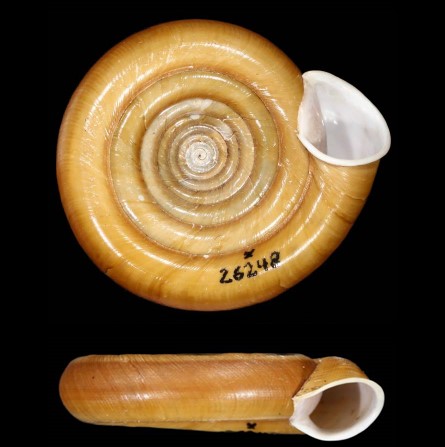
(Roosen, Salvador & Breure, 2025): “Shell planispiral, large, width 40–47 mm, height 11–13 mm, multiwhorled; whorls 8½–9. Spire typically slightly depressed, but often flat. Whorl profile markedly convex, with gentle angulation marking borders of apical and umbilical regions; a central angulation on the body whorl can be seen in some specimens. Whorls tightly coiled, slowly and regularly enlarging. Protoconch of 2¼–2½ whorls, apparently smooth.
Teleoconch with scalelike, reticulated sculpture often superimposed by coarse growth lines; growth lines tend to become coarser and more irregular towards aperture. Body whorl bent abapically near the aperture. Presence of internal parietal (typically one) and palatal (typically two) lamellae in body whorl; lamellae short, disposed in two or three sets, positioned c. ⅓ and ⅔ of a whorl behind aperture. The number of lamellae may differ in some specimens, which may have additional smaller lamellae or even lack one of the three main lamellae. Aperture rounded to D-shaped; parietal callus may be present. Peristome slightly reflexed. Umbilicus very wide and deep.”
Fotos: (1,2) Senckenberg Natural History Museum, Frankfurt: Polygyratia polygyrata, SMF 26248
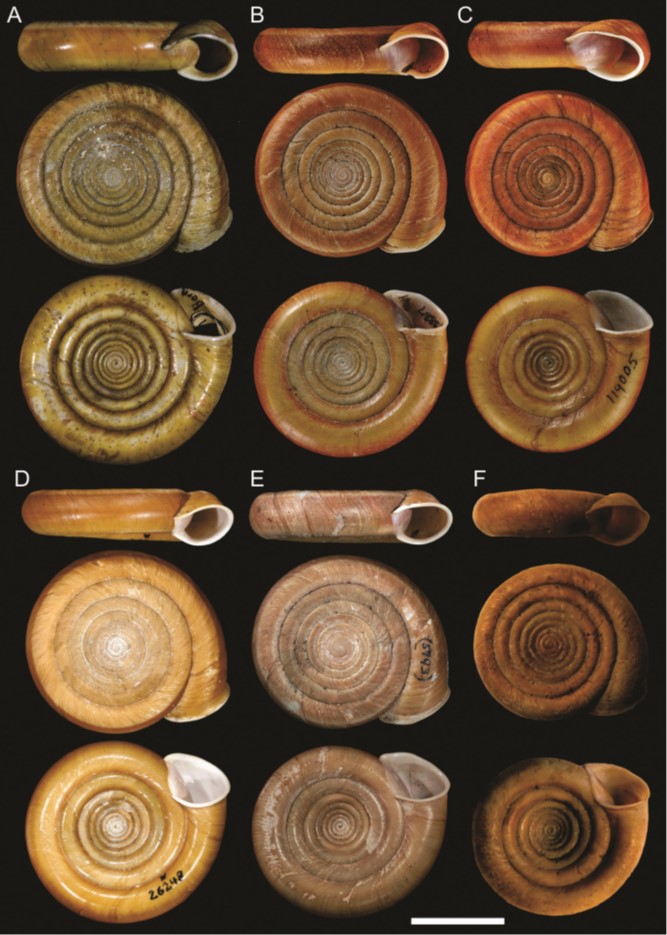
Figura 1: Salvador, Cavallari (2020): Conchas de Polygyratia polygyrata, mostrando a variação nas características conquiológicas, como tamanho, número de voltas, e formato da abertura, bem como coloração. (A) HOLOTYPE NHMW-MO-14371 (NHMW); (B) B. AMNH 43887 (AMNH); (C) AMNH 119005 (AMNH); (D) SMF 26248 (SMF); (E) MNZ M.233517 (MNZ); (F) possível HOLOTYPE de Polygyratia charybdis, NHMD 615842 (NHMD)
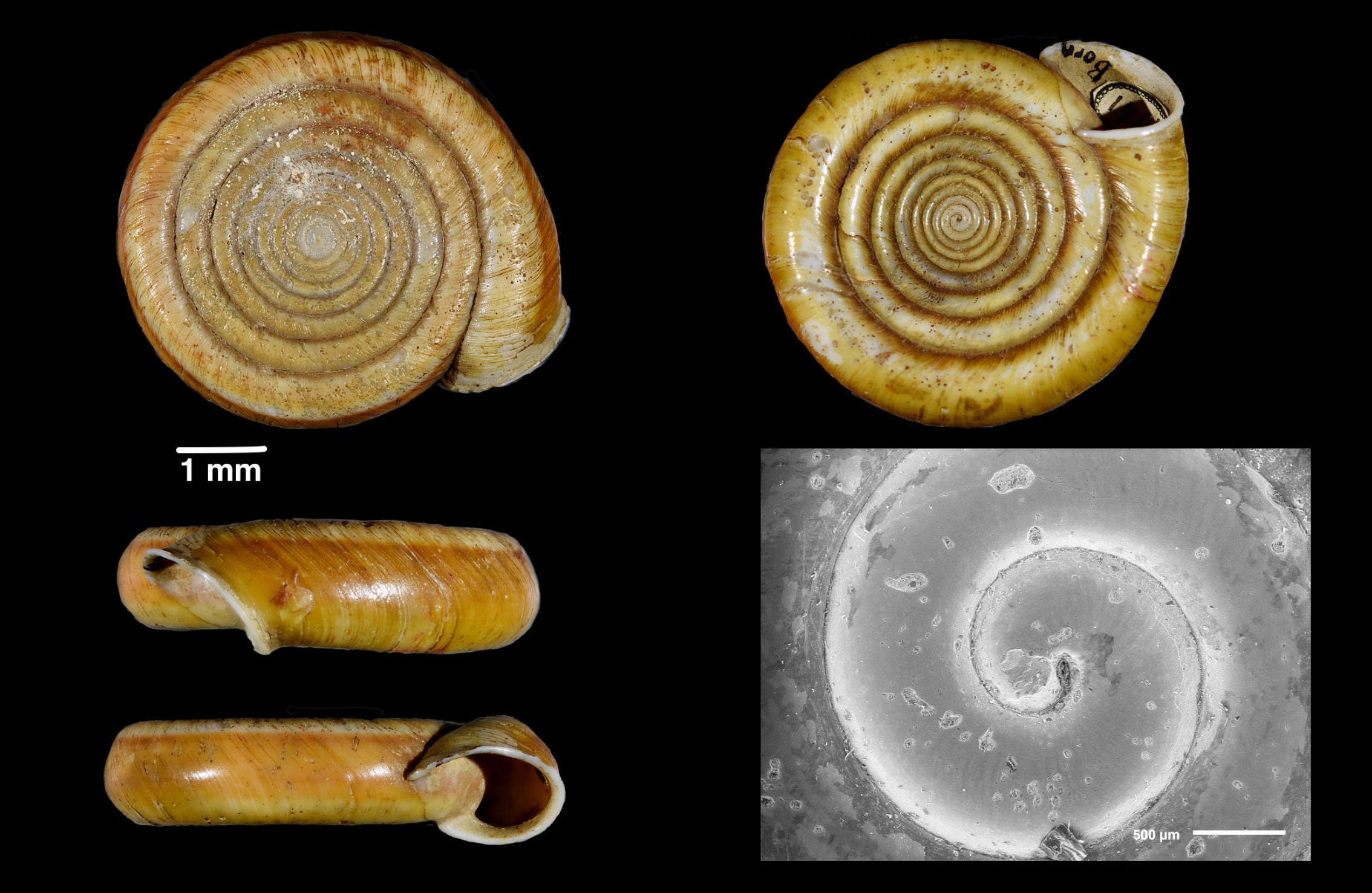
Figura 2: Roosen, Salvador & Breure, 2025: Naturhistorisches Museum, Wien, Austria: SYNTYPE de Polygyratia polygyrata, NHMW-MO-14371
Fontes:
Descrição original: Born, I. Von. (1778). Index rerum naturalium Musei Cæsarei Vindobonensis. Pars I.ma. Testacea. Verzeichniß der natürlichen Seltenheiten des k. k. Naturalien Cabinets zu Wien. Erster Theil. Schalthiere. [1-40], 1-458, [1-82]. Vindobonae [Vienna]; (Kraus). disponível online em https://www.biodiversitylibrary.org/item/43890#page/7/mode/1up
Breure, A. S. H. & Araujo, R. (2017). The Neotropical land snails (Mollusca, Gastropoda) collected by the “Comisión Científica del Pacífico.”. PeerJ. 5, e3065., disponível online em https://www.ncbi.nlm.nih.gov/pmc/articles/PMC5354113/#
página(s): 121, figs. 47D-47F
Salvador, B. R.; Cavallari, D. C. (2020). Taxonomy and distribution of enigmatic “helicoid” Polygyratia Gray, 1847 (Gastropoda, Stylommatophora). Zoosystematics and Evolution. 96(1): 91-101., disponível online em https://doi.org/10.3897/zse.96.51047
página(s): 92, fig. 1, 2
Roosen, Salvador & Breure, 2025. Revision of the genera of Scolodontidae, part 3: Entodina Ancey, 1887, Keranella gen. nov., Martinella Jousseaume, 1887, †Patagocharopa Miquel & P.E. Rodriguez, 2016, Polygyratia Gray, 1847, Ridleyconcha Christensen, 2020, Smenodonta gen. nov., Systrophia L. Pfeiffer, 1855, and Zilchistrophia Weyrauch, 1960. Journal of Conchology. Vol. 45, no. 3
Simone, L. R. L. (2006). Land and Freshwater Molluscs of Brazil. Editora Gráfica Bernardi, FAPESP. São Paulo, 390 pp. página(s): 247
MolluscaBase: https://www.molluscabase.org/aphia.php?p=taxdetails&id=1320928

Vive em árvores e arbustos

Vive sob ou sobre pedras

Vive em corais ou recifes

Vive em algas marinhas

Vivem em fundos de cascalho de coral, pedra ou conchas

Vive no solo. Sob folhas ou enterada parte do tempo

Vive em fundos arenosos, enterrada ou sob ele.

Animais que nadam ou vivem livremente

Presos a certos animais ou parasitando

Vive em fundos lodosos

Vive em plantas de água doce

Seu habitat é desconhecido

Alimenta-se de plantas e algas

Alimenta-se de outros animais

Alimenta-se de qualquer fonte

Alimenta-se de animais mortos
Seu hábito alimentar é desconhecido


