
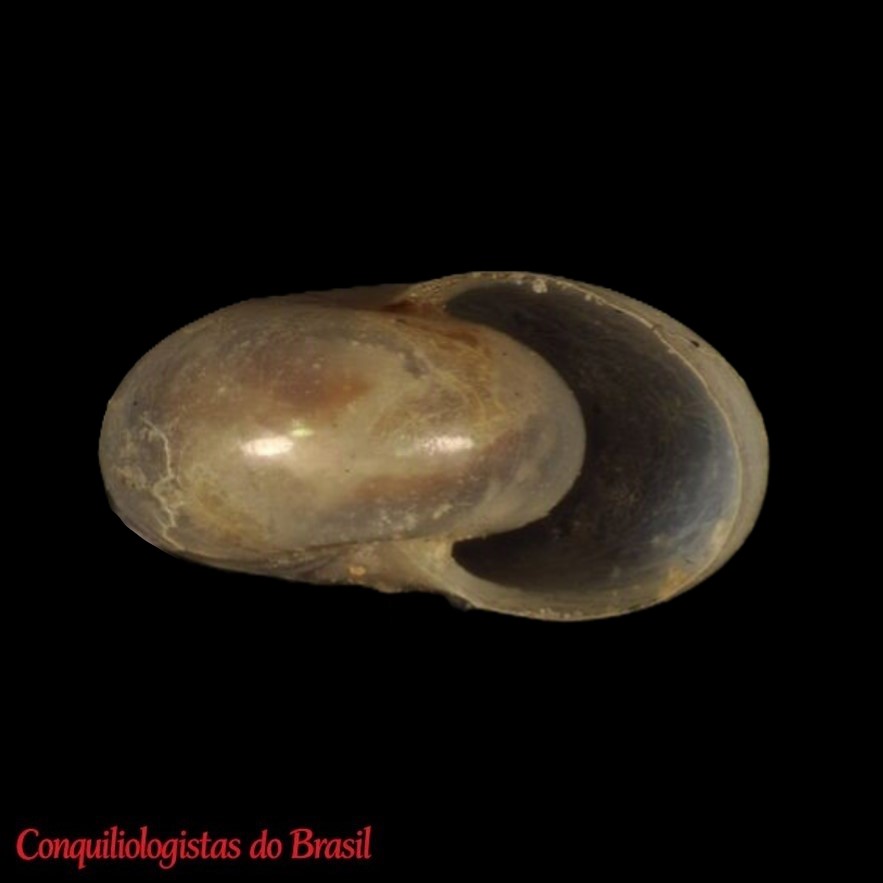
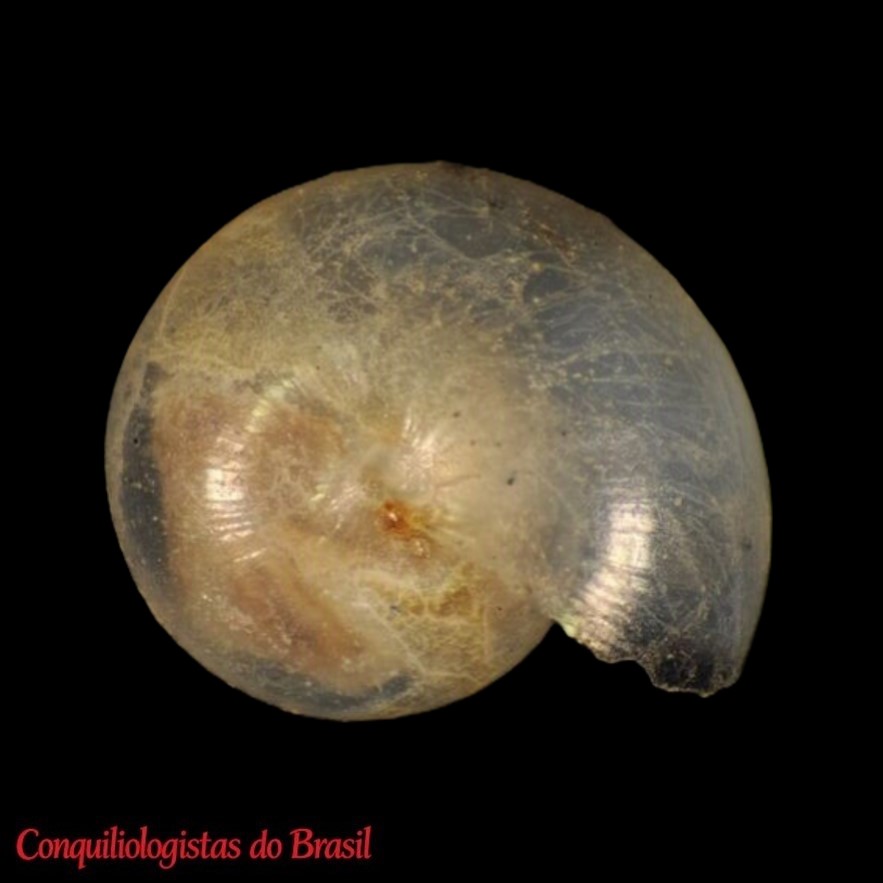
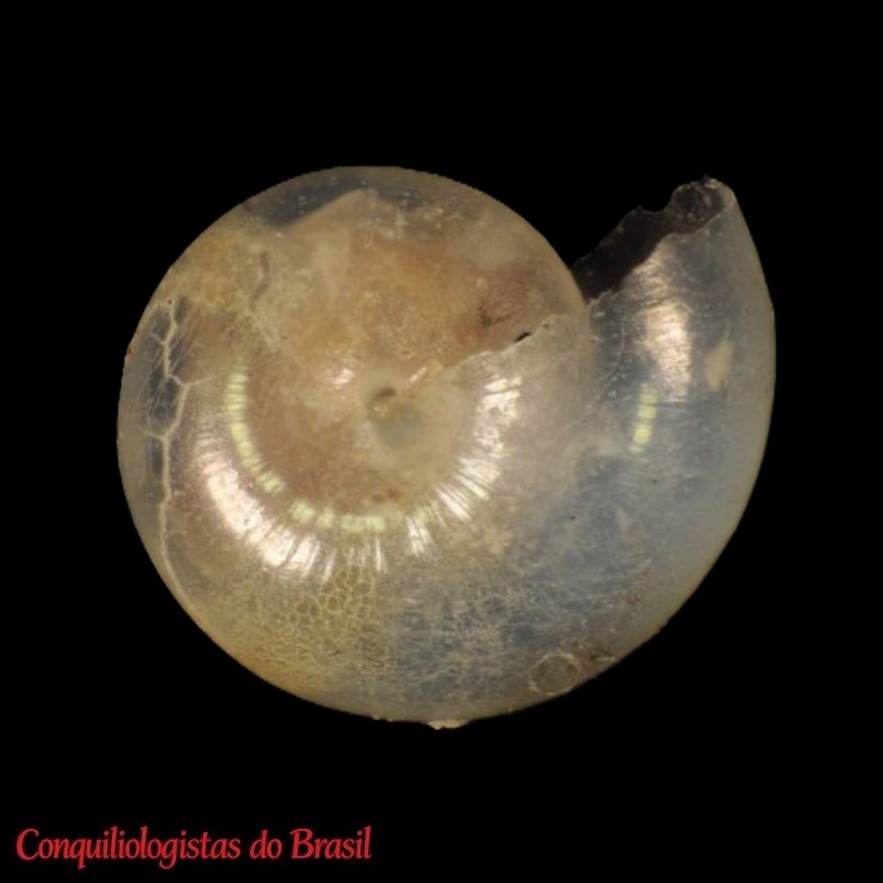
Guestieria blandi Pilsbry, 1930

CLASSE: GASTROPODA: TERRESTRE

FAMÍLIA: SCOLODONTIDAE

ESPÉCIE: Guestieria blandi Pilsbry, 1930

Tamanho médio: 2.9 mm

Distribuição: Colômbia (Caldas)

Localidade tipo: Colômbia, Serrania de Belalcazar, Arguia Creek, Marmato

Nome original: Guestieria blandi Pilsbry, 1930

Etimologia: o nome da espécie é uma homenagem ao malacologista anglo-americano Thomas Bland (1809–1885)

Fotos: (1-3) The Academy of Natural Sciences, Philadelphia: ANSP 23770, coll. Bland, T., Robert Swift Collection, 2.9 mm


Fontes:


Descrição original: Pilsbry, H. A. (1930). Results of the Pinchot South Sea Expedition,– II. Land mollusks of the Canal Zone, the Republic of Panama, and the Cayman Islands. Proceedings of the Academy of Natural Sciences of Philadelphia. 82: 339-354, figs. 1-6, pls. 28-30.
página(s): 349


Rosenberg G (2026). Malacology Collection at the Academy of Natural Sciences of Philadelphia. Academy of Natural Sciences. Occurrence dataset https://doi.org/10.15468/xp1dhx accessed via GBIF.org on 2026-07-17. https://gbif.org/occurrence/215746039


Molluscabase: https://molluscabase.org/aphia.php?p=taxdetails&id=1730802

Compartilhe

Legenda

Árvore

Vive em árvores e arbustos

Pedra

Vive sob ou sobre pedras

Coral

Vive em corais ou recifes

Algas

Vive em algas marinhas

Cascalho

Vivem em fundos de cascalho de coral, pedra ou conchas

Terra

Vive no solo. Sob folhas ou enterada parte do tempo

Areia

Vive em fundos arenosos, enterrada ou sob ele.

Plantônico

Animais que nadam ou vivem livremente

Associado

Presos a certos animais ou parasitando

Lodo

Vive em fundos lodosos

Plantas aquáticas

Vive em plantas de água doce

Desconhecido

Seu habitat é desconhecido

Herbívoro

Alimenta-se de plantas e algas

Carnívoro

Alimenta-se de outros animais

Onívoro

Alimenta-se de qualquer fonte

Necrófago

Alimenta-se de animais mortos

Desconhecido

Seu hábito alimentar é desconhecido

Abundante

Comum

Incomum

Raro

Ultra raro