

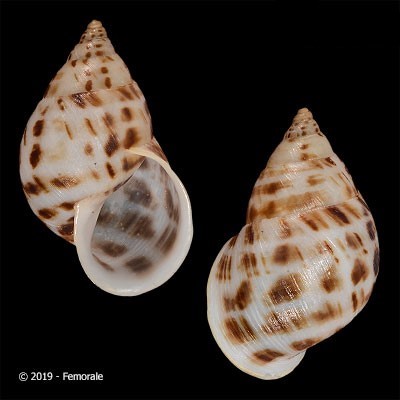
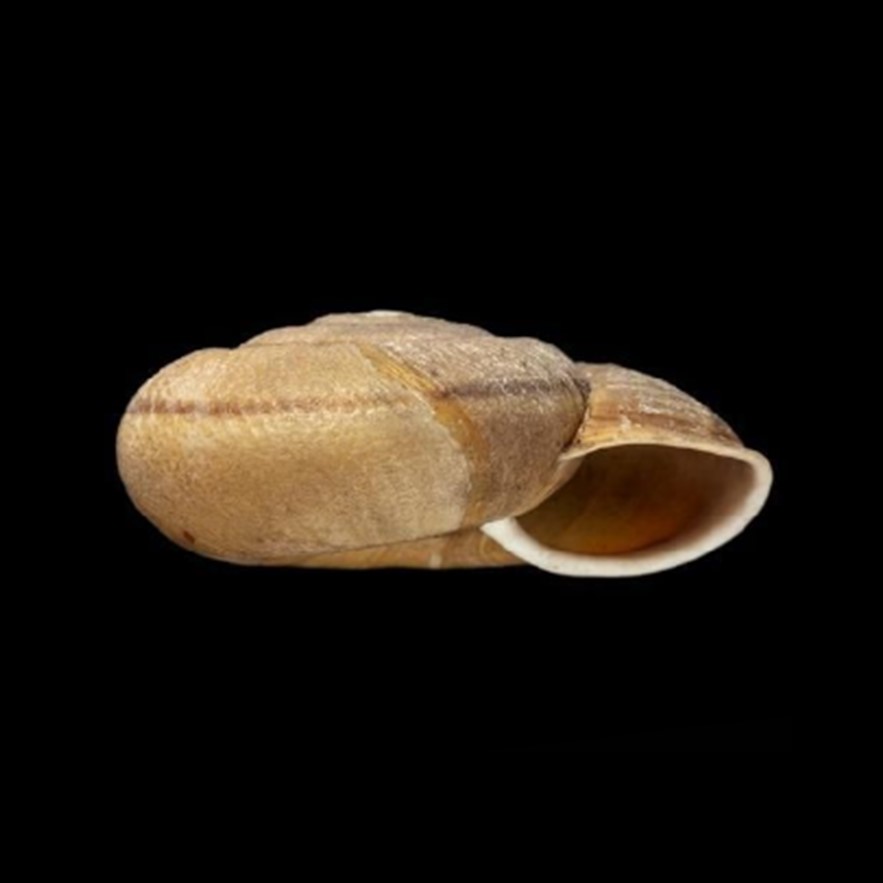
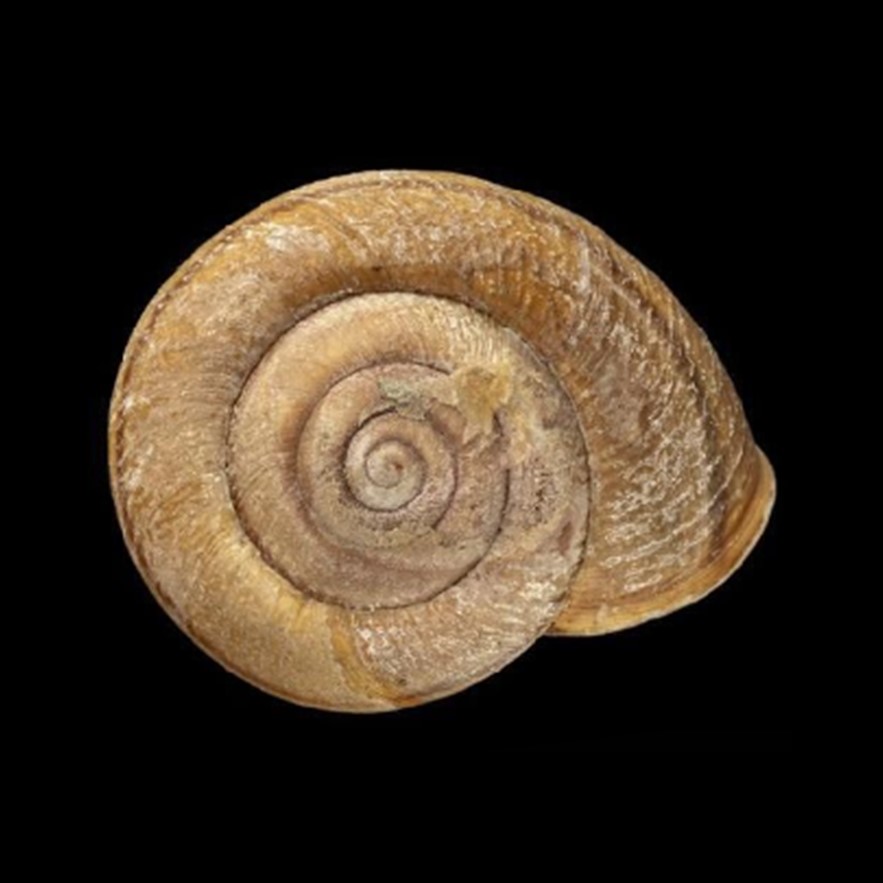
CLASSE: GASTROPODA: TERRESTRE FAMÍLIA: BULIMULIDAE ESPÉCIE: Drymaeus souzalopesi Weyrauch, 1965 Tamanho médio: 26 - 35 mm Habitat: vive em árvores e arbustos Ocorrência: Brasil (Goiás, Distrito Federal) Localidade tipo: Brasil, Planaltina Nova, Goiás Etimologia: espécie em homenagem a Hugo de Souza Lopes, entomólogo, pesquisador e professor universitário brasileiro (1909-1991) Fotos: cortesia Femorale, Goiás, 2023 Fontes: Descrição original: Weyrauch, W.K., 1965. Tres nuevos gastrópodos terrestres de Sudamerika. Neotropica 11 (35): 71-76. Breure, Bram. (2012). Weurauch’s type localities: a clarification; with illustrations of types of Orthalicoidea (Mollusca, Gastropoda, Stylommatophora) in the Tucumán museum. Folia Conchyliologica. 17. 4-24. Simone, L. R. L. (2006). Land and Freshwater Molluscs of Brazil. Editora Gráfica Bernardi, FAPESP. São Paulo, 390 pp. página(s): 144, Fig. 480 ...


CLASSE: GASTROPODA: TERRESTRE FAMÍLIA: BULIMULIDAE ESPÉCIE: Drymaeus spadiceus Da Costa, 1906 Tamanho médio: 39 mm Habitat: vive em árvores e arbustos Ocorrência: Colômbia (Cundimarca, Santander) Localidade tipo: Colômbia, Bogotá Altitude: ~ 700 - 1300 m Nome original: Drymaeus spadiceus Da Costa, 1906 Sinônimos: Drymaeus (Drymaeus) spadiceus Da Costa, 1906 Fotos: (1) Breure & Ablett, 2014: Natural History Museum, London: HOLOTYPE NHMUK 1907.11.21.15, da Costa coll., 37.3mm Figura: Breure & Ablett, 2014: (A–C) Drymaeus flexuosus (Pfeiffer, 1853), LECTOTYPE NHMUK 1975202 (H =43.0mm); (D–F) Drymaeus spadiceus da Costa, 1906, HOLOTYPE NHMUK 1907.11.21.15 (H = 37.3mm) Fontes: Descrição original: (como Da Costa, S. I. (1906). Descriptions of new species of land shells from Peru and Colombia and...


CLASSE: GASTROPODA: TERRESTRE FAMÍLIA: BULIMULIDAE ESPÉCIE: Drymaeus spectatus (Reeve, 1849) Tamanho médio: 39 mm Ocorrência: Colômbia (Cauca, Nariño, Quindio, Risaralda, Valle del Cauca) Localidade tipo: Colômbia, Nova Granada Altitude: 1700 - 2600 m Nome original: Bulimus spectatus Reeve, 1849 Sinônimos: Drymaeus (Drymaeus) spectatus (Reeve, 1849) Fotos: (1,2) Breure & Ablett, 2014: Natural History Museum, London: LECTOTYPE NHMUK 1874.12.11.226, ex Mrs. T. Lombe Taylor, 39.2mm Fontes: Descrição original: (como Bulimus spectatus Reeve, 1849) Reeve, L. A. (1848-1850). Monograph of the genus Bulimus. In: Conchologia Iconica, or, illustrations of the shells of molluscous animals, , vol. 5, pls. 1–89 and unpaginated text. L. Reeve & Co., London [pls. 1-9, Apr. 1848; 10-12, 15-19, May 1848; 13, 14, 20-25, Jun. 1848; 26-33, Jul. 1848; 34, 35, Aug....
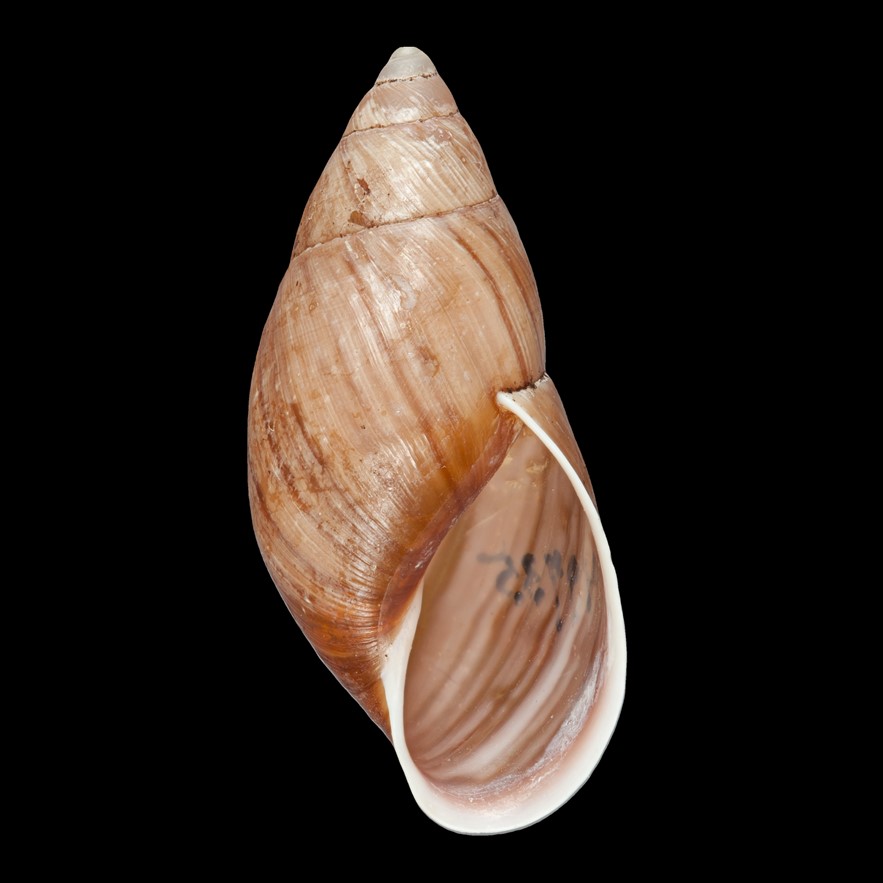
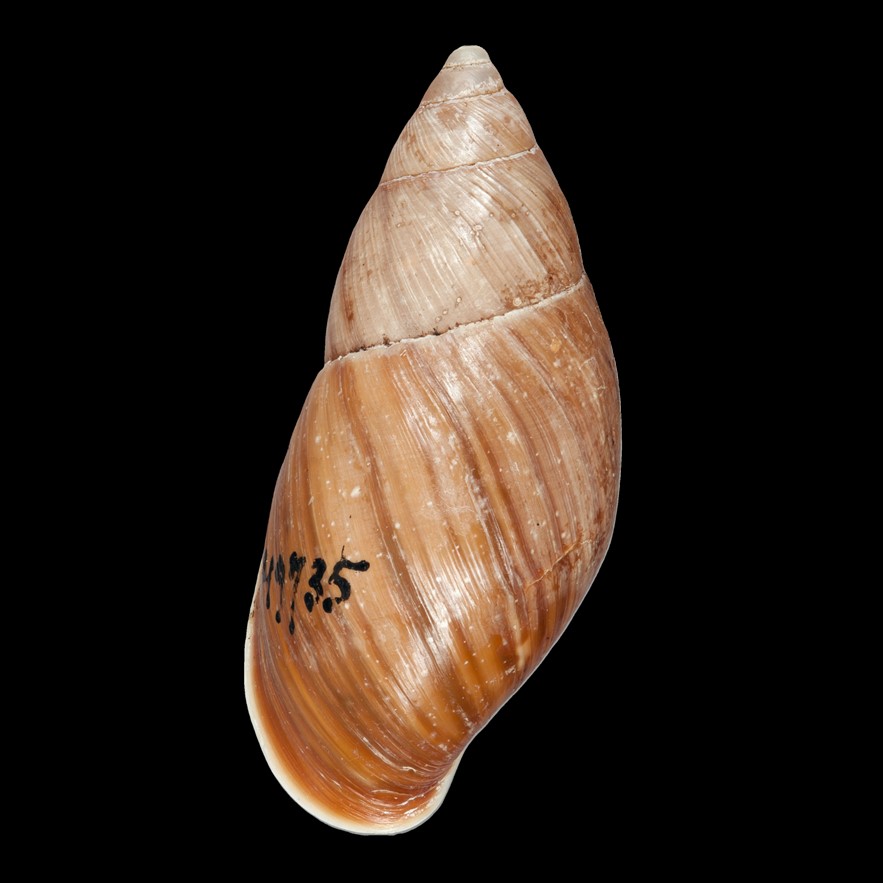
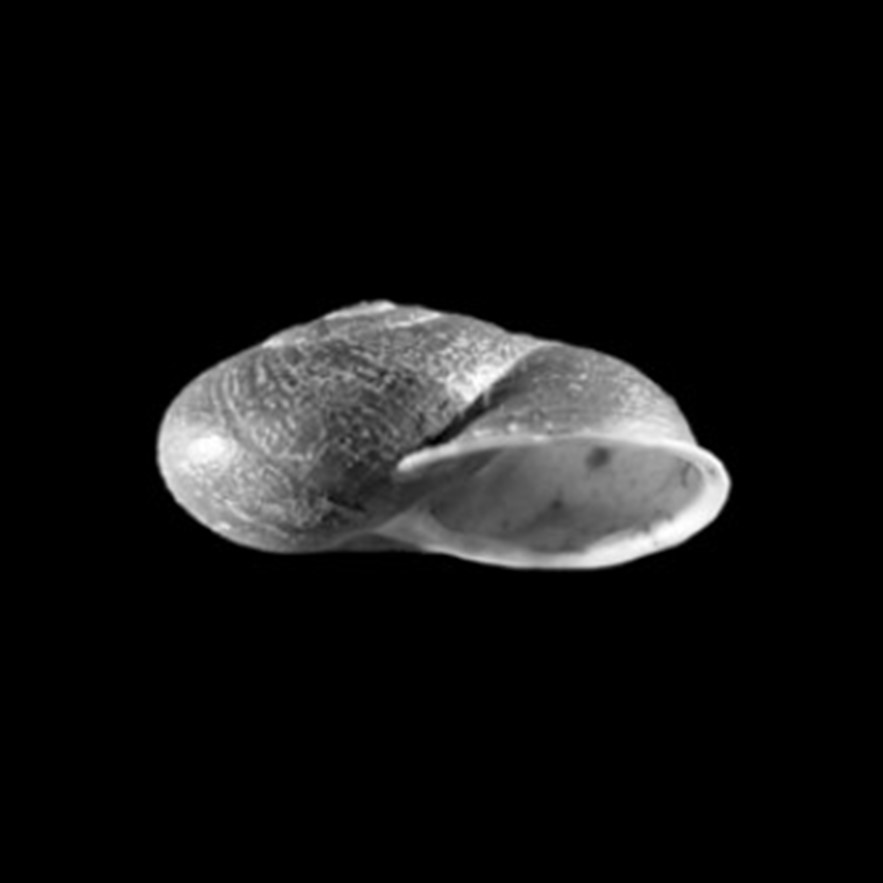
CLASSE: GASTROPODA: TERRESTRE FAMÍLIA: BULIMULIDAE ESPÉCIE: Drymaeus steyermarki (Haas, 1955) Tamanho médio: 27 mm Ocorrência: Venezuela (Bolívar) Localidade tipo: Venezuela, Estado Bolívar, "northwest part of Chimantá massif, plateau below the summit of Apacará-tepui" Altitude: 1830 m Nome original: Plecocheilus (Eurytus) steyermarki F. Haas, 1955 Sinônimos: Drymaeus (Drymaeus) steyermarki (Haas, 1955) Etimologia: o nome da espécie é uma homenagem a Julian Alfred Steyermark (1909 — 1988), botânico norte-americano que se notabilizou no estudo da flora e vegetação do Novo Mundo, tendo-se especializado na sistemática da família Rubiaceae Comentários: Molluscabase, 2025 traz como Plecocheilus (Eurytus) steyermarki F. Haas, 1955 Fotos: (1-3) Field Museum of Natural History, Chicago: HOLOTYPE FMNH 49735, coletor: J. A. Steyermark, 01.vi.1053, "Venezuela, Bolívar, 1830m: N.W. part of Chimantá-massif, plateau...


CLASSE: GASTROPODA: TERRESTRE FAMÍLIA: BULIMULIDAE ESPÉCIE: Drymaeus strigatus (G. B. Sowerby I, 1833) Tamanho médio: 19 - 24 mm Ocorrência: Peru (San Martín, Loreto), Equador (Morona-Santiago), Brasil? Localidade tipo: Peru, "Huallaga" Habitat: vive em árvores e arbustos Nome original: Bulinus strigatus G. B. Sowerby I, 1838 Sinônimos: Bulimus cecileae J. Moricand, 1858; Bulimus delphinae J. Moricand, 1858; Bulimus mariae J. Moricand, 1858; Bulimus musivus L. Pfeiffer, 1855; Bulimus saccatus L. Pfeiffer, 1855; Bulinus strigatus G. B. Sowerby I, 1838; Drymaeus (Drymaeus) cecileae (J. Moricand, 1858); Drymaeus (Drymaeus) delphinae (J. Moricand, 1858); Drymaeus (Drymaeus) strigatus (G. B. Sowerby I, 1833); Drymaeus (Drymaeus) strigatus marieanus Pilsbry, 1898; Drymaeus (Drymaeus) strigatus strigatus (G. B. Sowerby I, 1833); Drymaeus (Drymaeus) strigatus var. purus Pilsbry, 1898; Drymaeus...
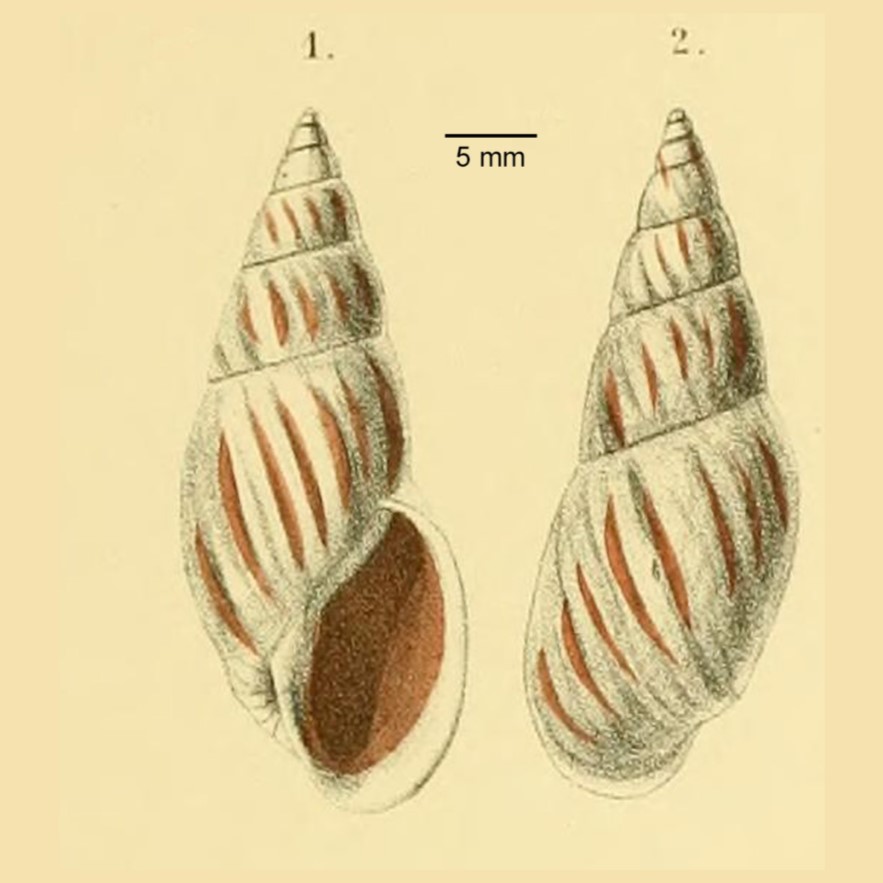
CLASSE: GASTROPODA: TERRESTRE FAMÍLIA: BULIMULIDAE ESPÉCIE: Drymaeus subeffusus (R. A. Philippi, 1869) Tamanho médio: 40 mm Ocorrência: Peru, Departamento de Junín, Coyllorbamba Localidade tipo: "in nemoribus Peruviae de Huancayo dictis, loco Coyllorbamba" Nome original: Bulimus subeffusus R. A. Philippi, 1869 Sinônimos: Drymaeus (Drymaeus) subeffusus (R. A. Philippi, 1869) Fotos: Breure et al. 2024: Drymaeus subeffusus (Philippi, 1869), figuras originais reproduzidas de Pfeiffer (1869 [1866–1869]: pl. 102 figs 1, 2) Fontes: Descrição original: (como Bulimus subeffusus R. A. Philippi, 1869) Philippi, R. A. (1869). Diagnoses molluscorum terrestrium et fluviatilium peruanorum. Malakozoologische Blätter. 16: 32-42., disponível online em https://www.biodiversitylibrary.org/page/16224243 página(s): 36 Breure, Abraham S.H.; Oroño, Eugenia Salas; Ablett, Jonathan D.; Vega-Luz, Ricardo & Mogollón Ávila, Valentín (2024): Struggling with shells: Drymaeus Albers, 1850 and Mesembrinus...

CLASSE: GASTROPODA: TERRESTRE FAMÍLIA: BULIMULIDAE ESPÉCIE: Drymaeus subinterruptus (L. Pfeiffer, 1853) Tamanho médio: 37 mm Ocorrência: Colômbia Localidade tipo: "in Andibus Boliviae" Comentários: Breure & Ablett, 2014 destacam que "Pfeiffer descreveu esta espécie da coleção de Cuming.. A localidade tipo pode se tratar de um erro, pois Pfeiffer (1853 [1840-1865]: 80) corrigiu para Anden von Neu-Granada" Nome original: Bulimus subinterruptus L. Pfeiffer, 1853 Sinônimos: Drymaeus (Drymaeus) subinterruptus (L. Pfeiffer, 1853) Fotos: Breure & Ablett, 2014: Natural History Museum, London: (1) LECTOTYPE NHMUK 1975470, col Cuming, 36.7mm Fontes: Descrição original: (como Bulimus subinterruptus L. Pfeiffer, 1853) Pfeiffer, L. (1853). Description of fifty-four new species of Helicea, from the collection of Hugh Cuming, Esq. Proceedings of the Zoological Society of London. 19: 252-256 [16 July...


CLASSE: GASTROPODA: TERRESTRE FAMÍLIA: BULIMULIDAE ESPÉCIE: Drymaeus subsemiclausus (Petit de la Saussaye, 1843) Tamanho médio: 22 mm Habitat: vive em árvores e arbustos Ocorrência: Colômbia (Antioquia, Cundimarca?, Nariño, Quindío, Valle del Cauca) Localidade tipo: "montagne de Kindiou, province de Bogotá" Altitude: ~2750 - 3500 m Nome original: Bulimus subsemiclausus Petit de la Saussaye, 1843 Sinônimos: Drymaeus (Drymaeus) subsemiclausus (Petit de la Saussaye, 1843) Fotos: (1,2) cortesia Femorale, Colômbia, 22mm; (3) Museu Nacional de História Natural, Paris: SYNTYPE MNHN-IM-2000-21316, ex. Coll. Goudot, 1843, "Montagnes de Quindin, Nouvelle Grenade", 22.5mm Fontes: Descrição original: (como Bulimus subsemiclausus Petit de la Saussaye, 1843) Petit de la Saussaye, [S.]. (1843). Description de quatre coquilles nouvelles provenant du voyage de M. Goudot à la Nouvelle-Grenade. Revue...
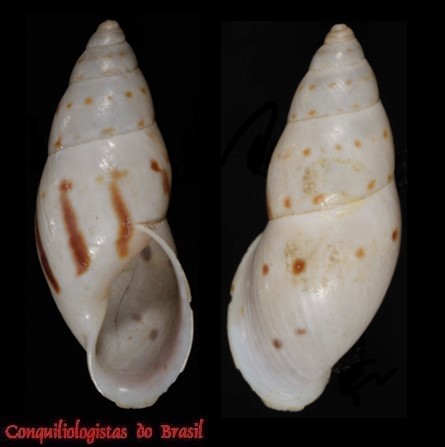
CLASSE: GASTROPODA: TERRESTRE FAMÍLIA: BULIMULIDAE ESPÉCIE: Drymaeus subsimilaris Pilsbry, 1898 Tamanho médio: 22 mm Habitat: vive em árvores e arbustos Ocorrência: Peru (Departamento de Amazonas), Brasil (?) Localidade tipo: "Habitat uncertain, probably western Brazil or eastern Peru" (ANSP) Nome original: Drymaeus subsimilaris Pilsbry, 1898 Fotos: (1) The Academy of Natural Sciences, Philadelphia: HOLOTYPE de Drymaeus subsimilaris, ANSP 25751, 22mm, "Habitat uncertain, probably western Brazil or eastern Peru". Doador: Anthony, J. G.; (2) Breure et al. 2024 Fontes: Descrição original: Pilsbry, H. A. (1897-1898). Manual of conchology, structural and systematic, with illustrations of the species. Ser. 2, Pulmonata. Vol. 11: American Bulimulidae: Bulimulus, Neopetraeus, Oxychona, and South American Drymaeus. pp 1-339, pls 1-51. Philadelphia, published by the Conchological Section, Academy of Natural Sciences....

CLASSE: GASTROPODA: TERRESTRE FAMÍLIA: BULIMULIDAE ESPÉCIE: Drymaeus subventricosus Da Costa, 1901 Tamanho médio: 30 mm Ocorrência: Colômbia Localidade tipo: Bogotá, Colômbia Nome original: Drymaeus subventricosus Da Costa, 1901 Sinônimos: Drymaeus (Drymaeus) subventricosus Da Costa, 1901 Fotos: Breure & Ablett, 2014: Natural History Museum, London: (1) LECTOTYPE NHMUK 1907.11.21.37, 30.1mm Figura: Breure & Ablett, 2014: (A–C) Drymaeus incognitus da Costa, 1907, HOLOTYPE NHMUK 1907.11.21.24 (H = 29.8 mm); (D–F) Drymaeus exoticus (da Costa, 1901), LECTOTYPE NHMUK 1907.11.21.38 (H = 24.8 mm); (G–I) Drymaeus elsteri da Costa, 1901, LECTOTYPE NHMUK 1907.11.21.34 (H = 33.9 mm); (J–L) Drymaeus subventricosus da Costa, 1901, LECTOTYPE NHMUK 1907.11.21.37 (H = 30.1 mm); (M–O) Drymaeus dacostae (Sowerby III, 1892), HOLOTYPE NHMUK 1907.11.21.51 (H = 26.3 mm) ...

CLASSE: GASTROPODA: TERRESTRE FAMÍLIA: BULIMULIDAE ESPÉCIE: Drymaeus succineus Pilsbry, 1901 Tamanho médio: 12 mm Distribuição: Peru, Suriname, Brasil (Amazonas) Localidade tipo: Rio Amazonas, Brasil Nome original: Drymaeus succineus Pilsbry, 1901 Fotos: (1) The Academy of Natural Sciences, Philadelphia: LECTOTYPE ANSP 78180, University of Michigan - Steere Expedition, Brasil/Peru, 03.iv.1900 Fontes: Descrição original: Pilsbry, 1901. Manual of Conchology (Ser. 2) 14 (53-55): 160, pl. 26, fig. 38 Simone, L. R. L. (2006). Land and Freshwater Molluscs of Brazil. Editora Gráfica Bernardi, FAPESP. São Paulo, 390 pp. página(s): 144 Vernhout, J. H. (1914). The non-marine molluscs of Surinam. Notes from the Leyden Museum. 36: 1-46, pls. 1-2., disponível online em https://www.biodiversitylibrary.org/page/14021311 página(s): 13-14, 40, 42 H. B. Baker, 1963. Proceedings of the Academy...

CLASSE: GASTROPODA: TERRESTRE FAMÍLIA: BULIMULIDAE ESPÉCIE: Drymaeus suprapunctatus F. Baker, 1914 Tamanho médio: 26 - 27 mm Habitat: vive em árvores e arbustos Ocorrência: Brasil (Rondônia, Pará, Mato Grosso) Localidade tipo: "Camp 39, Madeira - Mamoré Railroad", Rondônia Nome original: Drymaeus suprapunctatus F. Baker, 1914 Sinônimos: Drymaeus linostoma suprapunctatus F. Baker, 1914 Comentários: Macedo, Ovando & D'Avila, 2025 consideraram como sinônimo de Drymaeus germaini (Ancey, 1892). Mantido aqui para comparação Fotos: (1) cortesia Femorale, 2015; (2) animal vivo: ocorrência iNaturalist, Alta Floresta, Mato Grosso, 2017, crédito: Mauricio Uhle Fontes: Descrição original: (como Drymaeus linostoma suprapunctatus F. Baker, 1914) Baker, F. (1914). The land and fresh-water mollusks of the Stanford Expedition to Brazil. Proceedings of the Academy of Natural Sciences of...

CLASSE: GASTROPODA: TERRESTRE FAMÍLIA: BULIMULIDAE ESPÉCIE: Drymaeus sykesi Da Costa, 1906 Tamanho médio: 50 mm Ocorrência: Colômbia (Cundimarca?) Localidade tipo: Colômbia, Bogotá Nome original: Drymaeus sykesi Da Costa, 1906 Sinônimos: Drymaeus (Drymaeus) sykesi Da Costa, 1906; Drymaeus (Mesembrinus) sykesi Da Costa, 1906 Fotos: Breure & Ablett, 2014: Natural History Museum, London: (1) HOLOTYPE NHMUK 1907.11.21.4, coll. da Costa, 51.7mm Figura: Breure & Ablett, 2014: (A–C) Drymaeus volsus Fulton, 1907, LECTOTYPE NHMUK 1907.5.3.162 (H = 30.3 mm); (D–F) Drymaeus yungasensis (d’Orbigny, 1837), LECTOTYPE NHMUK 1854.12.4.134 (H = 32.6 mm); (G–I) Drymaeus lucidus (da Costa, 1898), LECTOTYPE NHMUK 1907.11.21.44 (H = 18.6 mm); (J–L) Drymaeus sykesi da Costa, 1906, HOLOTYPE NHMUK 1907.11.21.4 (H = 51.7mm) Fontes: ...
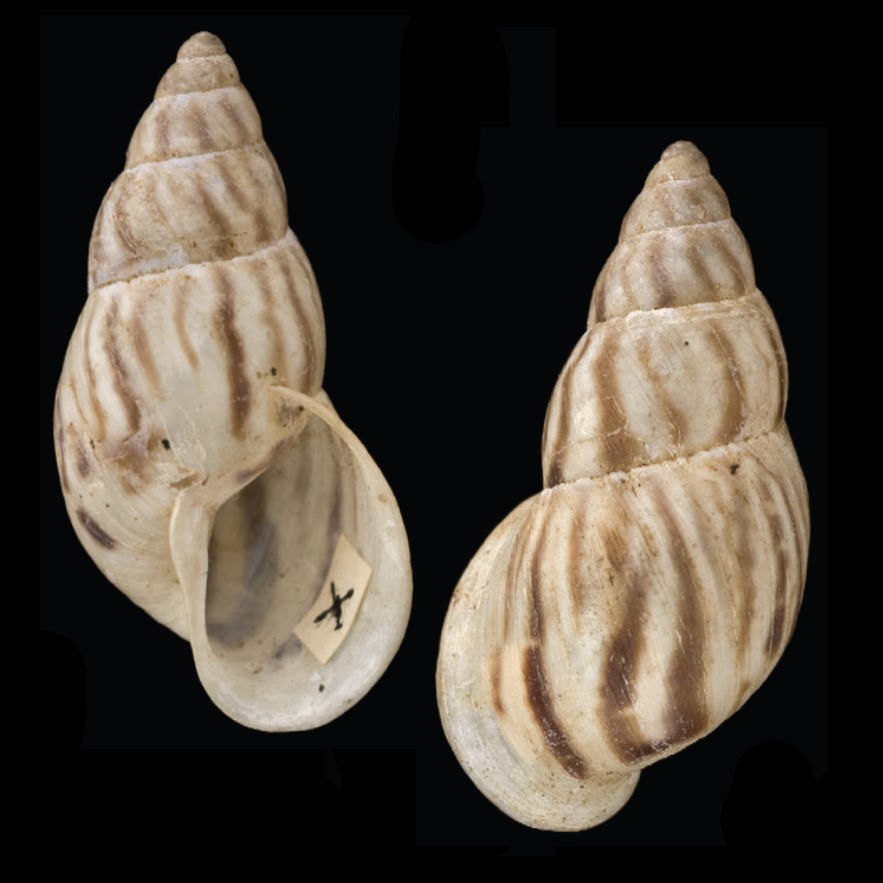
CLASSE: GASTROPODA: TERRESTRE FAMÍLIA: BULIMULIDAE ESPÉCIE: Drymaeus tigrinus (Da Costa, 1898) Tamanho médio: 21 mm Ocorrência: Equador, Peru (Amazonas, Loreto) Localidade tipo: "Ecuador", sem localidade específica Habitat: vive em árvores e arbustos nas Florestas úmidas de Napo Nome original: Bulimulus (Drymaeus) tigrinus DaCosta, 1898 Sinônimos: Drymaeus (Drymaeus) tigrinus (S. I. DaCosta, 1898) Fotos: Breure & Ablett, 2014: Natural History Museum, London: (1) LECTOTYPE NHMUK 1907.11.21.55, Buckley’s Coll, 20.8 mm Figura: Breure & Ablett, 2014: (A–C) Drymaeus boucardi da Costa, 1907, HOLOTYPE NHMUK 1907.11.21.26 (H = 26.9 mm); (D–F) Drymaeus buckleyi (Sowerby III, 1895), LECTOTYPE NHMUK 1907.11.21.48 (H = 27.3 mm); (G–I) Drymaeus castaneostrigatus da Costa, 1906, HOLOTYPE NHMUK 1907.11.21.13 (H = 20.4 mm); (J–L) Drymaeus tigrinus (da...
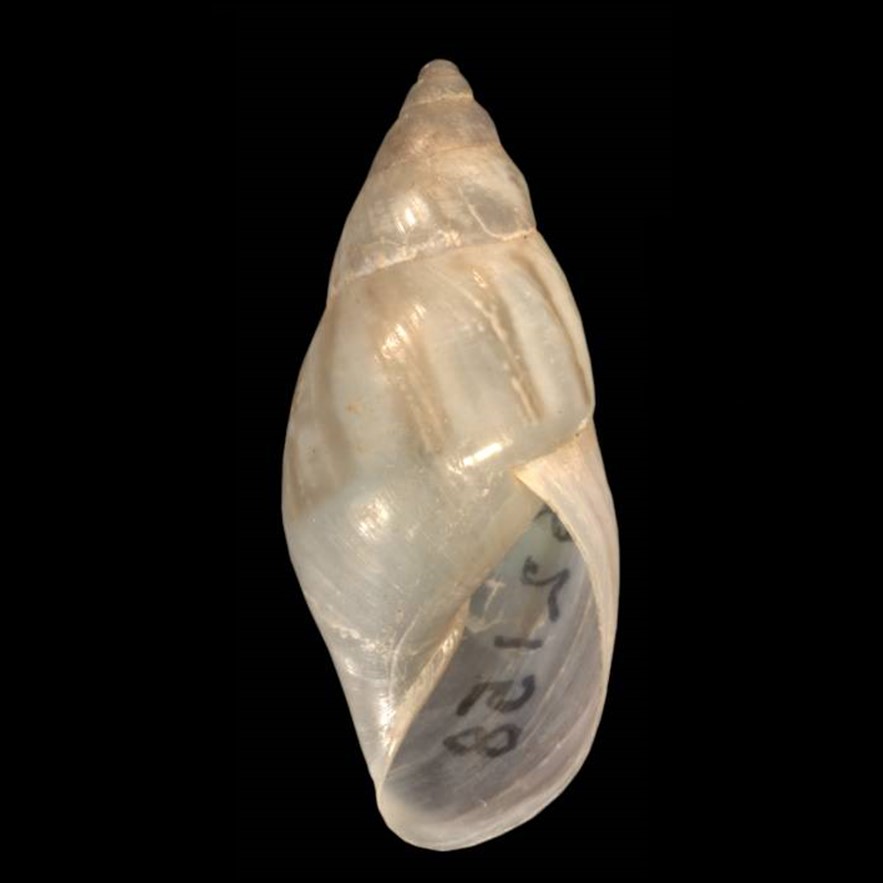
CLASSE: GASTROPODA: TERRESTRE FAMÍLIA: BULIMULIDAE ESPÉCIE: Drymaeus translucidus Weyrauch, 1967 Tamanho médio: 23 mm Ocorrência: Peru (Huánuco) Localidade tipo: Peru, Departamento de Huánuco, "road Tingo Maria-Pucallpa, Boquerón de Abad" Altitude: 500 m Nome original: Drymaeus (Drymaeus) translucidus Weyrauch, 1967 Fotos: (1) Senckenberg Natural History Museum, Frankfurt: PARATYPE de Drymaeus translucidus, SMF 162158, "Centro do Peru, Boquerón de Abad, na estrada entre Tingo Maria e Pucallpa, 500 m, na bacia amazônica do rio Ucayalí", 23.5mm Figura: Breure et al. 2024: (A) HOLOTYPE de Drymaeus translucidus Weyrauch, 1967, IFML-MOLL 1202a; (B) PARATYPE IFML-MOLL 1202b Fontes: Descrição original: (como Drymaeus (Drymaeus) translucidus Weyrauch, 1967) Weyrauch, W. K. (1967). Treinta y ocha nuevos gastropodos terrestres de Peru....

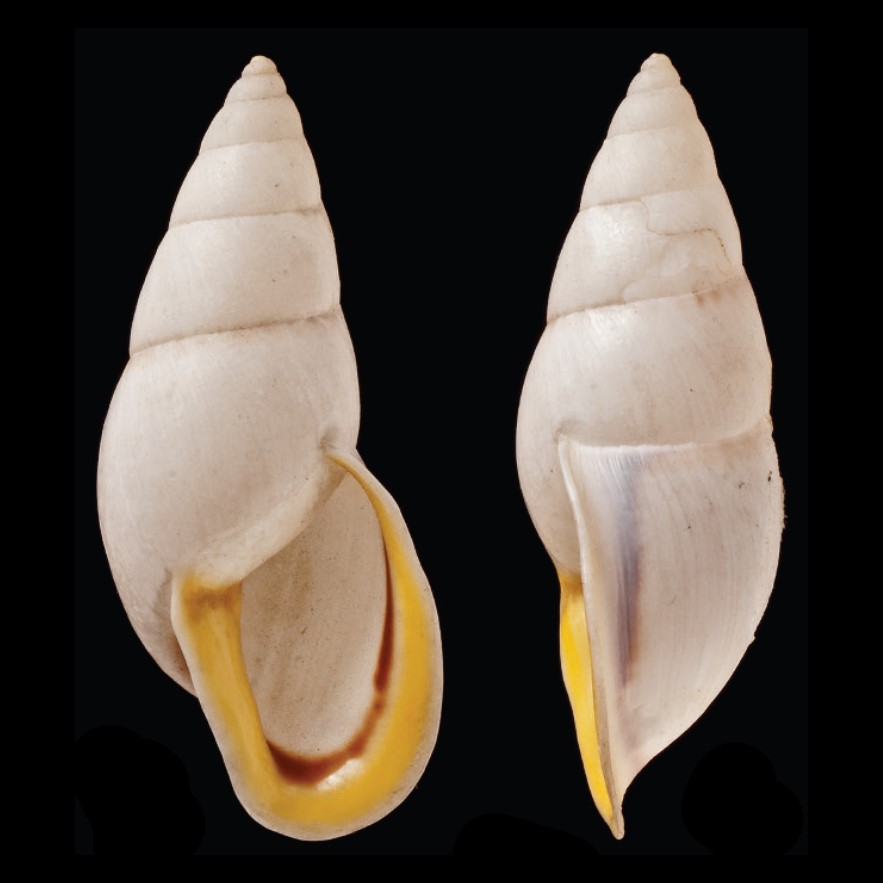
CLASSE: GASTROPODA: TERRESTRE FAMÍLIA: BULIMULIDAE ESPÉCIE: Drymaeus trigonostomus (Jonas, 1844) Tamanho médio: 29 mm Habitat: Vive em árvores e arbustos Ocorrência: Venezuela, Colômbia? Localidade tipo: “Curiana, Venezuela (on the leaves of Palms); Dyson” Nome original:Bulimus trigonostomus Jonas, 1844 Sinônimos: Drymaeus knorri L. Pfeiffer, 1846; Mesembrinus trigonostomus (Jonas, 1844); Bulimus curianensis Reeve 1849; Drymaeus curianensis (Reeve, 1849); Drymaeus (Mesembrinus) trigonostomus (Jonas, 1844) Comentários: Segundo Ablett & Breure, 2024: "Pilsbry (1898 [1897–1898]) copiou as figuras de Reeve, portanto esta é a primeira vez que este táxon é figurado com fotografias de um dos espécimes-tipo. O material antigamente era colado em um quadro com os nomes das espécies recortados do texto de Reeve; não há indícios de que este material tenha sido coletado por Dyson, portanto são...
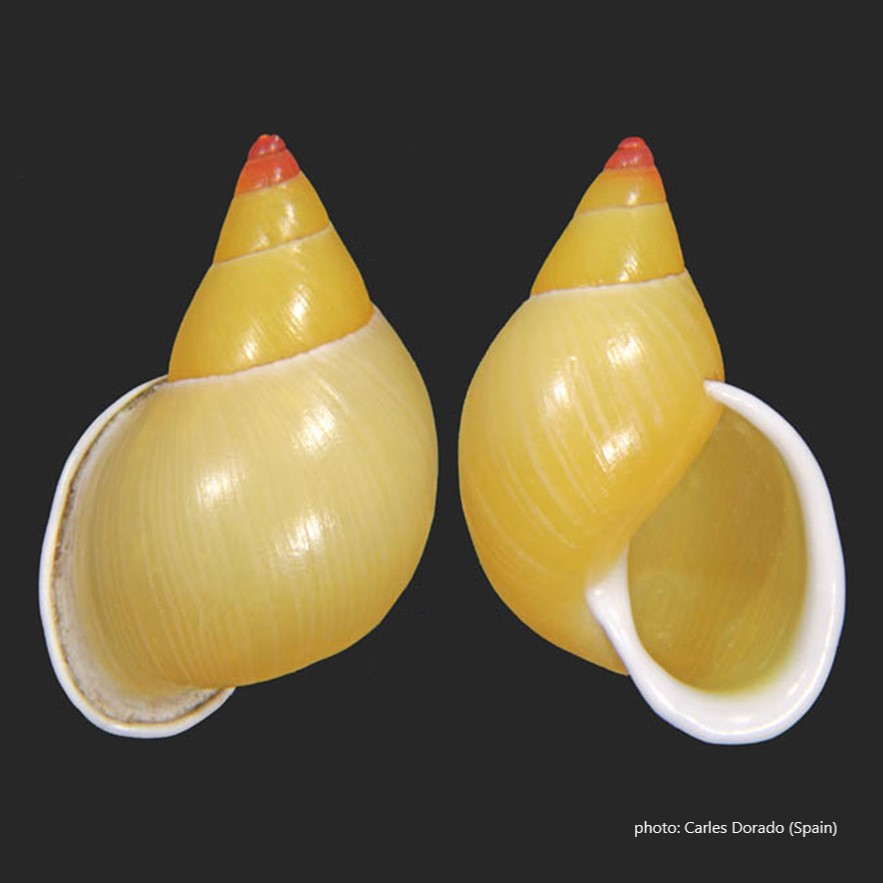
CLASSE: GASTROPODA: TERRESTRE FAMÍLIA: BULIMULIDAE ESPÉCIE: Drymaeus valentini Breure & Vega-Luz, 2020 Tamanho médio: 27 mm Habitat: Vive em árvores e arbustos nas Yungas Peruanas Ocorrência: Peru, Departamento de Amazonas Localidade tipo: Peru, Departamento Amazonas, próximo a Molinopampa Altitude: ~ 2600 m Nome original: Drymaeus (Drymaeus) valentini Breure & Vega-Luz, 2020 Sinônimos: Antidrymaeus valentini (Breure & Vega-Luz, 2020) Etimologia: o nome da espécie é uma homenagem ao malacólogo e pesquisador Peruano Valentin Mogollónn Ávila (Lima) Zoobank: http://zoobank.org/NomenclaturalActs/ba319ee1-0d20-449e-95a1-a93daa7230ca Descrição original: (Breure & Vega-Luz, 2020): "Shell up to 27.1 mm height, 1.5 times as long as wide, imperforate, the spire with almost straight sides, rather thin. Colour moss- to dark-green (when alive) to yellowish to transparent with a light yellow-green tone (when dead), with...

CLASSE: GASTROPODA: TERRESTRE FAMÍLIA: BULIMULIDAE ESPÉCIE: Drymaeus vanattai Pilsbry, 1898 Tamanho médio: 30 mm Distribuição: Peru, Brasil Localidade tipo: Rio Amazonas, Brasil Nome original: Drymaeus expansus vanattai Pilsbry, 1898 Comentários: Simone, 2006 relacionou esta espécie, porém Breure & Borrero,2019 consideraram como sinônimo de Drymaeus expansus (L. Pfeiffer, 1848). Mantido aqui para comparação Fotos: (1) The Academy of Natural Sciences, Philadelphia: LECTOTYPE de Drymaeus expansus var. vanattai, ANSP 25762 , Brasil, Rio Amazonas Fontes: Descrição original: (como Drymaeus expansus vanattai Pilsbry, 1898) Pilsbry, H. A. (1897-1898). Manual of conchology, structural and systematic, with illustrations of the species. Ser. 2, Pulmonata. Vol. 11: American Bulimulidae: Bulimulus, Neopetraeus, Oxychona, and South American Drymaeus. pp 1-339, pls 1-51. Philadelphia, published by the Conchological Section, Academy of Natural Sciences. [pp....
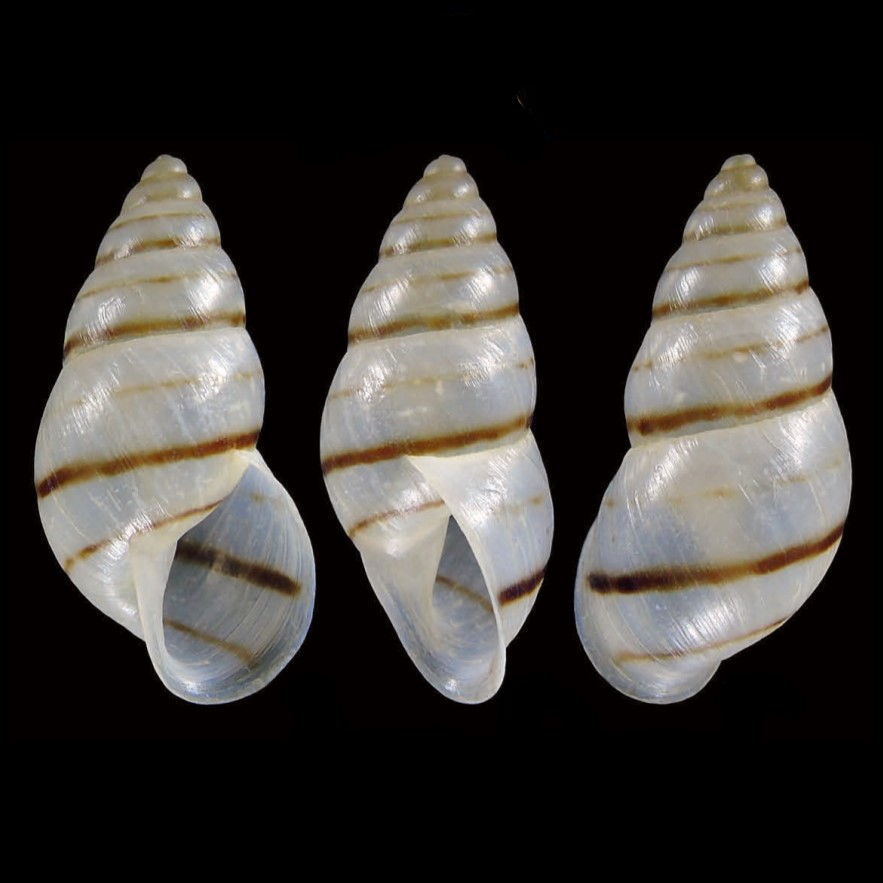
CLASSE: GASTROPODA: TERRESTRE FAMÍLIA: BULIMULIDAE ESPÉCIE: Drymaeus verecundus Breure & Mogollón, 2019 Tamanho médio: 19 mm Habitat: vive em árvores e arbustos nas várzeas de Iquitos Ocorrência: Peru, Departamento de Loreto Localidade tipo: Peru, Departamento de Loreto, Iquitos, Quistococha Altitude: 104 m Nome original: Drymaeus (Drymaeus) verecundus Breure & Mogollón, 2019 Etimologia: o nome da espécie deriva da palavra em Latim "verecundus", que significa modesto. Uma referência ao relativo pequeno tamanho da concha em relação às demais espécies do gênero Fotos: (1) Mogollón & Breure, 2019: HOLOTYPE de Drymaeus verecundus, RBINS MT.3654, 18.7mm Figura: Mogollón & Breure, 2019: Drymaeus verecundus Breure & Mogollón: (12a-c) HOLOTYPE RBINS MT. 3654; (13) PARATYPE VMA 1184; (14) vista do ápice - espécime juvenil;...
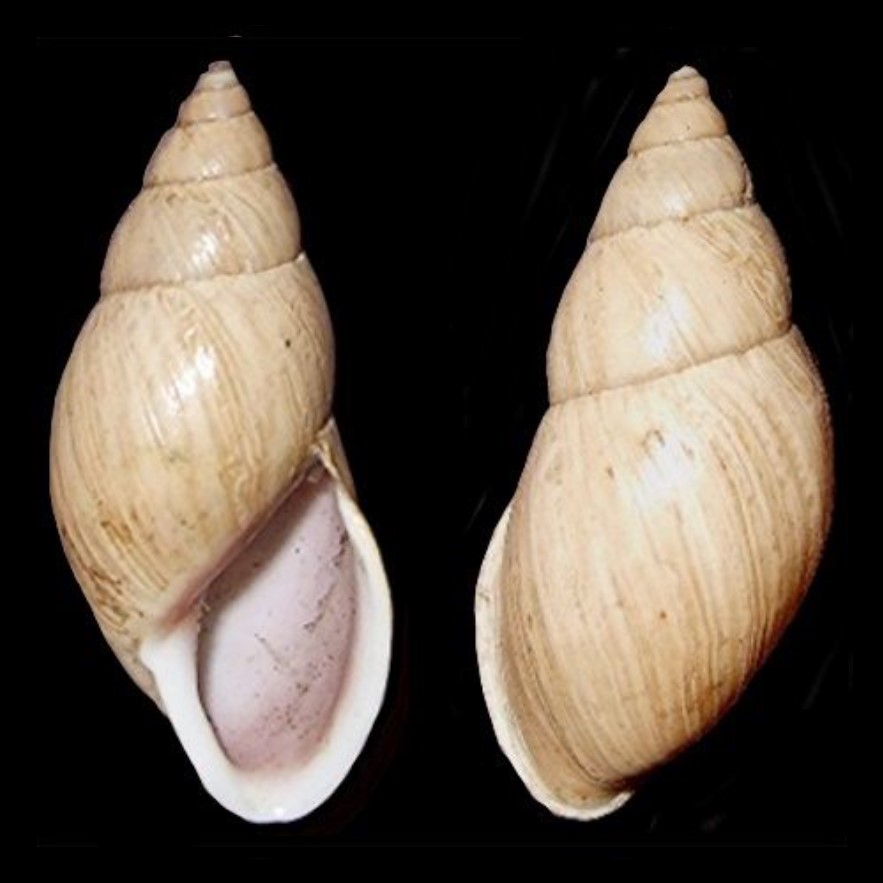
CLASSE: GASTROPODA: TERRESTRE FAMÍLIA: BULIMULIDAE ESPÉCIE: Drymaeus vicinus (Preston, 1907) Tamanho médio: 36 mm Habitat: vive em árvores e arbustos Ocorrência: Colômbia (Cundimarca?) Localidade tipo: "Bogotá" Nome original: Bulimulus (Drymaeus) vicinus Preston, 1907 Sinônimos: Drymaeus (Drymaeus) vicinus (Preston, 1907) Fotos: (1,2) Breure & Ablett, 2019: National Museum of Natural History, Smithsonian Institution, Washington D.C., SYNTYPE USNM 202512, 35.8 mm Fontes: Descrição original: (como Bulimulus (Drymaeus) vicinus Preston, 1907) Preston, H. B. (1907). Descriptions of new species of land and freshwater shells from Central and South America. The Annals and Magazine of Natural History, 7th series. 20(120): 490-498. London. [1 December]., disponível online em https://www.biodiversitylibrary.org/page/24254358 página(s): 495, fig. 11 Breure, A. S. H. & Borrero, F. J. (2019). A review of Stenostylus Pilsbry, 1898 and Drymaeus Albers, 1850...
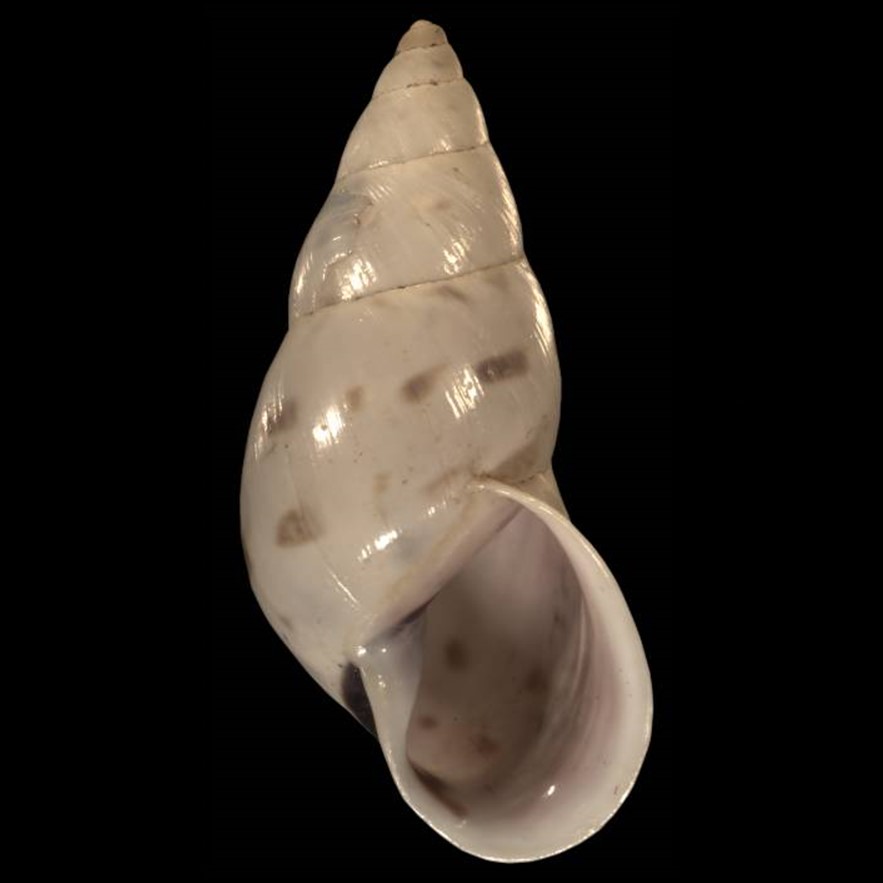
CLASSE: GASTROPODA: TERRESTRE FAMÍLIA: BULIMULIDAE ESPÉCIE: Drymaeus villavicioensis Breure, 1977 Tamanho médio: 29 mm Ocorrência: Colômbia (Meta) Localidade tipo: Colômbia, Departamento de Meta, Villavicencio Altitude: ~400 m Nome original: Drymaeus villavicioensis Breure, 1977 Sinônimos: Drymaeus (Drymaeus) villavicioensis Breure, 1977 Etimologia: o nome da espécie é uma referência à localidade tipo, a cidade Villavicencio Descrição original: (Breure, 1977): "Shell narrow perforate; with slightly convex sides; elongate; rather thin. Colour withish with a black band around the umbilicus and two interrupted bands on the last whorl. The elongate spots of these interrupted bands are black with faint whitish lines, especially on the spots near the aperture; one band at the periphery, the other at equal distances of the peripheral band and the suture; there...

CLASSE: GASTROPODA: TERRESTRE FAMÍLIA: BULIMULIDAE ESPÉCIE: Drymaeus volsus Fulton, 1907 Tamanho médio: 30 mm Ocorrência: Equador, Colômbia (Meta) Localidade tipo: "Equador", sem localidade específica Altitude: ~900 m (Papiral, Colômbia, MCZ136471) Nome original: Drymaeus volsus Fulton, 1907 Sinônimos: Drymaeus (Drymaeus) volsus Fulton, 1907 Fotos: Breure & Ablett, 2014: Natural History Museum, London: (1) LECTOTYPE NHMUK 1907.5.3.162, ex Fulton, 30.3 mm Figura: Breure & Ablett, 2014: (A–C) Drymaeus volsus Fulton, 1907, LECTOTYPE NHMUK 1907.5.3.162 (H = 30.3 mm); (D–F) Drymaeus yungasensis (d’Orbigny, 1837), LECTOTYPE NHMUK 1854.12.4.134 (H = 32.6 mm); (G–I) Drymaeus lucidus (da Costa, 1898), LECTOTYPE NHMUK 1907.11.21.44 (H = 18.6 mm); (J–L) Drymaeus sykesi da Costa, 1906, HOLOTYPE NHMUK 1907.11.21.4 (H = 51.7mm) Fontes: ...

CLASSE: GASTROPODA: TERRESTRE FAMÍLIA: BULIMULIDAE ESPÉCIE: Drymaeus weeksi Pilsbry, 1926 Tamanho médio: 45 mm Ocorrência: Peru Localidade tipo: desconhecida Nome original: Drymaeus weeksi Pilsbry, 1926 Sinônimos: Drymaeus (Drymaeus) weeksi Pilsbry, 1926 Etimologia: o nome da espécie é uma homenagem ao malacologista norte americano William Henry Weeks Jr. (1870–1939). Weeks reuniu uma das maiores coleções particulares de conchas do mundo em sua época, totalizando cerca de 2,5 milhões de espécimes Comentários: Breure et al. 2024 destaca que esta espécie é conhecida apenas do material tipo, e desde a sua descrição, não foram registradas outras coletas provenientes do Peru Fotos: (1,2) The Academy of Natural Sciences, Philadelphia: HOLOTYPE ANSP 140302, coll Weeks, W. H. , 02.iii.1926, Peru, sem localidade específica, Weeks, W. H. leg....


CLASSE: GASTROPODA: TERRESTRE FAMÍLIA: BULIMULIDAE ESPÉCIE: Drymaeus xanthostoma A. d'Orbigny, 1835 Tamanho médio: 44 mm Ocorrência: Bolívia, Yungas Localidade tipo: "provincia Yungacensi (republica Boliviana)" Nome original: Helix xanthostoma d’Orbigny, 1835 Sinônimos: Bulimus xanthostomus (d’Orbigny 1837); Drymaeus (Drymaeus) xanthostoma (A. d'Orbigny, 1835); Drymaeus xanthostomus (A. d'Orbigny, 1835) - "incorrect grammatical agreement of specific epithet (stoma is a noun in apposition)" Fotos: (1) Breure & Ablett, 2014: Natural History Museum, London: SYNTYPE de Drymaeus xanthostoma, NHMUK 1854.12.4.221, Cascuata, Yungas, Bolívia, 43.8 mm Fontes: Descrição original: (como Helix xanthostoma A. d'Orbigny, 1835) Orbigny, A. d'. (1835). Synopsis terrestrium et fluviatilium molluscorum, in suo per Americam meridionalem itinere collectorum. Magasin de Zoologie. 5(61): 1-44., disponível online em https://www.biodiversitylibrary.org/page/2633132 página(s): 18 Pilsbry, H. A. (1897-1898). Manual...

CLASSE: GASTROPODA: TERRESTRE FAMÍLIA: BULIMULIDAE ESPÉCIE: Drymaeus yapacanensis Breure, 1981 Tamanho médio: 30 mm Ocorrência: Venezuela, Estado Amazonas Localidade tipo: "Venezuela, Territoria Amazonas , Cerro Yapacaná" Altitude: 700 m Nome original: Drymaeus (Drymaeus) yapacanensis Breure, 1981 Descrição original: (Breure & Eskens, 1981): "shell up to 31.2 mm , 2.18 times as long as wide, narrowl y perforate, with slightly convex sides; thin. Colour pink to yellowish, wit haxia l (reddish-)brown streaks. Surface rather shining, smooth. Whorl s 5.9, hardly convex; suture well impressed. Apertur e elongate-ovate, 1.66 times as long as wide, 0.5 times the total length; pink coloured inside. Peristome thin, slightly expanded; pink coloured. Columellar margin reflexed, dilated above and receding" Fotos: Breure & Eskens, 1981: HOLOTYPE RMNH 55331, Venezuela,...


CLASSE: GASTROPODA: TERRESTRE FAMÍLIA: BULIMULIDAE ESPÉCIE: Drymaeus yungasensis (d’Orbigny, 1837) Tamanho médio: 35 mm Ocorrência: Bolívia, Yungas Localidade tipo: Bolívia, "seulement dans les bois qui bordent le Rio de Meguilla, près de son confluent avec le Rio de la Paz" Nome original: Bulimus yungasensis d’Orbigny, 1837 Sinônimos: Drymaeus (Drymaeus) yungasensis (d’Orbigny, 1837) Fotos: Breure & Ablett, 2014: Natural History Museum, London: (1) LECTOTYPE NHMUK 1854.12.4.134, 32.6 mm Figura: Breure & Ablett, 2014: (A–C) Drymaeus volsus Fulton, 1907, LECTOTYPE NHMUK 1907.5.3.162 (H = 30.3 mm); (D–F) Drymaeus yungasensis (d’Orbigny, 1837), LECTOTYPE NHMUK 1854.12.4.134 (H = 32.6 mm); (G–I) Drymaeus lucidus (da Costa, 1898), LECTOTYPE NHMUK 1907.11.21.44 (H = 18.6 mm); (J–L) Drymaeus sykesi da Costa, 1906,...
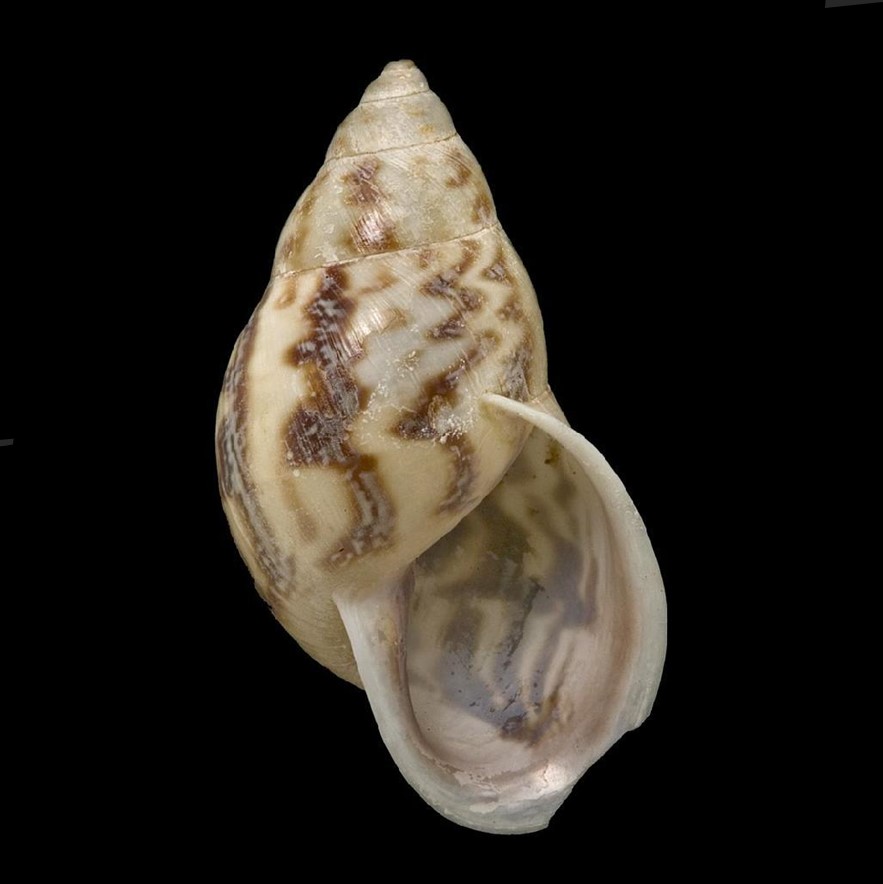
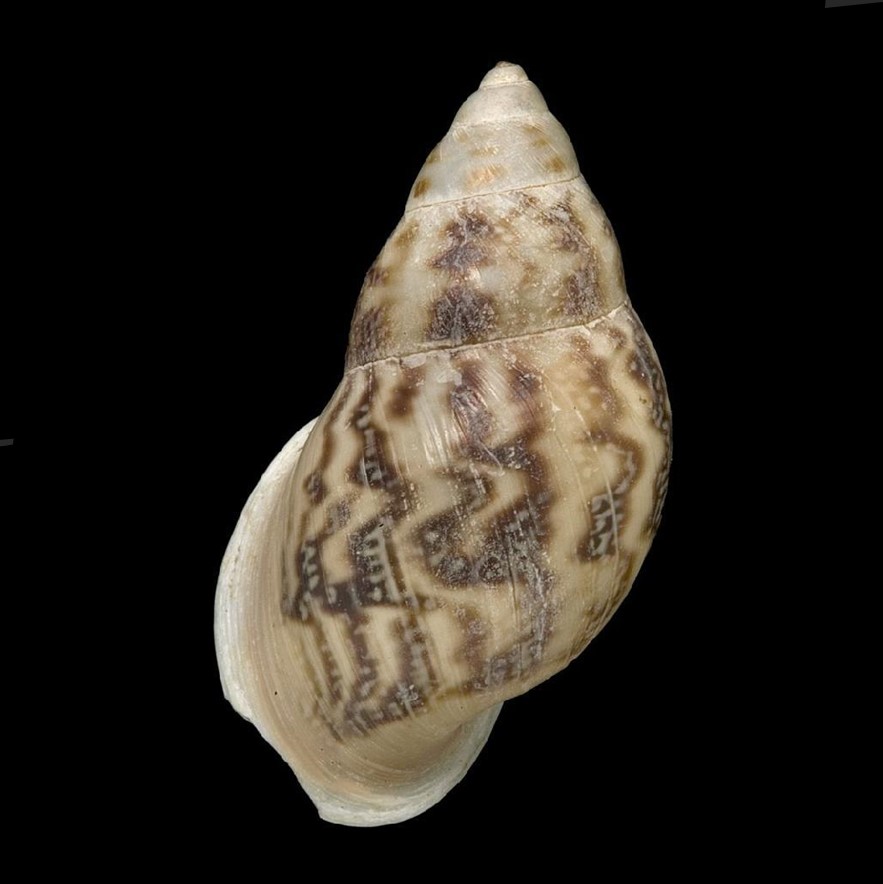
CLASSE: GASTROPODA: TERRESTRE FAMÍLIA: BULIMULIDAE ESPÉCIE: Drymaeus ziczac (Da Costa, 1898) Tamanho médio: 28 mm Ocorrência: Colômbia Localidade tipo: Vale do Rio Cauca, Colômbia Comentários: Breure & Borrero, 2019 destaca que "dado que o Rio Cauca atravessa diferentes departamentos, a localidade continua muito imprecisa, sem a coleta de mais material. A etiqueta que acompanha o material tipo indica “Llanos de Cavariari” (Breure & Ablett 2014: 212, fig. L66v); não conseguimos encontrar tal localidade na Colômbia, mesmo aceitando localidades com grafia semelhantes. O Departamento de Guaviare, na Colômbia, é uma dessas localidades e inclui áreas considerados “Llanos” (ou seja, áreas extensas e relativamente planas), mas o Rio Cauca fica bem a oeste desta região." Nome original: Bulimulus (Drymaeus) ziczac Da Costa, 1898 Sinônimos:...
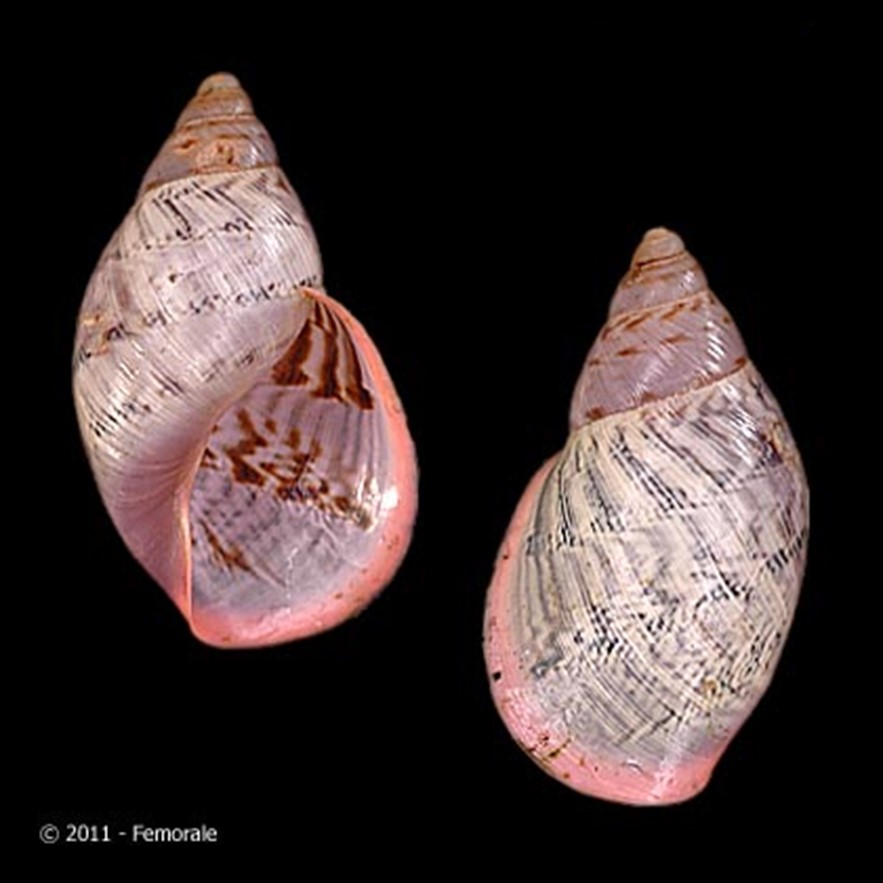
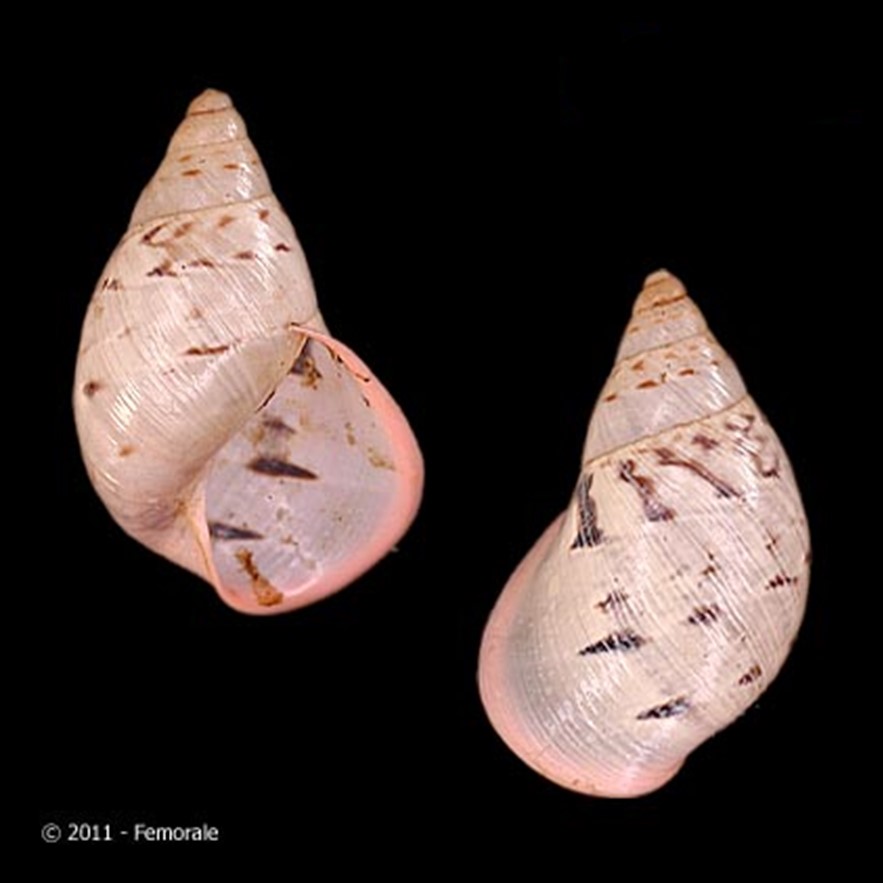
CLASSE: GASTROPODA: TERRESTRE FAMÍLIA: BULIMULIDAE ESPÉCIE: Drymaeus zingarensis Restrepo & Breure, 1987 Tamanho médio: 26 mm Ocorrência: Colômbia (Valle del Cauca) Localidade tipo: "Valle del Cauca, Finca Zíngara" Altitude: ~1900 - 2100 m Sinônimos: Drymaeus (Drymaeus) zingarensis Restrepo & Breure, 1987 Descrição original: (Restrepo & Breure (1987): "shell up to 24.7 mm, ca. 1.6 times as long as wide, elongate-ovate, imperforate, rather thin with fine axial striae. Protoconch with a reticulate sculpture of axial riblets and spiral striae which are of equal strength. Whorls ca. 5.5, slightly convex, the last whorl inflated; suture impressed. Aperture subovate, ca. 1.6 times as long as wide, ca. 0.7 times the total length. Columellar margin thin and simple. Peristome thin and expanded, pink. Parietal wall with a...
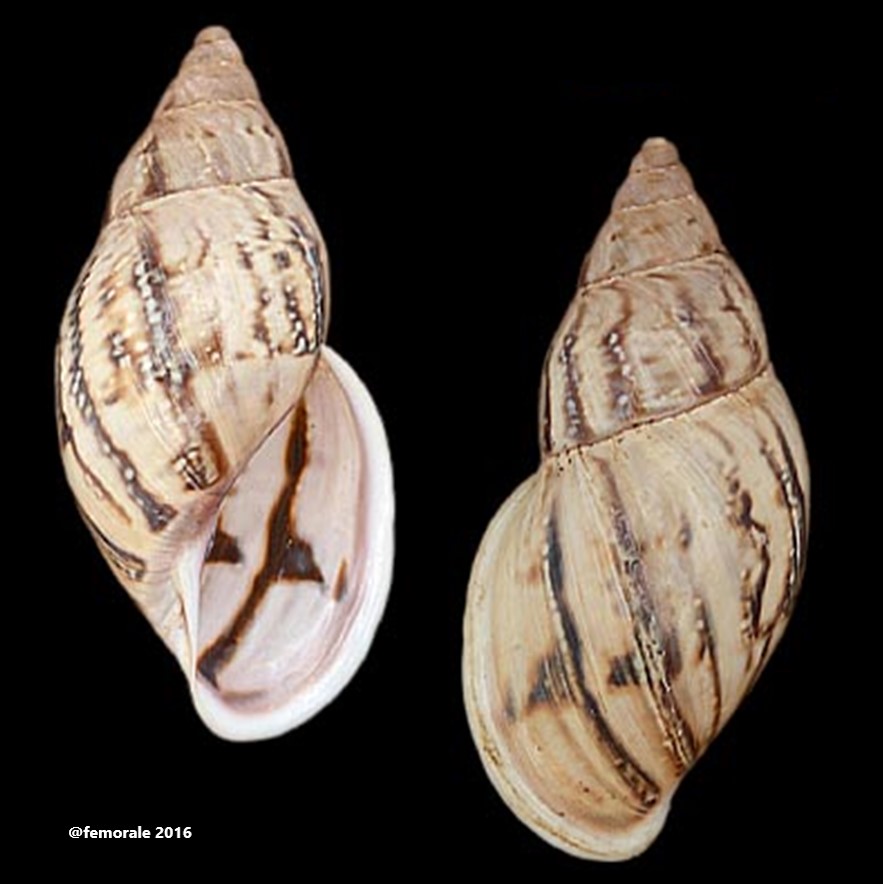
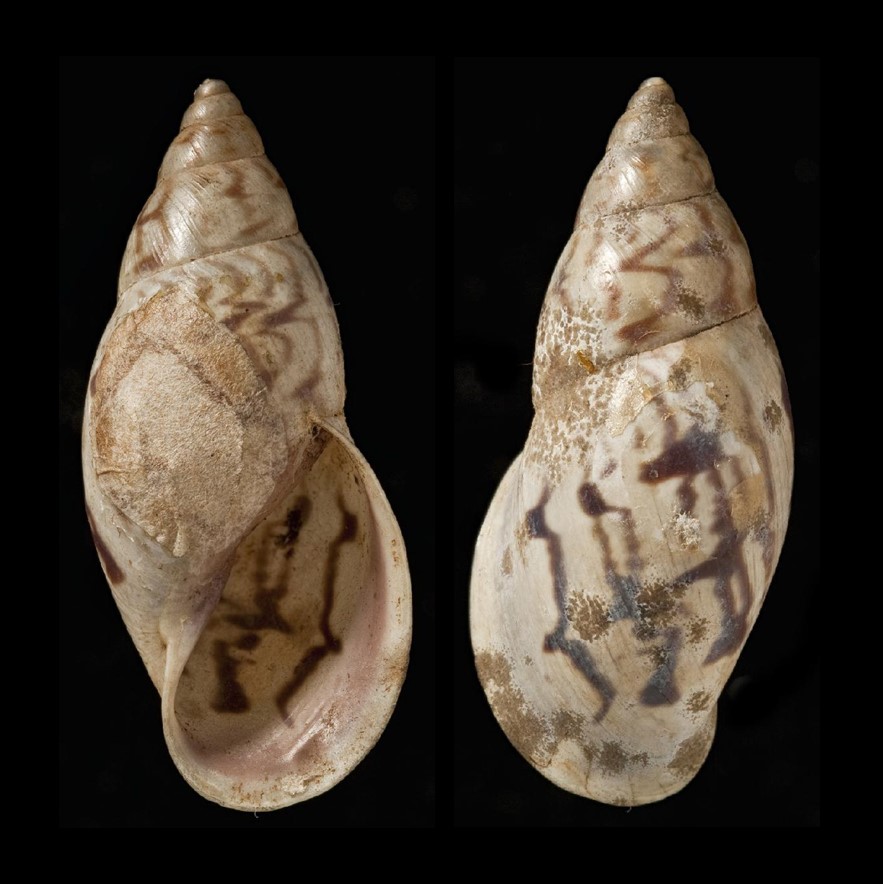
CLASSE: GASTROPODA: TERRESTRE FAMÍLIA: BULIMULIDAE ESPÉCIE: Drymaeus zoographicus (A. d'Orbigny, 1835) Tamanho médio: 35 mm Habitat: vive em árvores e arbustos Ocorrência: Bolívia, Tutulima Localidade tipo: "provincia Yungacensi, republica Boliviana" Nome original: Helix zoographica A. d'Orbigny, 1835 Sinônimos: Drymaeus (Drymaeus) zoographica (A. d'Orbigny, 1835); Helix zographica A. d'Orbigny, 1835 Fotos: (1-3) Natural History Museum, London: SYNTYPE NHMUK 1854.12.4.131, Tutulima, Bolívia, 31.7mm Fontes: Descrição original: (como Helix zoographica A. d'Orbigny, 1835) Orbigny, A. d'. (1835). Synopsis terrestrium et fluviatilium molluscorum, in suo per Americam meridionalem itinere collectorum. Magasin de Zoologie. 5(61): 1-44., disponível online em https://www.biodiversitylibrary.org/page/2633132 página(s): 19 Breure ASH, Ablett J (2014) Annotated type catalogue of the Bulimulidae (Mollusca, Gastropoda, Orthalicoidea) in the Natural History Museum, London. ZooKeys 392: 1-367. disponível online em https://doi.org/10.3897/zookeys.392.6328...

CLASSE: GASTROPODA: TERRESTRE FAMÍLIA: AMPHIBULIMIDAE ESPÉCIE: Dryptus funckii (Nyst, 1843) Tamanho médio: 100 - 105 mm Ocorrência: Venezuela Localidade tipo: Venezuela: “la Colombie, dans la province de Cumana [Venezuela].” Nome original: Bulimus funckii Nyst, 1843 Sinônimos: Bulimus adoptus Reeve, 1849; Bulimus funckii Nyst, 1843; Bulimus superbus Jonas, 1844; Bulimus caripensis “Valenciennes” Martens 1873: 172 Comentários: Borrero & Breure (2011): "Richardson (1995: 199) atribuiu Bulimus caripensis a Mousson, evidentemente um erro de Martens,1873. O último autor referiu esse nome a Valenciennes, com base em um rótulo no museu de Paris com H. Cuming como fonte. Ele também se referiu a Jonas (1846: pl. 11 fig. 16). Tello (1975) resumiu registros anteriores da literatura em seu catálogo; no entanto, essas listagens devem ser tratadas...

CLASSE: GASTROPODA: TERRESTRE FAMÍLIA: AMPHIBULIMIDAE ESPÉCIE: Dryptus guerini (L. Pfeiffer, 1846) Tamanho médio: 47 - 52 mm Ocorrência: Venezuela Localidade tipo: Nova Granada, Venezuela Comentários: Borrero & Breure, 2011 destaca que no material do Museu de Londres, "uma segunda etiqueta está presente, indicando que os exemplares foram encontrados nas “Cavernas de Chachopo / Província de Mérida, Nova Granada”. Assim, a localidade tipo pode agora estar restrita à Venezuela, Estado de Mérida, Chachopo Nome original: Bulimus guerini L. Pfeiffer, 1846 Fotos: Natural History Museum, London. LECTOTYPE de Bulimus guerini Pfeiffer, 1846; NHMUK 1975272, Funck leg., coll. Hugh Cuming, "Nova Granada", 41mm Figura: Borrero & Breure, 2011: (A–B, i) Dryptus marmoratus (Dunker, 1844), LECTOTYPE de Bulimus adoptus Reeve, 1849 NHMUK 20100517...
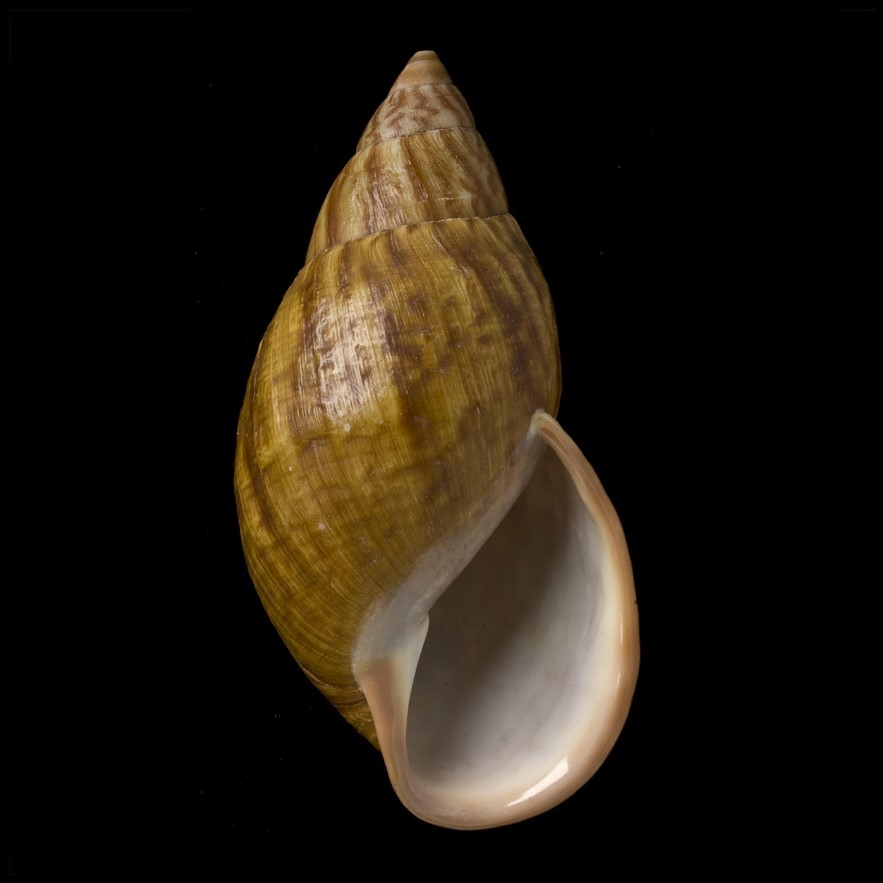
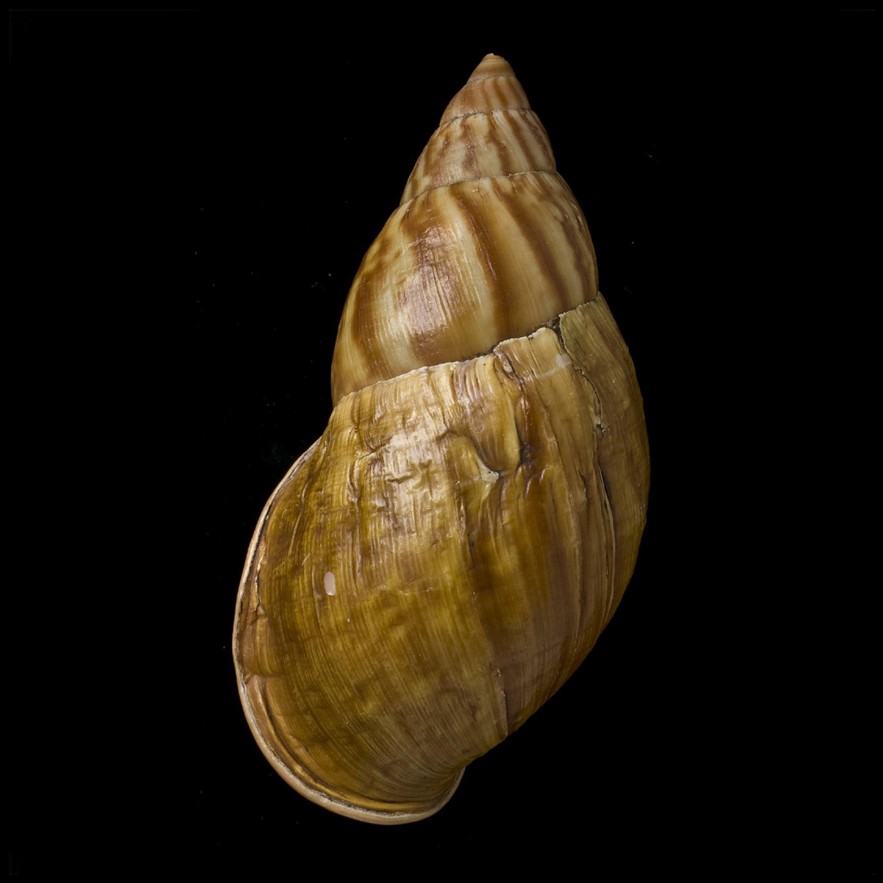
CLASSE: GASTROPODA: TERRESTRE FAMÍLIA: AMPHIBULIMIDAE ESPÉCIE: Dryptus jubeus (Fulton, 1908) Tamanho médio: 95 - 115 mm Ocorrência: Venezuela Localidade tipo: Capas, Venezuela Altitude: 2000 m Nome original: Strophocheilus (Dryptus) jubeus Fulton, 1908 Fotos: (1-4) Natural History Museum, London: LECTOTYPE de Strophocheilus (Dryptus) jubeus Fulton, 1908; NHMUK 1905.5.3.1, 117.5 mm Figura: Borrero, F. J.; Breure, A. S. H. (2011)(A–B, i) Dryptus jubeus (Fulton, 1908), LECTOTYPE NHMUK 1905.5.3.1, 117.5mm Fontes: Descrição original: (como Strophocheilus (Dryptus) jubeus Fulton, 1908) Fulton, H. C. (1908). Description of a new species of Strophocheilus. Proceedings of the Malacological Society of London. 8: 86-87. página(s): 86 Borrero, F. J.; Breure, A. S. H. (2011). The Amphibulimidae (Mollusca: Gastropoda: Orthalicoidea) from Colombia and adjacent...
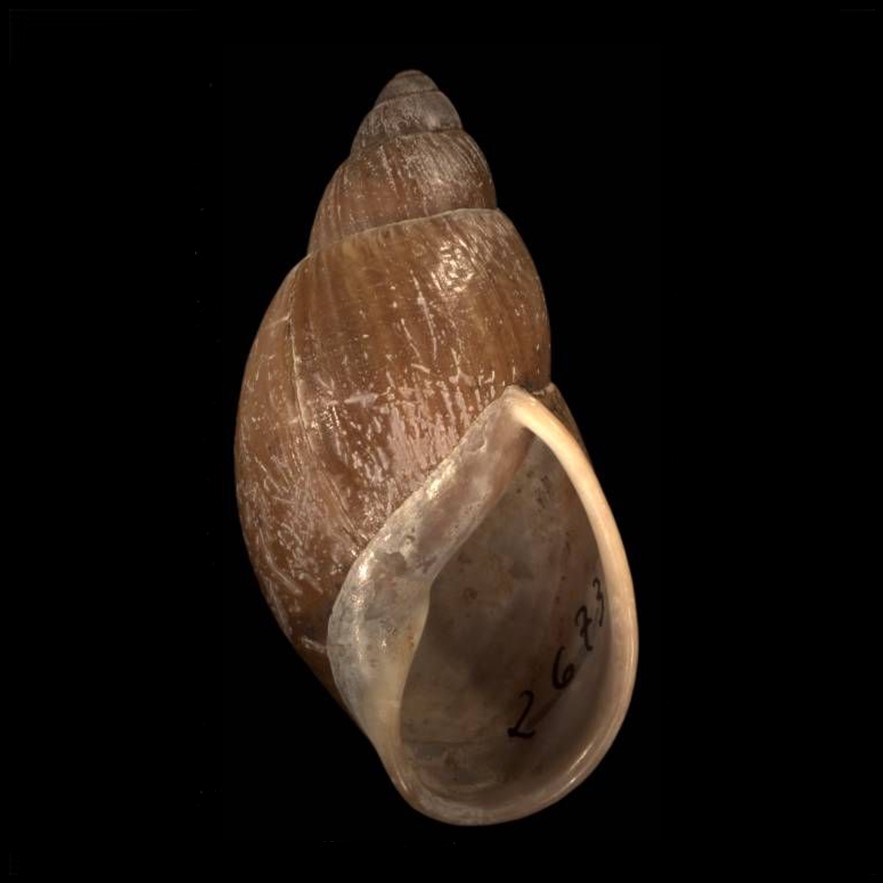
CLASSE: GASTROPODA: TERRESTRE FAMÍLIA: AMPHIBULIMIDAE ESPÉCIE: Dryptus lasalleanus F. Haas, 1959 Tamanho médio: 58 mm Ocorrência: Venezuela Localidade tipo: Mucurubá, Estado de Mérida, Venezuela Nome original: Dryptus lasalleanus F. Haas, 1959 Descrição original: (Hass, 1959): "Shell elongated-ovate, imperforate, rather heavy. Whorls 5 1/4, somewhat convex, of regular growth, separated by a distinct suture bordered below by a narrow whitish zone. The last whorl descends more obliquely, very shortly ascending at the aperture. The earlier whorls have a purplish tint which changes into a blackish brown at the beginning of the penultimate whorl. The first two whorls are finely and densely zigzag- wrinkled, a feature also present on the third whorl, which, in addition, develops subvertical striae which become gradually rib-like, making the suture appear almost crenulate. On the fourth whorl...
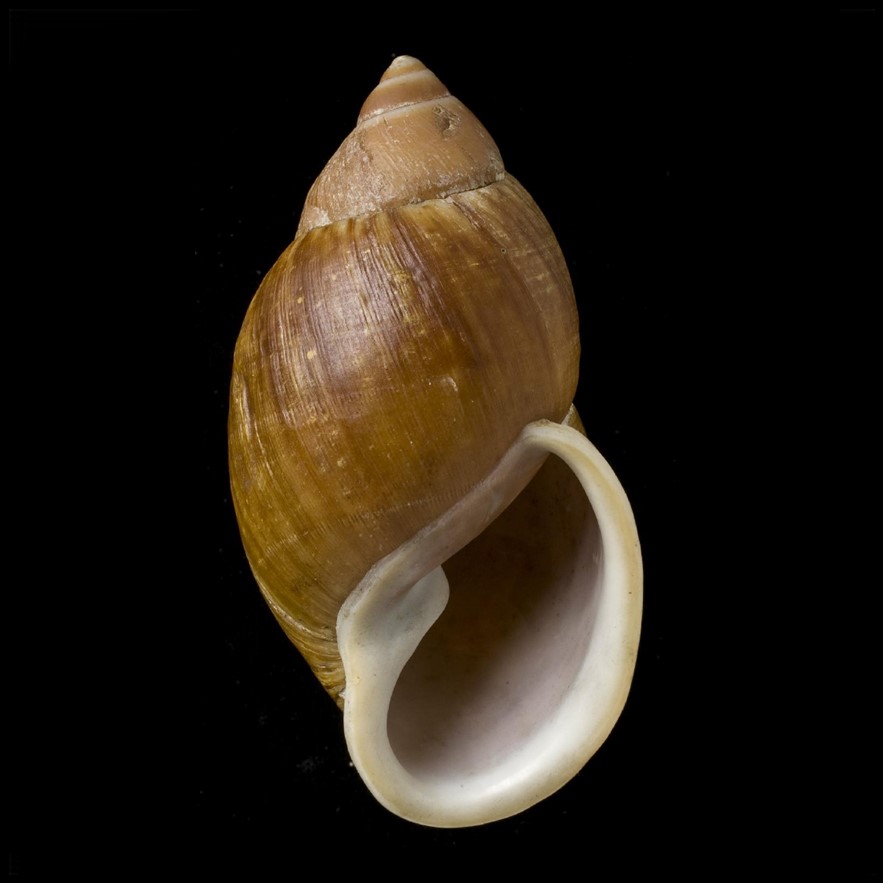
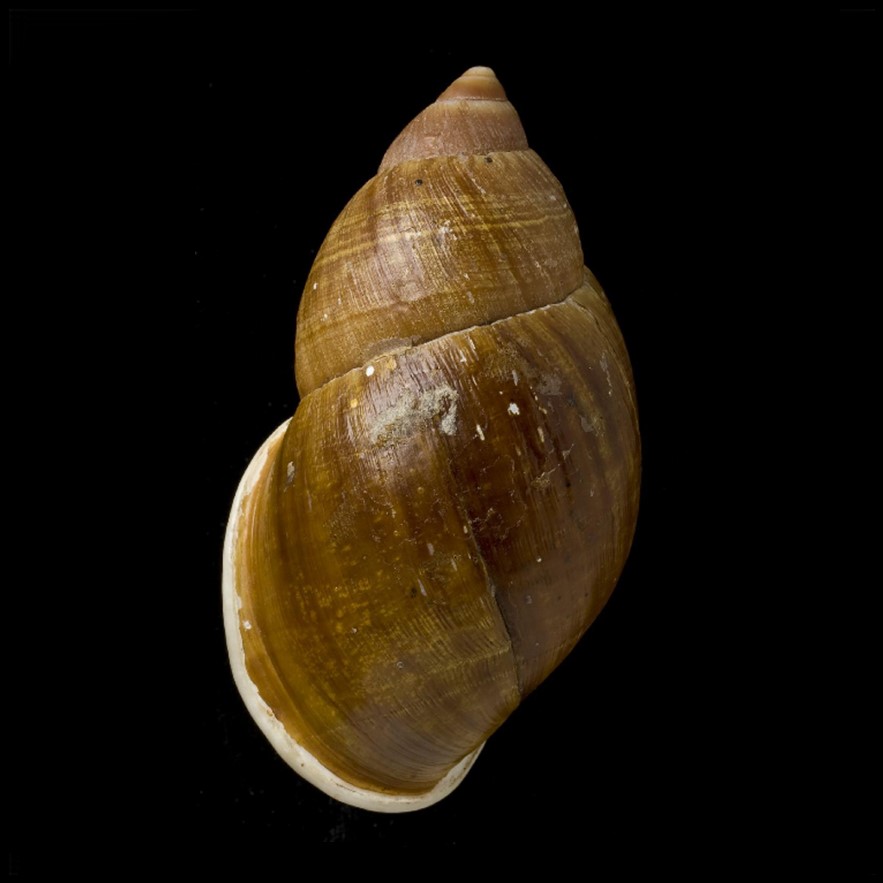
CLASSE: GASTROPODA: TERRESTRE FAMÍLIA: AMPHIBULIMIDAE ESPÉCIE: Dryptus marmoratus (Dunker, 1844) Tamanho médio: 90 mm Ocorrência: Venezuela, Brasil (?) Localidade tipo: "Brasilia" Nome original: Bulimus marmoratus Dunker, 1844 Sinônimos: Bulimus marmoratus Dunker, 1844; Plekocheilus marmoratus (Dunker, 1844) Fotos: (1-4) Museu de História Natural Londres: LECTOTYPE de Bulimus marmoratus Dunker, 1844; NHMUK 1975474, Venezuela, doador: Hugh Cuming, 86.1 mm Figura: Borrero, F. J.; Breure, A. S. H. (2011): A–B, i) Dryptus marmoratus (Dunker, 1844), LECTOTYPE de Bulimus adoptus Reeve, 1849 NHMUK 20100517 (H = 83.3 mm); (C–D, ii) Dryptus gueirini (Pfeiffer, 1846), LECTOTYPE NHMUK 1975272 (H = 41.0mm) Fontes: Descrição original: (como Bulimus marmoratus Dunker, 1844) Philippi, R. A. (1842-1850). Abbildungen und Beschreibungen neuer oder wenig...
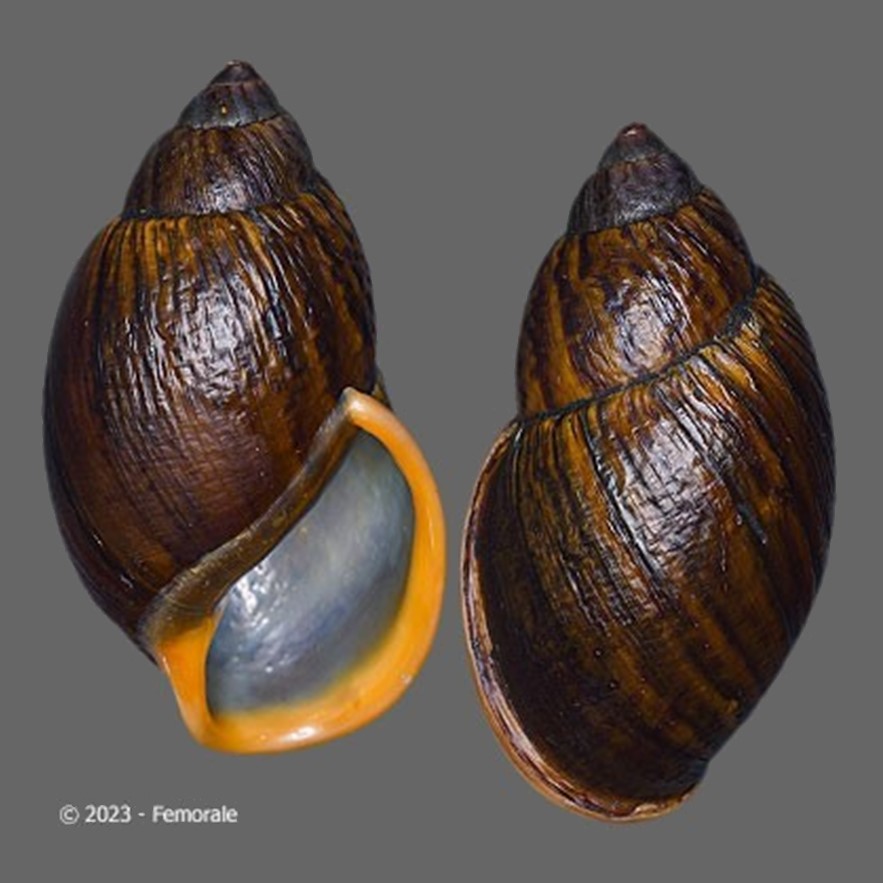
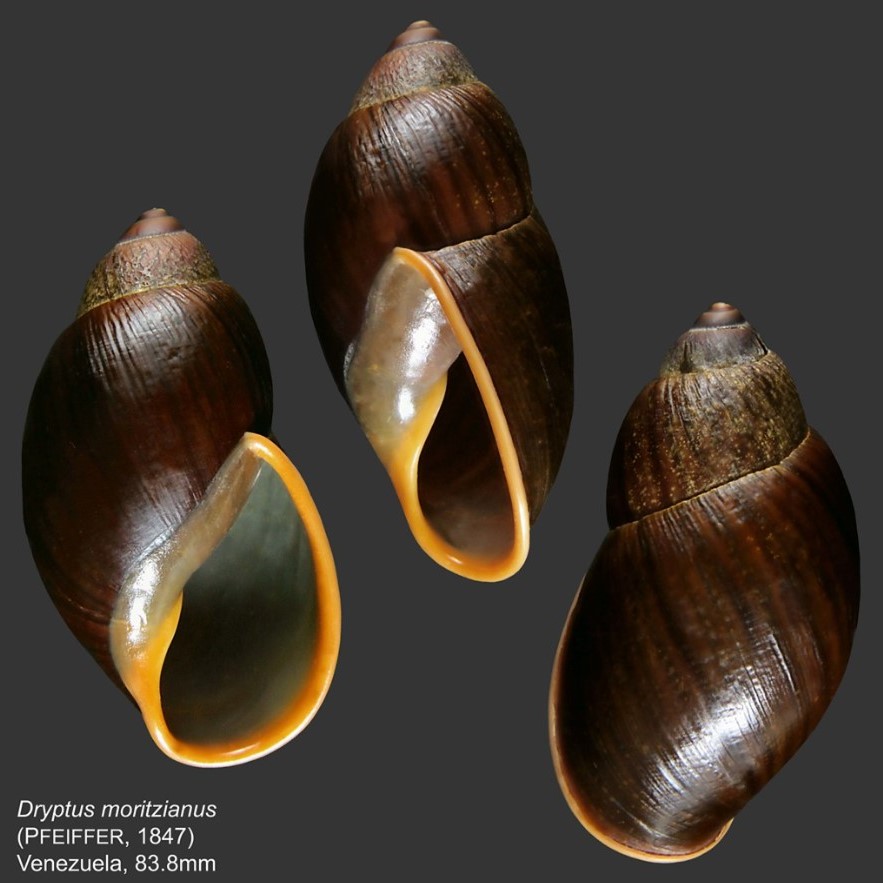
CLASSE: GASTROPODA: TERRESTRE FAMÍLIA: AMPHIBULIMIDAE ESPÉCIE: Dryptus moritzianus (L. Pfeiffer, 1847) Tamanho médio: 80 mm Ocorrência: Venezuela, Colômbia, Brasil Comentários: Salvador et al. 2024 considera como "ocorrência incerta" para o Brasil Localidade tipo: Venezuela, Caracas Nome original: Bulimus moritzianus L. Pfeiffer, 1847 Sinônimos: Bulimus moritzianus L. Pfeiffer, 1847; Strophocheilus moritzianus (L. Pfeiffer, 1847); Strophocheilus moritzianus wilsoni Pilsbry, 1895 Fotos: (1) cortesia Femorale, 2023, Colômbia, 72,5mm; (2) cortesia Claude & Amandine Evanno; (3) Museum für Naturkunde Berlin: LECTOTYPE ZMB 10464a, Caracas, leg. Moritz; (4) Natural History Museum Rotterdam: lote NMR 993000011899, Venezuela, ex coll. G. van Roon; (5) Salvador et al. 2023: Auckland War Memorial Museum, AM MA114780, "Brazil", sem localidade específica, podendo ser o primeiro registro de Dryptus moritzianus para Brasil ...

CLASSE: GASTROPODA: TERRESTRE FAMÍLIA: AMPHIBULIMIDAE ESPÉCIE: Dryptus pardalis (Férussac, 1821) Tamanho médio: 80 mm Ocorrência: Venezuela, Colômbia Localidade tipo: Venezuela Altitude: desde "próximo ao nível do mar" até 2435 m (Borrero & Breure, 2011) Nome original: Helix (Cochlostyla) pardalis A. Férussac, 1821 Sinônimos: Bulimus astrapoides Jonas, 1844 ; Bulimus leptochilus L. Pfeiffer, 1848; Bulimus lindeni Reeve, 1848; Helix (Cochlostyla) pardalis Férussac, 1821 Fotos: cortesia Femorale, 2023, Dryptus pardalis, Colômbia, 82 mm Figura: Borrero & Breure, 2011: (A–B) Dryptus pardalis (Férussac, 1821), USNM 590635 (H=95 mm); (C) Dryptus moritzianus (Pfeiffer, 1847), ANSP 168416 (H=116.5 mm); (D–F) Dryptus guerini (Pfeiffer, 1846), MCZ 222357 (H=45mm) Fontes: Descrição original: (como Helix (Cochlostyla) pardalis Férussac, 1821) Férussac, A. E. J. P. F. d'Audebard de. (1819-1832)....

CLASSE: GASTROPODA: TERRESTRE FAMÍLIA: AMPHIBULIMIDAE ESPÉCIE: Dryptus stuebeli (E. von Martens, 1885) Tamanho médio: 60 - 65 mm Ocorrência: Venezuela Localidade tipo: "Fusagasugá, Novae Granadae" Altitude: 1700 m Nome original: Bulimus (Dryptus) stuebeli E. von Martens, 1885 Comentários: Breure, 2013 propôs nova combinação como Plekocheilus (Eurytus) episcopalis stuebeli (E. von Martens, 1885), porém mantivemos aqui para comparação no gênero Dryptus Fotos: Köhler, 2007: Museum für Naturkunde Berlin, HOLOTYPE de Dryptus stuebeli Martens, 1885, ZMB 36.492 Fontes: Descrição original: (como Bulimus (Dryptus) stuebeli E. von Martens, 1885) Martens, E. von. (1885). Uebersicht der von Hernn Dr. Alfred Stübel im nordlichen Theil von Süd-Amerika gesammelten Binnen-Conchilien. Conchologische Mittheilungen als Fortsetzung der Novitates Conchologicae. 2(5-6): 155-179, pls. 31-32, 35., disponível online em https://www.biodiversitylibrary.org/page/15865908 página(s): 172-173,...
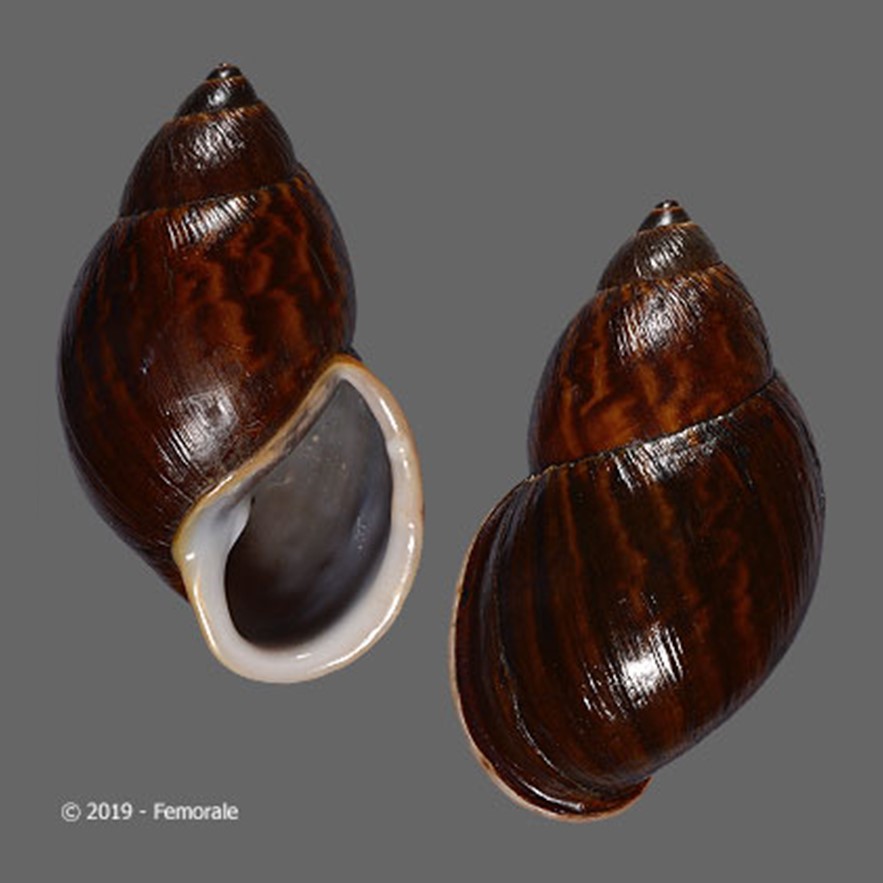
CLASSE: GASTROPODA: TERRESTRE FAMÍLIA: AMPHIBULIMIDAE ESPÉCIE: Dryptus venezuelensis (Nyst, 1845) Tamanho médio: 85 - 94 mm Ocorrência: Venezuela Localidade tipo: Venezuela Nome original: Bulimus venezuelensis Nyst, 1845 Sinônimos: Strophocheilus venezuelensis (Nyst, 1845) Etimologia: o nome da espécie é uma referência à localidade tipo, a Venezuela Fotos: (1) cortesia Femorale, 2019, Venezeuela, 89 mm; (2) NCB Naturalis, Leiden, ZMA MOLL 32778, Venezuela Fontes: Descrição original: (como Bulimus venezuelensis Nyst, 1845) Nyst, P. H. (1845). Description de deux Bulimes nouveaux de la Colombie. Bulletin de l'Académie Royale des Sciences, des Lettres et des Beaux-Arts de Belgique. 12(3): 227-229., disponível online em https://www.biodiversitylibrary.org/page/38668837 página(s): 227, fig. 1 MolluscaBase: https://www.molluscabase.org/aphia.php?p=taxdetails&id=1308680

CLASSE: GASTROPODA: TERRESTRE FAMÍLIA: ACHATINIDAE ESPÉCIE: Dysopeas muibum Marcus & Marcus, 1968 Tamanho médio: 3 - 5 mm Habitat: vive no solo, sob folhas ou enterrada parte do tempo Alimentação: matéria vegetal preta e em decomposição, restos de insetos (Marcus & Marcus, 1968) Ocorrência: Brasil (São Paulo, Minas Gerais, Goiás) Localidade tipo: São Paulo, Estado de São Paulo Comentários: espécie vivípara, sendo as cascas calcárias dos ovos reabsorvidas no útero Nome original: Dysopeas muibum Marcus & Marcus, 1968 Fotos: (1) Águas de Lindóia, São Paulo, 3mm, Coleção Ricardo Guerrini; (2) Salvador, Cavallari, Simone (2017): Museu de Zoologia de São Paulo, MZSP 131100, H = 5.4 mm, D = 2.3 mm, Goiás, Mambaí: Gruta da Tarimba Fontes: Descrição original: Eveline Marcus & Ernst Marcus (1968) Über...

CLASSE: GASTROPODA: TERRESTRE FAMÍLIA: ACHATINIDAE ESPÉCIE: Dysopeas subopacum (H. B. Baker, 1927) Tamanho médio: 10 mm Ocorrência: Venezuela (La Guaíra) Localidade tipo: Venezuela, La Guaíra, Boqueron ("leaf mould in heavy forest near Boquerón (H, II, b, 26)") Nome original: Pseudopeas subopacum H. B. Baker, 1927 Sinônimos: Pseudopeas (Dysopeas) subopacum H. B. Baker, 1927 Comentários: o holótipo está depositado no University of Michigan Museum of Zoology, Division of Mollusks: UMMZ 135065, Bryant Walker Collection, "leaf mould in heavy forest near Boquerón (H, II, b, 26).", 10.4 mm Fotos: (1) nd Fontes: Descrição original: (como Pseudopeas subopacum H. B. Baker, 1927) Baker, H. B. (1927). The Mollusca collected by the University of Michigan-Williamson Expedition in Venezuela, part V. Occasional Papers of the Museum of Zoology...
CLASSE: GASTROPODA: TERRESTRE FAMÍLIA: ACHATINIDAE ESPÉCIE: Dysopeas translucidum (H. B. Baker, 1927) Tamanho médio: 10 mm Ocorrência: Venezuela (Táchira) Localidade tipo: Venezuela, "near Rio Lobaterita at Estachión Táchira (H, II, b, 38)" Nome original: Pseudopeas translucidum H. B. Baker, 1927 Sinônimos: Pseudopeas (Dysopeas) translucidum H. B. Baker, 1927 Comentários: o holótipo está depositado no University of Michigan Museum of Zoology, Division of Mollusks: UMMZ 144256, "near Rio Lobaterita at Estachión Táchira (H, II, b, 38)", Bryant Walker Collection, 10.2 mm Fotos: (1) nd Fontes: Descrição original: (como Pseudopeas translucidum H. B. Baker, 1927) Baker, H. B. (1927). The Mollusca collected by the University of Michigan-Williamson Expedition in Venezuela, part V. Occasional Papers of the Museum of Zoology of the University of Michigan. 182:...
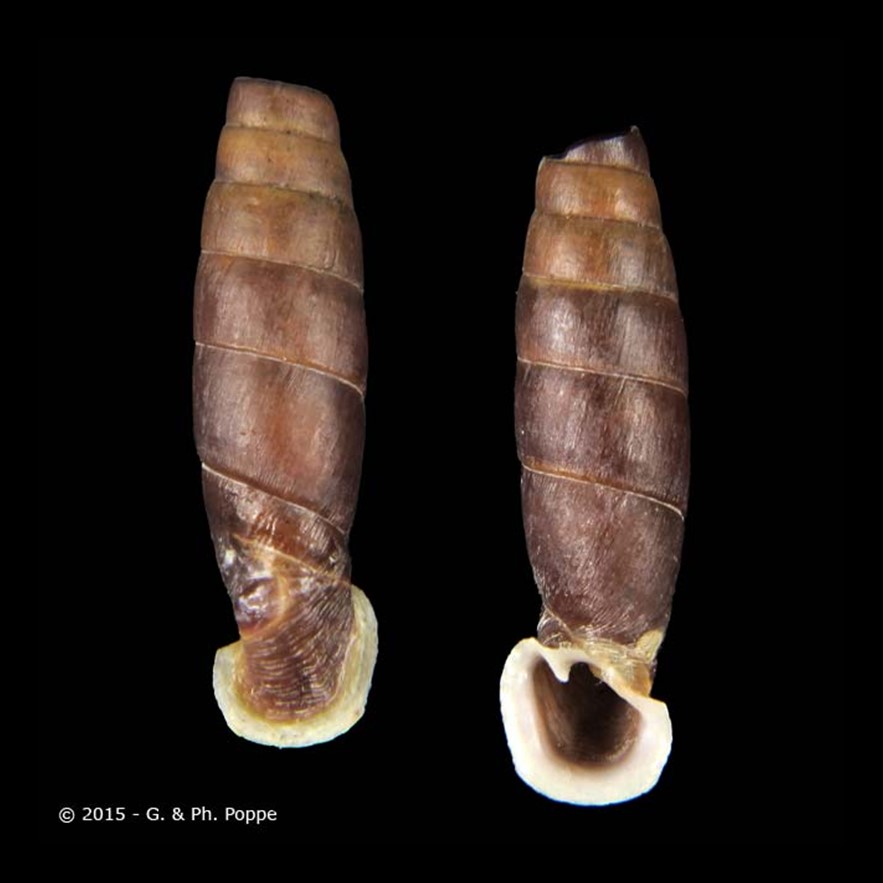
CLASSE: GASTROPODA: TERRESTRE FAMÍLIA: CLAUSILIIDAE ESPÉCIE: Ehrmanniella boettgeri (Pilsbry, 1945) Tamanho médio: 22 mm Ocorrência: Peru Localidade tipo: Peru Nome original: Nenia quadrata boettgeri Pilsbry, 1945 Sinônimos: Andinia (Ehrmanniella) boettgeri (Pilsbry, 1945) Fotos: (1) cortesia Guido & Philippe Pope, 2015, Peru, 22.8mm Fontes: Descrição original: (como Nenia quadrata boettgeri Pilsbry, 1945) Pilsbry, H. A. (1945). Peruvian land Mollusca - IV. Clausiliidae. The Nautilus. 58(3): 79-84, pl. 3., disponível online em https://www.biodiversitylibrary.org/page/8517310 página(s): 81-82, pl. 3, figs. 1-2 Nordsieck, H. (2007). Worldwide Door Snails (Clausiliidae), Recent and Fossil. ConchBooks, Hackenheim, 214 pp. página(s): 42 Molluscabase: https://molluscabase.org/aphia.php?p=taxdetails&id=1291536
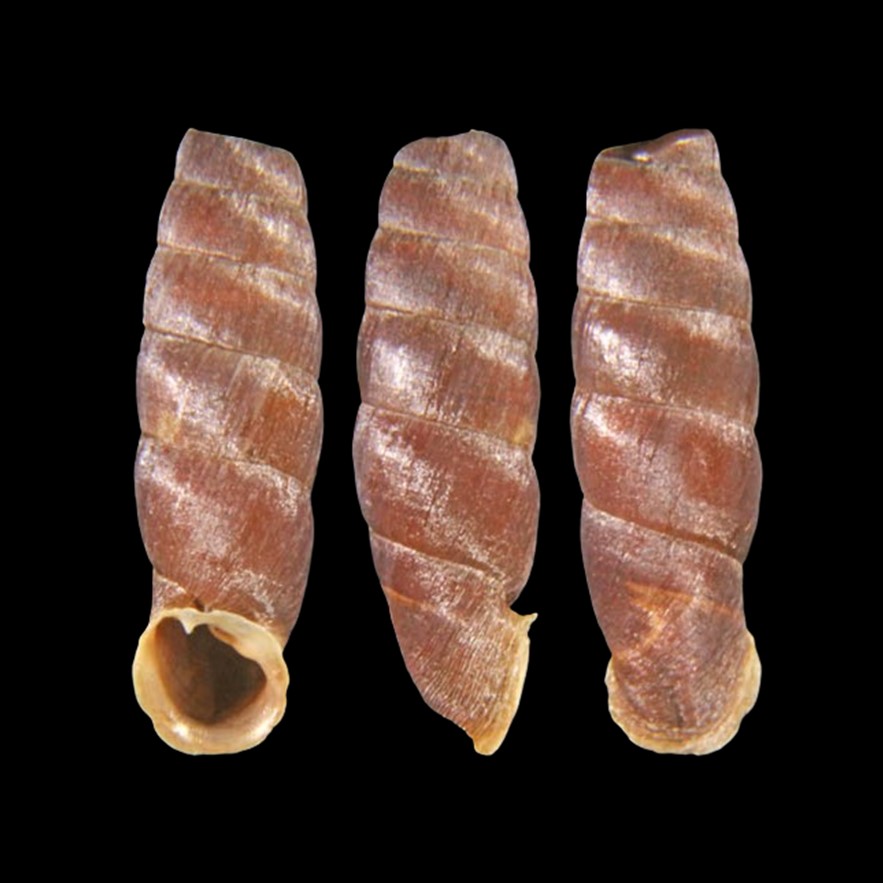
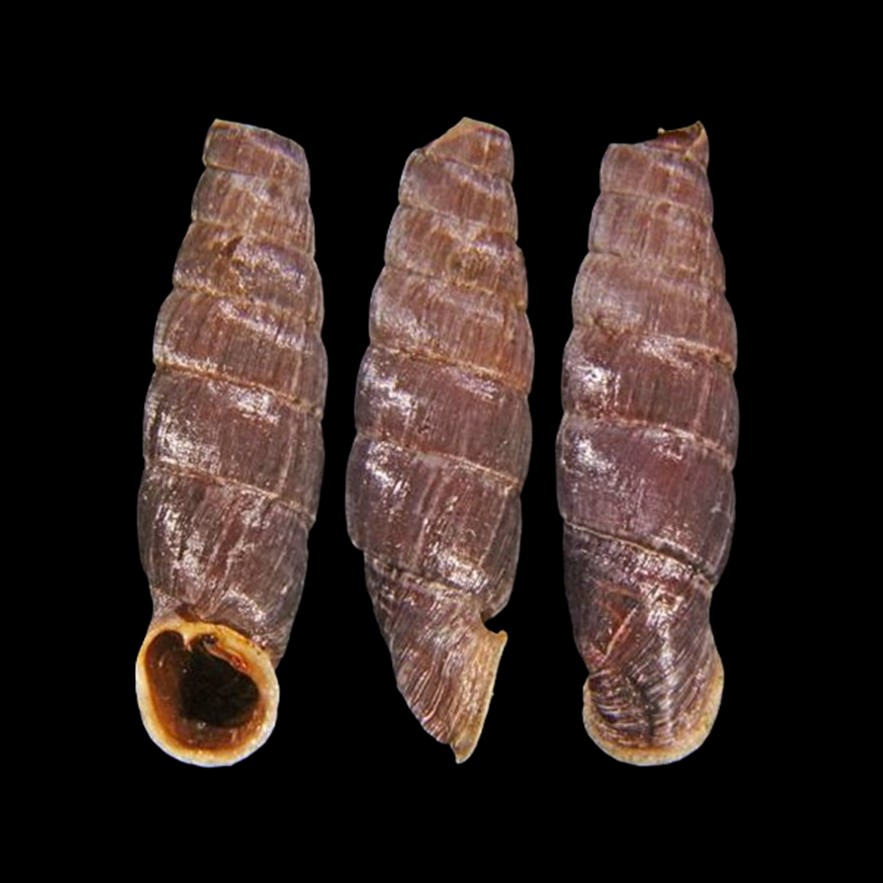
CLASSE: GASTROPODA: TERRESTRE FAMÍLIA: CLAUSILIIDAE ESPÉCIE: Ehrmanniella quadrata (O. Boettger, 1880) Tamanho médio: 20 mm Ocorrência: Peru (Junin) Localidade tipo: sem localidade informada Nome original: Clausilia (Nenia) quadrata O. Boettger, 1880 Sinônimos: Nenia quadrata (O. Boettger, 1880) Fotos: (1,2) cortesia Carles Dorado (Allpira, Spain): Peru, Departamento de Junin, entre Palca e Tarma, em rochas, coll. Hemmen, iv.2004 Fontes: Descrição original: (como Clausilia (Nenia) quadrata O. Boettger, 1880) Boettger, O. (1880). Clausiliae novae Peruvianae e collectione ill. P. Joly Algeriensis. Nachrichtsblatt der deutschen malakozoologischen Gesellschaft. 12(10): 111-114. Frankfurt am Main., disponível online em https://www.biodiversitylibrary.org/page/30976060 página(s): 111 Nordsieck, H. (2007). Worldwide Door Snails (Clausiliidae), Recent and Fossil. ConchBooks, Hackenheim, 214 pp. página(s): 42 Molluscabase: https://molluscabase.org/aphia.php?p=taxdetails&id=1291537
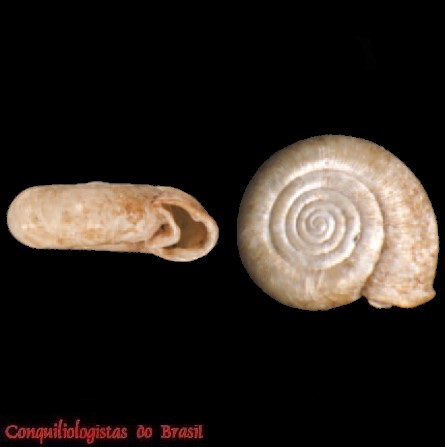
CLASSE: GASTROPODA: TERRESTRE FAMÍLIA: SCOLODONTINAE ESPÉCIE: Entodina alcidiana (Ancey, 1892) Tamanho médio: 6.0 mm Distribuição: Brasil (Mato Grosso do Sul) Localidade tipo: Corumbá, Mato Grosso do Sul, Brasil Nome original: Systrophia alcidiana Ancey, 1892 Fotos: Salvador, R. B.; Colley, E.; Simone, L. R. L. (2018), Systrophia alcidiana, The Academy of Natural Sciences, lote ANSP 45634 (D = 6.0mm); Corumbá, Mato Grosso do Sul, origem: Clapp, G. H. Andrews Collection, 1920 Fontes: Descrição original: Ancey, C. F. (1892). On some shells from eastern Bolivia and western Brazil. Journal of Conchology. 7(4): 90-97 [19 December 1892]., disponível online em https://www.biodiversitylibrary.org/page/31573584 página(s): 91 Salvador, R. B.; Colley, E.; Simone, L. R. L. (2018). Terrestrial mollusks from the region of Corumbá and...
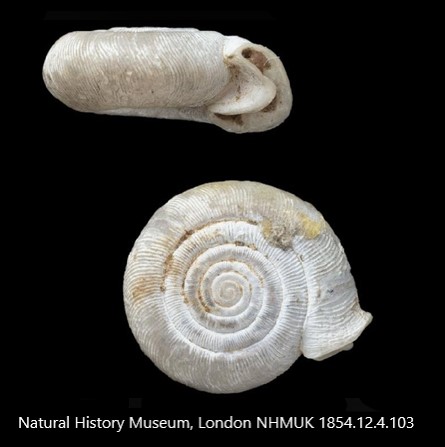
CLASSE: GASTROPODA: TERRESTRE FAMÍLIA: SCOLODONTINAE ESPÉCIE: Entodina cheilostropha (d'Orbigny, 1835) Tamanho médio: 6.0 mm Distribuição: Bolívia, Brasil (Corumbá, Mato Grosso do Sul) Localidade tipo: Bolívia Sinônimos: Entodina cheilostropha (d'Orbigny, 1835); Helix cheilostropha d'Orbigny, 1835; Systrophia (Entodina) cheilostropha (d'Orbigny, 1835); Systrophia cheilostropha (d'Orbigny, 1835); Entodona cheilostropha (d'Orbigny, 1835) [sic] Fotos: (1,2) Natural History Museum, London: SYNTYPE de Helix cheilostropha d'Orbigny, 1835, NHMUK 1854.12.4.103, Bolívia; (3) Field Museum of Natural History, Chicago: FMNH 30525, Corumbá, Mato Grosso do Sul, coll. H. Rolle, 1904 Fontes: Descrição original: (como Helix cheilostropha d'Orbigny, 1835) Orbigny, A. d'. (1835). Synopsis terrestrium et fluviatilium molluscorum, in suo per Americam meridionalem itinere collectorum. Magasin de Zoologie. 5(62): 1-44., disponível online em https://www.biodiversitylibrary.org/page/2633132 página(s): 3 ...
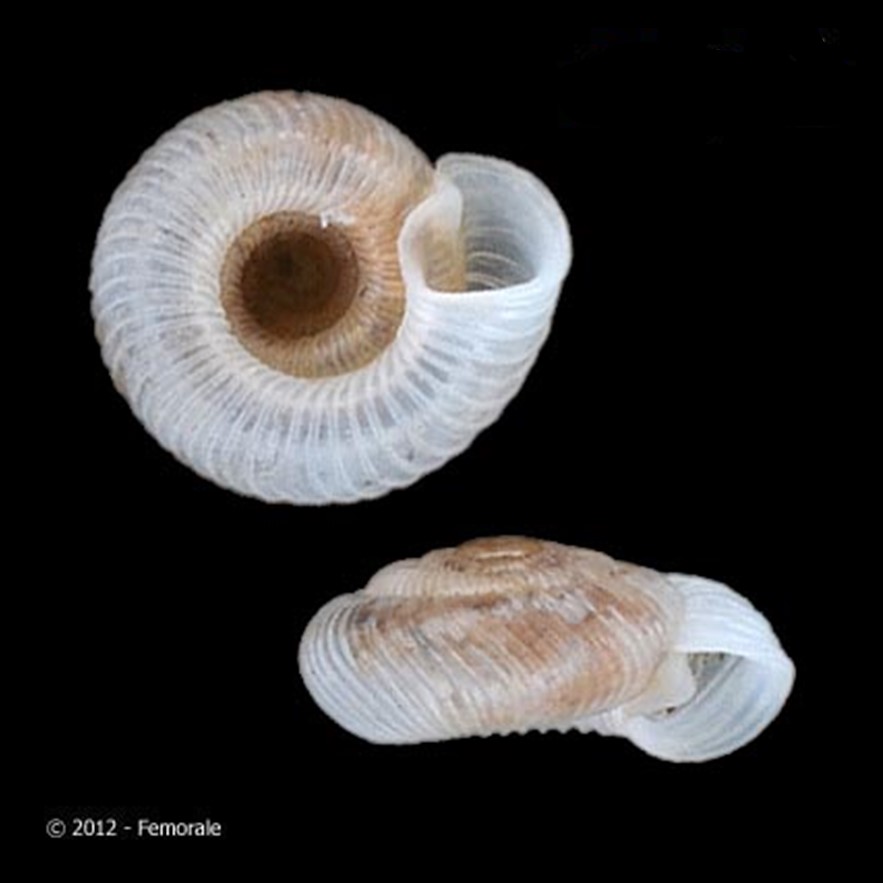
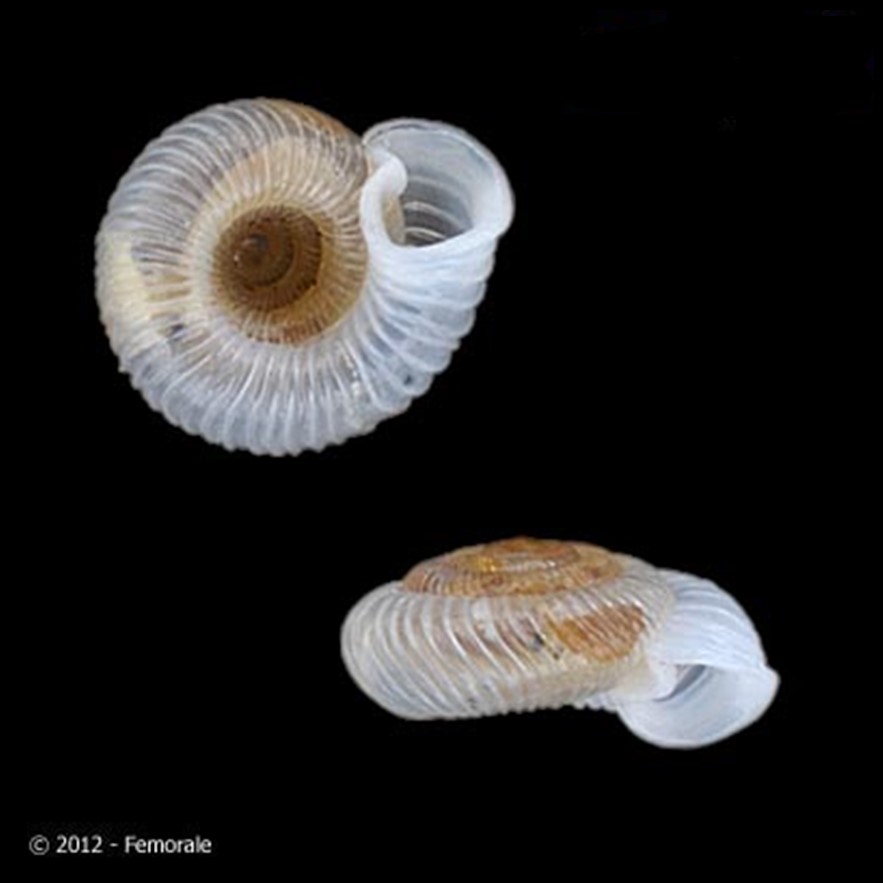
CLASSE: GASTROPODA: TERRESTRE FAMÍLIA: SCOLODONTINAE ESPÉCIE: Entodina derbyi (Ihering, 1912) Tamanho médio: 4.0 mm Distribuição: Bahia, Rios São Francisco e Paraguaçu Localidade tipo: Bahia, Rio Paraguaçu Nome original: Streptaxis (Polygyratia) derbyi Ihering, 1912 Sinônimos: Entodina derbyi (Ihering, 1912); Streptaxis (Polygyratia) derbyi Ihering, 1912; Systrophia (Entodina) derbyi (Ihering, 1912); Systrophia derbyi (Ihering, 1912) Comentários: O gênero Entodina é geralmente considerado um sinônimo de Systrophia L. Pfeiffer, 1855, porém em diversas publicações é considerado como um táxon separado Etimologia: o nome da espécie é uma homenagem ao geólogo e geógrafo norte americano, naturalizado brasileiro, Orville Adalbert Derby (Kelloggsville, Nova Iorque, 1851 – Rio de Janeiro, 1915). Derby foi fundador do Serviço Geológico e Mineralógico do Brasil e um dos pioneiros da paleontologia brasileira Fotos: (1,2)...


CLASSE: GASTROPODA: TERRESTRE FAMÍLIA: SCOLODONTINAE ESPÉCIE: Entodina gionensis Lange de Morretes, 1940 Tamanho médio: 4.4 mm Distribuição: Iguape e Parque Estadual e Turístico Alto Ribeira, no Estado de São Paulo; Estado de Santa Catarina (Salvador et al., 2016). Localidade tipo: Sambaqui Vamiranga, Iguape, São Paulo Etimologia: nome em homenagem ao médico Álvaro Guião. Guião foi secretário estadual de Educação e Saúde do estado de São Paulo e morreu em um acidente aéreo em 1939 Foto: (1,3) Salvador, R.B.; Cavallari, D.C. & Simone, L.R.L. 2016: Entodina gionensis (Museu de Zoologia de São Paulo - MZSP 120812; H = 2.3 mm, D = 5.3 mm), da Caverna Águas Quentes , Iporanga, São Paulo; (2) Gernet M. de V., Belz C.E., Birckolz C.J., Simone...


CLASSE: GASTROPODA: TERRESTRE FAMÍLIA: SCOLODONTINAE ESPÉCIE: Entodina jekylli F. Baker, 1914 Tamanho médio: 3.1 mm Distribuição: Brasil (Rondônia, Goiás) Localidade tipo: Campo 39 da Expedição Stanford, Ferrovia Madeira-Mamoré, km 284 km acima de Porto Velho, Rondônia, Brasil Nome original: Entodina jekylli F. Baker, 1914 Sinônimos: Systrophia (Entodina) jekylli (F. Baker, 1914); Systrophia jekylli (F. Baker, 1914) Etimologia: o nome da espécie é uma homenagem a A.B. Jekyll, membro da empresa empreiteira que possibilitou a ida do autor aos Rios Madeira e Mamoré , na Expedição Stanford Comentários: Simone, 2006 contém um equívoco no número do registro para o Lectótipo da espécie (ANSP 109011). O espécime da foto (1) é o verdadeiro lectótipo ANSP 109311, designado por Baker (1963: 239) Fotos: (1) The...
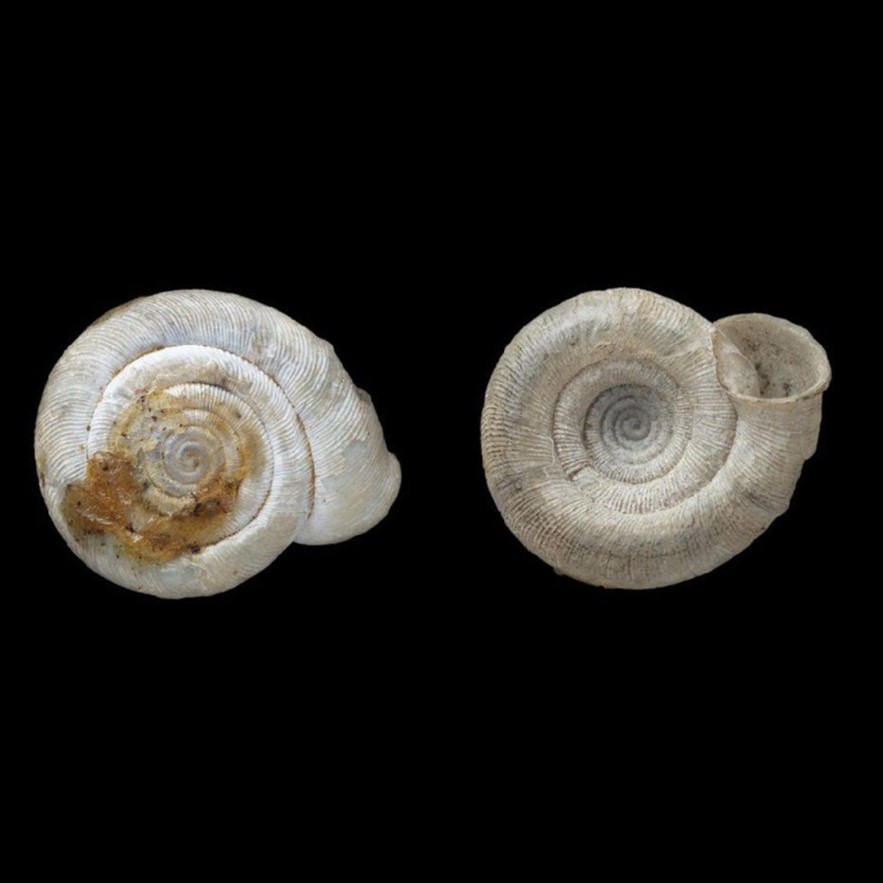
CLASSE: GASTROPODA: TERRESTRE FAMÍLIA: SCOLODONTINAE ESPÉCIE: Entodina pollodonta (A. d'Orbigny, 1835) Tamanho médio: 4.5 mm Distribuição: Bolívia Localidade tipo: Bolívia Nome original: Helix pollodonta A. d'Orbigny, 1835 Sinônimos: Systrophia (Entodina) pollodonta (A. d'Orbigny, 1835); Systrophia pollodonta (A. d'Orbigny, 1835) Fotos: (1,2) Natural History Museum, London: SYNTYPE de Entodina pollodonta (A. d'Orbigny, 1835), NHMUK 1854.12.4.74 Fontes: Descrição original: (como Helix pollodonta A. d'Orbigny, 1835) Orbigny, A. d'. (1835). Synopsis terrestrium et fluviatilium molluscorum, in suo per Americam meridionalem itinere collectorum. Magasin de Zoologie. 5(61): 1-44., disponível online em https://www.biodiversitylibrary.org/page/2633132 página(s): 3 Roosen, M. T.; Salvador, R. B.; Breure, A. S. (2025). Revision of the genera of Scolodontidae, part 3: Entodina Ancey, 1887, Keranella gen. nov., Martinella Jousseaume, 1887, †Patagocharopa Miquel & P.E. Rodriguez,...
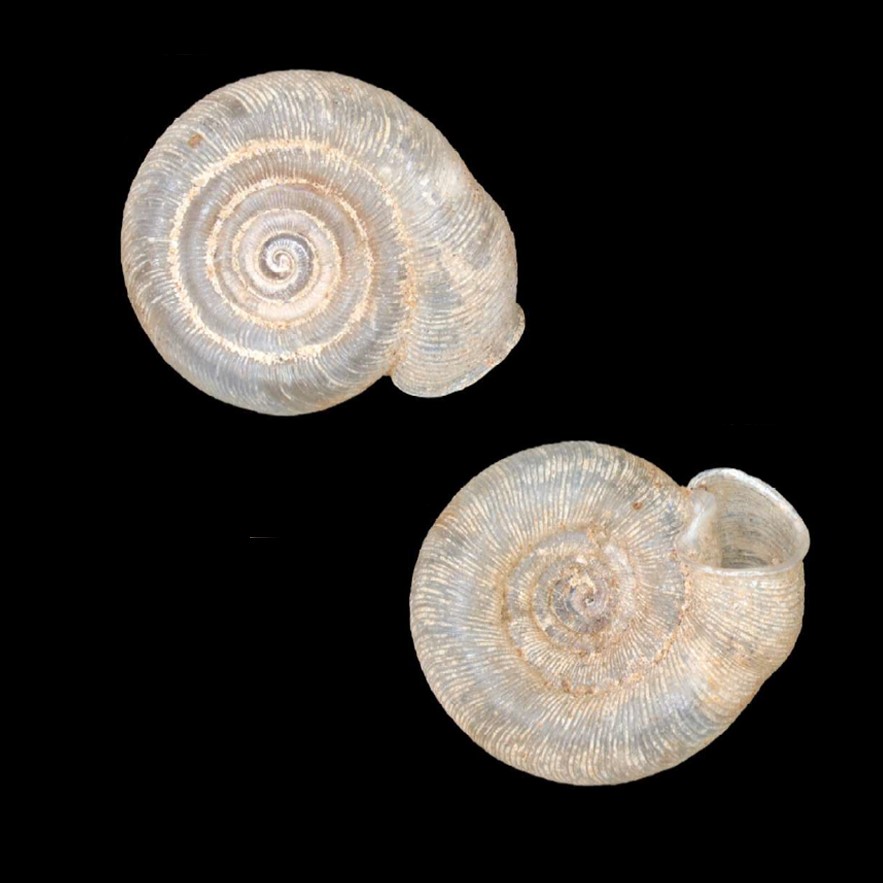
CLASSE: GASTROPODA: TERRESTRE FAMÍLIA: SCOLODONTINAE ESPÉCIE: Entodina quadriplica Roosen & Dorado, 2025 Tamanho médio: 4.5 mm Distribuição: Peru (Amazonas) Localidade tipo: Peru, "5.5 km from road to Cumba, right bank of Río Marañon, South of Corral Quemado, Dept. Amazonas" Nome original: Entodina quadriplica Roosen & Dorado, 2025 Etimologia: o nome da espécie é uma referência à principal característica distintiva da espécie: o conjunto de quatro pregas a 1/6 da espira a partir da abertura Zoobank: urn:lsid:zoobank.org:act:43143C3D-77BA-45B8-8D39-B8340C6894E6 Fotos: (1) Roosen, M.T. & Dorado, C. (2025): HOLOTYPE MZB 2024-3923, "5.5 km from road to Cumba, right bank of Río Marañon, South of Corral Quemado, Dept. Amazonas, Peru" (width 4.55 mm; height 1.59 mm) Figura: Roosen, M.T. & Dorado, C. (2025): (1)...
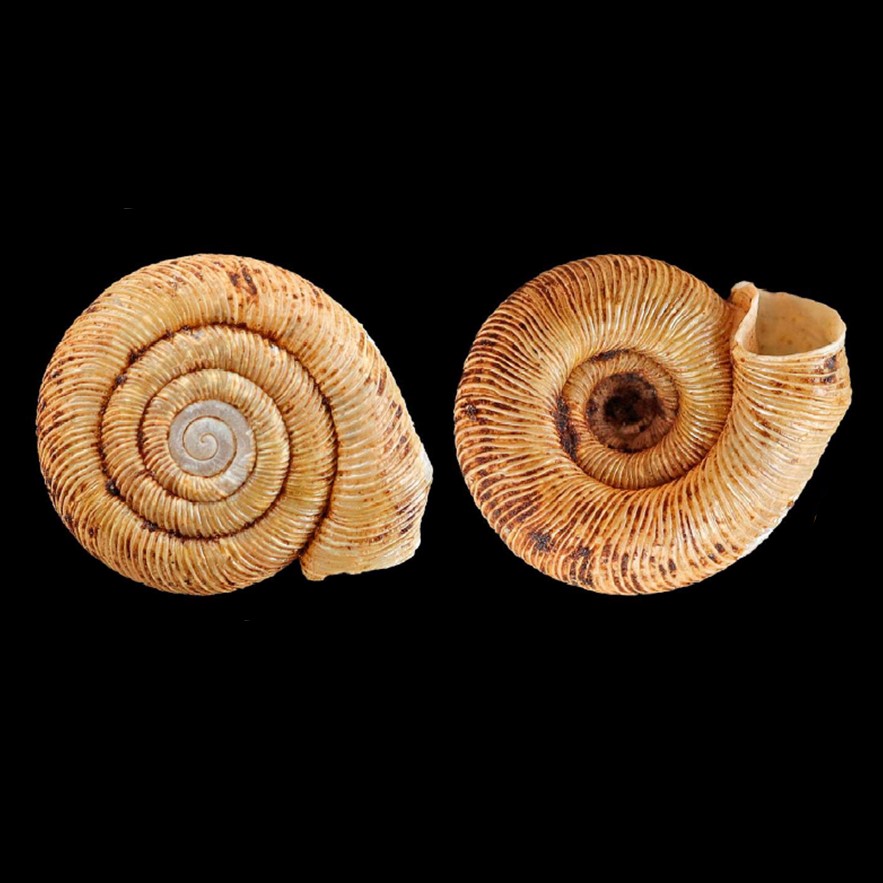
CLASSE: GASTROPODA: TERRESTRE FAMÍLIA: SCOLODONTINAE ESPÉCIE: Entodina reyrei (Souverbie, 1858) Tamanho médio: 5.4 mm Distribuição: Equador (Guayas) Localidade tipo: Equador, Guayas, Guayaquil Nome original: Helix reyrei Souverbie, 1858 Sinônimos: Polygyratia reyrei (Souverbie, 1858); Systrophia (Entodina) reyrei (Souverbie, 1858); Systrophia reyrei (Souverbie, 1858) Redescrição: Roosen, M. T.; Salvador, R. B.; Breure, A. S. (2025): "Shell small, discoid. First ½ whorl smooth, after that, small wrinkles form next to the suture which develop into numerous strong axial ribs after one whorl. Minute spiral striae develop after 1.5 whorls. Sculpture present on the entire teleoconch. Final section of the last whorl enlarged; aperture deflected, subcircular, with a small parietal fold. Five plicae are visible at 1/6 of a whorl from the aperture: two parietal plicae, two...
CLASSE: GASTROPODA: TERRESTRE FAMÍLIA: EPIPHRAGMOPHORIDAE ESPÉCIE: Epiphragmophora anceyana Preston, 1909 Tamanho médio: 25 mm Ocorrência: Argentina Localidade tipo: Argentina, sem localidade específica Nome original: Epiphragmophora anceyana Preston, 1909 Comentários: a espécie não consta na publicação de Cuezzo, 2006 Fotos: nd Fontes: Descrição original: Preston, H. B. (1909). New land, freshwater, and marine shells from South América. The Annals and Magazine of Natural History; zoology, botany, and geology; 8th series. 3: 507-513., disponível online em https://www.biodiversitylibrary.org/page/22071880#page/541/ página(s): 508, pl. 10, fig. 14A, B Natural History Museum (2026). Natural History Museum (London) Collection Specimens. Occurrence dataset https://doi.org/10.5519/qd.4fmbrm00 accessed via GBIF.org on 2026-03-17. https://www.gbif.org/occurrence/1135499976 Molluscabase: https://www.molluscabase.org/aphia.php?p=taxdetails&id=1434683
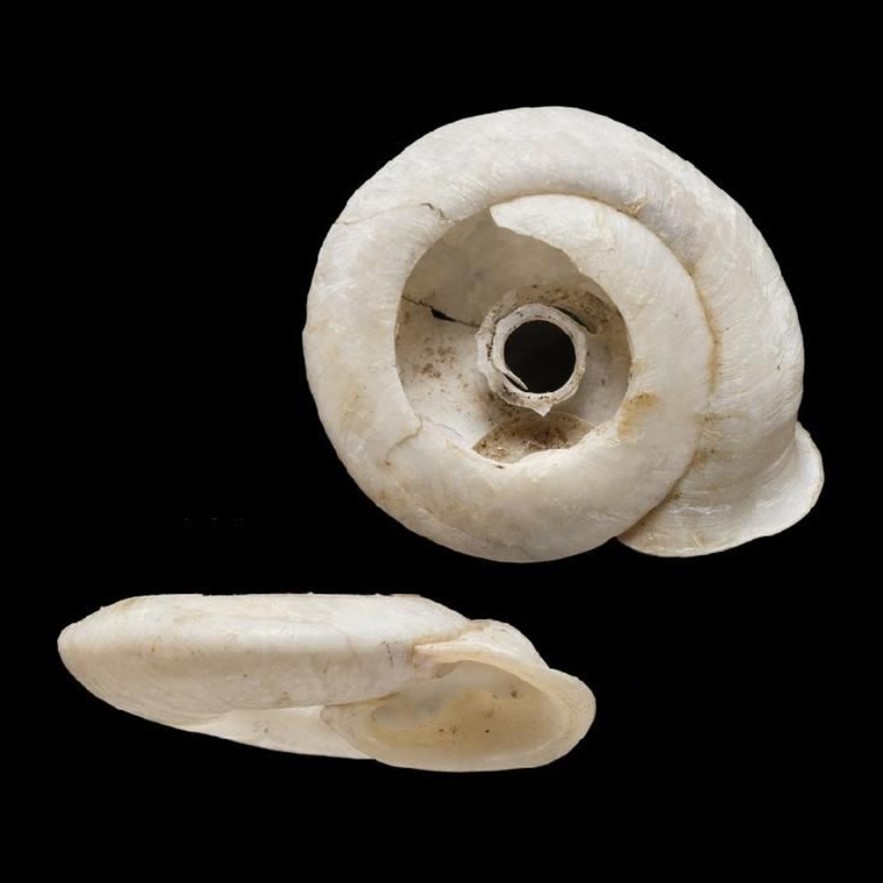
CLASSE: GASTROPODA: TERRESTRE FAMÍLIA: EPIPHRAGMOPHORIDAE ESPÉCIE: Epiphragmophora angrandi (Morelet, 1863) Tamanho médio: 29 mm Ocorrência: Peru Localidade tipo: Peru Nome original: Helix angrandi Morelet, 1863 Sinônimos: Epiphragmophora (Angrandiella) angrandi (Morelet, 1863) Fotos: (1,2) Natural History Museum, London: SYNTYPE NHMUK 1893.2.4.454, Peru Fontes: Descrição original: (como Helix angrandi Morelet, 1863) Morelet, A. (1863). Séries conchyliologiques comprenant l'énumération de mollusques terrestres et fluviatiles recueillis pendant le cours de différents voyages ainsi que la description de plusieurs espèces nouvelles. 3: 131-221, pls. 7-11. Paris: Klincksieck., disponível online em https://www.biodiversitylibrary.org/page/11913497 página(s): 168, pl. 7, fig. 3 Ramírez, R.; Paredes, C.; Arenas, J. (2003). Moluscos del Perú. Revista de Biologia Tropical. 51(supplement 3): 225-284 Natural History Museum (2026). Natural History Museum (London) Collection Specimens....
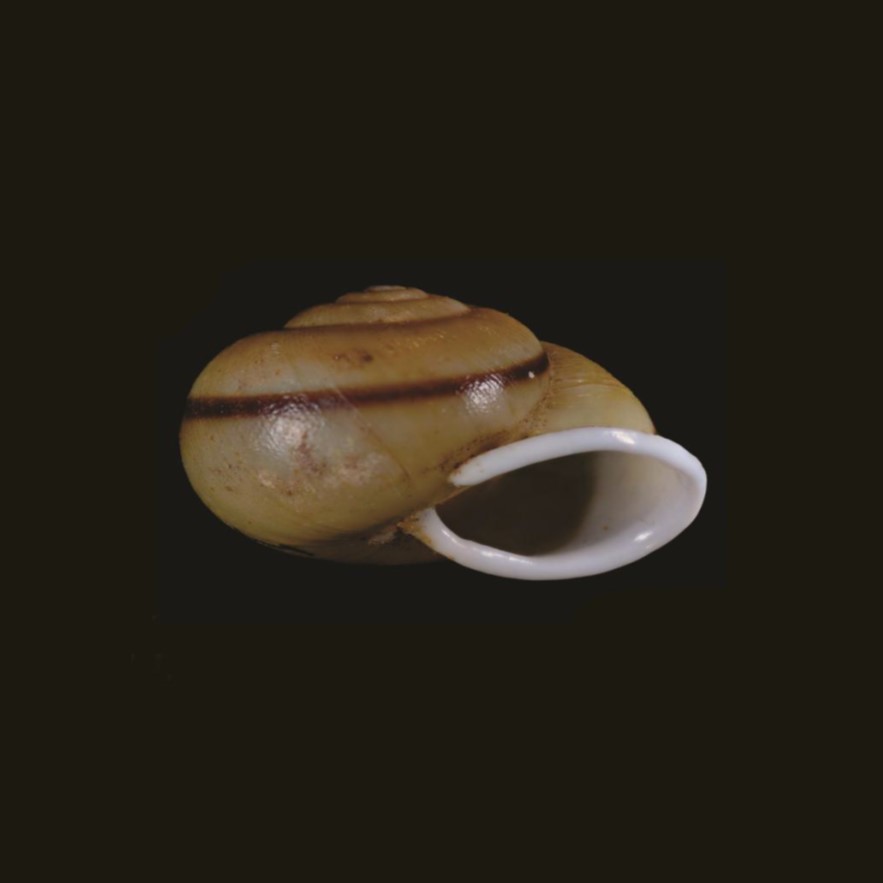
CLASSE: GASTROPODA: TERRESTRE FAMÍLIA: EPIPHRAGMOPHORIDAE ESPÉCIE: Epiphragmophora argentina (Holmberg, 1909) Tamanho médio: 20 mm Ocorrência: Argentina (Catamarca?, Salta y Tucumán) Localidade tipo: Argentina Habitat: Ecorregião de bosques úmidos de Yungas, até 1500 m.s.n.m. Nome original: Helix argentina Holmberg, 1909 Descrição: (Cuezzo, 2025): "La concha es globosa, de paredes sólidas a semisólidas, con 4 1/2 a 5 vueltas, con un tamaño mediano respecto a la media de las especies del género. La coloración es crema a castaño claro. Primera vuelta o protoconcha lisa, restantes con líneas de crecimiento y escultura maleada muy marcada en la vuelta corporal. La concha presenta una única banda espiral pigmentada de color pardo en posición media en la última vuelta, pero visible también en la sutura. Abertura de...
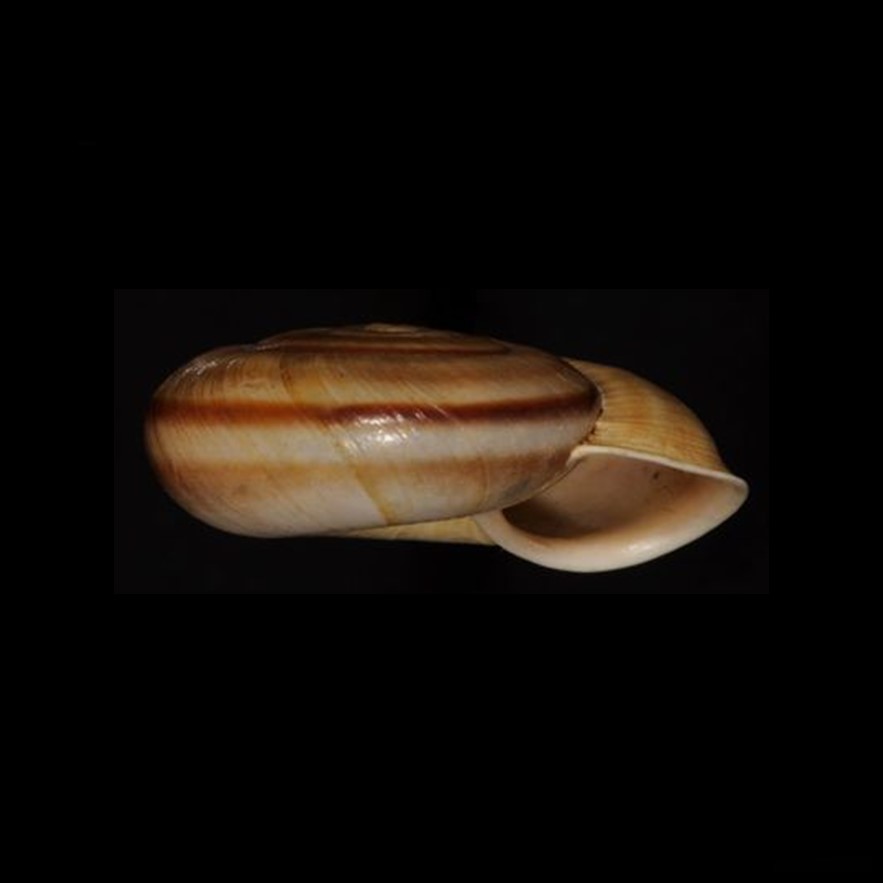
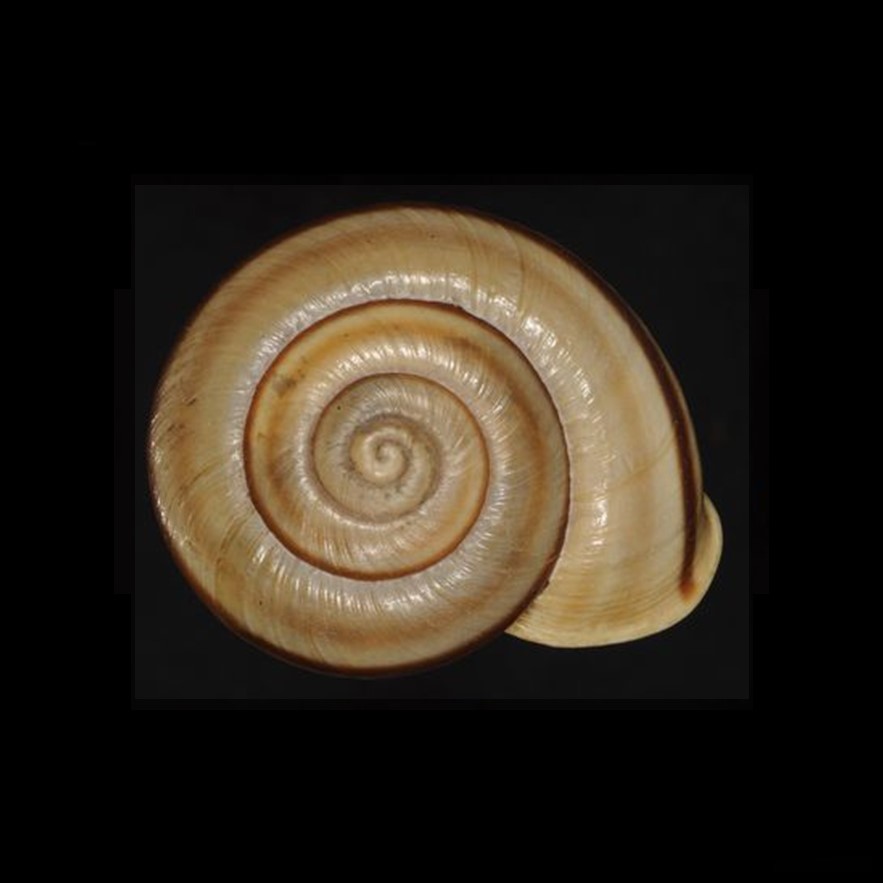
CLASSE: GASTROPODA: TERRESTRE FAMÍLIA: EPIPHRAGMOPHORIDAE ESPÉCIE: Epiphragmophora atahualpa Pilsbry, 1944 Tamanho médio: 29 mm Ocorrência: Peru (Apurimac) Localidade tipo: Peru, Apurimac, Andahuaylas Altitude: 3100 m Nome original: Epiphragmophora atahualpa Pilsbry, 1944 Sinônimos: Epiphragmophora (Epiphragmophora) atahualpa Pilsbry, 1944 Fotos: (1-3) The Academy of Natural Sciences of Philadelphia: HOLOTYPE ANSP 180206, Peru, Apurimac, Andahuaylas, coll. Weyrauch, W., 1943, 29.5mm Fontes: Descrição original: Pilsbry, H. A. (1944). Peruvian land Mollusca – II. The Nautilus. 57(4): 118-129, pl. 11., disponível online em https://www.biodiversitylibrary.org/page/8515578 página(s): 119-120, pl. 11, figs. 4-4a, 5 Ramírez, R.; Paredes, C.; Arenas, J. (2003). Moluscos del Perú. Revista de Biologia Tropical. 51(supplement 3): 225-284 Rosenberg G (2026). Malacology Collection at the Academy of Natural Sciences of Philadelphia. Academy of Natural...
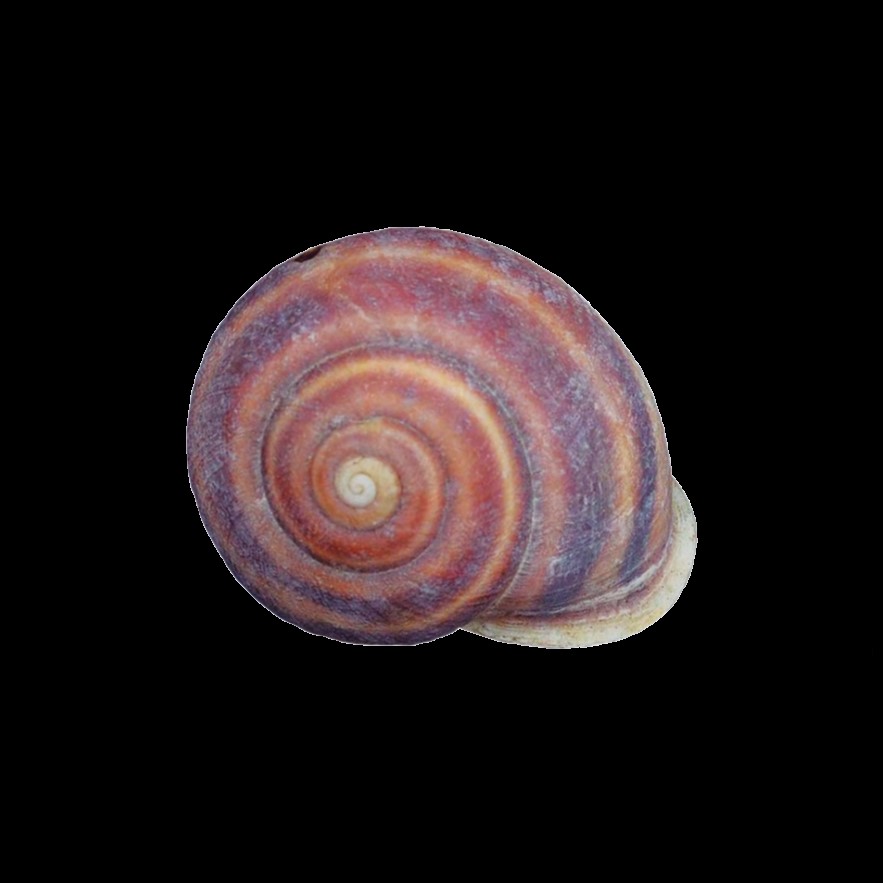
CLASSE: GASTROPODA: TERRESTRE FAMÍLIA: EPIPHRAGMOPHORIDAE ESPÉCIE: Epiphragmophora audouinii (A. d'Orbigny, 1835) Tamanho médio: 58 mm Ocorrência: Bolívia, Paraguai Localidade tipo: Bolívia, "La Paz Dept., Yungas and Inquisivi Prov., between the villages of Chirca and Chulumani, environments of Circuata, Carcuata and Suri" Nome original: Helix audouinii A. d'Orbigny, 1835 Descrição: (Cuezzo, 2006): "Dextral, helicoidal, globose, solid, subcarinated with conical spire; large size, 4 ¾ convex whorls, dark brown, no peripheral band evident in the body whorl; protoconch smooth; teleoconch surface malleated with diagonal ribs on body whorl; suture deep impressed; aperture elliptical, peristome white, strongly expanded, with strong callus in parietal wall; body whorl distinctly descending towards the aperture; umbilicus narrow, almost totally overlapped by ventral columelar fold of the peristome" Fotos...


CLASSE: GASTROPODA: TERRESTRE FAMÍLIA: EPIPHRAGMOPHORIDAE ESPÉCIE: Epiphragmophora bernardius Pilsbry, 1900 Tamanho médio: 30 mm Ocorrência: Brasil, São Paulo (Serra da Bocaina e Campos do Jordão) Localidade tipo: Brasil, São Paulo, Serra da Bocaina Nome original: Epiphragmophora oresigena var. bernardius Pilsbry, 1900 Descrição original: (Pilsbry, 1900): "Shell similar to E. oresigena (Orb.), but smaller, and lighter colored, yellow or greenish-yellow, with three blackish-brown bands, two above the periphery, one wider band on the base. Whorls 44, the last subangular at the periphery; surface lirate-malleate, the wrinkles tangential to the last whorl of the suture. Aperture white or purplish, and banded within, the lip white; umbilicus partly or nearly covered." Fotos: (1-3) The Academy of Natural Sciences of Philadelphia: LECTOTYPE de Epiphragmophora oresigma...
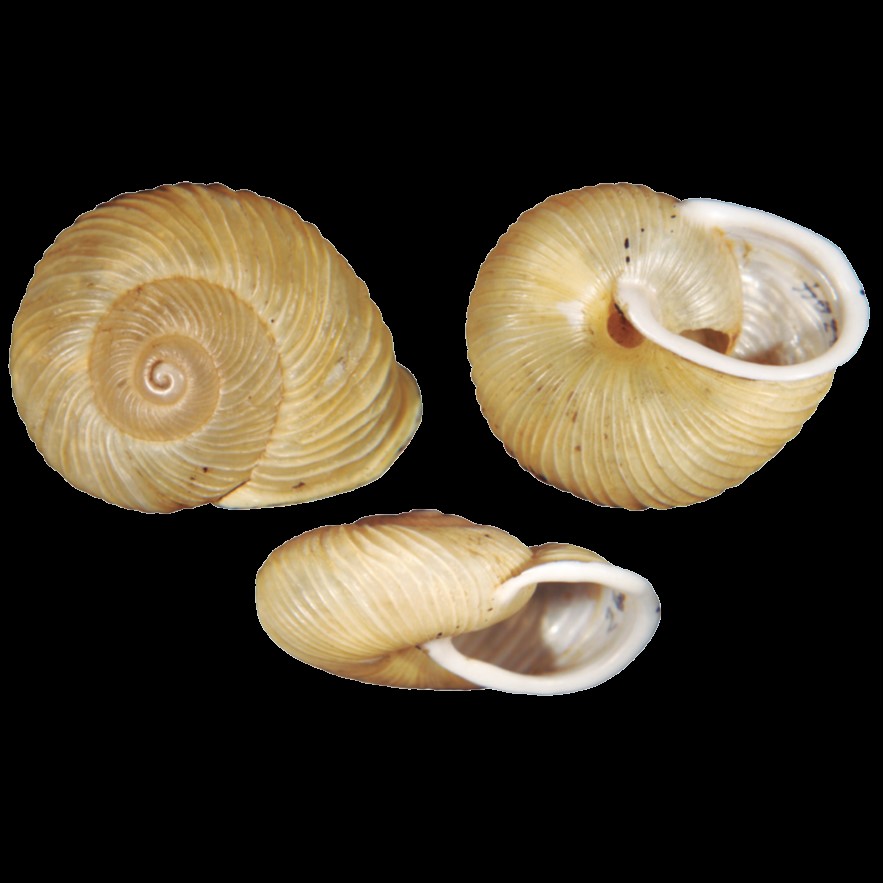
CLASSE: GASTROPODA: TERRESTRE FAMÍLIA: EPIPHRAGMOPHORIDAE ESPÉCIE: Epiphragmophora birabeni Parodiz, 1955 Tamanho médio: 23 - 26 mm Ocorrência: Argentina (Catamarca) Localidade tipo: Argentina, "Catamarca Prov., Quebrada de La Hoyada. R. Schreiter leg., 1936" Nome original: Epiphragmophora birabeni Parodiz, 1955 Descrição: (Cuezzo, 2006): "Dextral, helicoidal, globose, translucent, delicate, spire shallowly elevated, medium size, 3 ½ convex whorls, yellowish to golden; peripheral pigmented band in body whorl absent; protoconch smooth; sculpture of teleoconch with delicate axial whitish ribs regularly distributed, more spaced and thicken in body whorl, thin axial undulated or concentric lines between ribs giving the appearance of fingerprints; suture sinuous, well impressed; aperture transverse oval, peristome white, thick, reflexed; body whorl abruptly descending behind aperture; umbilicus deeply perforated and partially overlapped by columelar...
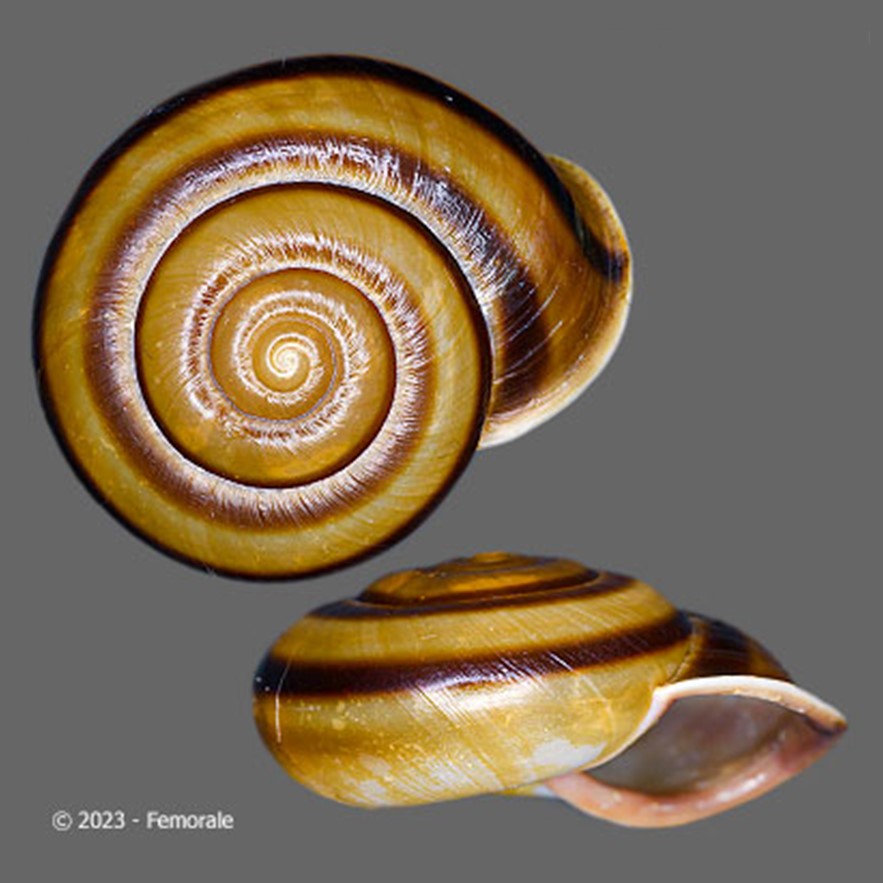

CLASSE: GASTROPODA: TERRESTRE FAMÍLIA: EPIPHRAGMOPHORIDAE ESPÉCIE: Epiphragmophora claromphalos (Deville & Hupé, 1850) Tamanho médio: 19 - 21 mm Ocorrência: Peru (Apurimac) Localidade tipo: Peru, Departamento de Apurimac, Abancay, Curahuasi: "Peru, zwischen Limatambo und Cucahuani und bei Abancay, 1500–2000 Meter hoch" Nome original: Helix claromphalos Deville & Hupé, 1850 Sinônimos: Epiphragmophora (Epiphragmophora) claromphalos (Deville & Hupé, 1850); Helix hettneriana E. von Martens, 1897; Helix tschudiana R. A. Philippi, 1867; Helix mesomphalos Morelet, 1860 Subespécies: (1) Epiphragmophora claromphalos claromphalos (Deville & Hupé, 1850) (2) Epiphragmophora claromphalos mesomphalos (Morelet, 1860) Fotos: (1,2): cortesia Femorale, 2023: Peru, 29.3 e 28.5 mm respectivamente Figura: Breure & Ablett, 2024: Museum für Naturkunde Berlin: Epiphragmophora claromphalos (Deville & Hupé, 1850): (A–D) SYNTYPE de Helix hettneriana E. von...
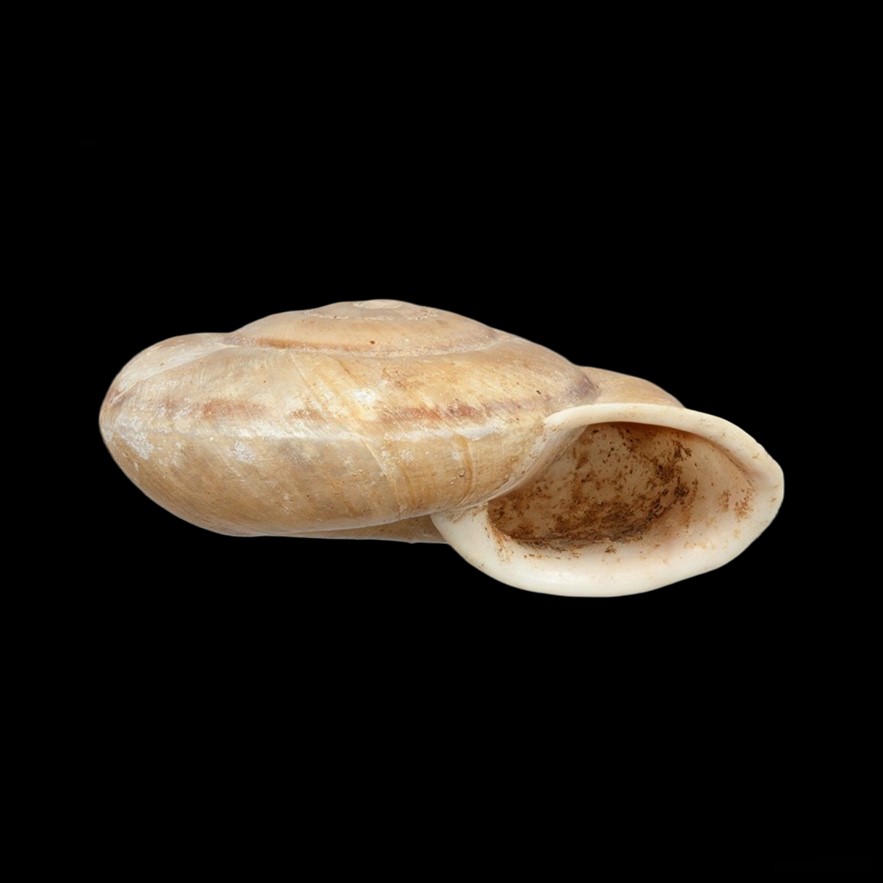
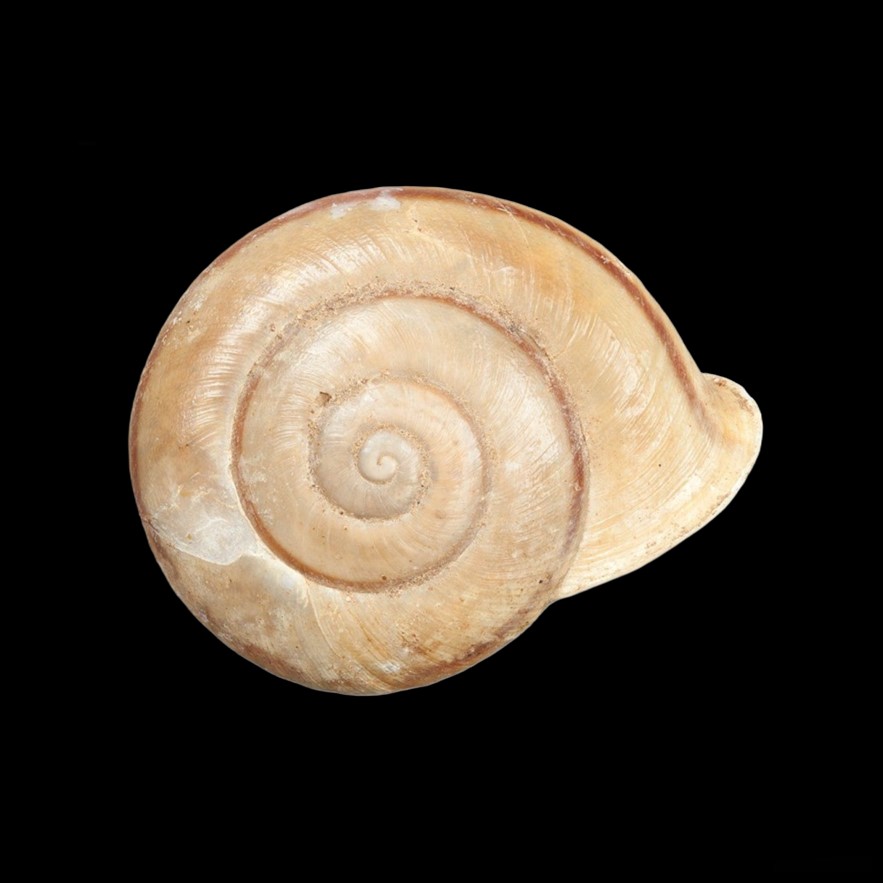
CLASSE: GASTROPODA: TERRESTRE FAMÍLIA: EPIPHRAGMOPHORIDAE ESPÉCIE: Epiphragmophora connectens F. Haas, 1959 Tamanho médio: 27 mm Ocorrência: Peru (Lambayeque) Localidade tipo: Peru, "Lambayeque, near Chongoyape, Cambache" Altitude: 460 m Nome original: Epiphragmophora (Epiphragmophora) connectens F. Haas, 1959 Fotos: (1-3) Field Museum of Natural History: HOLOTYPE FMNH 51919, coll. Celestino Kalinowski, 19.iii.1954, "Perú, 460m: Lambayaque, Cambache nr. Chongayape", 26.9mm Fontes: Descrição original: Haas, F. (1959). Inland mollusks from Venezuela, southern Brazil, and Peru. Fieldiana: Zoology. 39 (31): 363-371., disponível online em https://biodiversitylibrary.org/page/2860397 página(s): 368 Simone, L. R. L. (2006). Land and Freshwater Molluscs of Brazil. Editora Gráfica Bernardi, FAPESP. São Paulo, 390 pp. página(s): 247 Ramírez, R.; Paredes, C.; Arenas, J. (2003). Moluscos del Perú. Revista de Biologia Tropical. 51(supplement 3):...
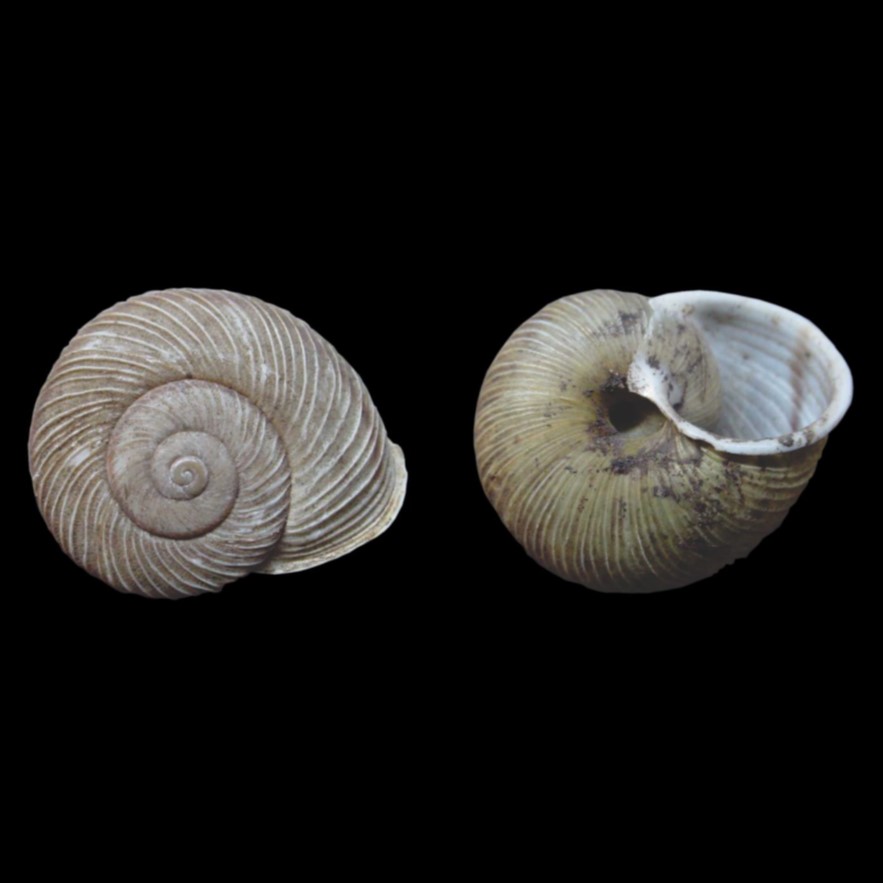
CLASSE: GASTROPODA: TERRESTRE FAMÍLIA: EPIPHRAGMOPHORIDAE ESPÉCIE: Epiphragmophora costellata D. Fernández & Rumi, 1974 Tamanho médio: 16 mm Ocorrência: Argentina (Salta) Localidade tipo: Argentina, Salta Habitat: os registros de Epiphragmophora costellata são de altitudes superiores a 1.800 m.s.n.m. por isso, embora a zona habitada corresponda à Selva de Yungas, é provável que esta espécie habite em áreas rochosas de zonas por perto dos bosques. Não existem dados publicados sobre seu ciclo biológico Nome original: Epiphragmophora costellata D. Fernández & Rumi, 1974 Descrição: (Cuezzo, 2025): "Concha planorboide a discoidal, gruesa, con 4 3/4 vueltas, tamaño mediano a grande respecto a la media de las especies del género. Color crema a castaño claro. Protoconcha lisa, restantes vueltas o teleoconcha con costillas axiales marcadas y separadas...
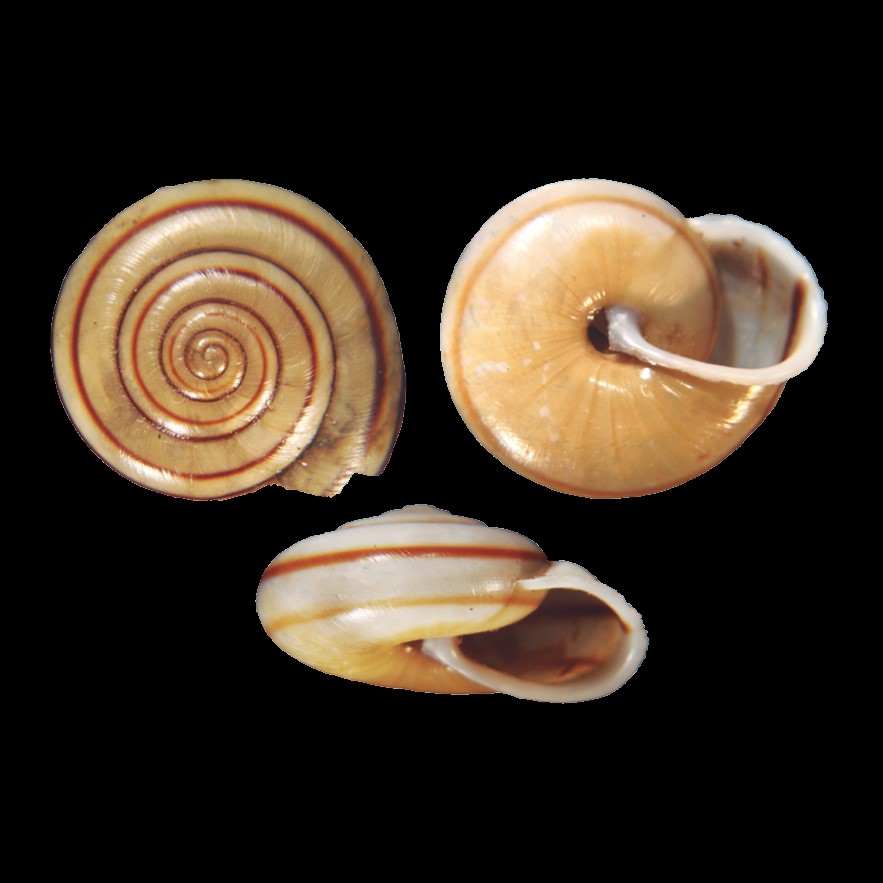
CLASSE: GASTROPODA: TERRESTRE FAMÍLIA: EPIPHRAGMOPHORIDAE ESPÉCIE: Epiphragmophora cryptomphala Ancey, 1897 Tamanho médio: 22 - 28 mm Ocorrência: Argentina (Salta, Jujuy) Localidade tipo: Argentina Nome original: Epiphragmophora cryptomphala Ancey, 1897 Descrição: (Cuezzo, 2006): "Dextral, helicoidal, subglobose, semisolid to solid, with conical spire, usually high; medium size, 4½ convex whorls; whitish, pale cream to yellowish; three peripheral thin, darker brown bands clearly visible on spire and body whorl, usually ventral band wider than others; protoconch smooth, first whorls with thin growth lines; teleoconch surface malleated with diagonal ribs on body whorl; suture deep impressed; aperture subquadrangular or subovoidal, peristome white, wide, expanded, slightly reflexed; body whorl abruptly descending towards aperture; umbilicus completely overlapped by ventral columelar fold of peristome; in some specimens peristome partially...


CLASSE: GASTROPODA: TERRESTRE FAMÍLIA: EPIPHRAGMOPHORIDAE ESPÉCIE: Epiphragmophora diluta (L. Pfeiffer, 1842) Tamanho médio: 22 mm Ocorrência: Peru (Cuzco) Localidade tipo: Peru, Cuzco, Urubamba Nome original: Helix diluta L. Pfeiffer, 1842 Sinônimos: Epiphragmophora (Epiphragmophora) diluta (L. Pfeiffer, 1842) Subespécies: (i) Epiphragmophora diluta diluta (L. Pfeiffer, 1842) (ii) Epiphragmophora diluta semiaperta Weyrauch, 1964 (iii) Epiphragmophora diluta urubambensis Pilsbry, 1926 Fotos: (1-3) The Academy of Natural Sciences, Philadelphia: HOLOTYPE ANSP 83555, Peru, Urubamba, (4,5) Natural History Museum, London: SYNTYPE NHMUK 20210315, Cuzco, Peru Fontes: Descrição original: (como Helix diluta L. Pfeiffer, 1842) Pfeiffer, L. (1842). Symbolae ad historiam Heliceorum, Part II [Sectio altera.] Kassel (Th. Fischer). 147 pp. [< 21 December]. , disponível online em https://www.biodiversitylibrary.org/page/12254177 página(s): 27 Descrição original: (como Epiphragmophora urubambensis Pilsbry, 1926) Pilsbry, H....
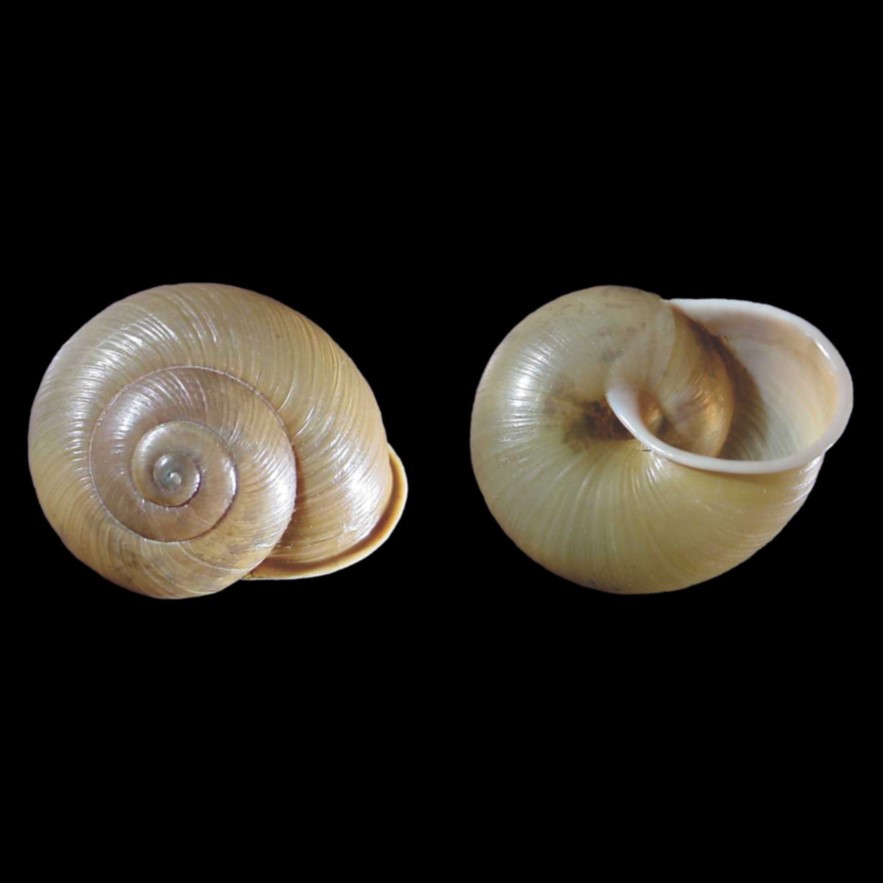
CLASSE: GASTROPODA: TERRESTRE FAMÍLIA: EPIPHRAGMOPHORIDAE ESPÉCIE: Epiphragmophora escoipensis Cuezzo, 1996 Tamanho médio: 20 mm Ocorrência: Argentina (Salta) Localidade tipo: Argentina, Salta, Quebrada de Escoipe Habitat: "Seu habitat é o ambiente xerófilo, podendo estar aderido a cactos ou à sombra de arbustos no largo da Quebrada de Escoipe em Salta" Nome original: Epiphragmophora escoipensis Cuezzo, 1996 Descrição: (Cuezzo, 2025): "Concha de paredes frágiles, se puede ver a través de la misma la pigmentación del pulmón en la masa visceral. De tamaño general pequeño a mediano, con 4 1/4 anfractos convexos con una coloración amarillento pálido a amarronado. Puede presentar una banda periférica muy delgada de color más oscuro que el resto de la concha, la cual es notoria en la vuelta corporal. La...
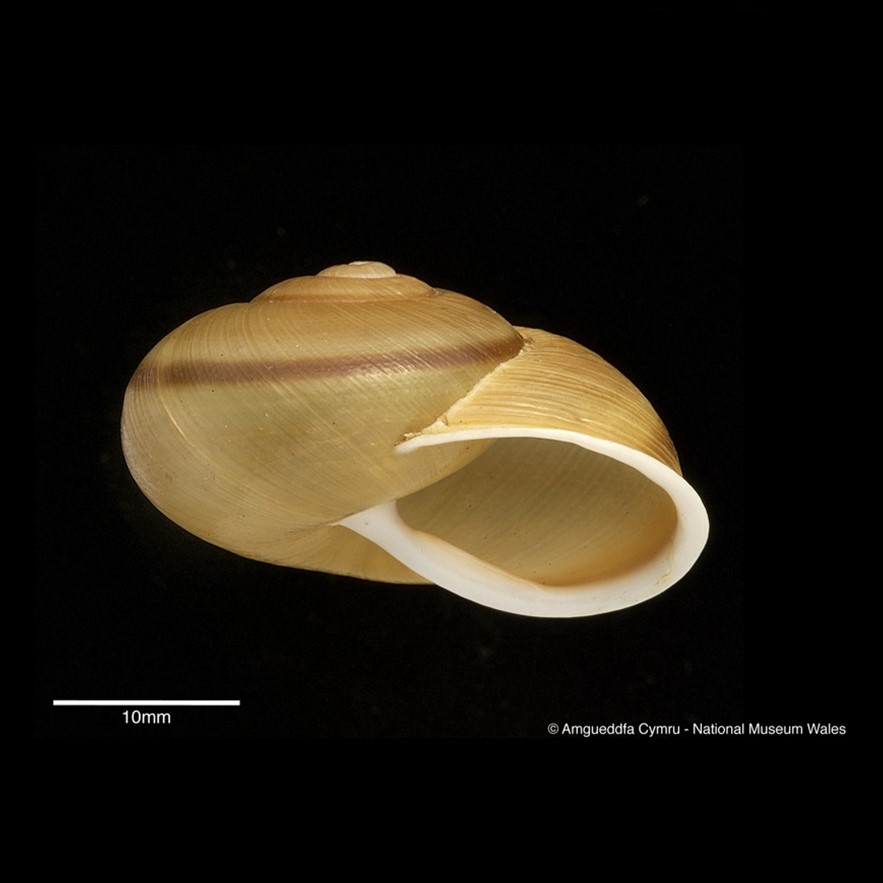
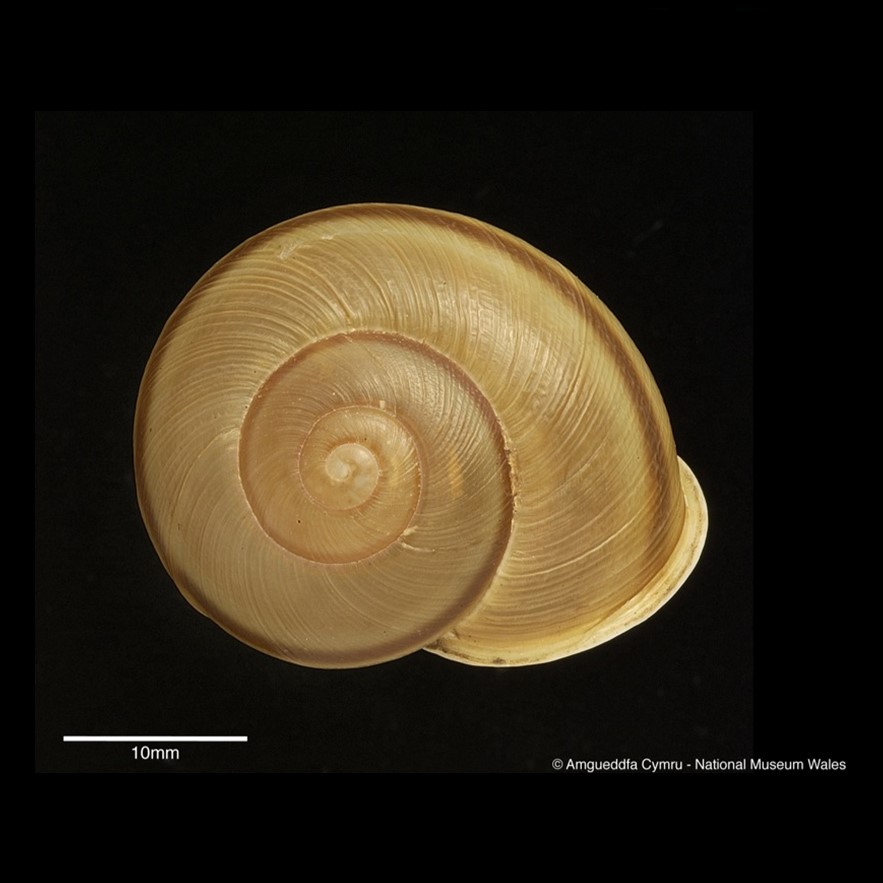
CLASSE: GASTROPODA: TERRESTRE FAMÍLIA: EPIPHRAGMOPHORIDAE ESPÉCIE: Epiphragmophora estella (A. d'Orbigny, 1835) Tamanho médio: 30 mm Ocorrência: Bolívia (La Paz, Santa Cruz, Chuquisaca) Localidade tipo: Bolívia, "Valle Grande, close to the village of Tasajos" Nome original: Helix estella A. d'Orbigny, 1835 Sinônimos: Epiphragmophora estella var. centralis Ancey, 1901 Descrição: (Cuezzo, 2006): "Dextral, helicoidal, globose, fragile not translucent, with conical spire, medium size, 4 ¾ convex whorls; pale cream to yellowish; with peripheral equatorial thin, darker brown band; protoconch smooth; teleoconch surface malleated with diagonal ribs on body whorl; suture deep impressed; aperture elliptical to subcircular, peristome whitish, thin, slightly expanded; body whorl distinctly descending towards aperture; umbilicus narrow partly overlapped by ventral columelar fold of peristome." Fotos (1-3): National Museum of Wales, HOLOTYPE...
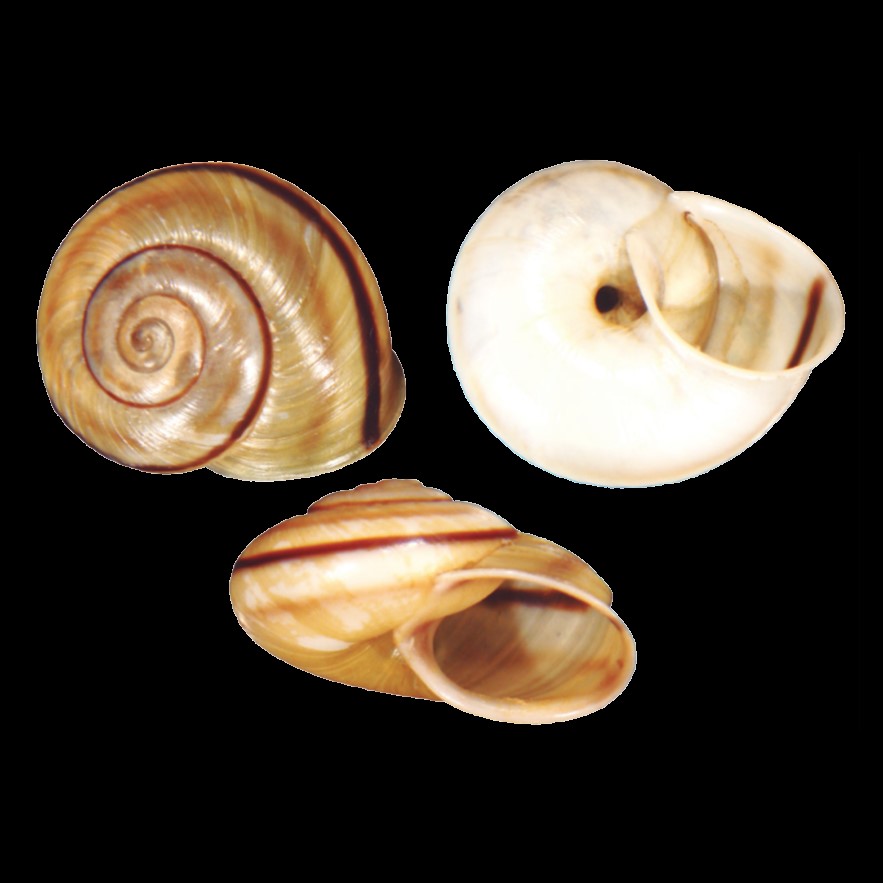
CLASSE: GASTROPODA: TERRESTRE FAMÍLIA: EPIPHRAGMOPHORIDAE ESPÉCIE: Epiphragmophora guevarai Cuezzo, 2006 Tamanho médio: 22 - 24.6 mm Ocorrência: Argentina (Santiago del Estero, Cordoba) Localidade tipo: Argentina, Argentina, Santiago del Estero, 20 km S from Ojo de Agua, 570 m Nome original: Epiphragmophora guevarai Cuezzo, 2006 Etimologia: o nome da espécie é uma homenagem ao argentino Ernesto "Che" Guevara (1938-1967) Descrição original: (Cuezzo, 2006): "Dextral, subglobose, fragile, not translucent, spire medium elevated, conical, medium size with 4 convex whorls; pale brown; body whorl with three thin, continuous peripheral bands, central one darker and well marked close to aperture, dorsal and ventral bands wider at body whorl, both tenuous close to aperture, darker central band overlapping with suture; protoconch smooth; teleoconch surface with thin axial...
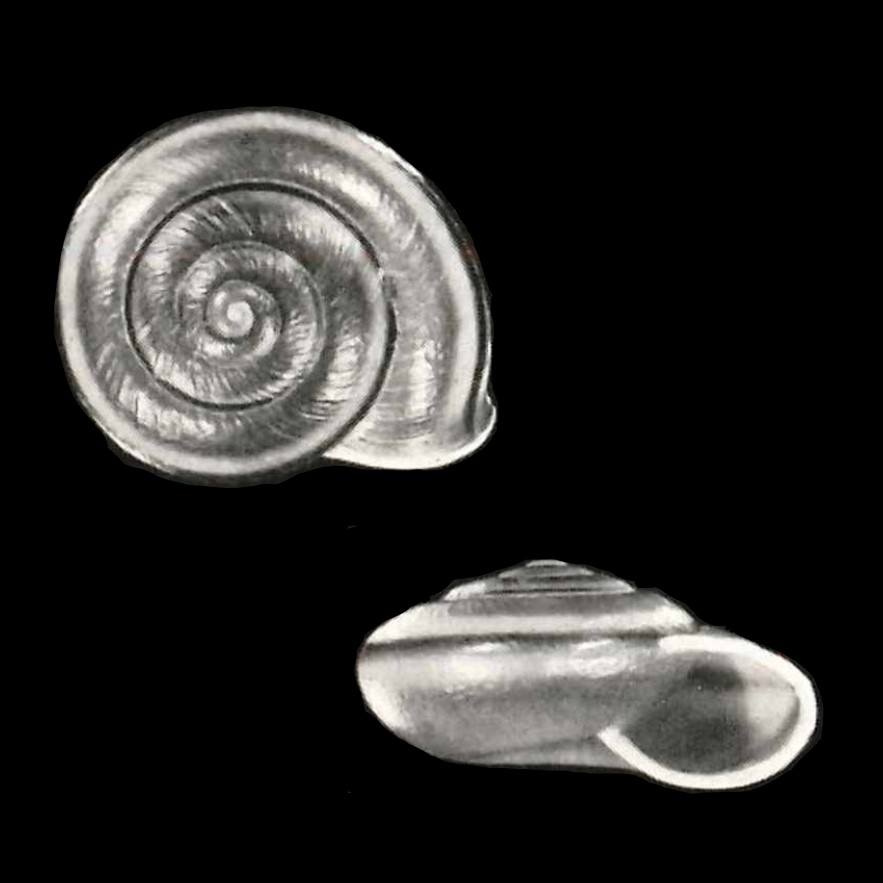
CLASSE: GASTROPODA: TERRESTRE FAMÍLIA: EPIPHRAGMOPHORIDAE ESPÉCIE: Epiphragmophora haasi Zilch, 1953 Tamanho médio: 14.4 - 17.4 mm Ocorrência: Peru Habitat: floresta tropical de montanha a 1500–2000 m de altitude, composta por árvores e arbustos Localidade tipo: Peru, "Hacienda Taulis (ca. 6°50' S, 79° 10' W)" Altitude: 1500 - 2000 m Nome original: Epiphragmophora haasi Zilch, 1953 Sinônimos: Epiphragmophora (Epiphragmophora) haasi Zilch, 1953 Etimologia: o nome da espécie é uma homenagem ao malacologista alemão radicado nos EUA, Fritz Haas (1886–1969) Fotos: (1) Zilch, 1953: Senckenberg. Collection Mollusca, HOLOTYPE SMF 108544, H. W. Koepcke leg., 1952 Fontes: Descrição original: Zilch, A. (1953). Landschnecken aus Peru. Archiv für Molluskenkunde, 82 (1/3): 49-61, pl. 14-15. Frankfurt am Main. página(s): 58, plate 14, fig. 6, + figs...
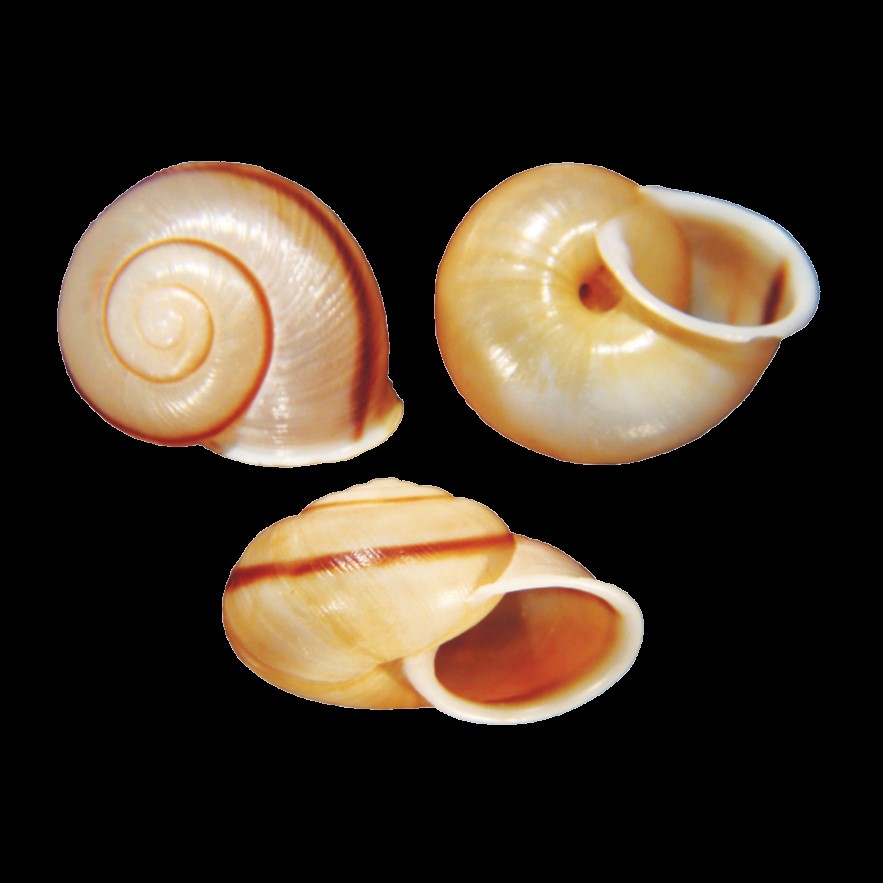
CLASSE: GASTROPODA: TERRESTRE FAMÍLIA: EPIPHRAGMOPHORIDAE ESPÉCIE: Epiphragmophora hemiclausa Hylton Scott, 1957 Tamanho médio: 27 mm Ocorrência: Argentina (Catamarca) Localidade tipo: Argentina, "Catamarca Prov., Cuestecilla de La Viña, 9.iii.1950, Gladys Biraben leg" Nome original: Epiphragmophora hemiclausa Hylton Scott, 1957 Descrição: (Cuezzo, 2006): "Dextral, helicoidal, globose, semisolid to fragile, with conical spire; small to medium size, 4 ¼ convex whorls; light yellowish to pale brown, with single peripheral equatorial, dark brown even band more evident in body whorl periphery but running over suture of spire; protoconch smooth; teleoconch surface with thin axial growth lines and body whorl malleated, both dorsal and ventrally; suture deep impressed; aperture subcircular, peristome whitish, thin, slightly expanded, reflexed; body whorl distinctly descending towards aperture; umbilicus narrow, partly overlapped by...
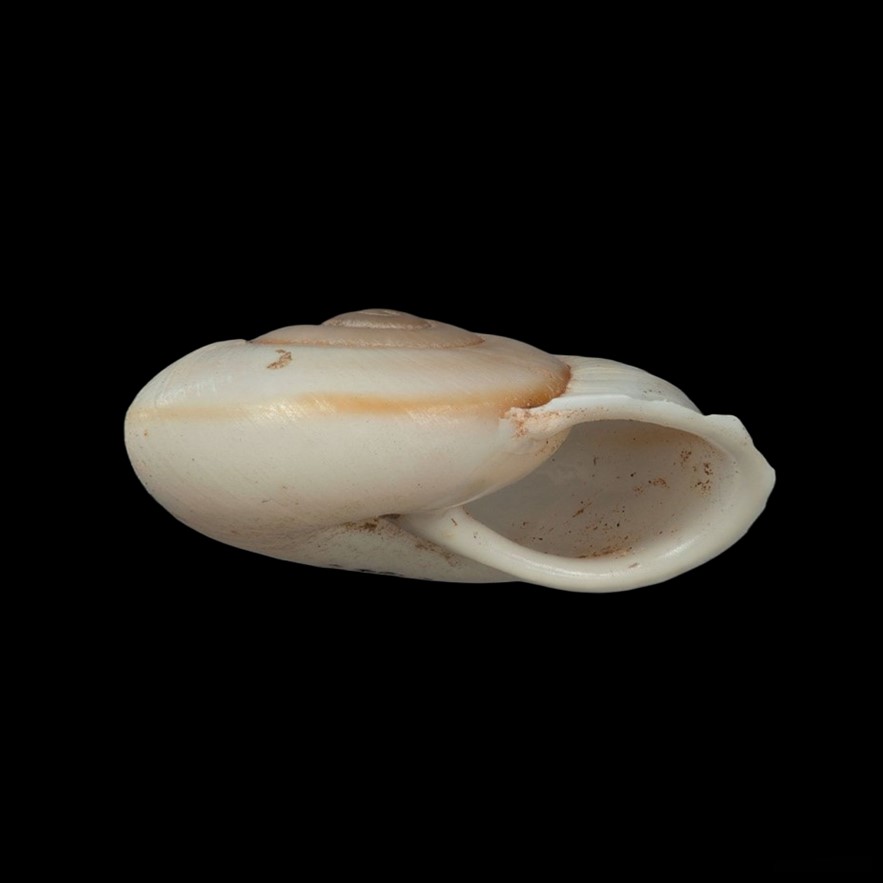

CLASSE: GASTROPODA: TERRESTRE FAMÍLIA: EPIPHRAGMOPHORIDAE ESPÉCIE: Epiphragmophora hemiomphalos F. Haas, 1951 Tamanho médio: 22 mm Ocorrência: Peru Localidade tipo: Peru, sem localidade específica Nome original: Epiphragmophora (Epiphragmophora) hemiomphalos F. Haas, 1951 Fotos: (1) The Field Museum of Natural History: HOLOTYPE FMNH 30902, Peru, sem localidade específica,ex Museu Hist Natural Lima, 1949, 21.8mm Fontes: Descrição original: (como Epiphragmophora (Epiphragmophora) hemiomphalos F. Haas, 1951) Haas, F. (1951). Remarks on and descriptions of South American non-marine shells. Fieldiana: Zoology. 31(46): 503-545., disponível online em https://www.biodiversitylibrary.org/page/2784155 página(s): 526-527, figs. 112A-C Ramírez, R.; Paredes, C.; Arenas, J. (2003). Moluscos del Perú. Revista de Biologia Tropical. 51(supplement 3): 225-284. page(s): 284; note: misspelled as E. hemiophalus Weyrauch, W. K. (1960). Zwanzig neue Landschnecken aus Peru. Archiv für Molluskenkunde. 89...
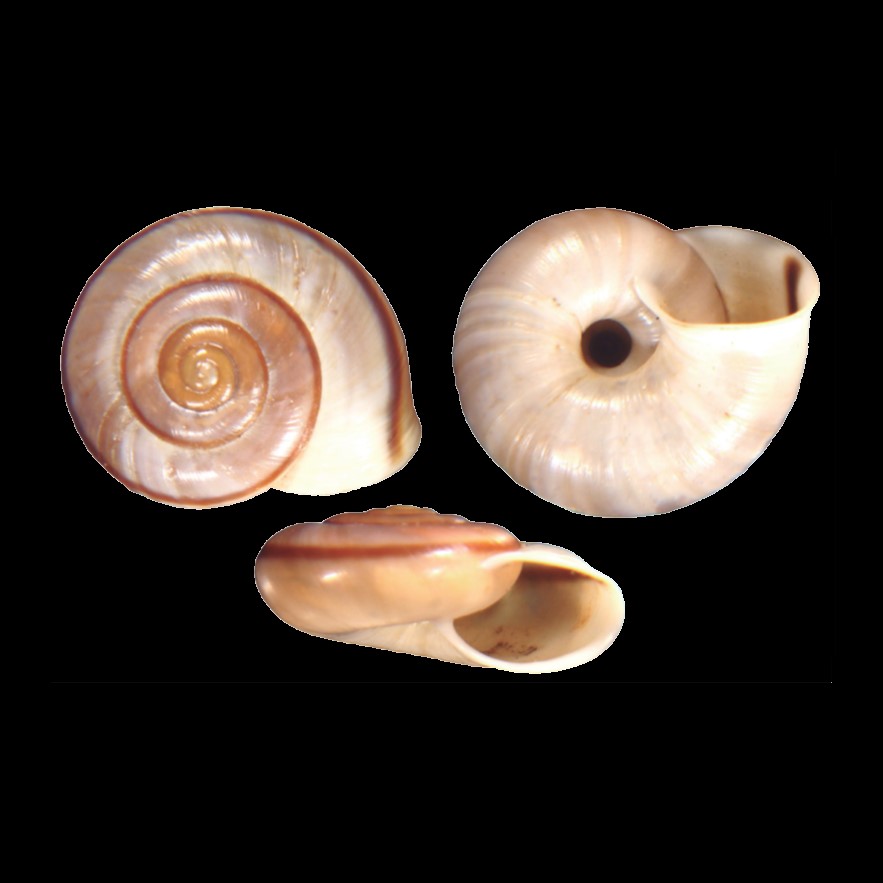
CLASSE: GASTROPODA: TERRESTRE FAMÍLIA: EPIPHRAGMOPHORIDAE ESPÉCIE: Epiphragmophora hieronymi (Doering, 1875) Tamanho médio: 18 - 24 mm Ocorrência: Argentina (Catamarca, Tucumán, Salta, Formosa, San Luis, La Rioja) Localidade tipo: Argentina, "Catamarca, Quebrada del Tala, Hieronymus leg" Nome original: Helix (Epiphragmophora) hieronymi Doering, 1875 Sinônimos: Helix (Aglaja) yocotulana Doering, 1875 Descrição: (Cuezzo, 2006): "Dextral, helicoidal, semisolid to fragile, with low conical to flat spire; small to medium size, 4 ¼ convex whorls; pale yellowish to whitish; single peripheral supraequatorial, brownish, thin, even band running in body whorl periphery and on suture between third and fourth whorl; protoconch smooth; teleoconch surface with thin axial growth lines; suture shallowly impressed; aperture subcircular, peristome usually whitish, thin, slightly expanded; wall sculpture inside aperture with small irregularly distributed pustules;...


CLASSE: GASTROPODA: TERRESTRE FAMÍLIA: EPIPHRAGMOPHORIDAE ESPÉCIE: Epiphragmophora higginsi (K. Miller, 1878) Tamanho médio: 28 - 29 mm Ocorrência: Peru (Cajamarca) Localidade tipo: Peru, sem localidade específica Nome original: Aglaja higginsi K. Miller, 1878 Sinônimos: Epiphragmophora (Epiphragmophora) higginsi (K. Miller, 1878) Fotos: (1,2) cortesia Femorale, Peru, 29.1 e 28.7 mm respectivamente; (3) Naturalis Biodiversity Center, RMNH.MOL.296051, "Andes van Peru nabij Cajamarca" Fontes: Descrição original: (como Aglaja higginsi K. Miller, 1878) Miller, K. (1878). Die Binnenmollusken von Ecuador. Malakozoologische Blätter. 25: 153-199., disponível online em https://www.biodiversitylibrary.org/page/15855524 Ramírez, R.; Paredes, C.; Arenas, J. (2003). Moluscos del Perú. Revista de Biologia Tropical. 51(supplement 3): 225-284 Bakker H, Gill A, Creuwels J (2026). Naturalis Biodiversity Center (NL) - Mollusca. Naturalis Biodiversity Center. Occurrence dataset https://doi.org/10.15468/yefvnk accessed via GBIF.org on 2026-02-09....
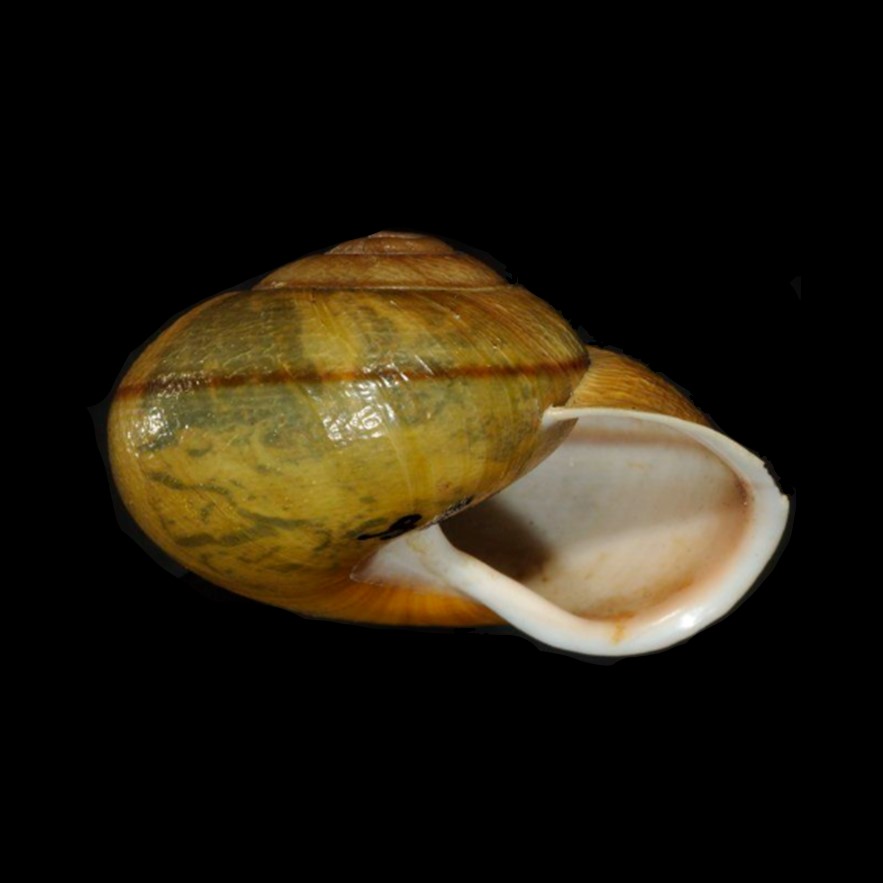
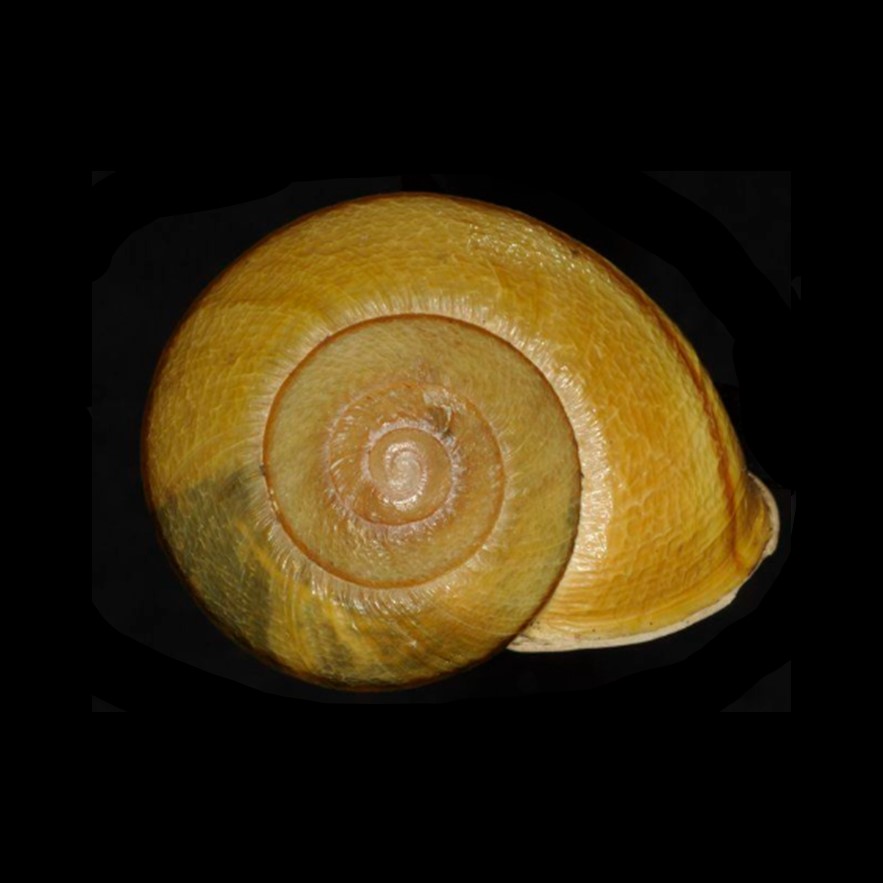
CLASSE: GASTROPODA: TERRESTRE FAMÍLIA: EPIPHRAGMOPHORIDAE ESPÉCIE: Epiphragmophora huancabambensis Pilsbry, 1926 Tamanho médio: 35 mm Ocorrência: Peru (Piura) Localidade tipo: Peru, Piura, "top of Huancabamba Mount" Altitude: 3050 m Nome original: Epiphragmophora huancabambensis Pilsbry, 1926 Sinônimos: Epiphragmophora (Epiphragmophora) huancabambensis Pilsbry, 1926 Fotos: (1-3) The Academy of Natural Sciences, Philadelphia: HOLOTYPE ANSP 140098, "top of Mount Huancabamba", coll. A.A. Olson Fontes: Descrição original: Pilsbry, H. A. (1926). South American land and fresh water mollusks: Notes and descriptions,- VI. Proceedings of the Academy of Natural Sciences of Philadelphia. 78: 1-15. página(s): 4 Ramírez, R.; Paredes, C.; Arenas, J. (2003). Moluscos del Perú. Revista de Biologia Tropical. 51(supplement 3): 225-284 Rosenberg G (2026). Malacology Collection at the Academy of Natural Sciences of Philadelphia. Academy of Natural Sciences....

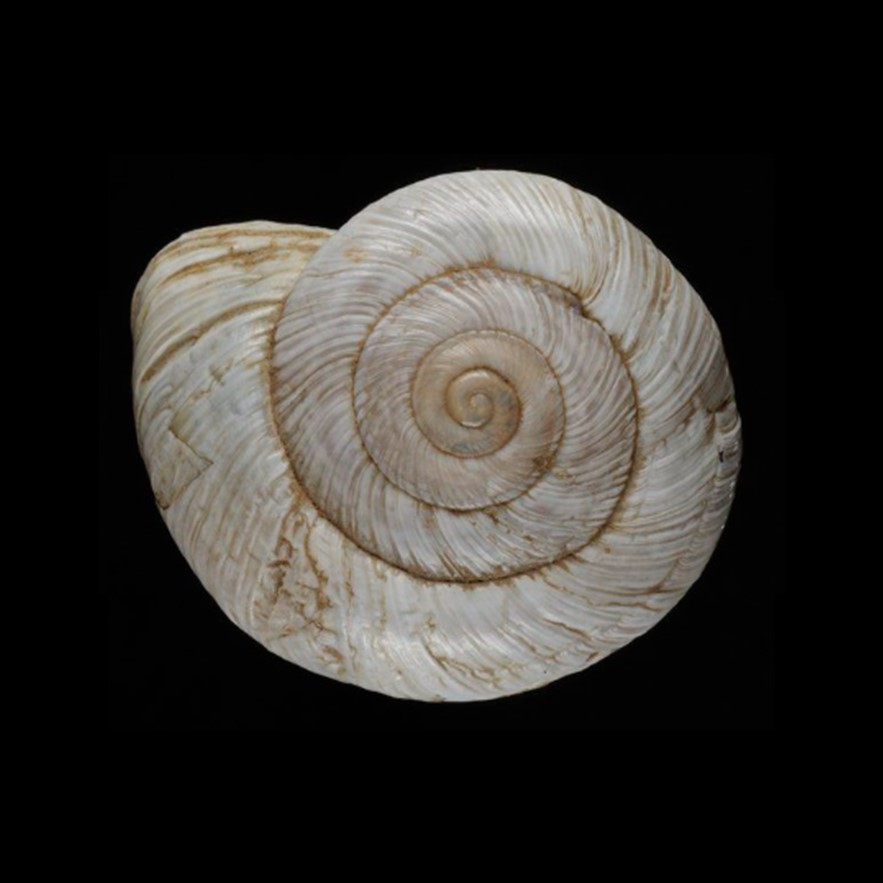
CLASSE: GASTROPODA: TERRESTRE FAMÍLIA: EPIPHRAGMOPHORIDAE ESPÉCIE: Epiphragmophora jaspidea (L. Pfeiffer, 1859) Tamanho médio: 31 mm Ocorrência: Peru (La Libertad) Localidade tipo: Peru, "Patas, Andes of Peru" Nome original: Helix jaspidea L. Pfeiffer, 1859 Sinônimos: Epiphragmophora (Epiphragmophora) jaspidea (L. Pfeiffer, 1859) Fotos: (1-3) The Academy of Natural Sciences, Philadelphia: ANSP 31823, Peru, coll. John Ford; (4) Natural History Museum, London: SYNTYPE de Helix jaspidea, NHMUK 20210311, " Patas; Andes of Peru, Andes of Peru", coll. Dr Faris, 31mm Fontes: Descrição original: (como Helix jaspidea L. Pfeiffer, 1859) Pfeiffer, L. (1859). Descriptions of twenty-seven new species of land-shells, from the collection of H. Cuming, Esq. Proceedings of the Zoological Society of London. 27 (385): 23–29, pls 43–44. London [30 June]., disponível online em https://www.biodiversitylibrary.org/page/32274429...
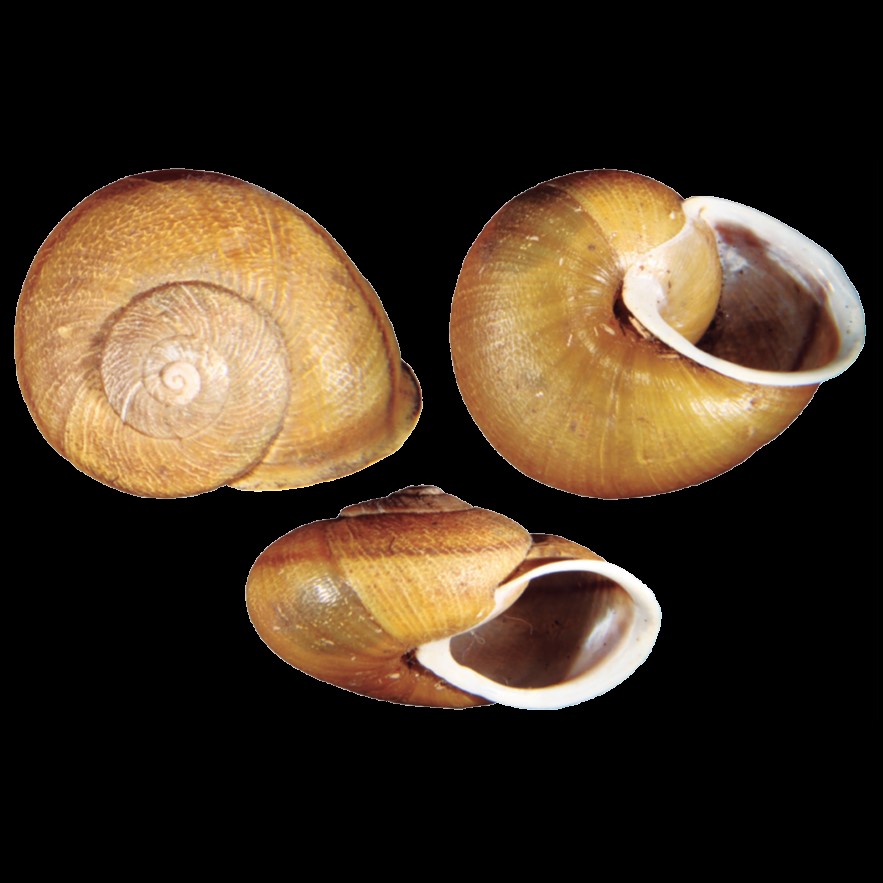
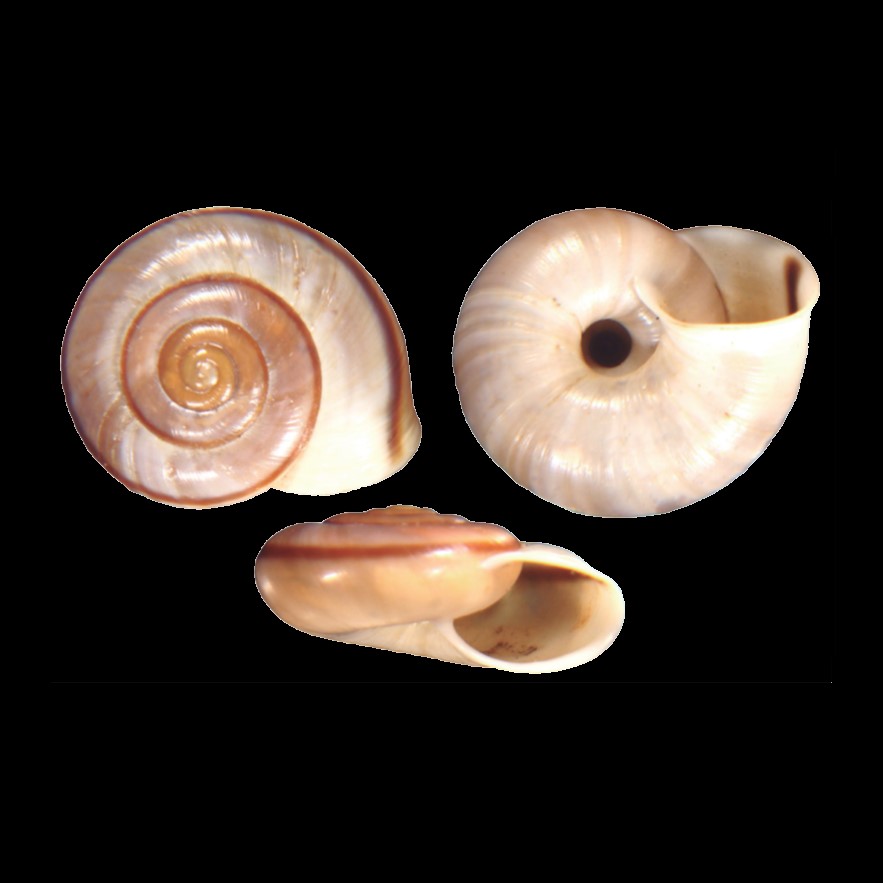
CLASSE: GASTROPODA: TERRESTRE FAMÍLIA: EPIPHRAGMOPHORIDAE ESPÉCIE: Epiphragmophora jujuyensis Hylton Scott, 1962 Tamanho médio: 40 mm Habitat: geralmente encontrado sob a serapilheira e troncos de árvores caídos em florestas úmidas Ocorrência: Argentina (Jujuy, Salta) Localidade tipo: Argentina, Jujuy, Las Capillas Nome original: Epiphragmophora jujuyensis Hylton Scott, 1962 Descrição: (Cuezzo, 2006): "Dextral, helicoidal, globose, solid, with elevated conical spire; medium to large size, 4 ½ convex whorls; dark to light brown, with thin, peripheral supraequatorial dark brown band more evident in body whorl; protoconch smooth; teleoconch surface malleated with diagonal ribs on body whorl; suture deeply impressed; aperture elliptical, peristome whitish slightly reflected, with callous lower margin; body whorl distinctly descending towards aperture; umbilicus narrow, overlapped by ventral columelar fold of peristome...
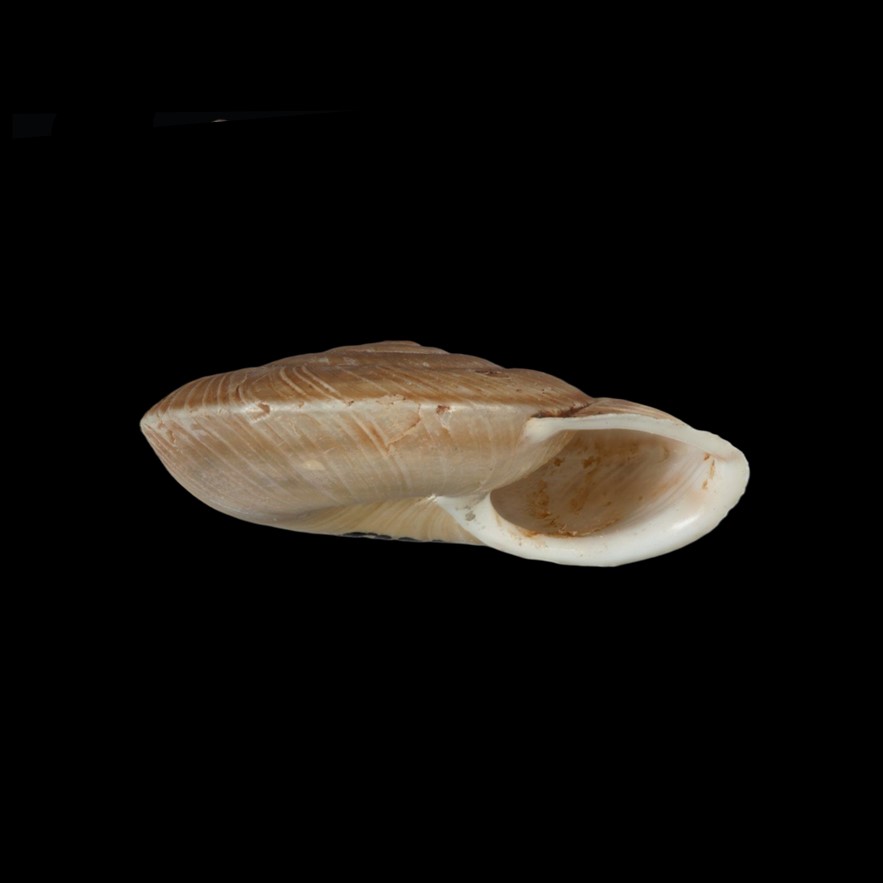
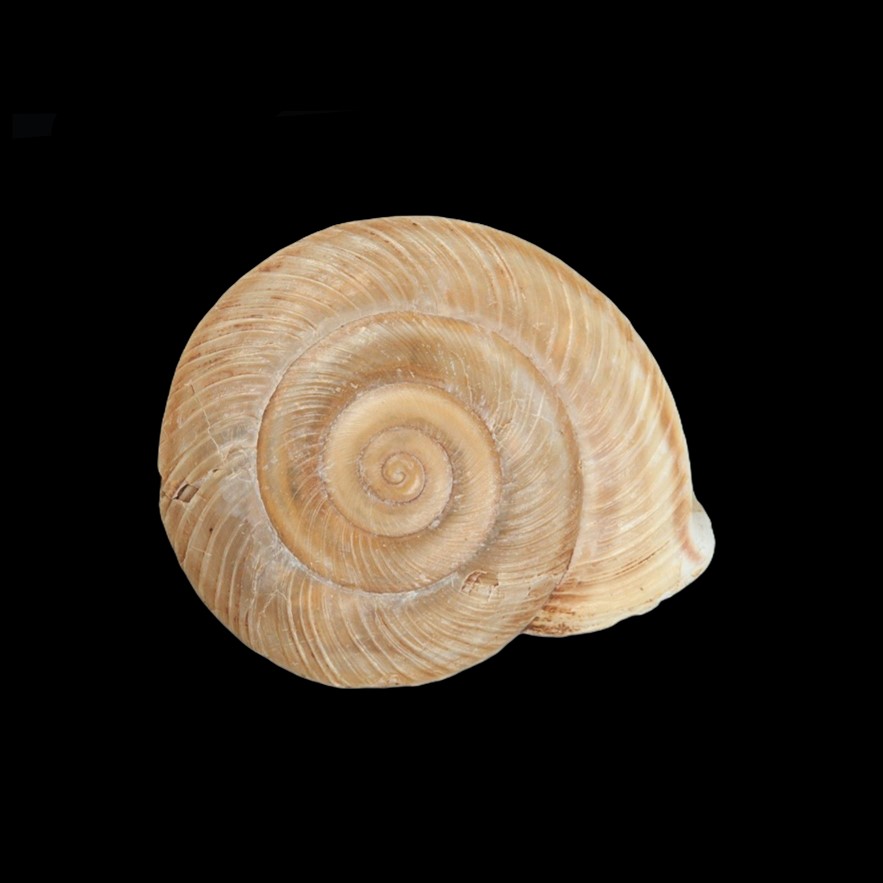
CLASSE: GASTROPODA: TERRESTRE FAMÍLIA: EPIPHRAGMOPHORIDAE ESPÉCIE: Epiphragmophora lentiformis (F. Haas, 1955) Tamanho médio: 26 mm Ocorrência: Peru (Apurímac) Localidade tipo: Peru, " Apurímac department, Andahuaylas, Hacienda Mozobamba" Nome original: Karlschmidtia lentiformis F. Haas, 1955 Sinônimos: Epiphragmophora (Karlschmidtia) lentiformis (F. Haas, 1955) Etimologia: o nome da espécie é uma referência ao formato da concha Fotos: (1-3) Field Museum of Natural History: HOLOTYPE FMNH 51271, Andahuaylas, Ongoy, Hacienda Mozobamba, coll. Celestino Kalinowski, x.1953 Figura: Salvador et al. 2023: (A–C) Isomeria cymatodes, AM MA104139, (H = 28.2 mm, D = 49.2 mm); (E–F) Isomeria juno, AM MA104143, Equador, Pastaza, (H = 18.9mm, D = 33.3mm); (G–I) Epiphragmophora lentiformis, PARATYPE AM MA73551, (H = 11.2 mm, D = 26.5 mm). barra da escala: 5 mm...
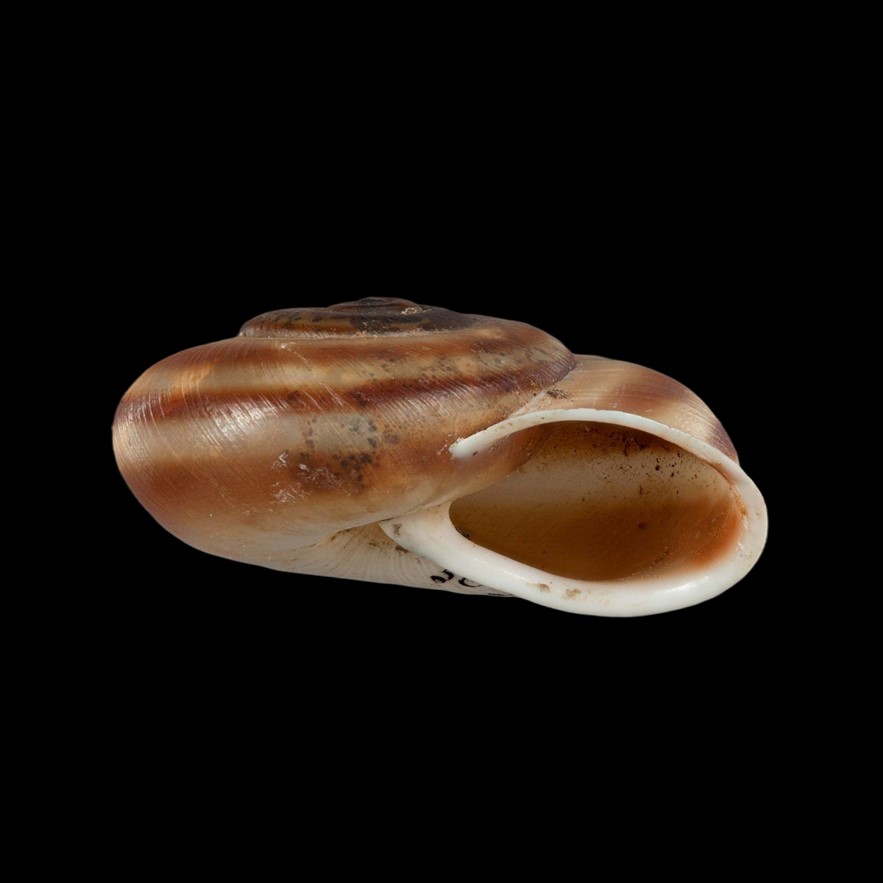
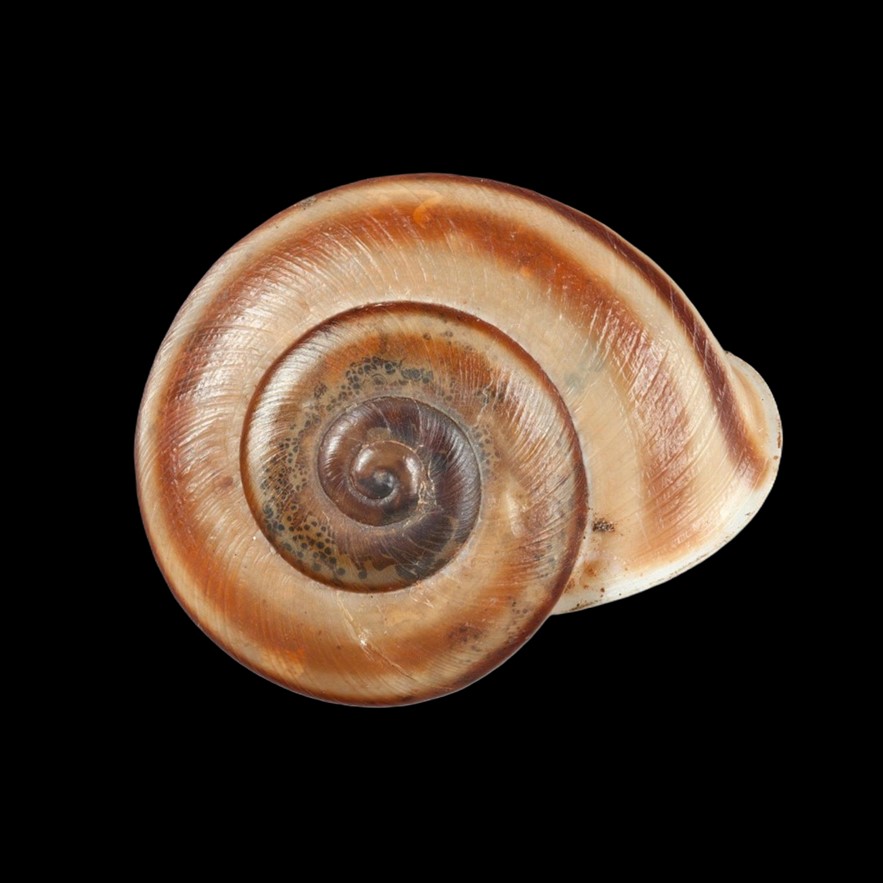
CLASSE: GASTROPODA: TERRESTRE FAMÍLIA: EPIPHRAGMOPHORIDAE ESPÉCIE: Epiphragmophora leucobasis F. Haas, 1951 Tamanho médio: 27 mm Ocorrência: Peru Localidade tipo: Peru, "above Chincheros, near Rio Pampas" Altitude: 3000 m Nome original: Epiphragmophora (Epiphragmophora) leucobasis F. Haas, 1951 Fotos: (1-3) Field Museum of Natural History: HOLOTYPE FMNH 30923, Peru, "above Chincheros, near Rio Pampas", coll. W. Weyrauch, 1949, 27.3mm Fontes: Descrição original: (como Epiphragmophora (Epiphragmophora) leucobasis F. Haas, 1951) Haas, F. (1951). Remarks on and descriptions of South American non-marine shells. Fieldiana: Zoology. 31(46): 503-545., disponível online em https://www.biodiversitylibrary.org/page/2784155 page(s): 525-526, figs. 111A-C Ramírez, R.; Paredes, C.; Arenas, J. (2003). Moluscos del Perú. Revista de Biologia Tropical. 51(supplement 3): 225-284 Grant S, Webbink K, Keogh S (2025). Field Museum of Natural History (Zoology) Invertebrate Collection. Version 18.51....
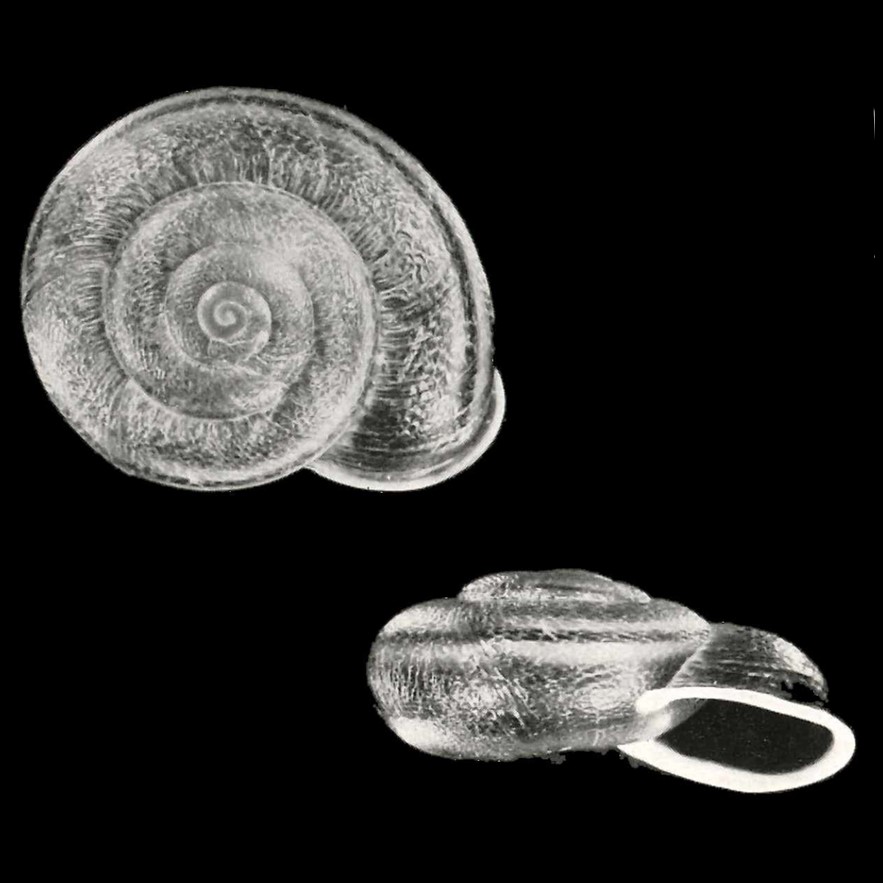
CLASSE: GASTROPODA: TERRESTRE FAMÍLIA: EPIPHRAGMOPHORIDAE ESPÉCIE: Epiphragmophora llaguenica Zilch, 1953 Tamanho médio: 19 - 20 mm Ocorrência: Peru Habitat: transição de floresta montana aberta para floresta montana primitiva sob serapilheira, madeira e pedras no chão Localidade tipo: Peru, "Fazenda Llaguen (aprox. 7°40' S, 78°40' W), Floresta Rejo Cargaruay" Altitude: 2660 m Nome original: Epiphragmophora llaguenica Zilch, 1953 Sinônimos: Epiphragmophora (Epiphragmophora) llaguenica Zilch, 1953 Etimologia: o nome da espécie é uma referência à locallidade tipo Fotos: (1) Zilch, 1953: Senckenberg. Collection Mollusca, HOLOTYPE SMF 108559, H. W. Koepcke leg. 14.xii.1952, 20.0 mm Figura: Zilch, 1953: (7) Epiphragmophora llagnenica, Peru, "Wald von Rejo Cargaray der Hacienda Llaguen", 2660 m, HOLOTYPE SMF 108559; (8-9) Epiphragmophora (Pilshrya) taulisensis, Peru, "Bergurwald der Hacienda Taulis,...
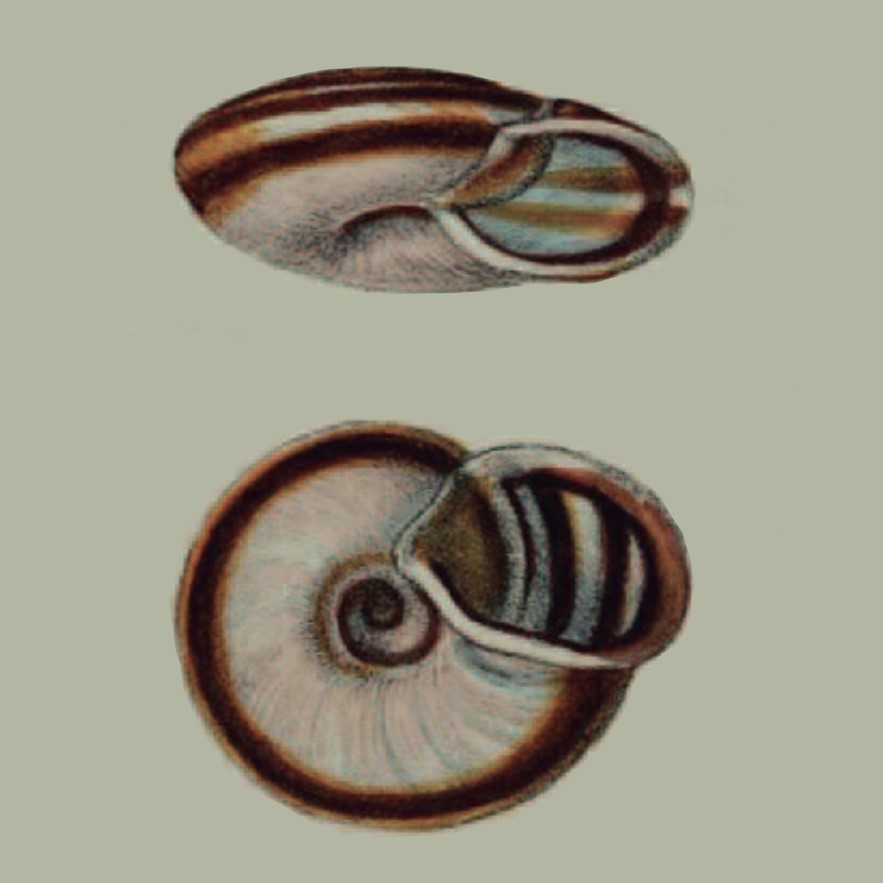
CLASSE: GASTROPODA: TERRESTRE FAMÍLIA: EPIPHRAGMOPHORIDAE ESPÉCIE: Epiphragmophora macasi (E. T. Higgins, 1872) Tamanho médio: 35 mm Ocorrência: Equador (Morona-Santiago) Localidade tipo: Equador, Morona-Santiago, Macas Nome original: Helix (Aglaja) macasi E. T. Higgins, 1872 Sinônimos: Epiphragmophora (Epiphragmophora) macasi (E. T. Higgins, 1872) Etimologia: o nome da espécie é uma referência à localidade tipo Comentários: não há registros da espécie após sua descrição Fotos: nd, figura original de Epiphragmophora macasi (Higgins, 1872). Morona-Santiago: Macas, em HIGGINS (1872): pl. 56 fig. 6-6a, 35 mm Fontes: Descrição original: (como Helix (Aglaja) macasi E. T. Higgins, 1872) Higgins, E. T. (1872). Description of new species of shells collected by Mr. Clarence Buckley in Ecuador. Proceedings of the Zoological Society of London. (1872): 685-687, pl. 56., disponível online em https://biodiversitylibrary.org/page/28612139 página(s): 686, pl....

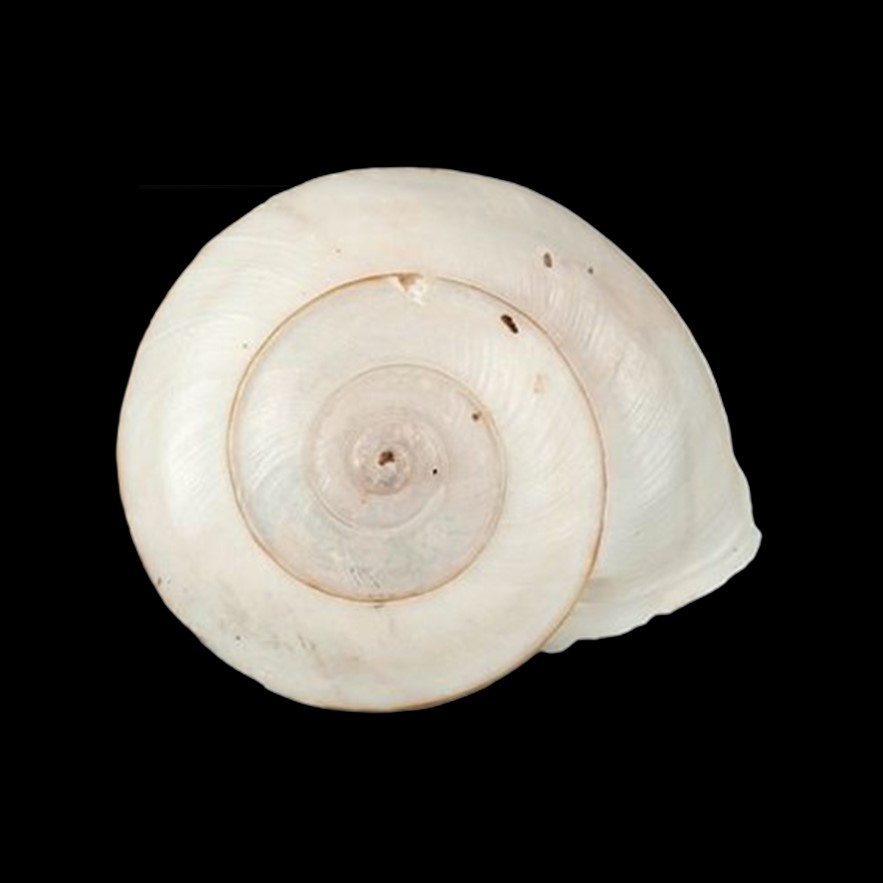
CLASSE: GASTROPODA: TERRESTRE FAMÍLIA: EPIPHRAGMOPHORIDAE ESPÉCIE: Epiphragmophora malkini F. Haas, 1962 Tamanho médio: 26 mm Ocorrência: Bolívia (Santa Cruz) Localidade tipo: Bolívia, Santa Cruz, "San Francisco near Tarenda" Altitude: 2000 m Nome original: Epiphragmophora (Epiphragmophora) malkini F. Haas, 1962 Etimomolgia: o nome da espécie é uma homenagem ao antropólogo, entomólogo e herpetologista polonês, Boris Malkin (1917-2009) Fotos: (1-3) Field Museum of Natural History: HOLOTYPE FMNH 112122, Bolívia, Santa Cruz, coll. Boris Malkin, ix.1960, 26.1mm Fontes: Descrição original: (como Epiphragmophora (Epiphragmophora) malkini F. Haas, 1962) Haas, F. (1962). A new species of land snail from Bolivia. Fieldiana, Zoology. 44(10): 67-68., disponível online em https://biodiversitylibrary.org/page/2769204 Grant S, Webbink K, Keogh S (2025). Field Museum of Natural History (Zoology) Invertebrate Collection. Version 18.51. Field Museum. Occurrence...
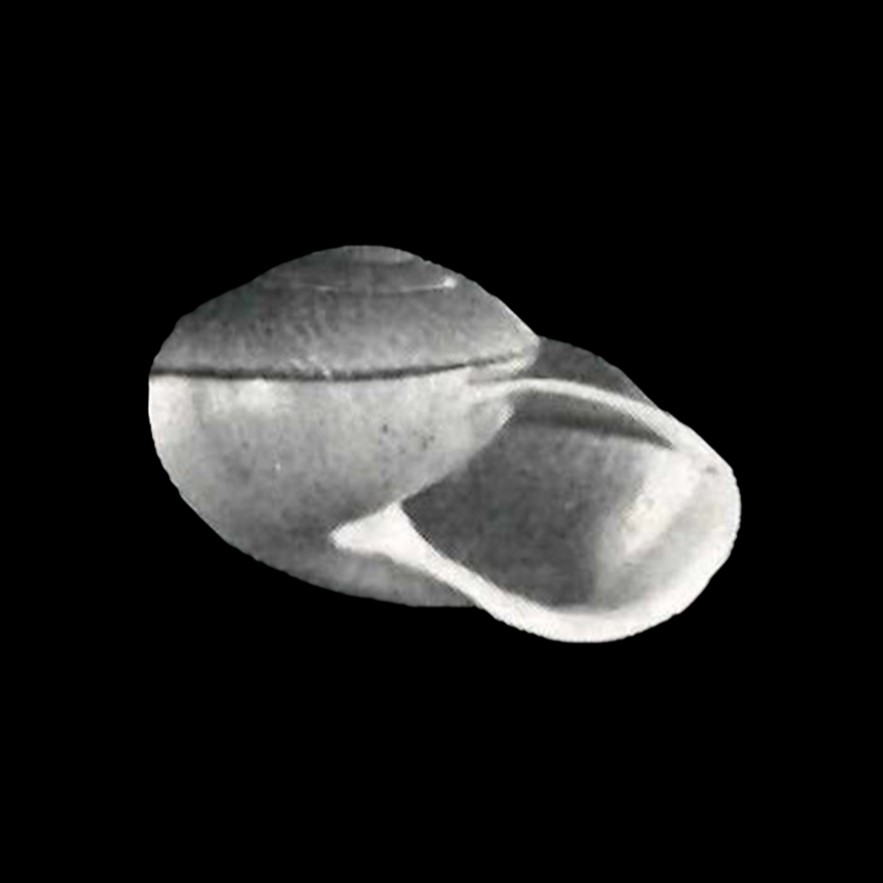
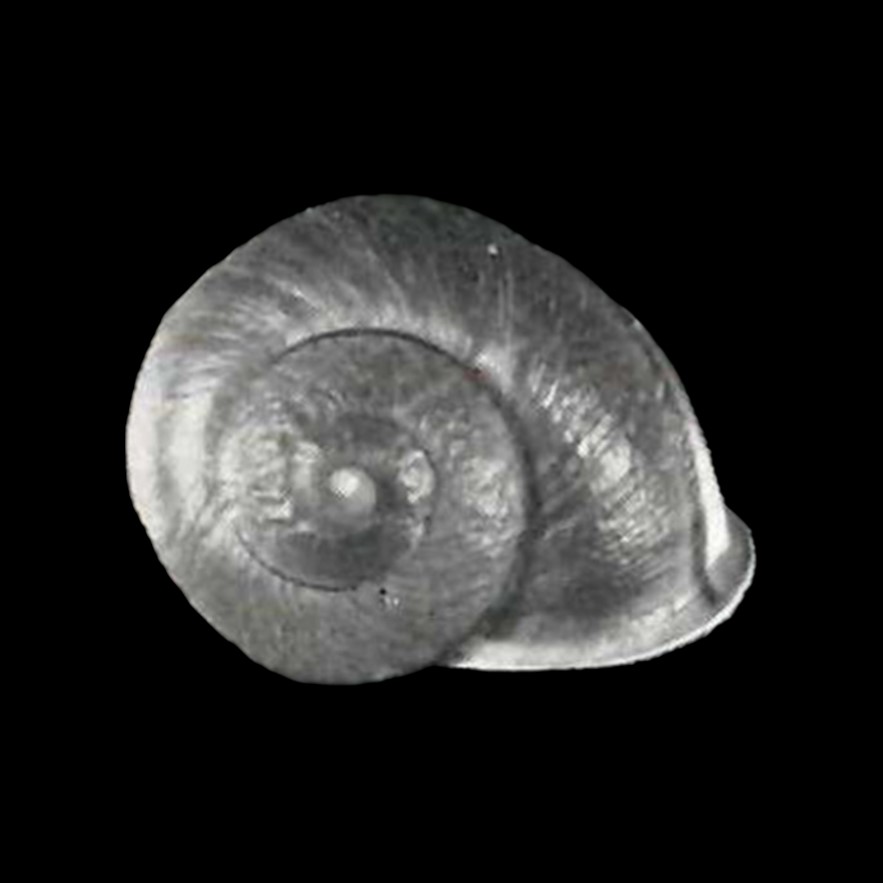
CLASSE: GASTROPODA: TERRESTRE FAMÍLIA: EPIPHRAGMOPHORIDAE ESPÉCIE: Epiphragmophora mirabilis Weyrauch, 1960 Tamanho médio: 25 mm Ocorrência: Peru Localidade tipo: Peru, "Norte do Peru, na Bacia Amazônica: Na entrada da Caverna Guacharo, acima de San Andrés, 30 km a nordeste de Cutervo, 2650 m, em floresta subtropical perene, sobre um tronco de árvore apodrecido no solo da floresta, perto de uma parede rochosa" Altitude: 2650 m Nome original: Epiphragmophora mirabilis Weyrauch, 1960 Sinônimos: Epiphragmophora (Epiphragmophora) mirabilis Weyrauch, 1960 Fotos: (1-3) Weyrauch, W. K. (1960): Senckenberg Museum, Frankfurt am Main, HOLOTYPE SMF 162064, W. Weyrauch leg., 20.i.1959 Fontes: Descrição original: Weyrauch, W. K. (1960). Siebzehn neue Landschnecken aus Peru. Archiv für Molluskenkunde. 89 (4/6): 117-132, pl. 11-12. Frankfurt am Main. página(s): 129 Ramírez, R.; Paredes,...
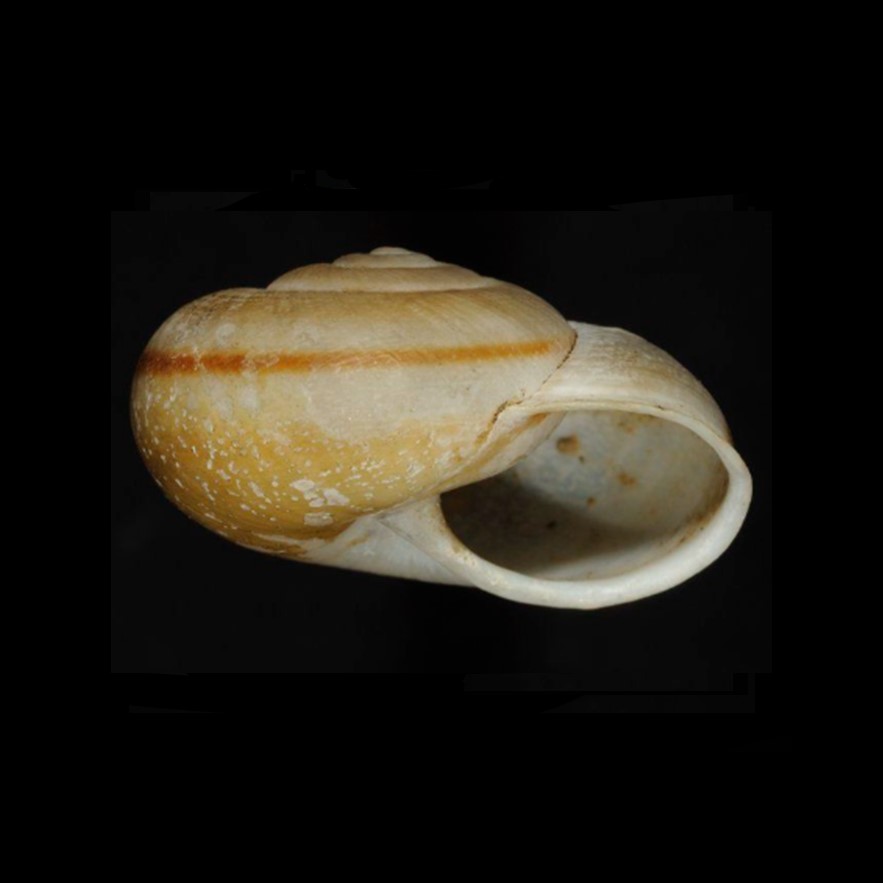
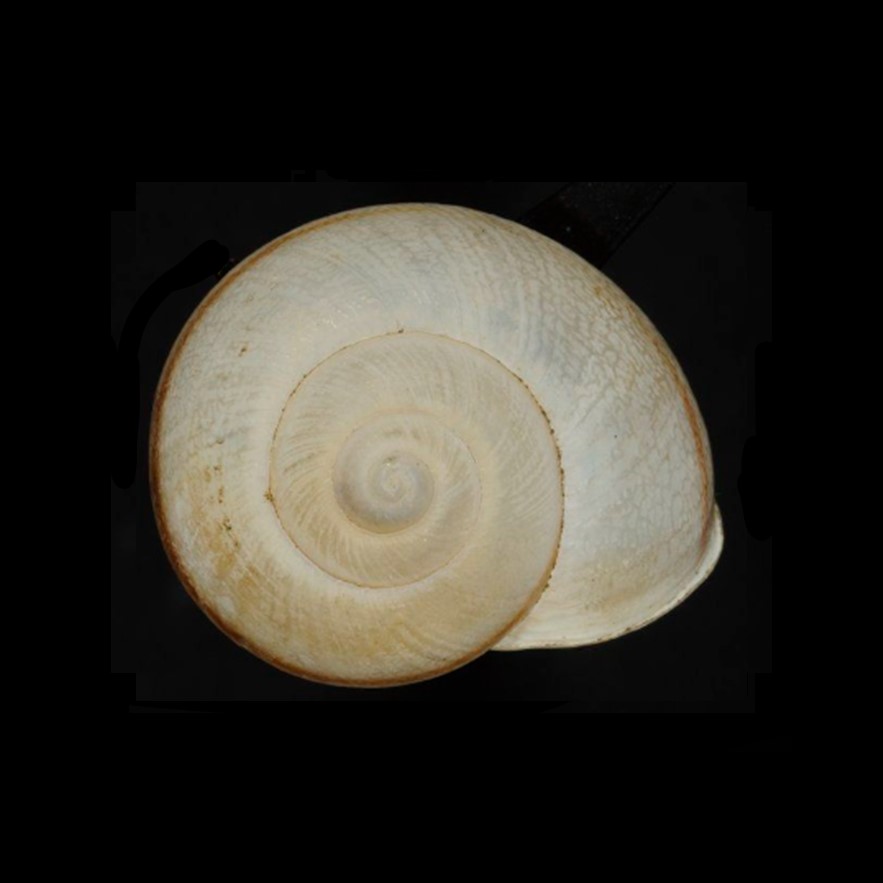
CLASSE: GASTROPODA: TERRESTRE FAMÍLIA: EPIPHRAGMOPHORIDAE ESPÉCIE: Epiphragmophora multesima Pilsbry, 1926 Tamanho médio: 26 mm Ocorrência: Bolívia (Santa Cruz) Localidade tipo: Bolívia, Departamento de Santa Cruz, "near Saipina" Altitude: 2000 m Nome original: Epiphragmophora multesima Pilsbry, 1926 Fotos: (1-3) The Academy of Natural Sciences, Philadelphia: HOLOTYPE ANSP 129674, Bolívia, Santa Cruz, coll. José Steinback, 26mm Fontes: Descrição original: Pilsbry, H. A. (1926). South American land and fresh water mollusks: Notes and descriptions,- VI. Proceedings of the Academy of Natural Sciences of Philadelphia. 78: 1-15. página(s): 1 Ramírez, R.; Paredes, C.; Arenas, J. (2003). Moluscos del Perú. Revista de Biologia Tropical. 51(supplement 3): 225-284 Rosenberg G (2026). Malacology Collection at the Academy of Natural Sciences of Philadelphia. Academy of Natural Sciences. Occurrence dataset...


CLASSE: GASTROPODA: TERRESTRE FAMÍLIA: EPIPHRAGMOPHORIDAE ESPÉCIE: Epiphragmophora olssoni Pilsbry, 1926 Tamanho médio: 28 mm Ocorrência: Peru (Piura) Localidade tipo: Peru, "top of Huamcabamba" Altitude: 3050 m Nome original: Epiphragmophora olssoni Pilsbry, 1926 Etimologia: o nome da espécie é uma homenagem ao geólogo e malacologista norte americano Axel Adolf Olsson (1889-1977) Fotos: (1-3) The Academy of Natural Sciences, Philadelphia: HOLOTYPE ANSP 140100, coll. A.A. Olson, 28.3mm Fontes: Descrição original: Pilsbry, H. A. (1926). South American land and fresh water mollusks: Notes and descriptions,- VI. Proceedings of the Academy of Natural Sciences of Philadelphia. 78: 1-15. página(s): 4 Ramírez, R.; Paredes, C.; Arenas, J. (2003). Moluscos del Perú. Revista de Biologia Tropical. 51(supplement 3): 225-284 Rosenberg G (2026). Malacology Collection at the Academy...
CLASSE: GASTROPODA: TERRESTRE FAMÍLIA: EPIPHRAGMOPHORIDAE ESPÉCIE: Epiphragmophora oresigena (A. d'Orbigny, 1835) Tamanho médio: 37 - 42 mm Habitat: geralmente encontrado sob a serapilheira e troncos de árvores caídos em florestas úmidas Ocorrência: Bolívia (La Paz) Localidade tipo: Bolívia, "Provincia Yungasensi, republica Boliviana, prés du confluent du Rio Meguilla et du Rio de La Paz" Nome original: Helix oresigena A. d'Orbigny, 1835 Descrição: (Cuezzo, 2006): "Dextral, helicoidal, globose, very solid with conical, obtuse spire; large size, 5 1/3 convex whorls; dark to light brown; three peripheral dark brown bands more evident in body whorl, ventral pigmented band usually wider, central and dorsal supraequatorial, only central and dorsal bands in spire; protoconch smooth; teleoconch surface malleated with diagonal ribs on body whorl; suture deep...


CLASSE: GASTROPODA: TERRESTRE FAMÍLIA: EPIPHRAGMOPHORIDAE ESPÉCIE: Epiphragmophora oroyensis Pilsbry, 1926 Tamanho médio: 29 mm Ocorrência: Peru (Junin) Localidade tipo: Peru, Junin, Oroya Altitude: 3650 m Nome original: Epiphragmophora oroyensis Pilsbry, 1926 Etimologia: o nome da espécie é uma referência à localidade tipo Fotos: (1-3) The Academy of Natural Sciences, Philadelphia: ANSP 140099, coll. R.W. Hendee, 1926, 29mm Fontes: Descrição original: Pilsbry, H. A. (1926). South American land and fresh water mollusks: Notes and descriptions,- VI. Proceedings of the Academy of Natural Sciences of Philadelphia. 78: 1-15. página(s): 2 Ramírez, R.; Paredes, C.; Arenas, J. (2003). Moluscos del Perú. Revista de Biologia Tropical. 51(supplement 3): 225-284 Rosenberg G (2026). Malacology Collection at the Academy of Natural Sciences of Philadelphia. Academy of Natural...
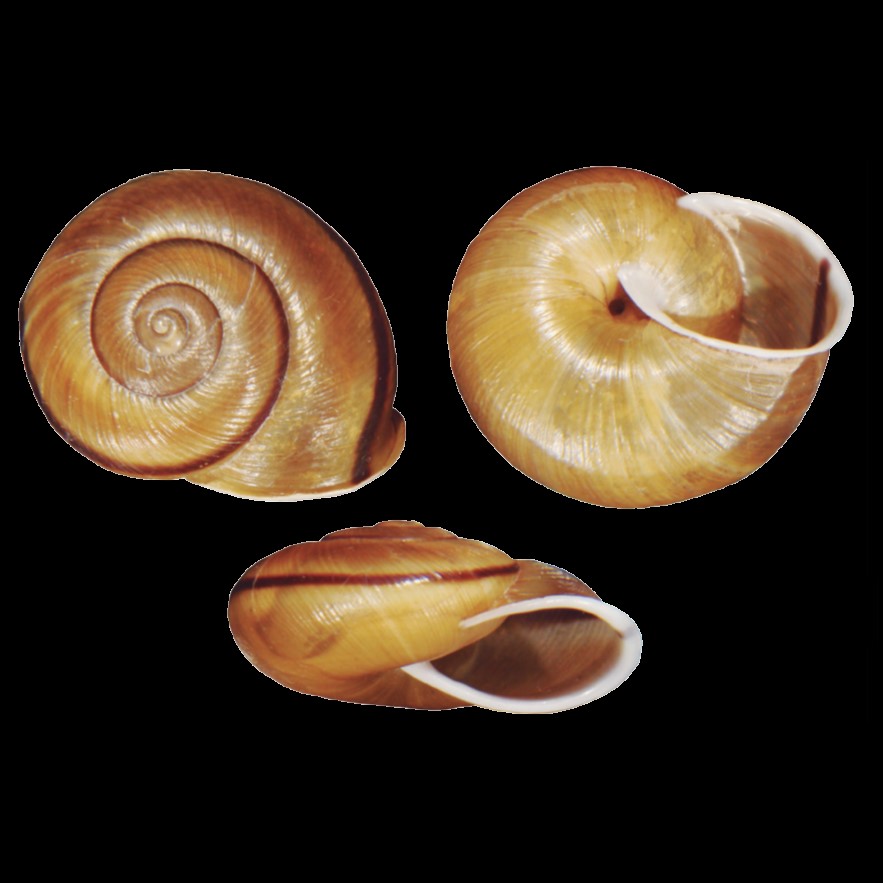
CLASSE: GASTROPODA: TERRESTRE FAMÍLIA: EPIPHRAGMOPHORIDAE ESPÉCIE: Epiphragmophora parodizi D. Fernández & Rumi, 1984 Tamanho médio: 19 - 24 mm Habitat: encontrada tanto na província biogeográfica de Yungas quanto na pré-Puna, embora espécimes vivos só tenham sido encontrados na floresta tropical de Yungas, principalmente sob troncos no chão em contato com o solo Ocorrência: Argentina (Tucumán) Localidade tipo: Argentina, "Tucumán Prov., Tafi del Valle Dept., Infiernillo. W. Weyrauch leg., 5.iv.1965 Nome original: Epiphragmophora parodizi D. Fernández & Rumi, 1984 Descrição: (Cuezzo, 2006): Dextral, helicoidal, semisolid to fragile, with conical shallow spire; small size, 4 1/4 convex whorls; light yellowish to golden brown, with peripheral supraequatorial, dark brown band progressively becoming thicker towards body whorl, band running above suture in spire; protoconch smooth; teleoconch...
CLASSE: GASTROPODA: TERRESTRE FAMÍLIA: EPIPHRAGMOPHORIDAE ESPÉCIE: Epiphragmophora patasensis (L. Pfeiffer, 1859) Tamanho médio: 36 mm Ocorrência: Peru (La Libertad) Localidade tipo: Peru, "Province of Patas, Andes of Peru (Dr. Farris)" Nome original: Helix patasensis L. Pfeiffer, 1859 Sinônimos: Helix patesensis L. Pfeiffer, 1859 [sic] (Molluscabase, 2026) Etimologia: o nome da espécie é uma referência à localidade tipo, a província de Pataz Fotos: (1-3) Natural History Museum, London: SYNTYPE de Epiphragmophora patasensis, NHMUK 20210313, "Patas; Andes of Peru, Andes of Peru", 36mm; (4) idem, SYNTYPE NHMUK 20210314 Fontes: Descrição original: (como Helix patesensis L. Pfeiffer, 1859) Pfeiffer, L. (1859). Descriptions of twenty-seven new species of land-shells, from the collection of H. Cuming, Esq. Proceedings of the Zoological Society of London. 27 (385):...


CLASSE: GASTROPODA: TERRESTRE FAMÍLIA: EPIPHRAGMOPHORIDAE ESPÉCIE: Epiphragmophora pilsbryi F. Haas, 1934 Tamanho médio: 18 mm Ocorrência: Colômbia Localidade tipo: Colômbia Nome original: Epiphragmophora (Epiphragmophora) pilsbryi F. Haas, 1934 Etimologia: o nome da espécie é uma homenagem a Henry Augustus Pilsbry (Iowa 1862 – Flórida 1957). Pilsbry foi um biólogo, malacólogo e carcinólogo. Notabilizou-se mundialmente pelo seu estudo dos moluscos (Mollusca), em particular dos Polyplacophora e dos gastrópodes terrestres Fotos: (1-3) Senckenberg. Collection Mollusca SMF: HOLOTYPE SMF 7752, Colômbia Fontes: Descrição original: (como Epiphragmophora (Epiphragmophora) pilsbryi F. Haas, 1934) Haas, F. (1934). Neue Landschnecken des Senckenberg-Museums. Senckenbergiana. 16 (2/3): 94-98. página(s): 95, figs 6-10 Simone, L. R. L. (2006). Land and Freshwater Molluscs of Brazil. Editora Gráfica Bernardi, FAPESP. São Paulo, 390 pp. página(s):...
CLASSE: GASTROPODA: TERRESTRE FAMÍLIA: EPIPHRAGMOPHORIDAE ESPÉCIE: Epiphragmophora proseni Hylton Scott, 1951 Tamanho médio: 30 mm Ocorrência: Argentina (Jujuy), conhecida apenas na localidade tipo Localidade tipo: Argentina, Jujuy, Departamento de Tumbaya, Quebrada de Humahuaca Nome original: Epiphragmophora proseni Hylton Scott, 1951 Etimologia: o nome da espécie é uma homenagem ao entomologista argentino Alberto F. Prosen (1902 – 1972) Descrição: (Cuezzo, 2006): "Dextral, globose, solid; conic spire fairly elevated; medium size; with 4 ¼ convex whorls; dark brown to chestnut homogeneous color; peripheral band on body whorl absent; protoconch smooth; first spire whorls with axial ribs, body whorl malleated with axial to diagonal ribs, ventrally fine spiral lines well marked around umbilicus; suture well impressed; oval transversal aperture with peristome white, fine narrowly reflexed,...
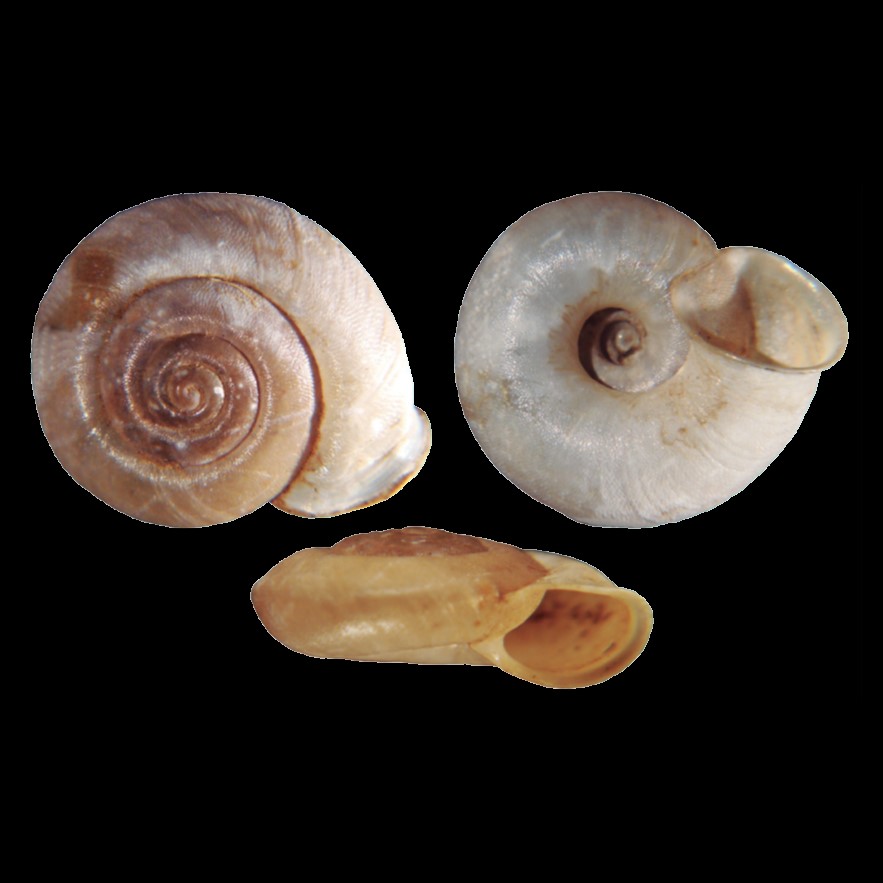
CLASSE: GASTROPODA: TERRESTRE FAMÍLIA: EPIPHRAGMOPHORIDAE ESPÉCIE: Epiphragmophora puella Hylton Scott, 1951 Tamanho médio: 18 mm Ocorrência: Argentina (Catamarca), "Southern Catamarca Prov., Argentina. Monte biogeographic province" Localidade tipo: Argentina, Catamarca, Capayán Dept., Quebrada de La Cébila Nome original: Epiphragmophora proseni Hylton Scott, 1951 Descrição: (Cuezzo, 2006): "Dextral, helicoidal, fragile; low to flat spire; small; 4 ¾ whorls equatorially subcarinated; pale yellowish to pale brownish; peripheral band absent; protoconch smooth; first whorl with axial growth lines, rest of teleoconch surface with tiny, oval pustules giving appearance of wrinkled surface; suture deeply impressed; aperture subcircular to subovoid; peristome whitish, thin, well expanded; body whorl not descending towards aperture or scarcely descending; umbilicus wide, perspective not overlapped by ventral columelar fold of peristome " Fotos...
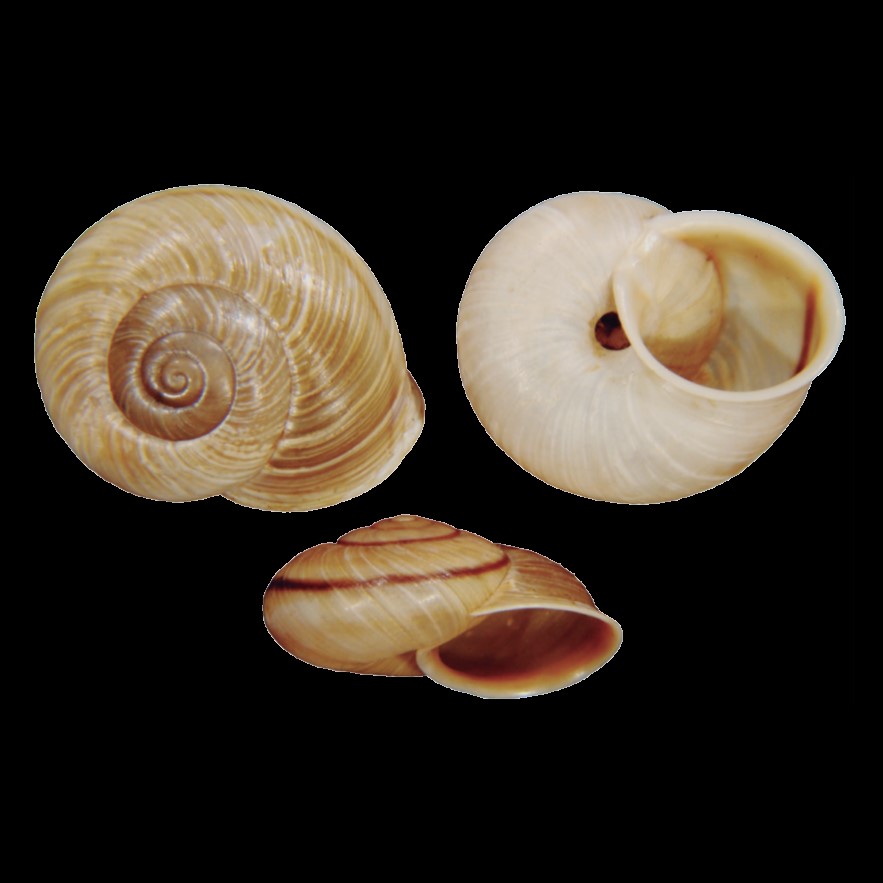
CLASSE: GASTROPODA: TERRESTRE FAMÍLIA: EPIPHRAGMOPHORIDAE ESPÉCIE: Epiphragmophora puntana (Holmberg, 1909) Tamanho médio: 26.3 - 30 mm Ocorrência: Argentina (San Luis, Cordoba): "Epiphragmophora puntana is known to live in central and northeastern San Luis Province, Argentina, and occasionally have been found in southern Córdoba Province" Localidade tipo: Argentina, San Luis, Cerro del Volcán Nome original: Helix puntana Holmberg, 1909 Descrição: (Cuezzo, 2006): "Dextral, helicoidal, fragile; low to flat spire; small; 4 ¾ whorls equatorially subcarinated; pale yellowish to pale brownish; peripheral band absent; protoconch smooth; first whorl with axial growth lines, rest of teleoconch surface with tiny, oval pustules giving appearance of wrinkled surface; suture deeply impressed; aperture subcircular to subovoid; peristome whitish, thin, well expanded; body whorl not descending towards aperture or...
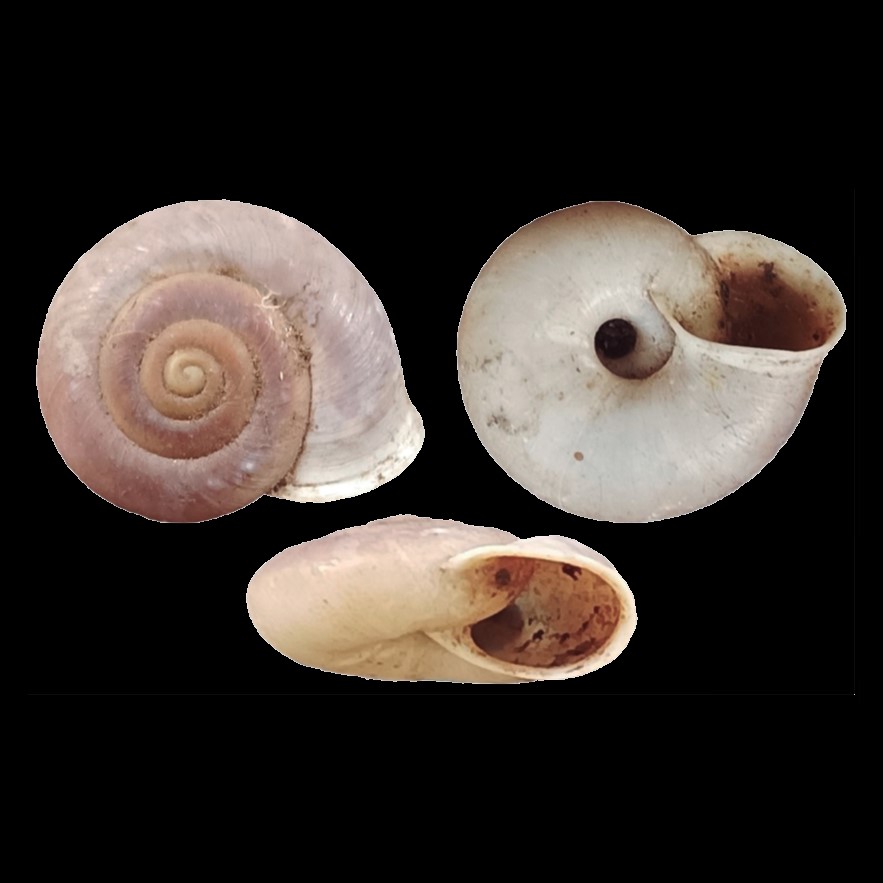
CLASSE: GASTROPODA: TERRESTRE FAMÍLIA: EPIPHRAGMOPHORIDAE ESPÉCIE: Epiphragmophora quirogai Cuezzo, 2006 Tamanho médio: 22 - 24.6 mm Ocorrência: Argentina (Catamarca, La Rioja) Localidade tipo: Argentina, La Rioja, Sierra de Velazco, Anillaco Nome original: Epiphragmophora quirogai Cuezzo, 2006 Etimologia: o nome da espécie é uma homenagem ao argentino Juan Facundo Quiroga (1788-1835), também conhecido como “Tigre de Los Llanos”, que lutou pela independência pela independência das províncias argentinas Descrição original: (Cuezzo, 2006): "Dextral, helicoidal, depressed, semisolid; spire low, conical; small to medium size; 4 ¼ convex whorls; bright cream to bright pink; peripheral pigmented band absent; protoconch smooth; teleoconch surface with thin axial growth lines; body whorl surface with thin axial growth lines crossed by irregular peripheral lines, giving malleated appearance in some specimens;...
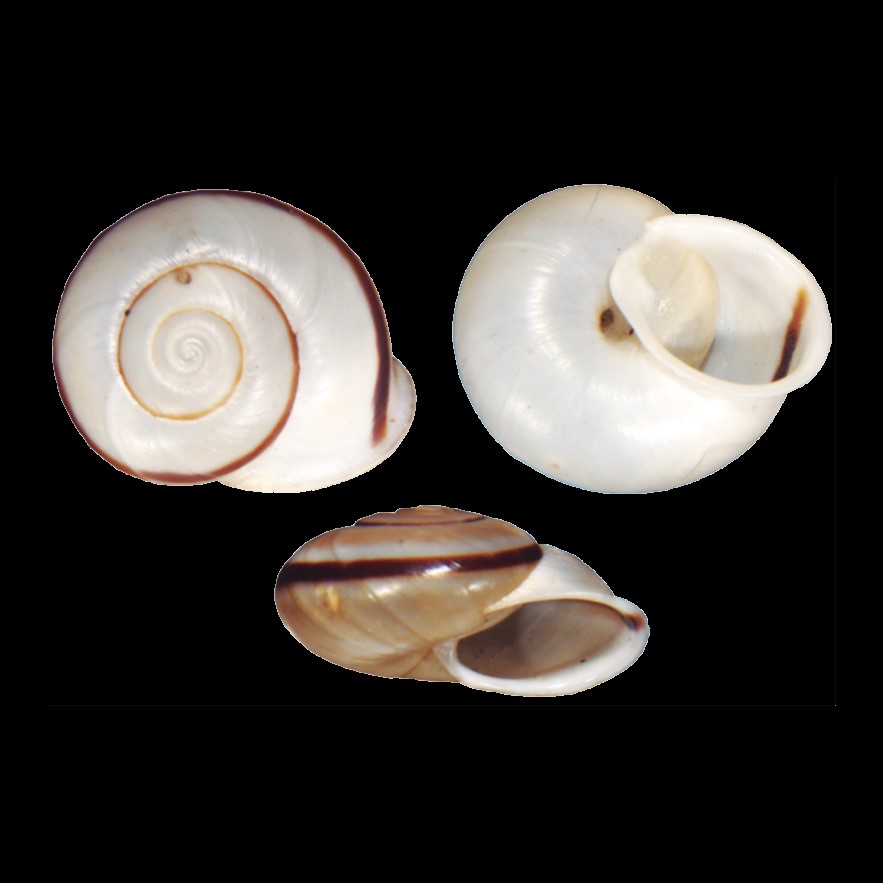
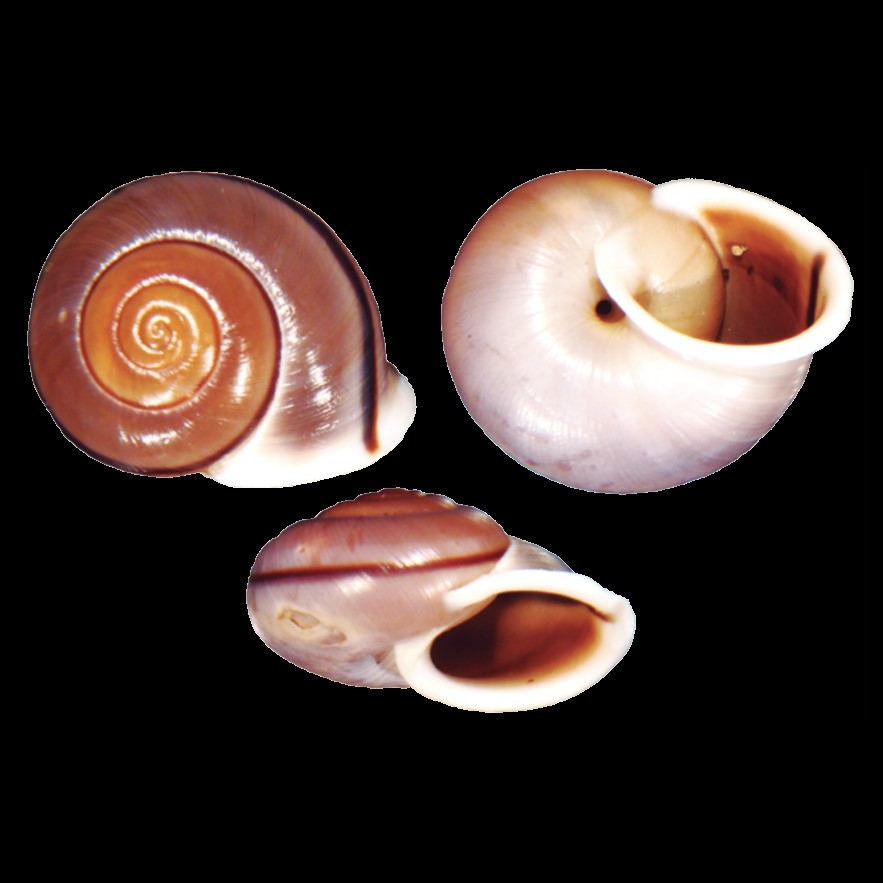
CLASSE: GASTROPODA: TERRESTRE FAMÍLIA: EPIPHRAGMOPHORIDAE ESPÉCIE: Epiphragmophora rhathymos (Holmberg, 1912) Tamanho médio: 26.7 - 30.8 mm Ocorrência: Argentina (Catamarca, Salta, Tucumán, Córdoba): "Epiphragmophora rhathymos is more abundant in Catamarca Province, but it is also found in some localities of Salta, Tucumán and Córdoba provinces, northwestern and central Argentina. Although is distributed mainly in the Chaco biogeographic province, there are some localities in Salta and Tucumán, where the vegetation is a transition to Yungas rainforest" Localidade tipo: Argentina, Quebrada del Tola, Sierra de Catamarca, Hieronymus leg., Doering, det. (Zilch, 1971) Nome original: Helix rhathymos Holmberg, 1912 Descrição: (Cuezzo, 2006): "Dextral, subglobose, semisolid; spire shallow conical; medium to large size; 4 ½ convex whorls; pale brown to pale chestnut; body whorl with one equatorial...
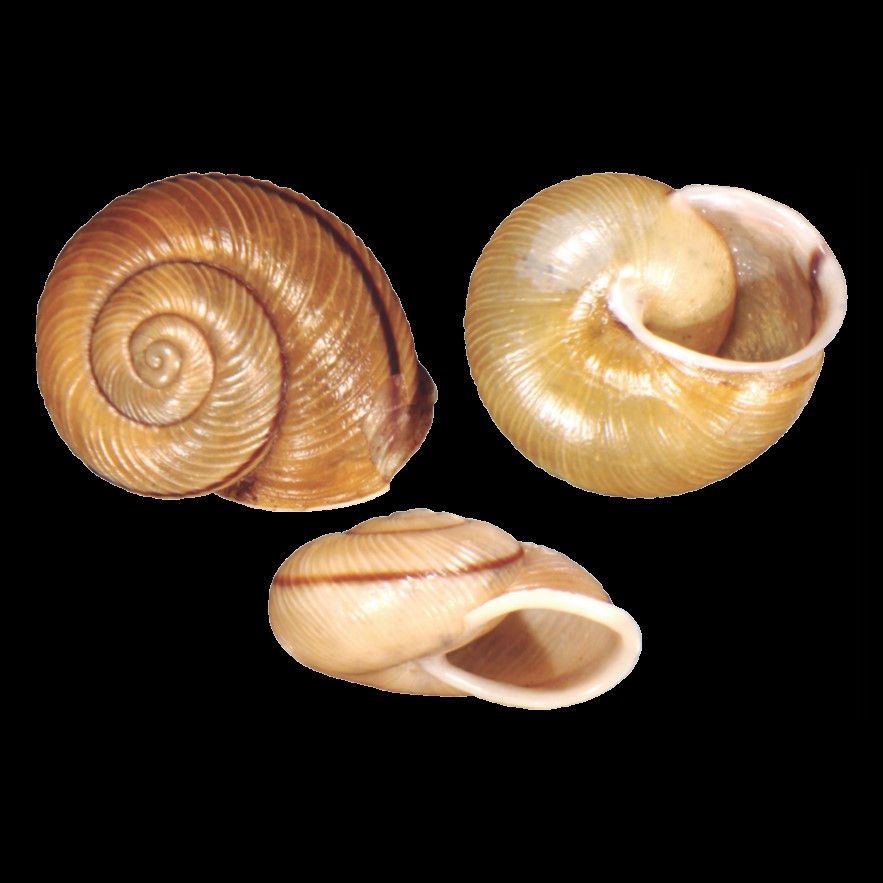
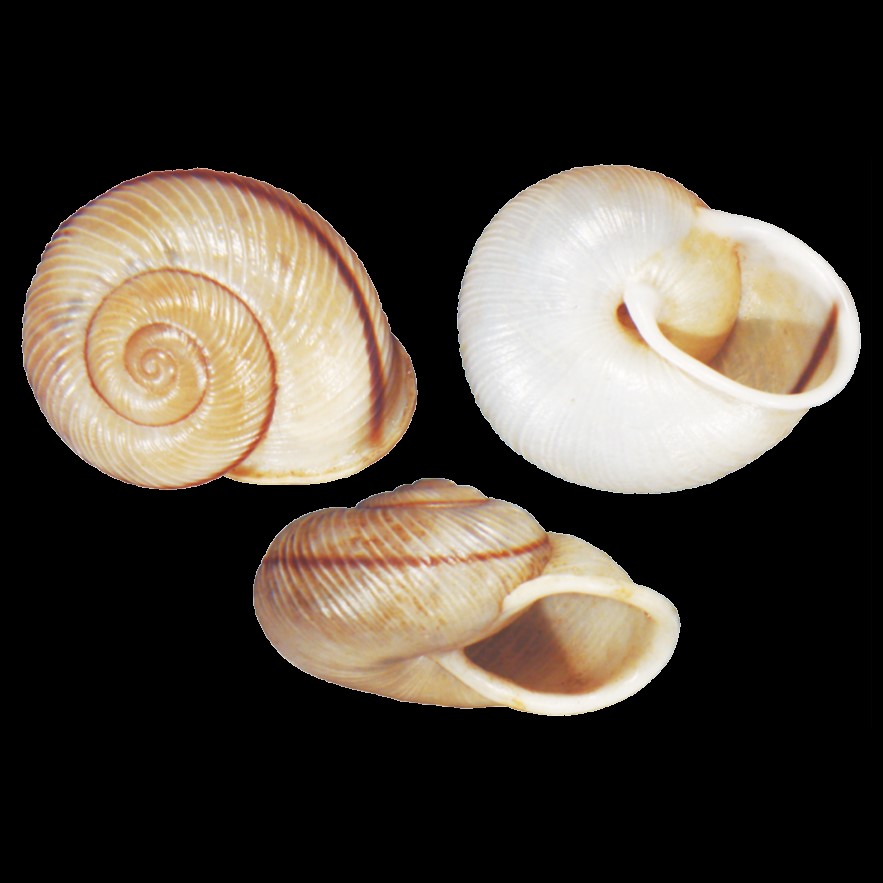
CLASSE: GASTROPODA: TERRESTRE FAMÍLIA: EPIPHRAGMOPHORIDAE ESPÉCIE: Epiphragmophora saltana Ancey, 1897 Tamanho médio: 24 - 29 mm Ocorrência: Argentina (Salta) Localidade tipo: Argentina, Salta Habitat: Floresta subtropical úmida na província biogeográfica de Yungas, noroeste da Argentina. Espécimes vivos geralmente encontrados abaixo de troncos de árvores úmidos no chão em contato com o solo Nome original: Epiphragmophora saltana Ancey, 1897 Descrição: (Cuezzo, 2025): "Dextral, helicoidal, depressed globose, solid; spire shallow conic; medium size; 4 ½ convex whorls; yellowish to golden; thin pigmented dark brown spiral band on body whorl; protoconch smooth; axial pale ribs regularly distributed in all whorls, surface between ribs strongly malleated; suture well impressed; aperture transverse, oval; peristome white, thick, reflexed; parietal callus usually raised, whitish, thin; body whorl abruptly descending towards aperture;...
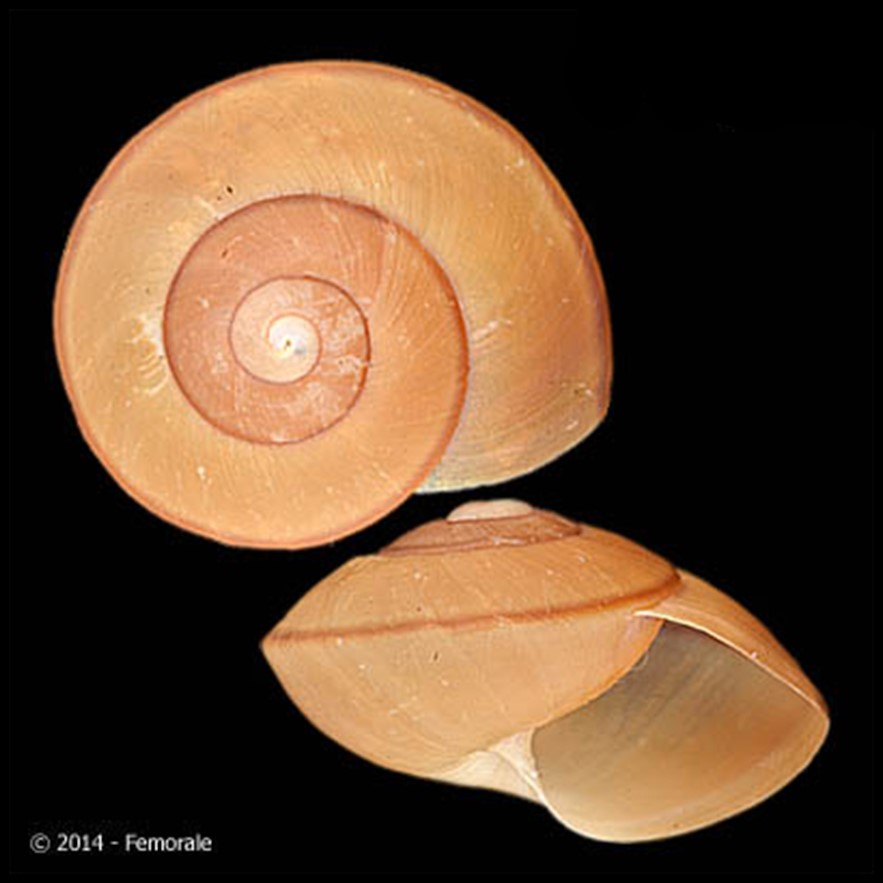
CLASSE: GASTROPODA: TERRESTRE FAMÍLIA: EPIPHRAGMOPHORIDAE ESPÉCIE: Epiphragmophora semiclausa (E. von Martens, 1868) Tamanho médio: 37 mm Ocorrência: Brasil (Rio Grande do Sul) Localidade tipo: Brasil, Rio Grande do Sul, São Leopoldo, Rödersberg Nome original: Helix semiclausa E. von Martens, 1868 Comentários: a espécie foi coletada pelo naturalista e geógrafo alemão Reinhold Friedrich Hensel, que esteve no Brasil no período de 1863 a 1866. Hensel foi enviado às colônias alemãs instaladas na Província de São Pedro do Rio Grande do Sul (atual estado do Rio Grande do Sul) onde coletou entre outros organismos, moluscos Fotos: (1) cortesia Femorale, 2014, 28.3mm, Rio Grande do Sul, Brasil, espécime juvenil; (2) reprodução da ilustração de von Martens, plate 88, figuras 10-12 ...
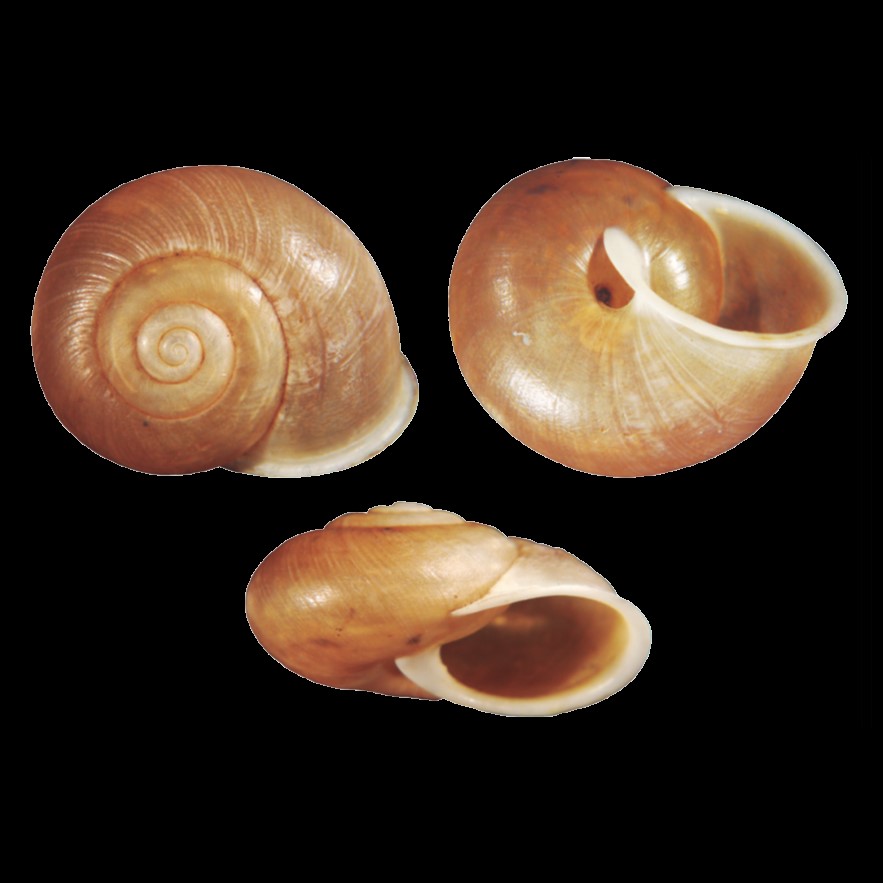
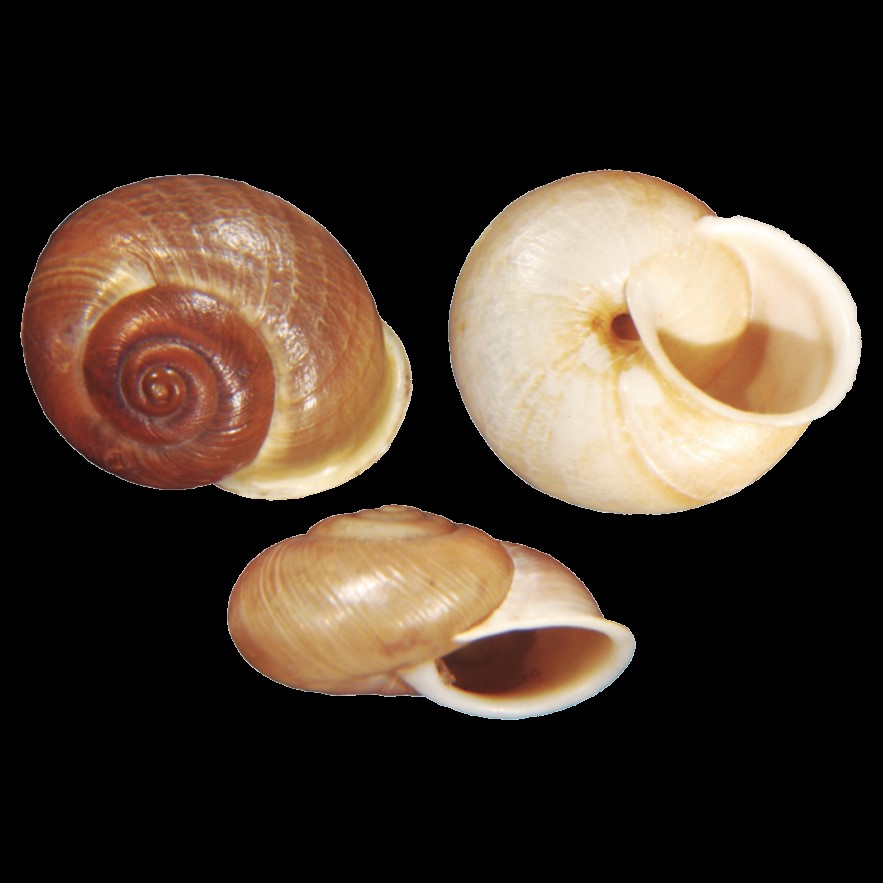
CLASSE: GASTROPODA: TERRESTRE FAMÍLIA: EPIPHRAGMOPHORIDAE ESPÉCIE: Epiphragmophora tomsici D. Fernández & Rumi, 1984 Tamanho médio: 24 - 27 mm Ocorrência: Argentina (Catamarca) Localidade tipo: Argentina, Catamarca, "Dept. Andalgalá, 20 km from Andalgalá, road to Cafayate, 1,800 m, 26/II/1962, W. Weyrauch Col." Habitat: Epiphragmophora tomsici é encontrada em ambientes xerofílicos, geralmente escondida em fendas de rochas ou sob cactus caídos Nome original: Epiphragmophora tomsici D. Fernández & Rumi, 1984 Descrição: (Cuezzo, 2025): "Dextral, helicoidal, globose, solid; spire shallow conic, with thin axial growth lines; medium size with 4 ½ convex whorls; light brown to light chestnut; peripheral band absent; protoconch smooth; axial whitish ribs regularly distributed on body whorl; surface between ribs in body whorl strongly malleated, forming distinctive white reticulated pattern; suture...
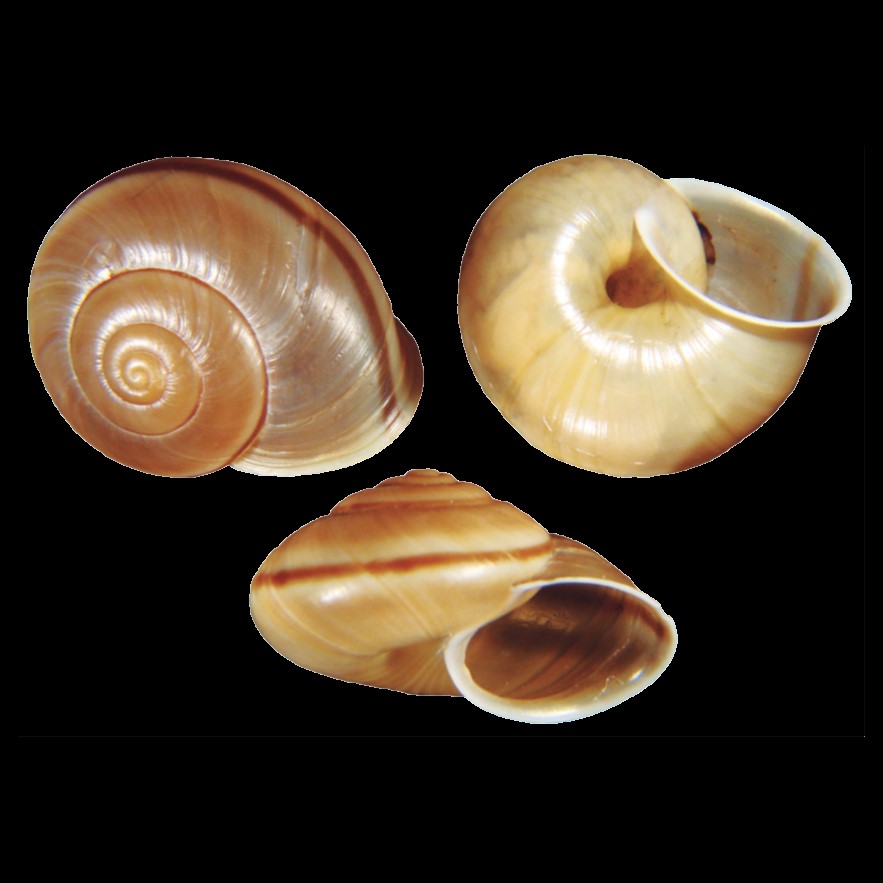
CLASSE: GASTROPODA: TERRESTRE FAMÍLIA: EPIPHRAGMOPHORIDAE ESPÉCIE: Epiphragmophora trenquelleonis (L. Pfeiffer, 1850) Tamanho médio: 23 - 30 mm Ocorrência: Argentina (Cordoba, Santiago del Estero, San Luis, Catamarca, La Rioja, Chaco and Formosa), Bolívia Localidade tipo: Argentina, Córdoba, "Vorberge der Sierra de Cordoba, namentlich die Sierra Chica und die Sierra de Pocho. A. Doering." Habitat: sob ou abaixo de troncos de árvores ou sob rochas Nome original: Helix trenquelleonis L. Pfeiffer, 1850 Sinônimos: Eurycampta hidalgonis Döring, 1875; Helix hidalgonis Doering, 1877 Descrição: (Cuezzo, 2006): "Dextral, helicoidal, subglobose, semisolid; spire shallow conical; medium size; 4 ½ convex whorls; yellowish to dark brown or chestnut; body whorl usually with one equatorial brown periphery band that also lines suture, absent on spire; shells from some localities can has...
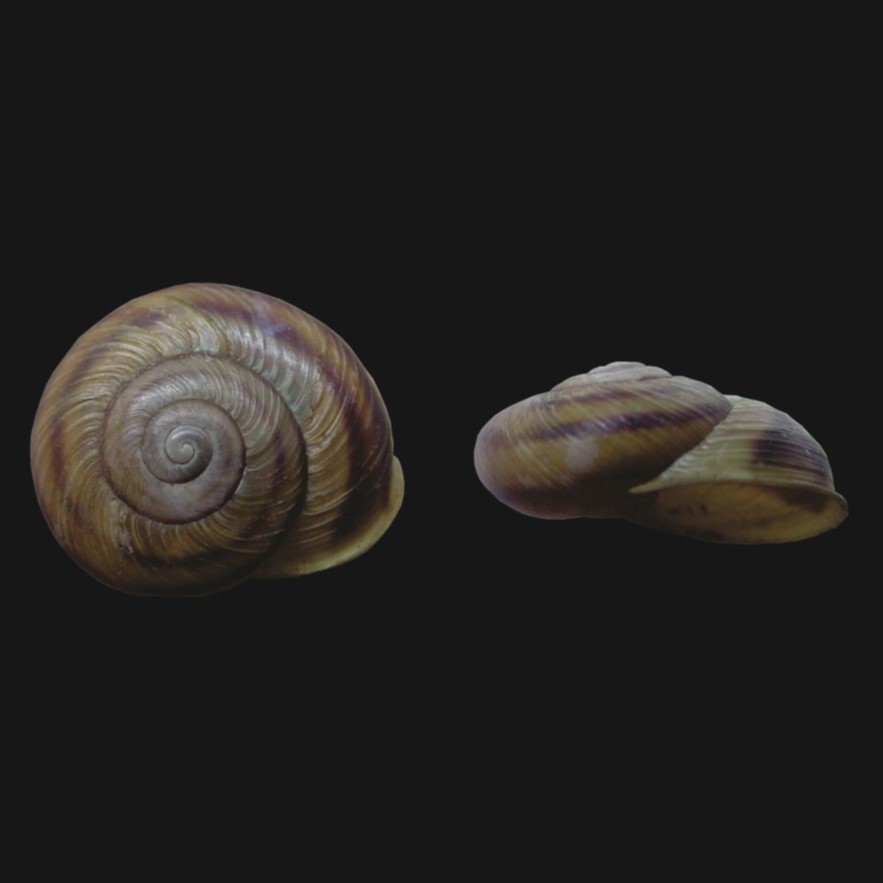
CLASSE: GASTROPODA: TERRESTRE FAMÍLIA: EPIPHRAGMOPHORIDAE ESPÉCIE: Epiphragmophora trifasciata D. Fernández & Rumi, 1984 Tamanho médio: 26.7 - 31.5 mm Ocorrência: Argentina (Córdoba), "Córdoba, en los departamentos de Colón, Ischilín, Punilla y Totoral" Localidade tipo: Argentina, Córdoba, "Agua de Oro, East Side of Sierra chica mountain, 1940, leg. José A. de Carlo" Habitat: Ecorregião do Chaco, subecoregião Chaco semiárido; é encontrada em estreita associação com rochas ou dentro de fendas finas entre rochas Nome original: Epiphragmophora trifasciata D. Fernández & Rumi, 1984 Descrição: (Cuezzo, 2025): "Concha helicoidal, semi globosa, de paredes solidas; espira cónica; con 4 1/2 vueltas de contorno convexo; color amarillento a pardo oscuro. Tamaño de la concha entre 26 y 31 mm de diámetro. Presenta tres bandas pigmentadas evidentes en...
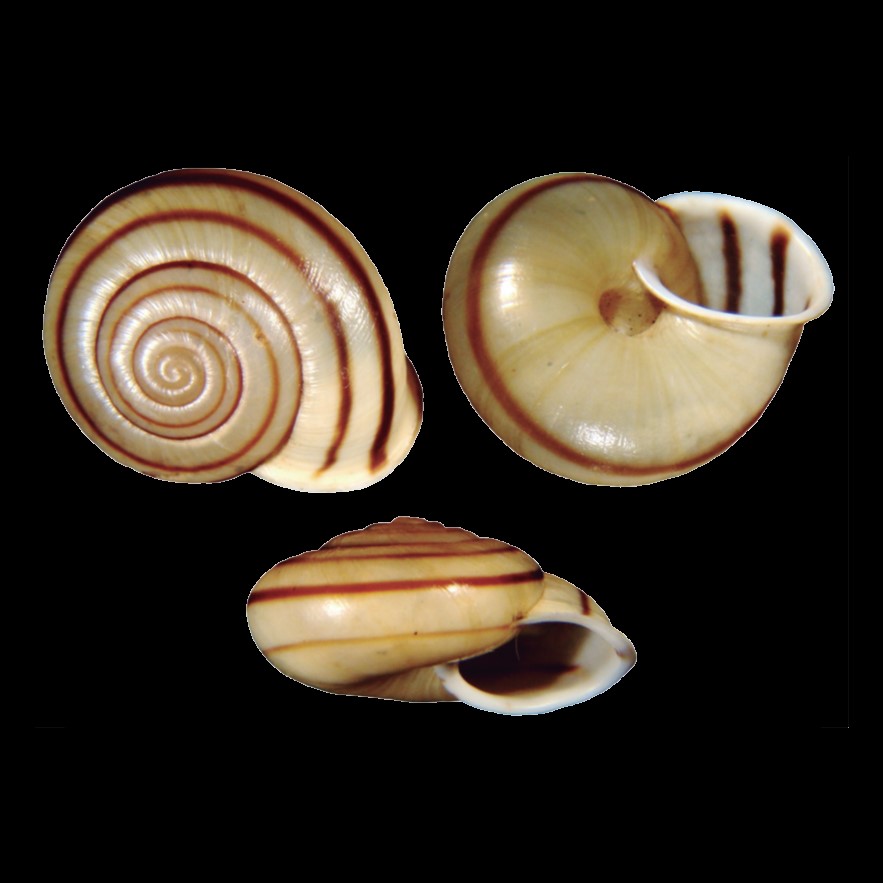
CLASSE: GASTROPODA: TERRESTRE FAMÍLIA: EPIPHRAGMOPHORIDAE ESPÉCIE: Epiphragmophora trigrammephora (A. d'Orbigny, 1835) Tamanho médio: 23.6 - 24.6 mm Ocorrência: Bolívia (Santa Cruz), Argentina (Jujuy, Salta, Formosa, Chaco, and Santiago del Estero), Paraguai Localidade tipo: Bolívia, Santa Cruz Dept., Pampa Grande Habitat: Sob ou abaixo de troncos de árvores ou sob rochas Nome original: Helix trigrammephora A. d'Orbigny, 1835 Subespécies: (1) Epiphragmophora trigrammephora f. bizona Ancey, 1897; (2) Epiphragmophora trigrammephora f. monozona Ancey, 1897; (3) Epiphragmophora trigrammephora f. obsolescens Ancey, 1897 Descrição: (Cuezzo, 2006): "Dextral, helicoidal, subglobose, semisolid; usually with high conical spire; medium size; 4 ¾ to 5 ¾ convex whorls; pale cream to yellow; three peripheral thin, darker brown bands clearly delimited on body whorl, upper band running centrally in each anfractum of...
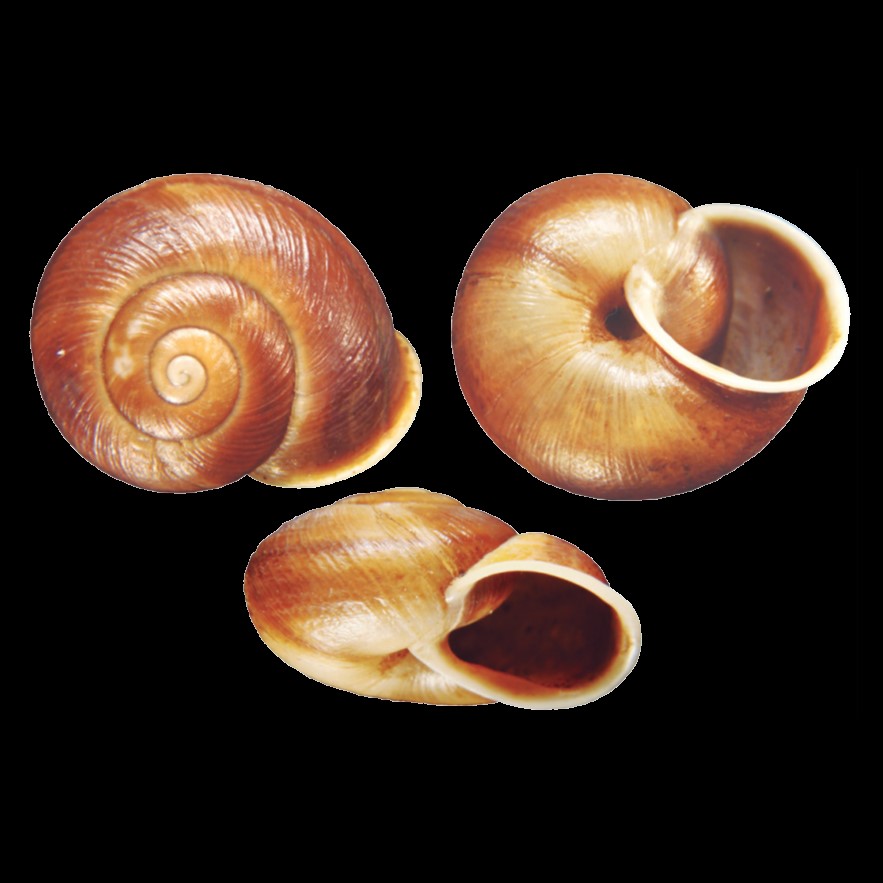
CLASSE: GASTROPODA: TERRESTRE FAMÍLIA: EPIPHRAGMOPHORIDAE ESPÉCIE: Epiphragmophora tucumanensis (Doering, 1875) Tamanho médio: 29.6 - 33.7 mm Ocorrência: Argentina (Córdoba, Santiago del Estero, San Luis, Catamarca, La Rioja, Chaco and Formosa), Bolívia Localidade tipo: Argentina, Tucumán, "[en la pendiente del Oeste de la Sierra de Tucumán, en bosques exuberantes, a 500−900 mts. de altura]. Stelzner leg. Doering det" Habitat: sob ou abaixo de troncos de árvores ou sob rochas Nome original: Helix estella var. tucumanensis Doering, 1875 Sinônimos: Helicigona catamarcana Ihering, 1910 Descrição: (Cuezzo, 2006): "Dextral, helicoidal, globose, solid; elevated conical spire; medium to large size; 4 ¾ to 5 convex whorls; color variable from yellowish to dark brown; presence of single thick supraequatorial, dark brown, even, band most notable in body whorl...
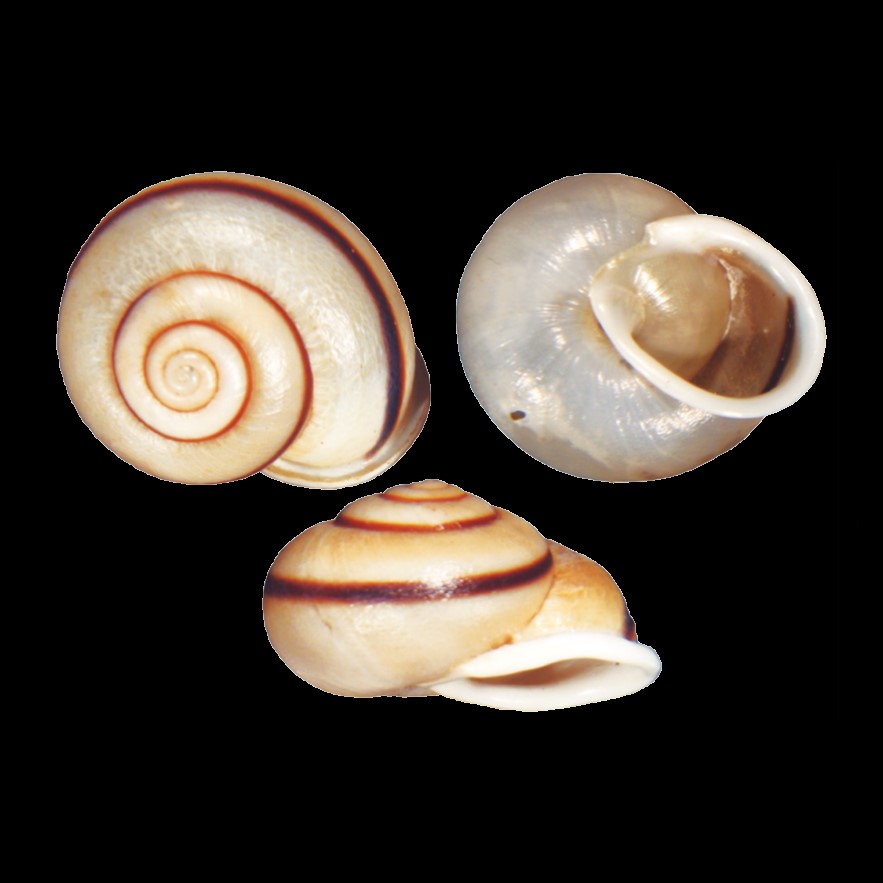
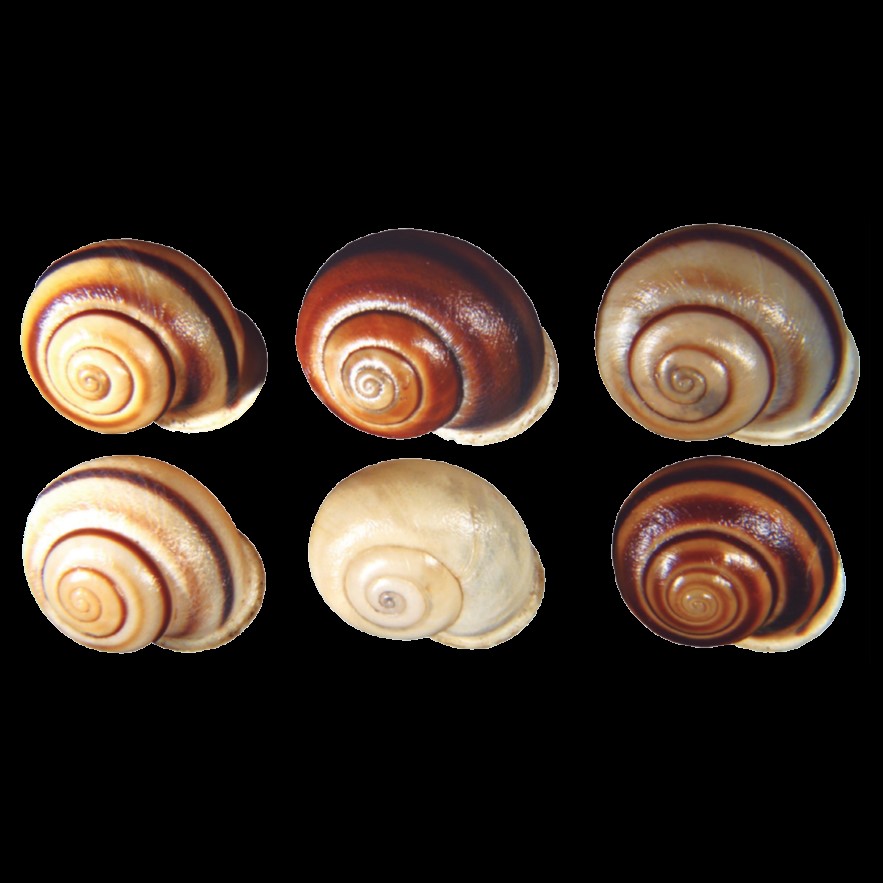
CLASSE: GASTROPODA: TERRESTRE FAMÍLIA: EPIPHRAGMOPHORIDAE ESPÉCIE: Epiphragmophora variegata Hylton Scott, 1962 Tamanho médio: 22.1 - 25.5 mm Ocorrência: Argentina (Tucuman, Catamarca) Localidade tipo: Argentina, Catamarca, "Dept. Belén, Agua de Dionisio, Farallón Negro, 1953" Habitat: em paredes rochosas nas montanhas ou entre a grama nas porções sul da região da floresta nublada, província biogeográfica de Yungas Nome original: Epiphragmophora variegata Hylton Scott, 1962 Descrição: (Cuezzo, 2006): "Dextral, helicoidal, globose, solid; medium to small; with high conical spire; 4 ½ convex whorls delimited by a wellimpressed suture; shell color highly variable, from uniform pale yellow to dark brown; generally with three pigmented peripheral bands, dorsal and ventral bands wider than equatorial, about 2 mm in thickness, dark brown, neatly delimited, bands evident in body...
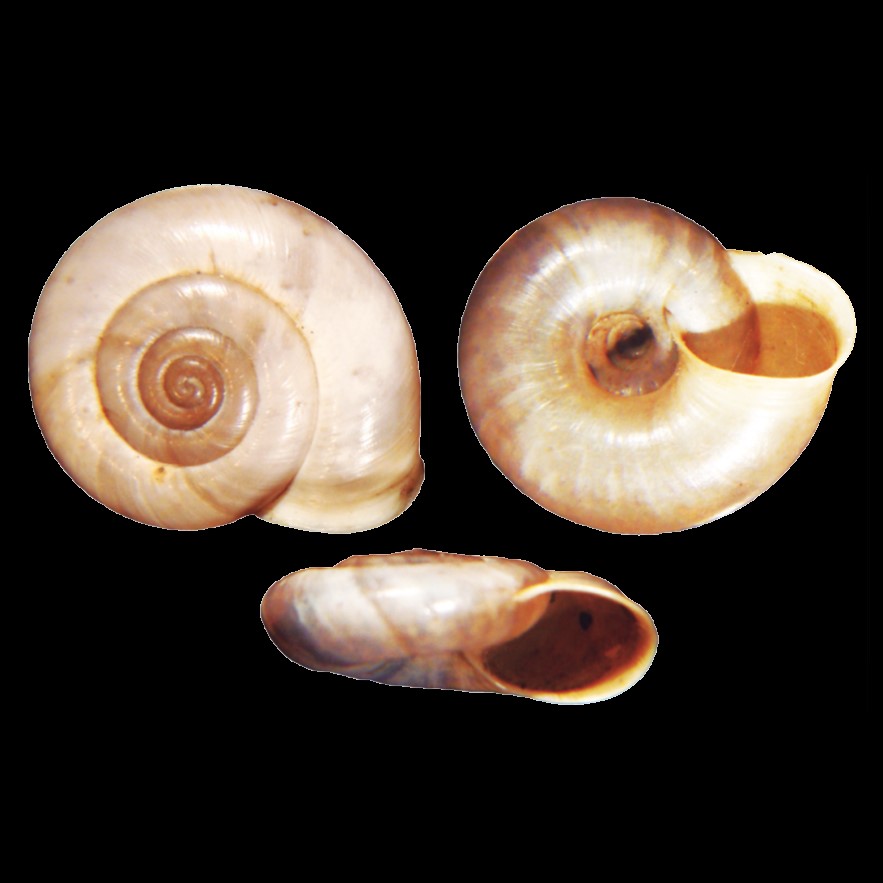
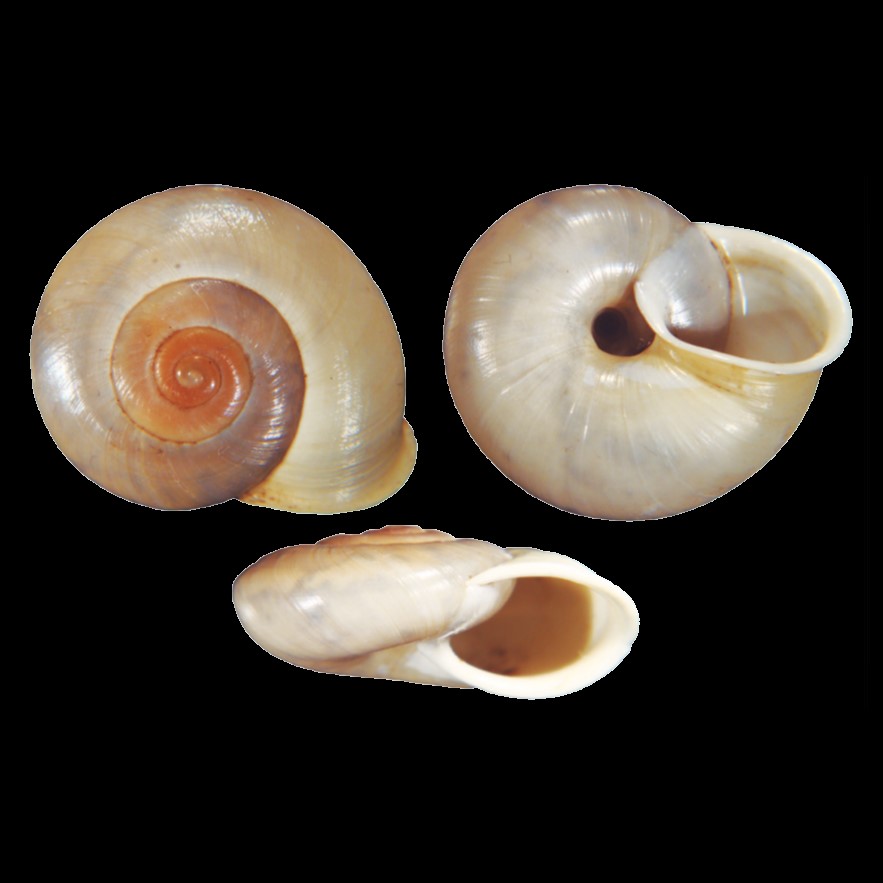
CLASSE: GASTROPODA: TERRESTRE FAMÍLIA: EPIPHRAGMOPHORIDAE ESPÉCIE: Epiphragmophora villavilensis Parodiz, 1955 Tamanho médio: 23 - 27.7 mm Ocorrência: Argentina (Catamarca) Localidade tipo: Argentina, "Catamarca, Dept. Andalgalá, Villavil 1933, M. Gomez leg." Habitat: Espécimes são encontrados em habitats xerofílicos sob rochas ou em fendas profundas de rochas. Embora conchas vazias sejam fáceis de encontrar em rochas ou no solo perto de fendas, espécimes vivos são muito difíceis de encontrar. Eles vivem a maior parte do dia no fundo de fendas estreitas e provavelmente estão ativos apenas durante parte da noite ou em dias chuvosos Nome original: Epiphragmophora villavilensis Parodiz, 1955 Descrição: (Cuezzo, 2006): "Dextral, helicoidal, depressed, semisolid; spire highly depressed; with 4 ½ whorls; body whorl periphery with supraequatorial angle delimiting dorsal and ventral...
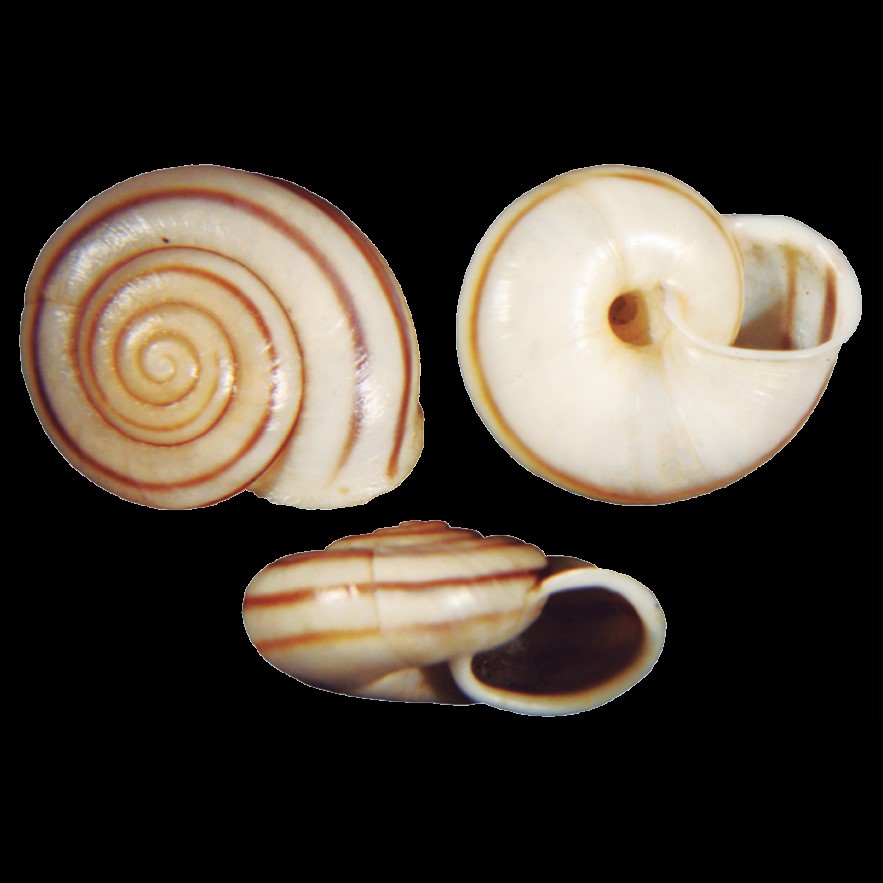
CLASSE: GASTROPODA: TERRESTRE FAMÍLIA: EPIPHRAGMOPHORIDAE ESPÉCIE: Epiphragmophora walshi Cuezzo, 2006 Tamanho médio: 20 - 25 mm Ocorrência: Argentina (Salta) Localidade tipo: Argentina, Salta, "Metán Dept., route 5 road from Lumbrera to Las Víboras, 750 m" Nome original: Epiphragmophora walshi Cuezzo, 2006 Etimologia: o nome da espécie é uma homenagem ao escritor e jornalista argentino Rodolfo Walsh (1927 - 1977) Descrição original: (Cuezzo, 2006): "Dextral, helicoidal, depressed, semisolid; spire highly depressed; with 4 ½ whorls; body whorl periphery with supraequatorial angle delimiting dorsal and ventral regions; periostracum pale yellow brilliant; peripheral pigmented band absent; protoconch smooth; teleochonch with fine axial growth lines, in body whorl more spaced with spiral stria; aperture subquadrate with reflexed thin, peristome; body whorl not descending behind aperture; umbilicus...
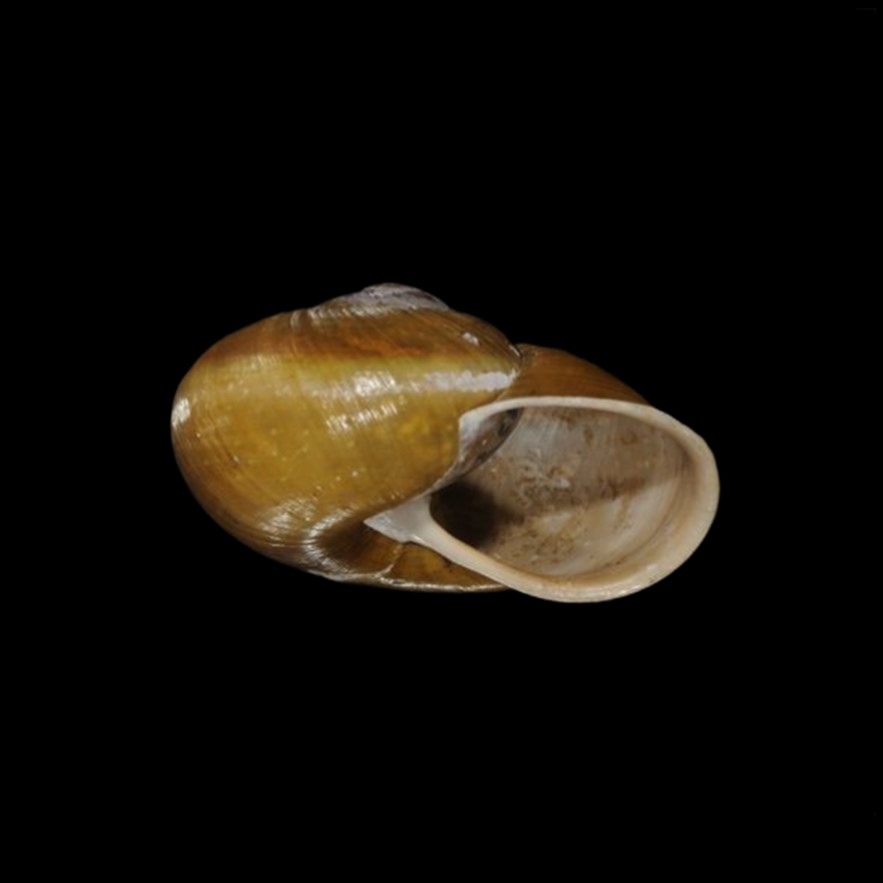

CLASSE: GASTROPODA: TERRESTRE FAMÍLIA: EPIPHRAGMOPHORIDAE ESPÉCIE: Epiphragmophora webbi Pilsbry, 1932 Tamanho médio: 35 mm Ocorrência: Peru (Jauja) Localidade tipo: Peru, Jauja, Maraynioc Altitude: 3000 m Nome original: Epiphragmophora webbi Pilsbry, 1932 Sinônimos: Epiphragmophora (Epiphragmophora) webbi Pilsbry, 1932 Etimologia: o nome da espécie é uma homenagem ao ornitologista e malacólogo norte americano Walter Freeman Webb (1869 – 1957) Fotos: (1-3): The Academy of Natural Sciences, Philadelphia: HOLOTYPE de Epiphragmophora webbi, ANSP 159752, Peru, Jauja, Maraynioc, 10000 ft, near Tarma, eastern Cordillera, coll. Walter F. Webb Fontes: Descrição original: Pilsbry, H. A. (1932). South American land and freshwater mollusks, 8. Collections of the Carriker-Roberts Peruvian expedition of 1932. Proceedings of the Academy of Natural Sciences of Philadelphia. 84: 387-402. página(s): 388 Ramírez, R.; Paredes,...
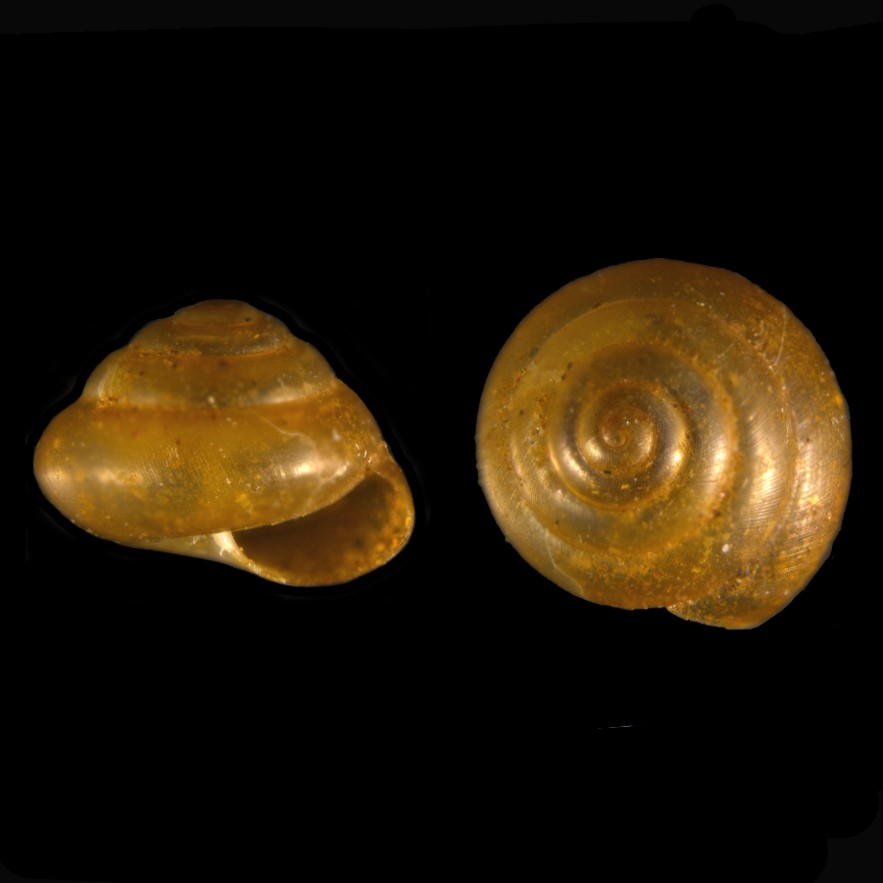
CLASSE: GASTROPODA: TERRESTRE FAMÍLIA: EUCONULIDAE ESPÉCIE: Euconulus martinezi (Hidalgo, 1869) Tamanho médio: 2 mm Distribuição: Brasil (Bahia) Localidade tipo: "Bahia, imperii Brasiliani" Nome original: Helix martinezi Hidalgo, 1869 Etimologia: o nome da espécie é uma homenagem ao zoólogo espanhol Francisco de Paula Martinez y Sáez (1835–1908). Martinez concluiu os seus estudos de ciências naturais em 1857 em Madrid e trabalhou no Museo Nacional de Ciencias Naturales, encarregado das coleções de vertebrados. Foi professor de mineralogia e botânica na Universidade Central de Madrid durante 1861–1862 e professor catedrático de história natural no instituto de Teruel. Em 1862, Martinez foi nomeado membro da Comisión Científica del Pacifíco (CCP) Fotos: (1) Breure & Araújo, 2017: Museo Nacional de Ciencias Naturales, Madrid: SYNTYPE de Euconulus martinezi,...
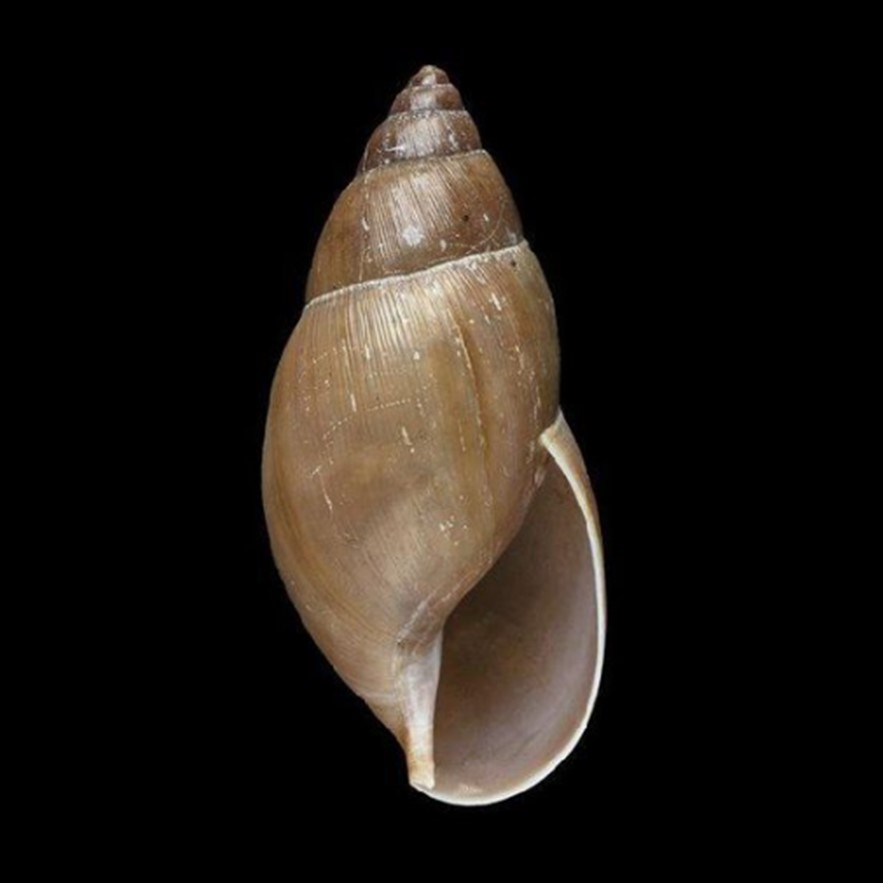
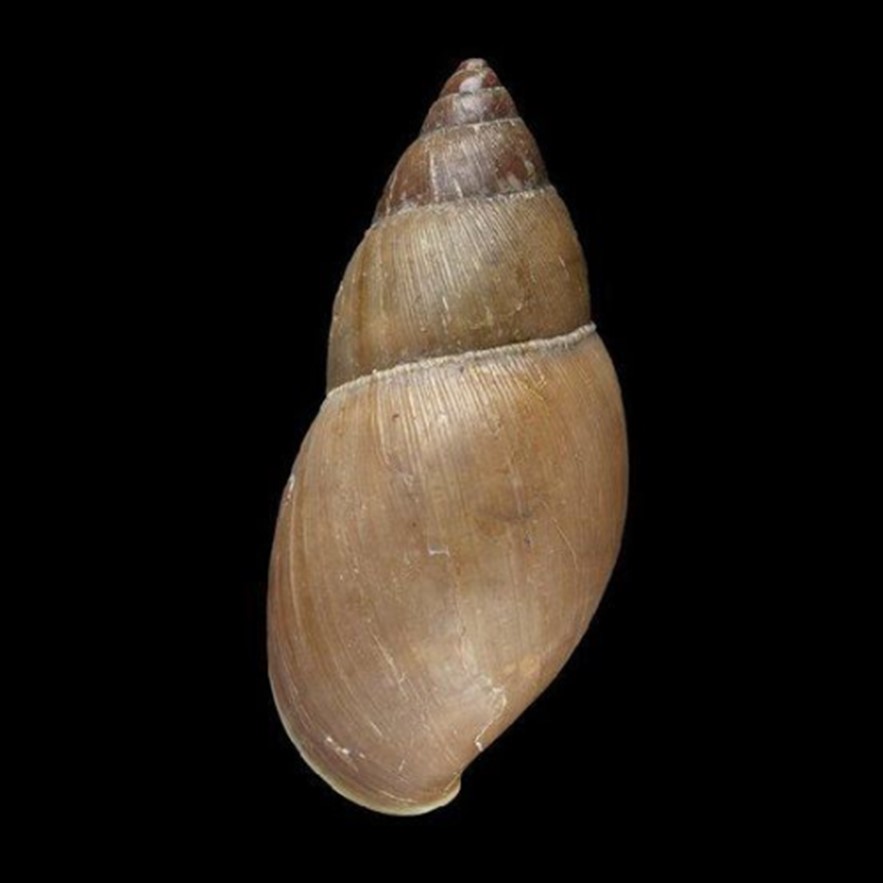
CLASSE: GASTROPODA: TERRESTRE FAMÍLIA: SPIRAXIDAE ESPÉCIE: Euglandina aequatoria (S. I. da Costa, 1900) Tamanho médio: 59 mm Alimentação: carnívoro Ocorrência: Equador Localidade tipo: Equador, Peramba Comentários: a localidade tipo pode ser um erro ortográfico para Paramba, uma fazenda perto de Ibarra em Prov. Imbabura Nome original: Glandina aequatoria S. I. da Costa, 1900 Etimologia: o nome da espécie é uma referência à localidade tipo Fotos: (1,2) Natural History Museum, London: HOLOTYPE de Euglandina aequatoria (S. I. da Costa, 1900), NHMUK 1907.11.21.107, Equador, 59 mm Fontes: Descrição original: (como Glandina aequatoria S. I. da Costa, 1900) Da Costa, S. I. (1900). Descriptions of new species of land-shells from Central and South America. Proceedings of the Malacological Society of London. 4: 66-67,...
CLASSE: GASTROPODA: TERRESTRE FAMÍLIA: SPIRAXIDAE ESPÉCIE: Euglandina altispira Weyrauch, 1960 Tamanho médio: nd Alimentação: carnívoro Ocorrência: Peru Localidade tipo: Peru, "N-Peru (interandin, in einem westlichen Zuflußtale des Maranon): Am Maultierweg von Sócata nach San Andrés, 25km NE Cuterva (2400m)" Altitude: 2400 m Nome original: Euglandina altispira Weyrauch, 1960 Comentários: o HOLOTYPE está depositado no Forschungsinstitut und Naturmuseum Senckenberg, Frankfurt: SMF 162003 Fotos: (1,2) nd Fontes: Descrição original: Weyrauch, W. K. (1960). Zwanzig neue Landschnecken aus Peru. Archiv für Molluskenkunde. 89 (1/3): 23-48, pl. 3-6. Frankfurt am Main. página(s): 25 Ramírez, R.; Paredes, C.; Arenas, J. (2003). Moluscos del Perú. Revista de Biologia Tropical. 51(supplement 3): 225-284 Senckenberg. Collection Mollusca SMF. Occurrence dataset https://doi.org/10.15468/ohuexz accessed via GBIF.org on...
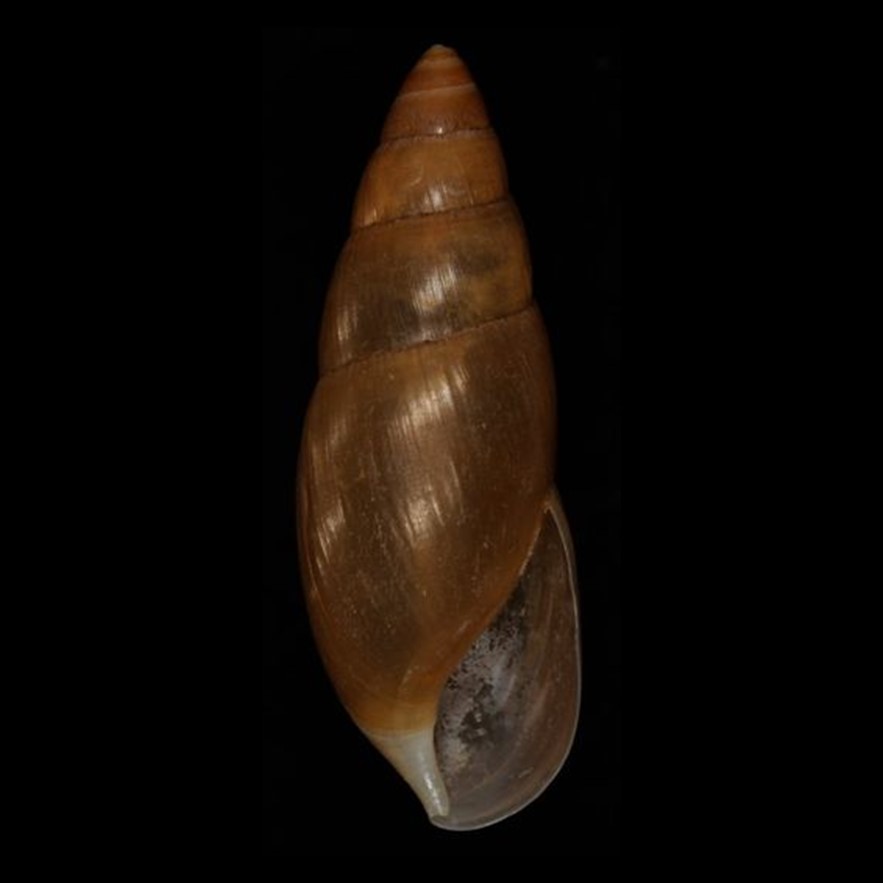
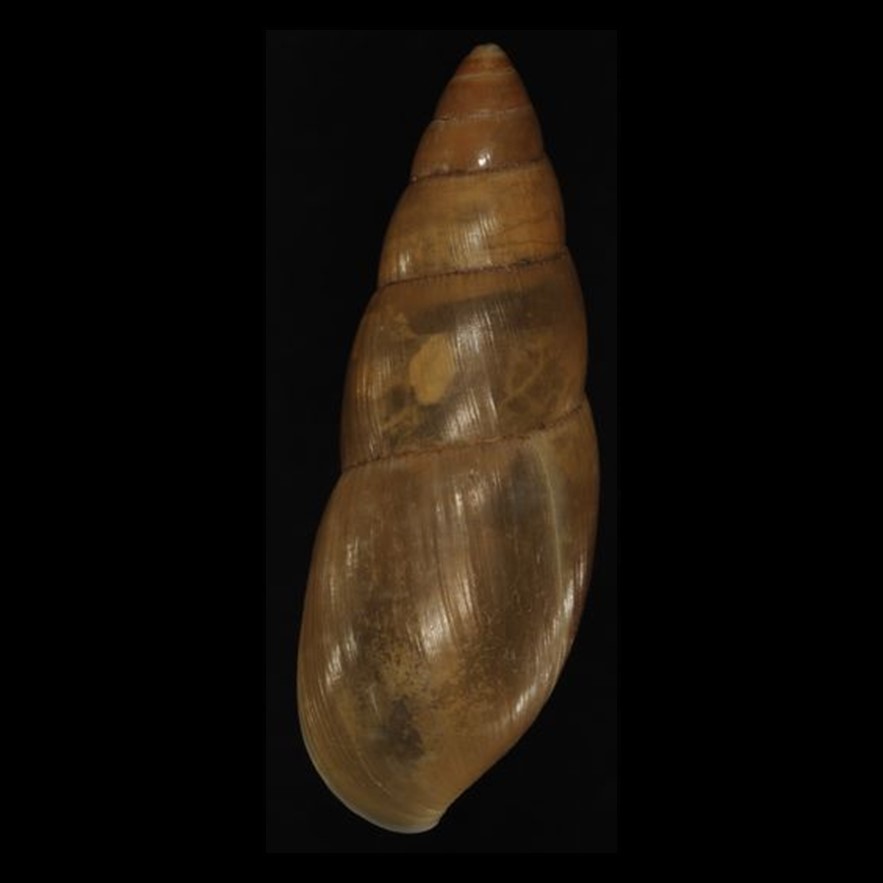
CLASSE: GASTROPODA: TERRESTRE FAMÍLIA: SPIRAXIDAE ESPÉCIE: Euglandina apolinari Pilsbry, 1935 Tamanho médio: 45 mm Alimentação: carnívoro Ocorrência: Colômbia (Cundimarca) Localidade tipo: Colômbia, "Eastern slope of the Cordillera de Bogotá" Nome original: Euglandina apolinari Pilsbry, 1935 Etimologia: o nome da espécie é uma homenagem ao padre e naturalista colombiano Hermano Apolinar Maria (1867-1949) Fotos: (1-3) The Academy of Natural Sciences, Philadelphia: HOLOTYPE ANSP 164580, "Eastern slope of the Cordillera of Bogota", coll. Hermano Apolinar Maria Fontes: Descrição original: Pilsbry, H. A. (1935). South American land and freshwater mollusks. 9. Colombian species. Proceedings of the Academy of Natural Sciences of Philadelphia. 87: 83-88. página(s): 87, pl. 6, fig. 15 Linares, E. L. & Vera M. L. (2012). Catálogo de los Moluscos Continentales de...
CLASSE: GASTROPODA: TERRESTRE FAMÍLIA: SPIRAXIDAE ESPÉCIE: Euglandina assimilis (Reeve, 1849) Tamanho médio: 52 mm Alimentação: carnívoro Ocorrência: Venezuela Localidade tipo: não informado Nome original: Achatina assimilis Reeve, 1849 Sinônimos: Oleacina (Boltenia) assimilis (Reeve, 1849); Oleacina assimilis (Reeve, 1849) Comentários: o SYNTYPE de Euglandina assimilis (Reeve, 1849) está depositado no Natural History Museum (London), NHMUK 20240346 Fotos: (1,2) nd Fontes: Descrição original: (como Achatina assimilis Reeve, 1849) Reeve, L. A. (1849-1850). Monograph of the genus Achatina. In: Conchologia Iconica, or, illustrations of the shells of molluscous animals, volume 5: pl. 1-23 and unpaginated text. L. Reeve & Co., London. [stated dates: pls 1-8, Feb. 1849; 9-13, Mar. 1849; 14, Apr. 1849; 15, 16, May 1849; 17-19, Jun. 1849; 20-23, Mar. 1850], disponível online em https://www.biodiversitylibrary.org/page/8967091 página(s):...
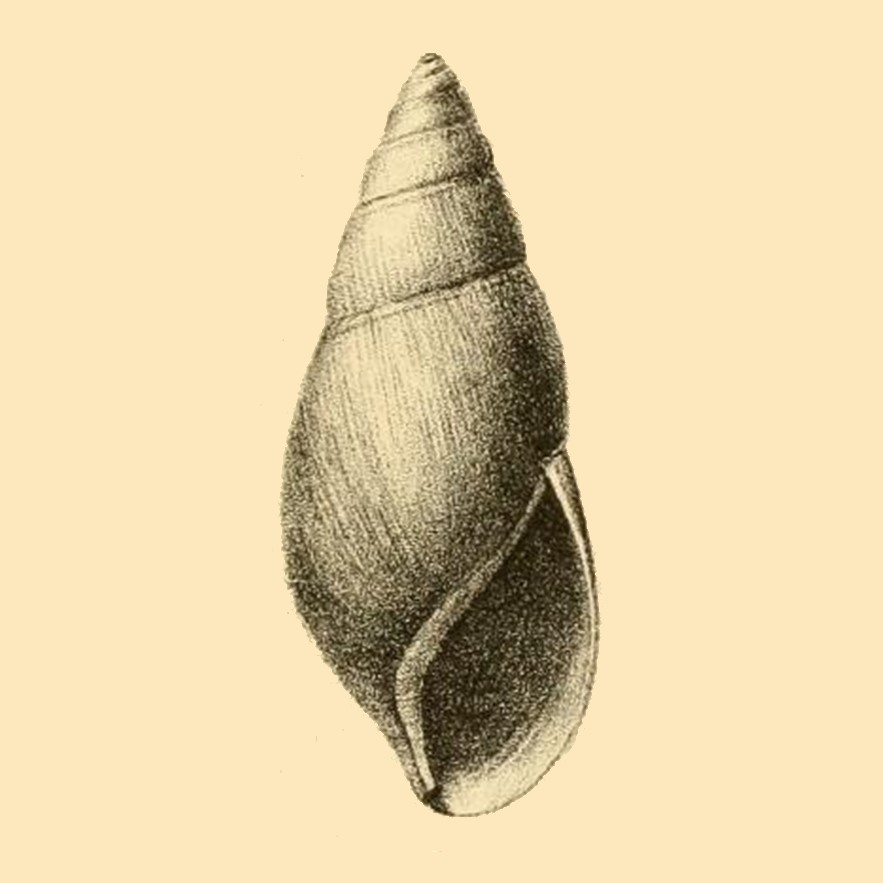
CLASSE: GASTROPODA: TERRESTRE FAMÍLIA: SPIRAXIDAE ESPÉCIE: Euglandina bogotensis (Da Costa, 1904) Tamanho médio: 51 mm Alimentação: carnívoro Ocorrência: Colômbia (Cauca, Chocó, Córdoba, Cundimarca, Magdalena, Meta, Nariño, Santander, Sucre, Valle del Cauca) Localidade tipo: Colômbia, Bogotá Nome original: Glandina bogotensis, Da Costa, 1904 Comentários: os SYNTYPES estão depositados no Natural History Museum, London: NHMUK 1907.11.21.108-109 Descrição original: (Da Costa, 1904): "Testa fusiformis, crassiuscula, nitida, purpurascenti-castanea; spira elongata; anfractus septem, convexiusculi, longitudinaliter creberrime plicato-striati, sub lente minute transversim striati, ad suturam subtiliter crenulati, et anguste marginati; columella fere recta, albida, couspicue truncata ; apertura parviuscula, purpurascenticastanea; labrum pallidum, ad marginem subincrassatum." Fotos: (1) da Costa, S. I. (1904), plate I, figura 5, desenho original, editado Fontes: Descrição original:...
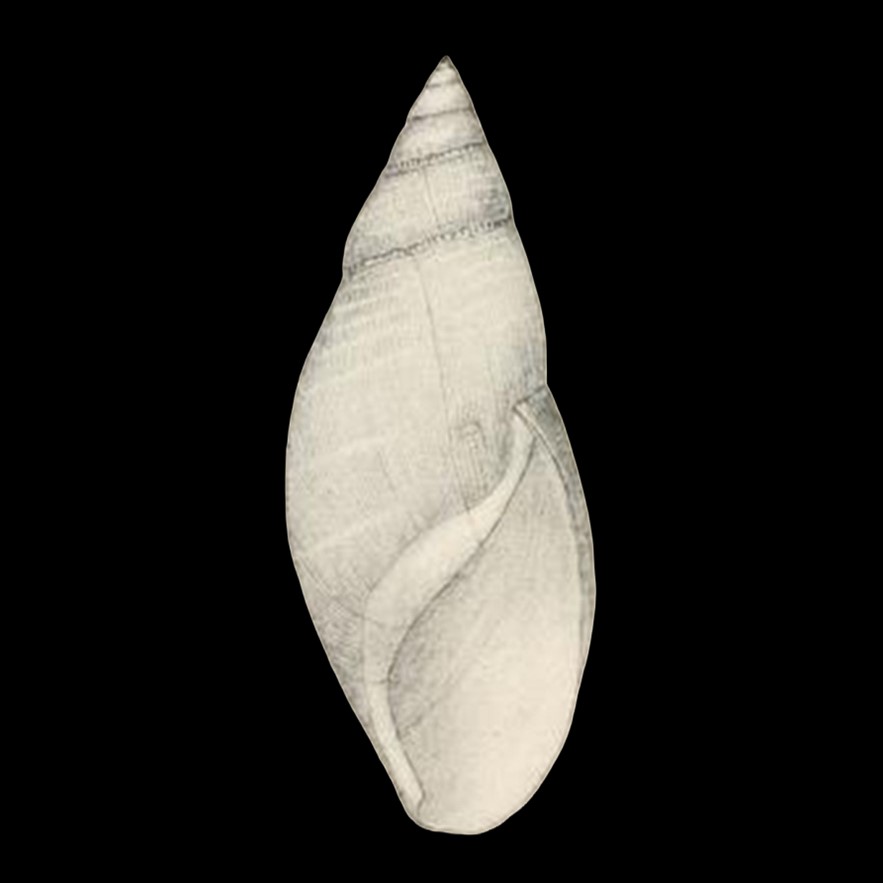
CLASSE: GASTROPODA: TERRESTRE FAMÍLIA: SPIRAXIDAE ESPÉCIE: Euglandina callista (Pilsbry & G. H. Clapp, 1902) Tamanho médio: 68.5 mm Alimentação: carnívoro Ocorrência: Colômbia (Magdalena) Localidade tipo: Colômbia, Magdalena, "Santa Marta Mts. at Valparaiso, in forest at 4500ft elevation" (H.H. Smith) Altitude: 1500 m Nome original: Glandina callista Pilsbry & G. H. Clapp, 1902 Sinônimos: Euglandina (Euglandina) callista (Pilsbry & G. H. Clapp, 1902) Comentários: o HOLOTYPE está depositado no Carnegie Museum of Natural History, CM 62.38673, coll. Smith, Herbert H., 1900 Fotos: (1) Pilsbry, H. A. & Clapp, G. H. (1902), plate 7, figura 7, desenho original editado Fontes: Descrição original: (como Glandina callista Pilsbry & G. H. Clapp, 1902) Pilsbry, H. A. & Clapp, G. H. (1902). New land...
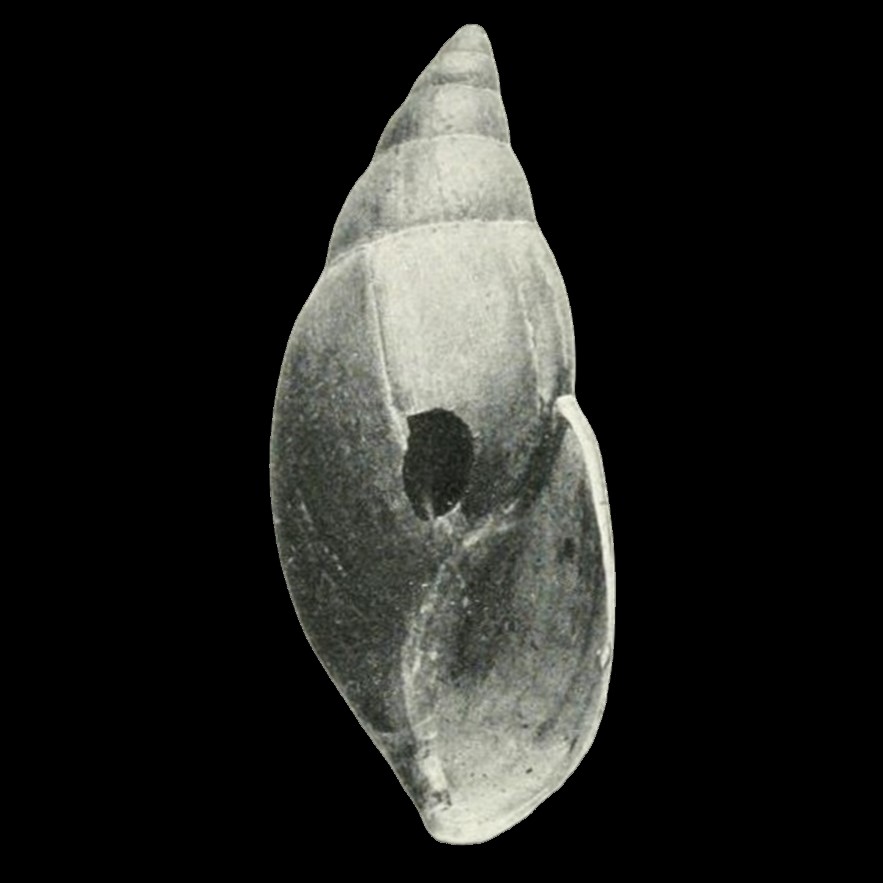
CLASSE: GASTROPODA: TERRESTRE FAMÍLIA: SPIRAXIDAE ESPÉCIE: Euglandina chanchamayoensis (Preston, 1909) Tamanho médio: 68 mm Alimentação: carnívoro Ocorrência: Peru Localidade tipo: Peru, Chanchamayo Nome original: Glandina chanchamayoensis Preston, 1909 Etimologia: o nome da espécie é uma referência à localidade tipo Descrição original: (Preston, 1909): "Shell fusiform, pale flesh-colour; whorls 64, somewhat flattened, regularly increasing in size, coarsely, transversely striate, with lines of growth and sculptured with fine, spiral strize, presenting a decussate appearance; sutures impressed, narrowly ‘margined, crenulate; columella curved, rather abruptly truncate; peristome simple, whitish ; aperture elongately, inversely auriform." Fotos: (1) Preston, H. B. (1909), plate 10, figura 7 Fontes: Descrição original: (como Glandina chanchamayoensis Preston, 1909) Preston, H. B. (1909). New land, freshwater, and marine shells from...
CLASSE: GASTROPODA: TERRESTRE FAMÍLIA: SPIRAXIDAE ESPÉCIE: Euglandina cucutensis Pilsbry, 1939 Tamanho médio: nd Alimentação: carnívoro Ocorrência: Colômbia (Antioquia, Norte de Santander) Localidade tipo: Colômbia, Cúcuta (P. Nicéforo, M.) Nome original: Euglandina cucutensis Pilsbry, 1939 Comentários: o LECTOTYPE está depositado na Academy of Natural Sciences of Philadelphia, ANSP 168434 Fotos: (1,2) nd Fontes: Descrição original: Pilsbry, H. A. (1939). South American land and freshwater mollusks, X. Species of Colombia and Ecuador. Notulae Naturae. 19: 1-6. página(s): 5 Linares, E. L. & Vera M. L. (2012). Catálogo de los Moluscos Continentales de Colombia. Bogotá: Universidad Nacional de Colombia. 360 pp. página(s): 222 Rosenberg G (2026). Malacology Collection at the Academy of Natural Sciences of Philadelphia. Academy of Natural Sciences. Occurrence...
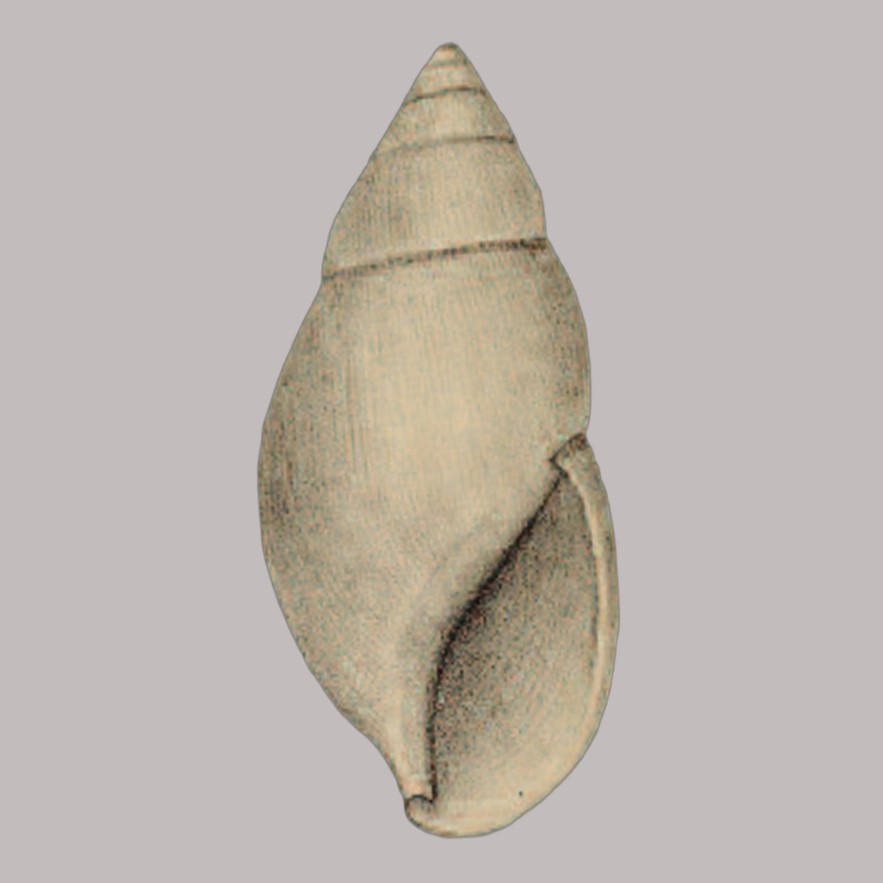
CLASSE: GASTROPODA: TERRESTRE FAMÍLIA: SPIRAXIDAE ESPÉCIE: Euglandina ecuadoriana (K. Miller, 1878) Tamanho médio: 54 mm Alimentação: carnívoro Ocorrência: Equador (Pichincha) Localidade tipo: Equador, Pichincha, "rio Pilatón valley" Nome original: Glandina ecuadoriana K. Miller, 1878 Etimologia: o nome da espécie é uma referência à localidade tipo Fotos: (1) Miller, K. (1878), plate 7, figura 1, desenho original, editado Fontes: Descrição original: (como Glandina ecuadoriana K. Miller, 1878) Miller, K. (1878). Die Binnenmollusken von Ecuador. Malakozoologische Blätter. 25: 153-199., disponível online em https://www.biodiversitylibrary.org/page/15855524 página(s): 159, pl. 7, fig. 1 Breure, A. S. H., Roosen, M. T. & Ablett, J. D. (2022). Land and freshwater molluscs of mainland Ecuador: an illustrated checklist. Iberus. 40(1): 1-290. página(s): 201, figs. 266, 269 MolluscaBase: https://www.molluscabase.org/aphia.php?p=taxdetails&id=1578457
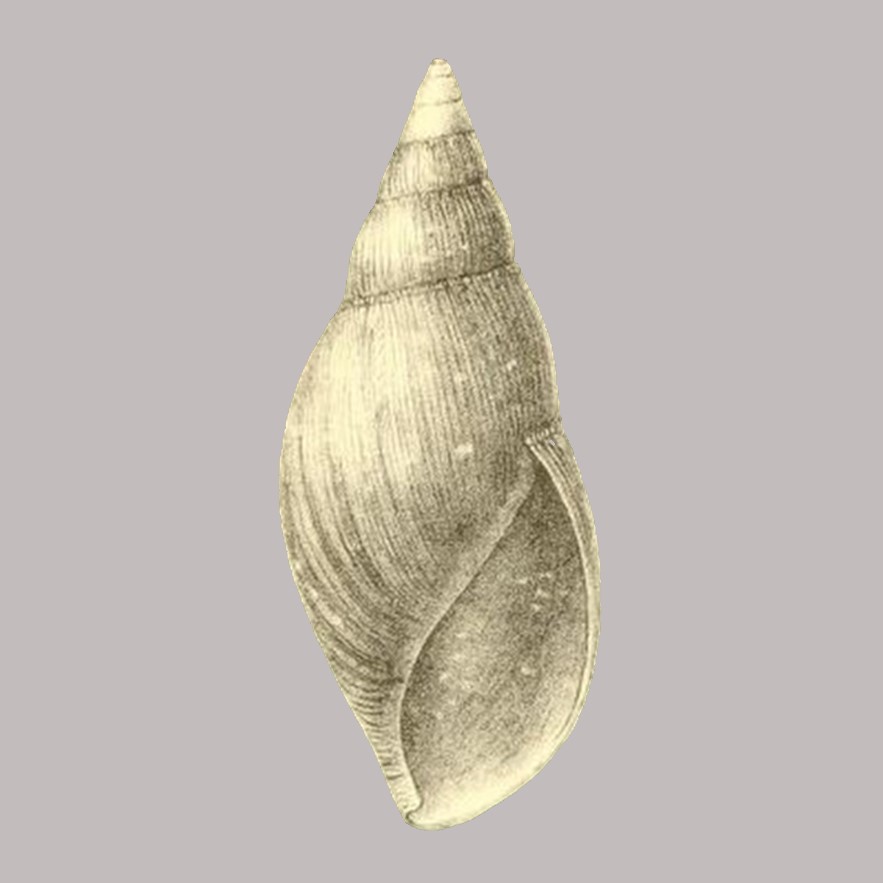
CLASSE: GASTROPODA: TERRESTRE FAMÍLIA: SPIRAXIDAE ESPÉCIE: Euglandina floccata (S. I. da Costa, 1900) Tamanho médio: 89 mm Alimentação: carnívoro Ocorrência: Colômbia (Quindío, Valle del Cauca) Localidade tipo: Colômbia, "La Armenia, near Bogotá" Nome original: Glandina floccata S. I. da Costa, 1900 Comenários: o SYNTYPE depositado no Natural History Museum, London, NHMUK 1907.11.21.103 Fotos: (1) Da Costa, S. I. (1900), plate 7, figura 3, desenho original editado, Colômbia, La Armenia, near Bogota, 89 mm Fontes: Descrição original: (como Glandina floccata S. I. da Costa, 1900) Da Costa, S. I. (1900). Descriptions of new species of land-shells from Central and South America. Proceedings of the Malacological Society of London. 4: 66-67, pl. 7., disponível online em https://www.biodiversitylibrary.org/page/15797990 página(s): 67, pl. 7, fig....
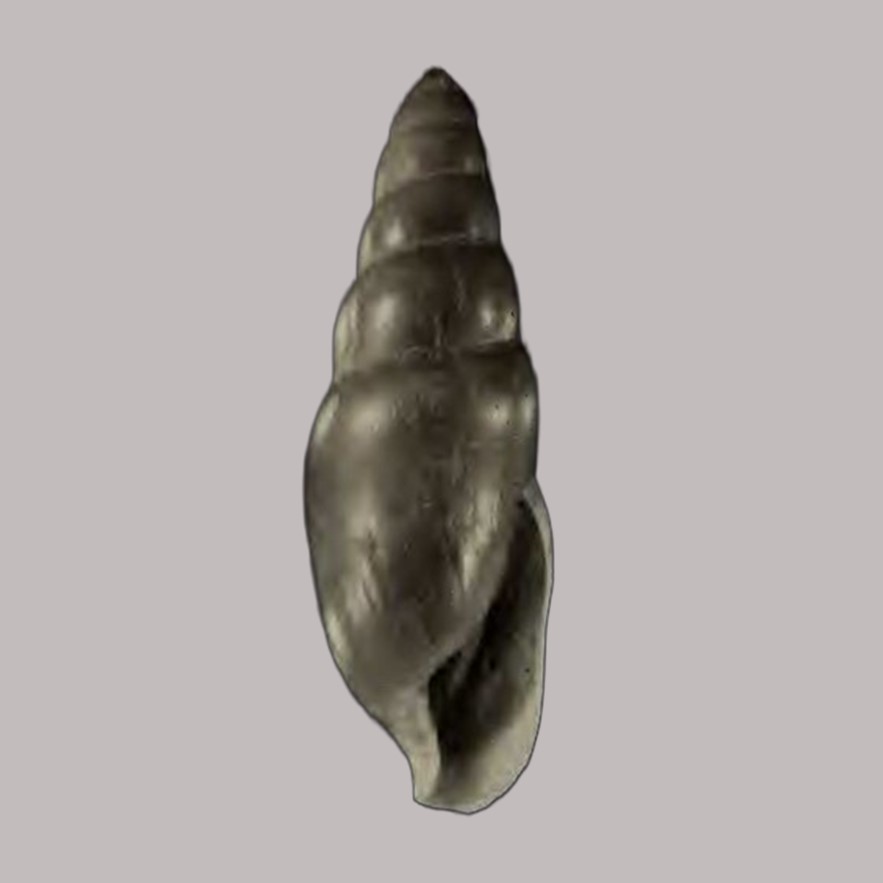
CLASSE: GASTROPODA: TERRESTRE FAMÍLIA: SPIRAXIDAE ESPÉCIE: Euglandina haasi F. G. Thompson, 1982 Tamanho médio: 47 mm Alimentação: carnívoro Ocorrência: Peru (Cajamarca) Localidade tipo: Peru, "5 km WSW Balsas, 1220m. (Balsas is a small village on the Rio Maranon in the Depto. Amazonas, 54 km. ENE Cajamarca)" Nome original: Euglandina haasi F. G. Thompson, 1982 Etimologia: o nome da espécie é uma homenagem ao malacologista alemão radicado nos EUA, Fritz Haas (1886–1969), curador da Malcologia no Chicago Natural History Museum Fotos: (1) Thompson, F. G. (1982), figura 1, editada, HOLOTYPE UF 36122 Figura: Thompson, F. G. (1982): Florida Museum of Natural History, HOLOTYPE UF 36122-Mollusca, coll. Thompson, Fred, 24.iv.1972, 46.8 mm Fontes: Descrição original: Thompson, F. G....
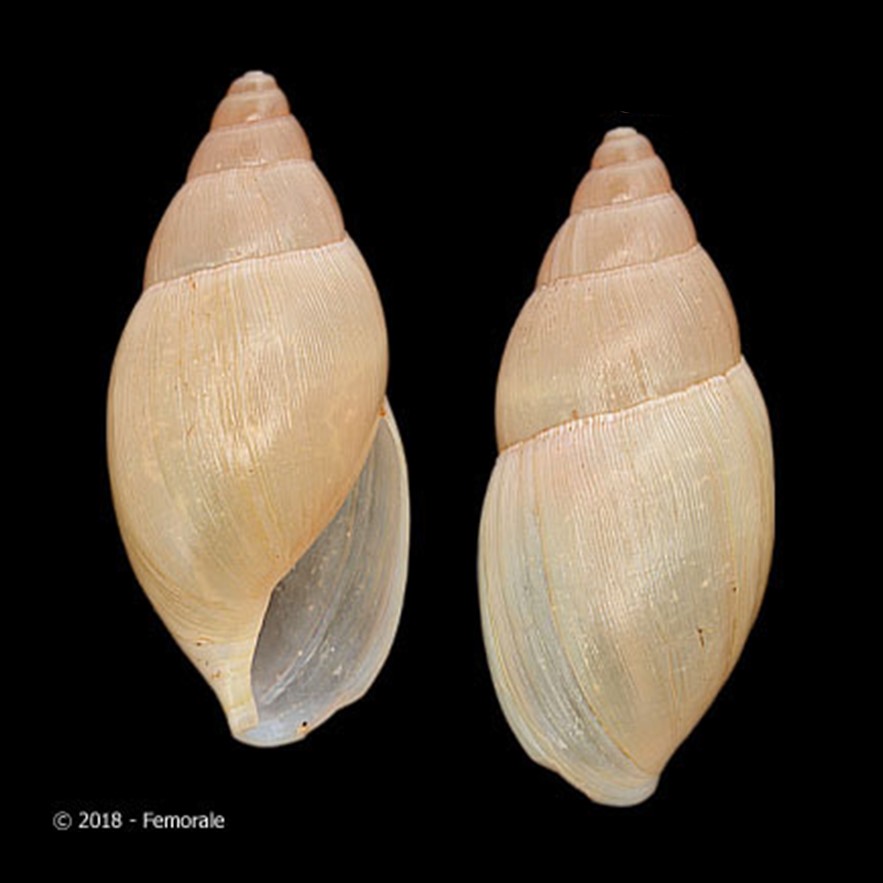
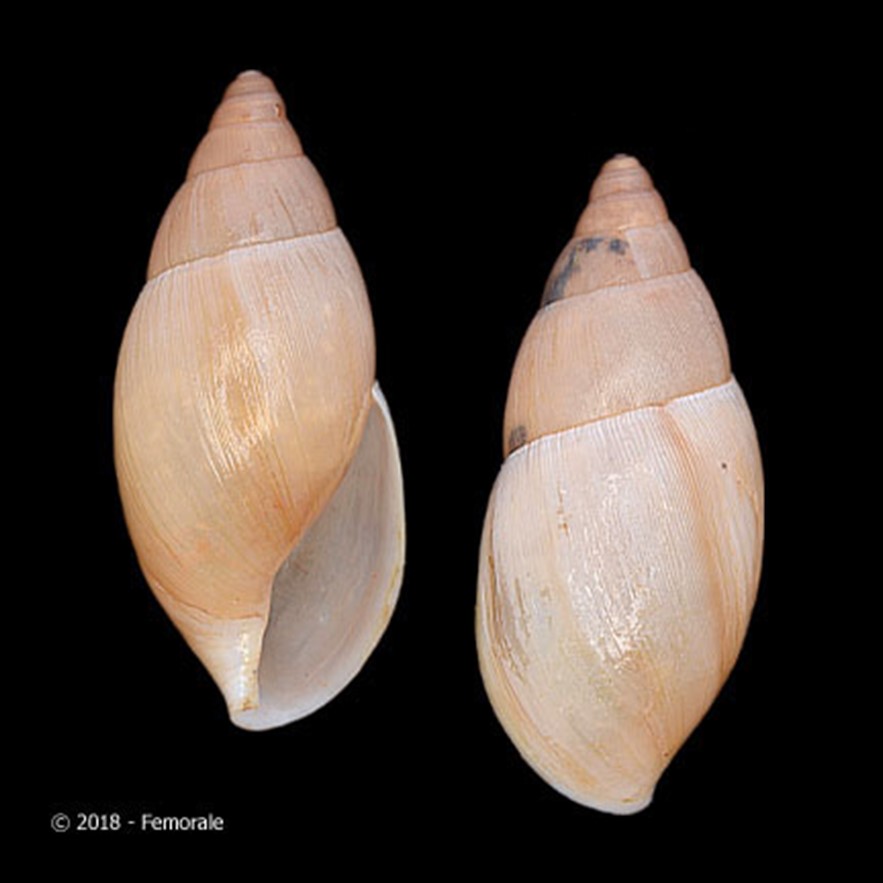
CLASSE: GASTROPODA: TERRESTRE FAMÍLIA: SPIRAXIDAE ESPÉCIE: Euglandina irakita Jardim, Abbate & Simone, 2013 Tamanho médio: 40 mm Habitat: em meio à vegetação, próxima ao solo Alimentação: provavelmente carnívora Ocorrência: Brasil (Pará) Localidade tipo: Brasil, Pará, Floresta Nacional Tapirapé-Aquiri Nome original: Euglandina irakita Jardim, Abbate & Simone, 2013 Etimologia: o nome da espécie deriva da palavra na Língua nativa Tupy "irakita", que significa "pequeno" (little), euma referência ao pequeno tamanho do animal Fotos: cortesia Femorale, 2018, Brasil, Pará, 40mm Figura: Jardim, J.A., Abbate, D & Simone, L.R.L. (2013): HOLOTYPE Museu de Zoologia de São Paulo; MZSP 97238, 39.2mm Fontes: Descrição original: Jardim, J.A., Abbate, D & Simone, L.R.L. (2013). A new species of Euglandina (Pulmonata, Spiraxidae) from Brazil. Journal...
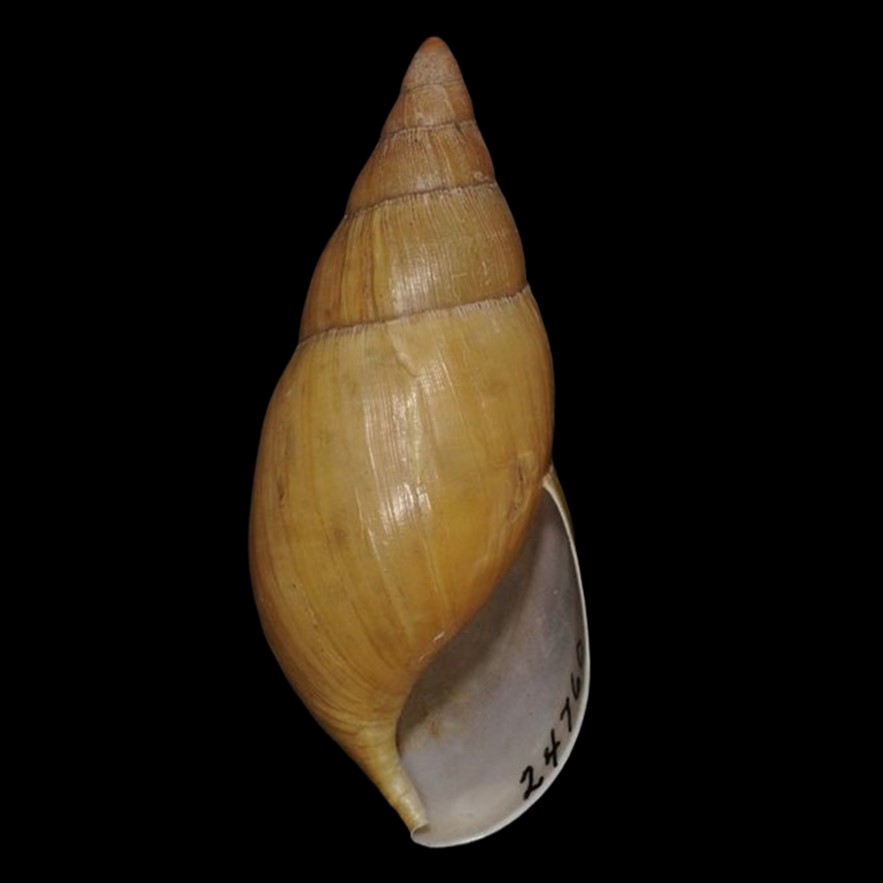
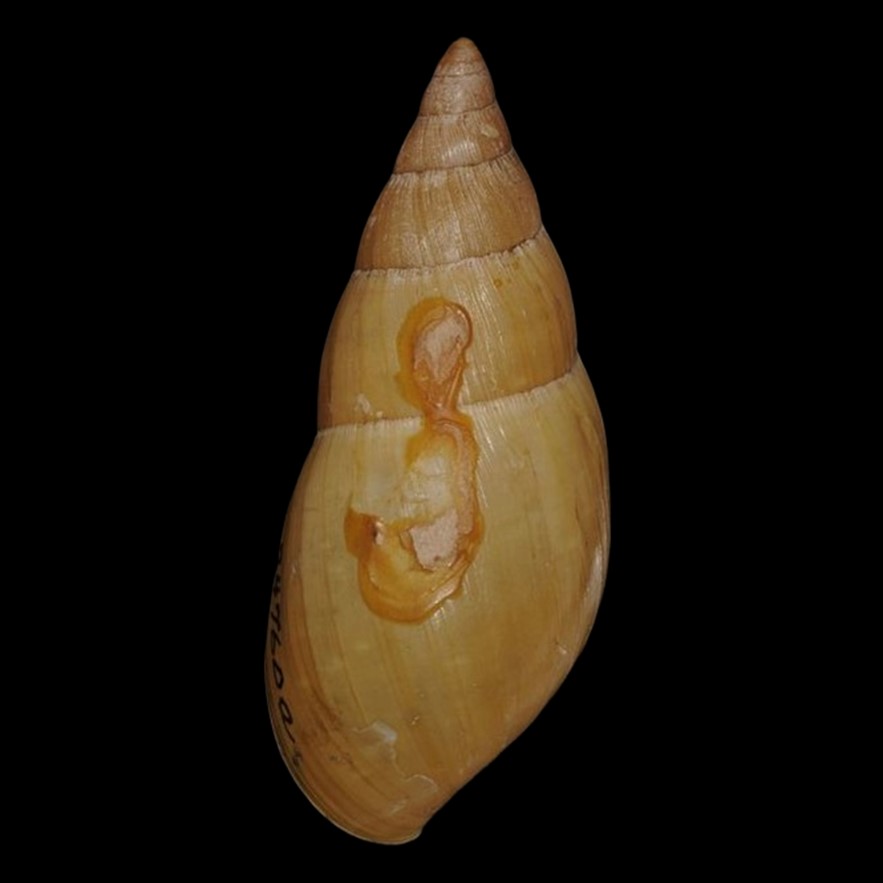
CLASSE: GASTROPODA: TERRESTRE FAMÍLIA: SPIRAXIDAE ESPÉCIE: Euglandina plicatula (L. Pfeiffer, 1851) Tamanho médio: 77 mm Alimentação: carnívoro Ocorrência: Venezuela, Colômbia (Antioquia, Atlántico, Cundimarca, Magdalena, Norte de Santander) Localidade tipo: "in Andibus Novae Granadae" Nome original: Achatina plicatula L. Pfeiffer, 1851 Sinônimos: Euglandina (Euglandina) plicatula (L. Pfeiffer, 1851); Glandina plicatula (L. Pfeiffer, 1851); Oleacina plicatula (L. Pfeiffer, 1851) Fotos: (1-3) The Academy of Natural Sciences, Philadelphia: Euglandina plicatula (L. Pfeiffer, 1851), ANSP 24760, Venezuela, "mountains between Puerto Cabello and Valencia", coll. Starke, C. F., 76.8 mm Fontes: Descrição original: como (Achatina plicatula L. Pfeiffer, 1851) Pfeiffer, L. (1853). Description of fifty-four new species of Helicea, from the collection of Hugh Cuming, Esq. Proceedings of the Zoological Society of London. 19: 252-256 [16 July 1853]; 257-263...
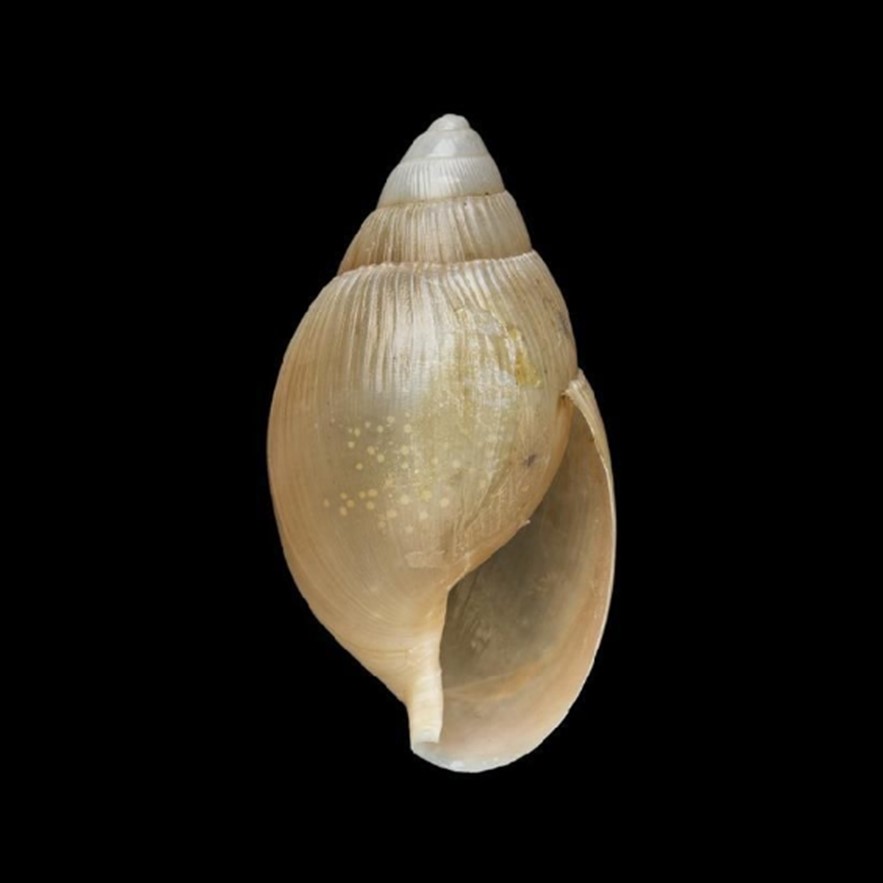
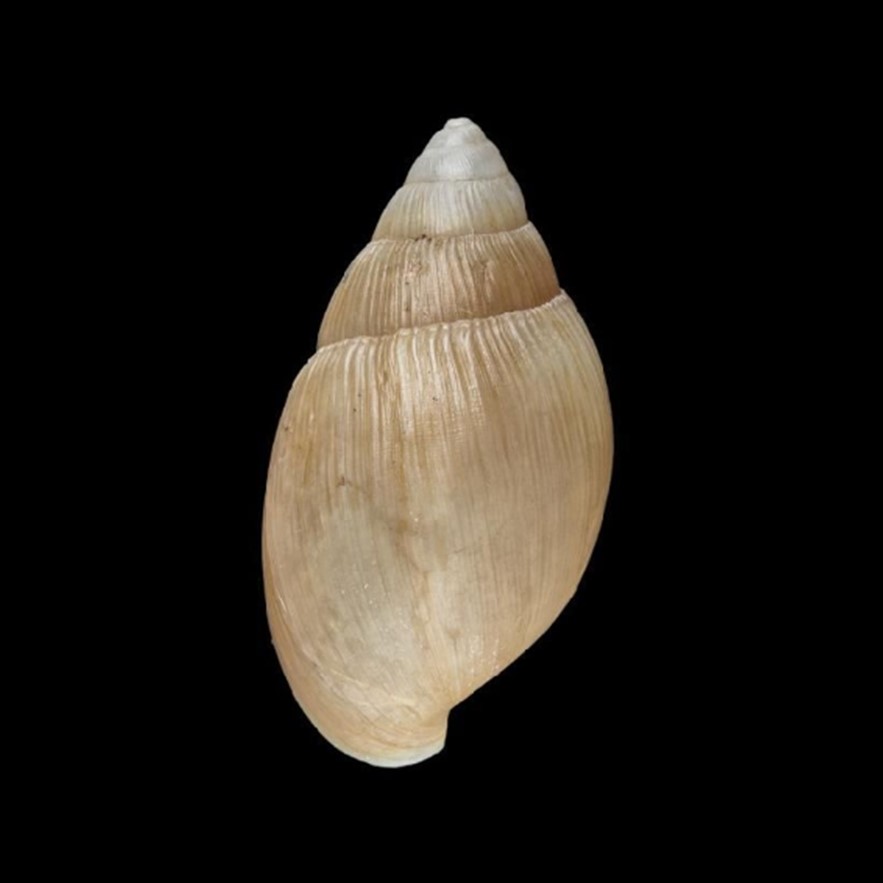
CLASSE: GASTROPODA: TERRESTRE FAMÍLIA: SPIRAXIDAE ESPÉCIE: Euglandina saccata (L. Pfeiffer, 1861) Tamanho médio: 41 mm Alimentação: carnívoro Ocorrência: Equador (Loja, Pichincha) Localidade tipo: "Respublica [sic] aequatoris" Nome original: Oleacina saccata L. Pfeiffer, 1861 Fotos: (1-3) Natural History Museum, London: SYNTYPE de Euglandina saccata (L. Pfeiffer, 1861), NHMUK 20190601 Fontes: Descrição original: como (Oleacina saccata L. Pfeiffer, 1861) Pfeiffer, L. (1861). Descriptions of forty-seven new species of land-shells, from the collection of H. Cuming, Esq. Proceedings of the Zoological Society of London. 29(2): 20–29, pls 2–3. London [30 May]., disponível online em https://biodiversitylibrary.org/page/28672456 página(s): 26 Breure, A. S. H., Roosen, M. T. & Ablett, J. D. (2022). Land and freshwater molluscs of mainland Ecuador: an illustrated checklist. Iberus. 40(1): 1-290. página(s): 202,...
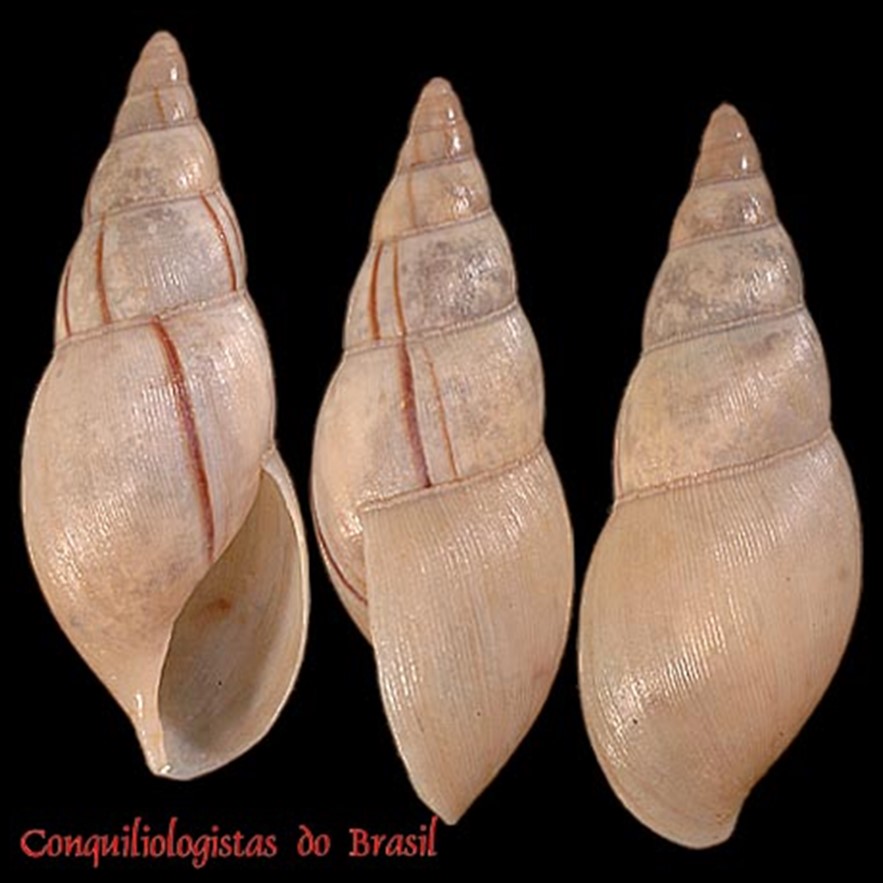
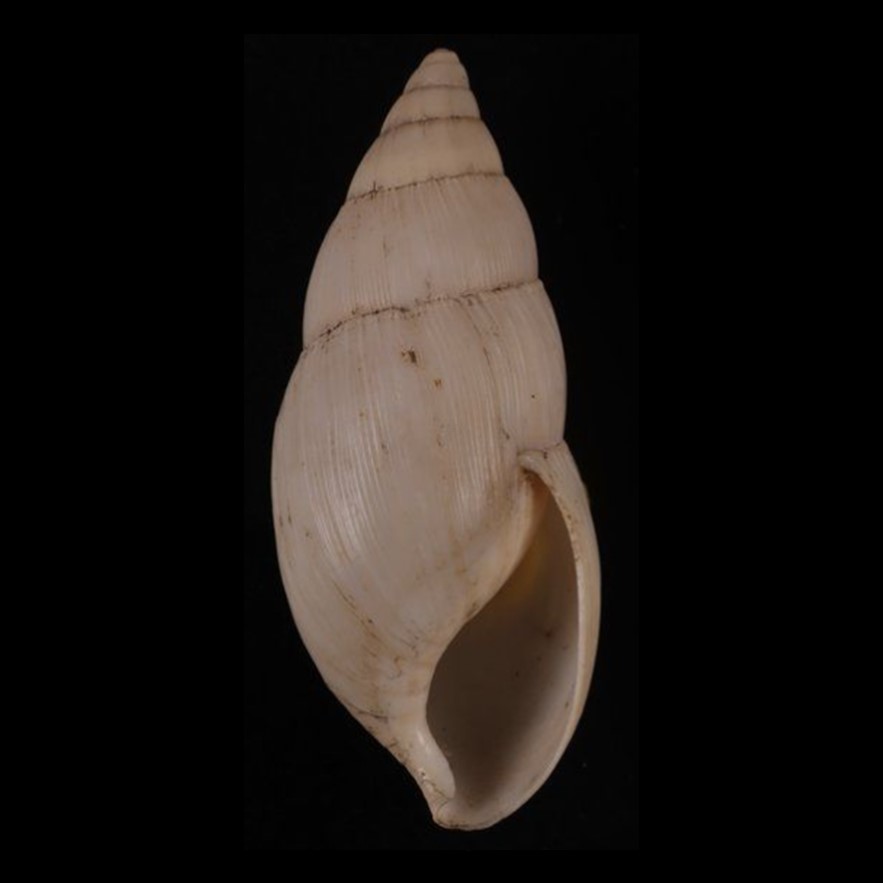
CLASSE: GASTROPODA: TERRESTRE FAMÍLIA: SPIRAXIDAE ESPÉCIE: Euglandina striata (O. F. Müller, 1774) Tamanho médio: 55 - 65 mm Habitat: vive no solo, sob folhas ou enterrada parte do tempo Ocorrência: Suriname, Guiana, Brasil (Rondônia, Amazonas), Colômbia (Antioquia, Bolívar, Caldas, Cauca, Chocó, Cundimarca, Nariño, Norte de Santander, Valle del Cauca), Equador (Guayas, Manabí, Pichincha, Santo Domingo de los Tsáchilas), Panamá Nome original: Buccinum striatum O. F. Müller, 1774 Sinônimos: Achatina dactylus Broderip, 1832; Euglandina (Euglandina) dactylus (Broderip, 1832); Euglandina (Euglandina) striata (O. F. Müller, 1774); Euglandina dactylus (Broderip, 1832) Fotos: (1) Serra do Navio, Amapá, 62mm, coll. Carlos Henckes; (2,3) HOLOTYPE de Euglandina striata (O. F. Müller, 1774), Natural History Museum of Denmark: HOLOTYPE NHMD 229774 Fontes: Descrição original: (como Buccinum...
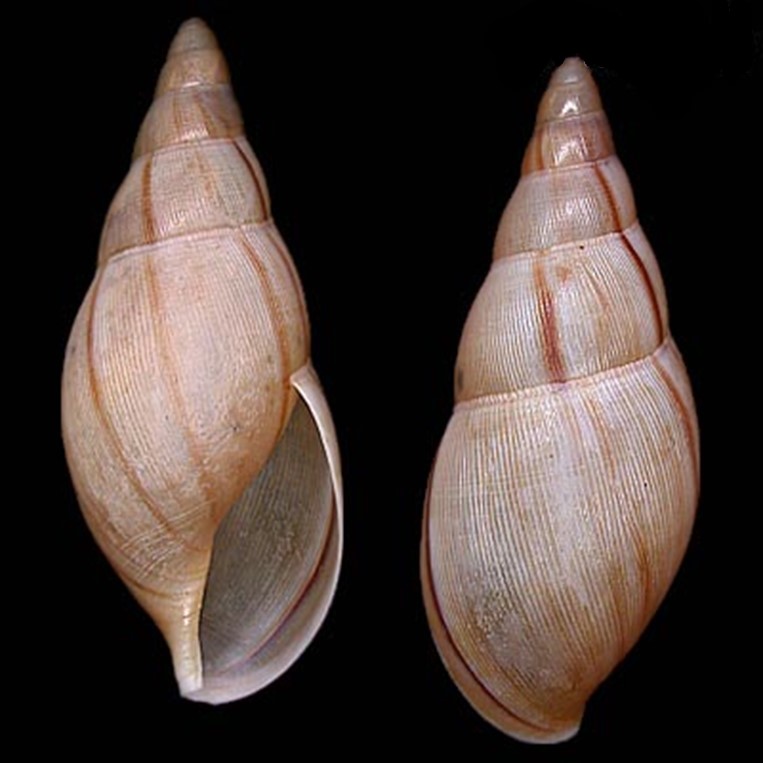
CLASSE: GASTROPODA: TERRESTRE FAMÍLIA: SPIRAXIDAE ESPÉCIE: Euglandina surinamensis Vernhout, 1914 Tamanho médio: 47 mm Habitat: vive no solo, sob folhas ou enterrada parte do tempo Ocorrência: Suriname, Brasil (?) Localidade tipo: Suriname, Post Groningen Nome original: Euglandina surinamensis Vernhout, 1914 Etimologia: o nome da espécie é uma referência à localidade tipo Fotos: (1) cortesia Femorale, Brasil, 47mm; (2) Naturalis Biodiversity Center, Leyden: RMNH.MOL.272317 Fontes: Descrição original: Vernhout, J. H. (1914). The non-marine molluscs of Surinam. Notes from the Leyden Museum. 36: 1-46, pls. 1-2., disponível online em https://www.biodiversitylibrary.org/page/14021311 página(s): 6, 40, 42, pl. 1, fig. 2 MolluscaBase: https://www.molluscabase.org/aphia.php?p=taxdetails&id=1445162
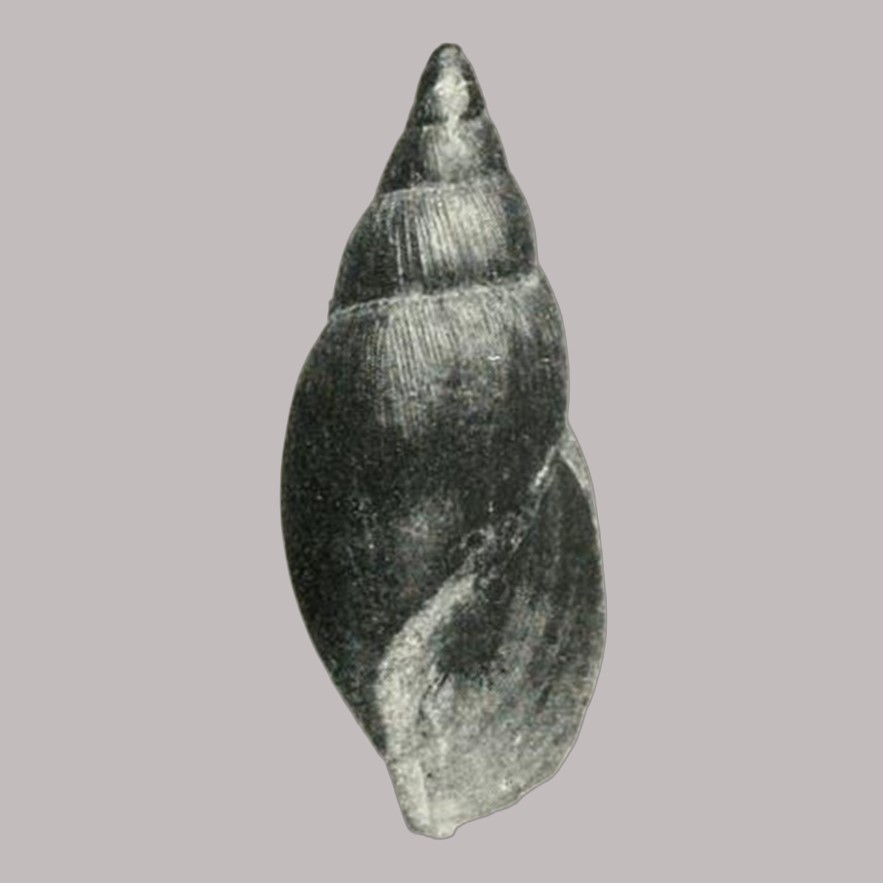
CLASSE: GASTROPODA: TERRESTRE FAMÍLIA: SPIRAXIDAE ESPÉCIE: Euglandina venezuelensis (Preston, 1909) Tamanho médio: 54 mm Alimentação: carnívoro Ocorrência: Venezuela Localidade tipo: Venezuela, Merida Nome original: Glandina venezuelensis Preston, 1909 Etimologia: o nome da espécie é uma referência à localidade tipo Fotos: (1) Preston, H. B. (1909), plate 10, figura 10 Fontes: Descrição original: (como Glandina venezuelensis Preston, 1909) Preston, H. B. (1909). New land, freshwater, and marine shells from South América. The Annals and Magazine of Natural History; zoology, botany, and geology; 8th series. 3: 507-513., disponível online em https://www.biodiversitylibrary.org/page/22071880#page/541/ página(s): 508, pl. 10, fig. 10 Baker, H. B. (1925). The Mollusca collected by the University of Michigan-Williamson Expedition in Venezuela, Part III: Pupillidae to Oleacinidae. Occasional Papers of the Museum...
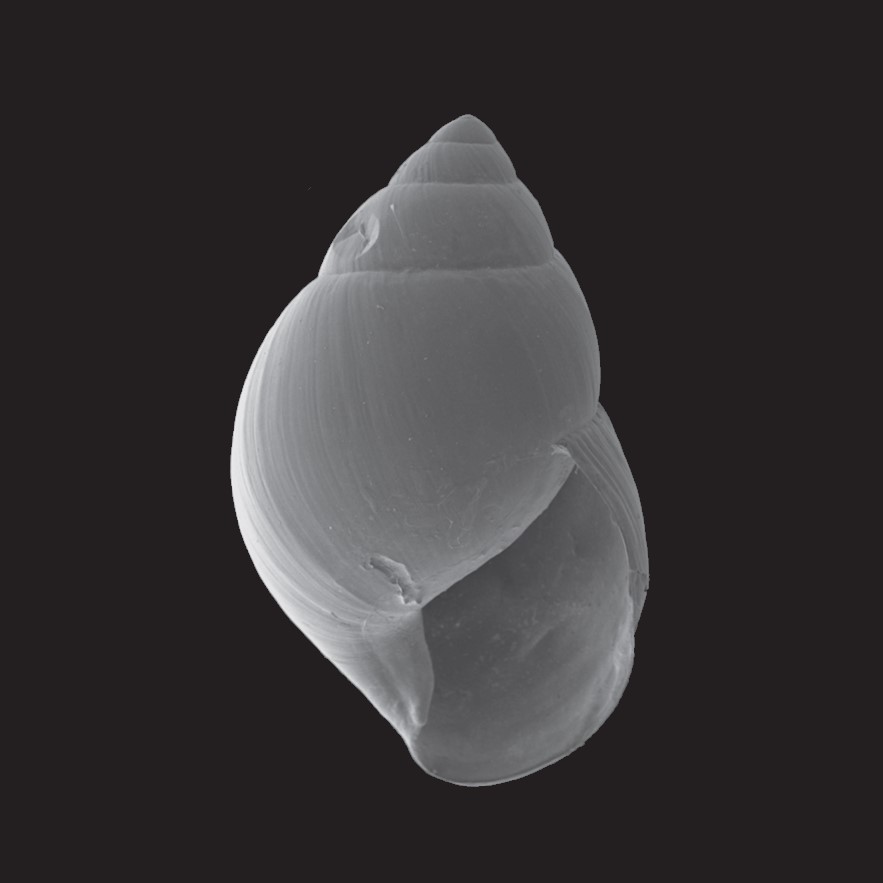
CLASSE: GASTROPODA: TERRESTRE FAMÍLIA: ACHATINELLIDAE ESPÉCIE: Fernandezia bulimoides (L. Pfeiffer, 1847) Tamanho médio: 8.5 mm Habitat: vive no solo, em serapilheira Ocorrência: Chile (Arquipélago de Juan Fernandez, Ilha Robinson Crusoé (Masatierra)) Localidade tipo: Chile, Arquipélago de Juan Fernandez, Ilha Robinson Crusoé (Masatierra) Nome original: Achatina bulimoides L. Pfeiffer, 1847 Descrição: (Miquel & Araya, 2015): "Shell of medium size (up to 8.5 mm in examined specimens), ovate-conic, with five convex whorls thin; apex acute and smooth, corneous-buff periostracum; teleoconch sculptured irregularly with prosocline growth lines; spire conic and acute; suture crenulated; last whorl swollen, occupying about three fourths of total length; aperture broad, almost oval, slightly over half the shell height; columella twisted above, very slightly truncated above the base of the aperture;...
CLASSE: GASTROPODA: TERRESTRE FAMÍLIA: ACHATINELLIDAE ESPÉCIE: Fernandezia conifera (Reeve, 1849) Tamanho médio: nd Habitat: vive no solo, em serapilheira Ocorrência: Chile, Juan Fernandez Island Localidade tipo: Chile (Juan Fernandez Island) Nome original: Achatina conifera Reeve, 1849 Fotos: nd Fontes: Descrição original: (como Achatina conifera Reeve, 1849) Reeve, L. A. (1849-1850). Monograph of the genus Achatina. In: Conchologia Iconica, or, illustrations of the shells of molluscous animals, volume 5: pl. 1-23 and unpaginated text. L. Reeve & Co., London. [stated dates: pls 1-8, Feb. 1849; 9-13, Mar. 1849; 14, Apr. 1849; 15, 16, May 1849; 17-19, Jun. 1849; 20-23, Mar. 1850]., disponível online em https://www.biodiversitylibrary.org/page/8967091 Cooke, C. M. & Kondo, Y. (1961). Revision of Tornatellinidae and Achatinellidae (Gastropoda, Pulmonata). Bernice P. Bishop Museum...
CLASSE: GASTROPODA: TERRESTRE FAMÍLIA: ACHATINELLIDAE ESPÉCIE: Fernandezia consimilis (Reeve, 1849) Tamanho médio: 11 mm Habitat: vive no solo, em serapilheira Ocorrência: Chile, Juan Fernandez Island Localidade tipo: Chile (Juan Fernandez Island) Nome original: Achatina consimilis Reeve, 1849 Fotos: nd Fontes: Descrição original: (como Achatina consimilis Reeve, 1849) Reeve, L. A. (1849-1850). Monograph of the genus Achatina. In: Conchologia Iconica, or, illustrations of the shells of molluscous animals, volume 5: pl. 1-23 and unpaginated text. L. Reeve & Co., London. [stated dates: pls 1-8, Feb. 1849; 9-13, Mar. 1849; 14, Apr. 1849; 15, 16, May 1849; 17-19, Jun. 1849; 20-23, Mar. 1850]., disponível online em https://www.biodiversitylibrary.org/page/8967091 Cooke, C. M. & Kondo, Y. (1961). Revision of Tornatellinidae and Achatinellidae (Gastropoda, Pulmonata). Bernice P. Bishop Museum...
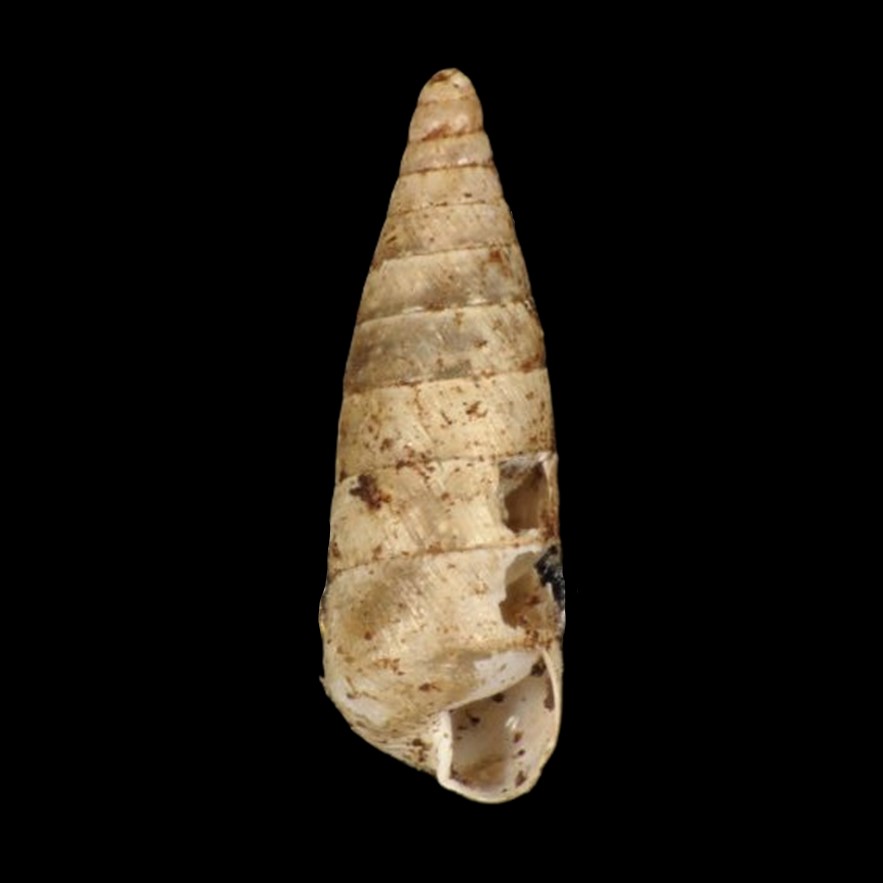
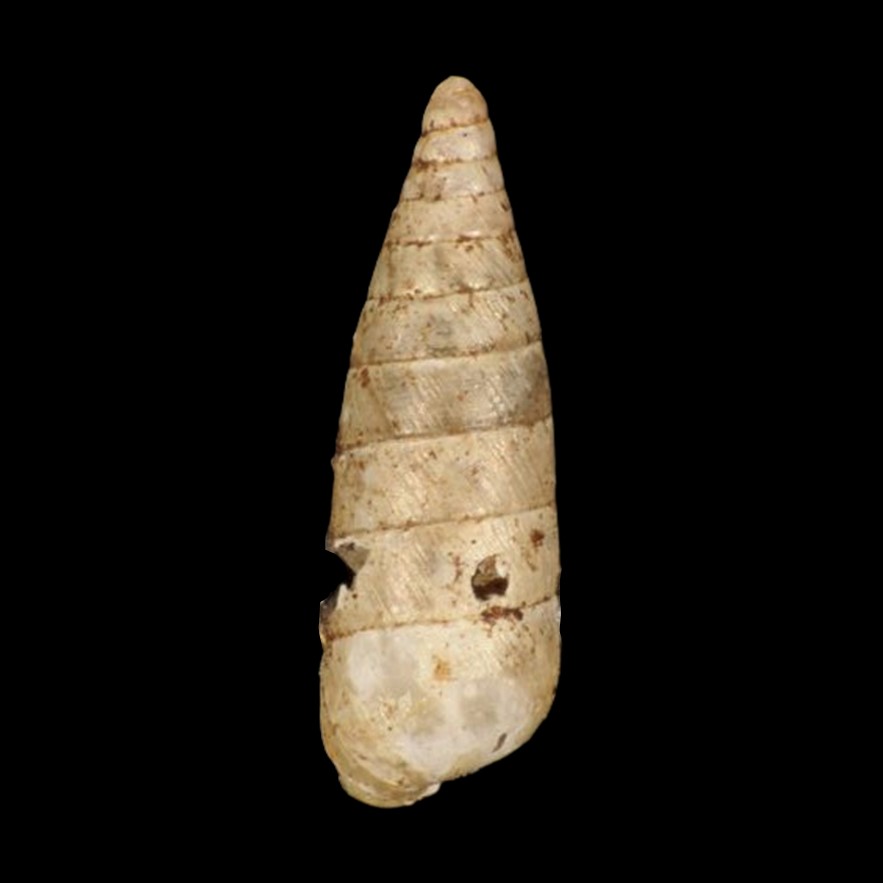
CLASSE: GASTROPODA: TERRESTRE FAMÍLIA: ACHATINELLIDAE ESPÉCIE: Fernandezia cylindrella Odhner, 1922 Tamanho médio: 4.5 mm Habitat: vive no solo, em serapilheira Ocorrência: Chile (Juan Fernandez Island) Localidade tipo: Chile, Juan Fernandez Island, Rabanel Altitude: 300 m Nome original: Fernandezia cylindrella Odhner, 1922 Fotos: The Academy of Natural Sciences, Philadelphia: COTYPE ANSP 130434, coll. Dr C. Skottsberg, C., Rabanel, Juan Fernandez, 4.5mm Fontes: Descrição original: Odhner, N. H. (1922). Mollusca from Juan Fernandez and Easter Island. In Skottsberg C. (ed). The Natural History of Juan Fernandez and Easter Island. Almqvist & Wiksells Boktryckeri, Uppsala, pp. 219–253, pls. 8–9. The Natural History of Juan Fernández and Easter Island. 3 (Zoology), II(22): 219-254., disponível online em https://www.biodiversitylibrary.org/page/28680849 página(s): 242, pl. 9, fig. 49 Cooke, C....
CLASSE: GASTROPODA: TERRESTRE FAMÍLIA: ACHATINELLIDAE ESPÉCIE: Fernandezia diaphana (P. P. King, 1832) Tamanho médio: 7.9 mm Habitat: vive no solo, em serapilheira Ocorrência: Chile (Juan Fernandez Island) Localidade tipo: Chile, Juan Fernandez Island Nome original: Achatina diaphana P. P. King, 1832 Fotos: nd Fontes: Descrição original: (como Achatina diaphana P. P. King, 1832) King, P. P. (1832). Description of the Cirrhipeda, Conchifera and Mollusca, in a collection formed by the officers of H.M.S. Adventure and Beagle employed between the years 1826 and 1830 in surveying the southern coasts of South America, including the Straits of Magalhaens and the coast of Tierra del Fuego. Zoological Journal. 5(125): 332-349., disponível online em http://biodiversitylibrary.org/page/27657695 Cooke, C. M. & Kondo, Y. (1961). Revision of Tornatellinidae and...
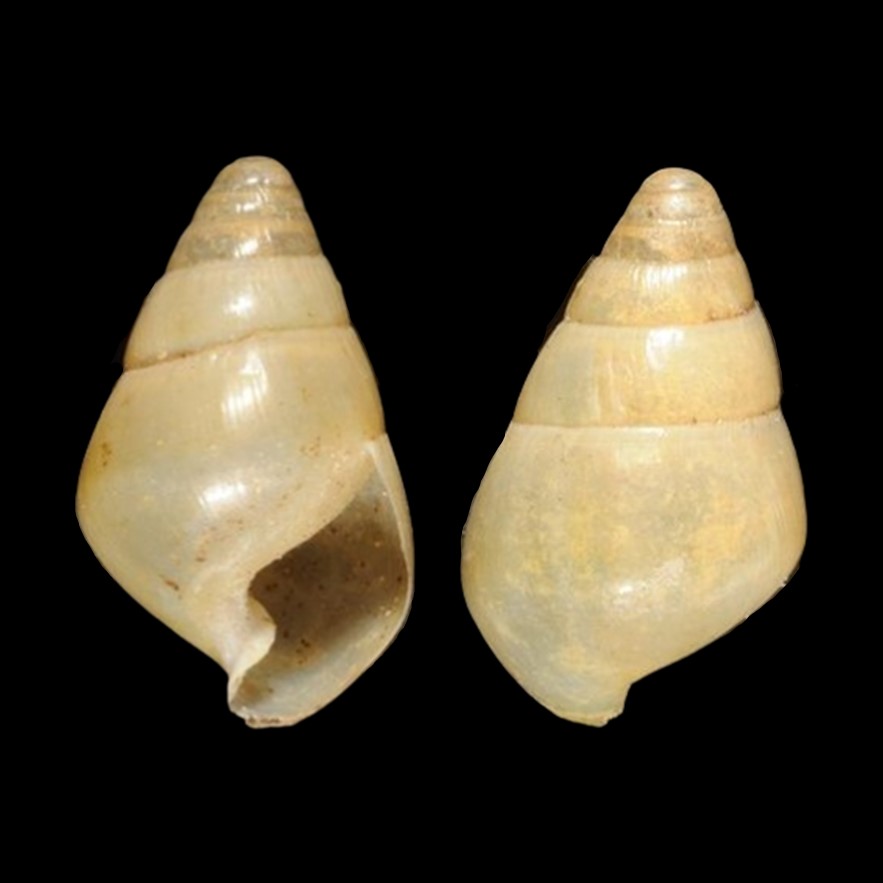
CLASSE: GASTROPODA: TERRESTRE FAMÍLIA: ACHATINELLIDAE ESPÉCIE: Fernandezia expansa Pilsbry, 1911 Tamanho médio: 10.5 mm Habitat: vive no solo, em serapilheira Ocorrência: Chile (Ilha de Juan Fernandez) Localidade tipo: Chile, Ilha de Juan Fernandez Nome original: Fernandezia expansa Pilsbry, 1911 Fotos: (1) The Academy of Natural Sciences, Philadelphia: HOLOTYPE ANSP 10164, Juan Fernandez, coll. T. B. Wilson, 10.5mm Fontes: Descrição original: Hyatt, A. & Pilsbry, H. A. (1910-1911). Manual of conchology, structural and systematic, with illustrations of the species. Ser. 2, Pulmonata. Vol. 21: Achatinellidae (Amastrinae). pp i-xxii, 1-387, pls 1-56. Philadelphia, published by the Conchological Department, Academy of Natural Sciences. [pp. 1-64, pls 1-9, 30 July 1910; pp. 65-128, pls 10-23, 14 March 1911; pp. 129-240, pls 24-36, 23...
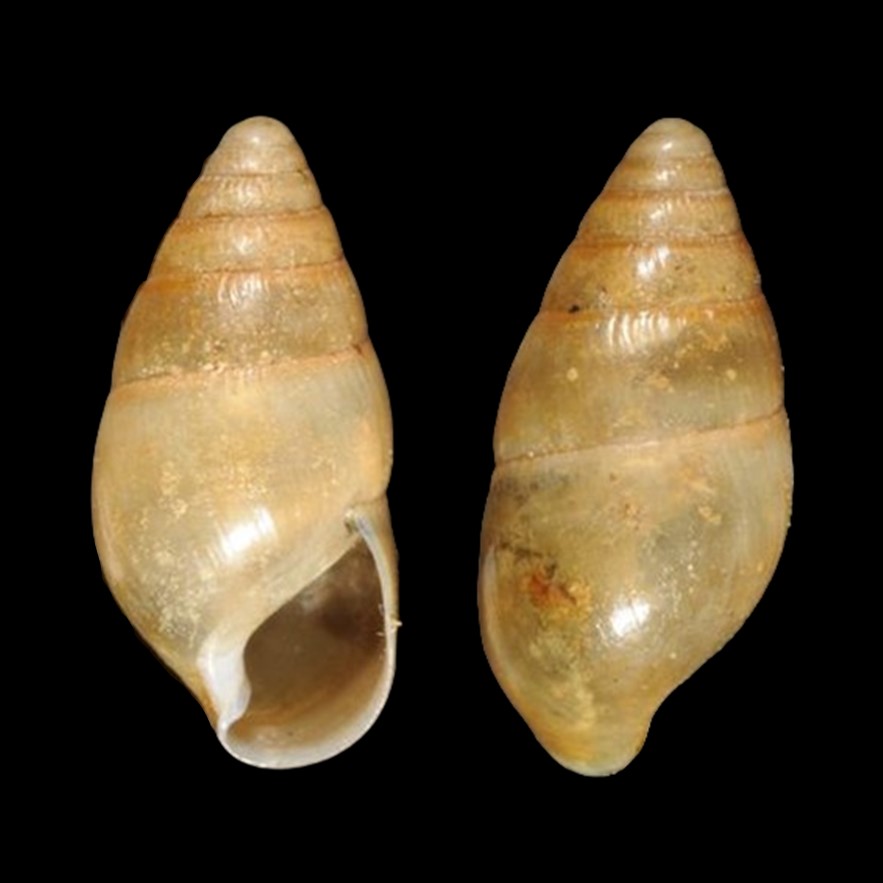
CLASSE: GASTROPODA: TERRESTRE FAMÍLIA: ACHATINELLIDAE ESPÉCIE: Fernandezia inornata Pilsbry, 1911 Tamanho médio: 9 mm Habitat: vive no solo, em serapilheira Ocorrência: Chile (Ilha de Juan Fernandez) Localidade tipo: Chile, Ilha de Juan Fernandez Nome original: Fernandezia inornata Pilsbry, 1911 Fotos: (1) The Academy of Natural Sciences, Philadelphia: HOLOTYPE ANSP 10168, Chile, Ilha de Juan Fernandez, coll. Dr. Wilson, 9mm Fontes: Descrição original: Hyatt, A. & Pilsbry, H. A. (1910-1911). Manual of conchology, structural and systematic, with illustrations of the species. Ser. 2, Pulmonata. Vol. 21: Achatinellidae (Amastrinae). pp i-xxii, 1-387, pls 1-56. Philadelphia, published by the Conchological Department, Academy of Natural Sciences. [pp. 1-64, pls 1-9, 30 July 1910; pp. 65-128, pls 10-23, 14 March 1911; pp. 129-240, pls 24-36,...
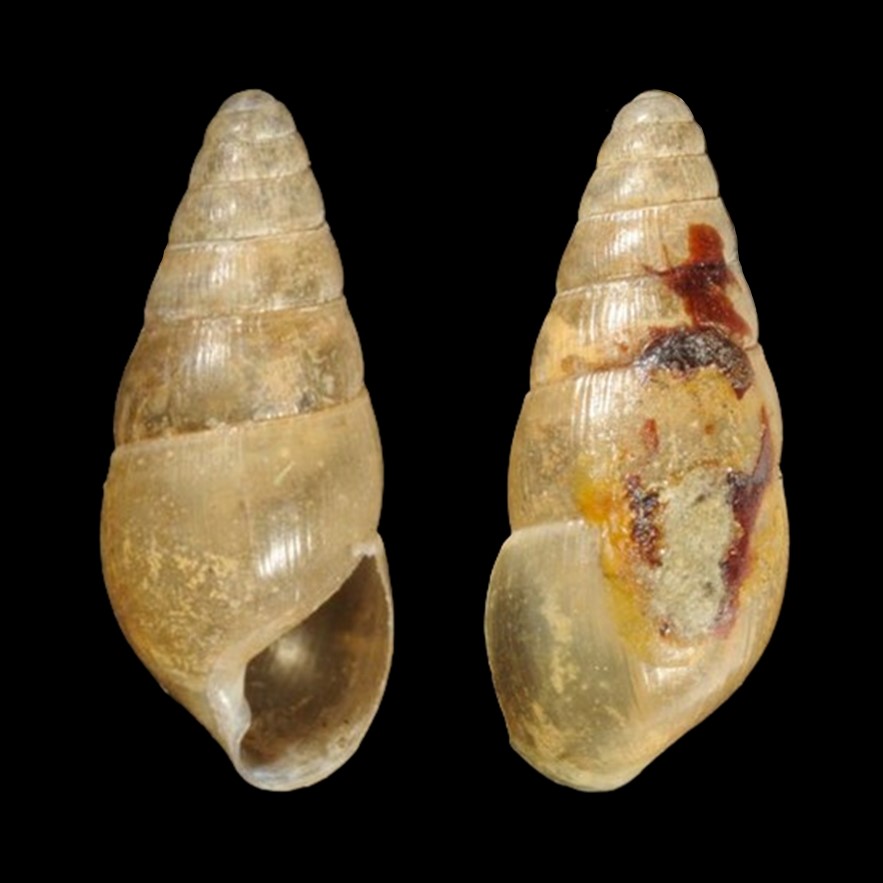
CLASSE: GASTROPODA: TERRESTRE FAMÍLIA: ACHATINELLIDAE ESPÉCIE: Fernandezia longa Pilsbry, 1911 Tamanho médio: 10 mm Habitat: vive no solo, em serapilheira Ocorrência: Chile (Ilha de Juan Fernandez) Localidade tipo: Chile, Ilha de Juan Fernandez Nome original: Fernandezia longa Pilsbry, 1911 Fotos: (1) The Academy of Natural Sciences, Philadelphia: HOLOTYPE ANSP 10214, Chile, Ilha de Juan Fernandez, 9.9mm Fontes: Descrição original: Hyatt, A. & Pilsbry, H. A. (1910-1911). Manual of conchology, structural and systematic, with illustrations of the species. Ser. 2, Pulmonata. Vol. 21: Achatinellidae (Amastrinae). pp i-xxii, 1-387, pls 1-56. Philadelphia, published by the Conchological Department, Academy of Natural Sciences. [pp. 1-64, pls 1-9, 30 July 1910; pp. 65-128, pls 10-23, 14 March 1911; pp. 129-240, pls 24-36, 23 August 1911;...
CLASSE: GASTROPODA: TERRESTRE FAMÍLIA: ACHATINELLIDAE ESPÉCIE: Fernandezia philippiana Pilsbry, 1911 Tamanho médio: nd Habitat: vive no solo, em serapilheira Ocorrência: Chile (Ilha de Juan Fernandez) Localidade tipo: Chile, Ilha de Juan Fernandez Nome original: Fernandezia philippiana Pilsbry, 1911 Comentários: o material tipo está depositado na The Academy of Natural Sciences, Philadelphia: HOLOTYPE ANSP 10165, Juan Fernandez, coll. Wilson, T. B., e está quebrado em vários fragmentos Fontes: Descrição original: Hyatt, A. & Pilsbry, H. A. (1910-1911). Manual of conchology, structural and systematic, with illustrations of the species. Ser. 2, Pulmonata. Vol. 21: Achatinellidae (Amastrinae). pp i-xxii, 1-387, pls 1-56. Philadelphia, published by the Conchological Department, Academy of Natural Sciences. [pp. 1-64, pls 1-9, 30 July 1910; pp. 65-128, pls 10-23, 14...
CLASSE: GASTROPODA: TERRESTRE FAMÍLIA: ACHATINELLIDAE ESPÉCIE: Fernandezia splendida (Anton, 1838) Tamanho médio: nd Habitat: vive no solo, em serapilheira Ocorrência: Chile (Ilha de Juan Fernandez) Localidade tipo: Chile, Ilha de Juan Fernandez Nome original: Bulimus splendidus Anton, 1838 Fotos: (1) nd Fontes: Descrição original: (como Bulimus splendidus Anton, 1838) Anton, H. E. (1838). Verzeichniss der Conchylien welche sich in der Sammlung von Herrmann Eduard Anton befinden. Herausgegeben von dem Besitzer. Halle: Anton. xvi + 110 pp. [Title page dated 1839, but volume actually published in 1838; see Cernohorsky, 1978, The Veliger 20(3): 299]. , disponível online em https://biodiversitylibrary.org/page/11967421 página(s): 44; note: as "B. (Achatina) splendida"; incorrect gender of species nam Cooke, C. M. & Kondo, Y. (1961). Revision...
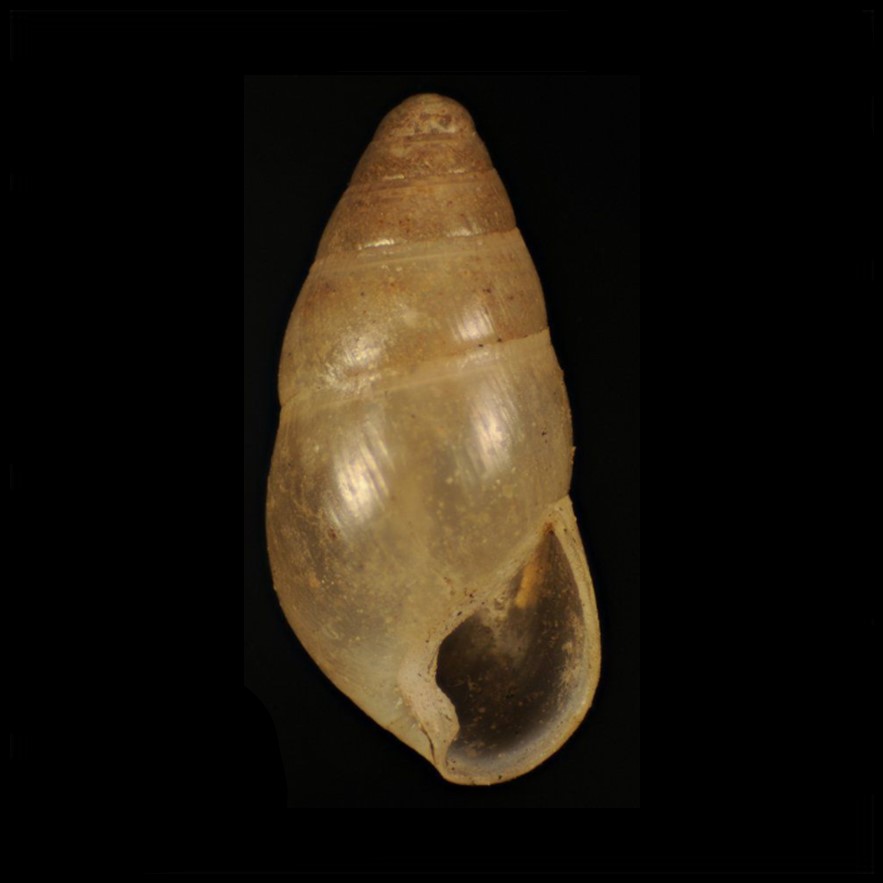
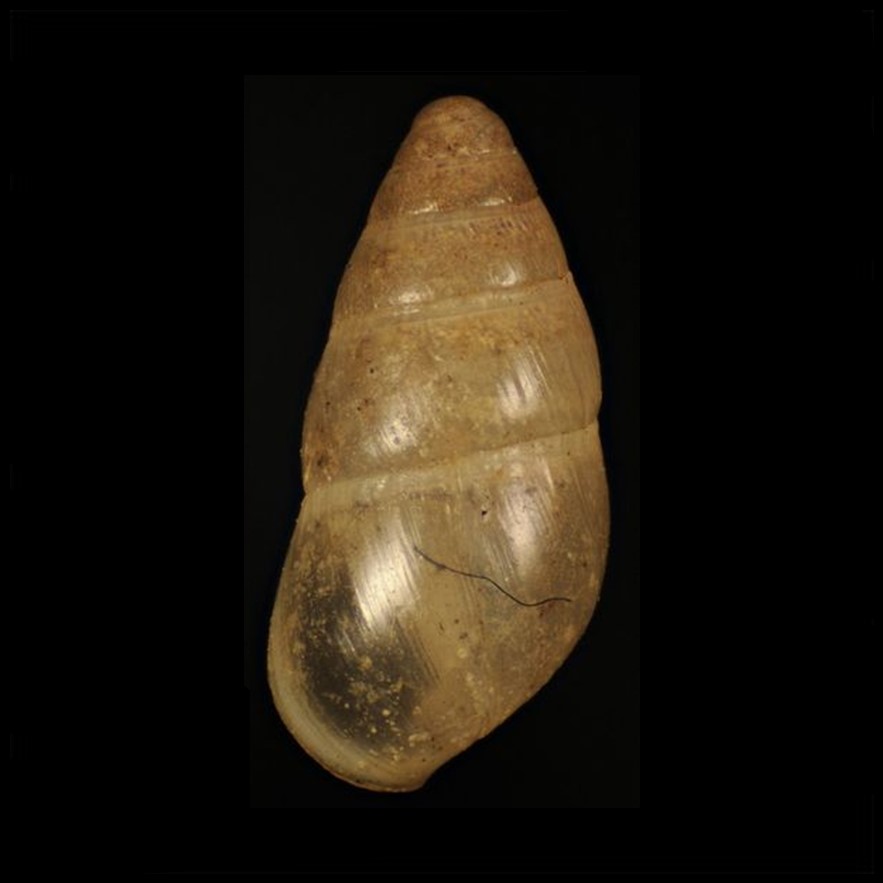
CLASSE: GASTROPODA: TERRESTRE FAMÍLIA: ACHATINELLIDAE ESPÉCIE: Fernandezia tryoni Pilsbry, 1911 Tamanho médio: 6.6 mm Habitat: vive no solo, em serapilheira Ocorrência: Chile, Valparaiso, Arquipélado Juan Fernandez Localidade tipo: Chile, "Masatierra, Isla de Juan Fernández (Odhner 1922)" Nome original: Fernandezia tryoni Pilsbry, 1911 Fotos: (1,2) The Academy of Natural Sciences, Philadelphia: HOLOTYPE ANSP 10167, coll. Wilson, T. B., Arquipélago de Juan Fernandez Fontes: Descrição original: nd Cooke, C. M. & Kondo, Y. (1961). Revision of Tornatellinidae and Achatinellidae (Gastropoda, Pulmonata). Bernice P. Bishop Museum Bulletin. 221: 1–303 ["1960"]., disponível online em http://hbs.bishopmuseum.org/pubs-online/pdf/bull221.pdf Rosenberg G (2026). Malacology Collection at the Academy of Natural Sciences of Philadelphia. Academy of Natural Sciences. Occurrence dataset https://doi.org/10.15468/xp1dhx accessed via GBIF.org on 2026-01-11. https://www.gbif.org/occurrence/215733018 MolluscaBase: https://molluscabase.org/aphia.php?p=taxdetails&id=1380899
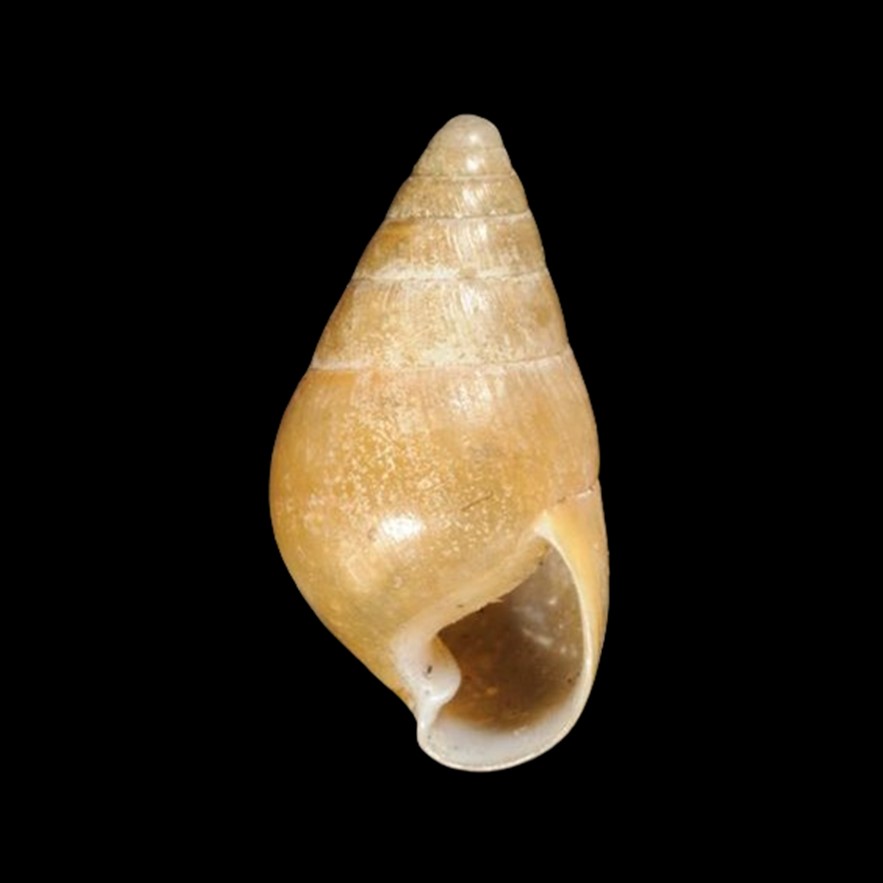
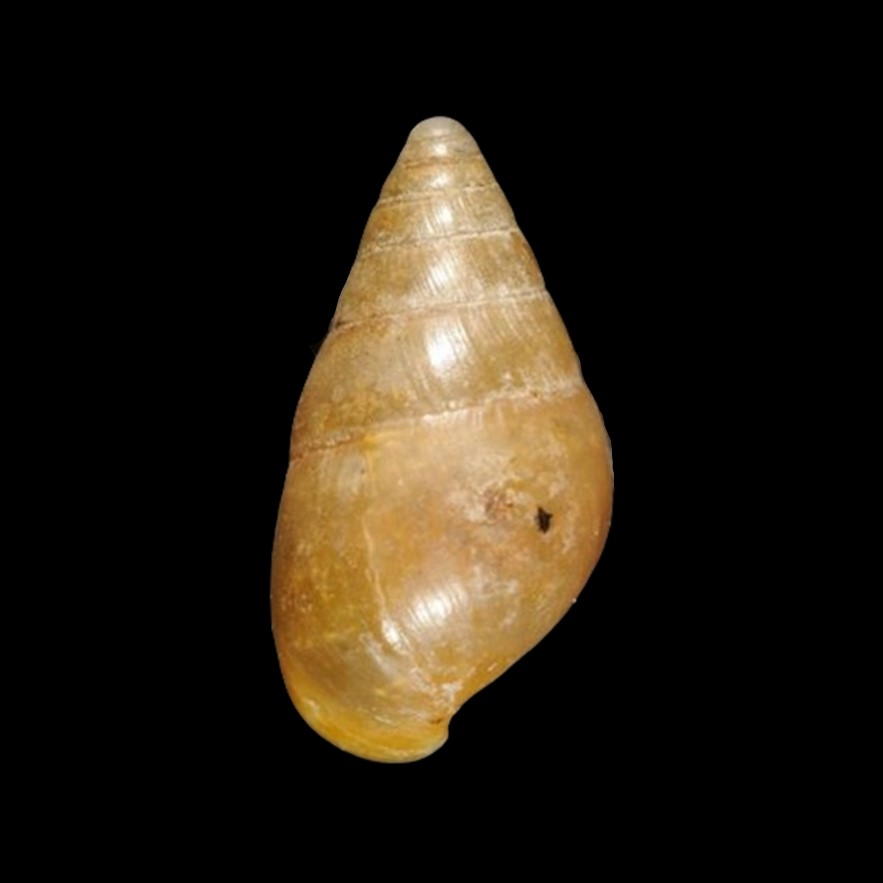
CLASSE: GASTROPODA: TERRESTRE FAMÍLIA: ACHATINELLIDAE ESPÉCIE: Fernandezia wilsoni Pilsbry, 1911 Tamanho médio: 10.5 mm Habitat: vive no solo, em serapilheira Ocorrência: Chile (Arquipélago de Juan Fernandez) Localidade tipo: Chile, Juan Fernandez Nome original: Fernandezia wilsoni Pilsbry, 1911 Fotos: (1-3) The Academy of Natural Sciences, Philadelphia: HOLOTYPE ANSP 10166, coll. T. B. Wilson, 10.5mm Fontes: Descrição original: Hyatt, A. & Pilsbry, H. A. (1910-1911). Manual of conchology, structural and systematic, with illustrations of the species. Ser. 2, Pulmonata. Vol. 21: Achatinellidae (Amastrinae). pp i-xxii, 1-387, pls 1-56. Philadelphia, published by the Conchological Department, Academy of Natural Sciences. [pp. 1-64, pls 1-9, 30 July 1910; pp. 65-128, pls 10-23, 14 March 1911; pp. 129-240, pls 24-36, 23 August 1911; pp. i-xxii, 241-387,...

CLASSE: GASTROPODA: TERRESTRE FAMÍLIA: GASTROCOPTIDAE ESPÉCIE: Gastrocopta aliciae Miquel & Brito, 2019 Tamanho médio: ~2.4 mm Ocorrência: Equador (Galápagos, Ilha Pinzón) Localidade tipo: Equador, Arquipélago de Galápagos, Sudoeste da Ilha Pinzón Altitude: 324 m Nome original: Gastrocopta (Gastrocopta) aliciae Miquel & Brito, 2019 Etimologia: o nome da espécie é uma homenagem à museóloga e pesquisadora Alicia Sodor do Museo Argentino de Ciencias Naturales ‘Bernardino Rivadavia’ Fotos: (1) Miquel, S. E.; Brito, F. F. (2019): Invertebrates Collection of Charles Darwin Research Station, HOLOTYPE de Gastrocopta aliciae, ICCDRS 41946, 2.45mm Figura: Miquel, S. E.; Brito, F. F. (2019): Galápagos, Pinzón Is., 324 masl; (A–C) HOLOTYPE ICCDRS 41946; (D–E) ICCDRS 41947 Fontes: Descrição original: (como Gastrocopta (Gastrocopta)...

CLASSE: GASTROPODA: TERRESTRE FAMÍLIA: GASTROCOPTIDAE ESPÉCIE: Gastrocopta barbadensis (L. Pfeiffer, 1853) Tamanho médio: ~2 mm Ocorrência: Ilha de Trindade, Brasil Localidade tipo: Barbados Nome original: Pupa barbadensis L. Pfeiffer, 1853 Sinônimos: Gastrocopta (Gastrocopta) barbadensis (L. Pfeiffer, 1853); Pupa auriformis Guppy, 1868; Pupa barbadensis L. Pfeiffer, 1853; Pupa uvulifera Guppy, 1868 Fotos: (1) Salvador R.B., Cavallari D.C. & Simone L.R.L. (2017): Museu de Zoologia da Universidade de São Paulo, Gastrocopta barbadensis proveniente da Ilha de Trindade (Brasil), imagem SEM, MZSP 104736, H = 1.9 mm Figura: Salvador, Cavallari & Simone (2017): (2-4) Gastrocopta sharae, HOLOTYPE (MZSP 122725, H = 1.9 mm, D = 1.1 mm); (5–6) Gastrocopta sharae, PARATYPE (MZSP 122726, H = 1.9 mm, D = 1.1 mm); (7) Gastrocopta barbadensis, proveniente da Ilha...
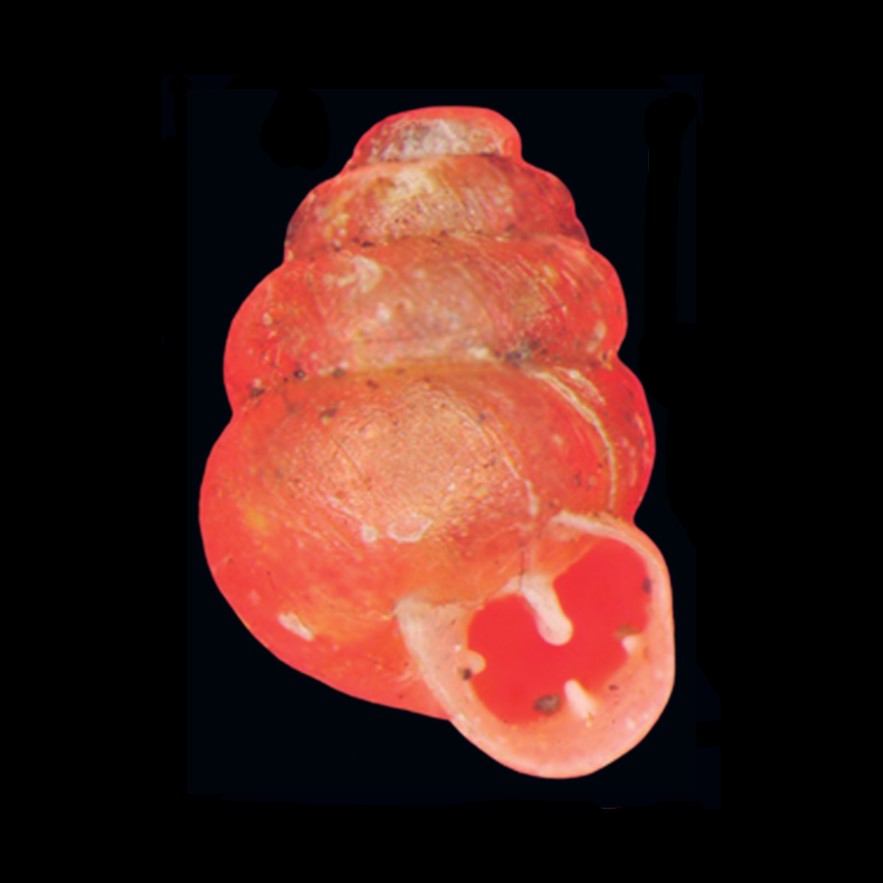
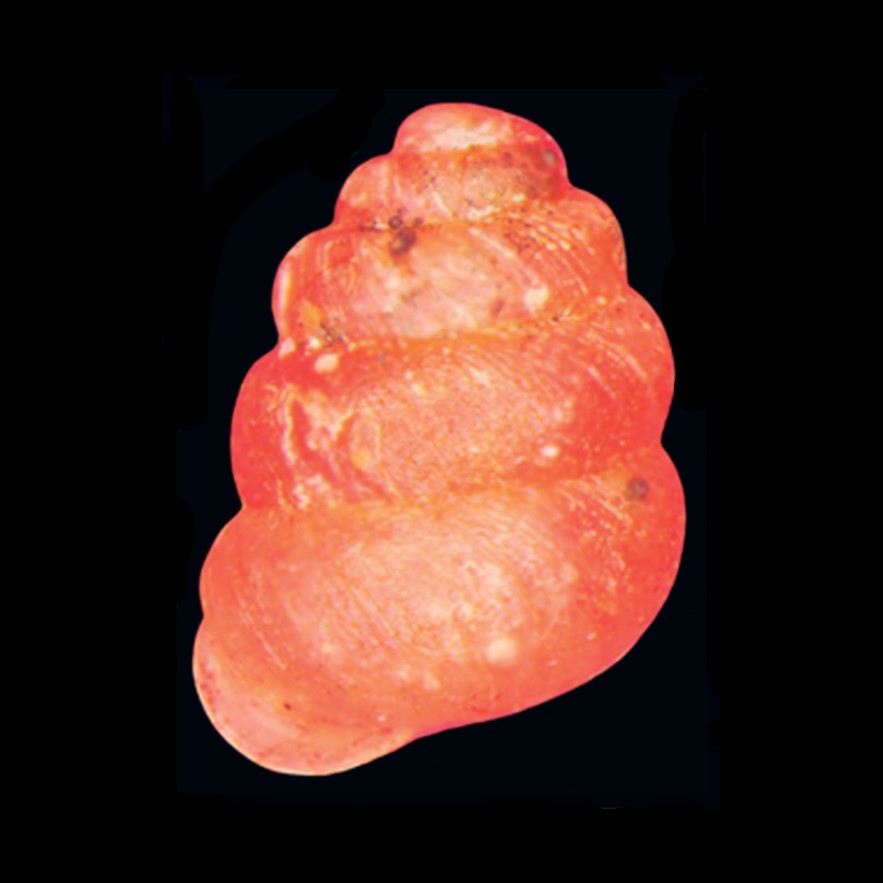
CLASSE: GASTROPODA: TERRESTRE FAMÍLIA: GASTROCOPTIDAE ESPÉCIE: Gastrocopta caatinga S. Lima & E. Abreu, 2024 Tamanho médio: ~1.2 mm Ocorrência: Brasil (Paraíba) Localidade tipo: Brasil, Paraíba, município de São José de Piranhas, Parque Ecológico Engenheiro Ávidos Habitat: no solo e em serapilheira Nome original: Gastrocopta caatinga S. Lima & E. Abreu, 2024 Etimologia: o nome da espécie é uma homenagem ao bioma fitogeográfico da Caatinga – do Tupi-guarani, que significa “floresta branca”, referindo-se à paisagem composta por vegetação sem folhas e troncos esbranquiçados típicos da estação seca, ou uma grande área geográfica que cobre a maior parte do nordeste do Brasil, caracterizada pela variedade de cobertura vegetal, geralmente caducifólia e hiperxerofílica Fotos: (1) Lima, S. F. B. & Abreu, E. C. T. D....
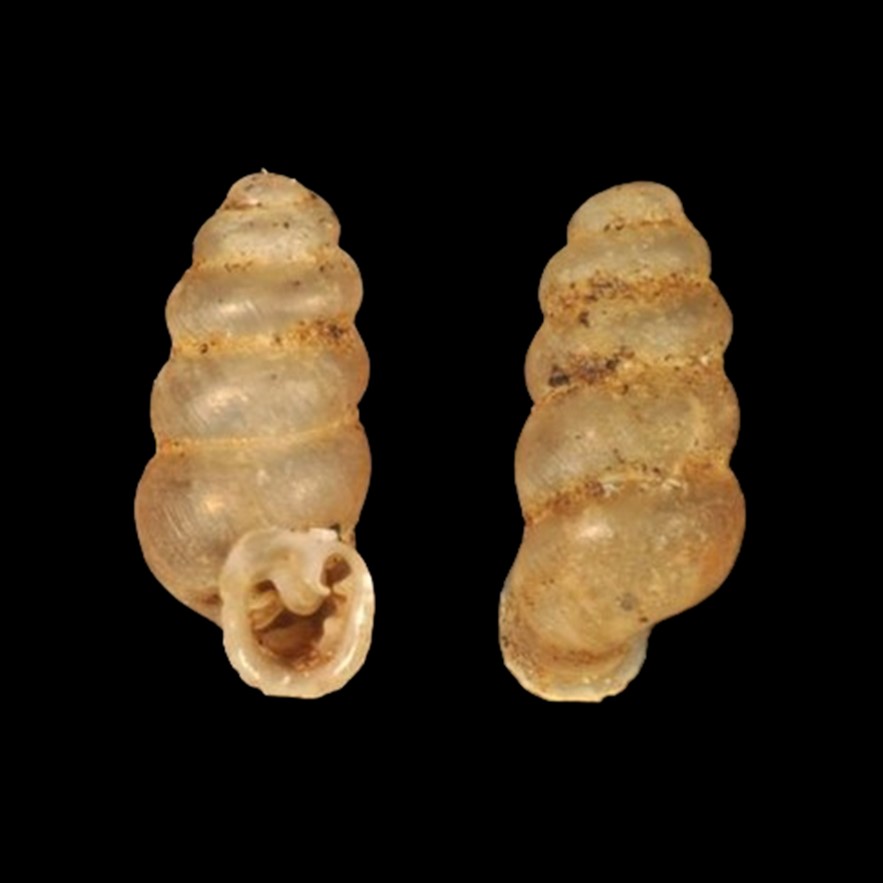
CLASSE: GASTROPODA: TERRESTRE FAMÍLIA: GASTROCOPTIDAE ESPÉCIE: Gastrocopta colombiana Pilsbry, 1921 Tamanho médio: 2 mm Habitat: na serapilheira, musgos, embaixo de rochas e troncos Ocorrência: Colômbia (Atlántico) Localidade tipo: Colômbia, "Atlantico Departament, Puerto Colombia" Nome original: Gastrocopta colombiana Pilsbry, 1921 Fotos: (1) The Academy of Natural Sciences, Philadelphia: HOLOTYPE ANSP 46634, Colômbia, Puerto Colombia, Colombia, on limestone hills, Morgan Hebard and J. A. G. Rehn, 12.vii.1920 Fontes: Descrição original: Pilsbry, H. A. (1921). A Colombian pupillid snail. Proceedings of the Academy of Natural Sciences of Philadelphia. 72(9): 329-330., disponível online em https://www.biodiversitylibrary.org/page/26309929 Rosenberg G (2026). Malacology Collection at the Academy of Natural Sciences of Philadelphia. Academy of Natural Sciences. Occurrence dataset https://doi.org/10.15468/xp1dhx accessed via GBIF.org on 2026-02-21. https://www.gbif.org/occurrence/215736940 Molluscabase:...
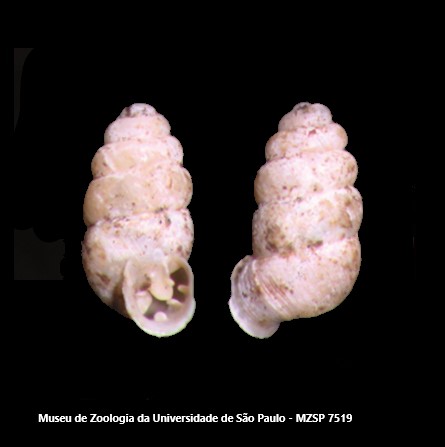
CLASSE: GASTROPODA: TERRESTRE FAMÍLIA: GASTROCOPTIDAE ESPÉCIE: Gastrocopta iheringi (Suter, 1900) Tamanho médio: 2.5 mm Ocorrência: Brasil (Rio Grande do Sul), Argentina (Corrientes) Localidade tipo: Brasil, Rio Grande do Sul, município de Rio Grande, Bolaxa (grafia atual de Bollaxa) Nome original: Pupa (Bifidaria) iheringi Suter, 1900 Sinônimos: Gastrocopta (Immersidens) iheringi (Suter, 1900); Pupa iheringi Suter, 1900 Etimologia: o nome da espécie é uma homenagem ao zoólogo teuto-brasileiro Hermann von Ihering (9 de outubro de 1850 – 24 de fevereiro de 1930). Foi o fundador e primeiro diretor do Museu Paulista, em São Paulo, em 1894 Fotos: (1) Salvador, R.B. (2020): Gastrocopta iheringi (Suter, 1900), TOPOTYPE MZSP 7519, 2.5 mm Figura 1: Salvador, R.B. (2020): (1,2) Gastrocopta iheringi (Suter, 1900), TOPOTYPE...


CLASSE: GASTROPODA: TERRESTRE FAMÍLIA: GASTROCOPTIDAE ESPÉCIE: Gastrocopta joaoherminioi S. Lima & E. Abreu, 2024 Tamanho médio: ~1.2 mm Ocorrência: Brasil (Paraíba) Localidade tipo: Brasil, Paraíba, município de Cajazeiras, Parque Ecológico Engenheiro Ávidos Altitude: 410 m Habitat: no solo e em serapilheira Nome original: Gastrocopta joaoherminioi S. Lima & E. Abreu, 2024 Etimologia: o nome da espécie é uma homenagem ao físico e matemático brasileiro João Hermínio da Silva (1961‑2023) Fotos: (1) Lima, S. F. B. & Abreu, E. C. T. D. (2024): Universidade Federal da Paraíba (UFPB), João Pessoa: HOLOTYPE UFPB.MOL‑44073, Brasil, Paraíba, município de Cajazeiras, Parque Ecológico Engenheiro Ávidos, 410 m, coll.Evandro C.T. Abreu, 25.xi.2017 Figura: Lima, S. F. B. & Abreu, E. C. T. D....
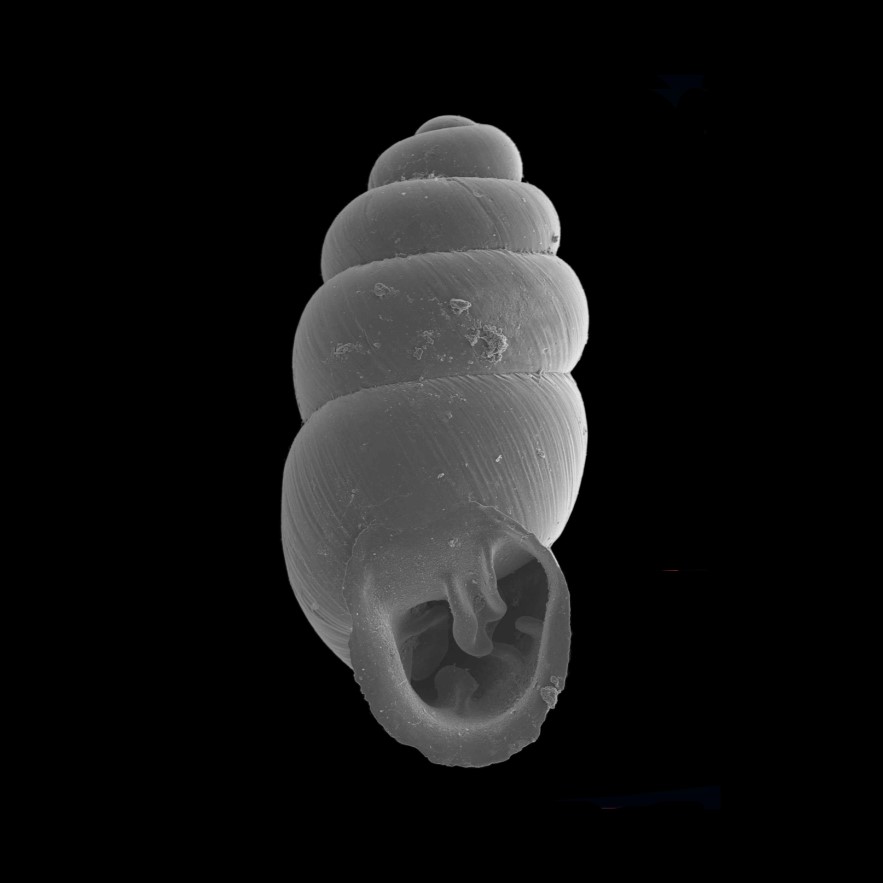
CLASSE: GASTROPODA: TERRESTRE FAMÍLIA: GASTROCOPTIDAE ESPÉCIE: Gastrocopta maxbirabeni F. Brito & S. Miquel, 2022 Tamanho médio: ~2.0 mm Ocorrência: Argentina (Jujuy, Salta) Localidade tipo: Argentina, Salta, Lumbreras Nome original: Gastrocopta maxbirabeni F. Brito & S. Miquel, 2022 Etimologia: o nome da espécie é uma homenagem ao biólogo Maximiliano (Max) Birabén (1893 - 1977). Ele foi marido da Dra. María Isabel Hylton Scott e importante colecionador de conchas Zoobank: urn:lsid:zoobank.org:act:3B2D8A83-5365-4B16-9C96-A8BFD3FF6004 Fotos: (1) Brito & Miquel, 2022: Museo de La Plata: HOLOTYPE MLP 8910-2, Salta, Lumbreras, coll. M. Birabén, 18.xii.1954 Figura: Brito, Fátima & Miquel, Sergio. (2022): Gastrocopta maxbirabeni: (A-B) HOLOTYPE MLP 8910-2, Salta, Lumbreras; (C,D) MLP 8860. Valle Grande, Jujuy Fontes: Descrição original: Brito, F. F....
CLASSE: GASTROPODA: TERRESTRE FAMÍLIA: GASTROCOPTIDAE ESPÉCIE: Gastrocopta nodosaria (A. d'Orbigny, 1835) Tamanho médio: 2.8 mm Habitat: na serapilheira, musgos, embaixo de rochas e troncos Ocorrência: Peru, Bolívia, Argentina (Norte e Centro do país) Localidade tipo: Bolívia, La Laguna, Pampa Ruiz, en las ultimas colinas de la cuesta oriental de los Andes Nome original: Helix nodosaria A. d'Orbigny, 1835 Fotos: (1) Miquel & Aguirre, 2011: Museo Argentino de Ciencias Naturales, MACN-Pi 4738, H = 2.8, D= 1.2mm, Baja del Balneario de Aldea Valle Maria Diamante, Entre Ríos, coll. E. Tonni, 2000, HOLOCENO Fontes: Descrição original: (como Helix nodosaria A. d'Orbigny, 1835) Orbigny, A. d'. (1835). Synopsis terrestrium et fluviatilium molluscorum, in suo per Americam meridionalem itinere collectorum. Magasin de Zoologie. 5(61): 1-44.,disponível online...

CLASSE: GASTROPODA: TERRESTRE FAMÍLIA: GASTROCOPTIDAE ESPÉCIE: Gastrocopta oblonga (L. Pfeiffer, 1854) Tamanho médio: ~2 mm Ocorrência: Suriname, Argentina, Paraguai, Uruguai, Brasil (Bahia) Localidade tipo: “—?” (Breure & Araujo, 2017) Nome original: Pupa oblonga L. Pfeiffer, 1854 Sinônimos: Gastrocopta (Gastrocopta) servilis oblonga (L. Pfeiffer, 1854); Gastrocopta servilis oblonga (L. Pfeiffer, 1854) Fotos: (1) Breure & Araujo, 2017: Museo Nacional de Ciencias Naturales, Madrid: “Bahia”, Coll. Hidalgo ex Paz leg., MNCN 15.05/39925 Fontes: Descrição original: (como Pupa oblonga L. Pfeiffer, 1854) Pfeiffer, L. (1854). Descriptions of sixty-six new land shells, from the collection of H. Cuming, Esq. Proceedings of the zoological Society of London. 20 (241) [“1852”]: 56-64; 20 (242) [“1852”]: 65-70. London [22 March] & [23 May]., disponível online em https://www.biodiversitylibrary.org/page/30680666 página(s): 69 Breure,...
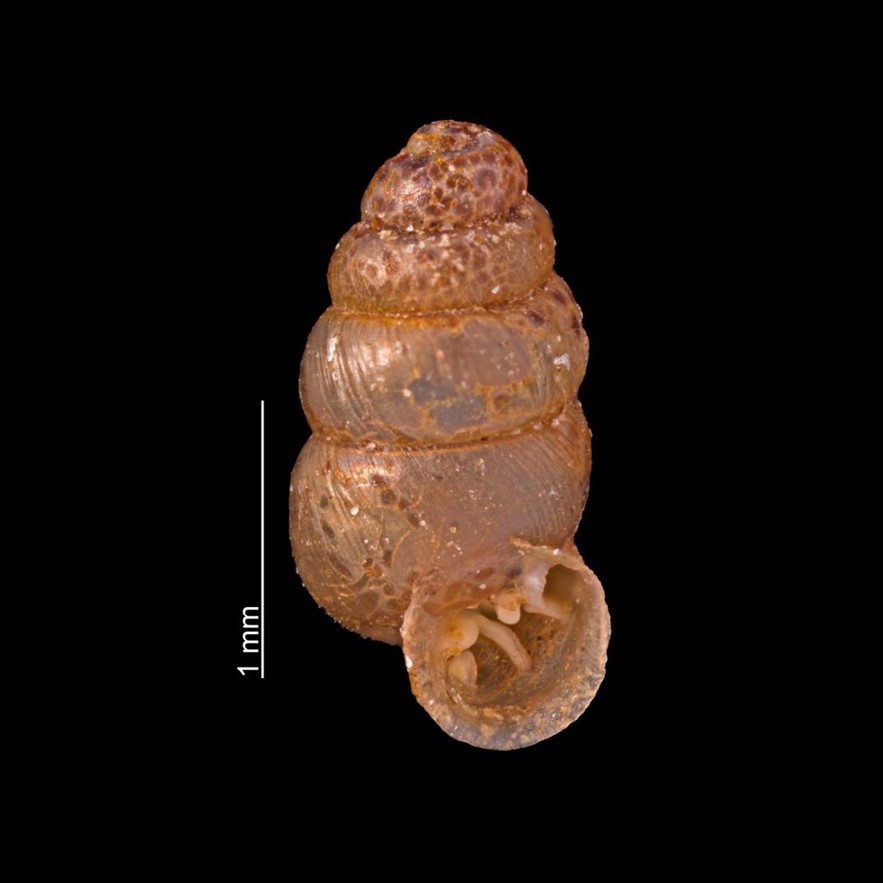
CLASSE: GASTROPODA: TERRESTRE FAMÍLIA: GASTROCOPTIDAE ESPÉCIE: Gastrocopta pazi (Hidalgo, 1869) Tamanho médio: ~2 mm Ocorrência: Equador (Gayas), Peru (Lima), Panamá Localidade tipo: "Amancaez, republica Peruviana; Guayaquil, republica Aequatoris; Panama" Nome original: Pupa pazi Hidalgo, 1869 Sinônimos: Gastrocopta (Immersidens) pazi (Hidalgo, 1869) Etimologia: o nome da espécie é uma homenagem ao zoólogo espanhol Patricio Paz y Membiela (1807-1874). Paz foi presidente da CCP - Comisión Científica del Pacifíco’ (CCP), que visitou entre 1882 a 1886 diversas partes da América do Sul, coletando muitas espécies de animais, artefatos e plantas Fotos: (1) Museu Nacional de História Natural, Paris: SYNTYPE de Gastrocopta pazi, MNHN 2000-28684 Fontes: Descrição original: (como Pupa pazi Hidalgo, 1869) Hidalgo, J.G. (1869). Descriptions d'espèces nouvelles. Journal de Conchyliologie. 17(4): 410–413., disponível online em https://www.biodiversitylibrary.org/page/15662624 página(s):...
CLASSE: GASTROPODA: TERRESTRE FAMÍLIA: GASTROCOPTIDAE ESPÉCIE: Gastrocopta pellucida (L. Pfeiffer, 1841) - ESPÉCIE INVASORA Tamanho médio: ~2 mm Ocorrência: EUA, México, Guatemala, Cuba, Brasil (Bahia, Minas Gerais, São Paulo, Rio de Janeiro) Localidade tipo: Cuba Nome original: Pupa pellucida L. Pfeiffer, 1841 Sinônimos: Bifidaria hordeacella var. parvidens Sterki, 1899; Bifidaria pellucida (L. Pfeiffer, 1841); Gastrocopta (Gastrocopta) pellucida (L. Pfeiffer, 1841); Gastrocopta pellucida f. biminiensis Pilsbry, 1926; Pupa jamaicensis C. B. Adams, 1849 Subespécies: (i) Gastrocopta pellucida hordeacella (Pilsbry, 1890) (ii) Gastrocopta pellucida pellucida (L. Pfeiffer, 1841) Comentários: Segundo Miranda at al. 2023: "for some time there has been controversy (Cheatum and Fullington, 1973; Thompson, 2011), as to whether Gastrocopta pellucida hordeacella is dis-tinct from the nominotypical G. p. pellucida (L. Pfeiffer, 1841). We...
CLASSE: GASTROPODA: TERRESTRE FAMÍLIA: GASTROCOPTIDAE ESPÉCIE: Gastrocopta servilis (A. Gould, 1843) Tamanho médio: ~2 mm Ocorrência: Ceará, Rio de Janeiro (Ilha Grande) Localidade tipo: Cuba Nome original: Pupa servilis A. Gould, 1843 Sinônimos: Bifidaria servilis (A. Gould, 1843); Gastrocopta (Gastrocopta) lyonsiana (Ancey, 1892); Gastrocopta (Gastrocopta) lyonsiana f. kailuana Pilsbry, 1917; Gastrocopta (Gastrocopta) servilis (A. Gould, 1843); Gastrocopta lyonsiana (Ancey, 1892); Gastrocopta lyonsiana f. kailuana Pilsbry, 1917; Gastrocopta microsoma (Tapparone Canefri, 1883); Pupa lyonsiana Ancey, 1892; Pupa microsoma Tapparone Canefri, 1883; Pupa servilis A. Gould, 1843; Vertigo shimochii Kuroda & Amano, 1960 Fotos: (1) Salvador R.B., Cavallari D.C. & Simone L.R.L. (2017): Museu de Zoologia da Universidade de São Paulo, Gastrocopta servilis (A. Gould, 1843), MZSP 7520, Fortaleza, Ceará, H = 2 mm ...
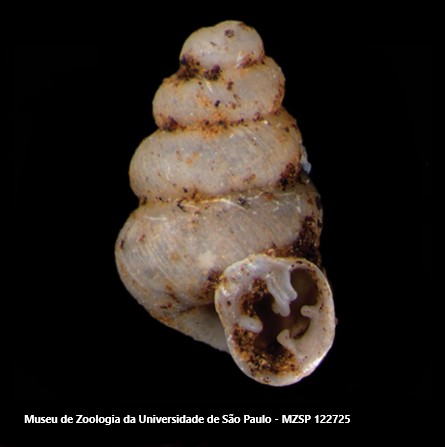
CLASSE: GASTROPODA: TERRESTRE FAMÍLIA: GASTROCOPTIDAE ESPÉCIE: Gastrocopta sharae Salvador, Cavallari & Simone, 2017 Tamanho médio: ~2 mm Ocorrência: Goiás, conhecido apenas na localidade tipo Localidade tipo: Goiás, Mambaí, Gruta Revolucionários (col. M.E. Bichuette, J.E. Gallão, D.M. Shimonsky, P.P. Rizzato, R. Borghezan; 29/iv/2013) Nome original: Gastrocopta sharae Salvador, Cavallari & Simone, 2017 Zoobank: http://zoobank.org/923AD6BA-B7BD-4AB1-A67E-35E769EE8290 Etimologia: o nome da espécie é uma referência a Shar, uma deusa fictícia das trevas, cavernas e segredos, do panteão Faerûniano do cenário de campanha de Forgotten Realms do jogo de RPG Dungeons and Dragons Fotos: (1) Salvador R.B., Cavallari D.C. & Simone L.R.L. (2017): Museu de Zoologia da Universidade de São Paulo, HOLOTYPE, MZSP 122725, H = 1.9 mm; D = 1.1 mm Figura: Salvador,...
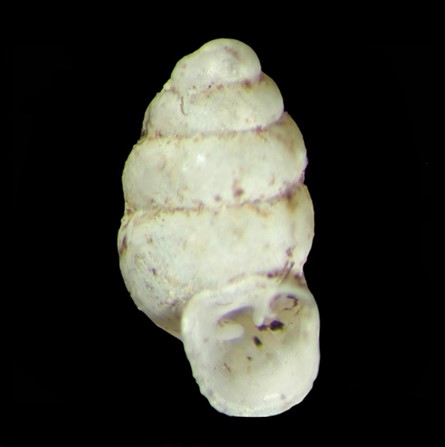
CLASSE: GASTROPODA: TERRESTRE FAMÍLIA: GASTROCOPTIDAE ESPÉCIE: Gastrocopta solitaria (Smith, 1890) Tamanho médio: ~2 mm Ocorrência: Arquipélago de Fernando de Noronha Localidade tipo: Arquipélago de Fernando de Noronha Nome original: Pupa solitaria E.Smith, 1890 Comentários: Molluscabase, 2024 considera como taxon inquirendum Fotos: (1) Salvador R.B., Cavallari D.C. & Simone L.R.L. (2017): Natural History Museum, London: possível HOLOTYPE de Gastrocopta solitaria (Smith, 1890), proveniente do Arquipélago de Fernando de Noronha, Brasil (NHMUK sem numeração, H = 2 mm) Figura: Salvador, Cavallari & Simone (2017): (2-4) Gastrocopta sharae, HOLOTYPE (MZSP 122725, H = 1.9 mm, D = 1.1 mm); (5–6) Gastrocopta sharae, PARATYPE (MZSP 122726, H = 1.9 mm, D = 1.1 mm); (7) Gastrocopta barbadensis, proveniente da Ilha de Trindade (Brasil), imagem SEM...

CLASSE: GASTROPODA: TERRESTRE FAMÍLIA: GASTROCOPTIDAE ESPÉCIE: Gastrocopta subandina F. Brito & S. Miquel, 2022 Tamanho médio: ~2.5 - 2.9 mm Ocorrência: Argentina (Catamarca, Córdoba, La Rioja) Localidade tipo: Argentina, Córdoba, Cabana, Rumi Huasi Nome original: Gastrocopta subandina F. Brito & S. Miquel, 2022 Etimologia: o nome da espécie é uma referência à distribuição geográfica da espécie, nas colinas subandinas do Oeste da Argentina Zoobank: urn:lsid:zoobank.org:act:9CBF1813-E04C-4171-9E80-829D1D2396C2 Fotos: (1) Brito & Miquel, 2022: Museo de La Plata: HOLOTYPE MLP 8902-1, Córdoba, Cabana, Rumi Huasi, 1947, coll. M. Birabén Figura: Brito, Fátima & Miquel, Sergio. (2022): Gastrocopta subandina: (A-B) HOLOTYPE MLP 8902-1, Rumi Huasi, Cabana, Córdoba; (C) PARATYPE MACN-In 9439-2, Lomas del Potrero, Chumbicha, Catamarca; (D) MLP 11834,...
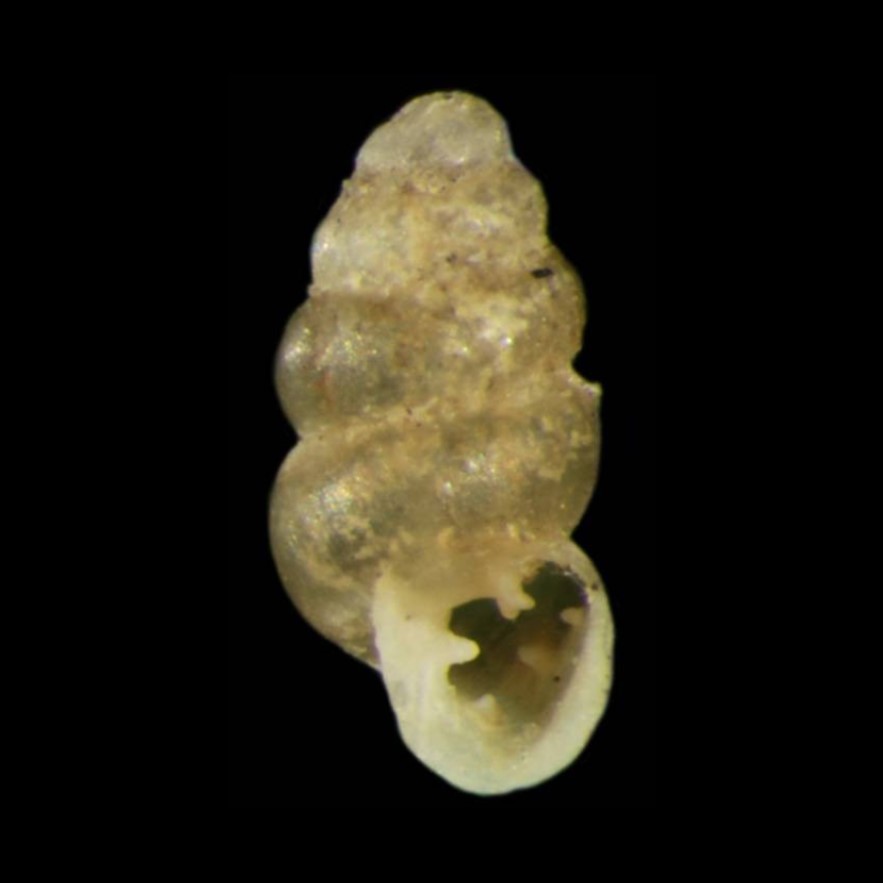
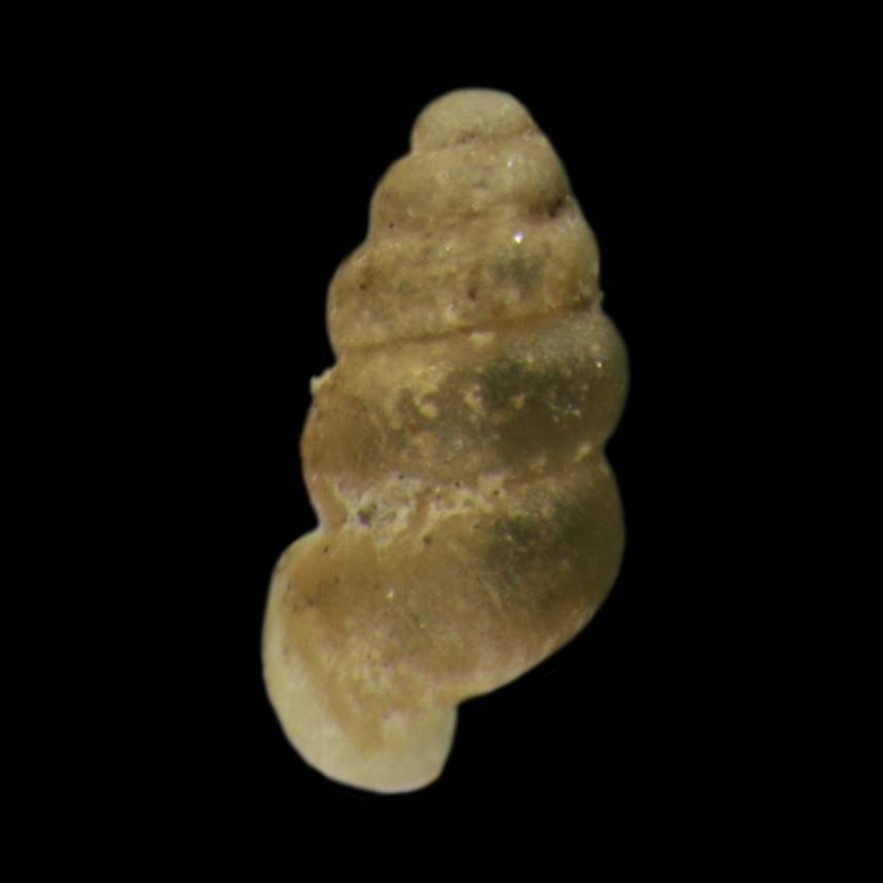
CLASSE: GASTROPODA: TERRESTRE FAMÍLIA: GASTROCOPTIDAE ESPÉCIE: Gastrocopta wolfii (K. Miller, 1879) Tamanho médio: ~2 mm Ocorrência: Equador Localidade tipo: Equador, Guayaquil Nome original: Pupa (Leucochila) wolfii K. Miller, 1879 Sinônimos: Gastrocopta (Gastrocopta) wolfii (K. Miller, 1879) Fotos: (1-3) Senckenberg Natural History Museum, Frankfurt: SYNTYPE SMF 1844, Equador, Guayaquil Fontes: Descrição original: (como Pupa (Leucochila) wolfii K. Miller, 1879) Miller, K. (1879). Die Binnenmollusken von Ecuador. Malakozoologische Blätter, Neue Folgen. 1: 117-203, pls 4-15.,disponível online em https://www.biodiversitylibrary.org/page/35675090 página(s): 127, pl. 14, fig. 3 Breure, A. S. H., Roosen, M. T. & Ablett, J. D. (2022). Land and freshwater molluscs of mainland Ecuador: an illustrated checklist. Iberus. 40(1): 1-290. página(s): 188, figs. 252, 256 Senckenberg. Collection Mollusca SMF. Occurrence dataset https://doi.org/10.15468/ohuexz accessed via GBIF.org...

CLASSE: GASTROPODA: TERRESTRE FAMÍLIA: FERUSSACIIDAE ESPÉCIE: Geostilbia blandiana Crosse, 1880 Tamanho médio: 4 mm Habitat: Vive no solo. Sob folhas ou enterrada parte do tempo Ocorrência: Brasil (Pará) Localidade tipo: Pará ("Habitat Soure, insulae Joannis, in provincia Paraensi, Brasiliœ (comm. Th. Bland)") Nome original: Geostilbia blandiana Crosse, 1880 Etimologia: o nome da espécie é uma homenagem a Thomas B. Bland. Bland (1809-1885) em Nottinghamshire, Inglaterra, filho do Dr. Thomas Bland, um médico. Ele herdou seu amor pela história natural de sua mãe, que tinha uma coleção de conchas, plantas e minerais. Formado em Londres, estudou direito e lá exerceu a profissão, onde se tornou membro da Royal Geological Society em 1836. Entre 1842 e 1850 residiu primeiro em Barbados e depois na Jamaica,...

CLASSE: GASTROPODA: TERRESTRE FAMÍLIA: FERUSSACIIDAE ESPÉCIE: Geostilbia gundlachi (L. Pfeiffer, 1850) Tamanho médio: 3 mm Habitat: vive no solo, sob folhas ou enterrada parte do tempo Ocorrência: Brasil (Rio de Janeiro) Localidade tipo: Pará ("Habitat Soure, insulae Joannis, in provincia Paraensi, Brasiliœ (comm. Th. Bland)") Nome original: Achatina gundlachi L. Pfeiffer, 1850 Sinôninos: Caecilianella gundlachi (L. Pfeiffer, 1850); Caecilioides gundlachi (L. Pfeiffer, 1850) Foto: nd Fontes: Descrição original: (como Achatina gundlachi L. Pfeiffer, 1850)Pfeiffer, L. (1850). Beschreibungen neuer Landschnecken. Zeitschrift für Malakozoologie. Cassel. 7 (5): 65-80 (July 1850); 7 (6): 81-89 (August 1850)., disponível online em https://biodiversitylibrary.org/page/16300365 página(s): 80 Simone, L. R. L. (2006). Land and Freshwater Molluscs of Brazil. Editora Gráfica Bernardi, FAPESP. São Paulo, 390 pp. página(s): 184 Molluscabase: https://www.molluscabase.org/aphia.php?p=taxdetails&id=833814

CLASSE: GASTROPODA: TERRESTRE FAMÍLIA: CLAUSILIIDAE ESPÉCIE: Gonionenia dohrni (L. Pfeiffer, 1861) Tamanho médio: 31 mm Ocorrência: Venezuela?, Colômbia (Norte de Santander, Santander) Localidade tipo: "Columbien" (Neugranada: Ocana) Nome original: Clausilia dohrni L. Pfeiffer, 1861 Etimologia: o nome da espécie é uma homenagem ao zoólogo e malacologista alemão Heinrich Wolfgang Ludwig Dohrn (16.vi.1838, Braunschweig - 1.x. 1913, Florence). A coleção de Dohrn, que incluía obras de L. Pfeiffer, F.H. Troschel e E. Roner, encontrava-se no Museu Stettin e foi destruída durante a Segunda Guerra Mundial Fotos: (1) Forschungsinstitut und Naturmuseum Senckenberg: PARALECTOTYPE de Gonionenia dohrni, SMF 62027, Colômbia (Neugranada: Ocana), 31.5mm Fontes: Descrição original: (como Clausilia dohrni L. Pfeiffer, 1861) Pfeiffer, L. (1861). Beschreibung neuer Landschnecken. Malakozoologische Blätter. Cassel (Theodor Fischer). 7 (5): 213-217;...
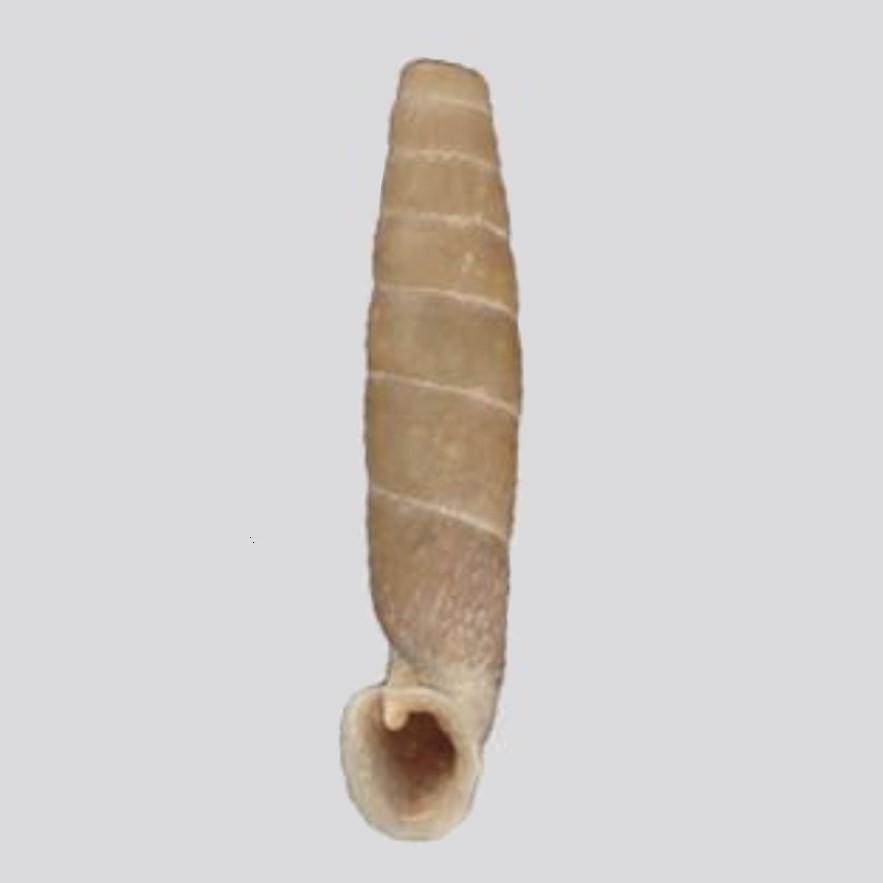
CLASSE: GASTROPODA: TERRESTRE FAMÍLIA: CLAUSILIIDAE ESPÉCIE: Gonionenia rochebrunii (Jousseaume, 1900) Tamanho médio: 29 mm Ocorrência: Colômbia Localidade tipo: Colômbia, sem localidade específica Nome original: Nenia rochebrunii Jousseaume, 1900 Etimologia: o nome da espécie é uma homenagem ao Marquês de Rochebrune, amigo do autor Fotos: (1,2) Muséum national d'Histoire naturelle (MNHN - Paris): SYNTYPE de Gonionenia rochebrunii, MNHN 2000-2668, 29.1mm Fontes: Descrição original: (como Nenia rochebrunii Jousseaume, 1900) Jousseaume, F. (1900). Mollusques terrestres. Clausilia, Rhodea et Bulimus Sud-Americanae. Bulletin de la Société Philomatique de Paris, ser. 9. 2(1): 5-44., disponível online em https://biodiversitylibrary.org/page/31964296 página(s): 19, pl. 1 fig. 4 Linares, E. L. & Vera M. L. (2012). Catálogo de los Moluscos Continentales de Colombia. Bogotá: Universidad Nacional de Colombia. 360 pp. página(s): 150 ...


CLASSE: GASTROPODA: TERRESTRE FAMÍLIA: ODONTOSTOMIDAE ESPÉCIE: Gonyostomus egregius (L. Pfeiffer, 1845) Tamanho médio: 40 - 60 mm Habitat: vive em árvores e arbustos e também sob folhas ou enterrada parte do tempo Ocorrência: Brasil (Rio de Janeiro, Espírito Santo) Localidade tipo: "Brasil" Nome original: Bulimus egregius L. Pfeiffer, 1845 Sinônimos: Bulimus hybridus A. Gould, 1846; Gonyostomus hybridus (A. Gould, 1846) Descrição original: (Pfeiffer, 1845): "testá perforatá, fusiformi, solidulá, striis longitudinalibus confertis et lineis spiralibus remotioribus subdecussatá, nitidá, flammis castaneis pellucidis et fulvis, opacis egregit pictá ; anfractibus 6 vir convexiusculis, ultimo spiram turritam equantae, basi compresso; columellá subangulato-arcuatá; aperturd oblonga, utrinque acutá, intus lividá ; peristomate vivide rubro, late expanso, breviter reflexo, basi canaliculato, marginibus callo tenui junctis." Comentários: (1)...
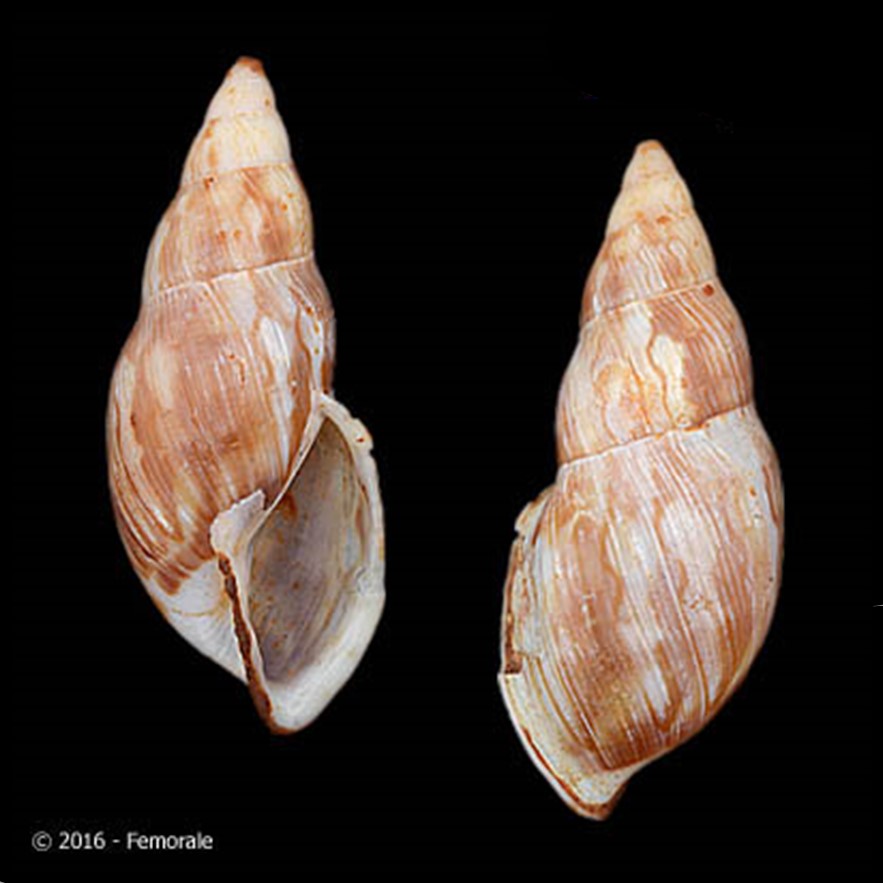
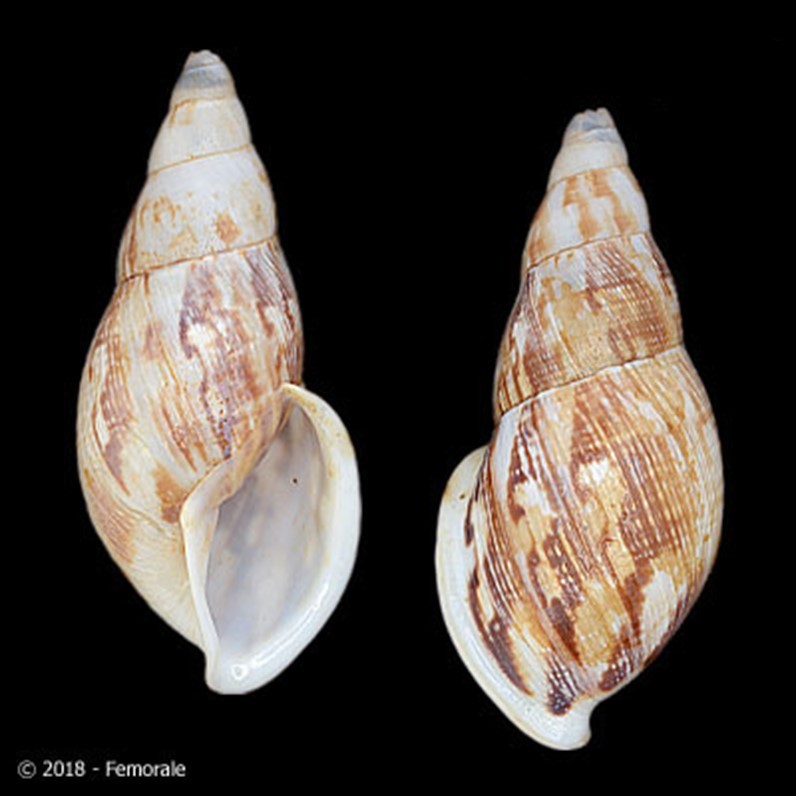
CLASSE: GASTROPODA: TERRESTRE FAMÍLIA: ODONTOSTOMIDAE ESPÉCIE: Gonyostomus elinae Simone, 2016 Tamanho médio: 45 - 60 mm Habitat: possivelmente arbórea (Simone, 2016) Frequência: Raro Ocorrência: Brasil (São Paulo) Localidade tipo: Iporanga, PETAR (Alto do Ribeira State Park), São Paulo Nome original: Gonyostomus elinae Simone, 2016 Etimologia: nome da espécie é uma homenagem a Maria Elina Bichuette, líder de um time que conduz extensos projetos sobre a fauna cavernícola. Doou diversas amostras de moluscos, num significativo aumento do conhecimento sobre a malacofauna brasileira Fotos: (1-2) cortesia Femorale, 2016, Iporanga, São Paulo, 62.1mm e 42.8mm respectivamente Figura: Simone, 2016. Gonyostomus elinae: (1-4) HOLOTYPE Museu de Zoologia de São Paulo MZSP 106226 (L = 46.9 mm); (5) PARATYPE MZSP 106237 (L= 46.2 mm);...
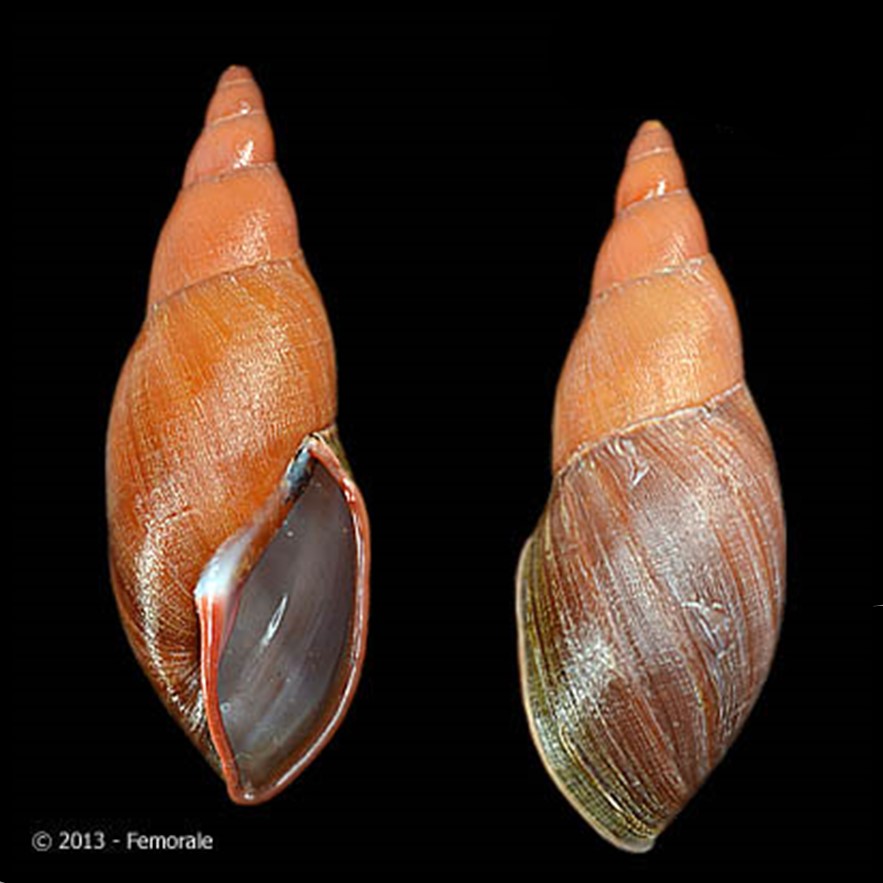

CLASSE: GASTROPODA: TERRESTRE FAMÍLIA: ODONTOSTOMIDAE ESPÉCIE: Gonyostomus goniostomus (A. Férussac, 1821) Tamanho médio: 58 - 60 mm Habitat: vive em árvores e arbustos Ocorrência: Brasil (Rio de Janeiro) Localidade tipo: "Le Brésil, près Rio Janeiro, à l’aqueduc de Corcovado" Nome original: Helix (Cochlogena) goniostoma A. Férussac, 1821 Sinônimos: Bulimus goniostomus (A. Férussac, 1821); Limnaeus papyraceus Spix, 1827; Gonyostomus goniostoma (Ferussac, 1821) Fotos: (1,2) cortesia Femorale, 2013, Rio de Janeiro; (3) Museu Nacional de História Natural, Paris: SYNTYPE de Gonyostomus goniostomus, MNHN-IM-2000-28063, coleção Férussac comm Thaunay, Corcovado, cidade do Rio de Janeiro, 49.1 mm Figura: Breure, A. S. H. & Araujo, R. (2017): (A) Anthinus multicolor (Rang,1831), MNCN 15.05/13268; (B) Austroborus lutescens (King & Broderip, 1831), MNCN...

CLASSE: GASTROPODA: TERRESTRE FAMÍLIA: ODONTOSTOMIDAE ESPÉCIE: Gonyostomus insularis Leme, 1974 Tamanho médio: 43 mm Habitat: vive em árvores e arbustos e também sob folhas ou enterrada parte do tempo Frequência: Lista Vermelha do Livro Vermelho da Fauna Brasileira Ameaçada de Extinção 2018 do ICMBio Ocorrência: Brasil, off São Paulo, endêmico na Ilha dos Búzios Localidade tipo: Ilha de Búzios, município de São Sebastião, São Paulo Nome original: Gonyostomus insularis Leme, 1974 Fotos: (1) Museu Nacional do Rio de Janeiro, PARATYPE MNRJ 3643; (2) Animal vivo: Gonyostomus sp, registro fotográfico por Antonio Amaral, iNaturalist, Ilhabela, São Paulo, 2023 Fontes: Descrição original : Leme, J. L. M. . (1974). Gonyostomus insularis, uma nova espécie de Strophocheilidae (Pulmonata) da Ilha dos...
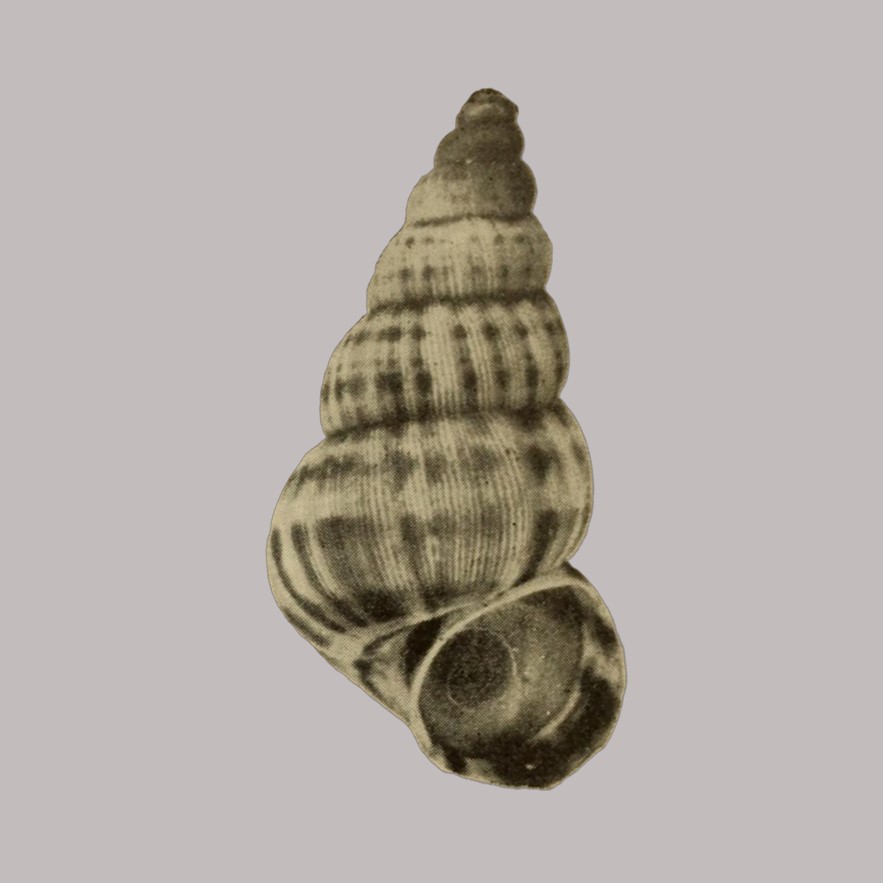
CLASSE: GASTROPODA: TERRESTRE FAMÍLIA: ANNULARIIDAE ESPÉCIE: Gouldipoma plicatulum (L. Pfeiffer, 1846) Tamanho médio: 16 - 21 mm Ocorrência: Venezuela (Falcon, Yaracuy, Districto Federal, Sucre, Zulia, Carabobo) Localidade tipo: Venezuela Nome original: Cyclostoma plicatulum L. Pfeiffer, 1846 Sinônimos: Chondropoma plicatulum (L. Pfeiffer, 1846); Cyclostoma (Chondropoma) venezuelense L. Pfeiffer, 1854; Cyclostoma tamsianum L. Pfeiffer, 1850 Fotos: (1) Solem, 1960: Gouldipoma plicatulum, CNMN 11735, Venezuela, Zulia, Encontrados, coll. N. Dearborn Fontes: Descrição original: (como Cyclostoma tamsianum L. Pfeiffer, 1850) Pfeiffer, L. (1850). Beschreibungen neuer Landschnecken. Zeitschrift für Malakozoologie. Cassel. 7 (5): 65-80 (July 1850); 7 (6): 81-89 (August 1850)., disponível online em https://biodiversitylibrary.org/page/16300365 página(s): 77-78 Descrição original: (como Cyclostoma (Chondropoma) venezuelense L. Pfeiffer, 1854) Pfeiffer, L. (1854). Descriptions of twenty-three new species of land shells, from the collection...
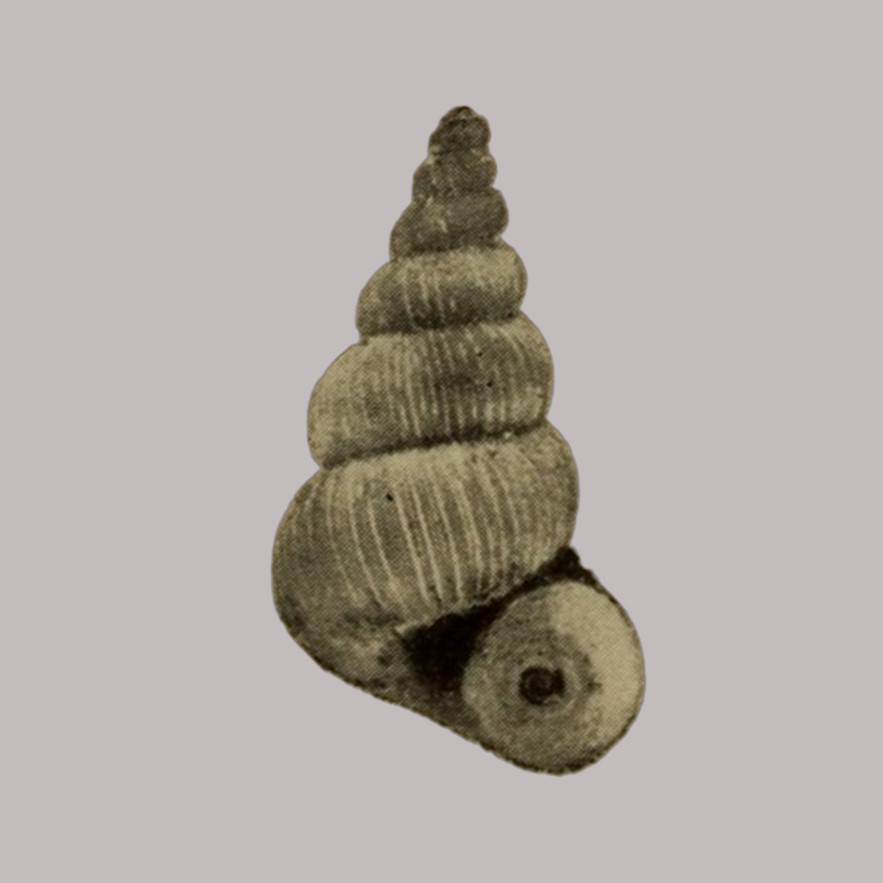
CLASSE: GASTROPODA: TERRESTRE FAMÍLIA: ANNULARIIDAE ESPÉCIE: Gouldipoma simplicistoma (Solem, 1960) Tamanho médio: 10.6 - 12.3 mm Ocorrência: Venezuela (Falcon) Habitat: cavernas em calcário do Mioceno Localidade tipo: Venezuela, Cerro Chichiriviche, Silva, Falcon Nome original: Choanopoma simplicistoma Solem, 1960 Sinônimos: Gouldipoma simplicistomum [sic] Fotos: (1) Solem, 1960: HOLOTYPE de Gouldipoma simplicistoma, USNM 508803, Venezuela, Falcon, Cerro Chichiriviche, Silva, H.G. Kugler collection, v.1934 Fontes: Descrição original: (como Choanopoma simplicistoma Solem, 1960) Solem, A. (1960). Notes on South American non-marine Mollusca I-III. Annali del Museo Civico di Storia Naturale Giacomo Doria. 71: 417-434, pls 14-15., disponível online em https://www.biodiversitylibrary.org/page/35318906 página(s): 426 Solem, A. (1960). Notes on South American non-marine Mollusca I-III. Annali del Museo Civico di Storia Naturale Giacomo Doria. 71: 417-434, pls 14-15., disponível online em https://www.biodiversitylibrary.org/page/35318906...
CLASSE: GASTROPODA: TERRESTRE FAMÍLIA: ANNULARIIDAE ESPÉCIE: Gouldipoma thoreyanum (R. A. Philippi, 1851) Tamanho médio: 16 - 18 mm Ocorrência: desconhecida Localidade tipo: Bolívia (Solem, 1960 considera questionável essa localidade) Comentários: Solem, 1960 considera a espécie semelhante às espécies da Venezuela e Colômbia, e questionável a localidade tipo como Bolívia. Segundo Watters, 2006 o tipo não foi encontrado no NHMUK e aparentemente a espécie não foi coletada posteriormente à sua descrição Nome original: Cyclostoma thoreyanum R. A. Philippi, 1851 Etimologia: o nome da espécie é uma homenagem à Thorey, coletor do material tipo Fotos: nd Fontes: Descrição original: (como Cyclostoma thoreyanum R. A. Philippi, 1851) Philippi, R. A. (1849-1851). Centuria quarta testaceorum novorum. Zeitschrift für Malakozoologie. 6(2): 27–32 [May 1849]; 6(3): 33-35 [July...