


CLASSE: GASTROPODA: TERRESTRE FAMÍLIA: BULIMULIDAE ESPÉCIE: Newboldius crichtoni (Broderip, 1836) Tamanho médio: 62 - 71 mm Ocorrência: Peru Localidade tipo: Peru, "ad Ambo juxta Huanuco Peruviae" Nome original: Bulinus crichtoni Broderip, 1836 Sinônimos: Bulimus illustris Rolle, 1904; Newboldius illustris (Rolle, 1905); Newboldius inca Pilsbry, 1932 Fotos: (1-3) The Academy of Natural Sciences, Philadelphia: HOLOTYPE de Newboldius inca, ANSP 156230, doador: Carriker, M. A, 1931, "Oconeque, on the Rio Quitun, a branch of the Rio Inambari, Department Puno, southeastern Peru", 2133 m de altitude, 71mm; (4) Natural History Museum, London: HOLOTYPE de Bulimus illustris Rolle, NHMUK 1922.2.24.40, Peru, Huancabamba; (5) Natural History Museum, London: HOLOTYPE de Newboldius crichtoni, NHMUK 1958.9.3.4, doador: Broderip Museum, "Ambo, near Huanco, Peru" ...
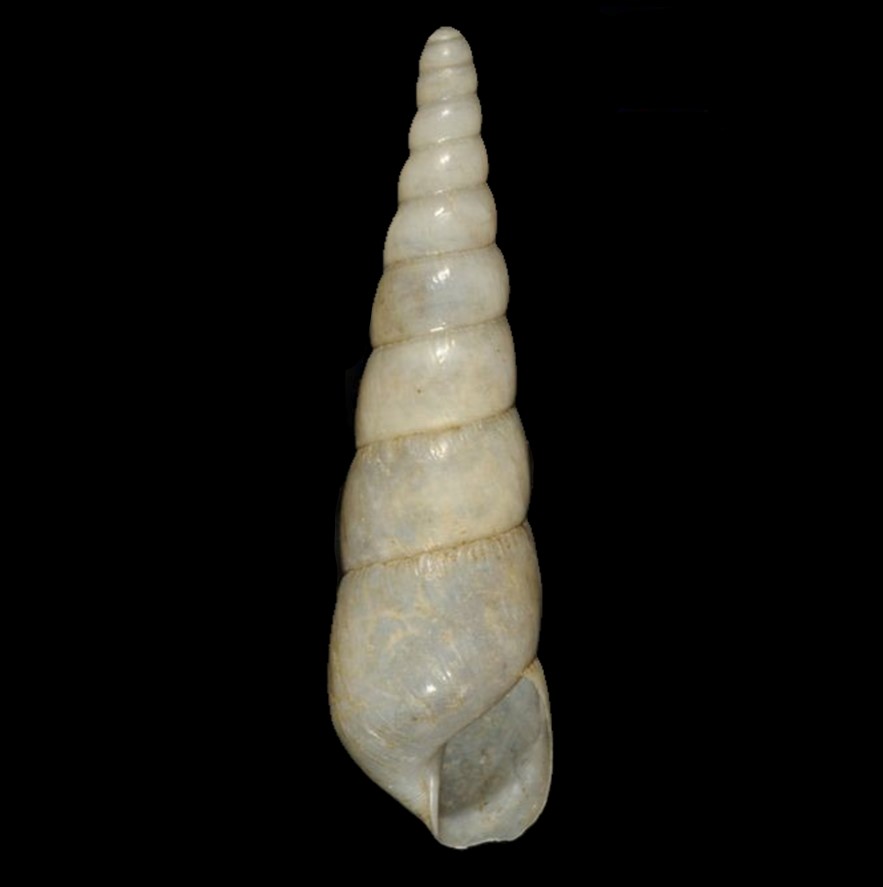

CLASSE: GASTROPODA: TERRESTRE FAMÍLIA: ACHATINIDAE ESPÉCIE: Obeliscus agassizi Pilsbry, 1906 Tamanho médio: 36 mm Habitat: vive no solo, na serapilheira (leaf litter) Ocorrência: Brasil (Alagoas, Paraíba, Pernambuco) Localidade tipo: Brasil (coletado por J. G. Anthony, durante a Expedição Agassiz), sem localidade específica Nome original: Obeliscus agassizi Pilsbry, 1906 Etimologia: o nome da espécie foi dado em homenagem a Louis Agassiz, zoólogo e geólogo suíço (1807-1873). Agassiz chefiou a expedição Thayer, que saiu de Nova Iorque, em 1865, passou pelo Rio de Janeiro, Minas Gerais, Nordeste do Brasil e terminou na Amazônia, em 1866. Considerado um eminente naturalista do século XIX, viajou acompanhado de sua esposa Elizabeth. Seu principal objetivo era pesquisar os peixes da Bacia Amazônica para provar a "falácia das teses evolucionistas" ...
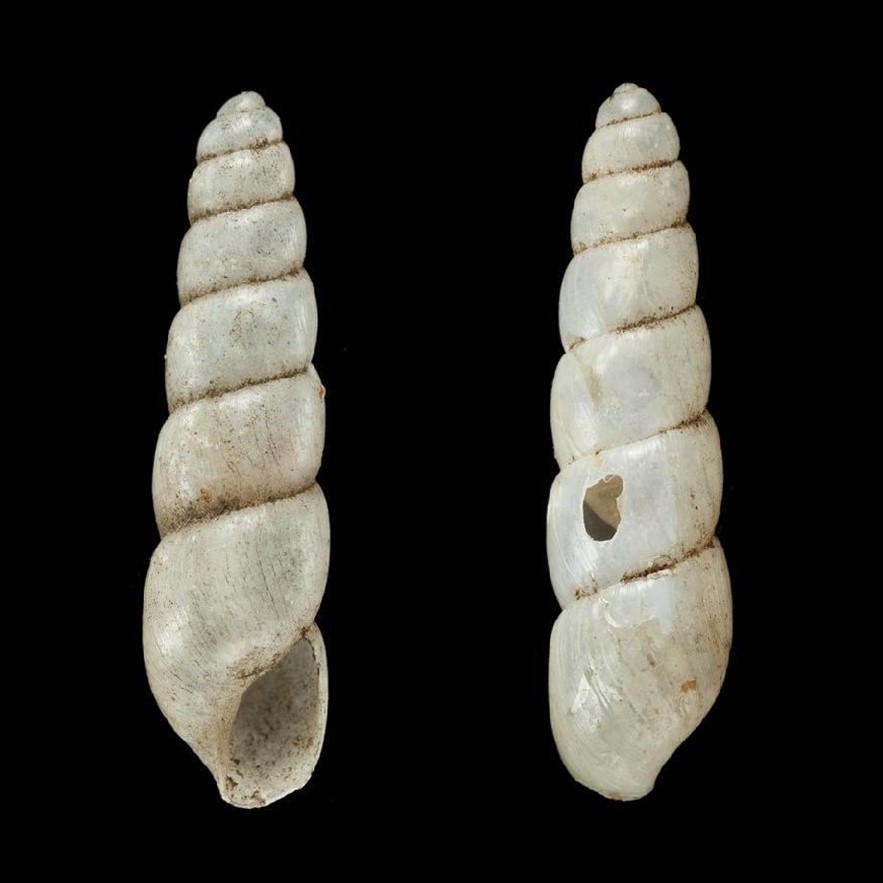
CLASSE: GASTROPODA: TERRESTRE FAMÍLIA: ACHATINIDAE ESPÉCIE: Obeliscus bacterionides (A. d'Orbigny, 1835) Tamanho médio: nd Ocorrência: Bolívia (Beni, Santa Cruz) Localidade tipo: Bolívia, Rio Grande, Laguna Nome original: Helix bacterionides A. d'Orbigny, 1835 Sinônimos: Leptinaria bacterionides (A. d'Orbigny, 1835) Fotos: (1,2) Natural History Museum, London: SYNTYPE de Obeliscus bacterionides, NHMUK 1854.12.4.88, Bolívia, Laguna Fontes: Descrição original: (como Helix bacterionides A. d'Orbigny, 1835) Orbigny, A. d'. (1835). Synopsis terrestrium et fluviatilium molluscorum, in suo per Americam meridionalem itinere collectorum. Magasin de Zoologie. 5(61): 1-44., disponível online em https://www.biodiversitylibrary.org/page/2633132 página(s): 9 Miquel, S. E. & Jaime, G. L. (2018). Subulinidae snails from northern Argentina with description of a new species of Nannobeliscus Weyrauch. Spixiana. 41(1): 1-7, disponível online em RESEARCHGATE D'Àvila...
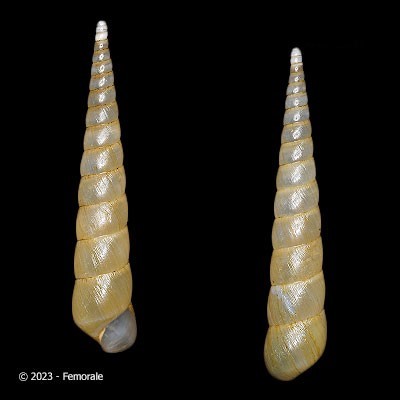
CLASSE: GASTROPODA: TERRESTRE FAMÍLIA: ACHATINIDAE ESPÉCIE: Obeliscus boitata Simone & Salvador, 2016 Tamanho médio: 50 - 70 mm Habitat: vive no solo, sob folhas ou enterrada parte do tempo Frequência: Raro Ocorrência: Brasil (Minas Gerais) Localidade tipo: Minas Gerais: Nanuque (∼ 17°51′S 40°23′W) Altitude: ~120 m Nome original: Obeliscus boitata Simone & Salvador, 2016 Etimologia: é uma referência ao "Boitatá", uma criatura semelhante a uma cobra de fogo que protegia as florestas no folclore brasileiro Fotos: cortesia Femorale, 2023, Minas Gerais Fontes: Descrição original: Simone, L. R. L. & Salvador, R. B. (2016). Taxonomical study on a sample of land snails from Nanuque (Minas Gerais, Brazil), with descriptions of three new species. Stuttgarter Beiträge zur Naturkunde. A, 9(1): 9-30., disponível online em...
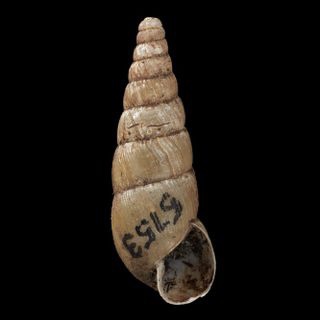
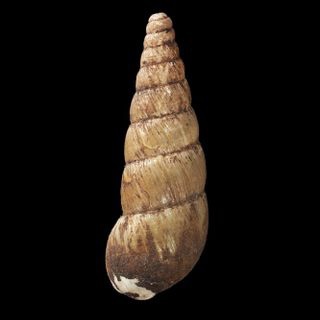
CLASSE: GASTROPODA: TERRESTRE FAMÍLIA: ACHATINIDAE ESPÉCIE: Obeliscus carphodes (Pfeiffer, 1852) Tamanho médio: 75 - 90 mm Habitat: vive no solo, na serrapilheira Alimentação: Carnívoro, alimenta-se de outros animais Localidade tipo: Brasil, sem localidade específica Nome original: Bulimus carphodes L. Pfeiffer, 1855 Fotos: (1,2) Museum of New Zeland, Obeliscus carphodes, Brasil, Espírito Santo, lote M.205753, identificado por Rodrigo B. Salvador, 2018; (3) Naturalis Biodiversity Center - ZMA.MOLL.32528 Fontes: Descrição original: (como Bulimus carphodes L. Pfeiffer, 1855) Pfeiffer, L. (1840-1865). [in H. C. Küster & L. Pfeiffer] Die Bulimiden und Achatinen, In Abbildungen nach der Natur. Die Gattungen Bulimus, Partula, Achatinella, Achatina und Azeca. In: Küster, H. C., Ed. Systematisches Conchylien-Cabinet von Martini und Chemnitz. Neu herausgegeben und vervollständigt. Erster Bandes, dreizehnte Abtheilung. iii-xix, 1-395, pls 1-70....

CLASSE: GASTROPODA: TERRESTRE FAMÍLIA: ACHATINIDAE ESPÉCIE: Obeliscus columella (R. A. Philippi, 1844) Tamanho médio: 12 mm Ocorrência: São Paulo Localidade tipo: Brasil Nome original: Bulimus columella R. A. Philippi, 1844 Fotos: Alto da Lapa, São Paulo, São Paulo, 11 mm, coll. Ricardo Guerrini Fontes: Descrição original: (como Bulimus columella R. A. Philippi, 1844)Philippi, R. A. (1842-1850). Abbildungen und Beschreibungen neuer oder wenig gekannter Conchylien unter Mithülfe mehrerer deutscher Conchyliologen. Cassel, T. Fischer: Vol. 1: 1-20 [1842], 21-76 [1843], 77-186 [1844], 187-204 [1845]; Vol. 2: 1-64 [1845], 65-152 [1846], 153-232 [1847] ; Vol. 3: 1-50 [1847], 51-82 [1848], 1-88 [1849], 89-138 [1850]. , disponível online em http://www.biodiversitylibrary.org/item/41582 página(s): 1: 158, pl. 2 fig. 7 Simone, L. R. L. (2006). Land and Freshwater Molluscs...
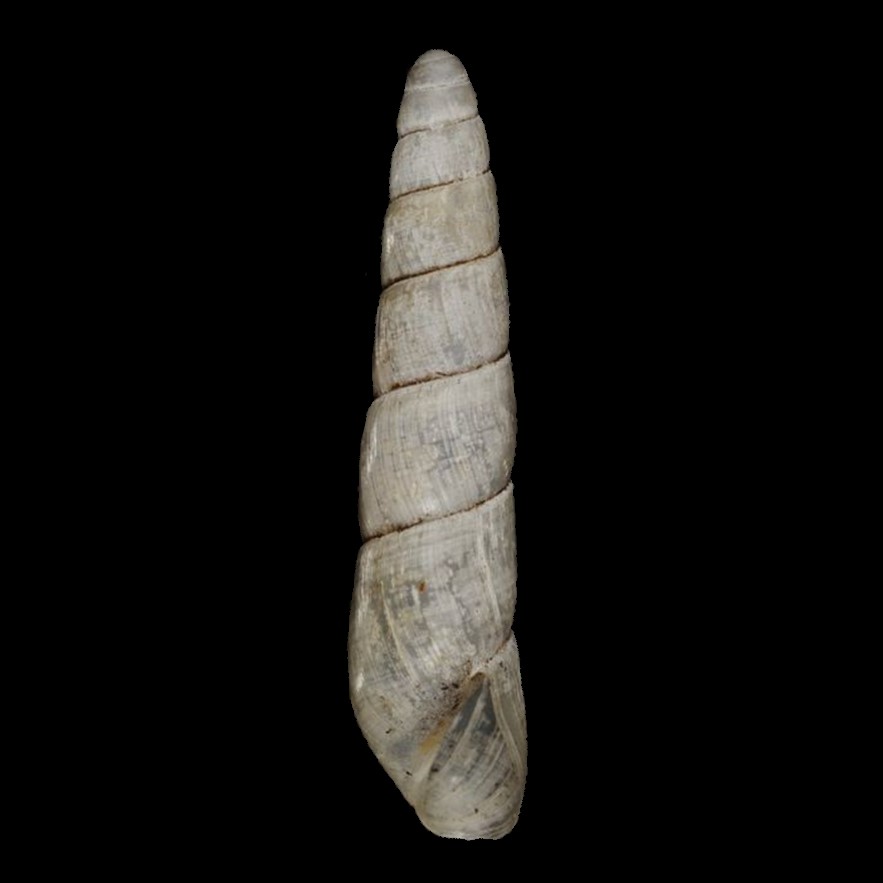
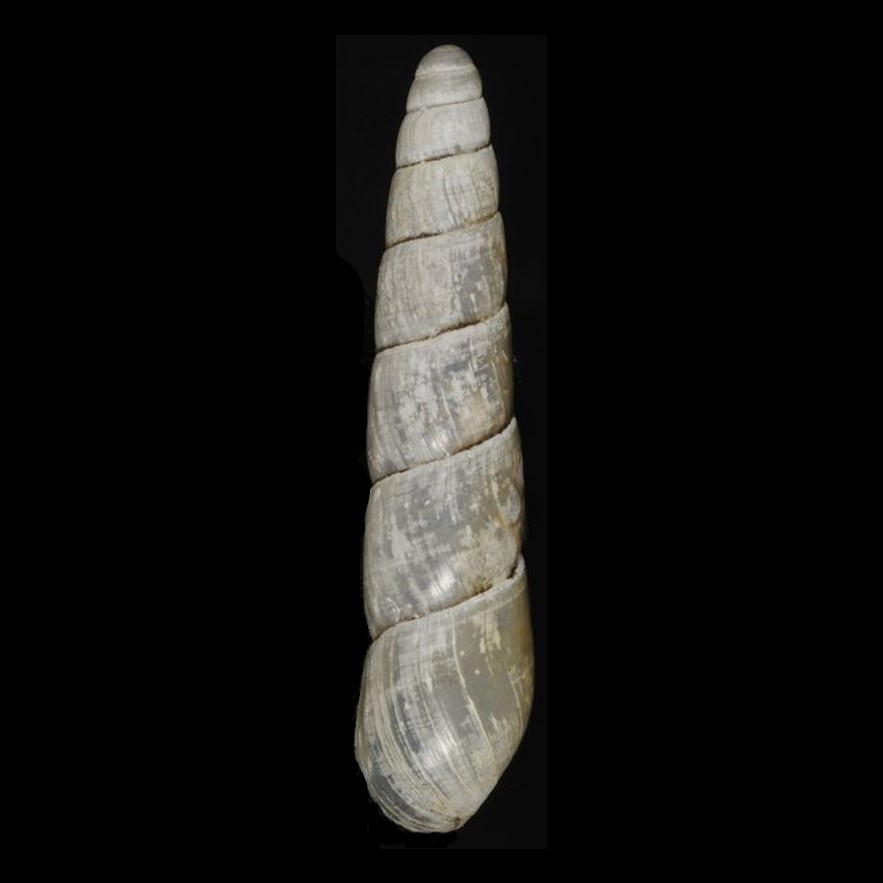
CLASSE: GASTROPODA: TERRESTRE FAMÍLIA: ACHATINIDAE ESPÉCIE: Obeliscus latispira Pilsbry, 1944 Tamanho médio: 27 mm Ocorrência: Peru (Junin) Localidade tipo: Peru, Junin, Huacapistana Altitude: 1800 m Nome original: Obeliscus latispira Pilsbry, 1944 Fotos: (1-3) The Academy of Natural Sciences, Philadelphia: HOLOTYPE ANSP 179987, coll. Weyrauch, W., 1942, 27.5mm Fontes: Descrição original: Pilsbry, H. A. (1944). Peruvian land Mollusca – II. The Nautilus. 57(4): 118-129, pl. 11., disponível online em https://www.biodiversitylibrary.org/page/8515578 página(s): 127, pl. 11 fig. 18 D'Àvila S., Simone L. R. L., Oliveira L. F. Cappa De, Charles L. & Maestrati P. (2020). Rediscovery of Obeliscus agassizi Pilsbry, 1906 (Gastropoda, Subulinidae, Obeliscinae), annotated checklist of species of Obeliscus Beck, 1837 and first description of the anatomy for the genus. Zoosystema. 42(12): 159-172., disponível online em https://doi.org/10.5252/zoosystema20v42a12....

CLASSE: GASTROPODA: TERRESTRE FAMÍLIA: ACHATINIDAE ESPÉCIE: Obeliscus nanus F. Haas, 1951 Tamanho médio: 7 mm Ocorrência: Peru Localidade tipo: Peru, Chanchamayo Valley Nome original: Obeliscus (Protobeliscus) nanus F. Haas, 1951 Fotos: (1-3) Field Museum of Natural History: HOLOTYPE de Obeliscus nanus F. Haas, 1951, FMNH 30931, Peru, Chanchamayo Valley, coll. W. K. Weyrauch, 7mm Fontes: Descrição original: (como Obeliscus (Protobeliscus) nanus F. Haas, 1951) Haas, F. (1951). Remarks on and descriptions of South American non-marine shells. Fieldiana: Zoology. 31(46): 503-545., disponível online em https://www.biodiversitylibrary.org/page/2784155 página(s): 541-542, fig. 123 Ramírez, R.; Paredes, C.; Arenas, J. (2003). Moluscos del Perú. Revista de Biologia Tropical. 51(supplement 3): 225-2849 Grant S, Webbink K, Keogh S (2025). Field Museum of Natural History (Zoology) Invertebrate Collection. Version 18.51. Field...
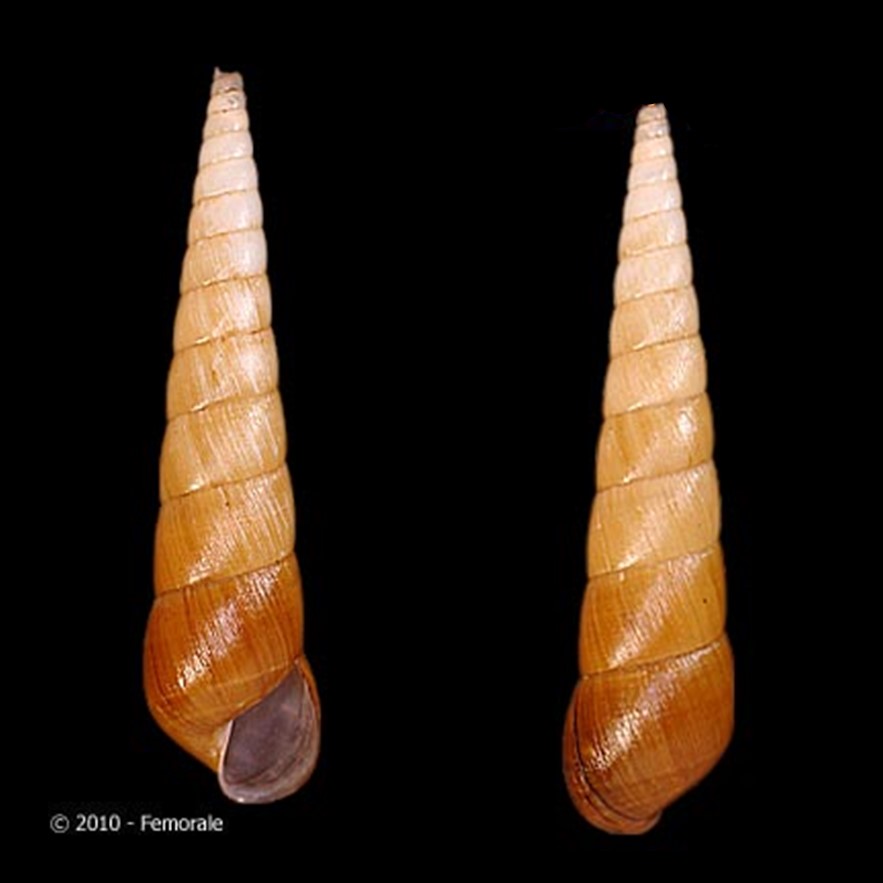
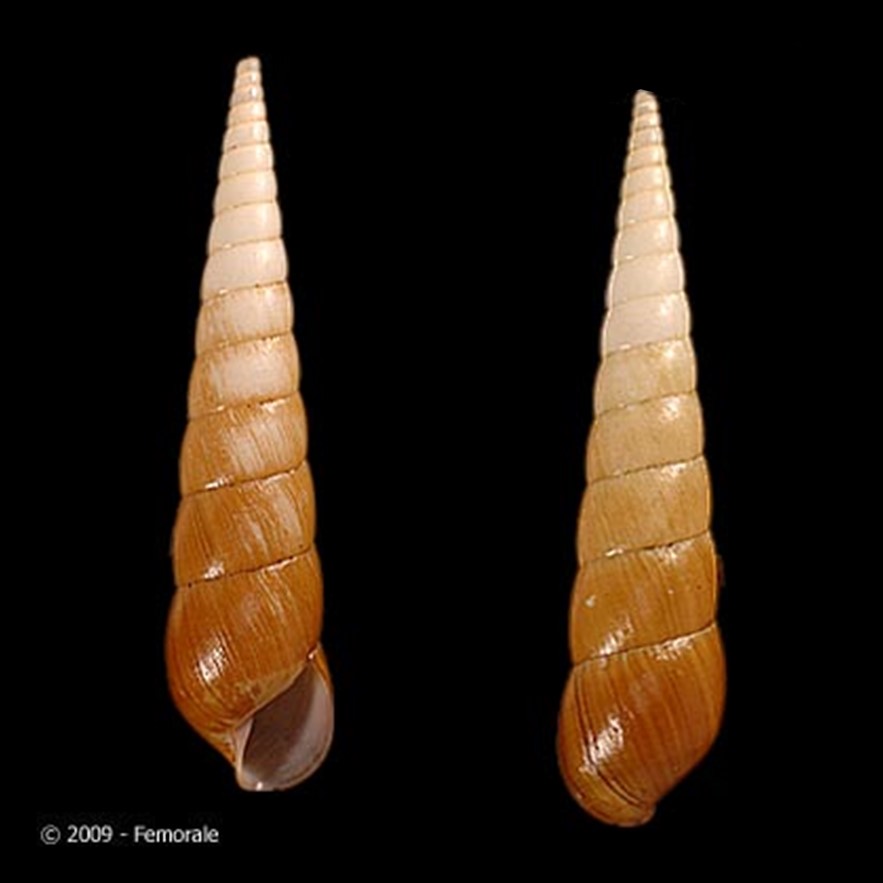
CLASSE: GASTROPODA: TERRESTRE FAMÍLIA: ACHATINIDAE ESPÉCIE: Obeliscus obeliscus (Moricand, 1833) Tamanho médio: 104 - 121 mm Habitat: vive no solo, sob pedras Alimentação: carnívoro, alimenta-se de outros animais Ocorrência: Brasil (Rio Grande do Sul, Rio de Janeiro, Espírito Santo, Bahia, Sergipe, Minas Gerais) Localidade tipo: Brasil ("Du Brésil, près de Caravelhas.") Nome original: Helix (Cochlicella) obeliscus S. Moricand, 1834 Sinônimos: Bulimus obeliscus (S. Moricand, 1834); Helix obeliscus S. Moricand, 1834 Descrição original: (Moricand, 1834); "Ce bulime, qui paraît être d’une grande rareté, car je n’en connais qu’un seul individu, est remarquable par le grand alongement de sa spire ; elle est formée de quinze tours légèrement convexes, mince, d’une couleur uniforme gris-olivâtre, un peu plus prononcée sur les derniers tours ; les 4 ou...
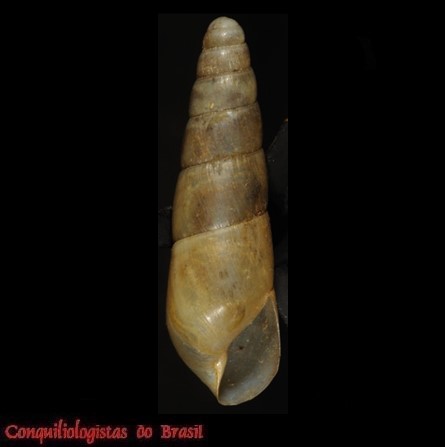
CLASSE: GASTROPODA: TERRESTRE FAMÍLIA: ACHATINIDAE ESPÉCIE: Obeliscus pattalus Pilsbry, 1906 Tamanho médio: 27 mm Habitat: vive no solo, sob folhas ou enterrada parte do tempo Localidade tipo: Brasil, sem localidade específica Nome original: Obeliscus pattalus Pilsbry, 1906 Fotos: The Academy of Natural Sciences, Philadelphia, LECTOTYPE ANSP 59335, Brasil, Coleção Swift Fontes: Descrição original: Pilsbry, H. A. (1906-1907). Manual of conchology, structural and systematic, with illustrations of the species. Ser. 2, Pulmonata. Vol. 18: Achatinidae: Stenogyrinae and Coeliaxinae. pp i-xiii, 1-357, pls 1-51. Philadelphia, published by the Conchological Department, Academy of Natural Sciences. [pp. 1-64, pls. 1-10, Jan. 20, 1906; pp. 65-160, pls. 11-20, Apr. 10, 1906; pp. 161-272, pls. 21-34, Oct. 2, 1906; pp. 273-357, i-xii, pls. 35-51,...
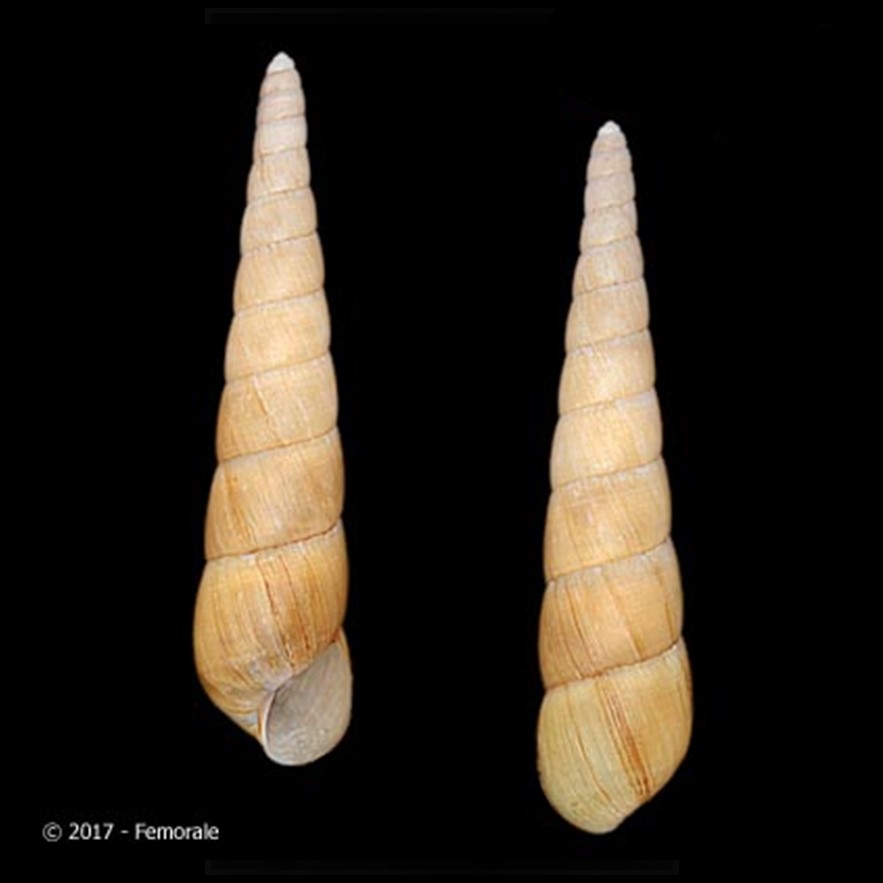
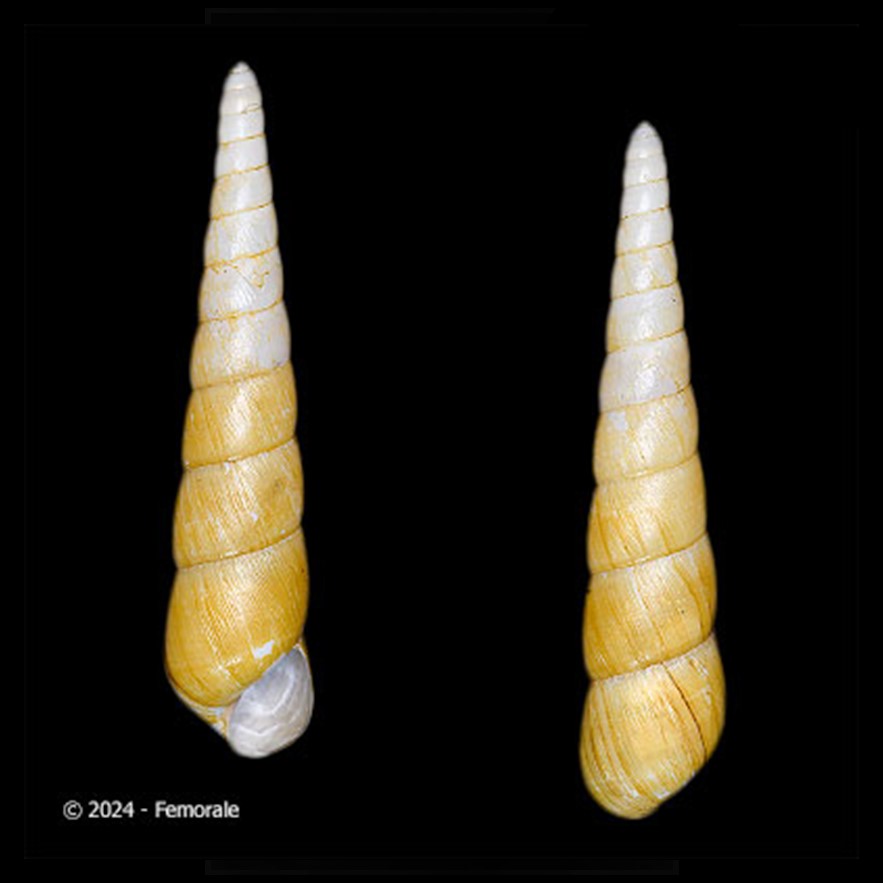
CLASSE: GASTROPODA: TERRESTRE FAMÍLIA: ACHATINIDAE ESPÉCIE: Obeliscus planospirus (L. Pfeiffer, 1855) Tamanho médio: 84 mm Habitat: vive no solo, sob folhas ou enterrada parte do tempo Ocorrência: Brasil (Espírito Santo) Localidade tipo: não informada na descrição original Nome original: Bulimus planospirus L. Pfeiffer, 1855 Sinônimos: Stenogyra planospira (L. Pfeiffer, 1855) Fotos: (1,2) cortesia Femorale, 2017, Brasil, Espírito Santo, ~90mm Fontes: Descrição original: (como Bulimus planospirus L. Pfeiffer, 1855) Pfeiffer, L. (1840-1865). [in H. C. Küster & L. Pfeiffer] Die Bulimiden und Achatinen, In Abbildungen nach der Natur. Die Gattungen Bulimus, Partula, Achatinella, Achatina und Azeca. In: Küster, H. C., Ed. Systematisches Conchylien-Cabinet von Martini und Chemnitz. Neu herausgegeben und vervollständigt. Erster Bandes, dreizehnte Abtheilung. iii-xix, 1-395, pls 1-70. Published in parts. Nürnberg: Bauer & Raspe. , disponível online...
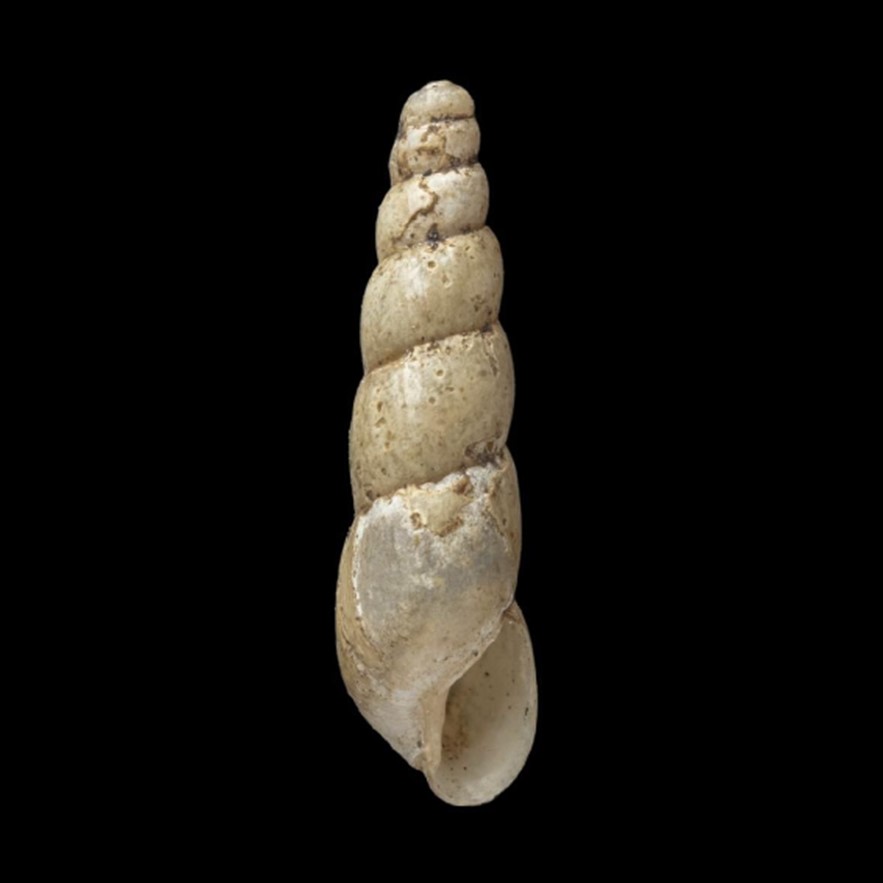
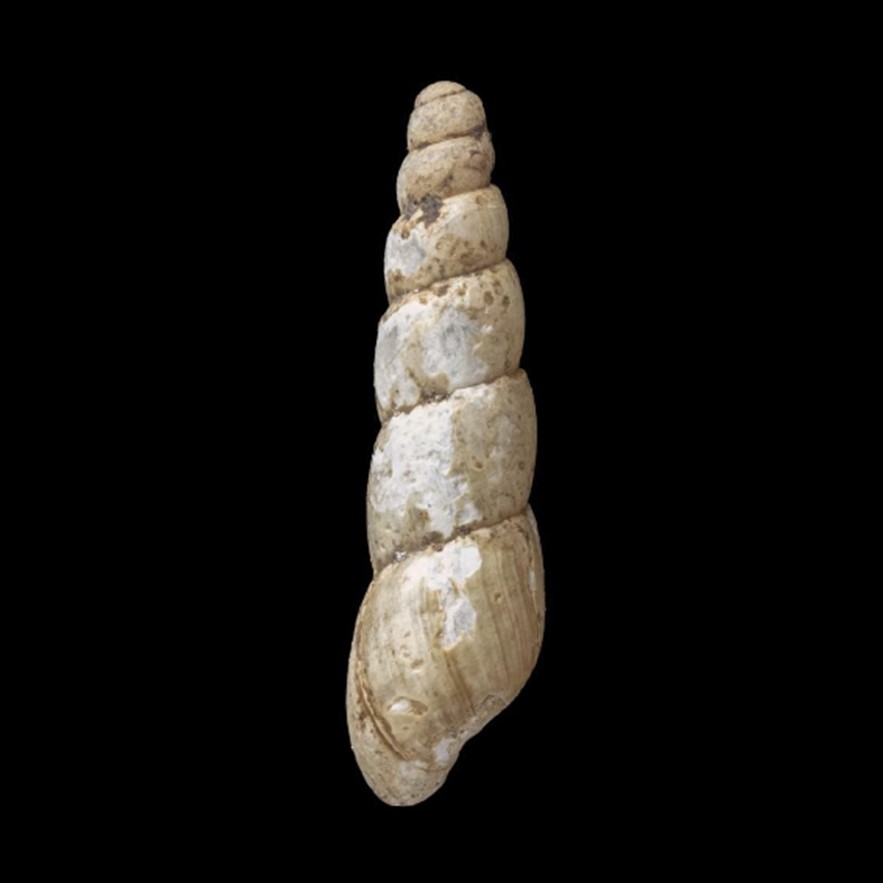
CLASSE: GASTROPODA: TERRESTRE FAMÍLIA: ACHATINIDAE ESPÉCIE: Obeliscus pusillus (H. Adams, 1867) Tamanho médio: 8 mm Ocorrência: Peru Localidade tipo: Peru (Upper Amazon, E. Peru) Comentários: a localidade exata não consta na descrição da espécie. o título da publicação traz: "on the Upper Amazons, and the River Ucayali, Eastern Peru" Nome original: Rumina (Obeliscus) pusilla H. Adams, 1867 Sinônimos: Rumina pusilla H. Adams, 1867 Fotos: (1,2) Natural History Museum, London: SYNTYPE de Obeliscus pusillus (H. Adams, 1867), NHMUK 1867.5.18.1, Upper Amazon, E. Peru, 8mm Fontes: Descrição original: (como Rumina (Obeliscus) pusilla H. Adams, 1867) Adams, H. (1867). List of land and freshwater shells collected by Mr. E. Bartlett on the Upper Amazons, and the River Ucayali, Eastern Peru, with descriptions of...
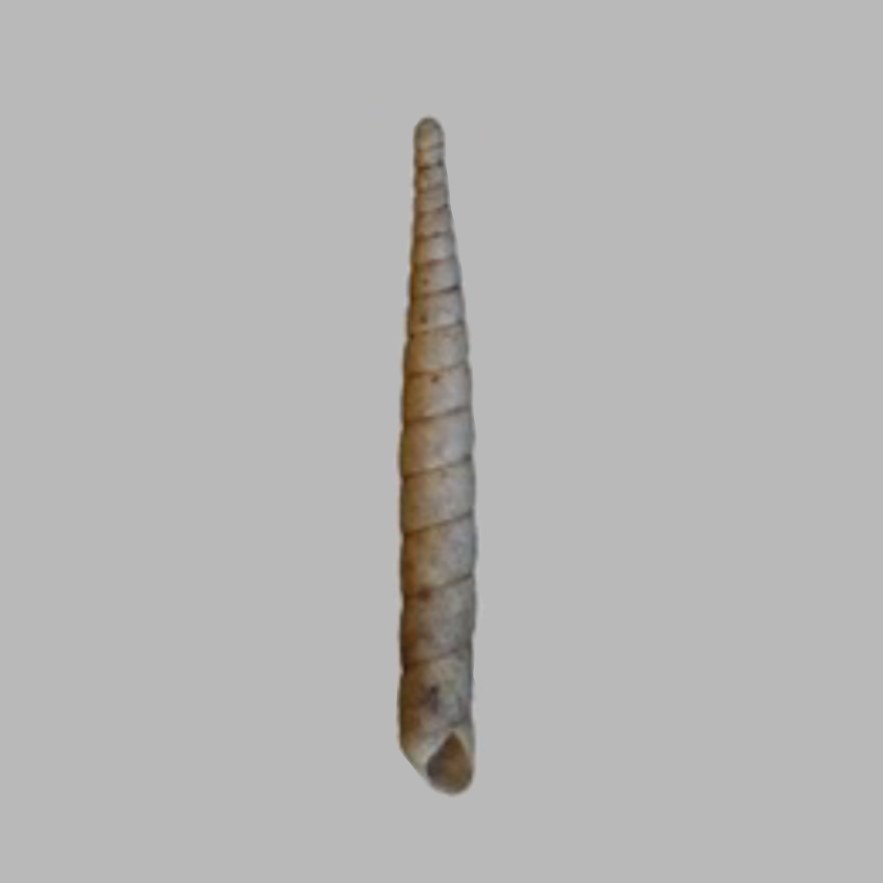
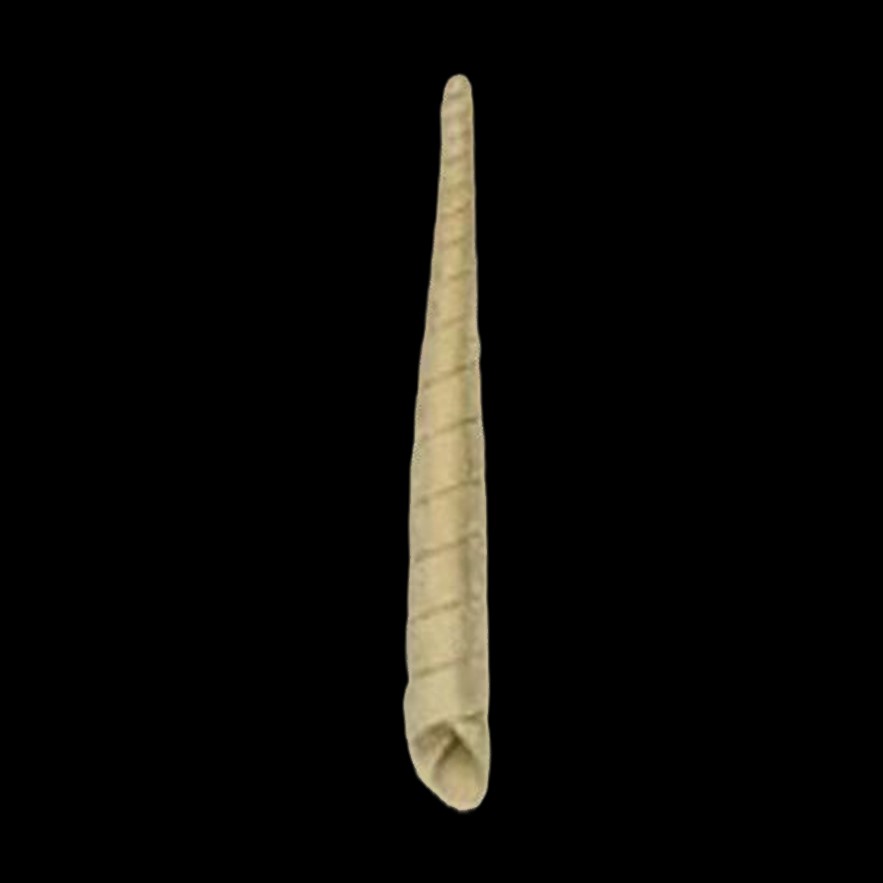
CLASSE: GASTROPODA: TERRESTRE FAMÍLIA: ACHATINIDAE ESPÉCIE: Obeliscus subuliformis (Moricand, 1836) Tamanho médio: 30 mm Habitat: vive no solo, sob folhas ou enterrada parte do tempo Ocorrência: Brasil (Bahia) Localidade tipo: Brasil, Bahia, São Gonçalves Nome original: Helix subuliformis Moricand, 1836 Fotos: (1) Breure, Abraham S. H., and Emmanuel Tardy. 2020: Muséum d’histoire naturelle, Geneva, Switzerland: Obeliscus subuliformis (S. Moricand, 1836), provável SYNTYPE MHNG-INVE-66259, Bahia, São Gonçalves [Blanchet], 28.7mm; (2) Moricand, S. (1836) pl. 2 fig. 3: desenho original, editado Fontes: Descrição original: (como Helix subuliformis Moricand, 1836) Moricand, S. (1836). Mémoire sur les coquilles terrestres et fluviatiles de la province de Bahia, envoyée par. M. Blanchet. Mémoires de la Société de Physique et d'Histoire Naturelle de Genève. 7 (2): 415-446, pl. 2. Genève., disponível...
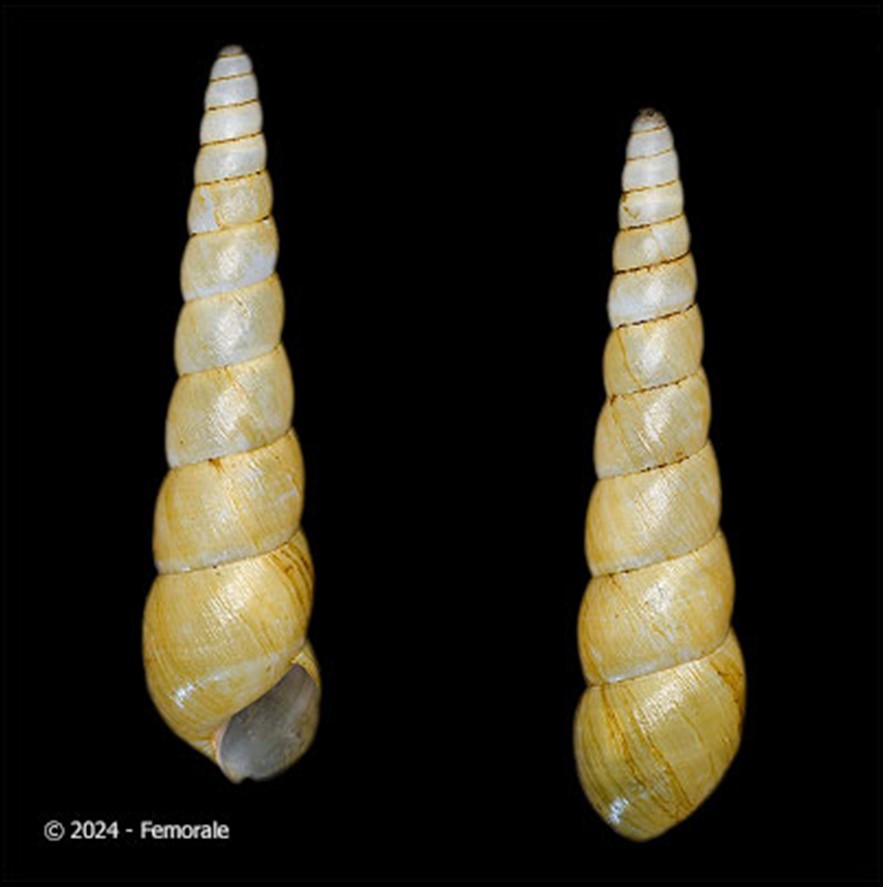
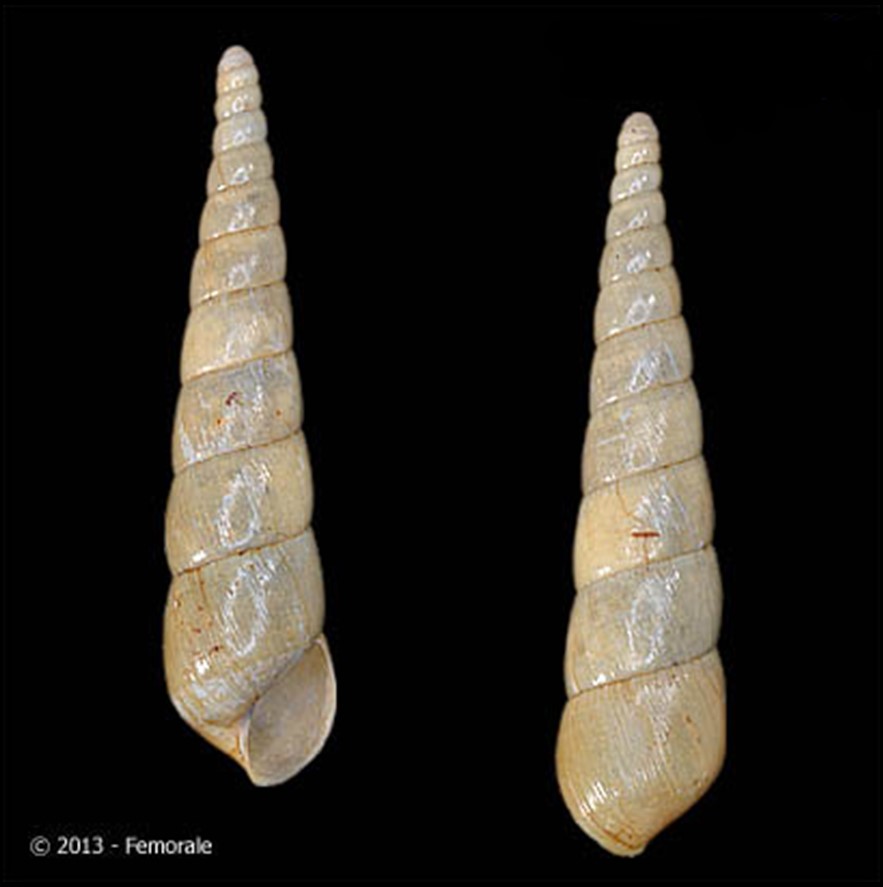
CLASSE: GASTROPODA: TERRESTRE FAMÍLIA: ACHATINIDAE ESPÉCIE: Obeliscus sylvaticus (Spix, 1827) Tamanho médio: 33 mm Habitat: vive no solo, sob folhas ou enterrada parte do tempo Ocorrência: Nordeste do Brasil, Guiana Francesa Localidade tipo: Brasil, Piauí Nome original: Bulimus sylvaticus Spix, 1827 Sinônimos: Achatina sylvatica (Spix, 1827) Fotos: (1) cortesia Femorale, 2023, 68.5 e 48.3 mm respectivamente; (2) Zoölogisch Museum Amsterdam, atual NCB Naturalis - ZMA.MOLL 32567, ex coll. F. v. Heukelom Fontes: Descrição original: (como Helix subuliformis Moricand, 1836) Moricand, S. (1836). Mémoire sur les coquilles terrestres et fluviatiles de la province de Bahia, envoyée par. M. Blanchet. Mémoires de la Société de Physique et d'Histoire Naturelle de Genève. 7 (2): 415-446, pl. 2. Genève., disponível online em https://www.biodiversitylibrary.org/page/10404196 página(s): 427, pl. 2...
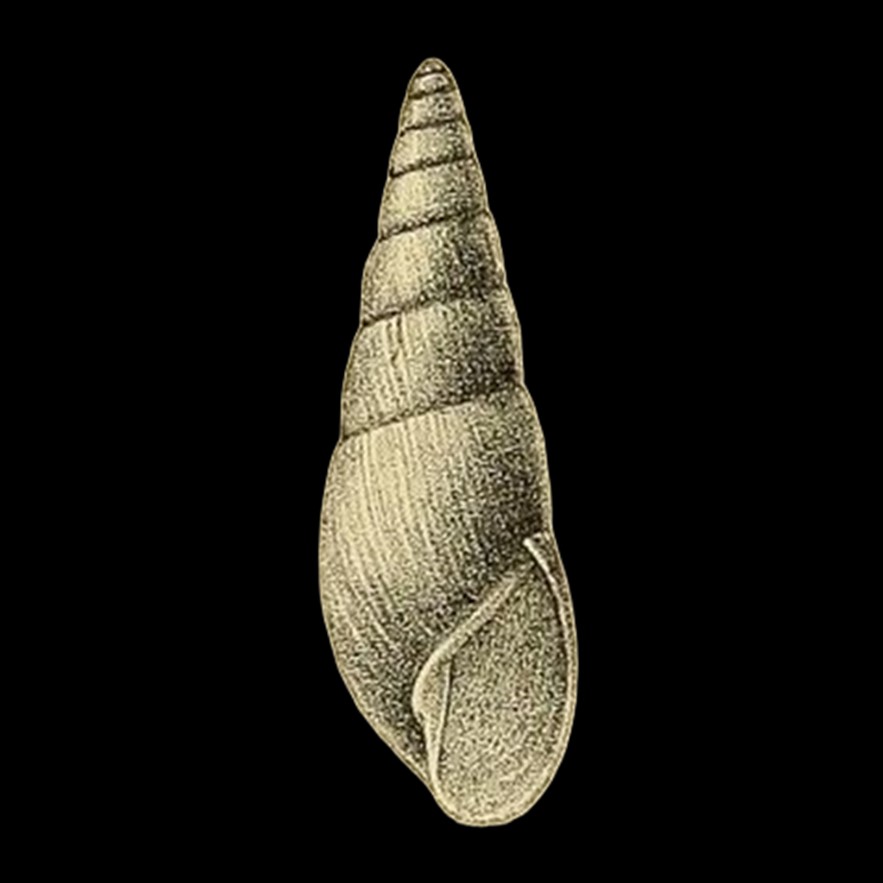
CLASSE: GASTROPODA: TERRESTRE FAMÍLIA: ACHATINIDAE ESPÉCIE: Obeliscus virescens (S. I. Da Costa, 1898) Tamanho médio: 37 mm Ocorrência: Colômbia Localidade tipo: Colômbia, "valley of R. Cauca" Nome original: Stenogyra (Spiraxis) virescens S. I. Da Costa, 1898 Sinônimos: Stenogyra virescens S. I. Da Costa, 1898 Fotos: (1) Da Costa, S. I. (1898), pl. 6 fig. 10: desenho original, editado Fontes: Descrição original: (como Stenogyra (Spiraxis) virescens S. I. Da Costa, 1898) Da Costa, S. I. (1898). Remarks on some species of Bulimulus, Sect. Drymaeus, and description of new species of land-shells from Bolivia, Ecuador, and the U.S. of Colombia. Proceedings of the Malacological Society of London. 3: 80-84, pl. 6, text-figs. 1-2., disponível online em https://www.biodiversitylibrary.org/page/32075423 página(s): 82, pl. 6 fig. 10 D'Àvila S., Simone L. R....
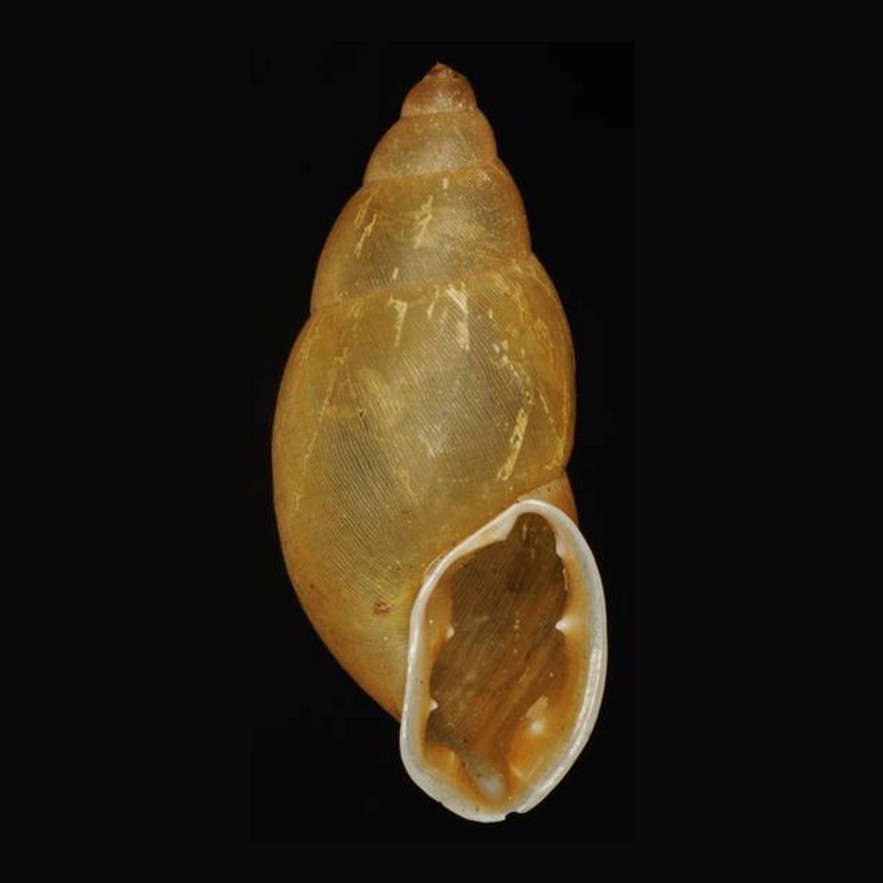
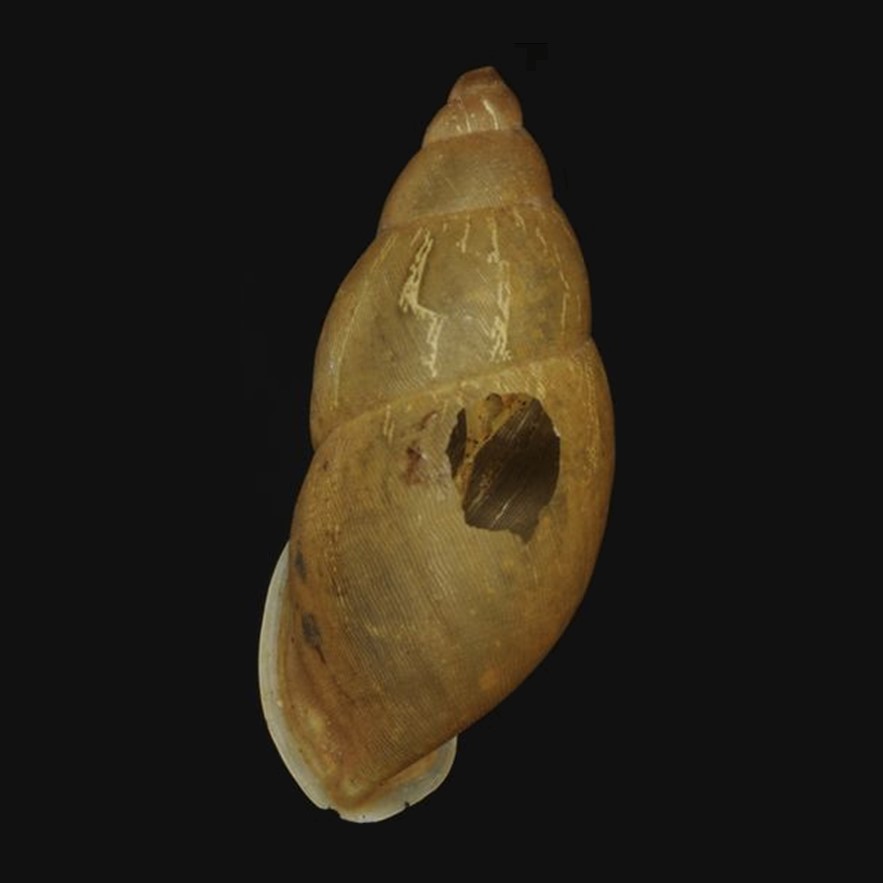
CLASSE: GASTROPODA: TERRESTRE FAMÍLIA: ODONTOSTOMIDAE ESPÉCIE: Odontostomus dautzenbergianus Pilsbry, 1898 Tamanho médio: 26 mm Ocorrência: Brasil [São Paulo: "Raiz da Serra, Jandira" (Simone, 2006)] Localidade tipo: "Raiz da Serra, São Paulo" Nome original: Odontostomus dautzenbergianus Pilsbry, 1898 Etimologia: o nome da espécie é uma homenagem a Philippe Dautzenberg ( Ixelles, Bruxelas, 20 de dezembro de 1849 – Paris, 9 de maio de 1935). Dautzenberg foi um malacologista belga, biólogo especializado no ramo da zoologia de invertebrados que trata dos moluscos. Ele era um amador e autodidata Descrição original: (Pilsbry, 1898): "Shell oblong-ovate, thin, light chestnuit with a goldeni sheen and sparse, narlow oblique or zigzag creamy hydrophanous markings (absent oni some specimens); surface dull, with very minute but regular and sharp striation...
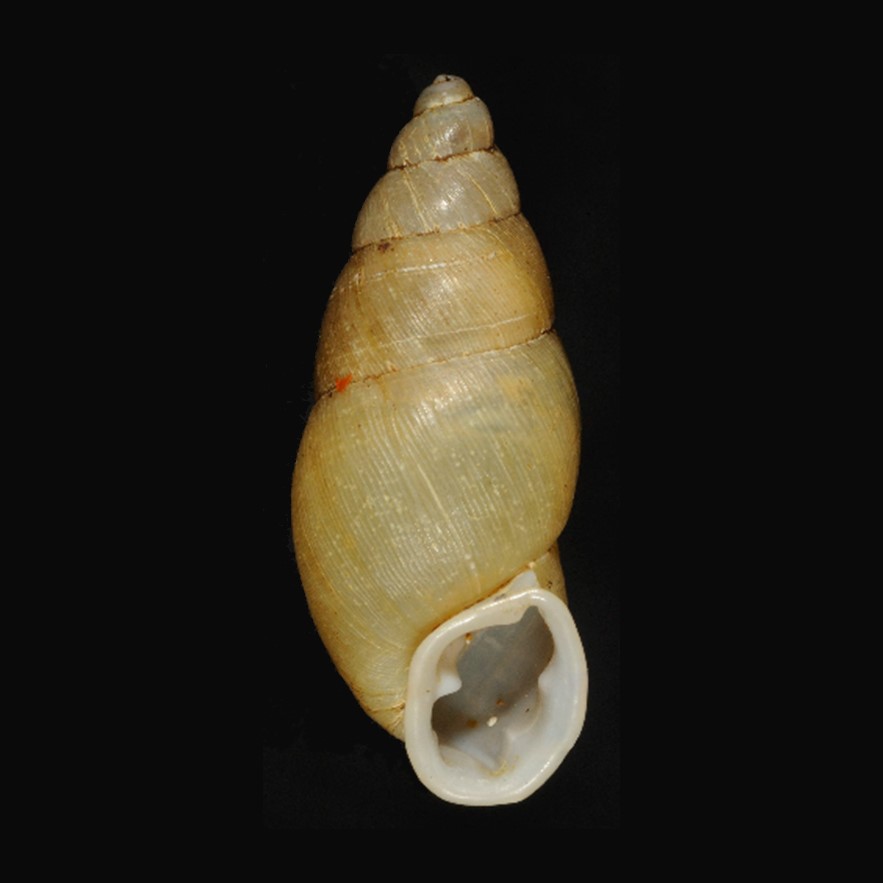
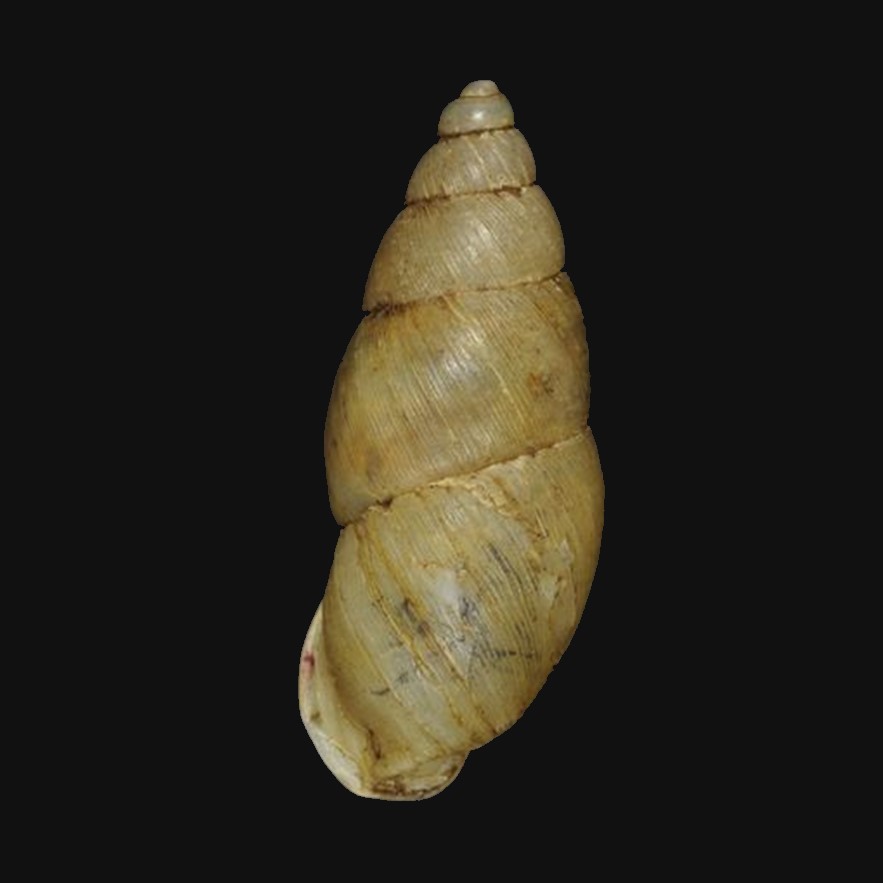
CLASSE: GASTROPODA: TERRESTRE FAMÍLIA: ODONTOSTOMIDAE ESPÉCIE: Odontostomus degeneratus Pilsbry, 1898 Tamanho médio: 21 mm Ocorrência: Brasil (Paraná) Localidade tipo: Brasil, Paraná, Palmeiras Nome original: Odontostomus degeneratus Pilsbry, 1898 Descrição original: (Pilsbry, 1898): "Shell oblong-turreted, minutely perforated, thin but moderately strong, pale yellowish-green tinted. Surface hardly shining, striated in the direction of growth-lines, the striac hardly visible without the aid of a lens, under which they are seen to be thread-like, well raised, finely but rather superficially cut into beads by decussating spirals which crenulate the summits of the strise. Spire convexly conic, the apex obtuse; whorls nearly 6, quite convex, the earlier 1 1/2 densely spirally striated, the last whorl becoming free and sonmewhat descending in front, constricted and showing 3 small...


CLASSE: GASTROPODA: TERRESTRE FAMÍLIA: ODONTOSTOMIDAE ESPÉCIE: Odontostomus fasciatus (L. Pfeiffer, 1869) Tamanho médio: 40 mm Ocorrência: Brasil (Santa Catarina) Localidade tipo: Brasil, Santa Catarina Nome original: Bulimus odontostomus var. fasciatus L. Pfeiffer, 1869 Sinônimos: Bulimus odontostomus var. fasciatus L. Pfeiffer, 1869; Macrodontes grayanus var. fasciatus (L. Pfeiffer, 1869); Odontostomus multitineatus Pilsbry & Vanatta Fotos: (1,2) The Academy of Natural Sciences, Philadelphia: ANSP 78550, Brasil, 39.1mm, doador: Sowerby & Fulton, crédito: Maurício Uhle; (3) Pfeiffer, L. (1867-1876). Novitates Conchologicae, Taf. CII, figuras 16-17; (2) Animal vivo - observação de Odontostomus fasciatus, iNaturalist, crédito: Douglas Meyer: ocorrência para Santa Catarina, município de Vidal Ramos, Outubro 2012 Fontes: Descrição original: (como Bulimus odontostomus var. fasciatus L. Pfeiffer,...

CLASSE: GASTROPODA: TERRESTRE FAMÍLIA: ODONTOSTOMIDAE ESPÉCIE: Odontostomus gargantua (A. Férussac, 1821) Tamanho médio: 25 - 35 mm Ocorrência: Brasil (Santa Catarina), Paraguai, Argentina (Missiones) Localidade tipo: não informada Nome original: Helix (Cochlodina) gargantua A. Férussac, 1821 Sinônimos: Macrodontes gargantua (A. Férussac, 1821); Macrodontes sowerbeyii Swainson, 1840; Macrodontes thielei Pilsbry, 1930; Odontostomus (Macrodontes) joergensenianus Holmberg, 1912; Odontostomus joergensenianus Holmberg, 1912; Odontostomus thielei (Pilsbry, 1930) Fotos: (1) cortesia Guido & Philippe Poppe, 2019, São Joaquim, Santa Catarina, Brasil, 27.5mm; (2) Brasil, Rio Grande do Sul, município de Bento Gonçalves, 27mm, coll. Carlos Henckes Figura: Nuñez, 2025: Colección Malacológica del Instituto de Biología Subtropical (CONICET–UNaM), exemplar de Odontostomus gargantua (IBS-Ma 239-1), 2018, coletado nas imediações do Salto Mielnichuk (Ex Salto...
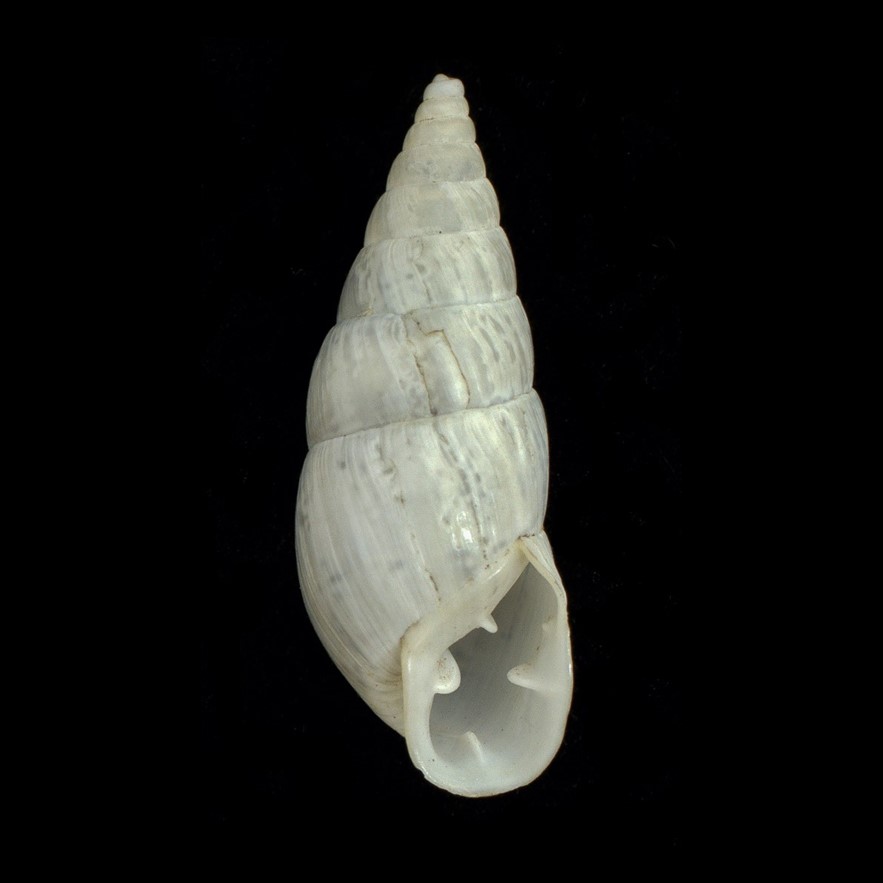
CLASSE: GASTROPODA: TERRESTRE FAMÍLIA: CYCLODONTINIDAE ESPÉCIE: Odontostomus glabratus Ancey, 1904 Tamanho médio: 25 mm Ocorrência: Argentina Localidade tipo: Argentina, Sierra de Cosquina Nome original: Odontostomus glabratus Ancey, 1904 Comentários: Molluscabase, 2025 considera como taxon inquirendum, não encontrado em publicações recentes Descrição original: (Ancey, 1904): "Testa oblongo-fusiformis, perforata, solidula, nitidula, laevigata, obsolete sed in anfractibus prioribus distinctius suboblique striatula, alba, cinereo irregulariter multinotata et strigata. Spira conoideo-attenuata, apice sat minuto, sub lente costulato. Anfractus 9 convexiusculi, sutura impressa, simplici discreti, ultimus ovato-oblongua, ampliusculus, latere dextro depressus et late scrobiculatus, basi parum attenuatus. Apertura superne angulata, subovalis, fere recta, ringens, scilicet : dente lamelliformi parum crasso in pariete, plica columellari supera oblique intrante, dente basali uno sulco extero correspondente et dentibus 2 in margine dextro, primo parvulo, secundo majore, in meclio sito....
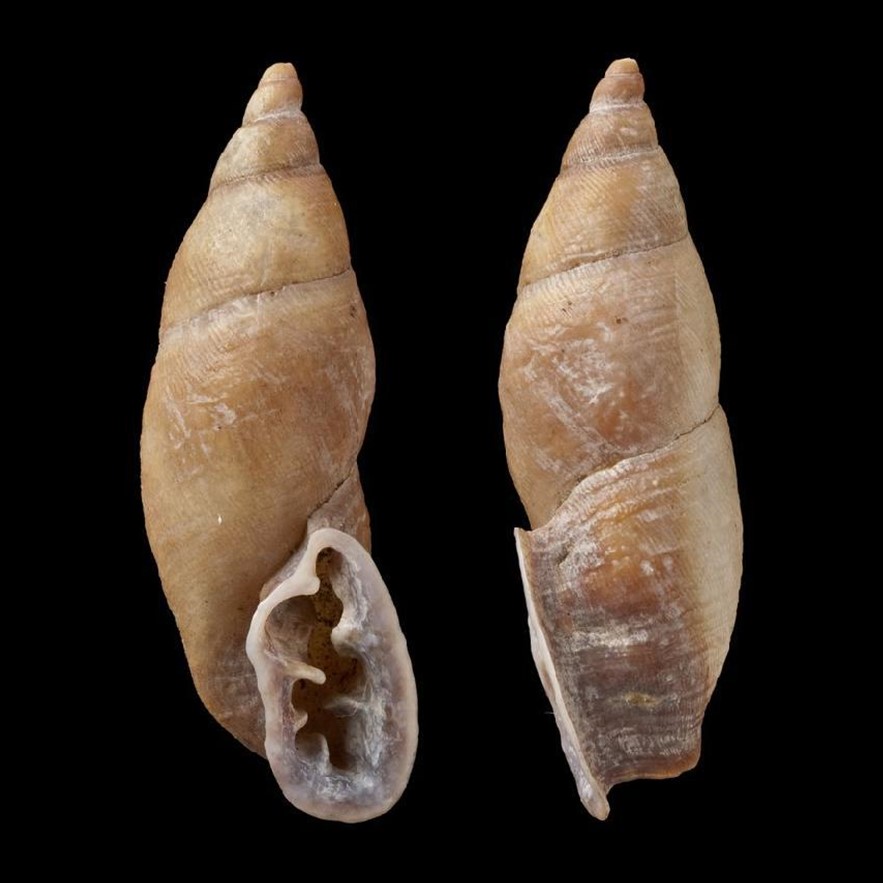
CLASSE: GASTROPODA: TERRESTRE FAMÍLIA: ODONTOSTOMIDAE ESPÉCIE: Odontostomus grayanus (L. Pfeiffer, 1845) Tamanho médio: 33 - 45 mm Ocorrência: Brasil (São Paulo, Rio de Janeiro) Localidade tipo: Brasil, sem localidade específica Nome original: Bulimus grayanus L. Pfeiffer, 1845 Sinônimos: Macrodontes grayanus (L. Pfeiffer, 1845) Fotos: (1,2) Natural History Museum, London: SYNTYPE NHMUK 20110387, coll Hugh Cuming Figura: Breure, Bram & Ablett, Jonathan. (2012). Fig 24: (A-D, i) Odontostomus gargantua NHMUK 20100632, 37.1mm; (E-H, ii) Odontostomus grayanus SYNTYPE NHMUK 20110387, 34.1mm Fontes: Descrição original: (como Bulimus grayanus L. Pfeiffer, 1845) Pfeiffer, L. (1845). Descriptions of twenty-two new species of Helix, from the collections of Miss Saul, Walton Esq., and H. Cuming, Esq. Proceedings of the Zoological Society of London. 13...
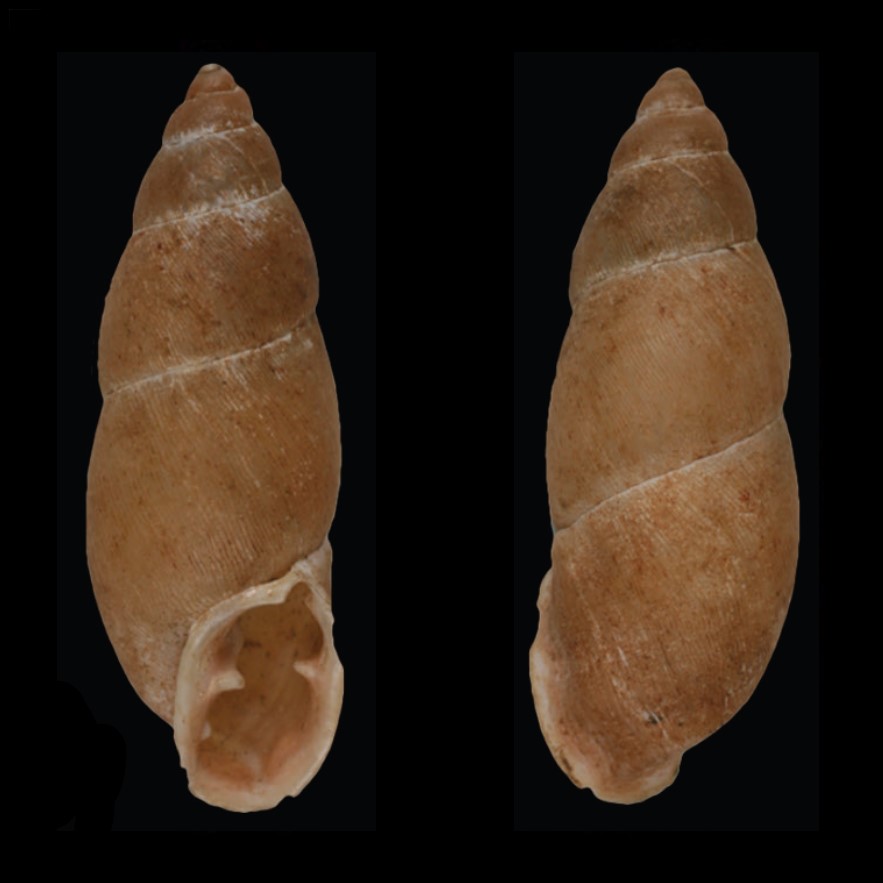
CLASSE: GASTROPODA: TERRESTRE FAMÍLIA: ODONTOSTOMIDAE ESPÉCIE: Odontostomus koenigswaldi (Thiele, 1906) Tamanho médio: 30 mm Ocorrência: Brasil (Rio Grande do Sul) Localidade tipo: Serra do Mar, Rio Grande do Sul Nome original: Macrodontes koenigswaldi Thiele, 1906 Etimologia: nome da espécie é homenagem ao etnólogo e naturalista dinamarquês Gustav Adalbert von Koenigswald (1863-1911), (não confundir com seu filho o Paleontólogo Gustav Heinrich Ralph von Koenigswald). Tudo indica que ele residiu no Brasil entre 1886 e o início do século XX Fotos:(1) Breure, 2013: Museum für Naturkunde, Berlin; HOLOTYPE ZMB 55780; 30 mm, von Königswald leg. Figura: Breure, 2013: Museum für Naturkunde, Berlin (D–F, ii) Odontostomus koenigswaldi (Thiele, 1906), HOLOTYPE ZMB 55780, 30.5mm; (G–I, iii) Odontostomus simplex (Thiele, 1906), HOLOTYPE ZMB 55781, 34.9mm...

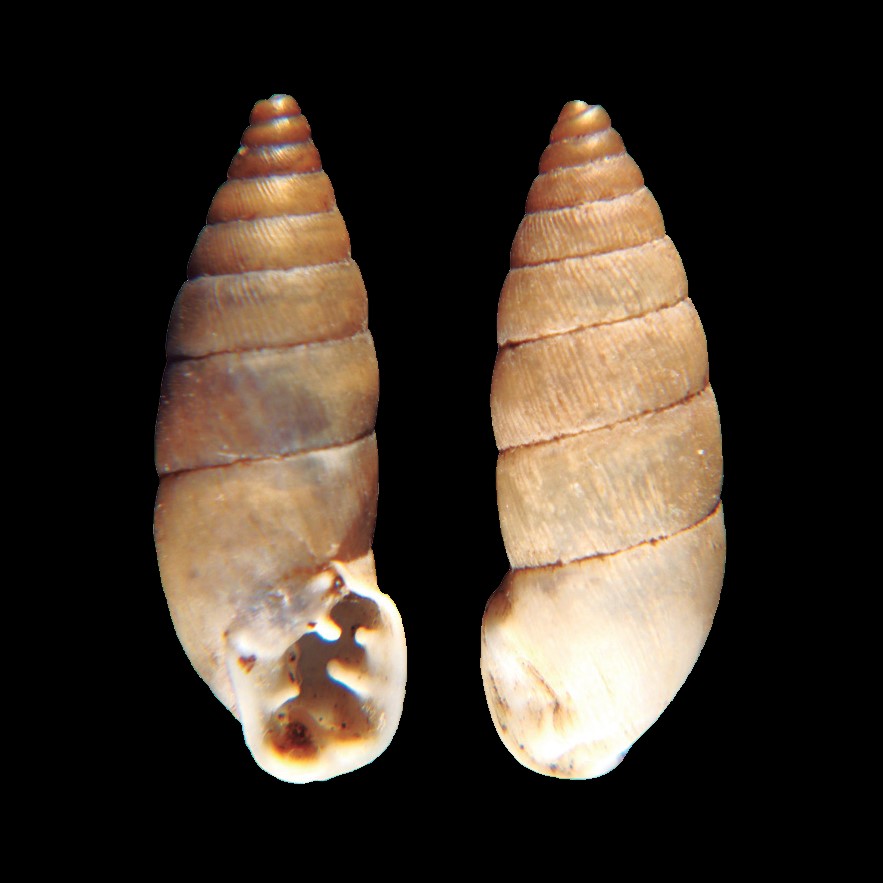
CLASSE: GASTROPODA: TERRESTRE FAMÍLIA: ODONTOSTOMIDAE ESPÉCIE: Odontostomus kuhnholtzianus (Crosse, 1870) Tamanho médio: 18.7 mm Ocorrência: Uruguai Localidade tipo: nas proximidades de Montevidéu, Uruguai ("Habitat in vicinio civitatis Montevideo dictae, Americae meridionalis (Coll. Crosse, Paz et Hidalgo") Nome original: Bulimus kuhnholtzianus Crosse, 1870 Sinônimos: Clessinia kunholtziana (Crosse, 1870) Fotos: (1,3) Museu Nacional de História Natural, Paris: SYNTYPE de Bulimus kuhnholtzianus, "Coll. du Journal de Conchyliologie ex Hidalgo", 18.7mm, MNHN-IM-2000-28077; (2) Montenegro, R., D. Forcelli, E. Salas Oroño, S. Miquel, 2024: Odontostomus kuhnholtzianus, Lavalleja, Uruguai, 16.7 mm Fontes: Descrição original: (como Bulimus kuhnholtzianus Crosse, 1870) Crosse, H. (1870). Diagnoses molluscorum novorum. Journal de Conchyliologie. 18(3): 301-304., disponível online em https://www.biodiversitylibrary.org/page/15160720 página(s): 301-302 Pilsbry, H. A. (1901-1902). Manual of conchology, structural...
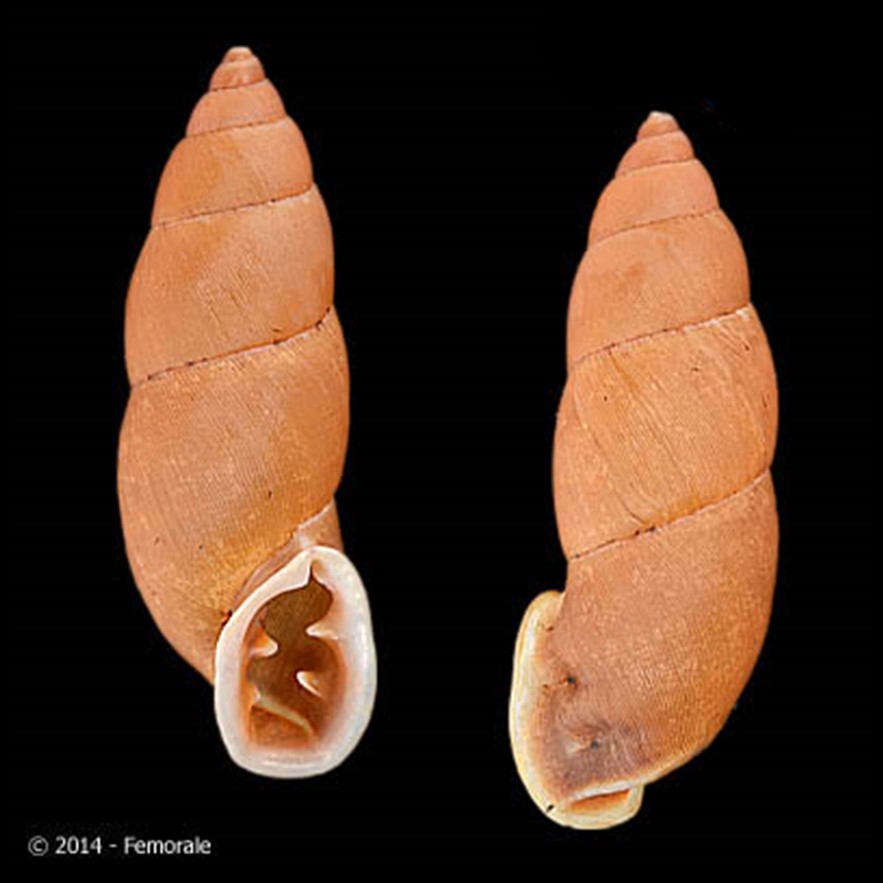

CLASSE: GASTROPODA: TERRESTRE FAMÍLIA: ODONTOSTOMIDAE ESPÉCIE: Odontostomus odontostoma (G. B. Sowerby I, 1824) Tamanho médio: 25 - 35 mm Ocorrência: Brasil [Rio de Janeiro: Macaé (Simone, 2006), Santa Catarina] Nome original: Bulimus odontostoma G. B. Sowerby I, 1824 Sinônimos: Bulimus odontostoma G. B. Sowerby I, 1824; Bulimus odontostomus G. B. Sowerby I, 1824; Macrodontes odontostomus (Sowerby, 1824); Odontostomus odontostomus (G. B. Sowerby I, 1824) Comentários: Breure A, Ablett J (2012) considera como sinônimo de Odontostomus gargantua (Férussac, 1821), porém Salvador et al. 2024 considera como espécie válida Fotos: (1-2) cortesia Femorale, 2014, provenientes de Santa Catarina, 2014; (3) SYNTYPE de Bulimus odontostomus Sowerby I, 1824 NHMUK 20100632 (H = 37.1 mm), Brasil, sem localidade específica, coleção Hugh Cuming ...
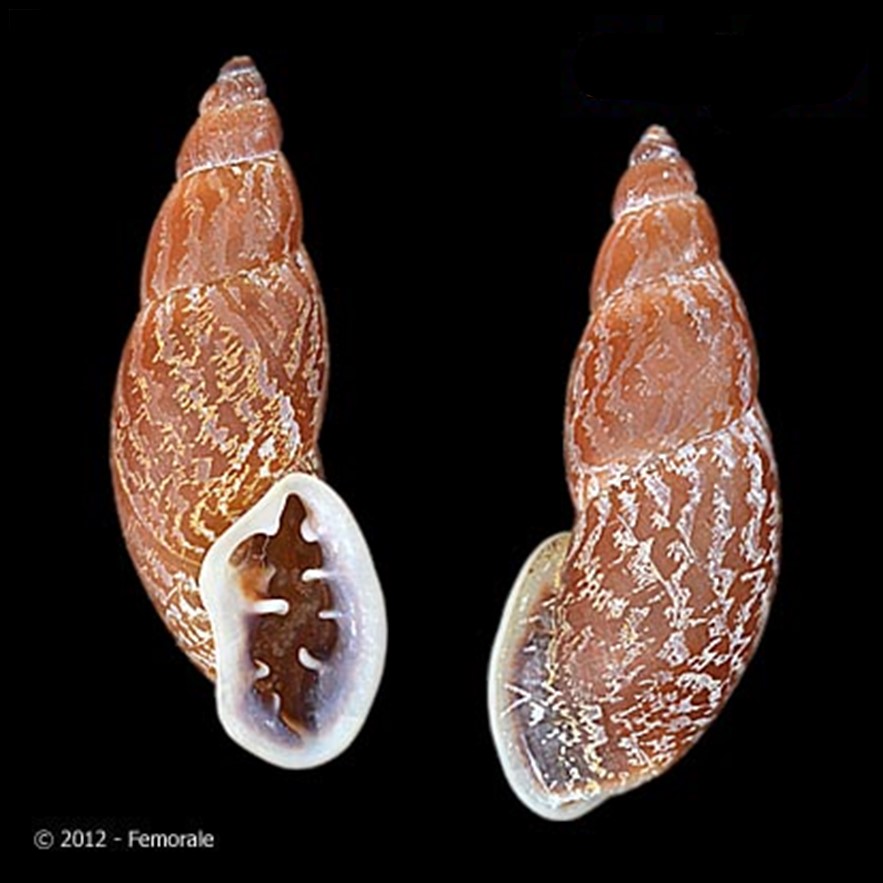
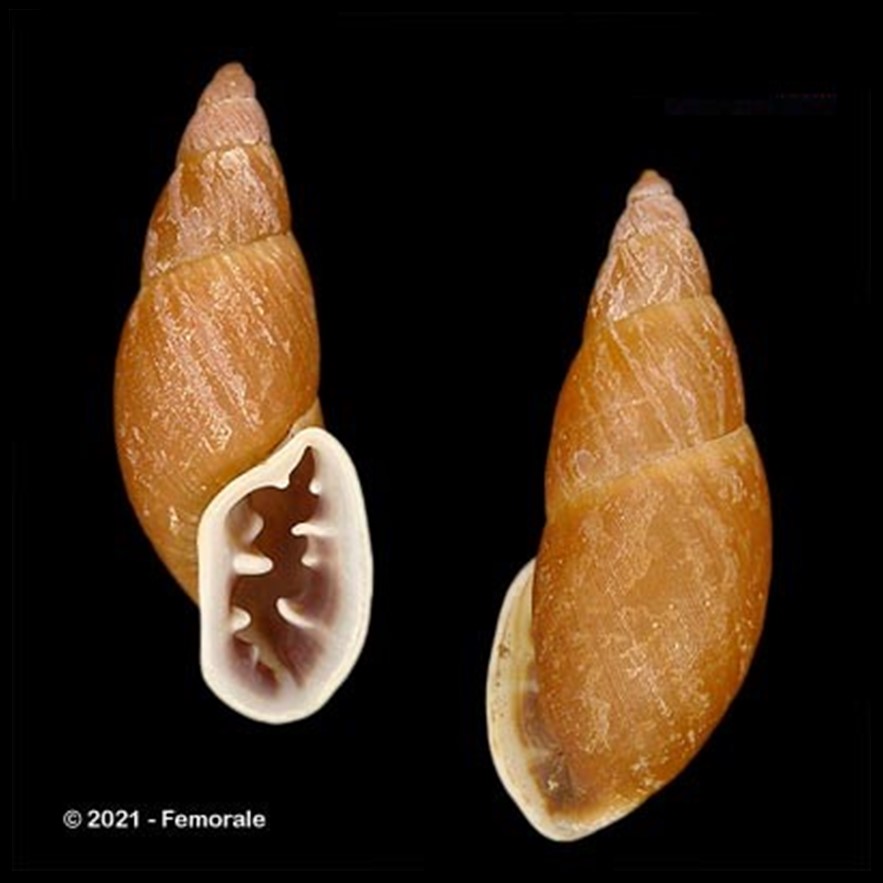
CLASSE: GASTROPODA: TERRESTRE FAMÍLIA: ODONTOSTOMIDAE ESPÉCIE: Odontostomus paulista Pilsbry & Ihering, 1898 Tamanho médio: 37 mm Ocorrência: Brasil (São Paulo, Paraná) Localidade tipo: Brasil, São Paulo Nome original: Odontostomus (Macrodontes) paulista Pilsbry & Ihering, 1898 Sinônimos: Macrodontes paulistus (Pilsbry & Ihering, 1898) Descrição original: (Pilsbry & Ihering, 1898) " Shell lengthened fusiform; rather solid; reddish-chestnut, with irregular, lacerated and somewhat zigzag, obliquely longitudinal, hydrophanous, cream-tinted streaks. Surface dull, very minutely but sharply striated in the direction of growth lines, a strong lens showing much more minute and superficial, dense, spiral striation, the apical whorls spirally lirate. Whorls 6, the first turned in, the rest rather rapidly and regularly increasing, moderately convex, the last becoming free at the aperture, compressed behind the outer...
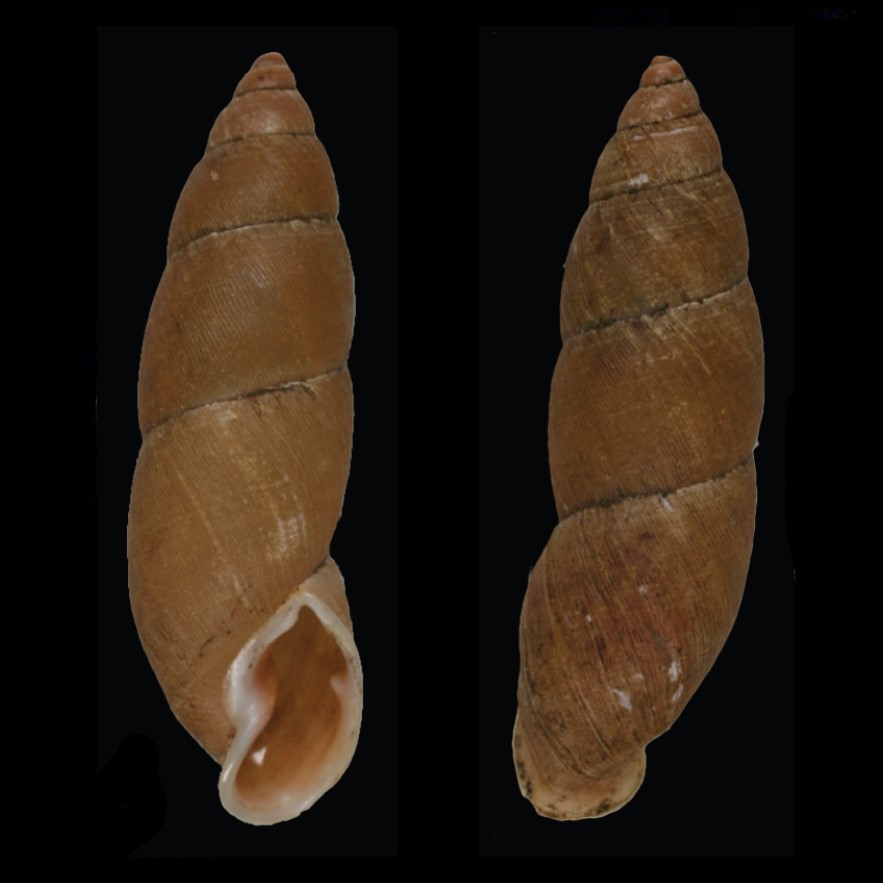
CLASSE: GASTROPODA: TERRESTRE FAMÍLIA: ODONTOSTOMIDAE ESPÉCIE: Odontostomus simplex (Thiele, 1906) Tamanho médio: 32 mm Ocorrência: Brasil (Rio Grande do Sul) Localidade tipo: Serra dos Tapes, Rio Grande do Sul Nome original: Macrodontes simplex Thiele, 1906 Fotos: (1) Breure, 2013: Museum für Naturkunde, Berlin; HOLOTYPE ZMB 55781, Serra dos Tapes, Rio Grande do Sul Figura: Breure, 2013: Museum für Naturkunde, Berlin: (D–F, ii) Odontostomus koenigswaldi (Thiele, 1906), HOLOTYPE ZMB 55780 , 30,5mm; (G–I, iii) Odontostomus simplex (Thiele, 1906), HOLOTYPE ZMB 55781; 34,9mm Fontes: Descrição original: (como Macrodontes koenigswaldi Thiele, 1906) Thiele, J. (1906). Zwei neue Macrodontes-Arten. Nachrichtsblatt der deutschen malakozoologischen Gesellschaft. 38(2): 69-71., disponível online em https://www.biodiversitylibrary.org/page/15599284 página(s): 69 Simone, L. R. L. (2006). Land and Freshwater Molluscs of Brazil. Editora...
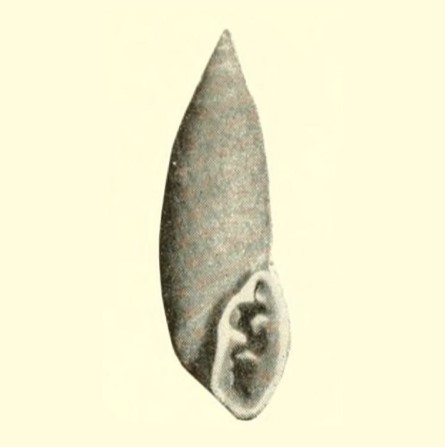
CLASSE: GASTROPODA: TERRESTRE FAMÍLIA: ODONTOSTOMIDAE ESPÉCIE: Odontostomus tenuisculptus J. J. Parodiz, 1963 Tamanho médio: 39 mm Ocorrência: Colômbia (?) Localidade tipo: Bogotá (?), Colômbia Comentários: (1) Em Parodiz, 1963, o autor suspeita que a localidade tipo Bogotá seja um erro de registro, em função da distribuição geográfica conhecida desse gênero (Brasil, Norte da Argentina e Paraguai). O holótipo e 2 parátipos, no US National Museum (USNM 635300), da coleção Henderson, tem as etiquetas como "Bogotá, Colômbia", da mesma forma que o registro de Odontostomus fasciatus, espécie essa última com distribuição confirmada para Santa Catarina, Brasil; (2) HOLOTYPE depositado no Smithsonian National Musem of Natural History, USNM 316131 Nome original: Odontostomus fasciatus tenuisculptus J. J. Parodiz, 1963 Fotos: (1-2) Odontostomus tenuisculptus: Parodiz,...
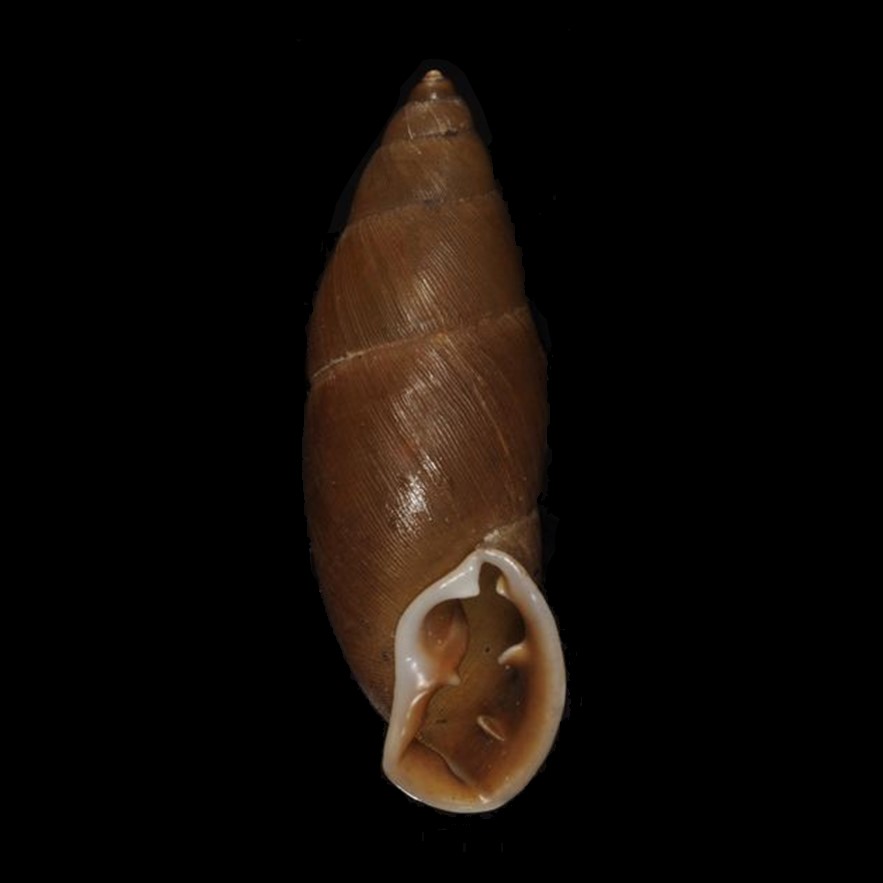
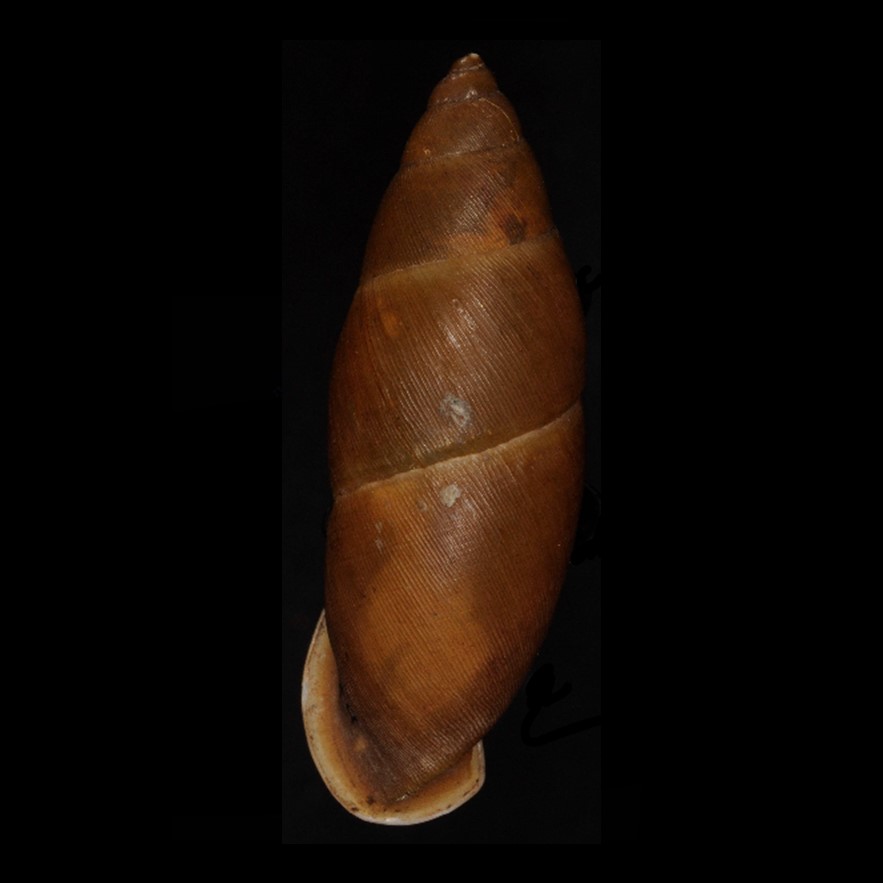
CLASSE: GASTROPODA: TERRESTRE FAMÍLIA: ODONTOSTOMIDAE ESPÉCIE: Odontostomus thielei (Pilsbry, 1930) Tamanho médio: 40 mm Ocorrência: Brasil, Paraguai Localidade tipo: "Brasil" Nome original: Macrodontes thielei Pilsbry, 1930 Sinônimos: Simone, 2006 considera a espécie Odontostomus thielei válida, porém em Salvador et al. 2024 a espécie é considerada sinônimo de Odontostomus gargantua (A. Férussac, 1821). Para efeitos de comparação, a espécie foi mantida Etimologia: o nome da espécie é uma homenagem ao malacologista alemão Johannes Thiele (1860-1935) Descrição original: (Pilsbry, 1930): "The shell is obesely fusiform, moderately strong, russet with a narrow yellowish band accompanying the suture. The first 13F whorls are glossy and spirally striate, the remaining surface is matt, very finely and closely, obliquely striate, with extremely fine close and subobsolete spiral...

CLASSE: GASTROPODA: TERRESTRE FAMÍLIA: SUCCINEIDAE ESPÉCIE: Omalonyx unguis (Orbigny, 1835) Tamanho médio: 8 - 10 mm Ocorrência: Bolívia, Brasil (Mato Grosso do Sul), Argentina, Paraguai, Uruguai (Arruda y Thomé, 2008; Coscarelli et al., 2018; Guzmán et al., 2018) Localidade tipo: Bolívia, ‘‘les bords inondés du Parana, près de Corrientes (. . . ) les marais de la province de Moxos’’ Nome original: Helix (Omalonyx) unguis A. d'Orbigny, 1836 Sinônimos: Amphibulima (Omalonyx) felina Guppy, 1872; Amphibulima felina Guppy, 1873; Homalonyx felina (Guppy, 1872); Homalonyx felinus (Guppy, 1872); Homalonyx gallardoi Hylton Scott & Lapuente, 1968; Homalonyx guadeloupensis (R. P. Lesson, 1838); Homalonyx weyrauchi Hylton Scott, 1971; Omalonyx (Omalonyx) guadeloupensis (R. P. Lesson, 1838); Omalonyx felina (Guppy, 1872); Omalonyx felinus (Guppy, 1872); Omalonyx gallardoi Hylton Scott...
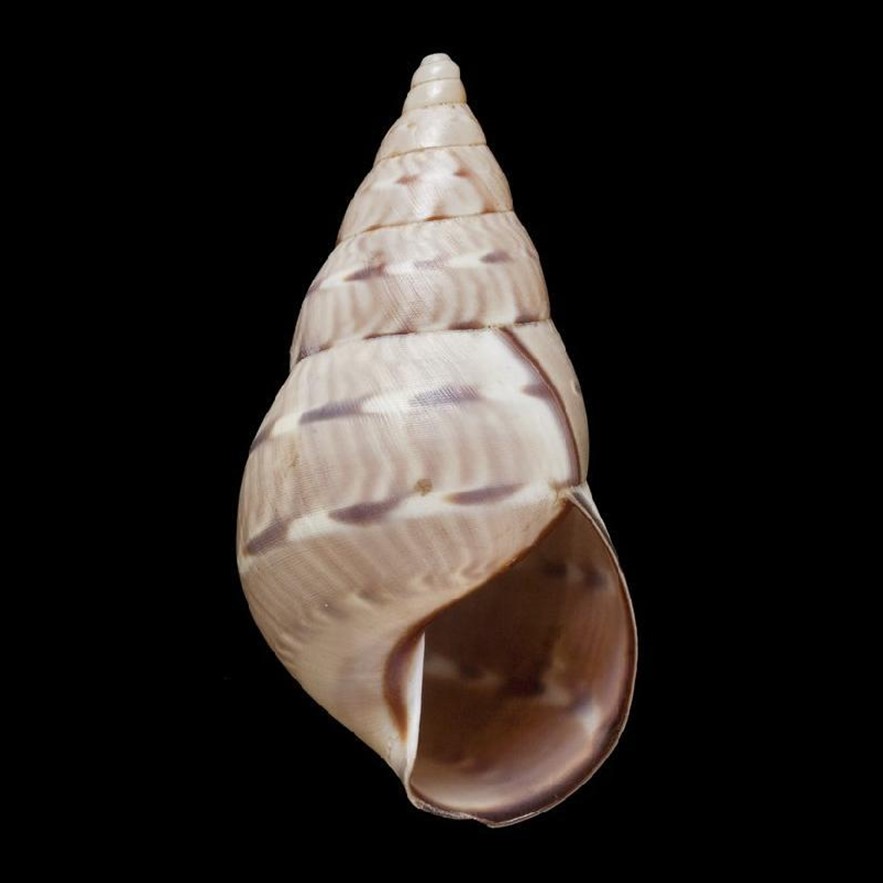
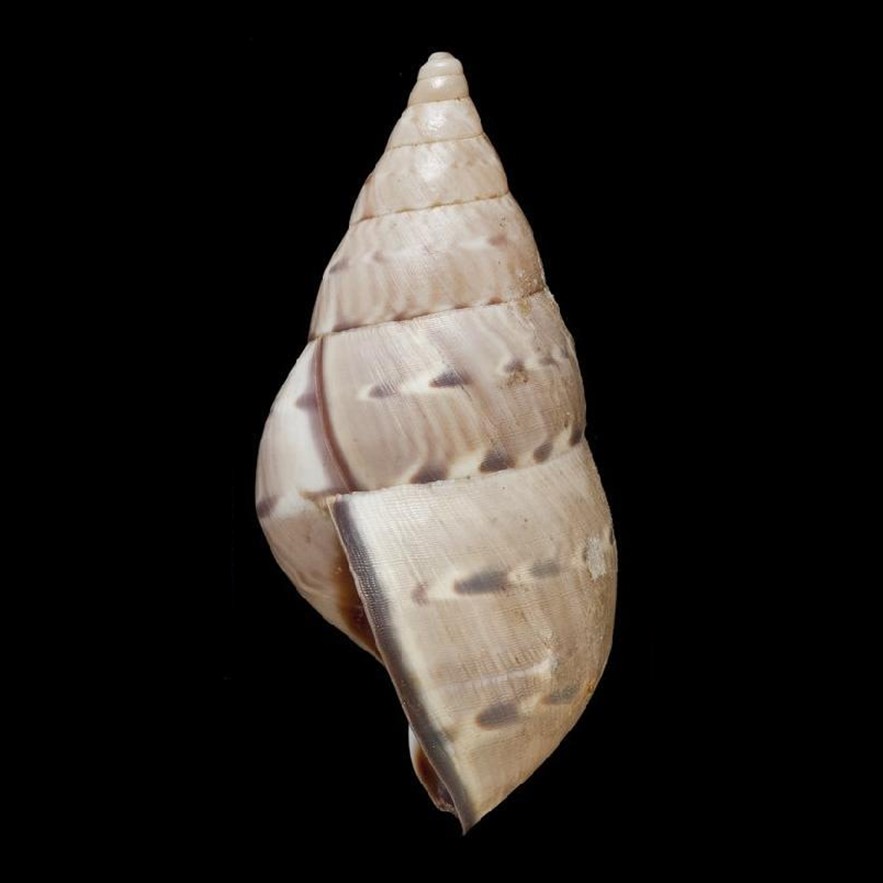
CLASSE: GASTROPODA: TERRESTRE FAMÍLIA: ORTHALICIDAE ESPÉCIE: Orthalicus bensoni (Reeve, 1849) Tamanho médio: 46 mm Habitat: vive em árvores e arbustos Ocorrência: Plateau das Guianas (Suriname e Guiana Francesa), Brasil (Amapá?), Colômbia (Putumayo) Localidade tipo: "banks of de river Amazon" Nome original: Bulimus bensoni Reeve, 1849 Sinônimos: Orthalicus isabellinus E. von Martens, 1873; Zebra bensoni (Reeve, 1849) Fotos: (1-3) Natural History Museum, London: provável SYNTYPE de Orthalicus bensoni(Reeve, 1849), NHMUK 1975582, Brasil (3) animal vivo: Guiana Francesa, crédito: Julien Bonnaud, MNHN & OFB [Ed]. 2003-2025. Fiche de Orthalicus bensoni (Reeve, 1849). Inventaire national du patrimoine naturel (INPN) Fontes: Descrição original: (como Bulimus bensoni Reeve, 1849) Reeve, L. A. (1848-1850). Monograph of the genus Bulimus. In: Conchologia Iconica,...

CLASSE: GASTROPODA: TERRESTRE FAMÍLIA: ORTHALICIDAE ESPÉCIE: Orthalicus bifulguratus (Reeve, 1849) Tamanho médio: 57 mm Ocorrência: Colômbia, Equador (El Oro, Pichincha, Tungurahua) Localidade tipo: Colômbia (“Andes of Columbia”) Habitat: vive em árvores e arbustos Nome original: Bulimus bifulguratus Reeve, 1849 Fotos: (1) Natural History Museum, London; LECTOTYPE de Orthalicus bifulguratus Reeve, 1849, NHMUK 20140082, "Andes of Colombia", coleção: Hugh Cuming; (2) animal vivo: Orthalicus bifulguratus, observação iNaturalist 467058792, Equador, crédito: Holger Sanchez, i.2025 Figura: Breure, A. S. H. & Araujo, R. (2017): (A-B) Corona regalis (Hupé, 1857); (A) MNCN 15.05/1896; (B) MNCN 15.05/61001; (C) Kara thompsonii (Pfeiffer, 1845), MNCN 15.05/13701; (D) Orthalicus bifulguratus (Reeve, 1849), MNCN 15.05/15386; (E) Orthalicus princeps (Broderip in Sowerby I & II, 1833), MNCN 15.05/1898; (F) Porphyrobaphe irrorata (Reeve, 1849), MNCN 15.05/13287. Linha da escala = 1 cm ...
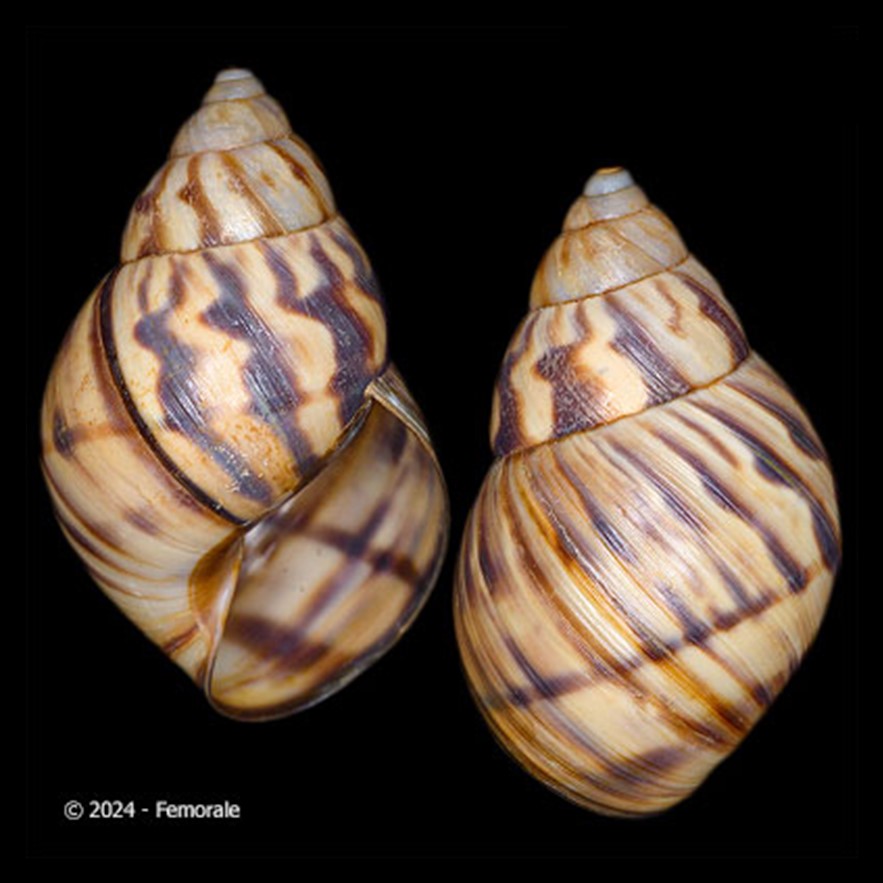

CLASSE: GASTROPODA: TERRESTRE FAMÍLIA: ORTHALICIDAE ESPÉCIE: Orthalicus capax (Pilsbry, 1930) Tamanho médio: 42 mm Habitat: vive em árvores e arbustos Ocorrência: Brasil (Rio Grande do Norte) Localidade tipo: Ceará Mirim, Rio Grande do Norte Nome original: Oxystyla capax Pilsbry, 1930 Descrição original: (Pilsbry, 1930): "The ovate shell is decidedly more ventricose than 0. puilehella prototypus, with shorter spire and larger aperture; rather thin. Ground color dull white, with some of the very thin, glossy pale buff periostracum remaining on the last half of the last whorl; the vinaceous-slate streaks are intensified and spread to form spots at the positions of the three bands. Apex marked with a blackish-brown spot. Most adult specimens show one narrow dark varix-streak in front and two...
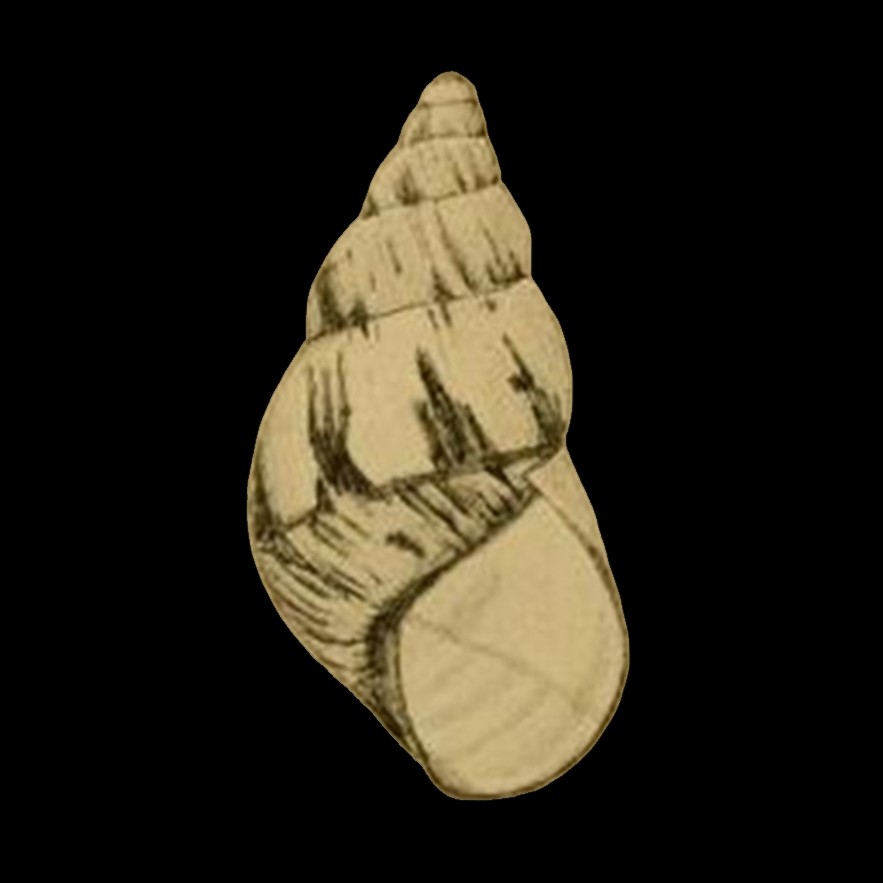
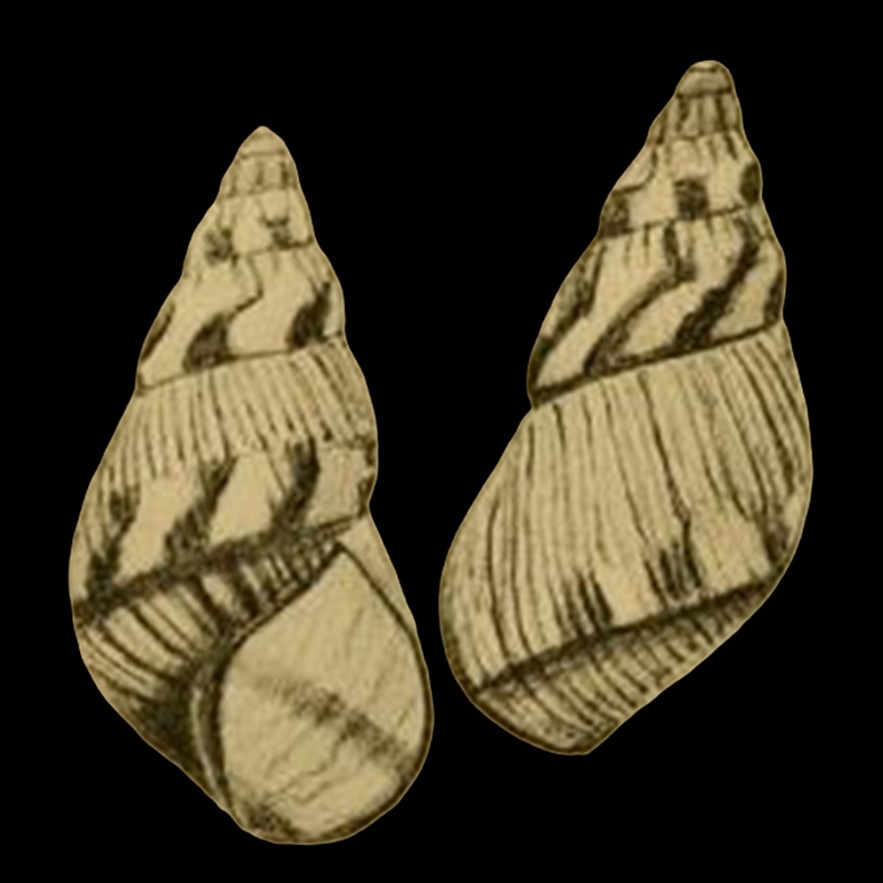
CLASSE: GASTROPODA: TERRESTRE FAMÍLIA: ORTHALICIDAE ESPÉCIE: Orthalicus deliciosus (Strebel, 1909) Tamanho médio: 40 - 52 mm Habitat: espécies deste gênero provavelmente vivem no alto das árvores, na camada da copa Ocorrência: Colômbia (Antioquia, Atlántico) Localidade tipo: "Baranquilla am der Mündung des Magdalena-Stromes" Nome original: Melaniorthalicus deliciosus Strebel, 1909 Comentários: o material tipo estava depositado no Museu de Hamburgo ( ZMUH), destruído na Segunda Guerra Mundial Fotos: (1,2) Strebel, H. (1909), figura 352 a-f original, editada Fontes: Descrição original: (como Melaniorthalicus deliciosus Strebel, 1909) Strebel, H. (1909). Revision der Unterfamilie der Orthalicinen. Jahrbuch der Hamburgischen Wissenschaftlichen Anstalten. 26 (Beiheft 2): 191 pp, 23 pl., disponível online em https://biodiversitylibrary.org/page/32474911 página(s): 178 Linares, E. L. & Vera M. L. (2012). Catálogo de los Moluscos...

CLASSE: GASTROPODA: TERRESTRE FAMÍLIA: ORTHALICIDAE ESPÉCIE: Orthalicus mars L. Pfeiffer, 1861 Tamanho médio: 70 mm (ANSP 4485, proveniente do Brasil, ilustrada em Simone, 2006) Habitat: vive em árvores e arbustos Ocorrência: Equador, Brasil (Jurati, Estado do Amazonas) Localidade tipo: Equador, sem localidade específica Nome original: Orthalicus mars L. Pfeiffer, 1861 Sinônimos: Zebra mars (L. Pfeiffer, 1861); Orthalicus decolor Pilsbry (non Strebel); Orthalicus melanochilus Martens (non Valenciennes, 1827) Comentário: Simone, 2006 ilustra na figura 533 o espécime da ANSP 4485, Orthalicus decolor Strebel Fotos: (1) cortesia Femorale, 2010, 51mm, Brasil; (2) figura 8, plate II em Pfeiffer, L. (1861b), 77mm, Equador; (3) Natural History Museum, London: SYNTYPE NHMUK 20100504, Equador, coleção Hugh Cuming Fontes: Descrição...
CLASSE: GASTROPODA: TERRESTRE FAMÍLIA: ORTHALICIDAE ESPÉCIE: Orthalicus obductus Shuttleworth, 1856 Tamanho médio: 65 mm Habitat: espécies deste gênero provavelmente vivem no alto das árvores, na camada da copa Ocorrência: Colômbia (Cundimarca, Magdalena), Venezuela, Equador Localidade tipo: "Barquimeseto in Colombia" Nome original: Orthalicus obductus Shuttleworth, 1856 Sinônimos: Zebra obductus (Shuttleworth, 1856) Fotos: nd Fontes: Descrição original: Shuttleworth, R. J. (1856). Beiträge zur näheren Kenntniss der Mollusken. Notitiae Malacologicae. 1: 1-90, pls 1-9., disponível online em https://biodiversitylibrary.org/page/11061266 página(s): 61, pl. 3, figs. 1-3 Breure, A. S. H., Roosen, M. T. & Ablett, J. D. (2022). Land and freshwater molluscs of mainland Ecuador: an illustrated checklist. Iberus. 40(1): 1-290. página(s): 134, 242 Linares, E. L. & Vera M. L. (2012). Catálogo de los Moluscos Continentales de...
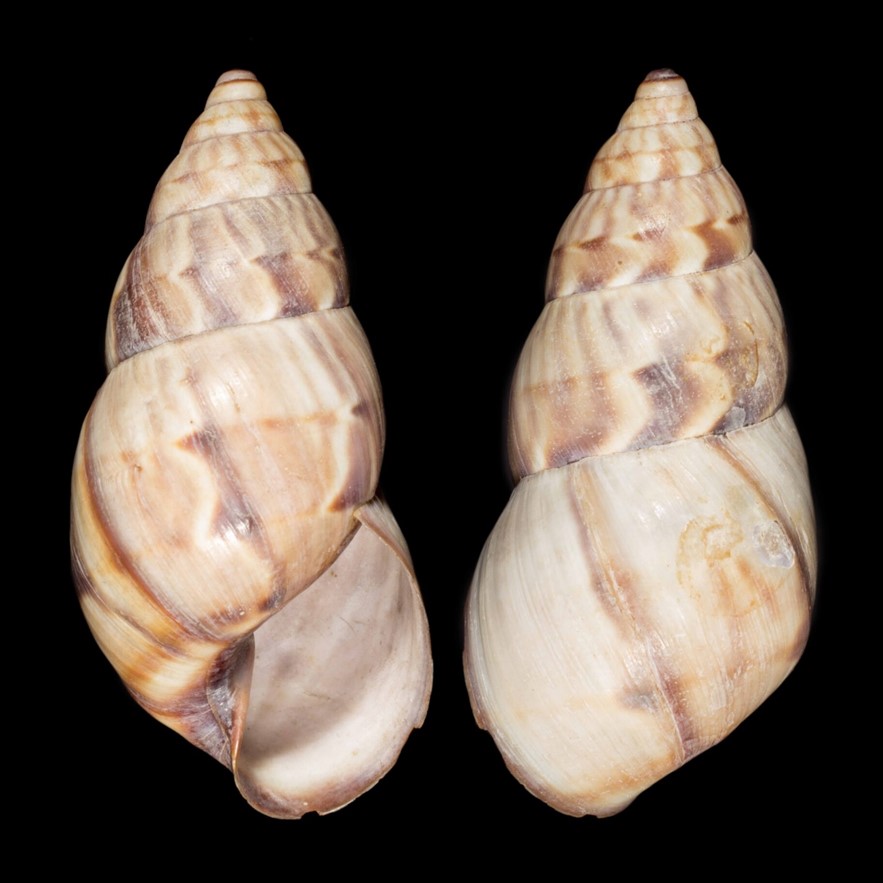
CLASSE: GASTROPODA: TERRESTRE FAMÍLIA: ORTHALICIDAE ESPÉCIE: Orthalicus phlogerus (A. d'Orbigny, 1835) Tamanho médio: 45 - 50 mm Habitat: vive em árvores e arbustos Ocorrência: Bolívia, Brasil (São Paulo, Ceará, Maranhão, Minas Gerais, Mato Grosso, Mato Grosso do Sul e Goiás) Localidade tipo: Bolívia ("província Chiquitensis") Nome original: Helix phlogera A. d'Orbigny, 1835 Fotos: (1,2) Museu Nacional de História Natural, Paris: SYNTYPE de Helix phlogera d'Orbigny, 1835, MNHN-IM-2000-28099, 54.7 mm, Bolívia, "Mission de Concepción"; (3) Natural History Museum, London: SYNTYPE de Orthalicus phlogerus (A. d'Orbigny, 1835), NHMUK 1854.12.4.86, Bolívia, Santa Cruz, Chiquitos Fontes: Descrição original: (como Helix phlogera d'Orbigny, 1835) Orbigny, A. d'. (1835). Synopsis terrestrium et fluviatilium molluscorum, in suo per Americam meridionalem itinere collectorum. Magasin de Zoologie. 5(62):...
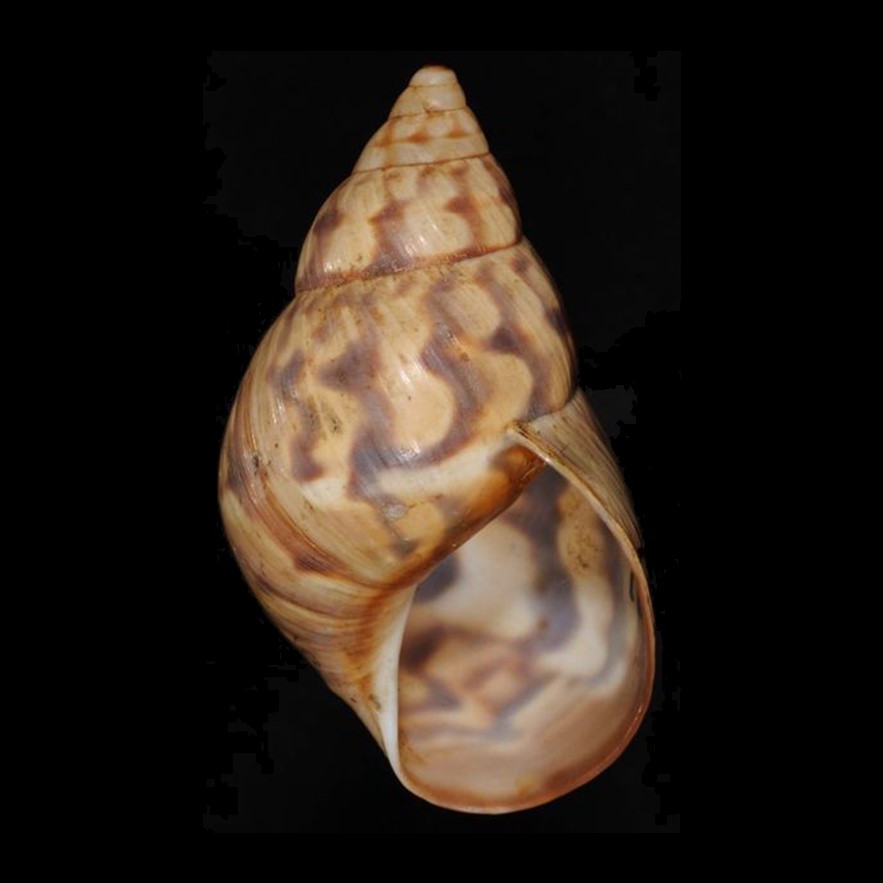
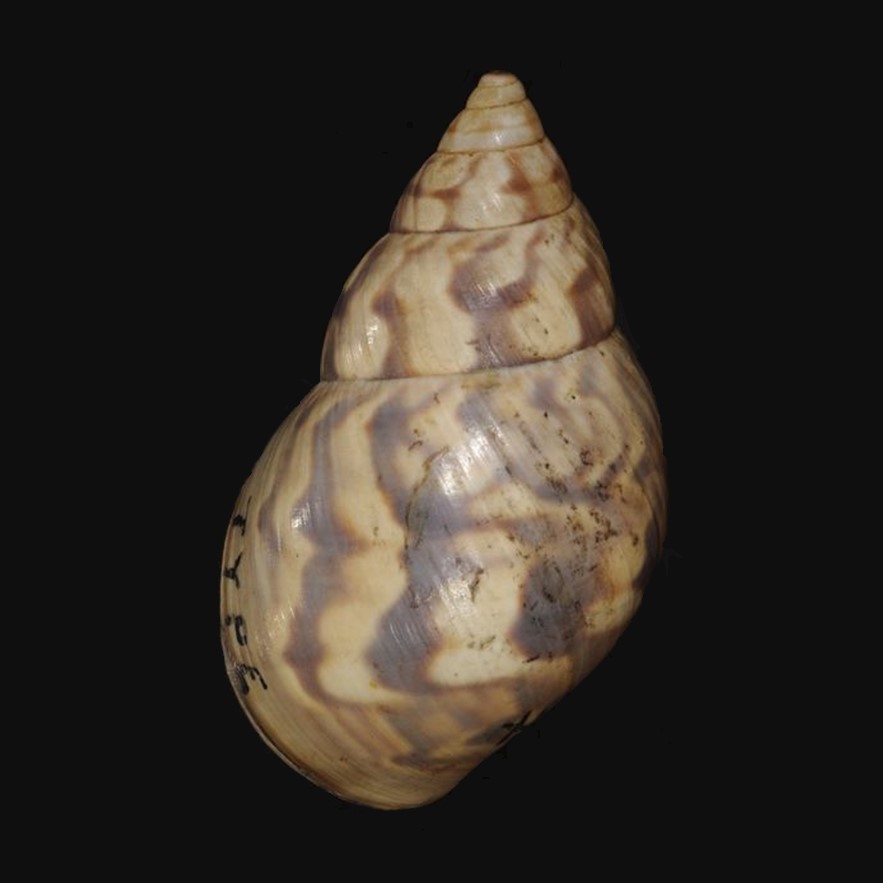
CLASSE: GASTROPODA: TERRESTRE FAMÍLIA: ORTHALICIDAE ESPÉCIE: Orthalicus prototypus Pilsbry, 1899 Tamanho médio: 38 - 47 mm Habitat: vive em árvores e arbustos Ocorrência: Venezuela, Brasil (Ceará, Rio Grande do Norte, Paraíba, Pernambuco, Alagoas, Bahia, Mato Grosso) Localidade tipo: Venezuela, Barcelona Sinônimos: Oxystyla pulchellus var. prototypus Fotos: (1-3) The Academy of Natural Sciences, Philadelphia. LECTOTYPE de Oxystyla pulchellus var. prototypus, lote ANSP 260097, 47.5mm, Coleção Swift, coletado por C. Blume em 22.ii.1851, proveniente de Barcelona, Venezuela Fontes: Descrição original: nd Pilsbry, Henry A. “South American Land and Freshwater Mollusks: Notes and Descriptions: VII.” Proceedings of the Academy of Natural Sciences of Philadelphia 82 (1930): 355–65. disponível online em http://www.jstor.org/stable/4064082 Simone, L. R. L. (2006). Land and...
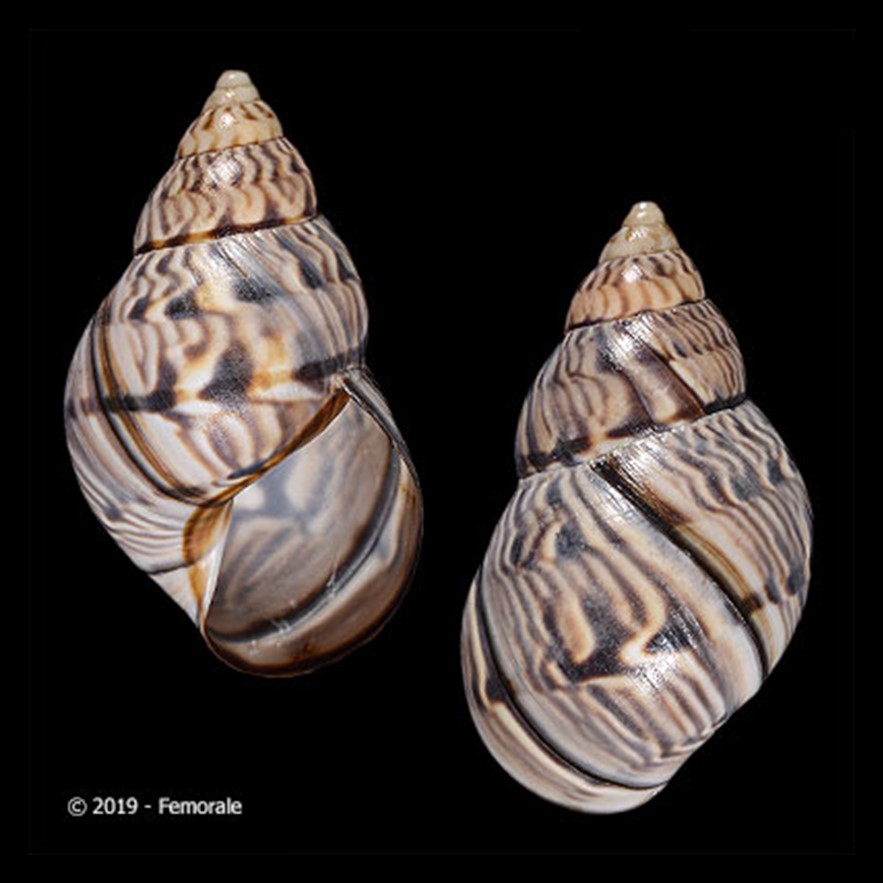

CLASSE: GASTROPODA: TERRESTRE FAMÍLIA: ORTHALICIDAE ESPÉCIE: Orthalicus pulchellus (Spix, 1827) Tamanho médio: 35 - 55 mm Habitat: vive em árvores e arbustos Ocorrência: Guiana Francesa, Brasil (Pará, Amapá?) Localidade tipo: Brasil, Pará (“in sylvis Provinciae Paraënsis”) Nome original: Achatina pulchella Spix, 1827 Sinônimos: Oxystyla pulchella (Spix, 1827); Zebra pulchellus (Spix, 1827) Fotos: (1) Orthalicus pulchellus: cortesia Femorale, Vigia, Pará, 40mm; (2) Guiana Francesa, crédito: INPN/Olivier Gargominy; (3) Breure & Mogollón, 2016: SYNTYPE ZSM 20020203 (H = 47.9mm) Fontes: Descrição original: (como Achatina pulchella Spix, 1827) Wagner, J. A. (1827). Testacea fluviatilia quae in itinere per Brasiliam annis MDCCCXVII-MDCCCXX [1817-1820] jussu et auspiciis Maximiliani Josephi I. Bavariae Regis augustissimi suscepto, collegit et pingenda curavit Dr. J. B. de Spix (...),...
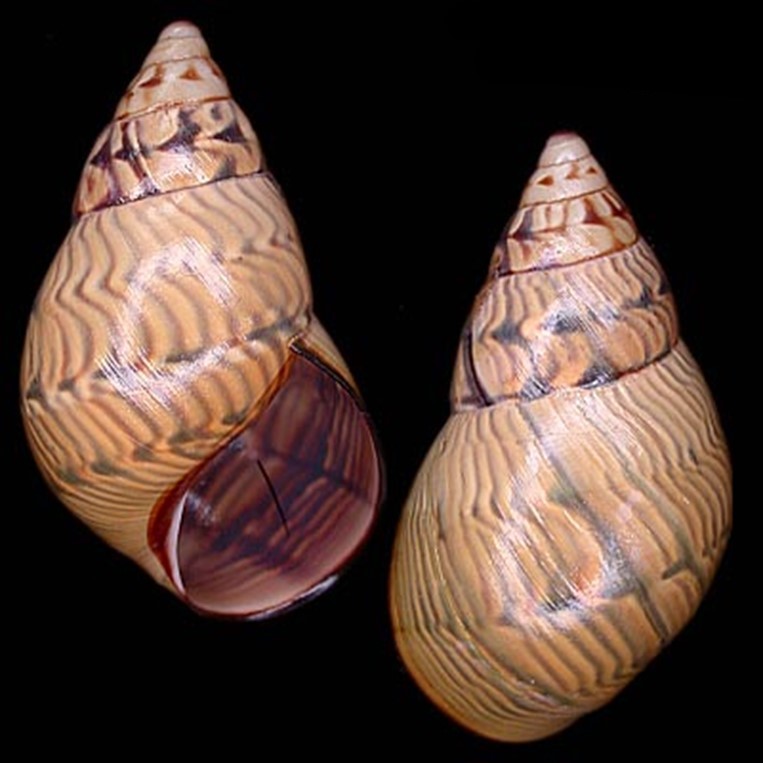
CLASSE: GASTROPODA: TERRESTRE FAMÍLIA: ORTHALICIDAE ESPÉCIE: Orthalicus undatus (Bruguière, 1789) Tamanho médio: 60 mm Habitat: vive em árvores e arbustos Ocorrência: Bolívia, Brasil (Amazonas, Pará, Pernambuco, Minas Gerais) Nome original: Bulimus undatus Bruguière, 1789 Sinônimos: Orthalicus selectus (Strebel, 1909); Oxystyla undata (Bruguière, 1789); Oxystyla undata undata (Bruguière, 1789); Zebra selectus Strebel, 1909; Zebra zoniferus naesiotes Strebel, 1909 Fotos: cortesia Femorale, Brasil, 36mm Fontes: Descrição original: (como Bulimus undatus Bruguière, 1789) Bruguière, J. G. (1789-1792). Encyclopédie méthodique ou par ordre de matières. Histoire naturelle des vers, volume 1. Paris: Pancoucke. Pp. i-xviii, 1-344 [Livraison 32, June 1789]; 345-757 [Livraison 48, 13 Feb. 1792] [Dates after Evenhuis, 2003, Zootaxa, 166: 37; Zootaxa, 207, some modified by Evenhuis & Petit 2003 Zootaxa 207:1-4]. , disponível online em...
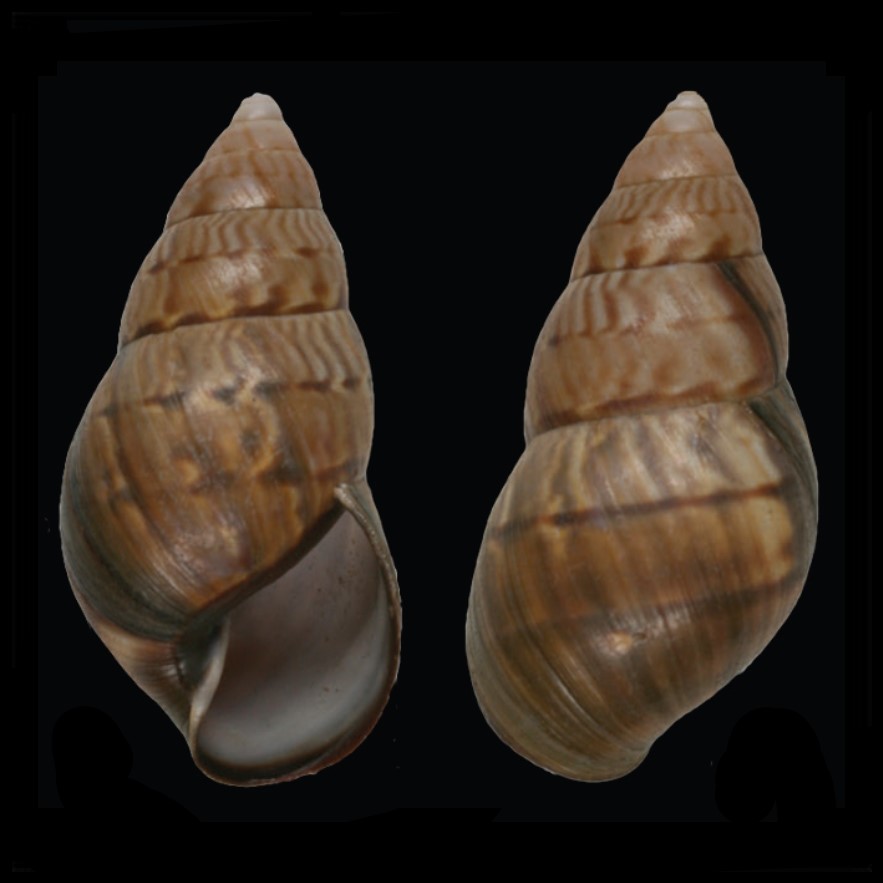
CLASSE: GASTROPODA: TERRESTRE FAMÍLIA: ORTHALICIDAE ESPÉCIE: Orthalicus varius E. von Martens, 1873 Tamanho médio: 50 mm Habitat: vive em árvores e arbustos Ocorrência: Venezuela, Guiana, Brasil (Pernambuco?) Localidade tipo: Venezuela: “Caracas (...) Angostura” Nome original: Orthalicus varius E. von Martens, 1873 Fotos: (1) Breure, A. S. H. (2013): Museu de Zoologia de Berlim: SYNTYPE de Orthalicus varius Martens, 1873; ZMB 101835a (H = 47.2mm) Figura: Breure, A. S. H. (2013): Museu de Zoologia de Berlim (ZMB): (A–D) Orthalicus uhdeanus Martens, 1893; (A–B, i) SYNTYPE ZMB 4995 (H = 39.3mm); (C–D) SYNTYPE ZMB 4996 (H = 54.3mm); (E–F, ii) Orthalicus varius Martens, 1873, SYNTYPE ZMB 101835a (H = 47.2mm) Fontes: Descrição original: Martens E von (1873) Die Binnenmollusken Venezuela’s....
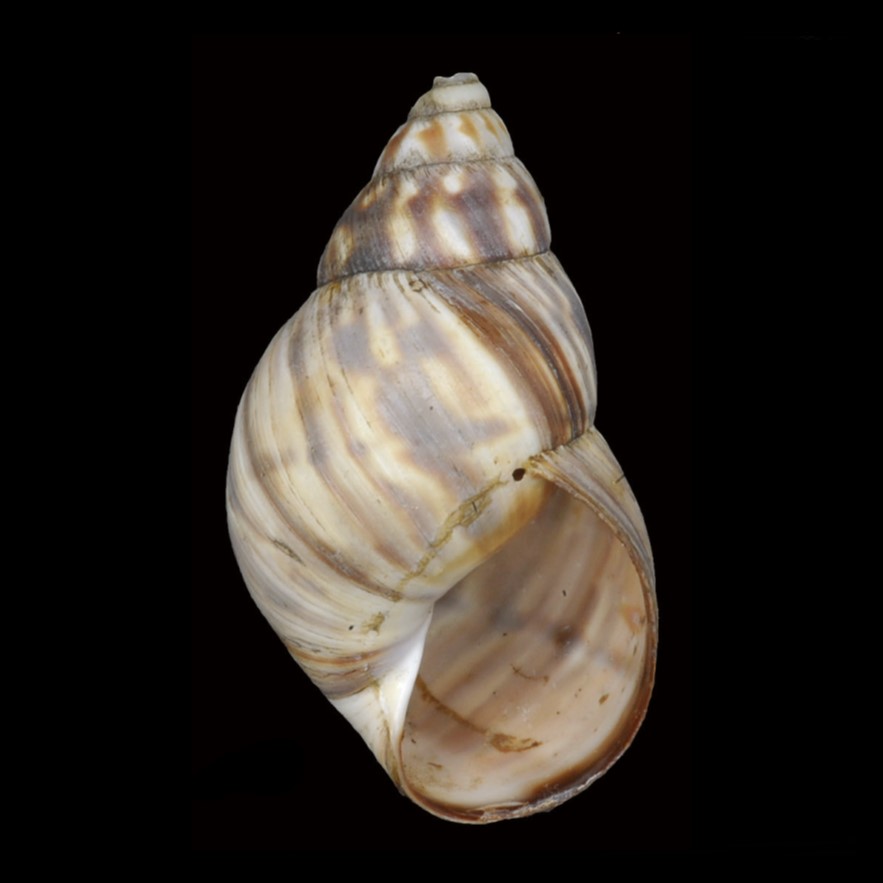
CLASSE: GASTROPODA: TERRESTRE FAMÍLIA: ORTHALICIDAE ESPÉCIE: Orthalicus zebra (O. F. Müller, 1774) Tamanho médio: 46 mm Ocorrência: Venezuela (vide comentários) Localidade tipo: nd Nome original: Buccinum zebra O. F. Müller, 1774 Sinônimos: Ampulla quagga Roding, 1798; Bulimus maracaibensis (L. Pfeiffer, 1856); Bulimus zebra (O. F. Müller, 1774); Bulla zebra Gmelin, 1791; Helix rallus Röding, 1798; Orthalicus gruneri (Strebel, 1909); Orthalicus maracaibensis L. Pfeiffer, 1856; Oxystyla maracaibensis (L. Pfeiffer, 1856); Zebra gruneri Strebel, 1909; Zebra maracaibensis (L. Pfeiffer, 1856); Zebra maracaibensis jamaicensis Strebel, 1909 Comentários: Breure et al. 2021 destaca que: "unfortunately, Müller’s specimens lacked locality data; they were in the collection of Lorenz Spengler (1720–1807), a cabinet maker at the Danish court (Gouk, 1983). This may have hampered a correct identification and...
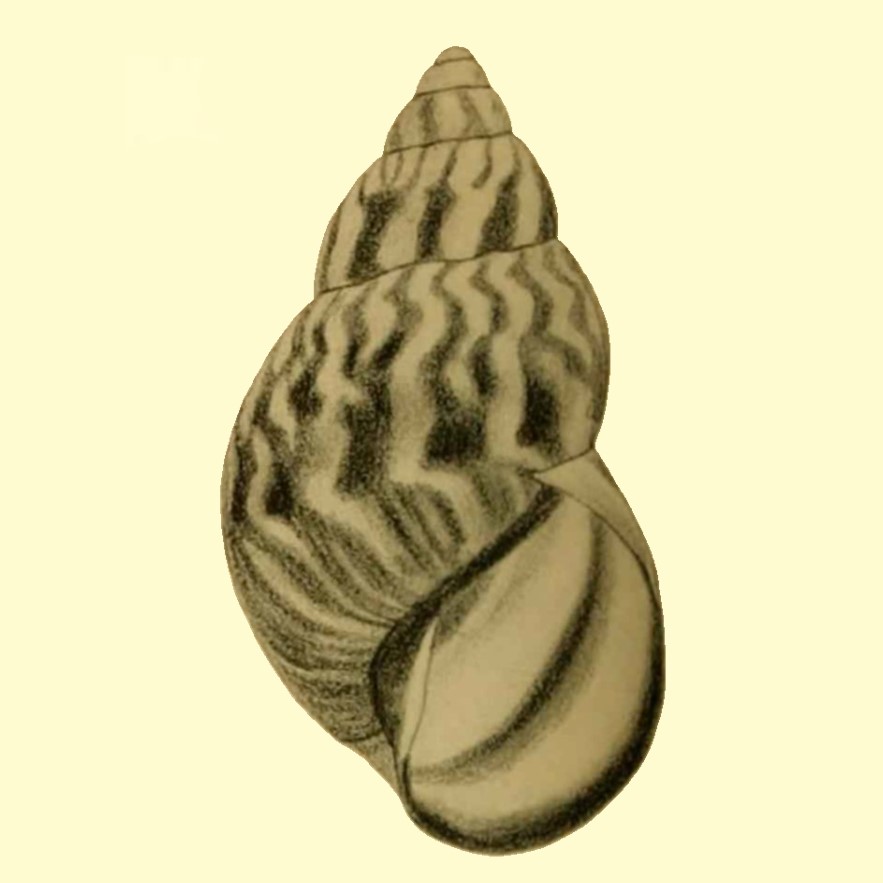
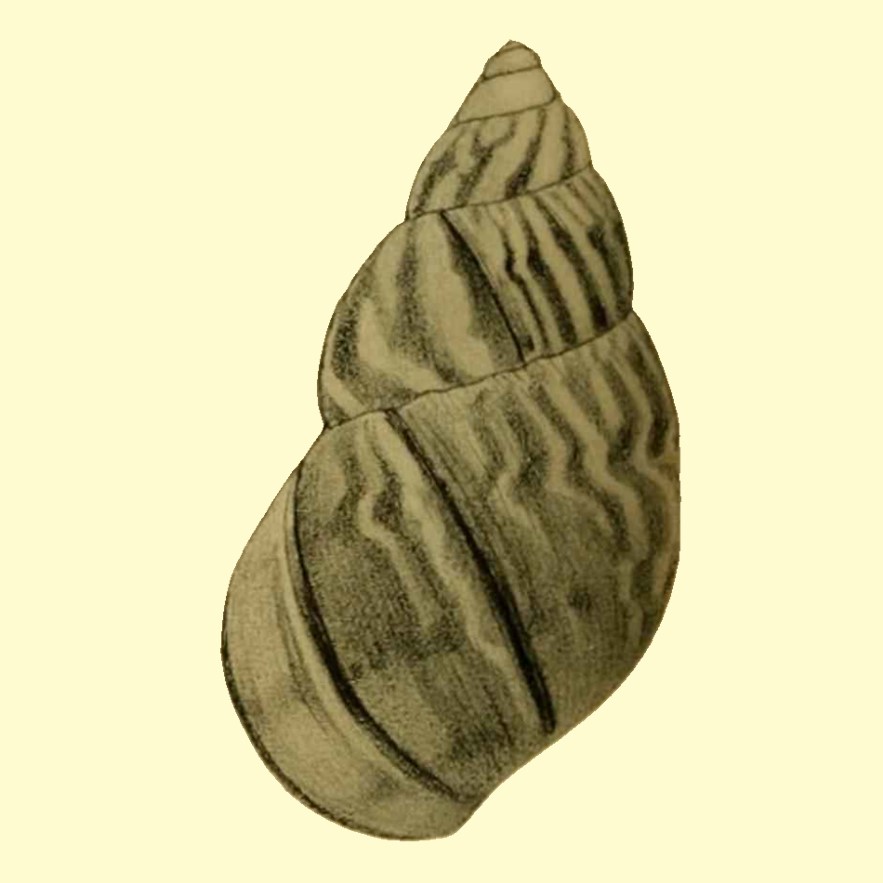
CLASSE: GASTROPODA: TERRESTRE FAMÍLIA: ORTHALICIDAE ESPÉCIE: Orthalicus zonatus (Strebel, 1909) Tamanho médio: 55 mm Habitat: vive em árvores e arbustos Ocorrência: Brasil Localidade tipo: Brasil, sem localidade específica Nome original: Zebra sphinx f. zonata Strebel, 1909 Sinônimos: Zebra sphinx f. zonata Strebel, 1909 Fotos: Strebel, H. (1909), cópia da figura original de Orthalicus zonatus, plate 12, figuras 179 e 182 respectivamente Fontes: Descrição original: (como Zebra sphinx f. zonata Strebel, 1909) Strebel, H. (1909). Revision der Unterfamilie der Orthalicinen. Jahrbuch der Hamburgischen Wissenschaftlichen Anstalten. 26 (Beiheft 2): 191 pp, 23 pl., disponível online em https://biodiversitylibrary.org/page/32474911 página(s): 67, pl. 12, figs 179, 182 Simone, L. R. L. (2006). Land and Freshwater Molluscs of Brazil. Editora Gráfica Bernardi, FAPESP. São Paulo, 390 pp. página(s): 156, fig. 533 ...


CLASSE: GASTROPODA: TERRESTRE FAMÍLIA: BULIMULIDAE ESPÉCIE: Otostomus signatus (Spix, 1827) Tamanho médio: 35 mm Habitat: vive em árvores e arbustos Ocorrência: Brasil (Bahia, Espírito Santo) Localidade tipo: Brasil, Bahia ("Habitat in sylvis Provinciae Bahiensis") Sinônimo: Auris signata Spix, 1827; Bulimus signatus (Spix, 1827); Otostomus signatus (Spix, 1827); Auris vittata Spix, 1827; Otostomus vittatus (Spix, 1827) Descrição original: (Spix, 1827): "Testa ovato-oblonga, solida, nitida. Anfractus sex convexi; ultimus oblongus, basi angustatus, dorso fornicatus, lateribus compressus, striis longitudinalibus profundioribus, interdum granulato-rugosis sulcatus. Spira anfractu ultimo duplo minor, apice obtusiusculo; anfractus spirae convexi, ventricosi, infimi longitudinaliter striati, caeteri laeves. Apertura longitudinalis, nitida, laevissima, angusta, duas tertias partes totius testae complectens; peristomate late expanso crasso, reflexo, extus marginem erectum acutum formante. Margo dexter et interior...
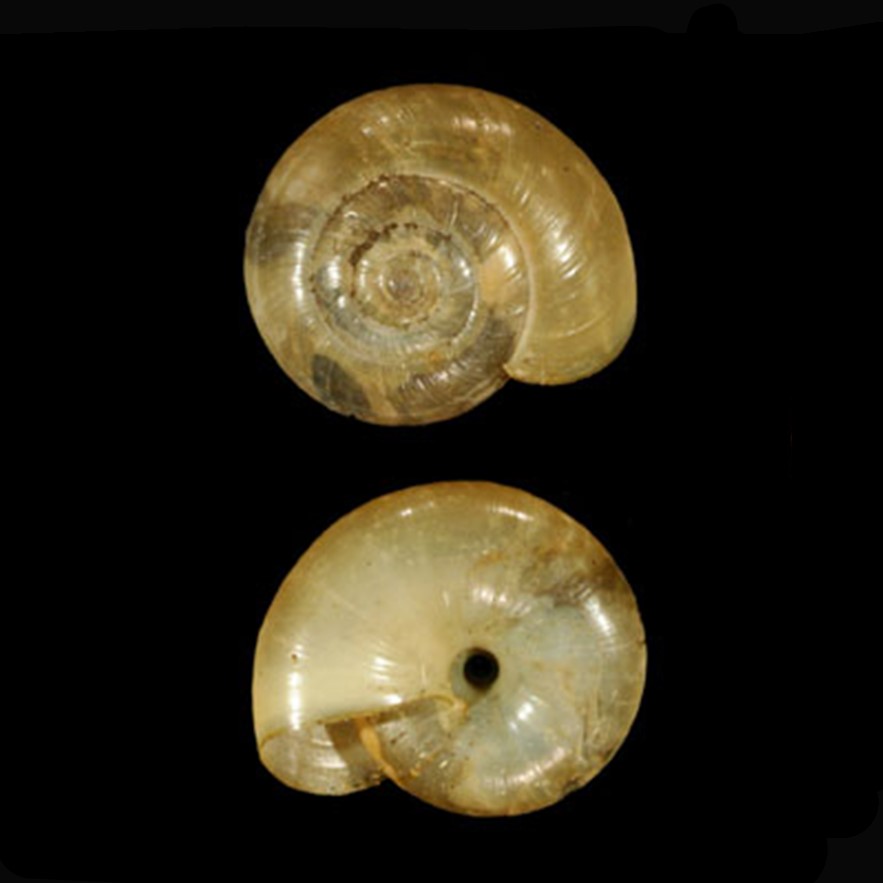
CLASSE: GASTROPODA: TERRESTRE FAMÍLIA: OXYCHILIDAE ESPÉCIE: Oxychilus cellarius (O. F. Müller, 1774) Tamanho médio: 8 -12 mm Ocorrência: ESPÉCIE INVASORA, registrada em diversos Estados do Brasil Localidade tipo: Europa Nome original: Helix cellaria O. F. Müller, 1774 Sinônimos: Helix cellaria O. F. Müller, 1774; Helix corneafulva L. Pfeiffer, 1861; Helix glaphyra Say, 1817; Helix margaritacea A. Schmidt, 1852; Helix sydneyensis J. C. Cox, 1864; Hyalinia (Polita) cellaria (O. F. Müller, 1774); Hyalinia blidahensis Locard, 1899; Hyalinia chersa Bourguignat, 1877; Hyalinia heracleensis Westerlund, 1893; Hyalinia lauta Locard, 1899; Hyalinia lusitanica Locard, 1899; Hyalinia montsicci Fagot, 1890; Hyalinia neglecta Fagot, 1890; Hyalinia rouvieri Locard, 1899; Hyalinia subfarinesiana Locard, 1894; Oxychilus (Oxychilus) cellarius (O. F. Müller, 1774); Oxychilus cellaria (O. F. Müller, 1774); Oxychilus pulchrostriatum MacMillan,...
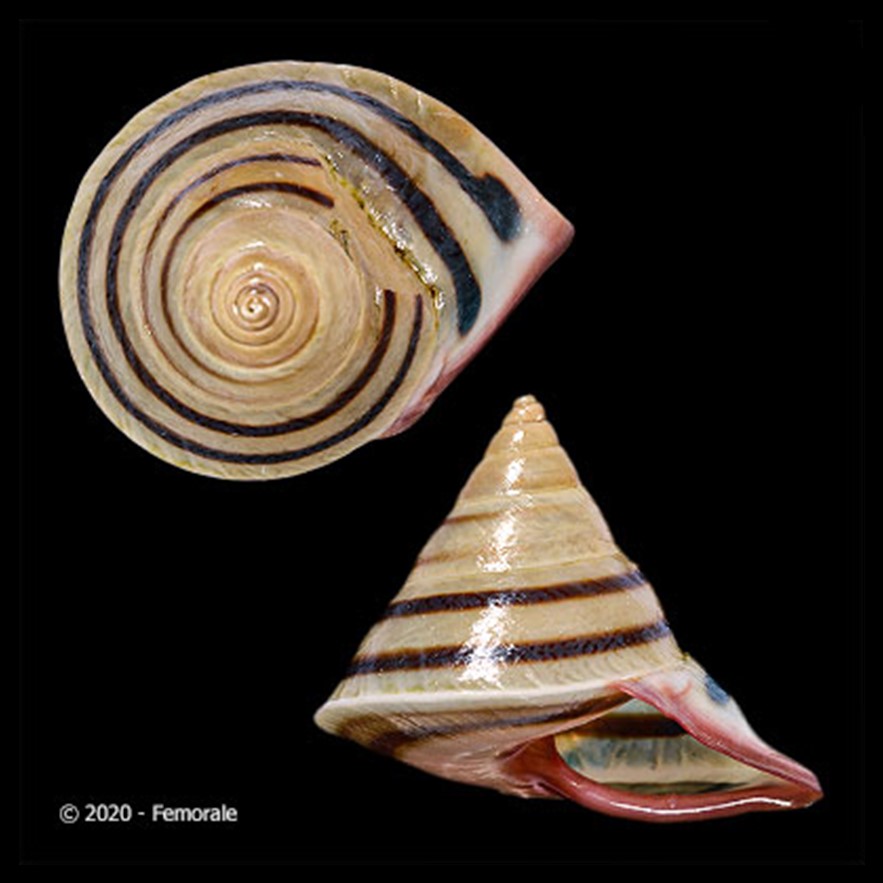
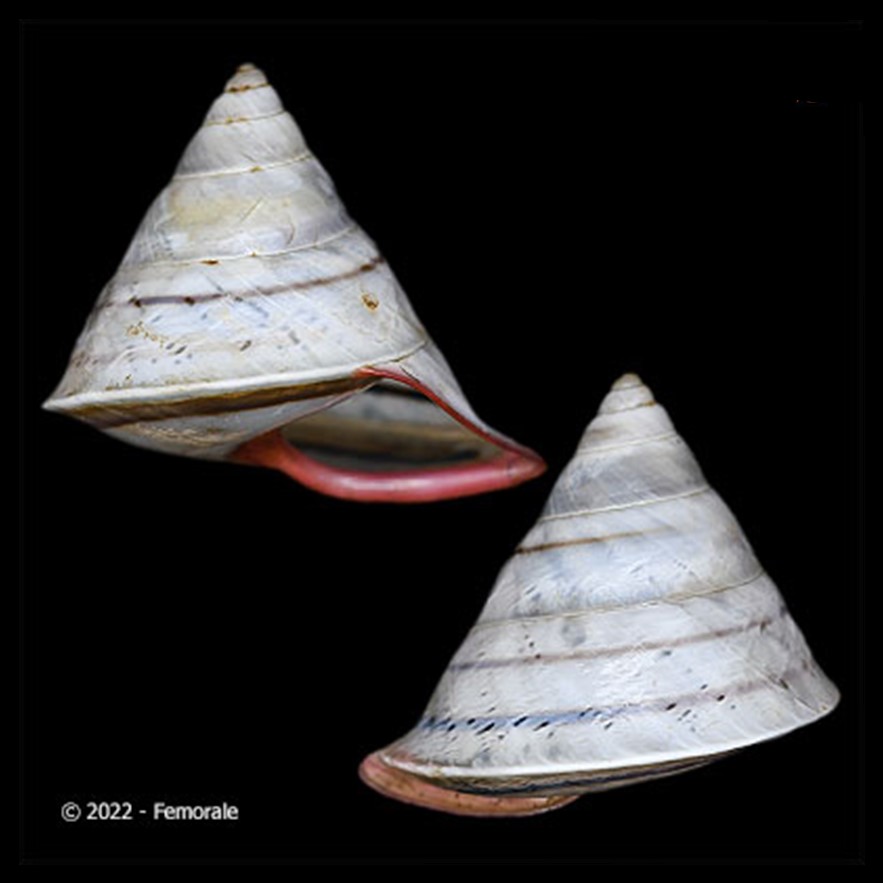
CLASSE: GASTROPODA: TERRESTRE FAMÍLIA: BULIMULIDAE ESPÉCIE: Oxychona bifasciata (Burrow, 1815) Tamanho médio: 25 mm Habitat: vive em árvores e arbustos na Floresta úmida Ocorrência: Bahia, Minas Gerais (Simone, 2006), Pernambuco (Molluscabase 2023), Alagoas Sinônimos: Drymaeus bifasciatus (Burrow, 1815); Drymaeus bifasciatus var. minarum Ancey, 1901; Helix bifasciata (Burrow, 1815) Nome original: Trochus bifasciatus Burrow, 1815 Fotos: (1) cortesia Femorale, 2020; (2) Maestrati, Philippe & Simone, Luiz & Bouchet, Philippe. (2015): Animal vivo encontrado na Reserva Biológica da Pedra Talhada, Alagoas; (3) animal vivo: iNaturalist, observação 243796611, crédito: Carlos Otávio Gussoni, alguns direitos reservados (CC BY-NC), RPPN Pedra D'Antas - Fazenda Pedra D'Antas, Lagoa dos Gatos, Pernambuco, Brasil, 17.xi.2022; (4) Salvador et al. 2018: Oxychona bifasciata, Museu de Zoologia da Universidade de São Paulo, MZSP...
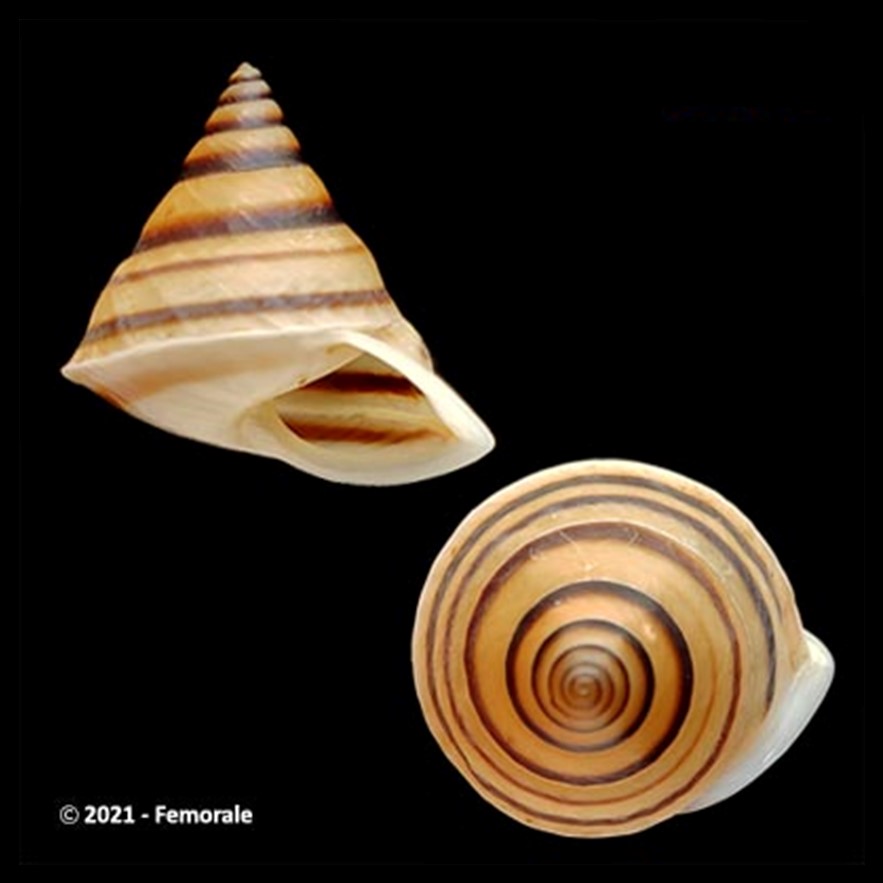
CLASSE: GASTROPODA: TERRESTRE FAMÍLIA: BULIMULIDAE ESPÉCIE: Oxychona blanchetiana (S. Moricand, 1833) Tamanho médio: 15 mm Habitat: vive em árvores e arbustos Ocorrência: Brasil (Bahia) Localidade tipo: Brasil, Bahia ("Hab. le Brésil, aux environs de Bahia où elle a été trouvée par M. Blanchet, ainsi que les suivantes") Sinônimos: Molluscabase, 2023 considera como sinônimo de Oxychona bifasciata (Burrow, 1815), já Simone, 2006 considerou como sinônimo de Oxychona pyramidella (Spix, 1827). Mantida aqui para comparação Nome original: Helix blanchetiana S. Moricand, 1833 Etimologia: o nome da espécie é uma homenagem ao botânico suíço Jacques Samuel Blanchet (1807 - 1875). Entre 1828 e 1856, viveu na Bahia (Brasil), de onde enviou um grande número de espécimes de plantas e algumas amostras zoológicas para naturalistas europeus ...

CLASSE: GASTROPODA: TERRESTRE FAMÍLIA: BULIMULIDAE ESPÉCIE: Oxychona bosciana (Férussac, 1832) Tamanho médio: 21 mm Habitat: vive em árvores e arbustos Ocorrência: Brasil Localidade tipo: "Habit. Le Brésil" Nome original: Helix bosciana A. Férussac, 1832 Sinônimos: Molluscabase, 2024 considera Oxychona bosciana como espécie válida, já Simone, 2006 considerou como sinônimo de Oxychona pyramidella (Spix, 1827). Salvador et al. 2024 considera como sinônimo de Oxychona lonchostoma (Mencke, 1828). Mantida aqui para comparação Fotos: Museu Nacional de História Natural, Paris. SYNTYPE de Helix bosciana Férussac, 1832; MNHN-IM-2000-28027, 21mm Fontes: Descrição original: (como Helix bosciana Férussac, 1832) Férussac, A. E. J. P. F. d'Audebard de. (1819-1832). Histoire naturelle générale et particulière des mollusques terrestres et fluviatiles tant des espèces que l'on trouve aujourd'hui...


CLASSE: GASTROPODA: TERRESTRE FAMÍLIA: BULIMULIDAE ESPÉCIE: Oxychona currani Bartsch, 1916 Tamanho médio: 18 - 22 mm Habitat: vive em árvores e arbustos Ocorrência: Brasil (Bahia, Alagoas) Localidade tipo: "Rio Grungugy", Bahia Nome original: Oxychona pyramidella currani Bartsch, 1916 Etimologia: o nome da espécie é uma homenagem ao engenheiro florestal e coletor norte-americano Hugh McCollum Curran (1875–1960). Entre 1915 e 1916, Curran realizou importantes expedições de coleta na Bahia, especialmente na bacia do Rio Gongogi (grafado como Grungogy em documentos antigos) Comentários: o HOLOTYPE está depositado no Smithsonian National Museum of Natural History, USNM 322281 Fotos: (1,2) cortesia Femorale, 2014, Bahia; (3) animal vivo: Oxychona currani, observação iNaturalist 621879103, Brasil, Alagoas, crédito: Ben Phalan, i.2026; (3) animal vivo de Oxychona sp: iNaturalist, observação...


CLASSE: GASTROPODA: TERRESTRE FAMÍLIA: BULIMULIDAE ESPÉCIE: Oxychona gyrina (Deshayes, 1850) Tamanho médio: 17 mm Habitat: vive em árvores e arbustos Ocorrência: Bahia Localidade tipo: Brasil, sem localização específica Nome original: Helix gyrina Deshayes, 1850 Fotos: (1) cortesia Femorale, 2021. Bahia; (2) Museu Nacional de História Natural, Paris: SYNTYPE de Helix gyrina, MNHN-IM-2000-28153, "Brasil", Coll. Deshayes, 15.9mm Fontes: Descrição original: como (Helix gyrina Deshayes, 1850) Deshayes, G. P. (1839-1851). Histoire naturelle générale et particulière des mollusques terrestres et fluviatiles tant des espèces que l'on trouve aujourd'hui vivantes, que des dépouilles fossiles de celles qui n'existent plus; classés d'après les caractères essentiels que présentent ces animaux et leurs coquilles. Tome premier. Livraison 30: 1-24 (1839); livr. 31: 25-40 (1840); livr. 35: 41-104...


CLASSE: GASTROPODA: TERRESTRE FAMÍLIA: BULIMULIDAE ESPÉCIE: Oxychona lonchostoma (Menke, 1828) Tamanho médio: 20 - 22 mm Habitat: vive em árvores e arbustos Ocorrência: Bahia, Rio de Janeiro Localidade tipo: "inter Rio et Campos, in Brasilia" (Menke, 1828: 128) Comentários: Segundo La Pasta, Klautau & Oliveira (2024): "a localidade tipo para Oxychona lonchostoma é inferida aqui da localidade dada na descrição original como “inter Rio et Campos, em Brasília” (Menke, 1828: 128), já que são as duas únicas cidades dentro da distribuição da espécie que já eram fundadas na época da publicação com as palavras “Rio” e “Campos” no nome são Rio de Janeiro e Campos dos Goytacazes" Nome original: Carocolla lonchostoma Menke, 1828 Sinônimos: Salvador et al. 2024 considera Oxychona bosciana (Férussac,...
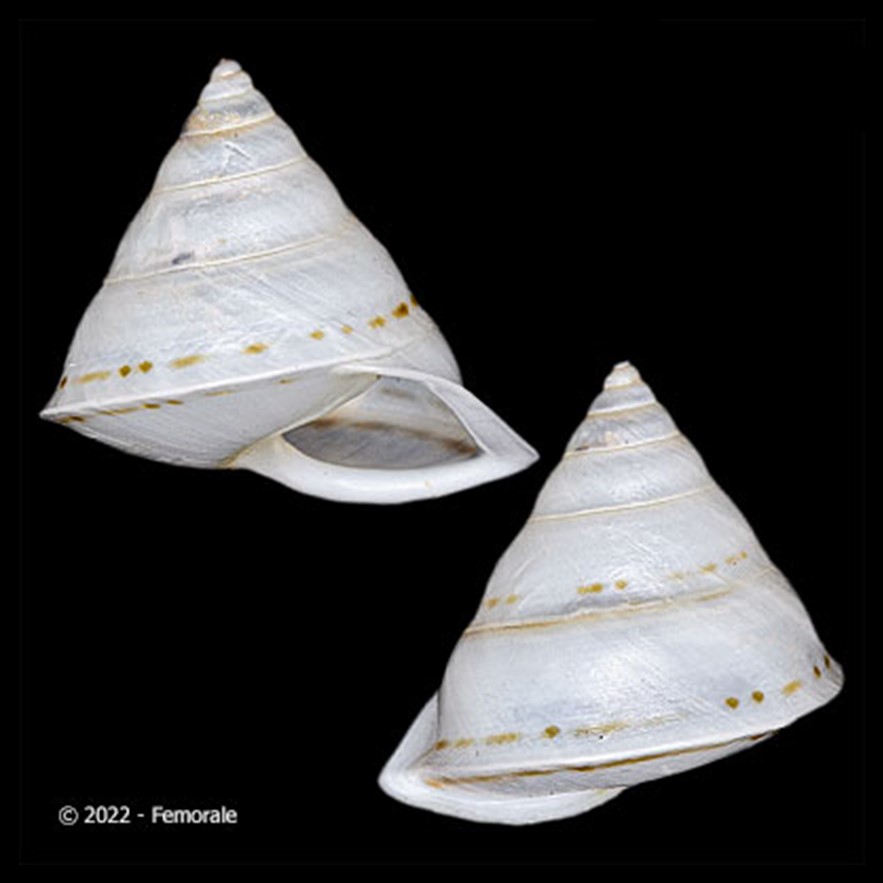

CLASSE: GASTROPODA: TERRESTRE FAMÍLIA: BULIMULIDAE ESPÉCIE: Oxychona maculata Salvador & Cavallari, 2013 Tamanho médio: 16 - 19 mm Habitat: arborícolas, dados registrados nos rótulos das amostras apontam para uma espécie que vive em árvores Frequência: Raro Ocorrência: Brasil [Bahia (municípios de Ilhéus e Itapetininga)] Localidade tipo: Ilhéus, Bahia Etimologia: o nome deriva da palavra em latim "Mácula", que significa "manchas"; uma referência à faixa espiral manchada, de cor marrom, da espécie Foto: (1) cortesia Femorale, 2022. Bahia, 17 mm; (2) animal vivo: iNaturalist observação 357521269, crédito: Everton de Amorim Freitas Filho, alguns direitos reservados (CC BY-NC), Nossa Senhora da Luz, São Lourenço da Mata - Pernambuco, Brasil, 29.ii.2024 Figura: Salvador & Cavallari, 2013: Oxychona maculata;...

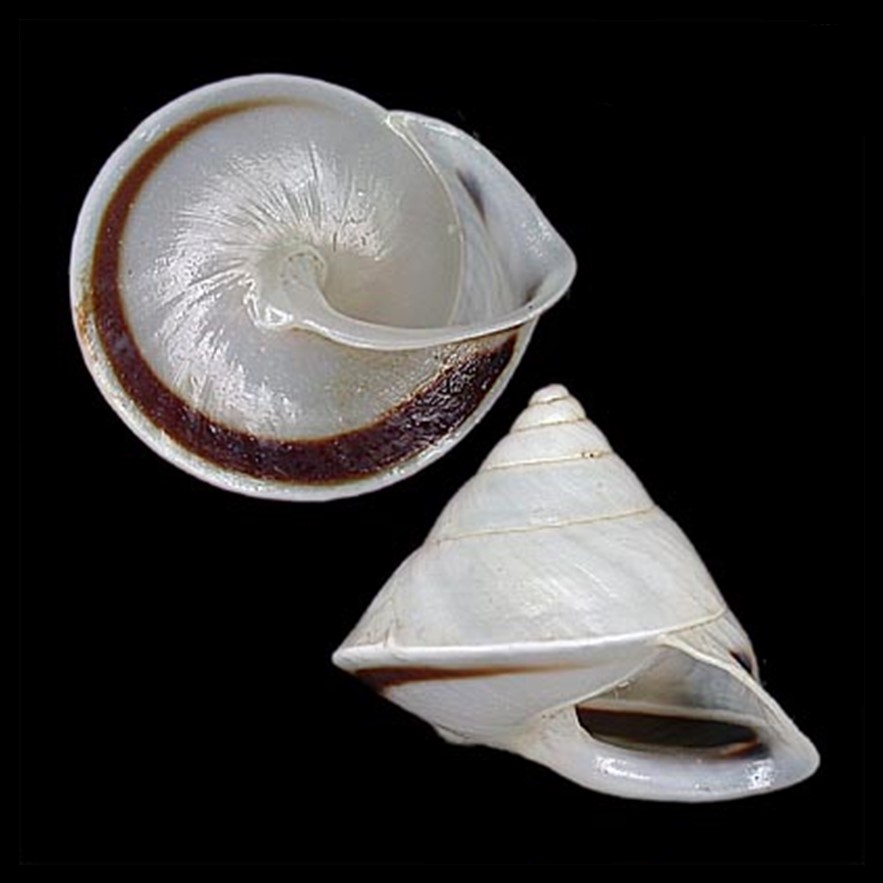
CLASSE: GASTROPODA: TERRESTRE FAMÍLIA: BULIMULIDAE ESPÉCIE: Oxychona michelinae Porto, da Rocha, Johnsson & Neves, 2016 Tamanho médio: 20 - 22 mm Habitat: encontrada no solo, entre folhas mortas Frequência: Raro Ocorrência: Brasil, Bahia, conhecida apenas na localidade tipo Localidade tipo: Reserva Ecológica Michelin, Igrapiúna, Bahia Nome original: Oxychona michelinae Porto, da Rocha, Johnsson & Neves, 2016 Etimologia: nome da espécie é uma referência à Reserva Ecológica Michelin (localidade tipo). A Michelin Company é uma empresa francesa fabricante de pneus empresa fundada no final do século XIX. No Brasil, a Reserva pertence à 'Plantações Michelin da Bahia Ltda’ Fotos: cortesia Femorale, 2006. Bahia, 24mm Figura: Porto, da Rocha, Johnsson & Neves, 2016: (A) Animal vivo no seu habitat natural; (B-F) detalhes...


CLASSE: GASTROPODA: TERRESTRE FAMÍLIA: BULIMULIDAE ESPÉCIE: Oxychona pyramidella (Spix, 1827) Tamanho médio: 15 mm Habitat: vive em árvores e arbustos Ocorrência: Brasil (Bahia) Localidade tipo: Brasil, Bahia, "habitat in sylvis mediterraneis inter montem sanctum et flumen S. Francisci , in Provincia Bahiensi" Nome original: Helicina pyramidella Spix, 1827 Sinônimos: Helix pyramidella (Spix, 1827) Fotos: (1,2) cortesia Femorale, 2016, Bahia Fontes: Descrição original: (como Helicina pyramidella Spix, 1827) Wagner, J. A. (1827). Testacea fluviatilia quae in itinere per Brasiliam annis MDCCCXVII-MDCCCXX [1817-1820] jussu et auspiciis Maximiliani Josephi I. Bavariae Regis augustissimi suscepto, collegit et pingenda curavit Dr. J. B. de Spix (...), digessit, descripsit et observationibus illustravit Dr. J. A. Wagner. Munich: C. Wolf. pp. i-iv, 1-36, plates 1-29. , disponível online em https://biodiversitylibrary.org/page/39465053...
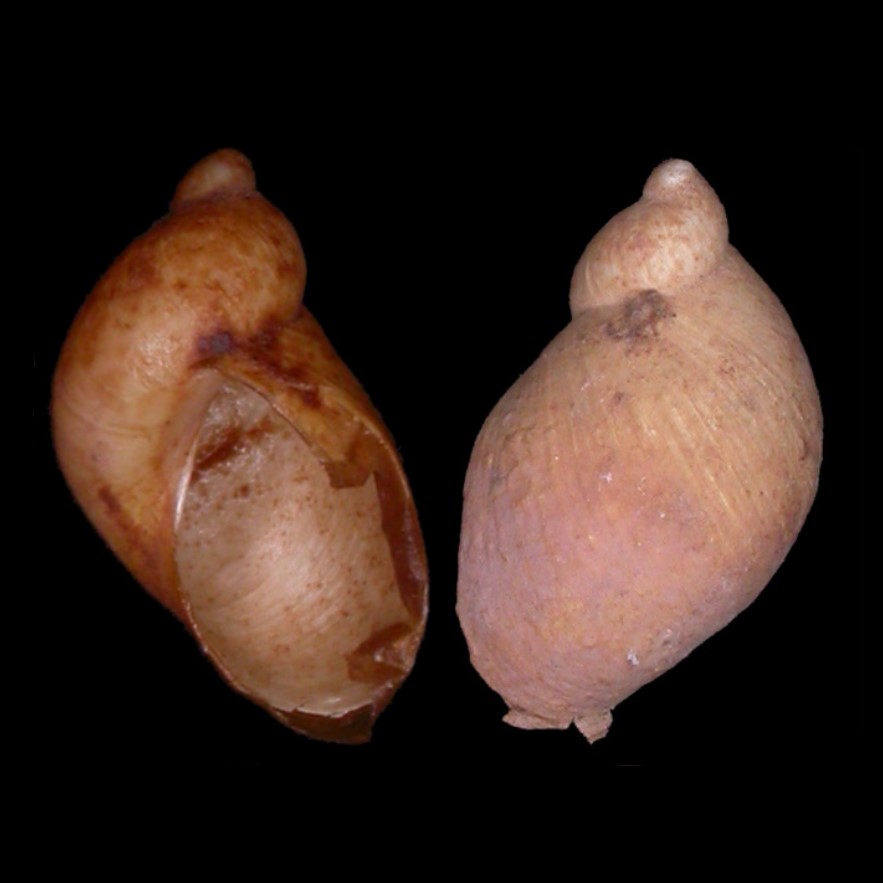
CLASSE: GASTROPODA: TERRESTRE FAMÍLIA: SUCCINEIDAE ESPÉCIE: Oxyloma beckeri Lanzieri, 1966 Tamanho médio: 8 - 10.5 mm Ocorrência: Brasil (Ilha de Trindade) Localidade tipo: Brasil, Ilha de Trindade, Pico São Bonifácio Nome original: Oxyloma beckeri Lanzieri, 1966 Etimologia: o nome da espécie em homenagem a J. Becker, quem coletou o material tipo Comentários: (i) o material tipo está depositado no Museu Nacional do Rio de Janeiro, HOLOTYPE MNRJ 3177, Pico S. Bonifácio, Ilha da Trindade, coll. J.Becker, i.1959; (ii) últimos levantamentos não encontraram nenhum espécime vivo Fotos: Pimenta et al. 2014: Museu Nacional do Rio de Janeiro, PARATYPE MNRJ 3177, 7.9 mm Fontes: Descrição original: Lanzieri, P. D. (1966). A família Succineidae (Gastropoda, Pulmonata) da ilha de Trindade, costa do Brasil. Papéis...
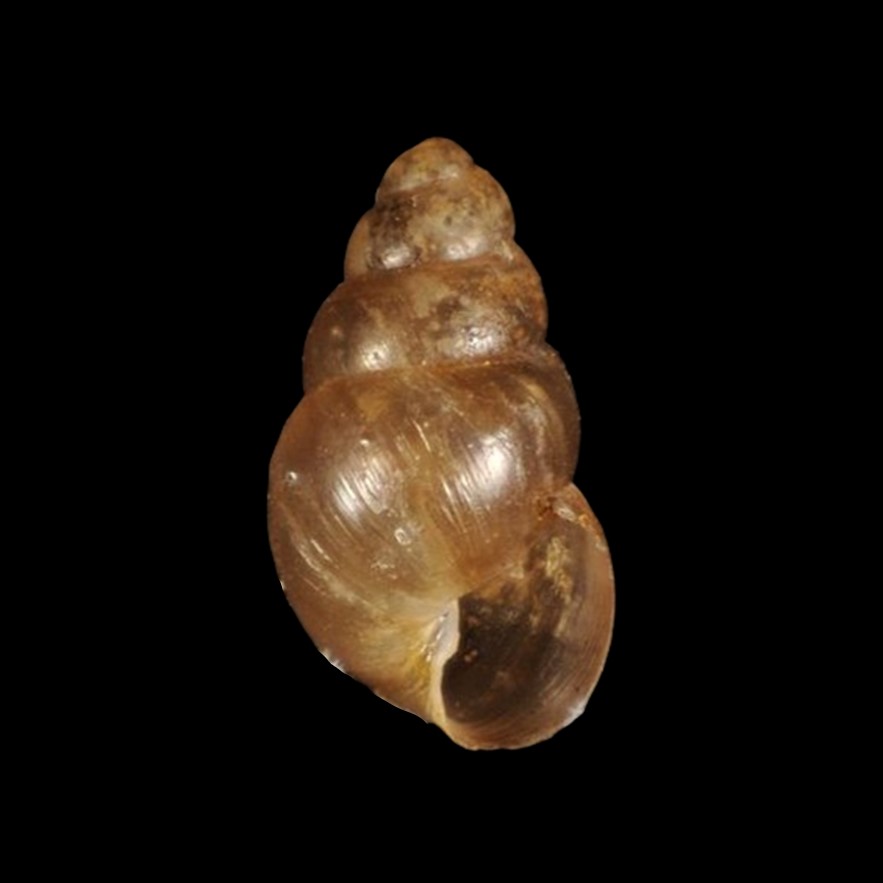
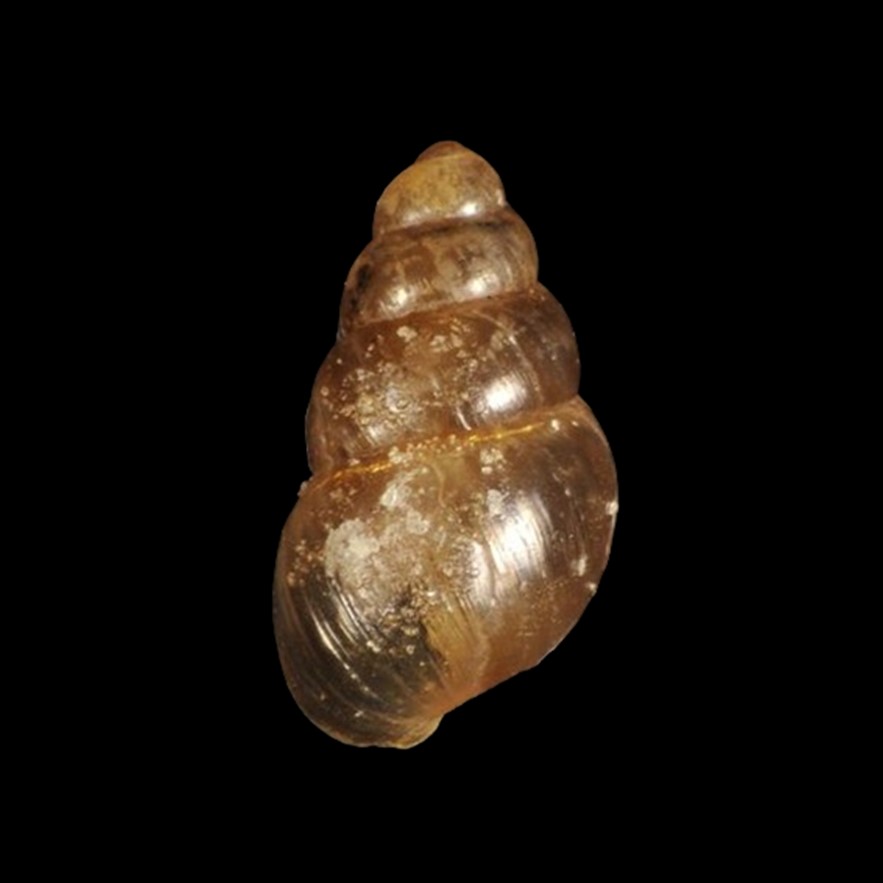
CLASSE: GASTROPODA: TERRESTRE FAMÍLIA: ACHATINELLIDAE ESPÉCIE: Pacificella variabilis Odhner, 1922 Tamanho médio: 2.7 mm Habitat: vive no solo, em serapilheira Ocorrência: Chile (Ilha de Páscoa), diversas outras ilhas da Oceania (Cordeiro, Jay & Boyko, Christopher, 2001) Localidade tipo: Easter Island Nome original: Pacificella variabilis Odhner, 1922 Sinônimos: Tornatellinops variabilis (Odhner, 1922) Descrição original: (Odhner, 1922) "Shell elongate, imperforate, horn-brown, often with pale-brown narrow spiral lines on the last whorl; whorls moderately convex, suture impressed. Aperture narrowly ovate, a third of the total length, with one strong parietal lamella sometimes a short accessory denticle outside it entering about a third of a whorl inwardly; columella strongly twisted, convex but without fold in adult stage; outer lip smooth within; in young specimens sometimes faint...

CLASSE: GASTROPODA: TERRESTRE FAMÍLIA: MEGASPIRIDAE ESPÉCIE: Paeniscutalus crenellus (R. A. Philippi, 1867) Tamanho médio: 30 - 35 mm Ocorrência: Peru Localidade tipo: "Peru, hacienda de Unigambal” Habitat: vive sob pedras e enterrado parte do tempo no solo Altitude: 1850 – 3300m Nome original: Bulimus crenellus R. A. Philippi, 1867 Sinônimos: Megalobulimus (Microborus) incarum Pilsbry, 1944; Strophocheilus (Microborus) tenuis F. Haas, 1955; Strophocheilus tenuis F. Haas, 1955; Thaumastus (Paeniscutalus) incarum (Pilsbry, 1944) Comentários: Esta espécie foi considerada membro da família Strophocheilidae devido ao seu formato geral de concha, com uma espiral relativamente baixa (Pilsbry 1944, Haas 1955). A anatomia e os dados filogenéticos, entretanto, mostram claramente que pertence à superfamília Orthalicoidea (Breure & Mogollón, 2016) Fotos: (1) cortesia Femorale, 2009, 28mm, Peru, Ancash ...
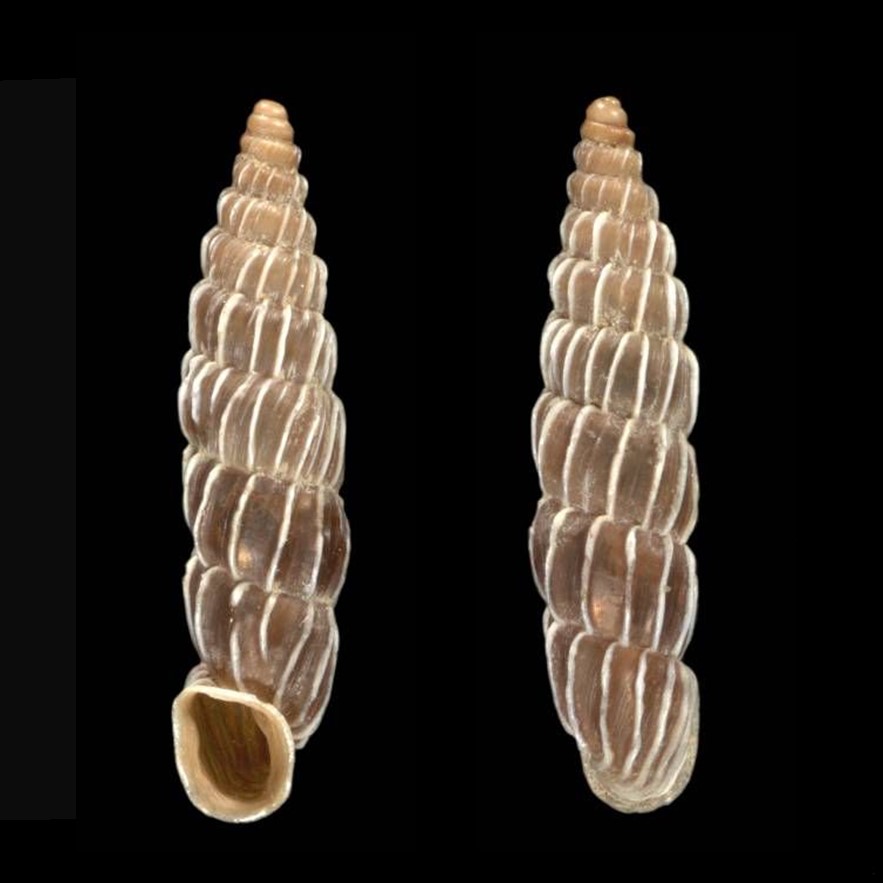
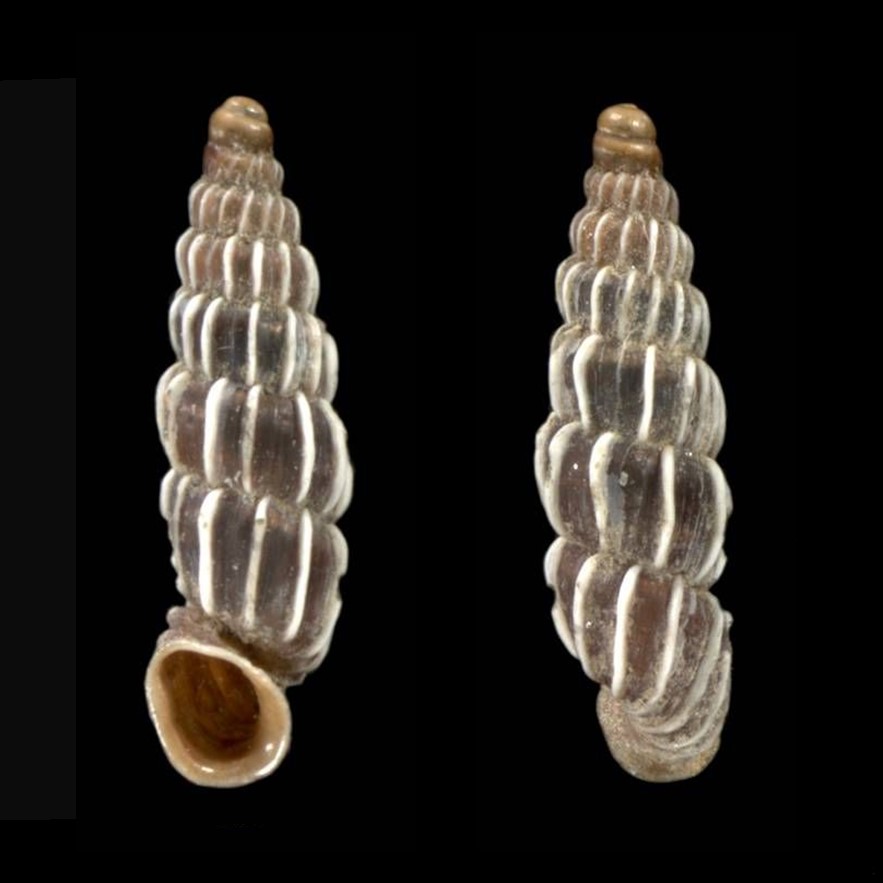
CLASSE: GASTROPODA: TERRESTRE FAMÍLIA: CLAUSILIIDAE ESPÉCIE: Parabalea albocostata (Weyrauch, 1964) Tamanho médio: 15 mm Ocorrência: Peru (Junin) Localidade tipo: Peru, Alis, Rio Alis, Zufluß Rio Canete Altitude: 3300 m Nome original: Temesa (Temesa) albocostata Weyrauch, 1964 Subespécies: (1) Parabalea albocostata albocostata (Weyrauch, 1964) (2) Parabalea albocostata pygmaea (Weyrauch, 1964) Fotos: (1,2) Forschungsinstitut und Naturmuseum Senckenberg: (1) HOLOTYPE de P. albocostata albocostata (Weyrauch, 1964), SMF 16108-b, Alis, Rio Alis, Zufluß Rio Canete, 3300 m, 15mm (2) HOLOTYPE de P. albocostata pygmaea (Weyrauch, 1964), SMF 162111, Peru: Quichao: 5 km v. Laraos, im Tal des Rio Canete (3500m), 9.1mm Fontes: Descrição original: (como Temesa (Temesa) albocostata Weyrauch, 1964) Weyrauch, W. K. (1964). Aporte al conocimiento de Temesa, I (Clausiliidae, Mollusca). Acta Zoológica Lilloana. 19: 261‑288, pl. [10...
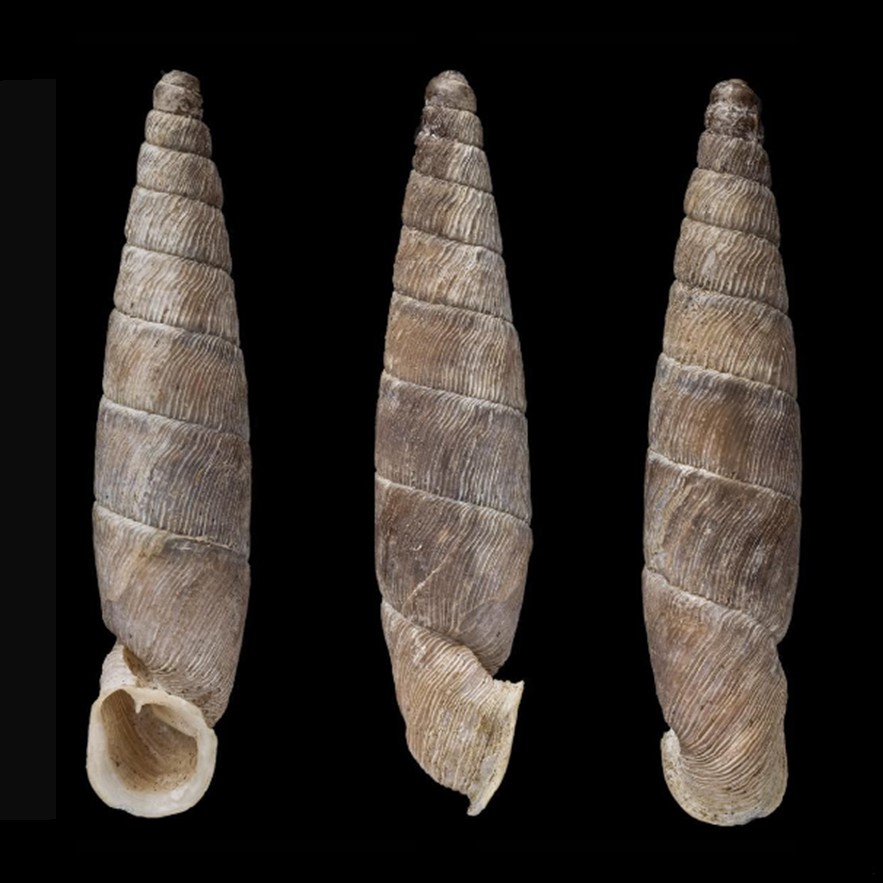
CLASSE: GASTROPODA: TERRESTRE FAMÍLIA: CLAUSILIIDAE ESPÉCIE: Parabalea balnearum (Crawford, 1939) Tamanho médio: 15 - 16 mm Habitat: em fendas de afloramentos calcáreos Ocorrência: Peru (Cuzco) Localidade tipo: Peru, Cuzco, Tambo-Machay Nome original: Nenia (Neniatracta) balnearum Crawford, 1939 Sinônimos: Temesa (Temesa) balnearum (Crawford, 1939); Temesa balnearum (Crawford, 1939) Fotos: (1,2) Natural History Museum, London: HOLOTYPE de Parabalea balnearum (Crawford, 1939), NHMUK 1939.4.17.1-9, Tambo-Machay, Cuzco, Peru, 23.vi.1937, 16.5mm Fontes: Descrição original: (como Nenia (Neniatracta) balnearum Crawford, 1939) Crawford, G. I. (1939). Report on the terrestrial Mollusca collected by the Percy Sladen Expedition to Lake Titicaca, 1937. Proceedings of the Malacological Society of London. 23(6): 318–332., disponível online em https://doi.org/10.1093/oxfordjournals.mollus.a064373 página(s): 321, pl. 19, fig. 13 Nordsieck, H. (2007). Worldwide Door Snails...
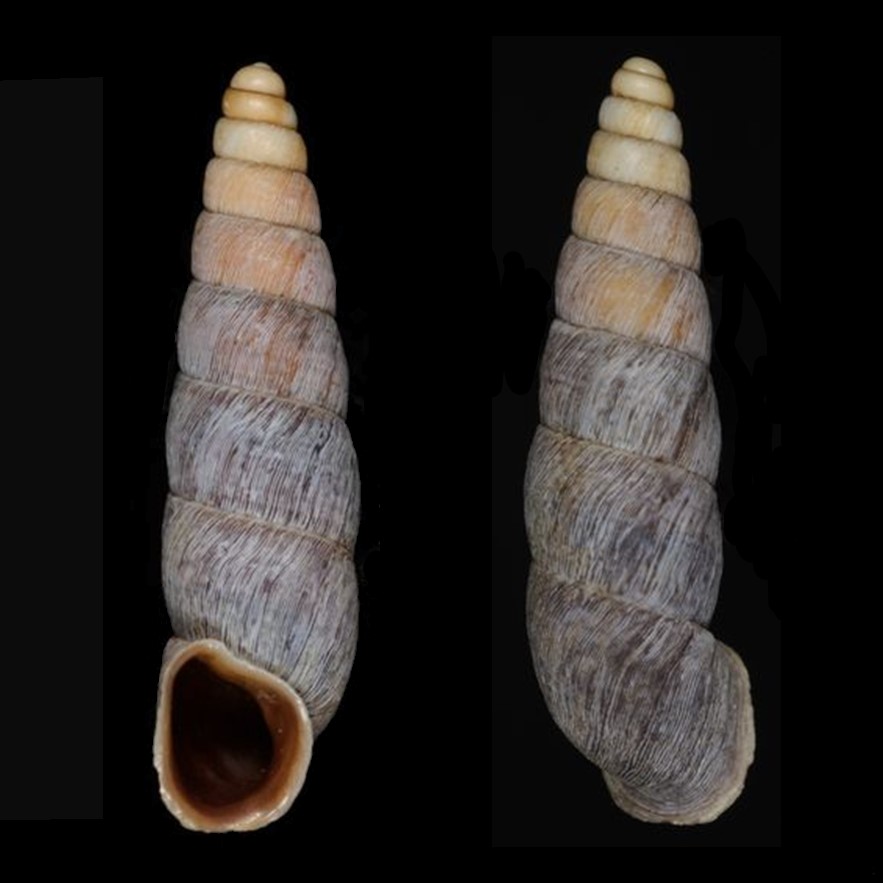
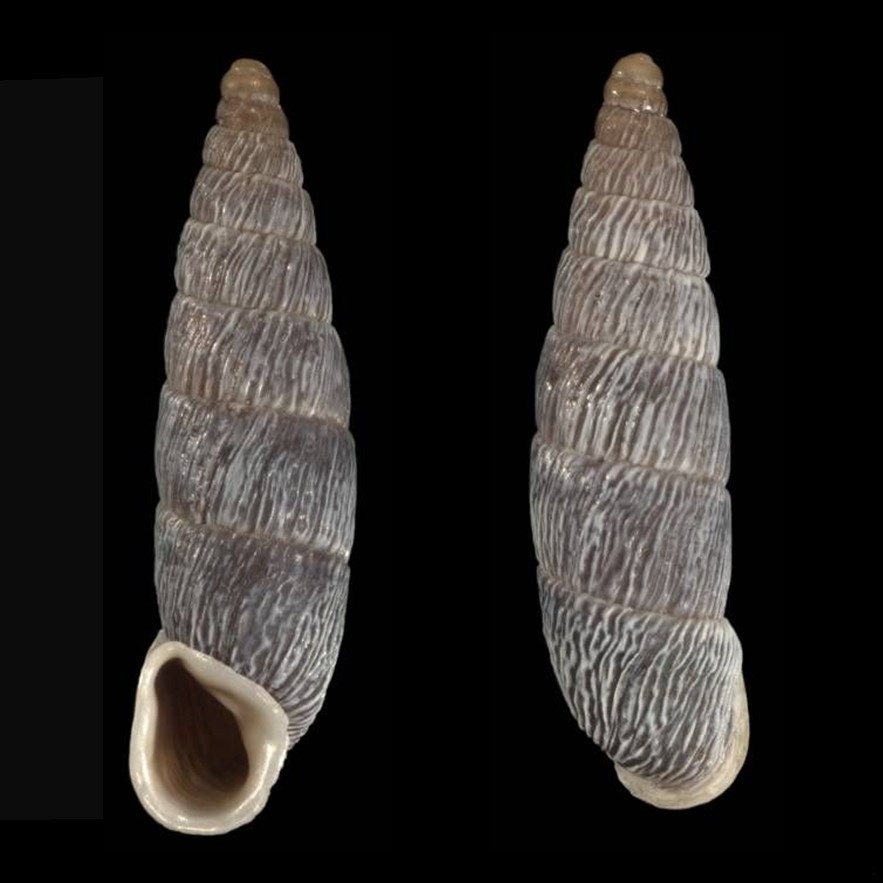
CLASSE: GASTROPODA: TERRESTRE FAMÍLIA: CLAUSILIIDAE ESPÉCIE: Parabalea bicolor (Pilsbry, 1949) Tamanho médio: 15 mm Ocorrência: Peru (Junin) Localidade tipo: Peru, Junin, Tarmatambo, near Tarma Altitude: 3400 m Nome original: Temesa bicolor Pilsbry, 1949 Subespécies: (1) Parabalea bicolor bicolor (Pilsbry, 1949) (2) Parabalea bicolor undaticosta H. Nordsieck, 2010 Fotos: (1) Academy of Natural Sciences, Philadelphia: Parabalea bicolor bicolor, ANSP 183973, Peru, Junin, Tarmatambo, near Tarma, coll. Weyrauch, W. ("Holotype and paratypes are mixed in this lot and cannot be separated on the basis of measurements or figures"); (2) Forschungsinstitut und Naturmuseum Senckenberg: HOLOTYPE de Parabalea bicolor undaticosta, SMF 330883, 11.i.2007 Figura: Nordsieck, 2010: (4) Columbinia elegans, HOLOTYPE SMF 329319, Peru, Dept. San Martin, Cueva de Diamante near Naranjos (1080 m), 10.x.2005, leg....
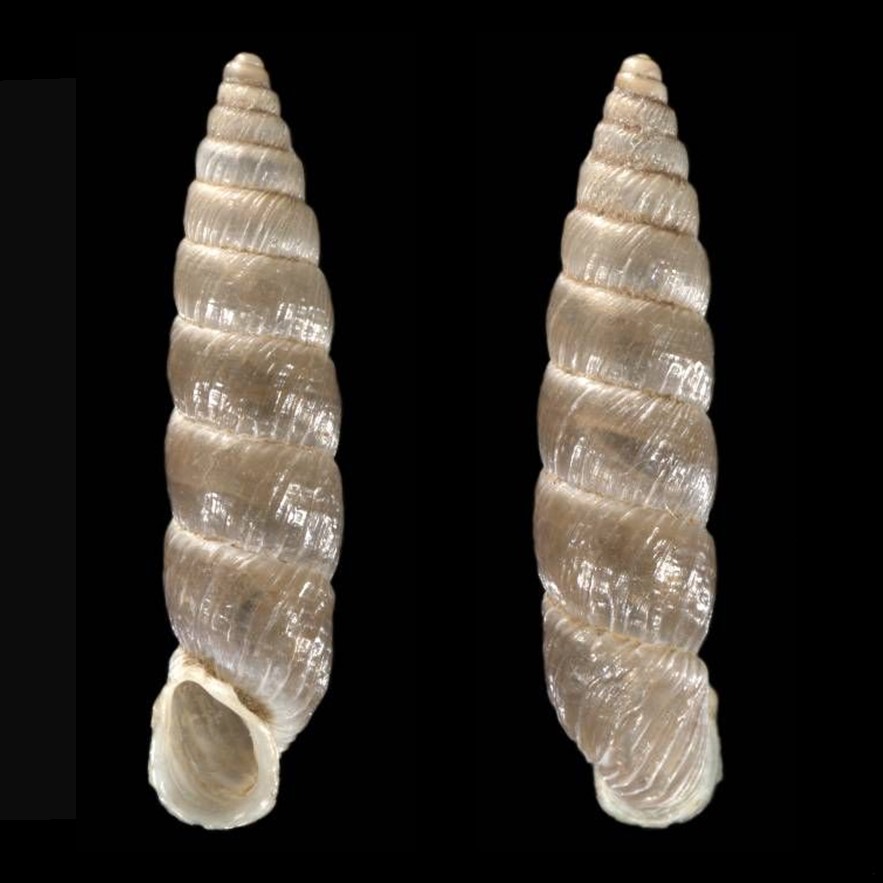
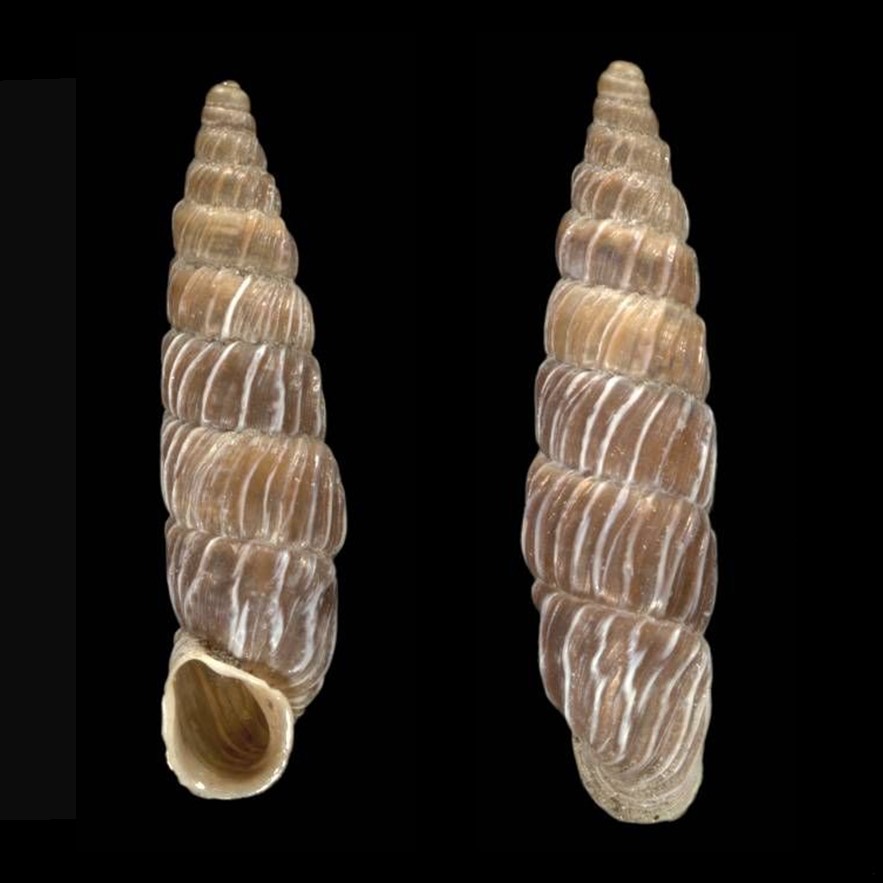
CLASSE: GASTROPODA: TERRESTRE FAMÍLIA: CLAUSILIIDAE ESPÉCIE: Parabalea decimvolvis (Weyrauch, 1957) Tamanho médio: 16 - 19 mm Ocorrência: Peru (Junin) Localidade tipo: Peru, Junin, " left side of Río Mantaro, road La Oroya-Huancayo, Acaya" Altitude: 3450 m Nome original: Temesa (Temesa) decimvolvis Weyrauch, 1957 Sinônimos: Temesa decimvolvis Weyrauch, 1957 Subespécies: (i) Parabalea decimvolvis crassicostata (Weyrauch, 1958); (ii) Parabalea decimvolvis decimvolvis (Weyrauch, 1957); (iii) Parabalea decimvolvis minor (Weyrauch, 1964) Fotos: (1,2) Forschungsinstitut und Naturmuseum Senckenberg: (1) P. decimvolvis decimvolvis (Weyrauch, 1957), HOLOTYPE SMF 156215, Peru: Rio Mantaro: zwi. Oroya und Huancayo: Acaya (3450m), coll. Blancas, F., 19mm (2) P. decimvolvis crassicostata (Weyrauch, 1958), HOLOTYPE SMF 156231, Peru: Rio Mantaro: a. d. Str. Oroya-Huancayo: Curicaca (3750m), coll. Weyrauch, W., 15.7mm Fontes: Descrição original: (como...
CLASSE: GASTROPODA: TERRESTRE FAMÍLIA: CLAUSILIIDAE ESPÉCIE: Parabalea dohrniana (G. Nevill, 1881) Tamanho médio: 10.25 mm Ocorrência: Peru Localidade tipo: Peru, sem localidade específica Nome original: Balea dohrniana G. Nevill, 1881 Sinônimos: Temesa dohrniana (G. Nevill, 1881) Etimologia: o nome da espécie é uma homenagem ao entomologista e malacologista alemão Heinrich Wolfgang Ludwig Dohrn (16.vi.1838, Braunschweig – 1.x.1913, Florença) Fotos: (1) nd Fontes: Descrição original: (como Balea dohrniana G. Nevill, 1881) Nevill, G. (1881). New or little-known Mollusca of the Indo-Malayan fauna. The Journal of the Asiatic Society of Bengal. Part II, 50 (3): 125-167, pl. 5-7. Calcutta [22 October]., disponível online em https://www.biodiversitylibrary.org/page/35598060 página(s): 139 Molluscabase: https://molluscabase.org/aphia.php?p=taxdetails&id=1291465
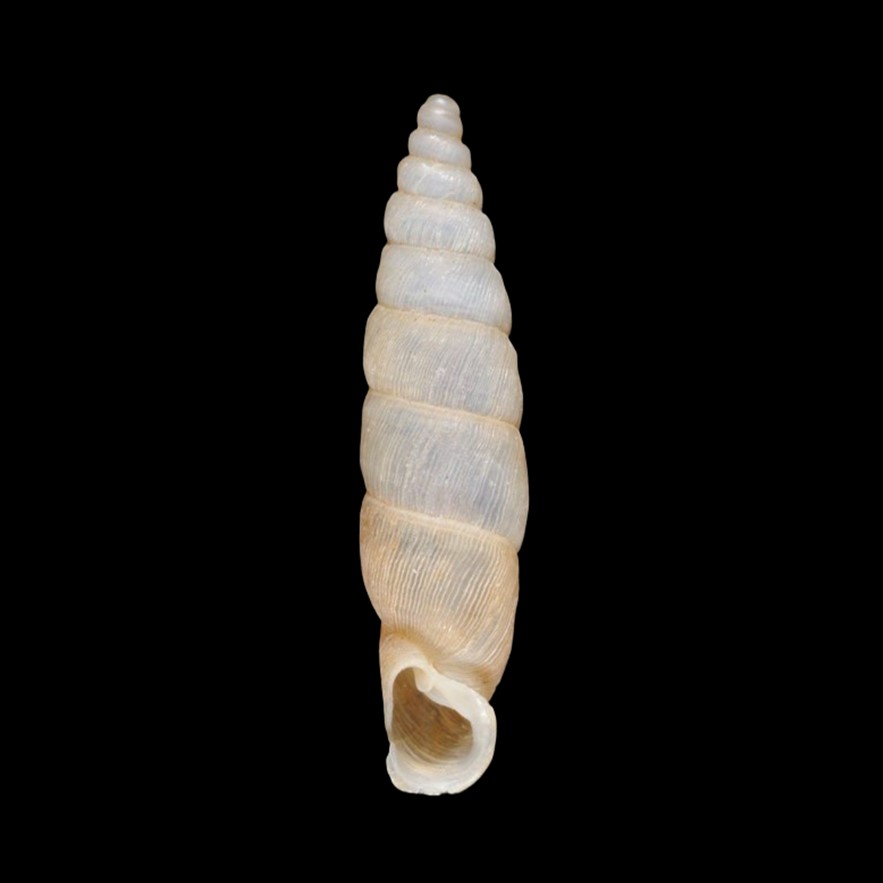

CLASSE: GASTROPODA: TERRESTRE FAMÍLIA: CLAUSILIIDAE ESPÉCIE: Parabalea eka (Pilsbry, 1945) Tamanho médio: 10.8 - 12.4 mm Ocorrência: Peru ( Huancavelica) Localidade tipo: Peru, "Acobamba, near Tarma" Altitude: 3000 m Nome original: Nenia eka Pilsbry, 1945 Sinônimos: Nenia minuscula Pilsbry, 1945; Temesa (Temesa) eka (Pilsbry, 1945); Neniatracta eka Pilsbry Comentários: o holótipo e parátipos estão depositados na ANSP 180034 Fotos: (1,2) The Academy of Natural Sciences, Philadelphia: HOLOTYPE de Parabalea eka, ANSP 180034, coll. Weyrauch, W. Fontes: Descrição original: (como Nenia eka Pilsbry, 1945) Pilsbry, H. A. (1945). Peruvian land Mollusca - IV. Clausiliidae. The Nautilus. 58(3): 79-84, pl. 3., disponível online em https://www.biodiversitylibrary.org/page/8517310 página(s): 82-83, pl. 3, figs. 7-7a Descrição original: (como Nenia minuscula Pilsbry, 1945) Pilsbry, H. A. (1945). Peruvian land Mollusca -...
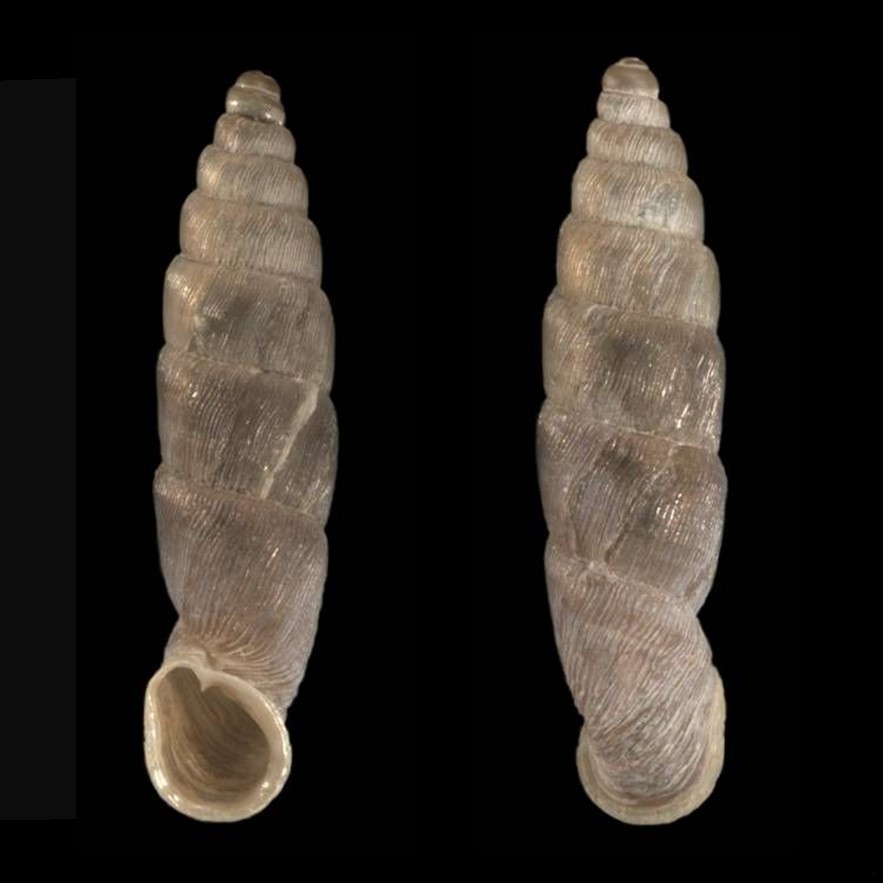
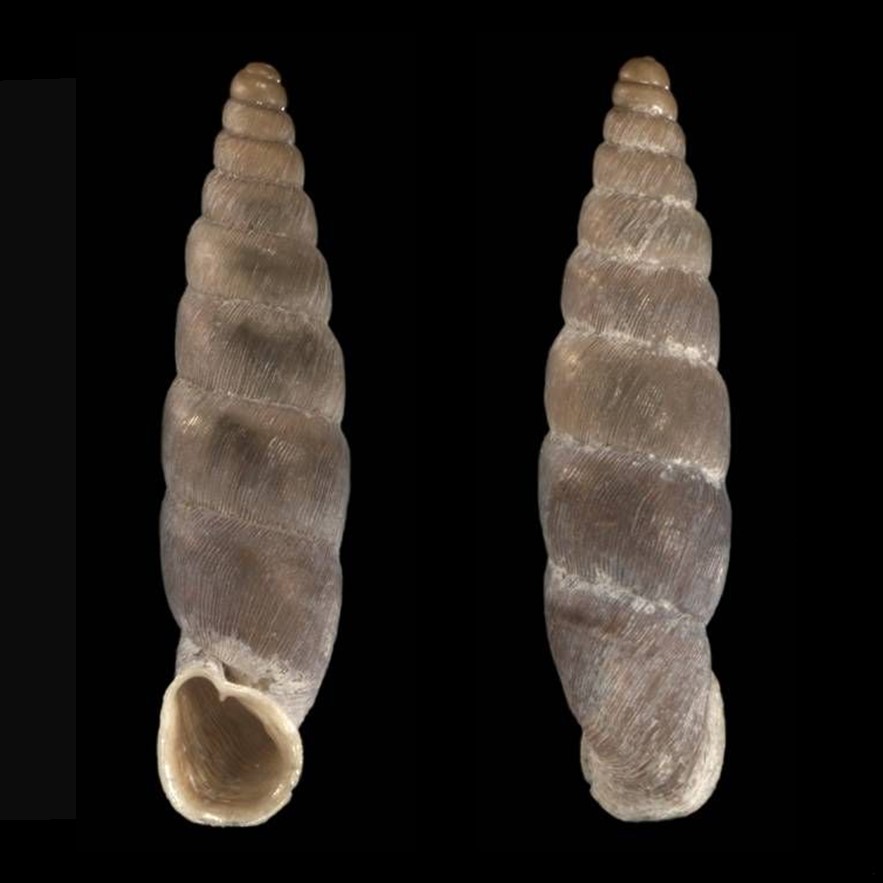
CLASSE: GASTROPODA: TERRESTRE FAMÍLIA: CLAUSILIIDAE ESPÉCIE: Parabalea gibbosula (H. Nordsieck, 2005) Tamanho médio: 12 - 13 mm Ocorrência: Peru (Junin) Localidade tipo: Peru, Junin, "ca. 22 km from Tarma to La Oroya" Altitude: 4000 m Nome original: Temesa gibbosula H. Nordsieck, 2005 Subespécies: (1) Parabalea gibbosula gibbosula (H. Nordsieck, 2005) (2) Parabalea gibbosula grisea H. Nordsieck, 2010 Fotos: (1,2) Forschungsinstitut und Naturmuseum Senckenberg: (1) ICONOTYPE de Parabalea gibbosula gibbosula (H.Nordsieck, 2005), SMF 329350, Peru, Dept. Junin, 4 km from Yanamarca to Tarma (km 16 road Jauja-Tarma) (3445 m), 10.ii.2006, leg. Hemmen, 12.45 mm (2) HOLOTYPE de Parabalea gibbosula grisea H.Nordsieck, 2010, SMF 329373, Peru, Dept. Junin, km 23 road San Pedro de Cajas to Acobamba (3365 m), 25.x.2006, leg. Hemmen, 13.1 mm ...
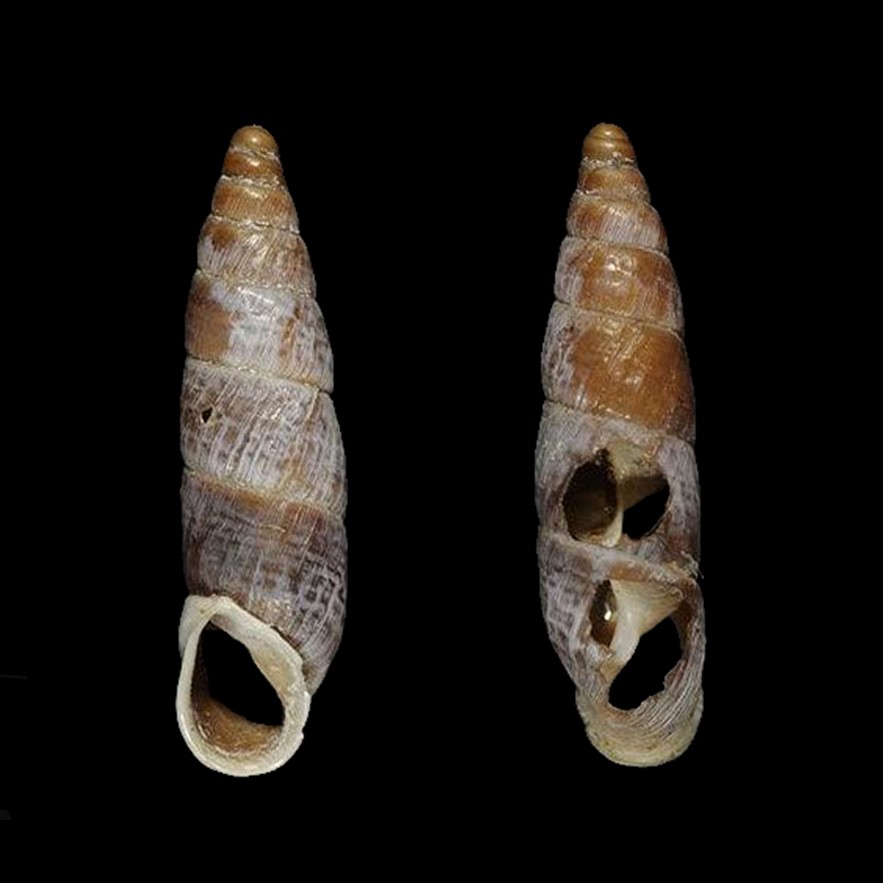
CLASSE: GASTROPODA: TERRESTRE FAMÍLIA: CLAUSILIIDAE ESPÉCIE: Parabalea incarum (Pilsbry, 1926) Tamanho médio: 16 mm Ocorrência: Peru (Junin) Localidade tipo: Peru, Junin, " left side of Río Mantaro, road La Oroya-Huancayo, Acaya" Altitude: 3450 m Nome original: Temesa incarum Pilsbry, 1926 Sinônimos: Temesa (Temesa) incarum Pilsbry, 1926 Subespécies: (1) Parabalea incarum incarum (Pilsbry, 1926) (2) Parabalea incarum breurei (Loosjes & Loosjes-van Bemmel, 1984) Fotos: (1) The Academy of Natural Sciences, Philadelphia: HOLOTYPE de Parabalea incarum incarum (Pilsbry, 1926), ANSP 140097, Peru, Junin, Lake Junin, coll. Russell W. Hendee, 14mm Figura: Loosjes, F. E. & Loosjes-van Bemmel, A. C. W. (1984): HOLOTYPE de Temesa (Temesa) breurei Loosjes & Loosjes-van Bemmel, 1984: (a) HOLOTYPE RMNH 55515; (b) PARATYPE RMNH 55516; (c)...
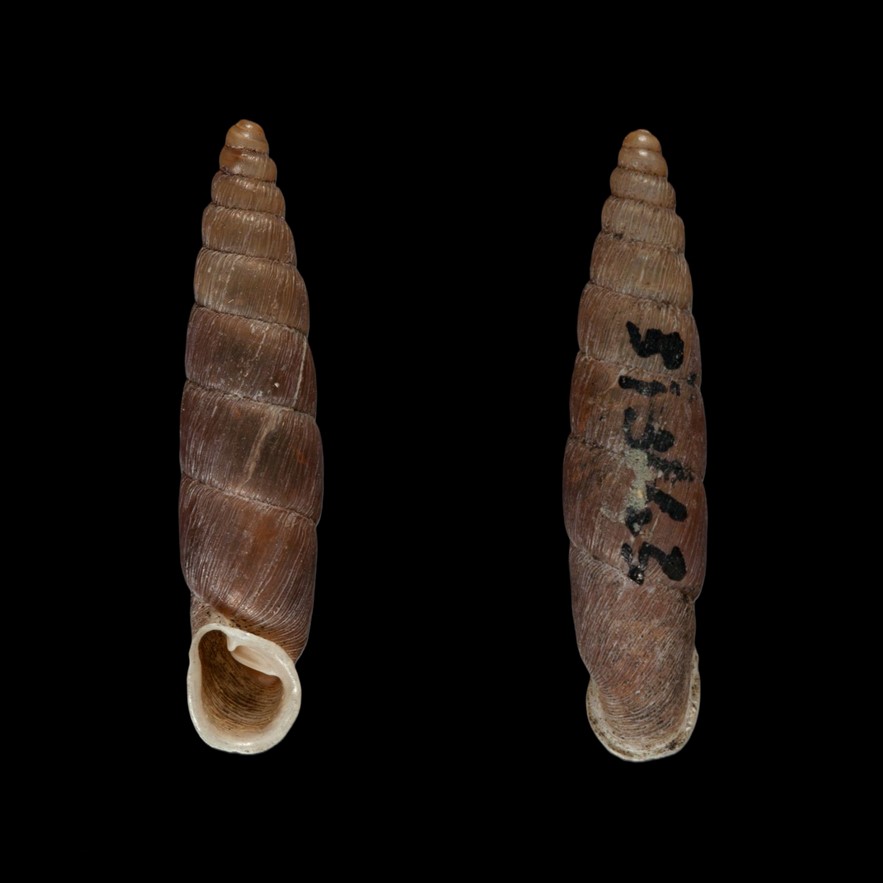
CLASSE: GASTROPODA: TERRESTRE FAMÍLIA: CLAUSILIIDAE ESPÉCIE: Parabalea kalinowskii (F. Haas, 1955) Tamanho médio: 16 mm Ocorrência: Peru (Ayacucho) Localidade tipo: Peru, Ayacucho, San Miguel, Tambo, Polanco Altitude: 4100 m Nome original: Nenia angrandi kalinowskii F. Haas, 1955 Sinônimos: Temesa (Temesa) kalinowskii (F. Haas, 1955); Temesa kalinowskii (F. Haas, 1955) Etimologia: o nome da espécie é uma homenagem ao coletor do material tipo, Celestino Kalinowski (1924-1986) Fotos: (1) Field Museum of Natural History: HOLOTYPE de Parabalea kalinowskii, FMNH 51363, "Perú, Ayacucho, 4100m: San Miguel, Tambo, Polanco", ex coll. Cel. Kalinowski, 28.xi.1953 Fontes: Descrição original: (como Nenia angrandi kalinowskii F. Haas, 1955) Haas, F. (1955). On non-marine shells from northeastern Brazil and Peru. Fieldiana, Zoology. 37(10): 303-337., disponível online em https://www.biodiversitylibrary.org/page/2826578 página(s): 306 Nordsieck,...
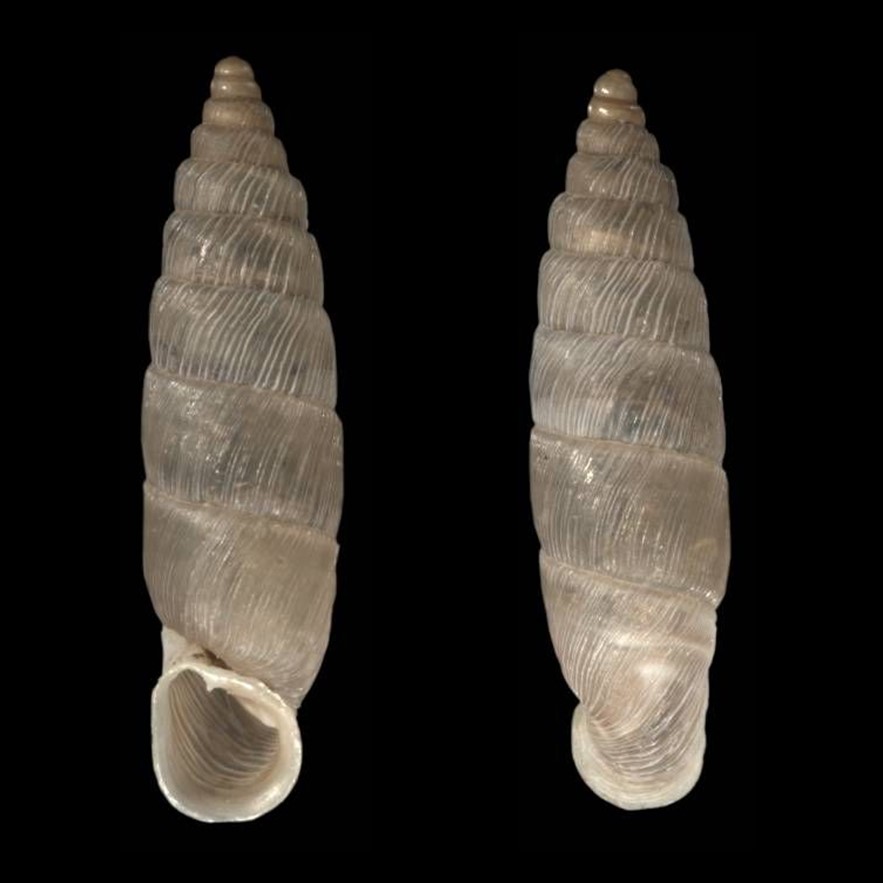
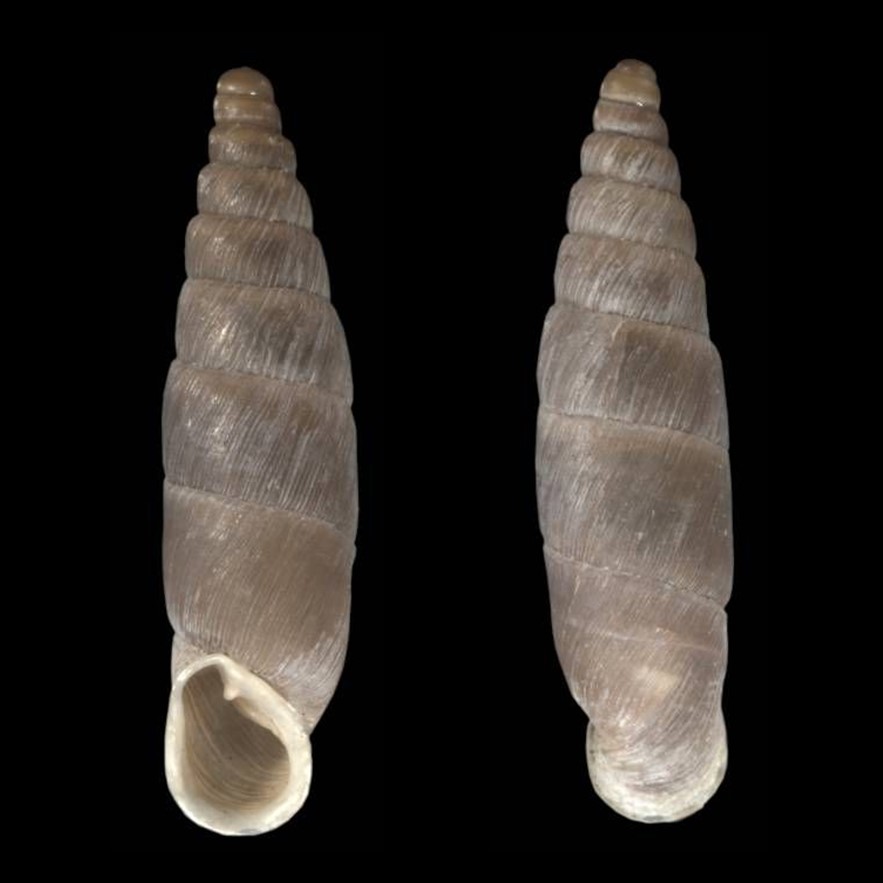
CLASSE: GASTROPODA: TERRESTRE FAMÍLIA: CLAUSILIIDAE ESPÉCIE: Parabalea latestriata (Weyrauch, 1958) Tamanho médio: 13 - 16 mm Ocorrência: Peru (Junin) Localidade tipo: Peru, "above Acolla on road Tarma-Jauja" Altitude: 3700 - 3800 m Nome original: Temesa (Temesa) latestriata Weyrauch, 1958 Sinônimos: Temesa latestriata Weyrauch, 1958 Subespécies: (i) Parabalea latestriata latestriata (Weyrauch, 1958) (ii) Parabalea latestriata densestriata (H. Nordsieck, 2005) (iii) Parabalea latestriata mantaroensis (Weyrauch, 1964) (iv) Parabalea latestriata queroensis H. Nordsieck, 2010 Fotos: (1) Forschungsinstitut und Naturmuseum Senckenberg: HOLOTYPE de Parabalea latestriata latestriata (Weyrauch, 1958), SMF 156232, Departamento de Junin, "above Acolla on road Tarma-Jauja (3700 m)" (WEYRAUCH 1958: 100, pl. 6 fig. 1), 16mm; (2) Forschungsinstitut und Naturmuseum Senckenberg: HOLOTYPE de Parabalea latestriata densestriata (H. Nordsieck, 2005), SMF 328099, Peru, Departamento de Junin, ca. km 35.5...
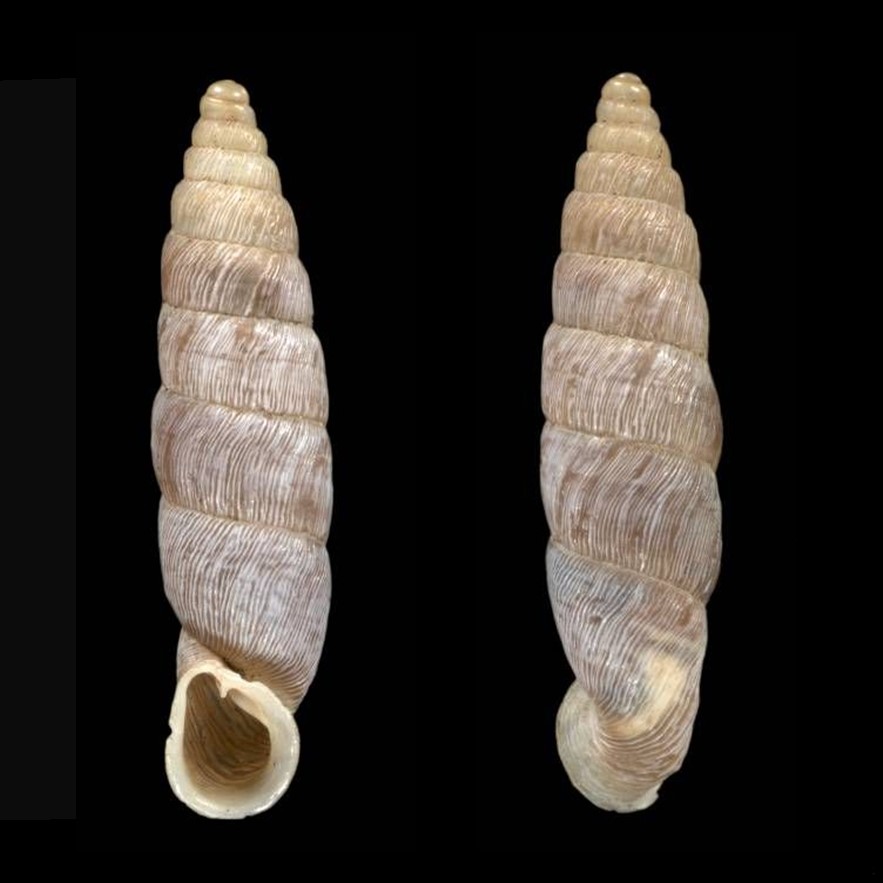
CLASSE: GASTROPODA: TERRESTRE FAMÍLIA: CLAUSILIIDAE ESPÉCIE: Parabalea omissa (Weyrauch, 1957) Tamanho médio: 16 mm Ocorrência: Peru (Junin) Localidade tipo: Peru, Junin, "Tarmatambo bei Tarma" Altitude: 3500 - 3700 m Nome original: Temesa (Temesa) omissa Weyrauch, 1957 Sinônimos: Temesa omissa Weyrauch, 1957 Fotos: (1) Forschungsinstitut und Naturmuseum Senckenberg: HOLOTYPE de Parabalea omissa (Weyrauch, 1957), SMF 140715, "Peru, Tarmatambo bei Tarma (3500-3700m)", 16.4mm Fontes: Descrição original: (como Temesa (Temesa) omissa Weyrauch, 1957) Weyrauch, W. K. (1957). Sieben neue Clausiliiden aus Peru. Archiv für Molluskenkunde. 86 (1/3): 1‑28, pl. 1. Frankfurt am Main. página(s): 18, pl. 1, fig. 4 Nordsieck, H. (2007). Worldwide Door Snails (Clausiliidae), Recent and Fossil. ConchBooks, Hackenheim, 214 pp. página(s): 40 Senckenberg. Collection Mollusca SMF. Occurrence dataset https://doi.org/10.15468/ohuexz accessed via GBIF.org on 2025-12-17. https://www.gbif.org/occurrence/207947999...
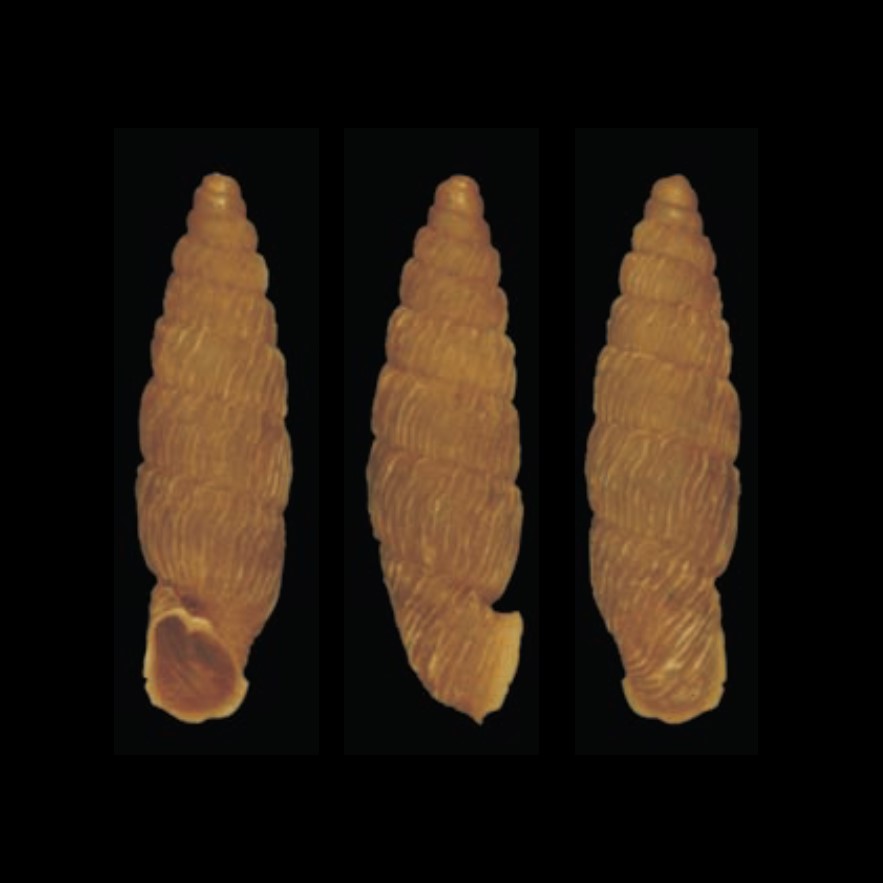
CLASSE: GASTROPODA: TERRESTRE FAMÍLIA: CLAUSILIIDAE ESPÉCIE: Parabalea parcecostata (Polinski, 1922) Tamanho médio: 10 - 13 mm Ocorrência: Peru (Junin) Altitude: 3000 - 3200 m Localidade tipo: Peru, Cerro Huayuncayo (3000-3100 m) near Tarma, Junín Region Nome original: Nenia parcecostata Poliński, 1922 Sinônimos: Temesa parcecostata (Poliński, 1922); Temesa parcecostata dulacki Grego & Szekeres, 2008 Subespécies: (1) Parabalea parcecostata dulacki (Grego & Szekeres, 2008) (2) Parabalea parcecostata meridionalis H. Nordsieck, 2010 (3) Parabalea parcecostata parcecostata (Polinski, 1922) Fotos: (1) Grego & Szekeres, 2008: HOLOTYPE de Parabalea parcecostata dulacki, MUSM 4048, Peru, Huanuco Region, Shogosh Bridge of the Huanuco to La Unión road near Huancapallac, 3000 m, leg. Dulack Richards, iv.1995 Figura: Nordsieck, 2010: (4) Columbinia elegans, HOLOTYPE SMF 329319, Peru, Dept. San Martin, Cueva...
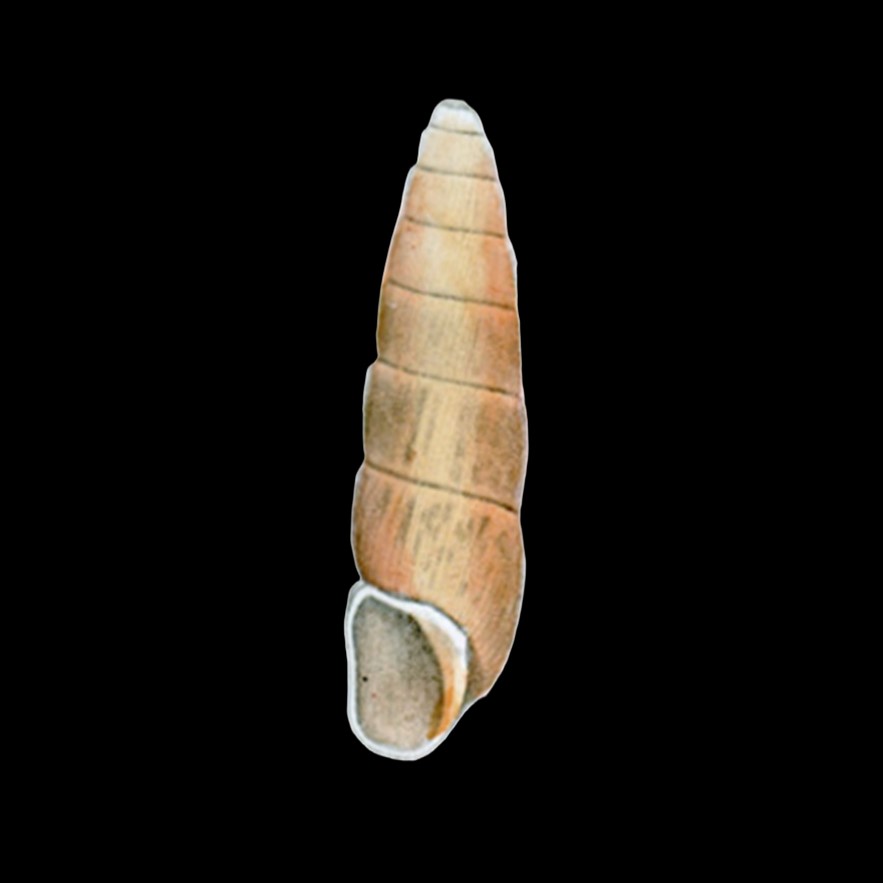
CLASSE: GASTROPODA: TERRESTRE FAMÍLIA: CLAUSILIIDAE ESPÉCIE: Parabalea peregrina (A. A. Gould, 1847) Tamanho médio: 9.5 mm Ocorrência: provavelmente originária da Cordilheira Ocidental, nas regiões de Lima ou Junín, no centro do Peru Localidade tipo: incorretamente identificado como ‘Nova Zelândia’ por Gould (1847: 198, 1852: 91) Nome original: Balea peregrina A. A. Gould, 1847 Comentários: (i) Brook, F. J. & Ablett, J. D. (2019) destaca que: a descrição original da espécie foi baseada em um ou mais espécimes coletados durante a Expedição Exploratória dos Estados Unidos, supostamente da Nova Zelândia (Gould 1847, 1852). No entanto, a descrição e as ilustrações de Balea peregrina indicam que ela pertence à família Clausiliidae, que não está representada na fauna da Nova Zelândia, e o material...
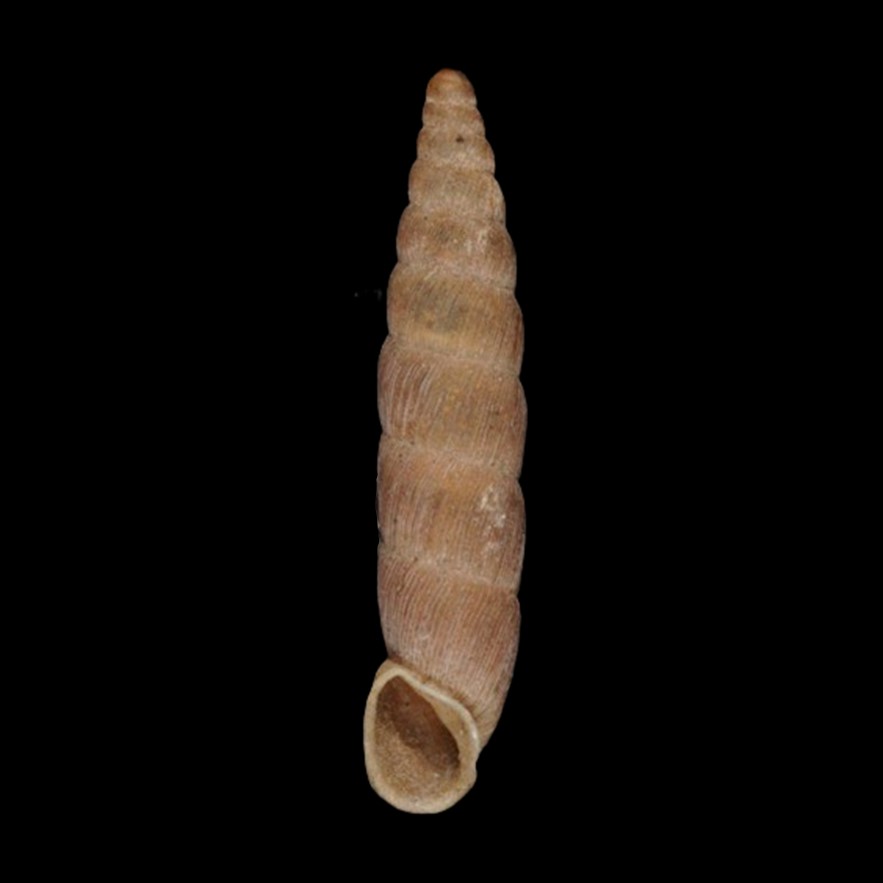
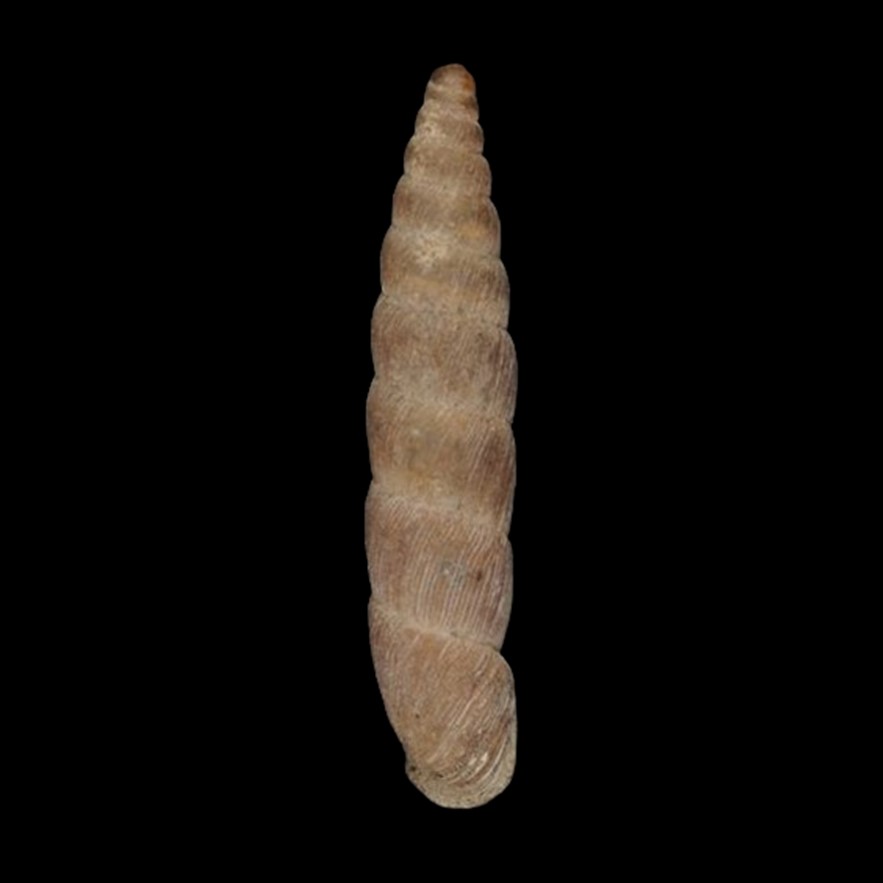
CLASSE: GASTROPODA: TERRESTRE FAMÍLIA: CLAUSILIIDAE ESPÉCIE: Parabalea peruviana (L. Pfeiffer, 1867) Tamanho médio: 13 mm Ocorrência: Peru (Cuzco) Localidade tipo: Peru, "Yanaoca, in the Province of Cuzco" (Crawford, 1939) Nome original: Balea peruviana L. Pfeiffer, 1867 Sinônimos: Temesa peruviana (L. Pfeiffer, 1867) Subespécies: (i) Parabalea peruviana peruviana (L. Pfeiffer, 1867) (ii) Parabalea peruviana rhadina (Pilsbry, 1949) Fotos: (1-3) The Academy of Natural Sciences, Philadelphia: HOLOTYPE de Parabalea peruviana rhadina (Pilsbry, 1949), ANSP 183972, Peru, Cuzco, Paruparuaca, coll. Museo de Historia Natural de Lima Fontes: Descrição original: (como Balea peruviana L. Pfeiffer, 1867) Pfeiffer, L. (1867). Nachschrift von Dr. L. Pfeiffer [zu Philippi, R.A. (1867) Descriptio brevis molluscorum etc.]. Malakozoologische Blätter. 14: 76-80. Cassel., disponível online em https://www.biodiversitylibrary.org/page/15855877 página(s): 78 Descrição original: (como Temesa peruviana rhadina Pilsbry,...
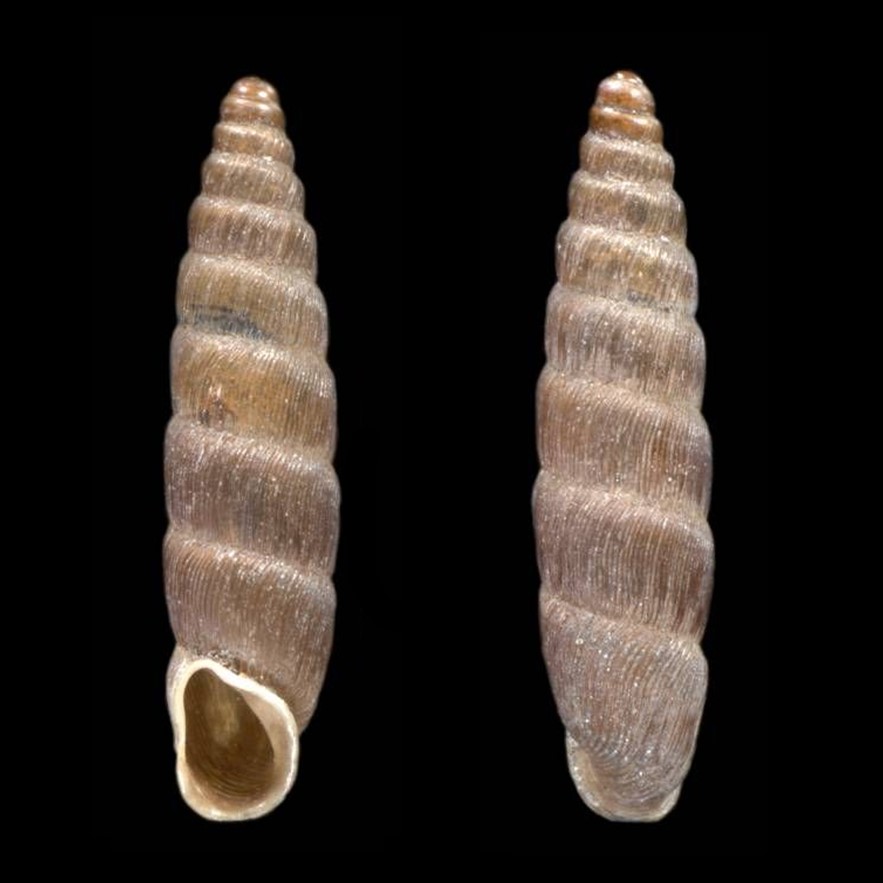
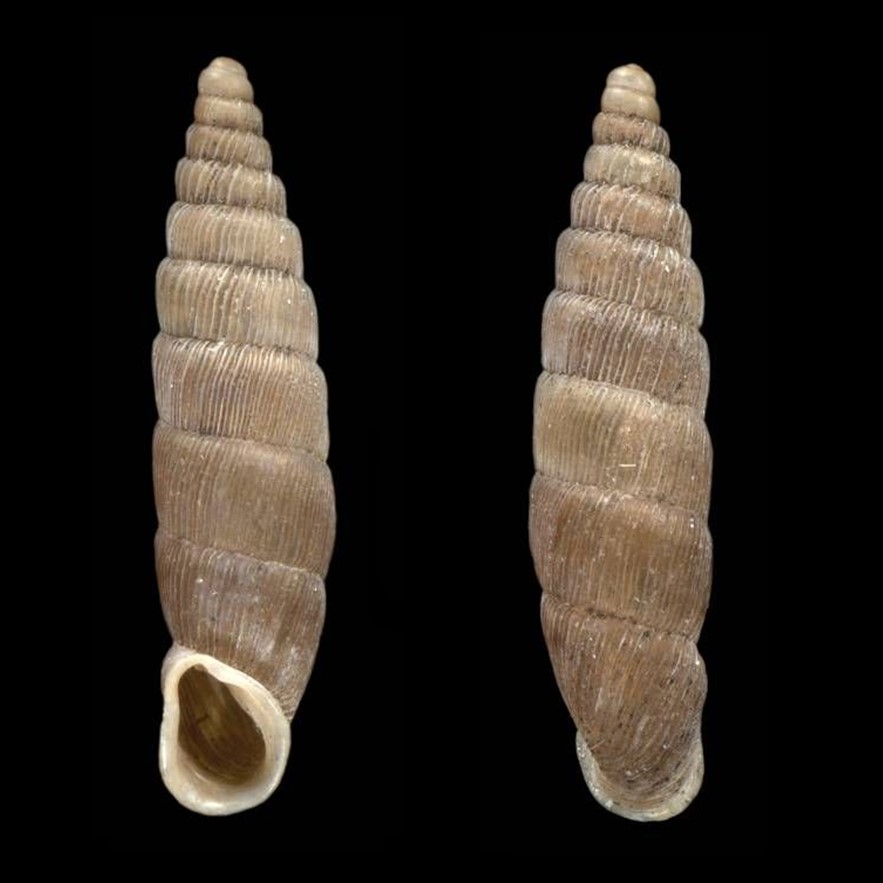
CLASSE: GASTROPODA: TERRESTRE FAMÍLIA: CLAUSILIIDAE ESPÉCIE: Parabalea pilsbryi (Weyrauch, 1956) Tamanho médio: 12 - 14 mm Ocorrência: Peru (Lima, Ancash) Localidade tipo: Peru, El Infiernillo, Rio Rimac, 90 km north of Lima on highway from Lima to Oroya Altitude: 3300 - 3700 m Nome original: Temesa pilsbryi Weyrauch, 1956 Sinônimos: Temesa (Temesa) pilsbryi Weyrauch, 1956 Etimologia: o nome da espécie é uma homenagem a Henry Augustus Pilsbry (Iowa 1862 – Flórida 1957). Pilsbry foi um biólogo, malacólogo e carcinólogo. Notabilizou-se mundialmente pelo seu estudo dos moluscos (Mollusca), em particular dos Polyplacophora e dos gastrópodes terrestres Subespécies: (i) Parabalea pilsbryi pilsbryi (Weyrauch, 1956) (ii) Parabalea pilsbryi laraosensis (Weyrauch, 1960) (iii) Parabalea pilsbryi perfectecostata (Neubert & H. Nordsieck, 2005) (iv) Parabalea pilsbryi shutcoensis (Weyrauch, 1960) Comentários:...
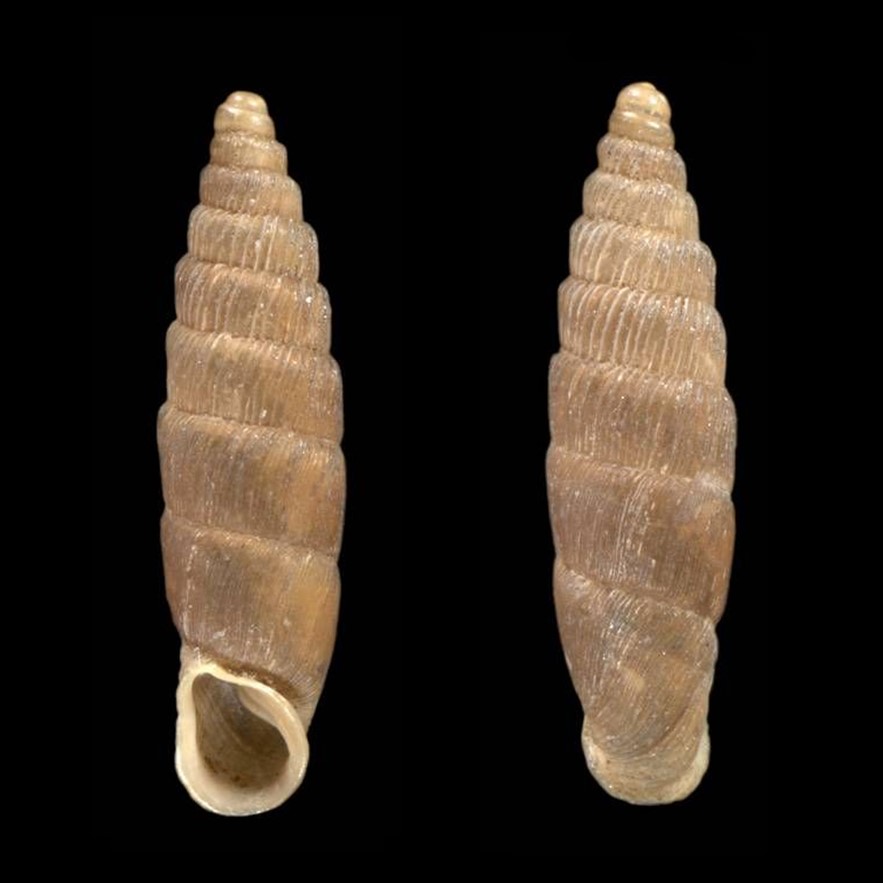
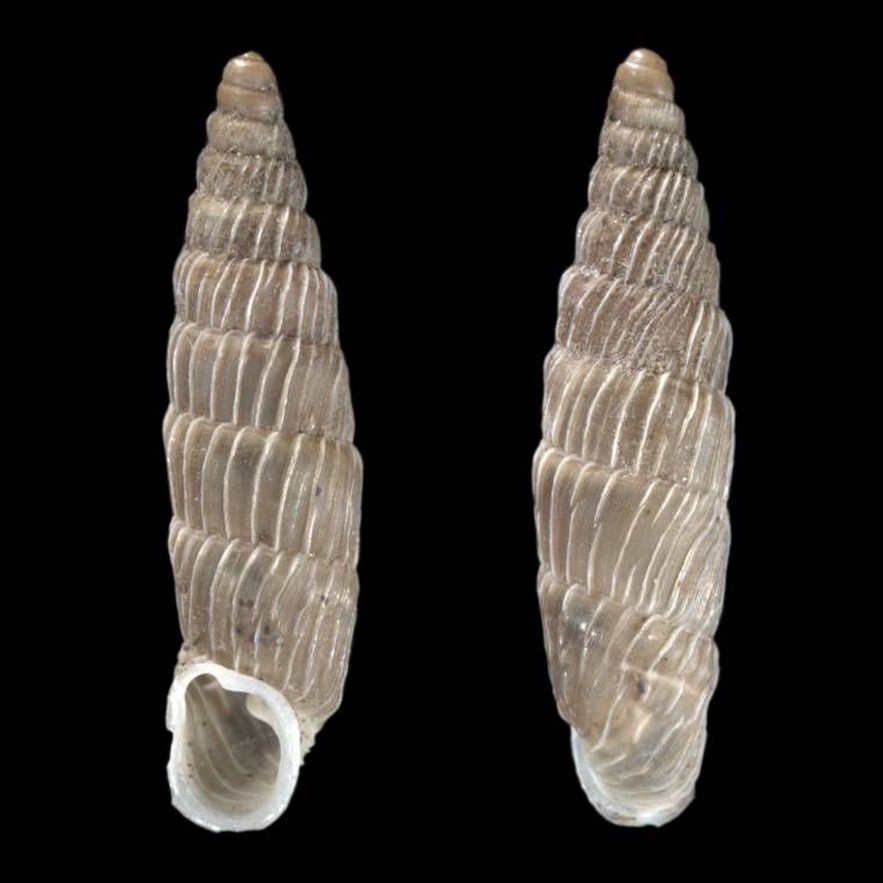
CLASSE: GASTROPODA: TERRESTRE FAMÍLIA: CLAUSILIIDAE ESPÉCIE: Parabalea primigenia (Weyrauch, 1960) Tamanho médio: 12 - 14 mm Ocorrência: Peru (Lima) Localidade tipo: Peru, "rechte Seite Rio Alis: bei Alis" Altitude: 3300 m Nome original: Temesa (Temesa) pilsbryi primigenia Weyrauch, 1960 Subespécies: (i) Parabalea primigenia primigenia (Weyrauch, 1960) (ii) Parabalea primigenia zilchi (Weyrauch, 1964) Fotos: (1) Forschungsinstitut und Naturmuseum Senckenberg: HOLOTYPE de Parabalea primigenia primigenia, SMF 162147, Peru, rechte Seite Rio Alis: Alis (3300m), coll. Weyrauch, W., 12.45mm (2) Forschungsinstitut und Naturmuseum Senckenberg: PARATYPE de Parabalea primigenia zilchi, SMF 162177, Peru, rechte Seite Rio Alis: bei Alis (3300m), coll. Weyrauch, 13.9mm Fontes: Descrição original: (como Temesa (Temesa) pilsbryi primigenia Weyrauch, 1960) Weyrauch, W. K. (1960). Siebzehn neue Landschnecken aus Peru. Archiv für Molluskenkunde. 89 (4/6):...

CLASSE: GASTROPODA: TERRESTRE FAMÍLIA: PUNCTIDAE ESPÉCIE: Paralaoma pilsbryi (Hylton Scott, 1957) Tamanho médio: ~1.5 mm Distribuição: Argentina, Brasil (Rio Grande do Sul, Santa Catarina) Localidade tipo: nd Nome original: Radioconus pilsbryi Hylton Scott, 1957 Sinônimos: Punctum (Toltecia) pilsbryi (Hylton Scott, 1957); Radioconus missionensis Hylton Scott, 1957; Zilchogyra cleliae Weyrauch, 1965 Etimologia: o nome da espécie é uma homenagem a Henry Augustus Pilsbry (Iowa 1862 – Flórida 1957). Pilsbry foi um biólogo, malacólogo e carcinólogo. Notabilizou-se mundialmente pelo seu estudo dos moluscos (Mollusca), em particular dos Polyplacophora e dos gastrópodes terrestres Comentários: (1) espécie não consta em Simone, 2006; (2) Salvador et al. 2024 considera como sinônimo de Paralaoma servilis (Shuttleworth, 1852) Fotos: (1) nd Fontes: Descrição original: (como Radiodiscus...
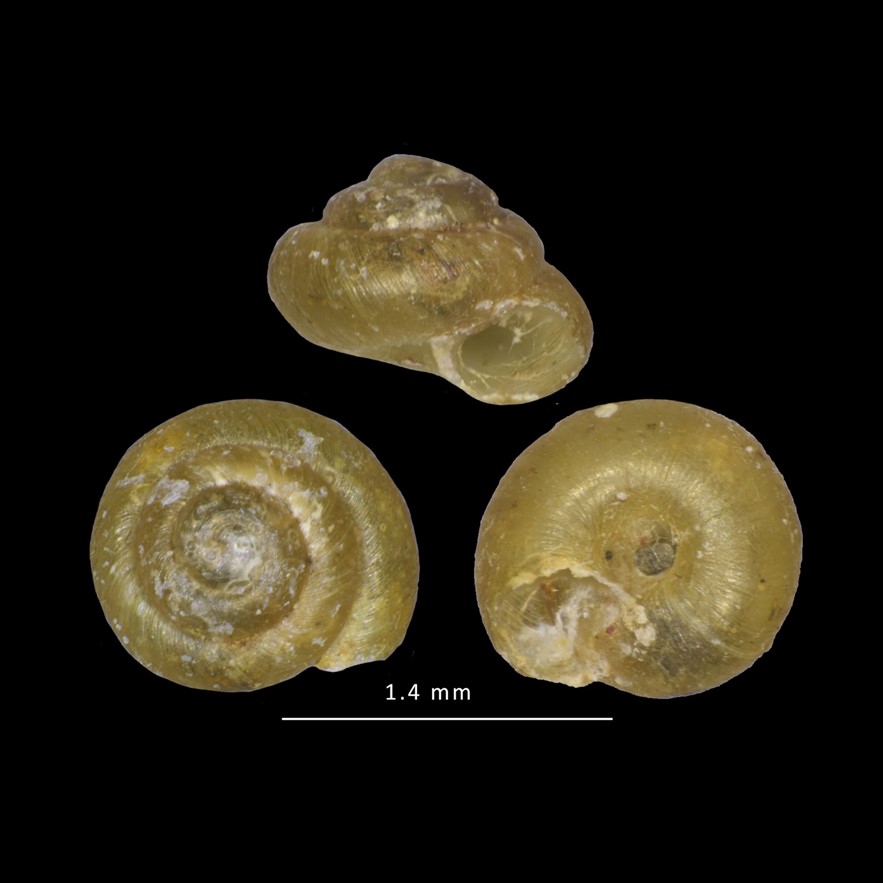
CLASSE: GASTROPODA: TERRESTRE FAMÍLIA: PUNCTIDAE ESPÉCIE: Paralaoma servilis (Shuttleworth, 1852) Tamanho médio: ~2 mm Distribuição: Argentina, Brasil (Rio Grande do Sul), México, EUA, Europa Ocidental, Leste da África, Nova Zelândia, entre outros - espécie exótica Localidade tipo: Ilhas Canárias Nome original: Helix servilis Shuttleworth, 1852 Sinônimos: Helix (Helicella) pusilla R. T. Lowe, 1831; Helix (Patula) cryophila E. von Martens, 1865; Helix (Patula) hypocrita Dohrn, 1869; Helix conspectum Bland, 1865; Helix epsilon L. Pfeiffer, 1853; Helix hottentota Melvill & Ponsonby, 1891; Helix micropleuros J. Paget, 1854; Helix poupillieri Bourguignat, 1863; Helix pusilla R. T. Lowe, 1831; Helix pusilla var. annulata R. T. Lowe, 1855; Helix salaziensis G. Nevill, 1870; Helix tenuicostata L. Pfeiffer, 1846; Hyalina conspecta Bland, 1865; Microphysa pumila F. W. Hutton, 1882;...
CLASSE: GASTROPODA: TERRESTRE FAMÍLIA: CLAUSILIIDAE ESPÉCIE: Paranenia perarata (E. von Martens, 1873) Tamanho médio: 26 mm Ocorrência: Colômbia (Antioquia, Norte de Santander) Localidade tipo: Colômbia, "Ocaña, no noroeste de Nova Granada, perto da fronteira com a Venezuela" Nome original: Clausilia perarata E. von Martens, 1873 Sinônimos: Columbinia (Paranenia) perarata (E. von Martens, 1873) Fotos: (1) nd; (2) Paranenia perarata, NCB Naturalis ZMA.MOLL.384601, doação Strubell, coll. Schepman, 1920 Fontes: Descrição original: (como Clausilia perarata E. von Martens, 1873) Martens, E. von. (1873). Die Binnenmollusken Venezuela's, pp. 157-225, 2 pls. In: K. B. Reichert, ed. Festschrift zur Feier des Hundertjährigen Bestehens der Gesellschaft Naturforschender Freunde zu Berlin, Berlin, Ferd. Dümmler's Verlag. vii + 264 pp, 20 pls., disponível online em https://www.biodiversitylibrary.org/page/10603358 página(s): 193 Bakker...
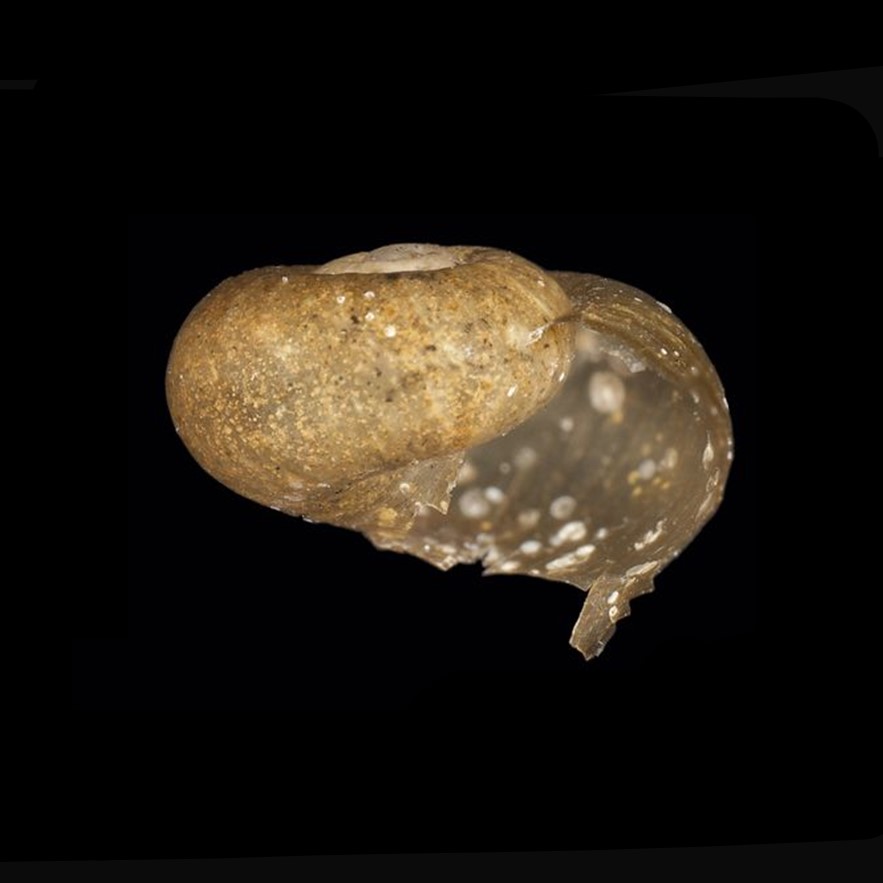
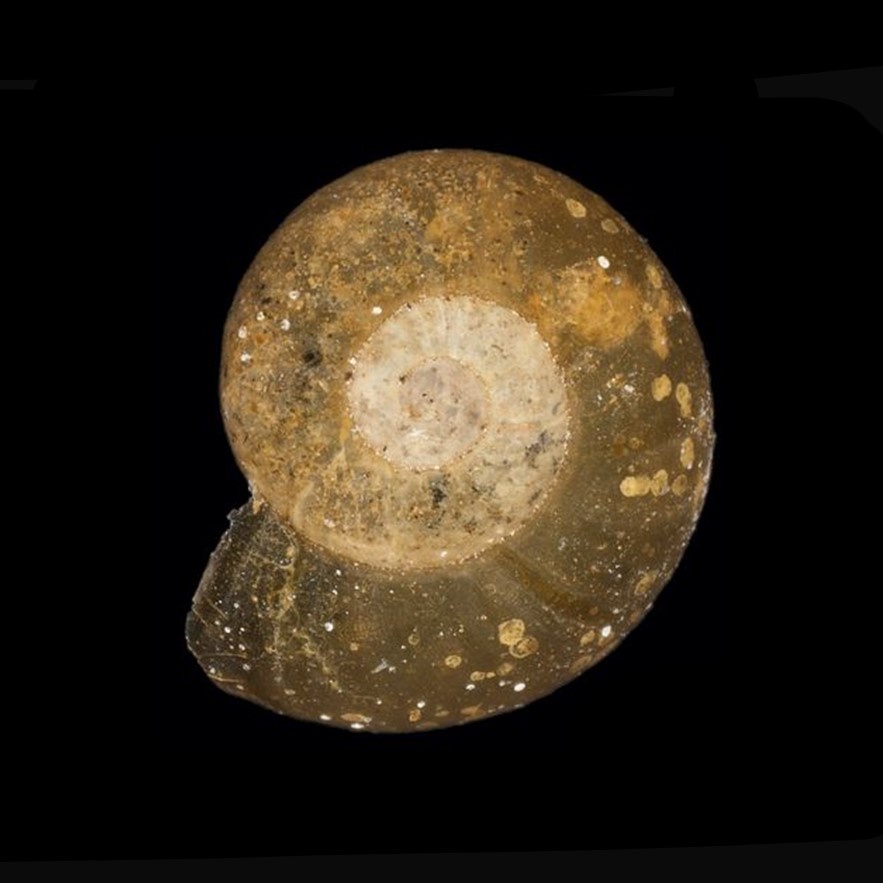
CLASSE: GASTROPODA: TERRESTRE FAMÍLIA: CHAROPIDAE ESPÉCIE: Payenia saxatilis (A. A. Gould, 1846) Tamanho médio: ~6 mm Habitat: vive no solo, na serapilheira Distribuição: Chile (Tierra del Fuego), Argentina (Lago Argentino) Localidade tipo: Chile, Terra del Fuego, Orange Harbor Nome original: Helix saxatilis A. A. Gould, 1846 Fotos: (1-4) Museum of Natural History, Smithsonian Institution: HOLOTYPE de Payenia saxatilis (A. A. Gould, 1846), USNM 5433, coll. J. Couthouy, 6.35mm Fontes: Descrição original: (como Helix saxatilis A. A. Gould, 1846) Gould, A. A. (1846). Descriptions of new shells, collected by the United States Exploring Expedition. Proceedings of the Boston Society of Natural History. 2: 141-145, 148-152 [July]; 153-156, 159-162, 165-167 [August]; 170-173, 175-176 [September]; 177-179, 180-184, 185-187, 190-192 [November]., disponível online em https://www.biodiversitylibrary.org/page/9490825 página(s):...
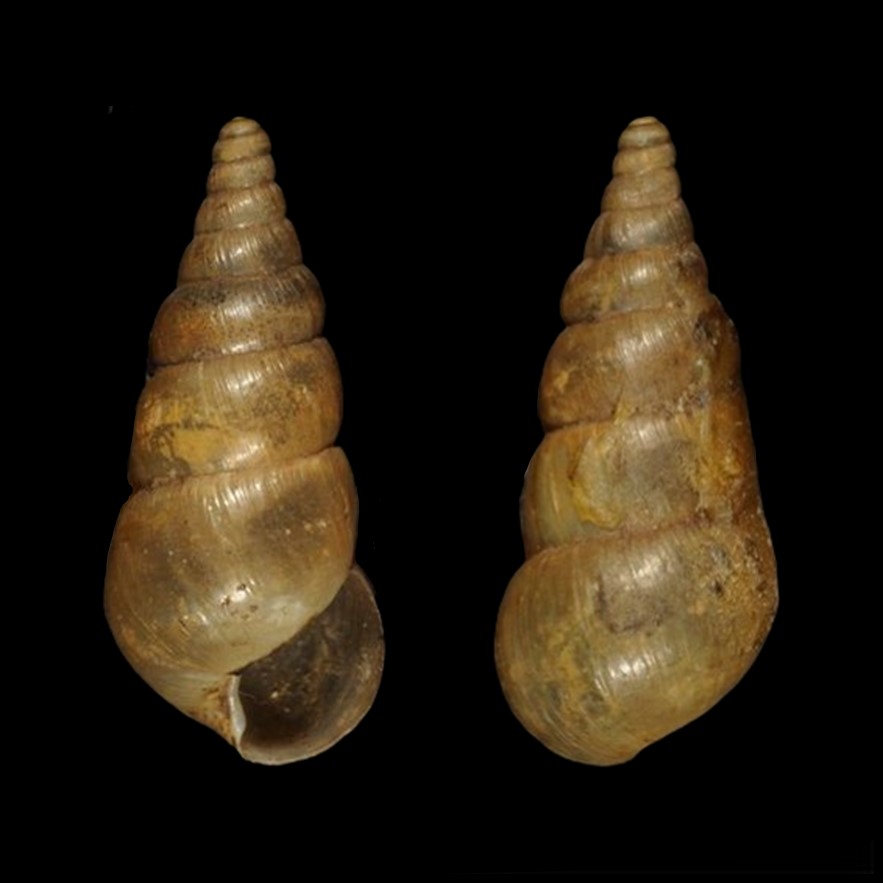
CLASSE: GASTROPODA: TERRESTRE FAMÍLIA: ACHATINIDAE ESPÉCIE: Pelatrinia helenae (Pilsbry, 1907) Tamanho médio: 18 mm Ocorrência: Venezuela Localidade tipo: Venezuela, Caracas Nome original: Leptinaria (Pelatrinia) helenae Pilsbry, 1907 Fotos: (1) The Academy of Natural Sciences, Philadelphia: LECTOTYPE de Pelatrinia helenae (Pilsbry, 1907), ANSP 24114, Venezuela, Caracas, Robert Swift Collection (Cocking, F. Esq.), 18mm Fontes: Descrição original: (como Leptinaria (Pelatrinia) helenae Pilsbry, 1907) Pilsbry, H. A. (1906-1907). Manual of conchology, structural and systematic, with illustrations of the species. Ser. 2, Pulmonata. Vol. 18: Achatinidae: Stenogyrinae and Coeliaxinae. pp i-xiii, 1-357, pls 1-51. Philadelphia, published by the Conchological Department, Academy of Natural Sciences. [pp. 1-64, pls. 1-10, Jan. 20, 1906; pp. 65-160, pls. 11-20, Apr. 10, 1906; pp. 161-272, pls. 21-34, Oct. 2, 1906; pp....
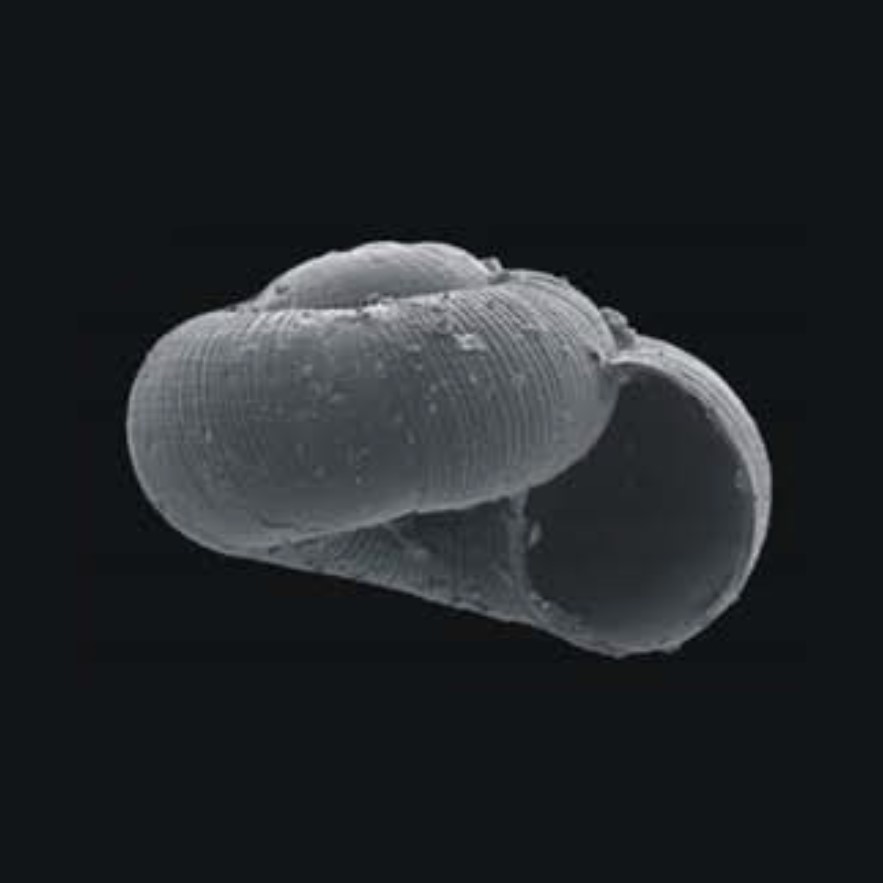
CLASSE: GASTROPODA: TERRESTRE FAMÍLIA: CHAROPIDAE ESPÉCIE: Perucharopa madrediosensis (Miquel & Ramírez, 2011) Tamanho médio: ~1 mm Distribuição: Peru, Departamento Madre de Dios Altitude: 200–360 m Localidade tipo: Peru, "Madre de Dios department, Manu province, Los Amigos Conservation Concession (LACC), Los Amigos Biological Station (CICRA) (12°34'07''S 70°05'57''W, 268 m" Nome original: Stephadiscus madrediosensis Miquel & Ramírez, 2011 Etimologia: o nome da espécie é uma referência à localidade tipo Descrição original: (Miquel & Ramírez, 2011): "Shell minute (diameter:1 mm), orbicular, with 3.50 whorls; moderately elevated spire, apex scarcely protuding; subcircular descendent aperture; convex whorls; marked suture; umbilicus perspective (about 1/3 shell diameter); teleoconch with 110–120 axial ribs on the body whorl (53–57 per mm), and 10–12 irregular, spiral costulae (lirae), marked on umbilical view; protoconch with...
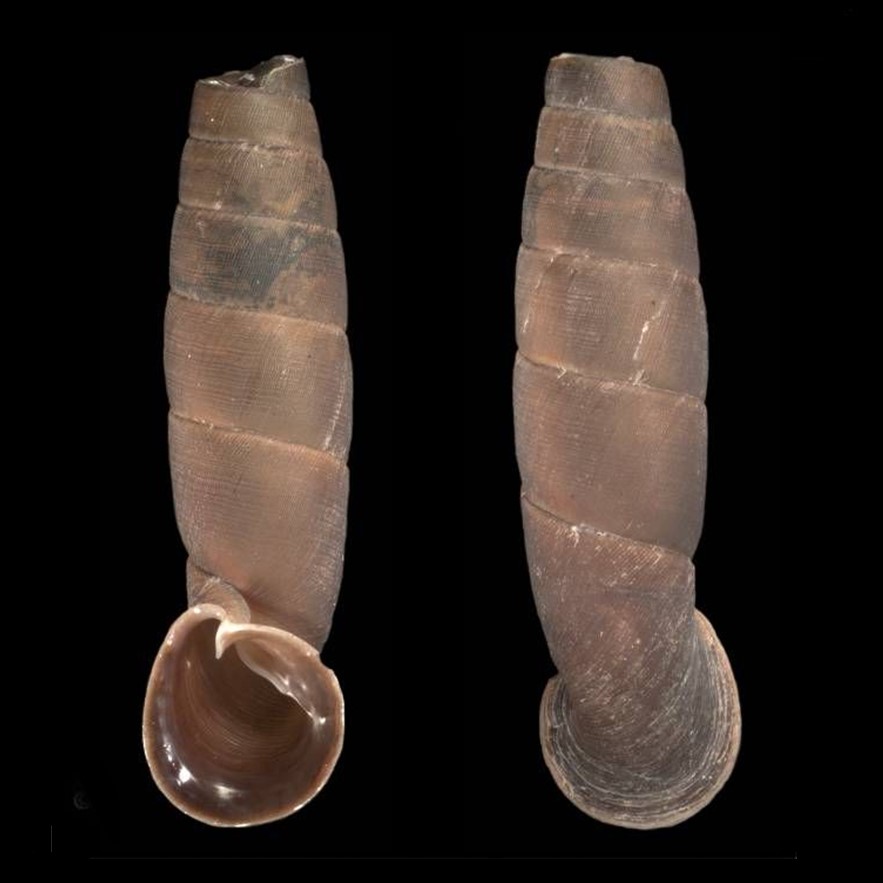
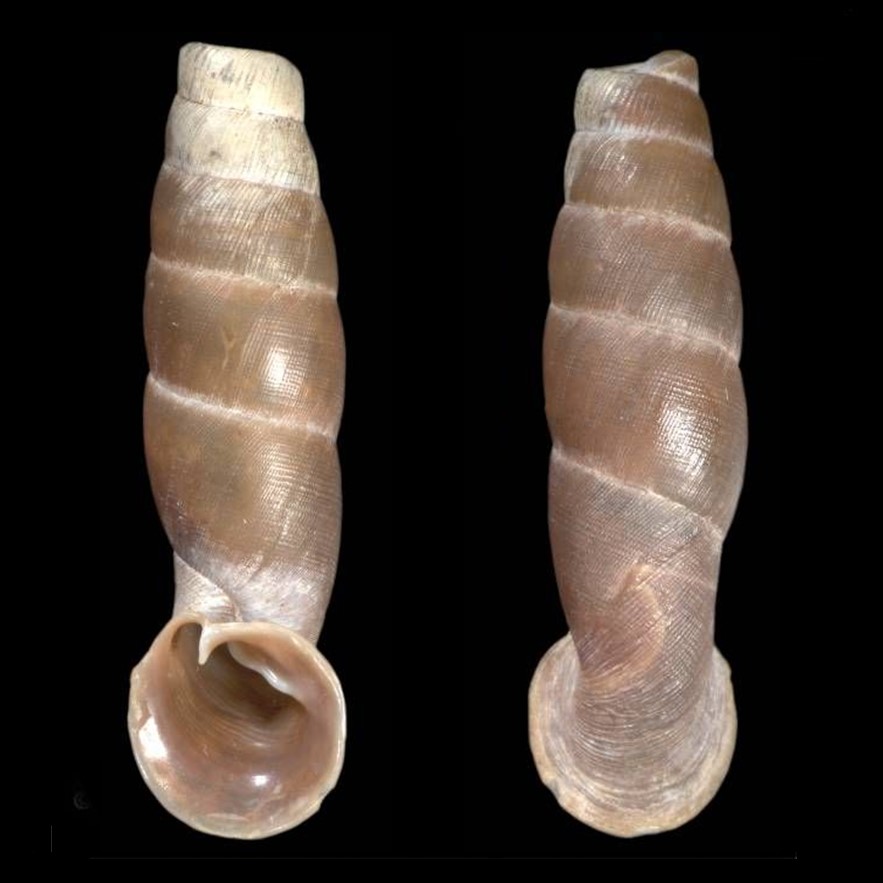
CLASSE: GASTROPODA: TERRESTRE FAMÍLIA: CLAUSILIIDAE ESPÉCIE: Peruinia peruana (Troschel, 1847) Tamanho médio: 24 - 30 mm Ocorrência: Peru (Pasco, Junín) Localidade tipo: Peru, sem localidade específica Nome original: Clausilia peruana Troschel, 1847 Sinônimos: Clausilia granulosa Sykes, 1900; Peruinia granulosa (Sykes, 1900) Etimologia: o nome da espécie é uma referência à localidade tipo Subespécies: (i) Peruinia peruana bradina Pilsbry, 1945; (ii) Peruinia peruana erythrostoma H. Nordsieck, 2010 (iii) Peruinia peruana flachi (O. Boettger, 1889) (ix) Peruinia peruana peruana (Troschel, 1847) (v) Peruinia peruana rosenbergi (Preston, 1907) (vi) Peruinia peruana superba Weyrauch, 1960 Fotos: (1-3) Forschungsinstitut und Naturmuseum Senckenberg; (1) HOLOTYPE de Peruinia peruana erythrostoma, SMF 330165, "Peru, Dept. Pasco, 2 km from Pozuzo to Santa Rosa N Pozuzo (740 m)", 14.i.2007, leg. Hemmen, 28.15 mm; (2) HOLOTYPE de Peruinia...
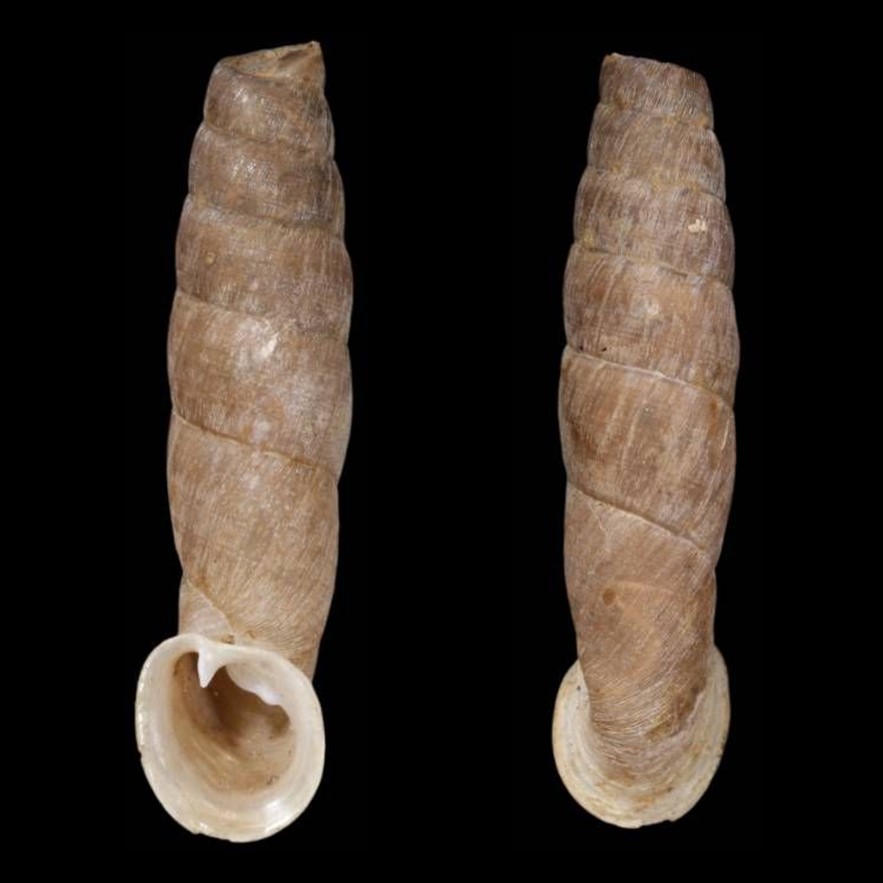
CLASSE: GASTROPODA: TERRESTRE FAMÍLIA: CLAUSILIIDAE ESPÉCIE: Peruinia slosarskii (Lubomirski, 1880) Tamanho médio: 21 mm Ocorrência: Peru (Cusco) Localidade tipo: Peru, Pumamarca Nome original: Clausilia slosarskii Lubomirski, 1880 Sinônimos: Clausilia (Nenia) slosarskii Lubomirski, 1880 Etimologia: o nome da espécie é uma homenagem a Antoine Slosarski, que se "dedicou particularmente ao estudo da fauna conquiológica da Polônia e que, através do seu trabalho anatômico sobre os moluscos, adquiriu reputação no país." Fotos: (1) Forschungsinstitut und Naturmuseum Senckenberg: PARATYPE de Peruinia slosarskii, SMF 89486, Peru, Pumamarca, coll. M. Stolzmann, 1878, 21.3mm Fontes: Descrição original: (como Clausilia slosarskii Lubomirski, 1880) Lubomirski, P. L. (1880 ["1879"]). Notice sur quelques coquilles du Pérou. Proceedings of the Zoological Society of London. 47: 719-728, pls. 55-56., disponível online em https://www.biodiversitylibrary.org/page/28521887 página(s): 726, pl....
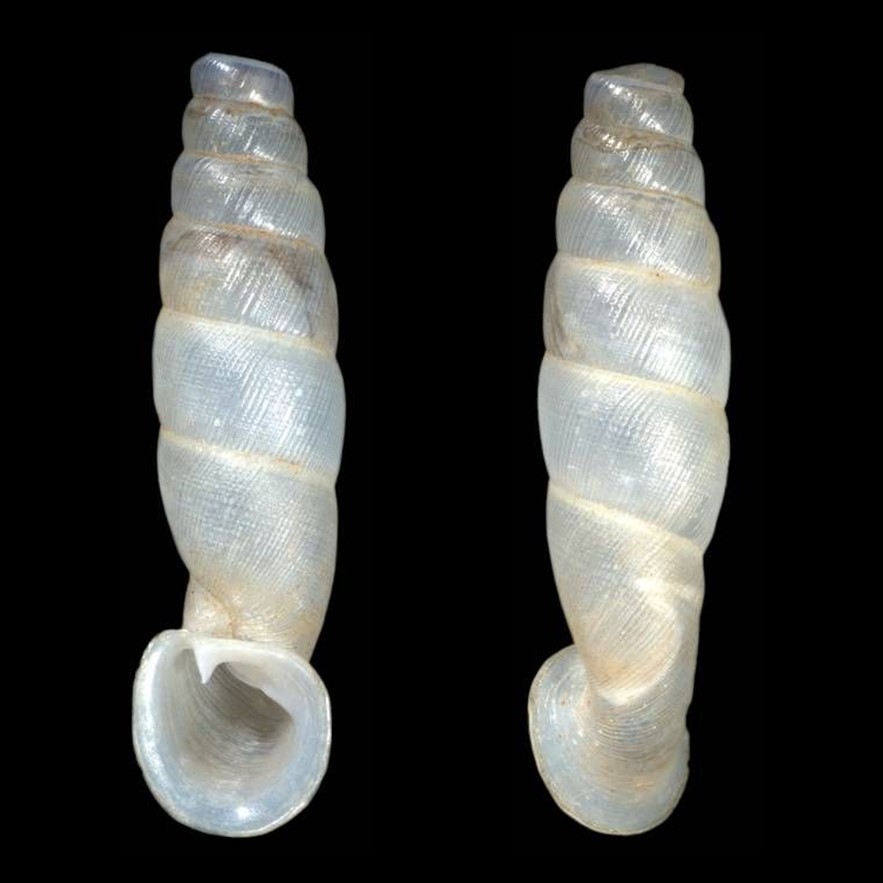
CLASSE: GASTROPODA: TERRESTRE FAMÍLIA: CLAUSILIIDAE ESPÉCIE: Peruinia tingamariae (Pilsbry, 1922) Tamanho médio: 21 mm Ocorrência: Peru (Leoncio Prado) Localidade tipo: Peru, Tingo Maria Nome original: Nenia flachi tingamariae Pilsbry, 1922 Sinônimos: Peruinia albicolor Weyrauch, 1957; Peruinia flachi tingamariae (Pilsbry, 1922) Etimologia: o nome da espécie é uma referência à localidade tipo Fotos: (1) Forschungsinstitut und Naturmuseum Senckenberg: HOLOTYPE de Peruinia tingamariae subsp. albicolor (Weyrauch 1957), SMF 155719, "Str. Tingo Maria-Pucallpa: Eingang der Höhle an der Brücke ü. d. Rio Tulumayo (670m)", 21.05mm Fontes: Descrição original: (como Peruinia albicolor Weyrauch, 1957) Weyrauch, W. K. (1957). Sieben neue Clausiliiden aus Peru. Archiv für Molluskenkunde. 86 (1/3): 1‑28, pl. 1. Frankfurt am Main. página(s): 13, pl. 1, fig. 11 Descrição original: (como Nenia flachi...
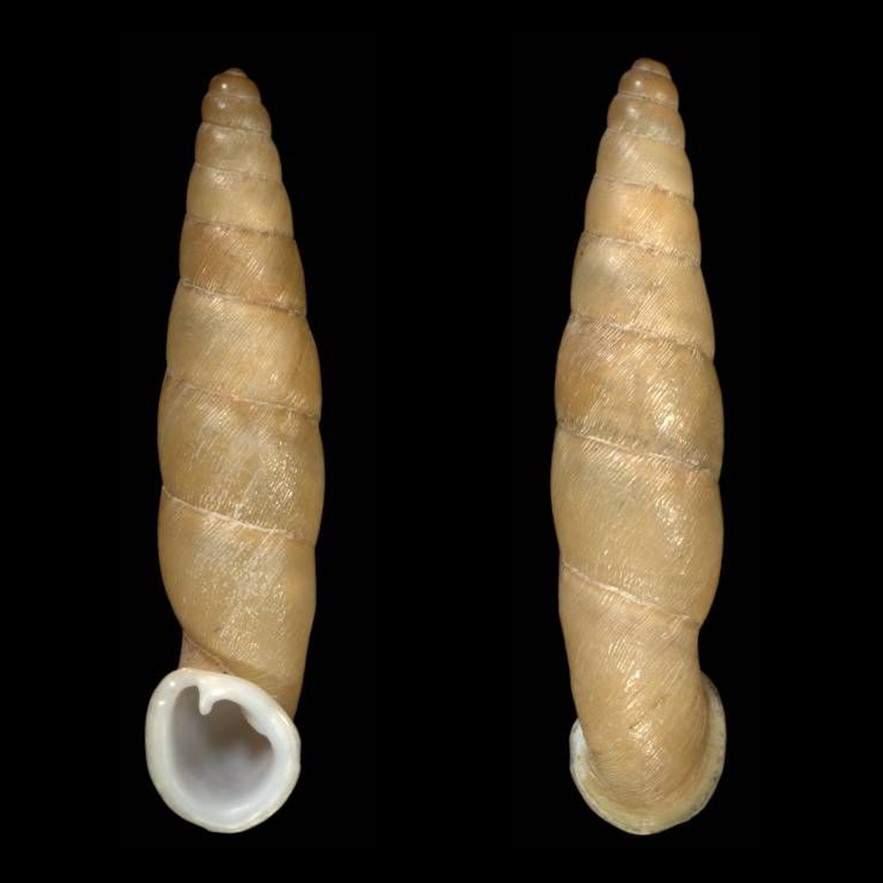
CLASSE: GASTROPODA: TERRESTRE FAMÍLIA: CLAUSILIIDAE ESPÉCIE: Pfeifferiella haasi (Weyrauch, 1957) Tamanho médio: 27 mm Ocorrência: Peru (Norte do Peru) Localidade tipo: Peru, "Norte do Peru (encosta ocidental dos Andes): 85 km a norte de Chiclayo: Cerro Chunrún, acima de Llama, 2350m" Altitude: 2200 - 2650 m Nome original: Columbinia (Pfeifferiella) haasi Weyrauch, 1957 Subespécies: (i) Pfeifferiella haasi haasi (Weyrauch, 1957) (ii) Pfeifferiella haasi magnifica H. Nordsieck, 1999 Etimologia: o nome da espécie é uma homenagem ao malacologista alemão radicado nos EUA, Fritz Haas (1886–1969) Fotos: (1) Forschungsinstitut und Naturmuseum Senckenberg: HOLOTYPE de Pfeifferiella haasi subsp. haasi (Weyrauch, 1957), SMF 155715, N-Peru (Westhang der Anden): 85 km N Chiclayo: Cerro Chunrún, oberhalb Llama (2350m), 27mm Figura: Nordsieck, H. (1999): (5-6)...
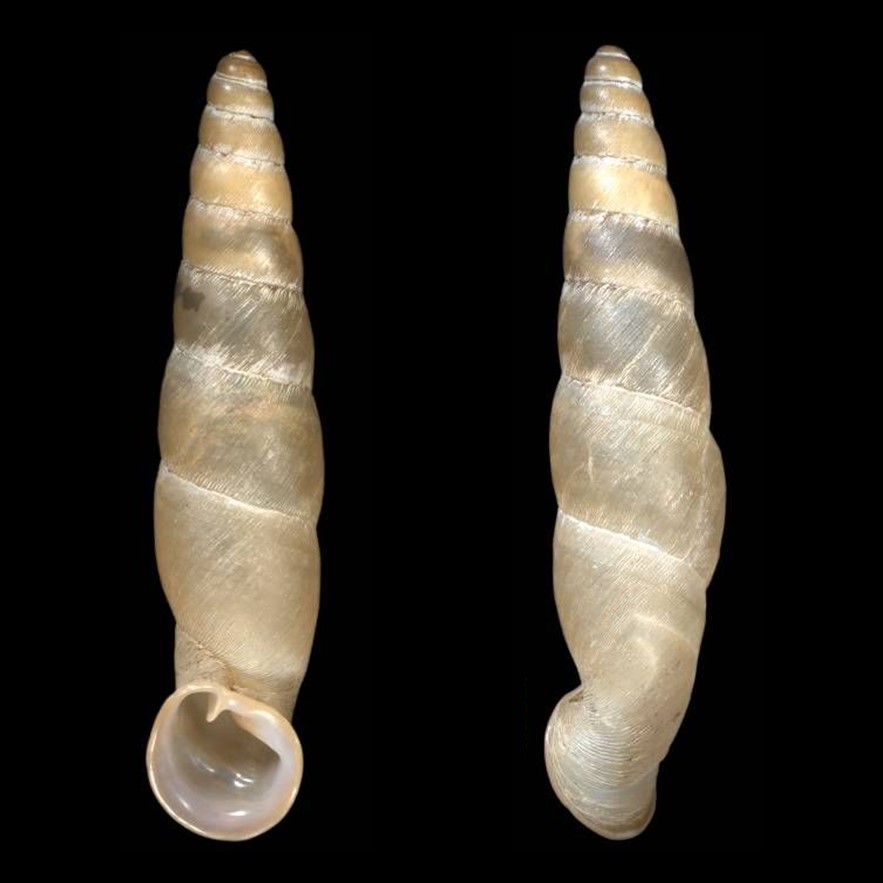
CLASSE: GASTROPODA: TERRESTRE FAMÍLIA: CLAUSILIIDAE ESPÉCIE: Pfeifferiella koepckei (Zilch, 1953) Tamanho médio: 28 mm Ocorrência: Peru Localidade tipo: Peru, "Floresta tropical de montanha da Fazenda Taulis" Altitude: 1700 m Nome original: Nenia (Columbinia) koepckei Zilch, 1953 Etimologia: o nome da espécie é uma homenagem a H. W. Koepcke, quem coletou o material tipo em 1952 Fotos: (1) Forschungsinstitut und Naturmuseum Senckenberg: HOLOTYPE de Pfeifferiella koepckei (Zilch, 1953), SMF 108540, Peru, Hacienda Taulis (1700m), coll. Koepcke, H.-W., 1952, 28.3mm Fontes: Descrição original: (como Nenia (Columbinia) koepckei Zilch, 1953) Zilch, A. (1953). Landschnecken aus Peru. Archiv für Molluskenkunde, 82 (1/3): 49-61, pl. 14-15. Frankfurt am Main. páginas(s): 49, plate 14, fig. 1 + figs 1-3 Nordsieck, H. (2007). Worldwide Door...
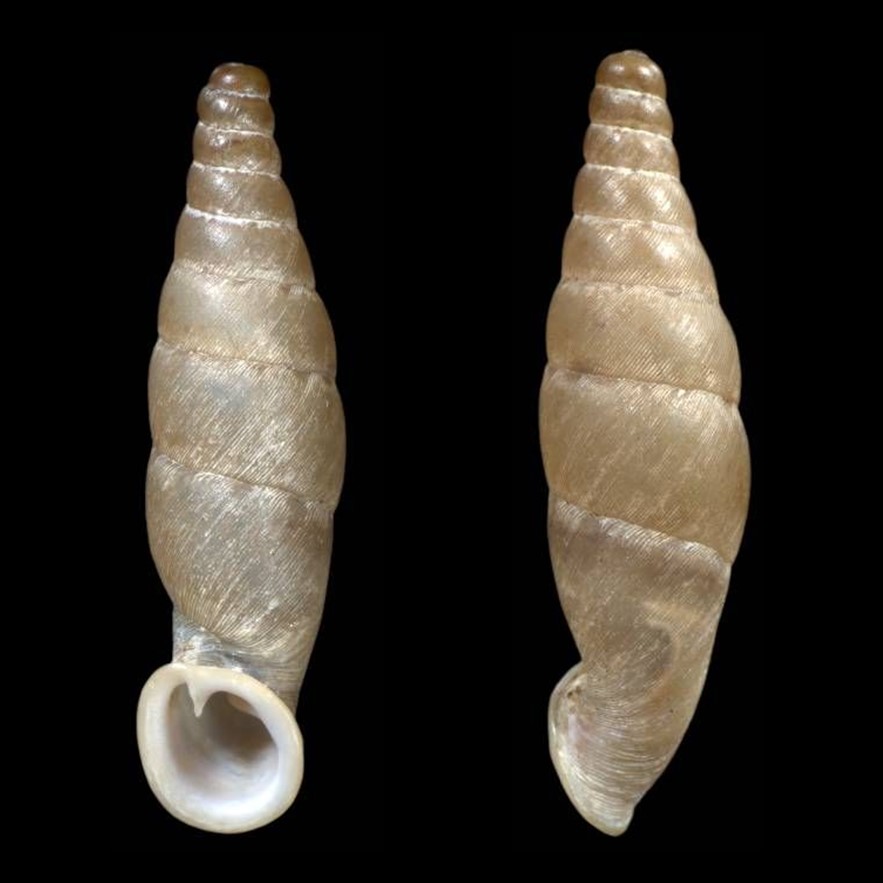
CLASSE: GASTROPODA: TERRESTRE FAMÍLIA: CLAUSILIIDAE ESPÉCIE: Pfeifferiella subterranea (Weyrauch, 1957) Tamanho médio: 16 mm Ocorrência: Peru Localidade tipo: Peru, "85 km N Chiclayo: Cerro Chunrún, oberhalb Llama" Altitude: 2350 m Nome original: Columbinia (Pfeifferiella) subterranea Weyrauch, 1957 Fotos: (1) Forschungsinstitut und Naturmuseum Senckenberg: HOLOTYPE de Pfeifferiella subterranea (Weyrauch, 1957), SMF 155718, N-Peru (Westhang der Anden): 85 km N Chiclayo: Cerro Chunrún, oberhalb Llama (2350m), coll. Weyrauch, W., 16mm Fontes: Descrição original: (como Columbinia (Pfeifferiella) subterranea Weyrauch, 1957) Weyrauch, W. K. (1957). Sieben neue Clausiliiden aus Peru. Archiv für Molluskenkunde. 86 (1/3): 1‑28, pl. 1. Frankfurt am Main. página(s): 6, pl. 1, fig. 3 Nordsieck, H. (2007). Worldwide Door Snails (Clausiliidae), Recent and Fossil. ConchBooks, Hackenheim, 214 pp. página(s): 39 Senckenberg....
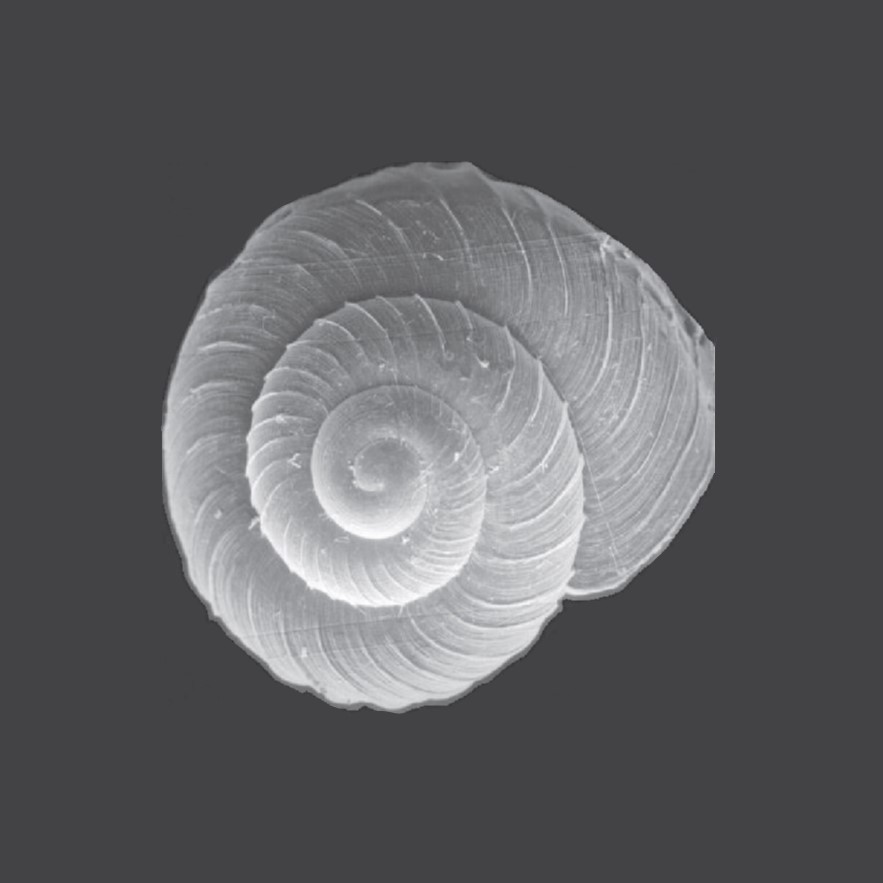
CLASSE: GASTROPODA: TERRESTRE FAMÍLIA: PUNCTIDAE ESPÉCIE: Pichikadi hualpensis Vargas-Almonacid & Stuardo, 2007 Tamanho médio: ~1.5 mm Distribuição: Chile (VIII Región) Localidade tipo: Chile, VIII Región, Península de Hualpén Nome original: Pichikadi hualpensis Vargas-Almonacid & Stuardo, 2007 Etimologia: o nome da espécie é uma referência à localidade tipo Descrição original: (Vargas-Almonacid & Stuardo, 2007): "Shell small, fragile, lenticular subdiscoidal, uniformly coloured shiny yellowish to light brown. Spire convex, gently tapering with regular rapid growth and the apex slightly elevated above the protoconch. With 3 7/8 to 4 1/4 convex whorls. External and internal (umbilical) surfaces sculptured with 48 and 30 slender radial ribs appearing irregularly distributed on the second whorl but becoming regular on the last ones. Ribs separated by a mesh of regular,...
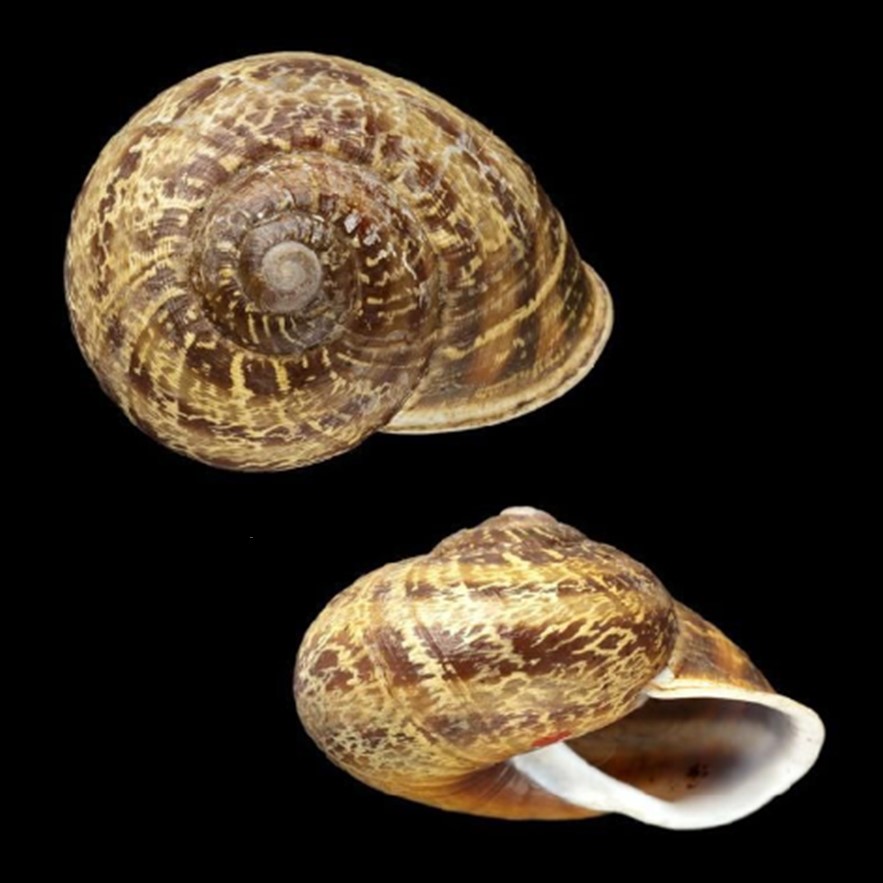
CLASSE: GASTROPODA: TERRESTRE FAMÍLIA: EPIPHRAGMOPHORIDAE ESPÉCIE: Pilsbrya farrisi (L. Pfeiffer, 1859) Tamanho médio: 35 mm Ocorrência: Peru Localidade tipo: Peru, "Patas, Andes of Peru" (Dr. Farris) Nome original: Helix farrisi L. Pfeiffer, 1859 Sinônimos: Epiphragmophora (Pilsbrya) farrisi (L. Pfeiffer, 1859) Fotos: (1,2) Natural History Museum, London: SYNTYPE NHMUK 20210312, Peru, Patas, Dr Farris, 35mm Fontes: Descrição original: (como Helix farrisi L. Pfeiffer, 1859) Pfeiffer, L. (1859). Descriptions of twenty-seven new species of land-shells, from the collection of H. Cuming, Esq. Proceedings of the Zoological Society of London. 27 (385): 23–29, pls 43–44. London [30 June]., disponível online em https://www.biodiversitylibrary.org/page/32274429 página(s): 23, pl. 44, fig. 3 Natural History Museum (2025). Natural History Museum (London) Collection Specimens. Occurrence dataset https://doi.org/10.5519/qd.cv5d8yso accessed via GBIF.org...
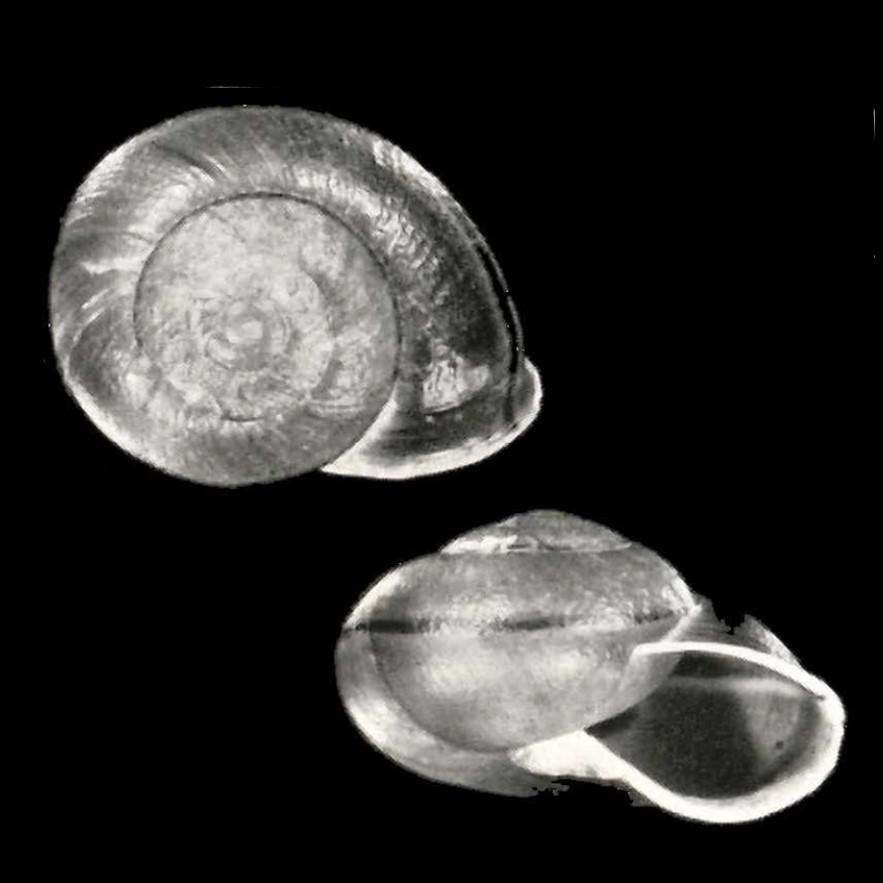
CLASSE: GASTROPODA: TERRESTRE FAMÍLIA: EPIPHRAGMOPHORIDAE ESPÉCIE: Pilsbrya taulisensis (Zilch, 1953) Tamanho médio: 30 mm Ocorrência: Peru Localidade tipo: Peru, "Hacienda Taulis (Quebrada Pajonal), "selva montanhosa" Altitude: 2700 m Nome original: Epiphragmophora (Pilsbrya) taulisensis Zilch, 1953 Sinônimos: Epiphragmophora taulisensis Zilch, 1953 Fotos: (1) Zilch, 1953: Senckenberg. Collection Mollusca, HOLOTYPE SMF 108562, H. W. Koepcke leg. 27.XII.1952 Figura: Zilch, 1953: (7) Epiphragmophora llagnenica, Peru, “Wald von Rejo Cargaray der Hacienda Llaguen”, 2660 m, HOLOTYPE SMF 108559; (8-9) Epiphragmophora (Pilshrya) taulisensis, Peru, “Bergurwald der Hacienda Taulis, 2700 m (Quebrada Pajonal)”; (8) HOLOTYPE SMF 108562; (9) PARATYPE SMF 108563 Fontes: Descrição original: (como Epiphragmophora (Pilsbrya) taulisensis Zilch, 1953) Zilch, A. (1953). Landschnecken aus Peru. Archiv für Molluskenkunde, 82 (1/3): 49-61, pl. 14-15. Frankfurt...

CLASSE: GASTROPODA: TERRESTRE FAMÍLIA: CLAUSILIIDAE ESPÉCIE: Pilsbrylia dalli Simone, 2018 Tamanho médio: 18 - 22 mm Ocorrência: Brasil (Minas Gerais) Localidade tipo: Minas Gerais, região de Vazante, 17°58'S 46°53'W Habitat: Transição entre Mata Atlântica (floresta tropical) e Caatinha (bioma do semi-árido) Etimologia: nome da espécie é uma homenagem a William Healey Dall (1845–1927), que juntamente com Henry Augustus Pilsbry (1862–1957) homenageado no nome do gênero (ambos norte-americanos), honram em uma única espécie, dois grandes malacologistas nas Américas. Esta designação foi sugestão do naturalista brasileiro José Coltro Jr, quem doou o material tipo ao Museu de Zoologia de São Paulo Comentários: O gênero Pilsbrylia Hylton Scott, 1952 foi originalmente classificado na superfamília Orthalicoidea, na família Odontostomidae. Novos estudos moleculares (Salvador RB, Breure...
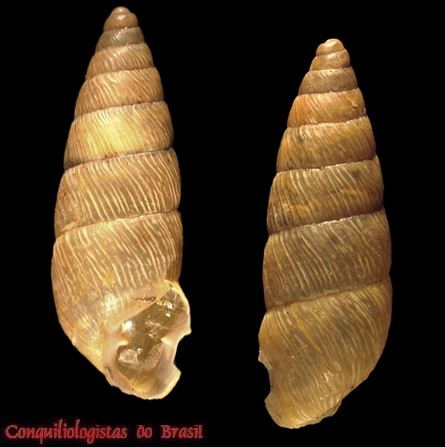
CLASSE: GASTROPODA: TERRESTRE FAMÍLIA: CLAUSILIIDAE ESPÉCIE: Pilsbrylia hyltonae D. Fernández & Rumi, 1980 Tamanho médio: 21 mm Localidade tipo: Cerro Maldonado, Província de Salta, Argentina Ocorrência: Argentina (Salta) Habitat: sob pedras e entre a serrapilheira Etimologia: nome em homenagem à zoóloga e malacóloga argentina, Dra Maria Isabel Hylton Soctt (1889-1990). Ela é conhecida como a primeira mulher na Argentina a obter um doutorado em Zoologia. Ela descreveu mais de 50 espécies de Moluscos Comentários: O gênero Pilsbrylia Hylton Scott, 1952 foi originalmente classificado na superfamília Orthalicoidea, na família Odontostomidae. Novos estudos moleculares (Salvador, Breure (2024)) sugerem, no entanto, que Pilsbrylia pertence à família Clausiliidae ('door snails') e mais especificamente à subfamília Peruiniinae. Esta família é a única entre os stylommatophoros em...


CLASSE: GASTROPODA: TERRESTRE FAMÍLIA: CLAUSILIIDAE ESPÉCIE: Pilsbrylia paradoxa Hylton Scott, 1952 Tamanho médio: 15 - 18 mm Localidade tipo: "Las Capillas, Jujuy", Argentina Ocorrência: Argentina (Salta, Jujuy), Bolívia Habitat: sob pedras Comentários: O gênero Pilsbrylia Hylton Scott, 1952 foi originalmente classificado na superfamília Orthalicoidea, na família Odontostomidae. Novos estudos moleculares (Salvador, Breure (2024)) sugerem, no entanto, que Pilsbrylia pertence à família Clausiliidae ('door snails') e mais especificamente à subfamília Peruiniinae. Esta família é a única entre os stylommatophoros em possuir quase que exclusivamente animais com conchas sinistras (left-handed), porém os membros do gênero Pilsbrylia possuem conchas dextras (típico nas demais famílias) Fotos: (1,2) cortesia Femorale, 2016, Bolívia, 18 e 18.3mm Figura 1 : Salvador RB, Breure ASH (2024):...
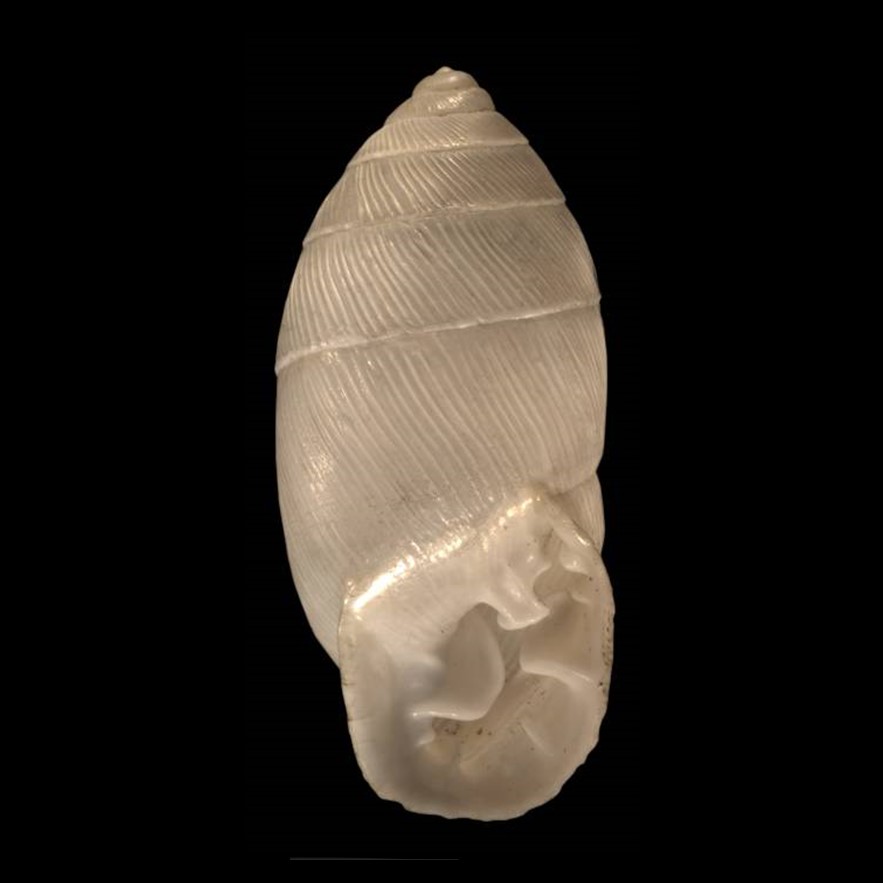
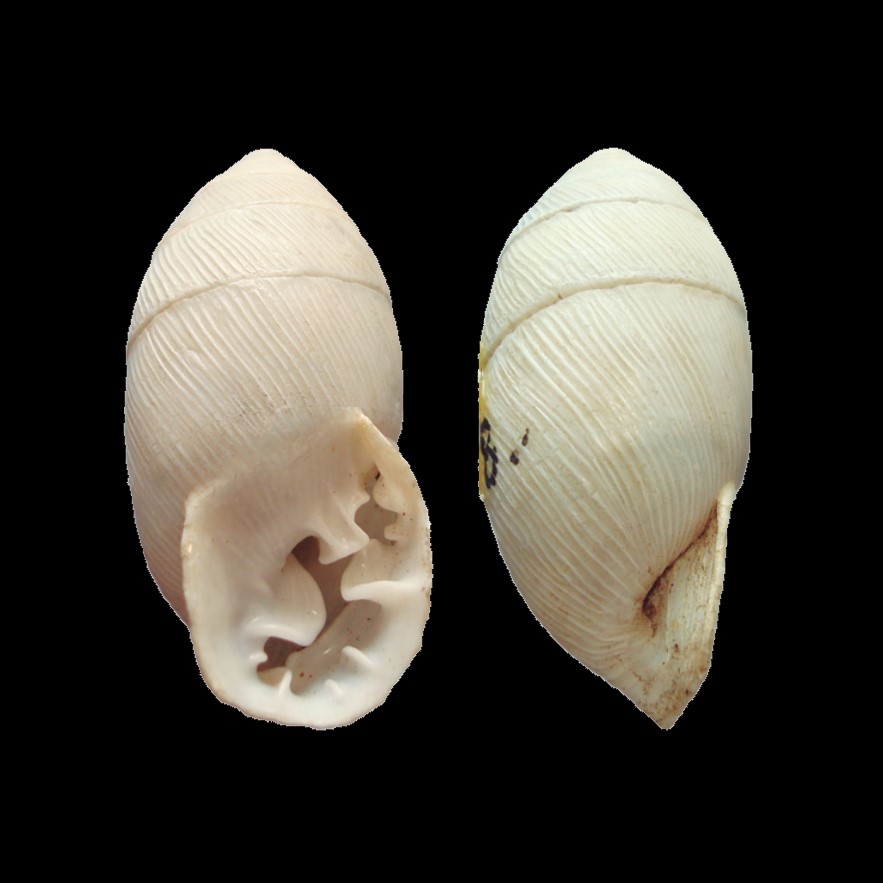
CLASSE: GASTROPODA: TERRESTRE FAMÍLIA: CYCLODONTINIDAE ESPÉCIE: Plagiodontes brackebuschii (Doering, 1877) Tamanho médio: 25.6 mm Ocorrência: Argentina (Córdoba, Santiago del Estero) Localidade tipo: "Sierra de San Luis, cerca de S. Francisco" [del Monte de Oro] Nome original: Bulimus (Plagiodontes) brackebuschii Doering, 1877 Fotos: (1) Senckenberg Research Institute and Natural History Museum Frankfurt: LECTOTYPE de Plagiodontes brackebuschii, SMF 9350, 25.6 mm; (2) Montenegro, R., D. Forcelli, E. Salas Oroño, S. Miquel, 2024: LECTOTYPE de Plagiodontes brackebuschii, SMF 9350, Sierra de San Luis, cerca de S. Francisco Figura: Breure, 2013: (A, i) Plagiodontes brackebuschii (Doering, 1877), PARALECTOTYPE ZMB 28511 (H = 25.1mm); (B, ii) Plagiodontes rocae Doering, 1881, SYNTYPE ZMB 34728 (H = 23.7mm); (C, iii) Plagiodontes weyenberghii (Doering, 1877), PARALECTOTYPE ZMB 28501 (H =...

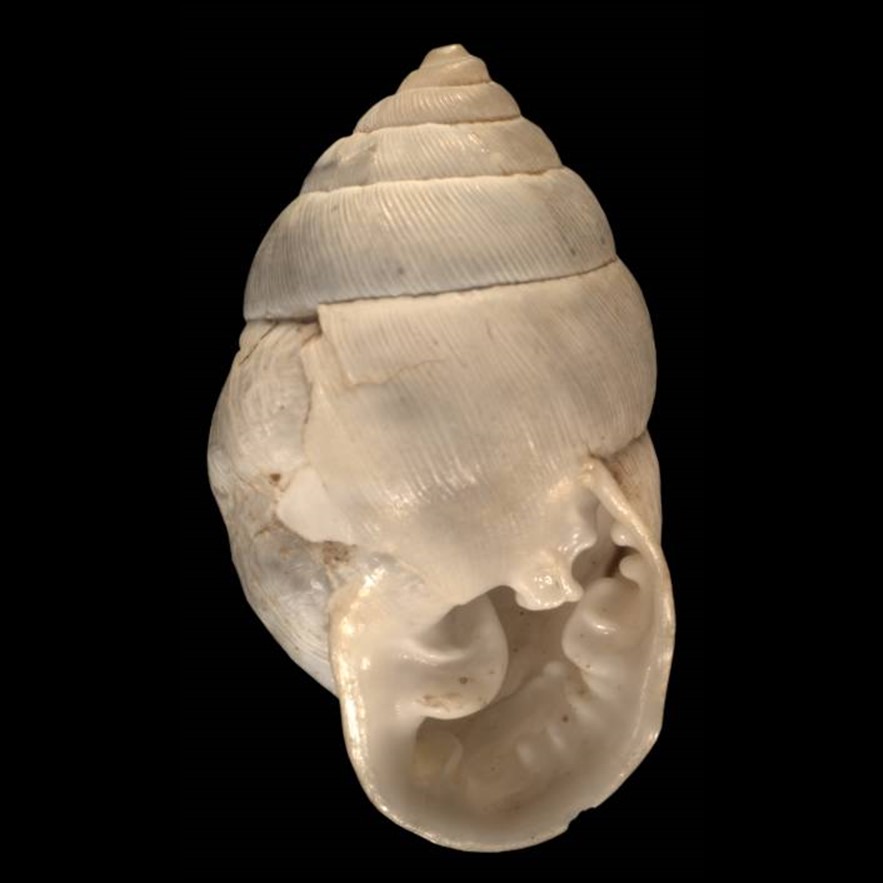
CLASSE: GASTROPODA: TERRESTRE FAMÍLIA: CYCLODONTINIDAE ESPÉCIE: Plagiodontes daedaleus (Deshayes, 1851) Tamanho médio: 32 mm Ocorrência: Argentina (Córdoba, Catamarca, Tucumán, Santiago del Estero), Brasil (?) Localidade tipo: Brasil, sem localização específica. Salvador et al. 2024 considera como incerta a localidade Nome original: Pupa daedalea Deshayes, 1851 Sinônimos: Bulimus (Odontostomus) daedaleus Deshayes, 1851; Bulimus (Plagiodontes) daedaleus Deshayes, 1851; Odontostomus (Plagiodontes) daedaleus (Deshayes, 1851); Odontostomus (Plagiodontes) daedaleus var. major Doering, 1875; Odontostomus (Plagiodontes) daedaleus var. minor Pilsbry, 1901; Odontostomus (Plagiodontes) daedaleus var. multidentatus Pilsbry, 190; Odontostomus (Plagiodontes) daedaleus var. salinicola Doering, 1875; Odontostomus (Plagiodontes) weyenberghii minor Parodiz, 1939; Plagiodontes daedaleus costatus Hylton Scott, 1952; Pupa daedalea Deshayes, 1851; Plagiodontes dealdalea [sic, Breure, 1985] Fotos: (1) Senckenberg Research Institute and Natural History Museum Frankfurt: LECTOTYPE de...

CLASSE: GASTROPODA: TERRESTRE FAMÍLIA: CYCLODONTINIDAE ESPÉCIE: Plagiodontes dentatus (W. Wood, 1828) Tamanho médio: 18 - 20 mm Ocorrência: Uruguai (Concepción del Uruguay, Victoria), Argentina (Entre Ríos, Buenos Aires Prov) Localidade tipo: Montevideo, Uruguai. A localidade foi definida em Klappenbach & Olazarri (1973) Sinônimos: Cyclodontina brasiliana Beck, 1837; Helix sowerbiana Férussac, 1821; Odontostomus (Plagiodontes) dentatus (W. Wood, 1828); Odontostomus (Plagiodontes) teisseirei W. B. Marshall, 1931; Plagiodontes dentata (W. Wood, 1828); Pupa dentata W. Wood, 1828; Pupa labyrinthus Anton, 1838; Pupa sowerbiana Potiez & Michaud, 1838 Fotos: (1) Natural History Museum, London: SYNTYPE de Pupa dentata W. Wood, 1828, NHMUK 1840.9.12.50, Montevidéu, Uruguai; (2) Smithsonian National Museum of Natural History, HOLOTYPE USNM 380699, Uruguai, Soriano, Punta Chaparro, coletor: Teisseire, A. ...
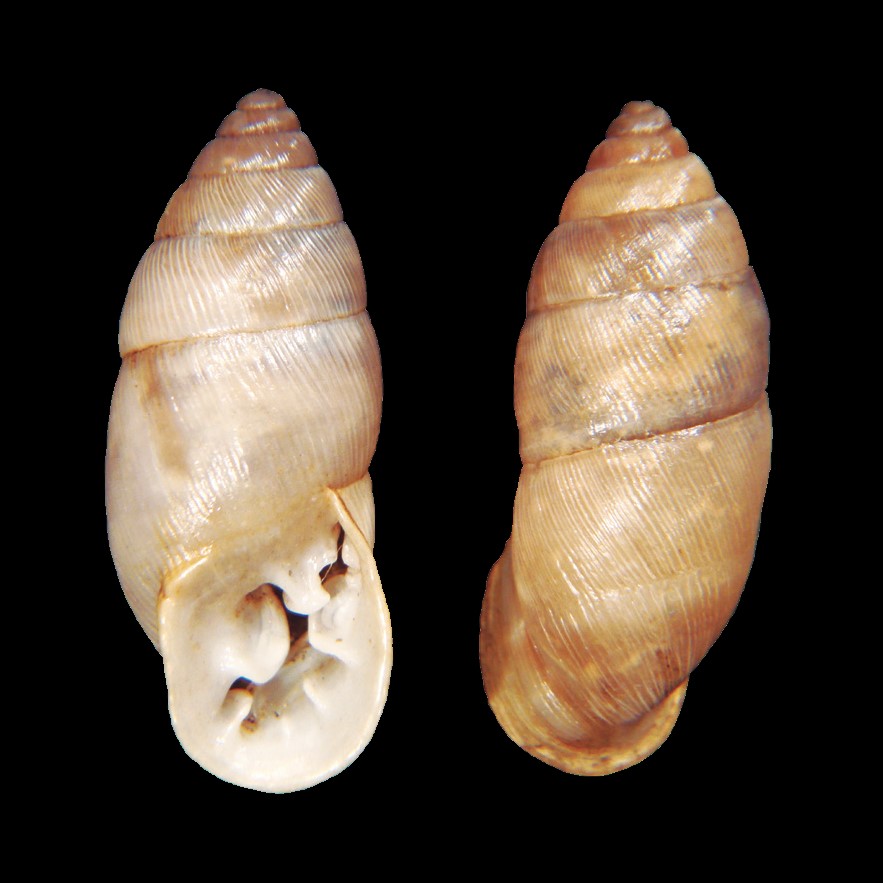
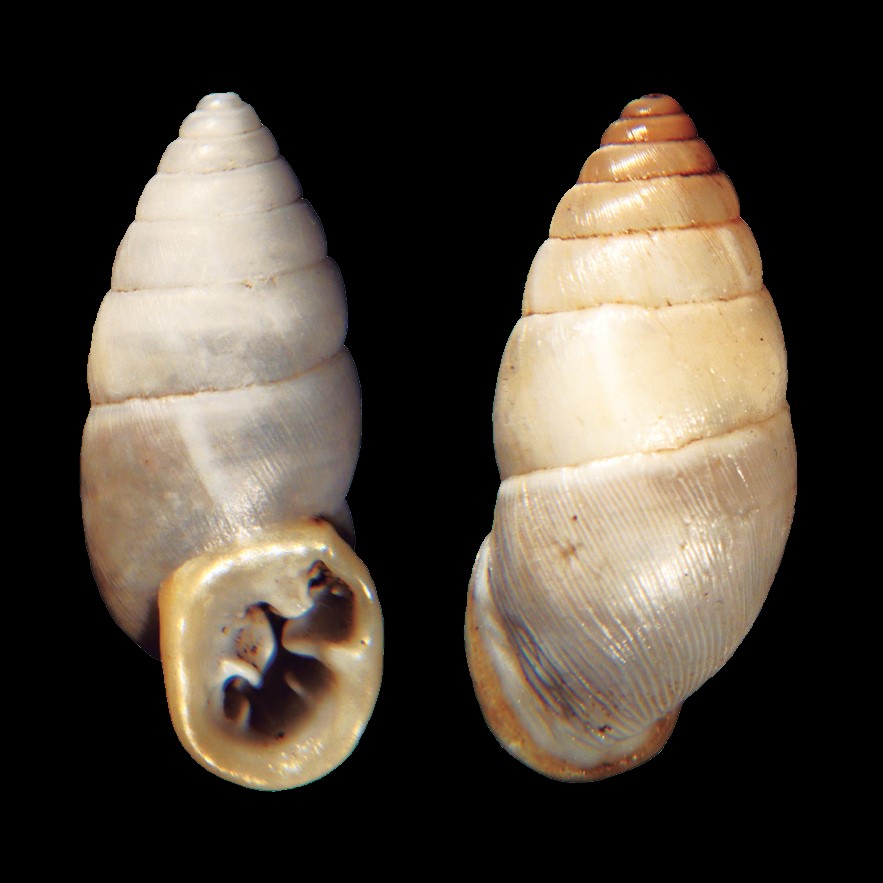
CLASSE: GASTROPODA: TERRESTRE FAMÍLIA: CYCLODONTINIDAE ESPÉCIE: Plagiodontes multiplicatus (Doering, 1875) Tamanho médio: 22 - 25 mm Ocorrência: Argentina (Catamarca, Córdoba, La Rioja, Santiago del Estero) Localidade tipo: “… Cerro de Chepe, en la provincia de la Rioja”. The Cerro de Chepe is located in Rosario Vera Peñaloza Dept., in La Rioja province" Nome original: Odontostomus multiplicatus Doering, 1875 Subespécies: (1) Plagiodontes multiplicatus multiplicatus (Doering, 1875); (2) Plagiodontes multiplicatus crassus Hylton Scott, 1948; (3) Plagiodontes multiplicatus parvus Hylton Scott, 1952 Comentários: Cuezzo et al. 2013 destaca que "Plagiodontes multiplicatus parvus Hylton Scott, 1952, and Plagiodontes multiplicatus crassus (Hylton Scott, 1948) are two published subspecies and were considered as valid biological units by Pizá & Cazzaniga. The type locality Plagiodontes m. crassus is “India Muerta,...
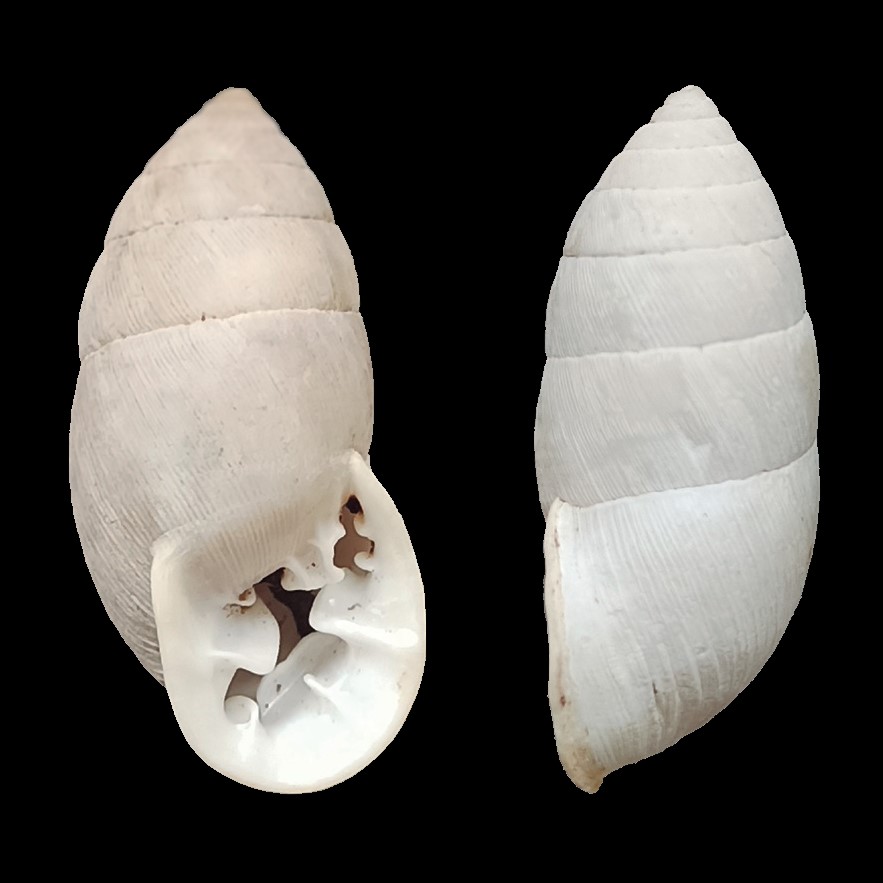
CLASSE: GASTROPODA: TERRESTRE FAMÍLIA: CYCLODONTINIDAE ESPÉCIE: Plagiodontes parodizi Pizá & Cazzaniga, 2016 Tamanho médio: 27 mm Ocorrência: Argentina (Província de Santiago del Estero) Habitat: espécimes vivos encontrados em paredes rochosas e em troncos de arbustos Localidade tipo: Argentina, Província de Santiago del Estero, Sierra de Guasayán, na Rodovia Nacional # 64, aos 28º 8' 15,756" S; 64º 49' 6,636" W, 617 m de altitude, cerca de 5 km a Oeste da cidade de Santa Catalina Comentários: espécie pouco abundante, endêmica da Sierra de Guasayán (Sudoeste da proìncia de Santiago del Estero) Nome original: Plagiodontes parodizi Pizá & Cazzaniga, 2016 Descrição: "La concha es de elongada-ovada a subcilíndrica, sólida, de color blancuzco a marrón-rosado, con costillas axiales rectas muy marcadas. Tiene un tamaño de...

CLASSE: GASTROPODA: TERRESTRE FAMÍLIA: CYCLODONTINIDAE ESPÉCIE: Plagiodontes patagonicus (A. d'Orbigny, 1835) Tamanho médio: 22 mm Ocorrência: Argentina, Província de Bahia Blanca Localidade tipo: "Baie Blanche (Patagonie)" Nome original: Helix patagonica A. d'Orbigny, 1835 Sinônimos: Odontostomus (Plagiodontes) iheringi Pilsbry & Vanatta, 1898; Plagiodontes iheringi (Pilsbry & Vanatta, 1898); Plagiodontes patagonica (A. d'Orbigny, 1835); Plagiodontes patagonicus magnus Hylton Scott, 1952; Plagiodontes patagonicus patagonicus (A. d'Orbigny, 1835) Fotos: (1) cortesia Femorale, 17mm, Bahia Blanca, Argentina; (2) Museu Nacional de História Natural, Paris: LECTOTYPE MNHN-IM-2000-21096, 22mm, Fontes: Descrição original: (como Helix patagonica A. d'Orbigny, 1835) Orbigny, A. d'. (1835). Synopsis terrestrium et fluviatilium molluscorum, in suo per Americam meridionalem itinere collectorum. Magasin de Zoologie. 5(61): 1-44., disponível online em https://www.biodiversitylibrary.org/page/2633132 página(s): 22 ...
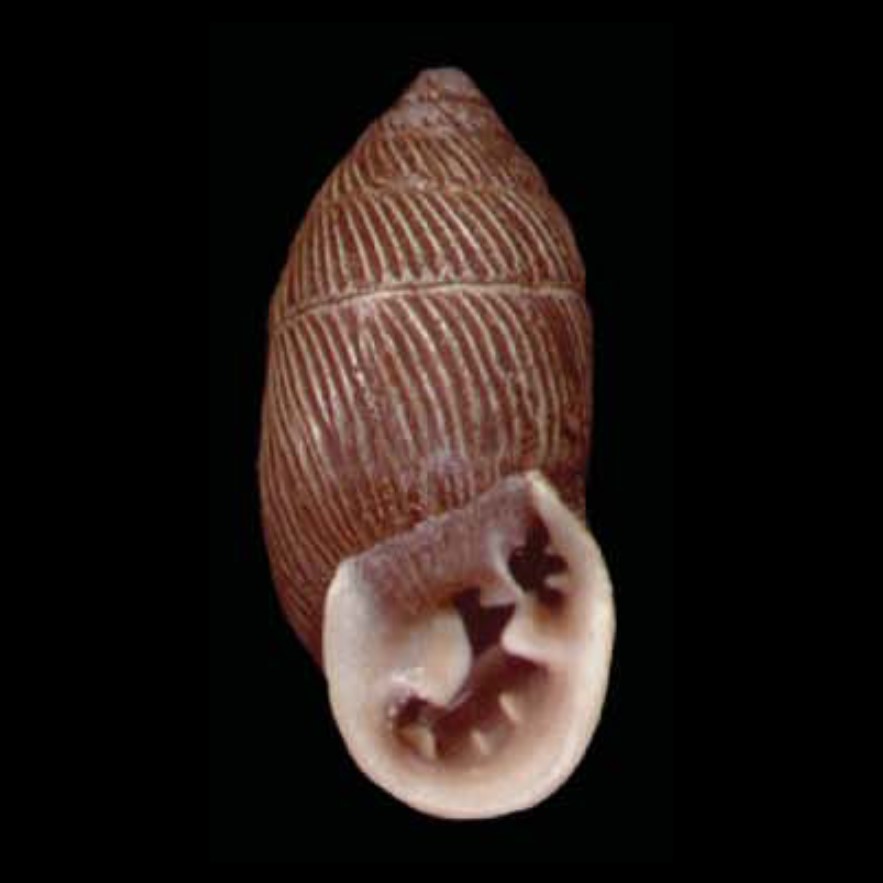
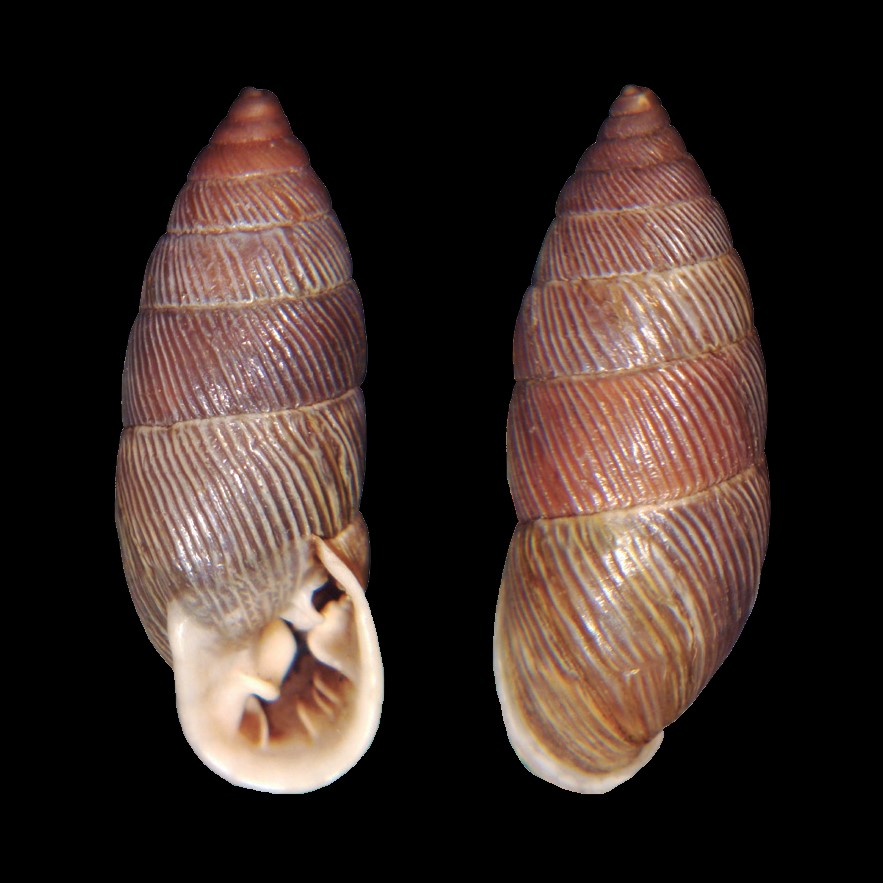
CLASSE: GASTROPODA: TERRESTRE FAMÍLIA: CYCLODONTINIDAE ESPÉCIE: Plagiodontes rocae Doering, 1881 Tamanho médio: 21 - 24 mm Ocorrência: Argentina (Província de Buenos Aires) Habitat: Segundo Pizá, 2025: "Plagiodontes rocae es endémica del sudoeste de la provincia de Buenos Aires, en la subecorregión Pampa Austral de la ecorregión Pampa Húmeda. Su distribución conocida se restringe a la Sierra de Curamalal en el Sistema Ventania. P. rocae habita exclusivamente ambientes serranos, se la encuentra principalmente debajo de rocas o adherida a afloramientos rocosos generalmente asociada a vegetación (entre las raíces o adherida a ramas bajas de arbustos)" Localidade tipo: Argentina, Província de Buenos Aires, Sierra of Curamalal (“Sierra de Currumalan”) Nome original: Plagiodontes rocae Doering, 1881 Fotos: (1) Pizá J., Ghezzi N.S. & Cazzaniga N.J....

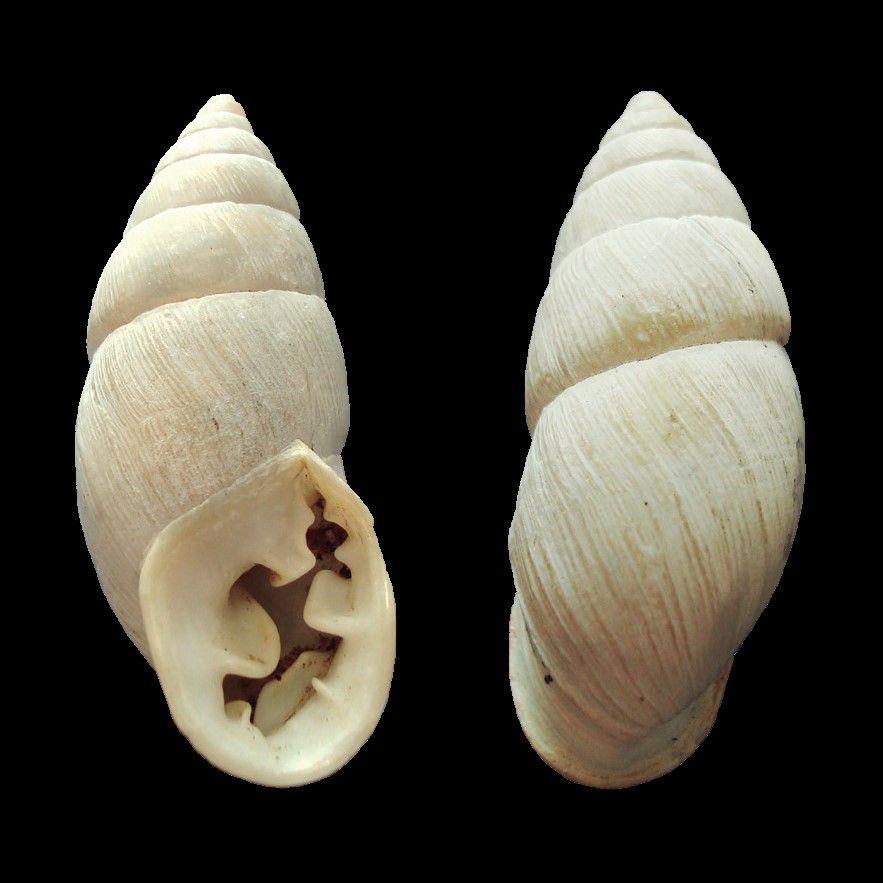
CLASSE: GASTROPODA: TERRESTRE FAMÍLIA: CYCLODONTINIDAE ESPÉCIE: Plagiodontes strobelii (Doering, 1877) Tamanho médio: 32 mm Ocorrência: Argentina (Cordoba, San Luis, Santiago del Estero) Localidade tipo: Argentina, Província de Cordoba, Departamento de Pocho, "Cerro de Yerba Buena, S. de Aconjigasta" Nome original: Bulimus (Plagiodontes) daedaleus var. strobelii Doering, 1877 Sinônimos: Bulimus (Odontostomus) daedaleus var. major Strobel, 1874; Bulimus (Plagiodontes) daedaleus var. salinicola Doering, 1877; Bulimus (Plagiodontes) daedaleus var. strobelii Doering, 1877 Etimologia: o nome da espécie é uma homenagem a Pellegrino Strobel (1821-1895), etnólogo e malacologista italiano, que explorou os Andes do Chile e da Argentina Fotos: (1) Senckenberg Research Institute and Natural History Museum, Frankfurt: LECTOTYPE de Plagiodontes strobelii, SMF 25361, 31.8mm; (2) Montenegro, R., D. Forcelli, E. Salas Oroño, S. Miquel, 2024: LECTOTYPE SMF...
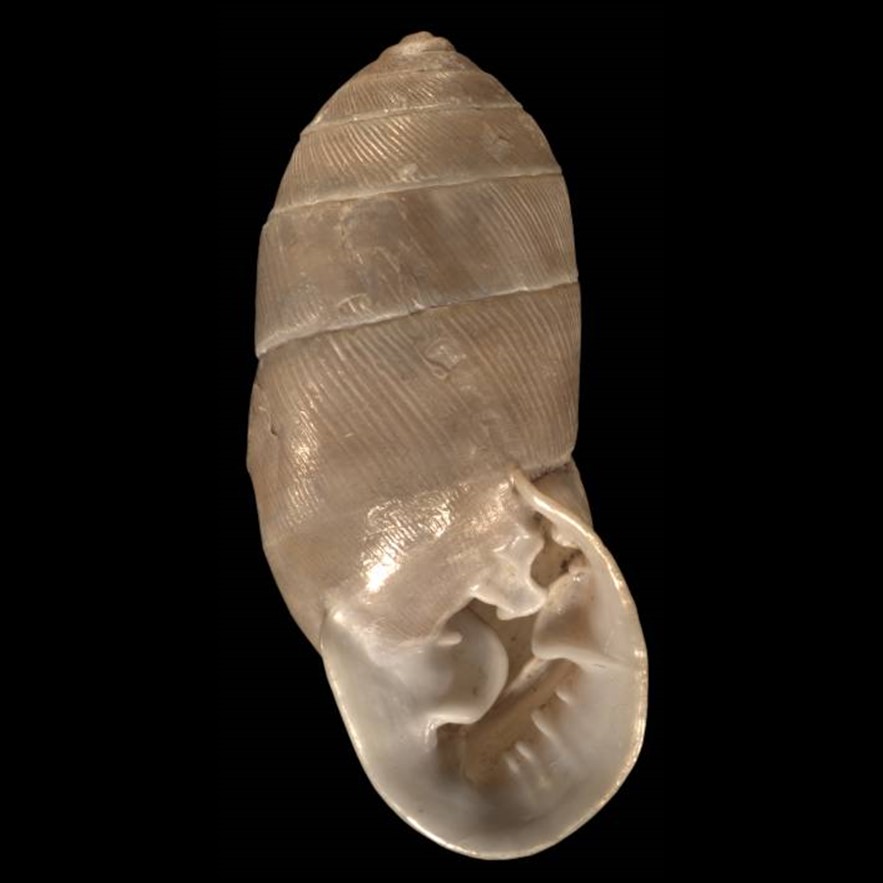

CLASSE: GASTROPODA: TERRESTRE FAMÍLIA: CYCLODONTINIDAE ESPÉCIE: Plagiodontes weyenberghii (Doering, 1877) Tamanho médio: 29 mm Ocorrência: Argentina (Província de Córdoba) Localidade tipo: Argentina, Córdoba, "Sierra de Aconjigasta" Nome original: Bulimus (Plagiodontes) weyenberghii Doering, 1877 Sinônimos: Odontostomus (Plagiodontes) weyenberghii (Doering, 1877); Plagiodontes weyemberghii (Doring, 1876) [sic Breure, 1985] Comentários: Cuezzo et al. 2013 destaca que "Doering (1875) probably made a mistake in writing the species name weyemberghii, using an “m” instead of an “n”. He not only worked at the same place but personally knew Dr. H. Weyenberg to whom the species is dedicated. For this reason, in accord with previous authors, we considered that this name represents a lapsus calami, an error made by the author in writing or misspelling the species name." ...
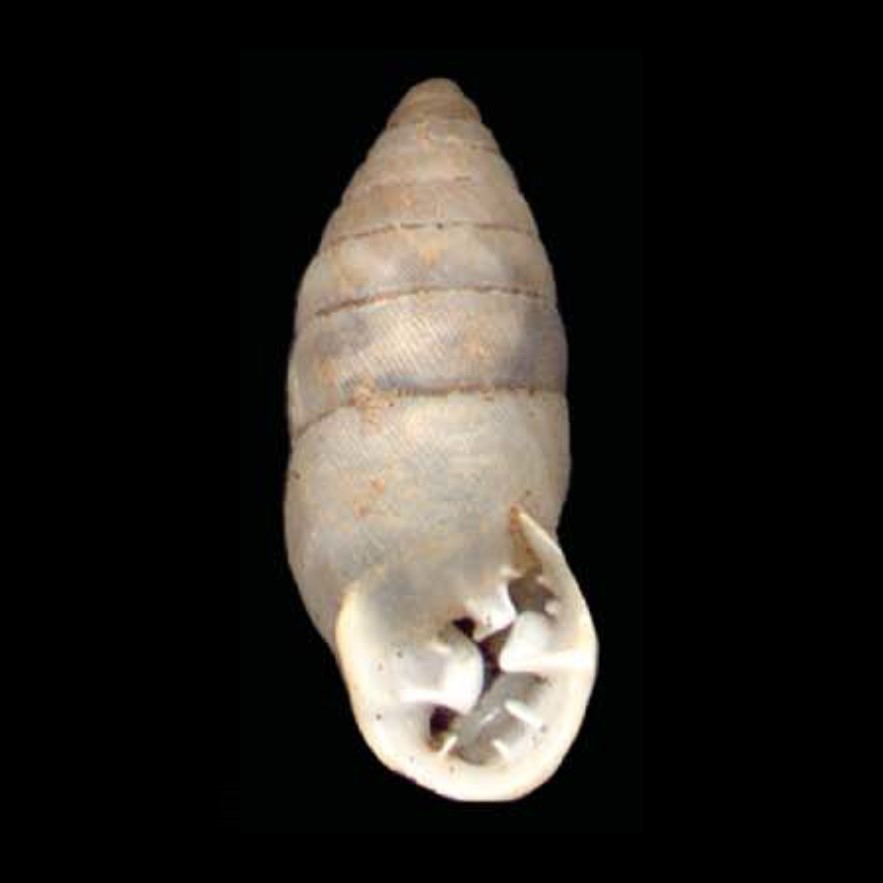

CLASSE: GASTROPODA: TERRESTRE FAMÍLIA: CYCLODONTINIDAE ESPÉCIE: Plagiodontes weyrauchi Pizá & Cazzaniga, 2009 Tamanho médio: 16.6 - 22.3 mm Ocorrência: Argentina (Catamarca, Tucumán) Localidade tipo: Cuesta de la Chilca, 22 km a Leste de Andalgalá na Rodovia provincial 48, Província de Catamarca, Argentina Altitude: 1455 m Nome original: Plagiodontes weyrauchi Pizá & Cazzaniga, 2009 Etimologia: o nome da espécie é uma homenagem ao malacólogo alemão, Wolfgang Karl Weyrauch (1907-1970) Fotos: (1,3,4,5) Pizá & Cazzaniga, 2009: (1,5) TOPOTYPE, sendo (5) mostrando a variabilidade da concha ; (3) animal vivo; (4) HOLOTYPE Museu Argentino de Ciências Naturais: MACN-In 37.465 (espécime preservado em álcool), 19 mm; (2) Montenegro, R., D. Forcelli, E. Salas Oroño, S. Miquel, 2024: Plagiodontes weyrauchi Pizá & Cazzaniga, 2009: Cuesta de La Chilca, Catamarca,...
CLASSE: GASTROPODA: TERRESTRE FAMÍLIA: BOTHRIEMBRYONTIDAE ESPÉCIE: Plectostylus araucanus Valdovinos & Stuardo, 1988 Tamanho médio: 42 mm Ocorrência: Chile (Maule, Los Ríos, Bio Bio, Araucania) Localidade tipo: Chile, Parque Nacional Nauhelbuta Nome original: Plectostylus araucanus Valdovinos & Stuardo, 1988 Fotos: (1) nd Figura: Barahona-Segovia et al. 2019: (A) animal vivo em ambiente natural; (B) agrupamento em tronco de árvore; (C) animal no interior de cavidade do tronco de árvore Fontes: Descrição original: Valdovinos, C. & Stuardo, J. R. (1988). Morfología, sistemática y distribución del género Plectostylus Beck 1837 (Pulmonata: Bulimulidae). Gayana, Zoologia. 52(1-2): 115–195., disponível online em https://www.biodiversitylibrary.org/page/28128676 página(s): 119 Barahona-Segovia, R. M., Riveros-Díaz, A. L., Zaror, S., Catalán, R., & Araya, J. F. (2019). Shelter, ecophysiology and conservation status of...
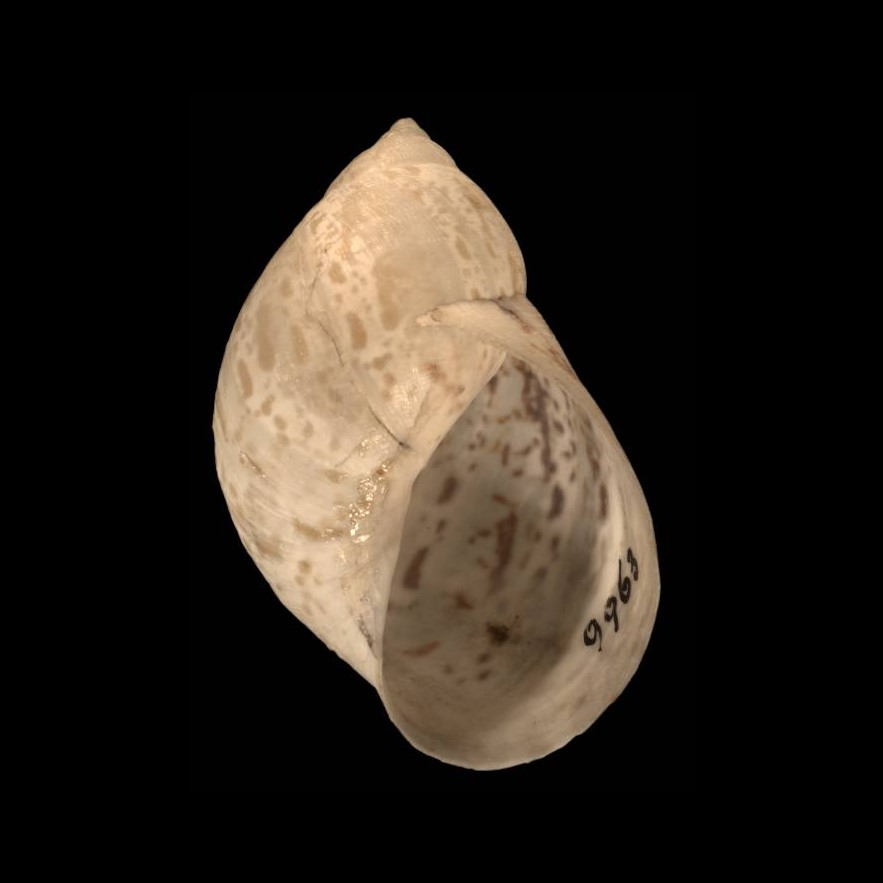
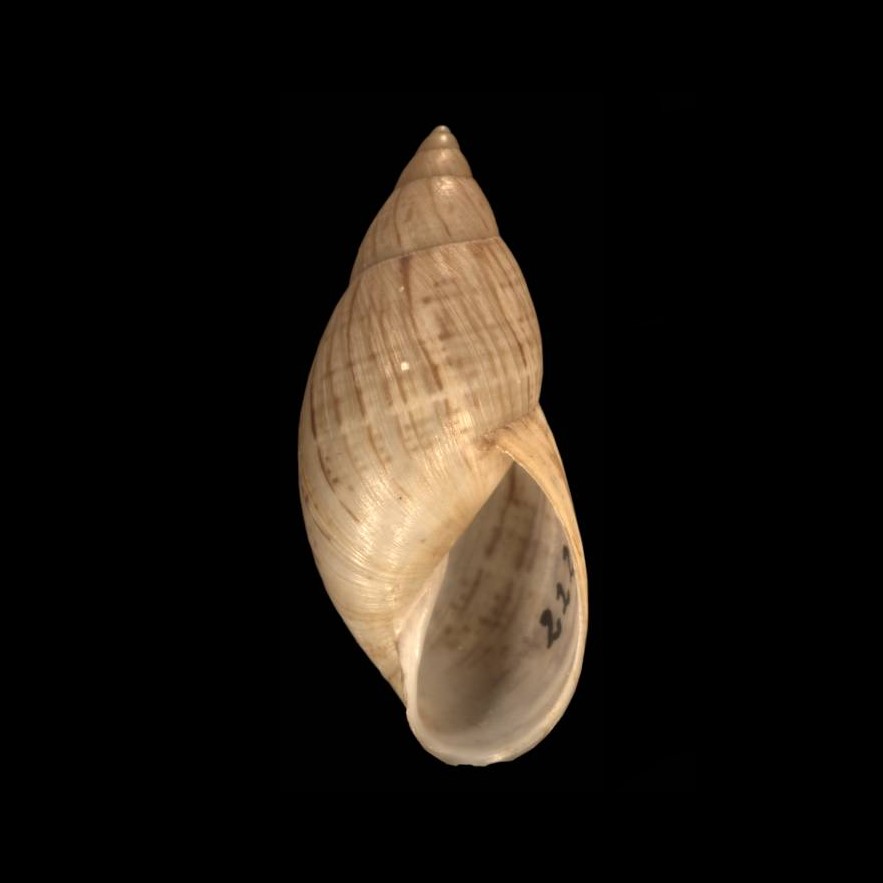
CLASSE: GASTROPODA: TERRESTRE FAMÍLIA: BOTHRIEMBRYONTIDAE ESPÉCIE: Plectostylus broderipii (G. B. Sowerby I, 1832) Tamanho médio: 41 mm Ocorrência: Chile (Copiapó) Localidade tipo: Chile, Copiapó (Copiapo Chilensium) Nome original: Bulinus broderipii G. B. Sowerby I, 1832 Sinônimos: Bulimus broderipii (G. B. Sowerby I, 1832); Helix (Bulimus) broderipii (G. B. Sowerby I, 1832); Plectostylus variegatus (L. Pfeiffer, 1842); Succinea variegata L. Pfeiffer, 1842 Foto: (1) Senckenberg Natural History Museum, Frankfurt: (1) SMF 9963, 41.1 mm, Copiapó, Chile; (2) SYNTYPE de Plectostylus variegatus (L. Pfeiffer, 1842), 45.1mm Figura: Breure & Ablett, 2012: (A–B, i) Plectostylus broderipii (Sowerby I, 1832), LECTOTYPE NHMUK 20100655 (H = 44.5mm); (C–D, ii) Plectostylus coturnix (Sowerby, 1832), possível SYNTYPE NHMUK 20100620 (H = 32.4mm); (E–H) Plectostylus broderipii (Sowerby I, 1832); (E–F, iii) LECTOTYPE de Bulimus...
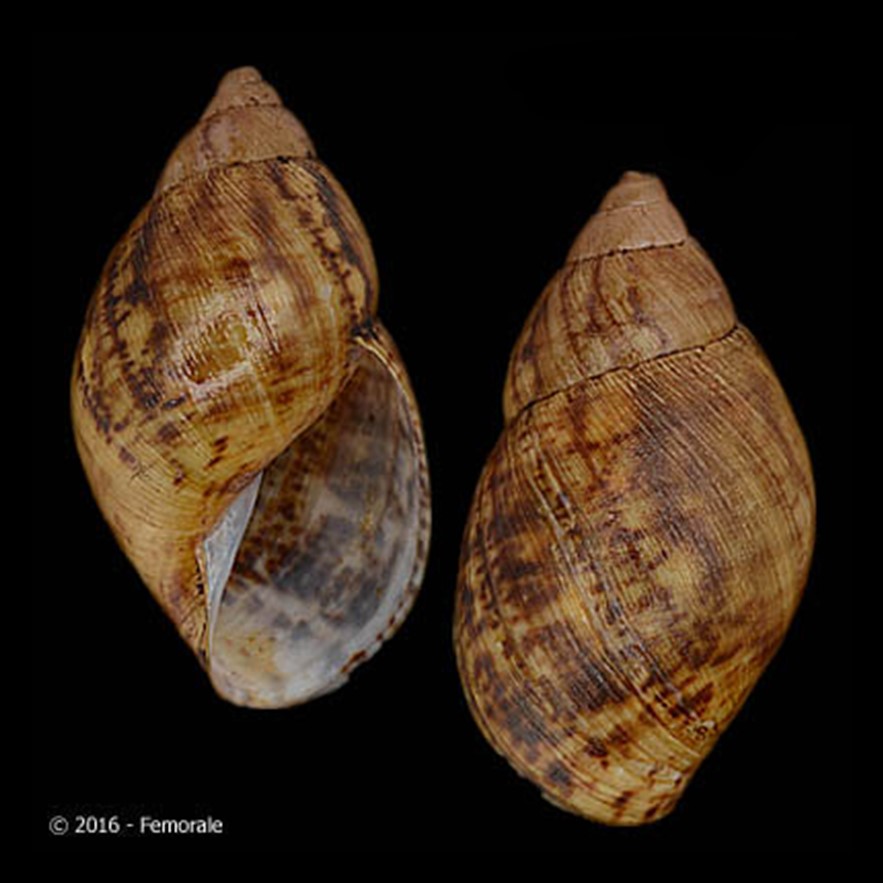
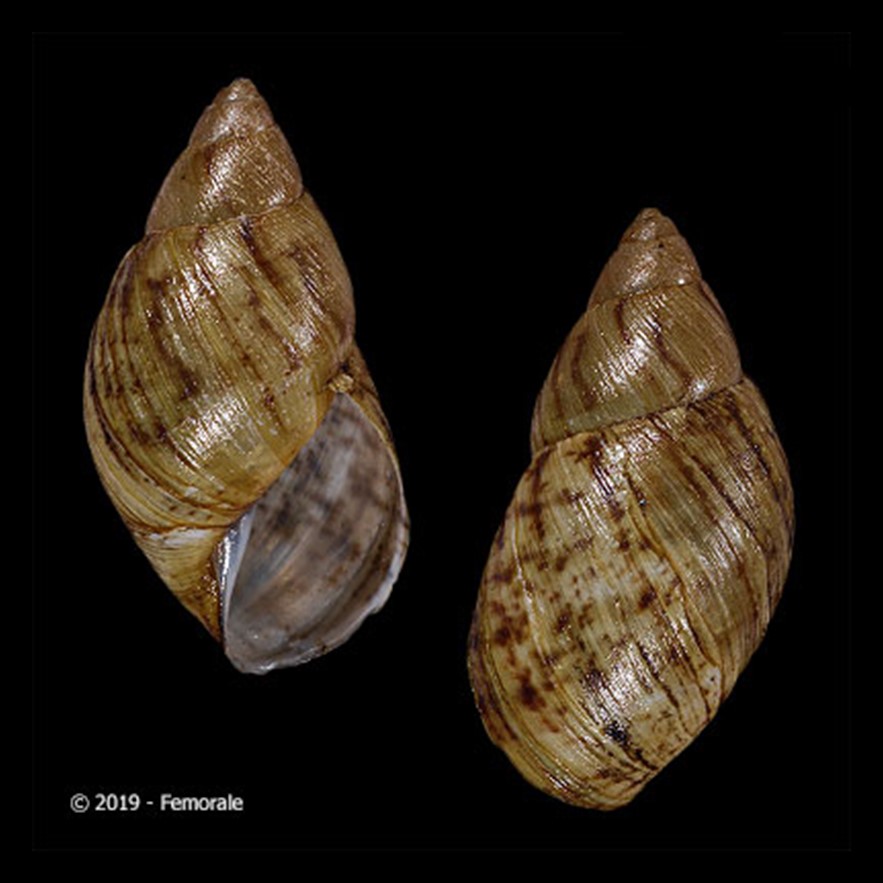
CLASSE: GASTROPODA: TERRESTRE FAMÍLIA: BOTHRIEMBRYONTIDAE ESPÉCIE: Plectostylus buschii (L. Pfeiffer, 1842) Tamanho médio: 24 mm Ocorrência: Chile (Valparaiso) Localidade tipo: Chile, sem localidade específica Nome original: Succinea buschii L. Pfeiffer, 1842 Descrição: (Valdovinos & Stuardo, 1988): "Shell imperforate, ovate-acuminate, very minutely granulated, pellucid. Tawny-buff, longitudinally painted with irregular streaks and flames; spire papillar at the apex; whorls 5, rather flat, the last double the length of the spire. Aperture oval-oblong; peristome simple and acute, the columellar margin somewhat thickened and a little reflexed." Fotos: (1,2) cortesia Femorale, 2019, Chile Fontes: Descrição original: (como Succinea buschii L. Pfeiffer, 1842) Pfeiffer, L. (1842). Symbolae ad historiam Heliceorum, Part II [Sectio altera.] Kassel (Th. Fischer). 147 pp. [< 21 December]., disponível online em...
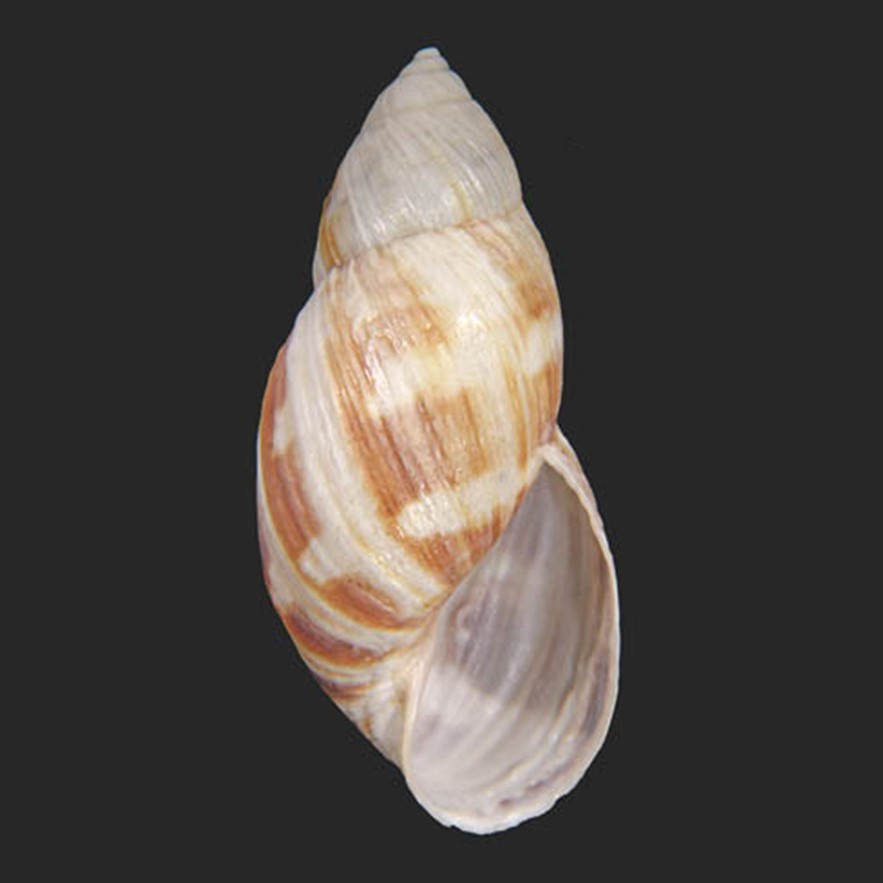
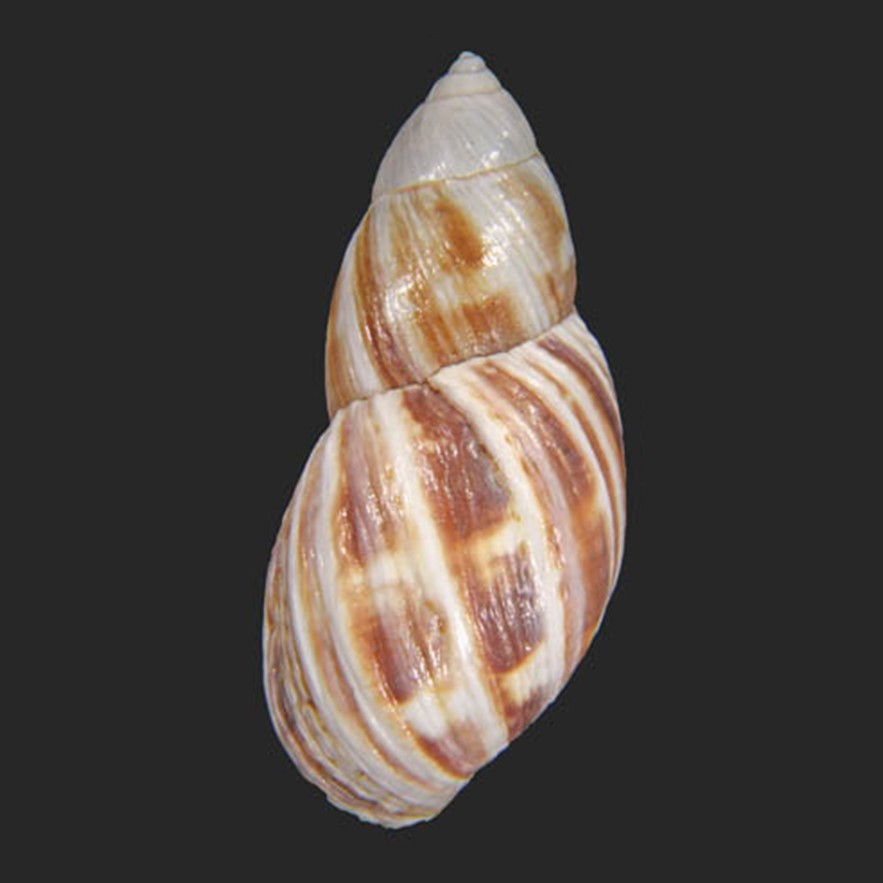
CLASSE: GASTROPODA: TERRESTRE FAMÍLIA: BOTHRIEMBRYONTIDAE ESPÉCIE: Plectostylus chilensis (R. P. Lesson, 1830) Tamanho médio: 41 mm Ocorrência: Chile (desde Valparaíso até Concepción) Localidade tipo: Chile, "l’ancienne ville de Penco, dans la province de la Concepcion" Nome original: Bulimus chilensis R. P. Lesson, 1830 Sinônimos: Achatina chilensis (R. P. Lesson, 1830); Bulimus (Bulimulus) graniger Beck, 1837; Bulimus (Plectostylus) chilensis (R. P. Lesson, 1830); Bulimus flavescens (P. P. King, 1832); Bulinus granulosus Broderip, 1832; Helix (Bulimus) chilensis (R. P. Lesson, 1830); Helix (Bulimus) chilensis var. aldunatea Hupé, 1854; Partula flavescens P. P. King, 1832; Plectostylus granulosus (Broderip, 1832) Etimologia: o nome da espécie é uma referência à localidade tipo Fotos: (1-3) cortesia Carles Dorado, Espanha (Allspira), Reserva Nacional Los Queules, Región del Maule, Chile,...

CLASSE: GASTROPODA: TERRESTRE FAMÍLIA: BOTHRIEMBRYONTIDAE ESPÉCIE: Plectostylus coquimbensis (Broderip, 1832) Tamanho médio: 42 mm Ocorrência: Chile, Coquimbo Localidade tipo: Chile, "ad Coquimbo in montibus" Nome original: Bulinus coquimbensis Broderip, 1832 Sinônimos: Bulimulus (Plectostylus) coquimbensis (Broderip, 1832) Foto: (1) Senckenberg Natural History Museum, Frankfurt: SYNTYPE, SMF 9964, Chile, Coquimbo, 42.7 mm: (2) Plectostylus coquimbensis, Musée des Confluences, França, ex. Geret, crédito foto: Claude & Amandine Evanno, 2014 Fontes: Descrição original: (como Bulinus coquimbensis Broderip, 1832) Broderip, W. J. & Sowerby, G. B. I. (1832-1833). [Descriptions of new species of shells from the collection formed by Mr. Cuming on the western coast of South America, and among the islands of the southern Pacific Ocean.]. Proceedings of the Committee of Science and correspondence of the Zoological...
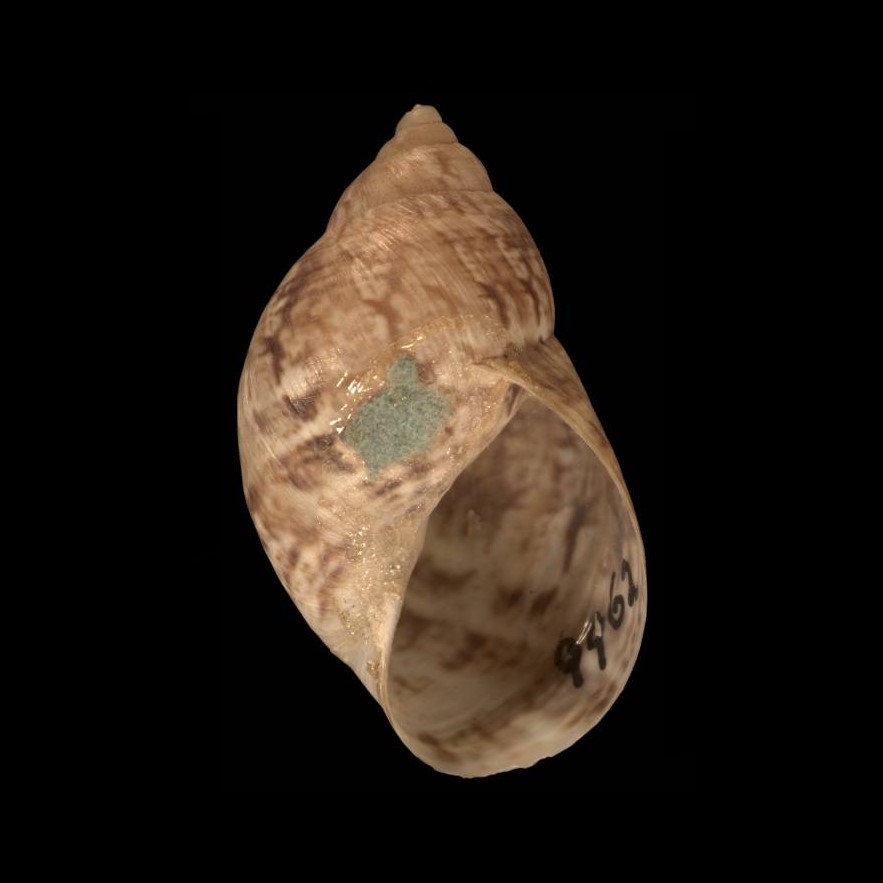
CLASSE: GASTROPODA: TERRESTRE FAMÍLIA: BOTHRIEMBRYONTIDAE ESPÉCIE: Plectostylus coturnix (G. B. Sowerby I, 1832) Tamanho médio: 31 mm Ocorrência: Chile, Atacama Localidade tipo: Chile, Atacama, Huasco Nome original: Bulinus coturnix G. B. Sowerby I, 1832 Foto: (1) Senckenberg Natural History Museum, Frankfurt: SMF 9962, Chile, "Originalserie ex alte Schausammlung ex Cuming", 30.9 mm Figura: Breure & Ablett, 2012: (A–B, i) Plectostylus broderipii (Sowerby I, 1832), LECTOTYPE NHMUK 20100655 (H = 44.5mm); (C–D, ii) Plectostylus coturnix (Sowerby, 1832), possível SYNTYPE NHMUK 20100620 (H = 32.4mm); (E–H) Plectostylus broderipii (Sowerby I, 1832); (E–F, iii) LECTOTYPE de Bulimus broderipi var. elongata d’Orbigny, 1837 NHMUK 1854.12.4.102 (H = 30.5mm); (G–H, iv) LECTOTYPE de Succinea elegans Pfeiffer, 1842 NHMUK 1975360 (H = 30.0mm) Fontes:...

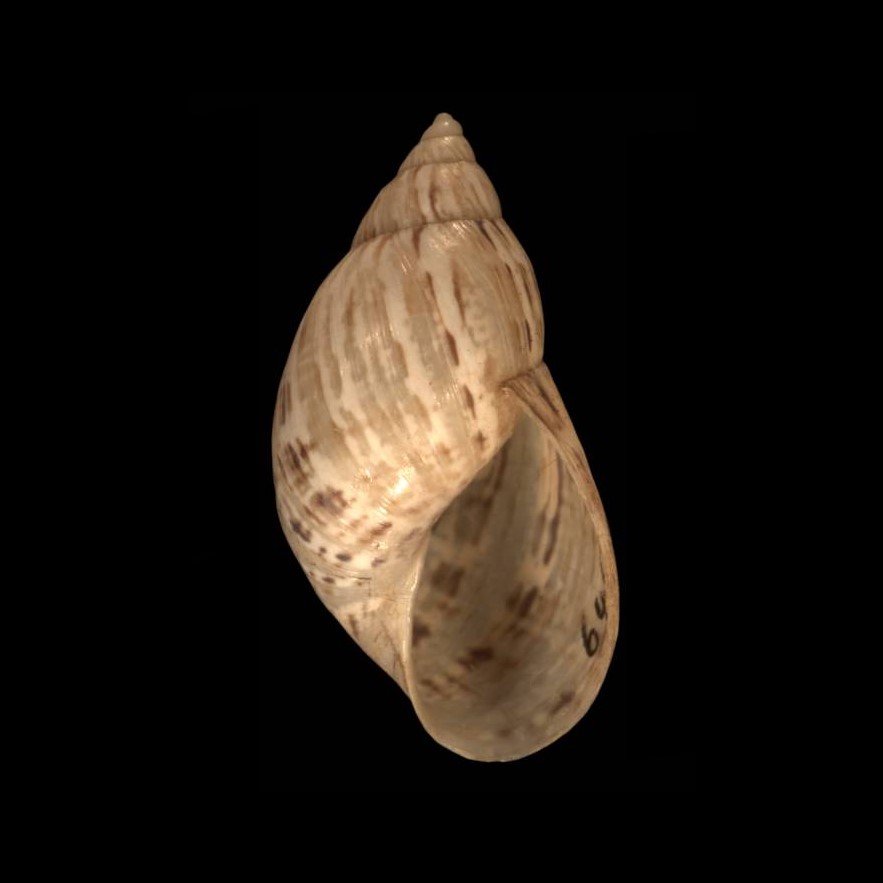
CLASSE: GASTROPODA: TERRESTRE FAMÍLIA: BOTHRIEMBRYONTIDAE ESPÉCIE: Plectostylus elegans (L. Pfeiffer, 1842) Tamanho médio: 36 mm Ocorrência: Chile (Atacama) Localidade tipo: “Huasco, Chile (Bridges)” Nome original: Succinea elegans L. Pfeiffer, 1842 Sinônimos: Bulimulus (Plectostylus) coquimbensis var. perelegans Pilsbry, 1897 Fotos: (1) Breure & Ablett, 2012: LECTOTYPE de Succinea elegans Pfeiffer, 1842, NHMUK 1975360, "Questa de Arenas / Huasco, Chili", 30.0 mm; (2) Senckenberg Natural History Museum, Frankfurt: SYNTYPE de Plectostylus coquimbensis subsp. perelegans (Pilsbry, 1897), SMF 302154, Chile, 33.5 mm Figura: Breure & Ablett, 2012: (A–B, i) Plectostylus broderipii (Sowerby I, 1832), LECTOTYPE NHMUK 20100655 (H = 44.5mm); (C–D, ii) Plectostylus coturnix (Sowerby, 1832), possível SYNTYPE NHMUK 20100620 (H = 32.4mm); (E–H) Plectostylus broderipii (Sowerby I, 1832); (E–F, iii) LECTOTYPE de Bulimus broderipi var....
CLASSE: GASTROPODA: TERRESTRE FAMÍLIA: BOTHRIEMBRYONTIDAE ESPÉCIE: Plectostylus elongatus (A. d'Orbigny, 1838) Tamanho médio: 31 mm Ocorrência: Chile Localidade tipo: "Cobija, Bolivia" [Chile] Nome original: Helix (Bulimus) broderipii var. elongata A. d'Orbigny, 1838 Foto: (1) nd Figura: Breure & Ablett, 2012: (A–B, i) Plectostylus broderipii (Sowerby I, 1832), LECTOTYPE NHMUK 20100655 (H = 44.5mm); (C–D, ii) Plectostylus coturnix (Sowerby, 1832), possível SYNTYPE NHMUK 20100620 (H = 32.4mm); (E–H) Plectostylus broderipii (Sowerby I, 1832); (E–F, iii) LECTOTYPE de Bulimus broderipi var. elongata d’Orbigny, 1837 NHMUK 1854.12.4.102 (H = 30.5mm); (G–H, iv) LECTOTYPE de Succinea elegans Pfeiffer, 1842 NHMUK 1975360 (H = 30.0mm) Fontes: Descrição original: (como Helix (Bulimus) broderipii var. elongata A. d'Orbigny, 1838) Orbigny, A. D. d'. (1834-1847). Voyage dans l'Amérique...


CLASSE: GASTROPODA: TERRESTRE FAMÍLIA: BOTHRIEMBRYONTIDAE ESPÉCIE: Plectostylus mariae Brooks, 1936 Tamanho médio: 30 mm Ocorrência: Chile (Neuquén), Argentina (Chubut, Río Negro) Habitat: Brooks (1936) relatou que foi encontrado em árvores em San Esteban, Chile. De acordo com Hylton Scott (1963), vive nas margens arborizadas que margeiam lagos do sul da Argentina e do Chile (Miquel,2010) Localidade tipo: Chile, San Esteban [HOLOTYPE Carnegie Museum 6228184] Nome original: Plectostylus mariae Brooks, 1936 Sinônimos: Plectostylus argentinensis Parodiz, 1951 Etimologia: o nome da espécie é uma homenagem à senhora W. L. (Mary) Mellon. Durante o inverno e início da primavera de 1936, o Yacht “Vagabondia” pertencente a W. L. Mellon de Pittsburgh (EUA) cruzou as águas do Caribe, atravessou o Canal do Panamá e foi em direção ao...

CLASSE: GASTROPODA: TERRESTRE FAMÍLIA: BOTHRIEMBRYONTIDAE ESPÉCIE: Plectostylus ochsenii (Dunker, 1856) Tamanho médio: 25 mm Ocorrência: Chile (Santiago, Valdívia) Localidade tipo: Chile, sem localidade específica Nome original: Bulimus ochsenii Dunker, 1856 Sinônimos: Bulimulus arbustorum Paetel, 1869 Descrição: (Valdovinos & Stuardo, 1988): "Concha fusiforme, relativamente gruesa y poco translúcida; cinco anfractos ligeramente convexos, el último grande y oblongo. Concha densamente cubierta por finas líneas de crecimiento muy apretadas y poco marcadas. Espira cónica, alta y puntiaguda, aproximadamente igual a la mitad de la longitud total de la concha. Sutura levemente sinuosa. Abertura oval oblonga, aproximada- mente igual a la mitad de la longitud total de la concha. Labio externo describe un arco semioval. Labio columelar levemente anguloso en su parte media superior, columela delgada,...
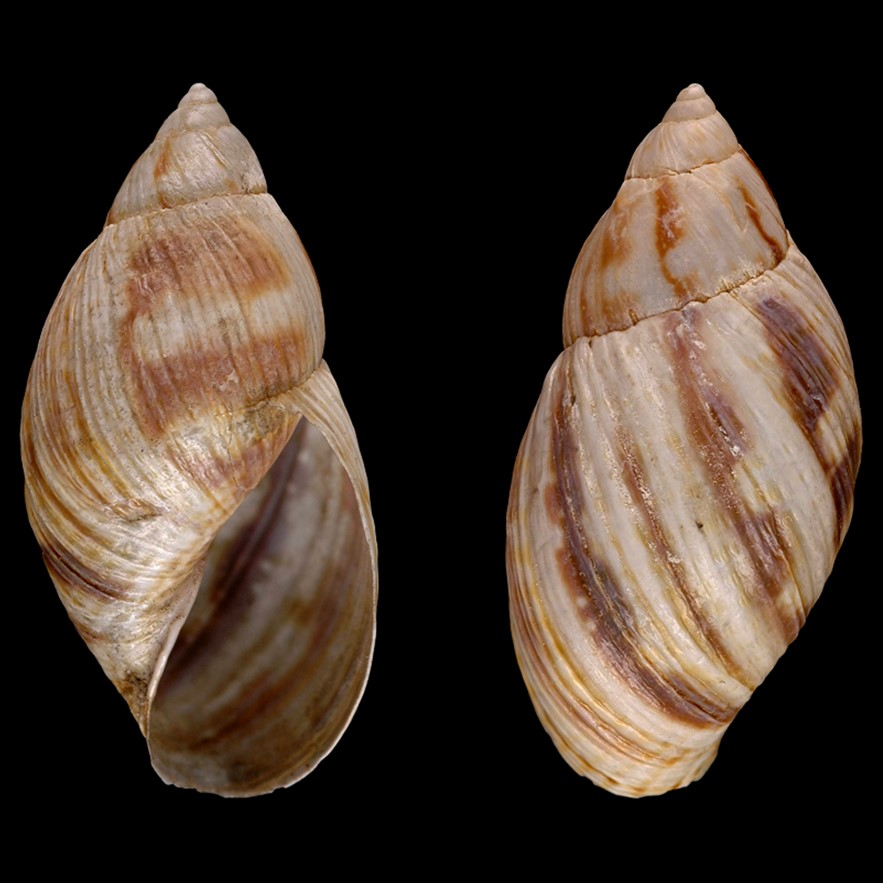
CLASSE: GASTROPODA: TERRESTRE FAMÍLIA: BOTHRIEMBRYONTIDAE ESPÉCIE: Plectostylus peruvianus (Bruguière, 1789) Tamanho médio: 32 mm Ocorrência: Peru Localidade tipo: Peru, sem localidade específica Nome original: Bulimus peruvianus Bruguière, 1789 Sinônimos: Bulimulus peruvianus (Bruguière, 1789); Bulinus gravesii P. P. King, 1832 Fotos: (1,2) Museu Nacional de História Natural, Paris: LECTOTYPE de Plectostylus peruvianus (Bruguière, 1789), MNHN-IM-2000-24188, coll. Cabinet de Bruguière, 17.5mm Fontes: Descrição original: (como Bulimus peruvianus Bruguière, 1789) Bruguière, J. G. (1789-1792). Encyclopédie méthodique ou par ordre de matières. Histoire naturelle des vers, volume 1. Paris: Pancoucke. Pp. i-xviii, 1-344 [Livraison 32, June 1789]; 345-757 [Livraison 48, 13 Feb. 1792] [Dates after Evenhuis, 2003, Zootaxa, 166: 37; Zootaxa, 207, some modified by Evenhuis & Petit 2003 Zootaxa 207:1-4]. , disponível online em https://biodiversitylibrary.org/page/8892006 página(s): 320...
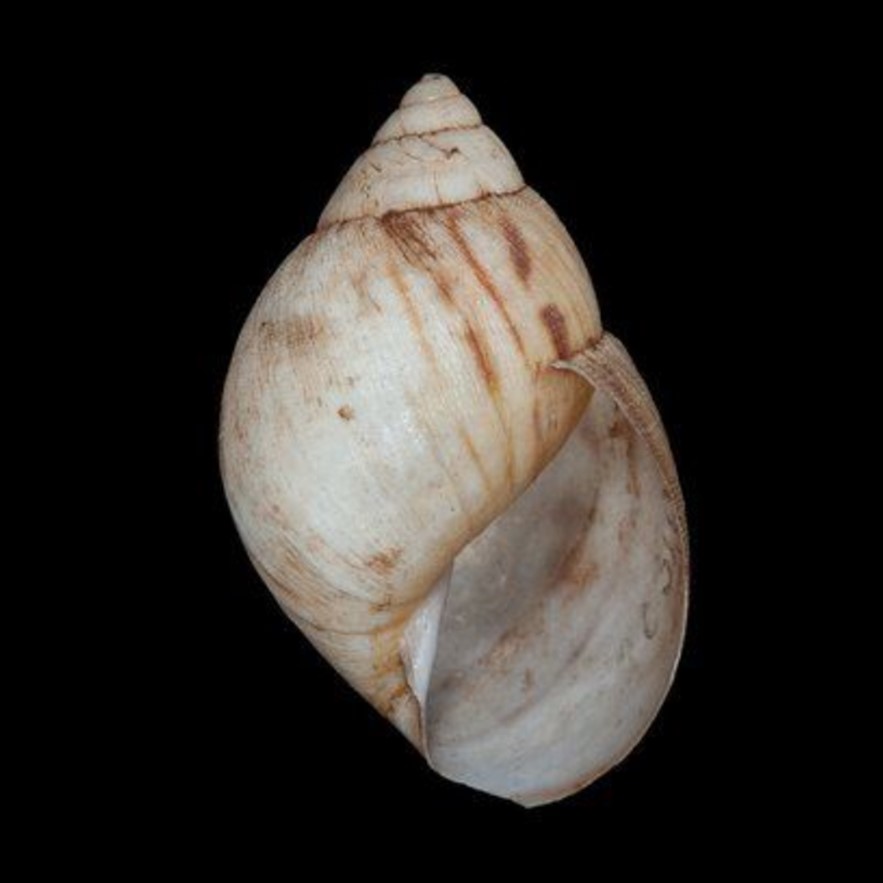
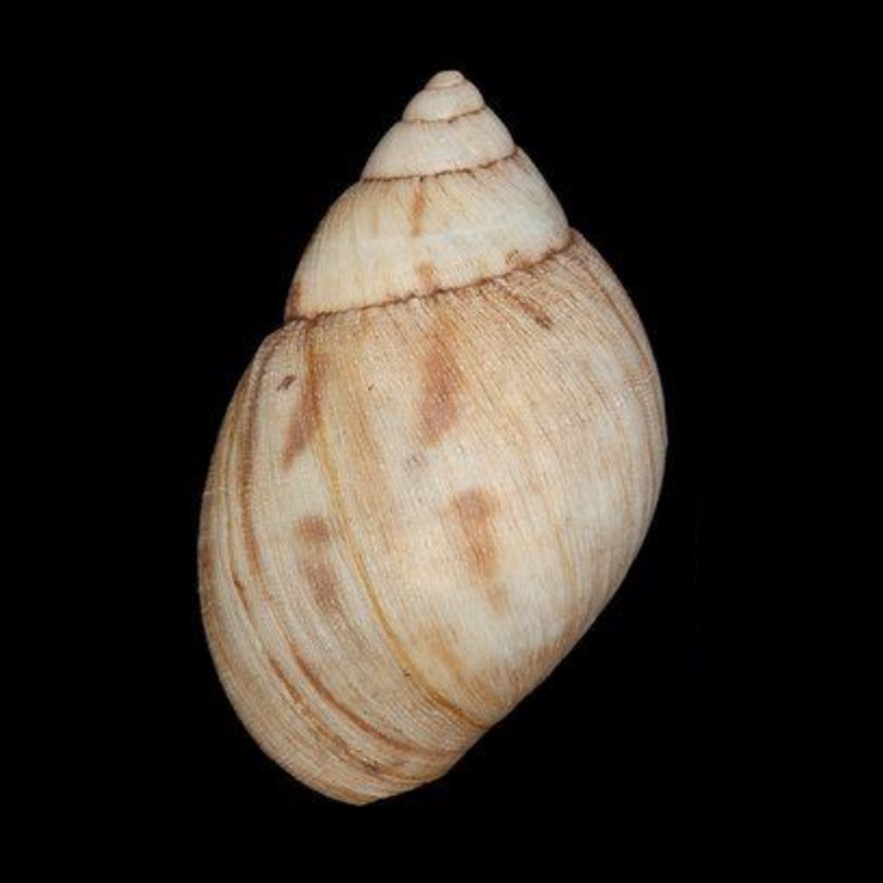
CLASSE: GASTROPODA: TERRESTRE FAMÍLIA: BOTHRIEMBRYONTIDAE ESPÉCIE: Plectostylus prolatus (A. Gould, 1846) Tamanho médio: 44 mm Ocorrência: Chile (Santiago) Localidade tipo: Chile, Santiago Nome original: Bulimus prolatus A. Gould, 1846 Descrição original: (Gould, 1846): "Testa ovoidea, antrorsum angustata, leviter striata, albido-cinerea, fasciis quatuor liturarum ferruginearum cincta : spira ovato-conica ; anfr. 5 convexiusculis : apertura elliptica, totius longitudinis dimidium adequans ; labro simplici, acuto : columella brevis, late reflexa, alba, umbilicum parvum tegens" Fotos: (1-4) Smithsonian Institution, NMNH, Invertebrate Zoology, SYNTYPES de Plectostylus prolatus (A. Gould, 1846), USNM 20310, Chile, Santiago Fontes: Descrição original: (como Bulimus prolatus A. Gould, 1846) Gould, A. A. (1846). Descriptions of new shells, collected by the United States Exploring Expedition. Proceedings of the Boston...

CLASSE: GASTROPODA: TERRESTRE FAMÍLIA: BOTHRIEMBRYONTIDAE ESPÉCIE: Plectostylus punctulifer (G. B. Sowerby I, 1833) Tamanho médio: 36 mm Ocorrência: Chile (Coquimbo) Localidade tipo: Chile Nome original: Bulinus punctulifer G. B. Sowerby I, 1833 Fotos: Araya & Catalán, 2014: Fray Jorge National Park, Região de Coquimbo, Chile, 20.2mm Figura: Breure & Ablett, 2012: (A–B, i) Plectostylus punctulifer (Sowerby I, 1833), SYNTYPE NHMUK 1975171, (H = 46.5mm); (C–D, iii) LECTOTYPE de Bulimus variegatus Pfeiffer,1842 NHMUK 1975362 (H = 46.0mm); (E–F, ii) LECTOTYPE de Bulimus reflexus Pfeiffer, 1842 NHMUK 12975358 (H = 36.9mm) Fontes: Descrição original: (como Bulinus punctulifer G. B. Sowerby I, 1833) Sowerby, G. B. I. (1833-1834). [Characters of new species of shells from the collection formed by Mr....
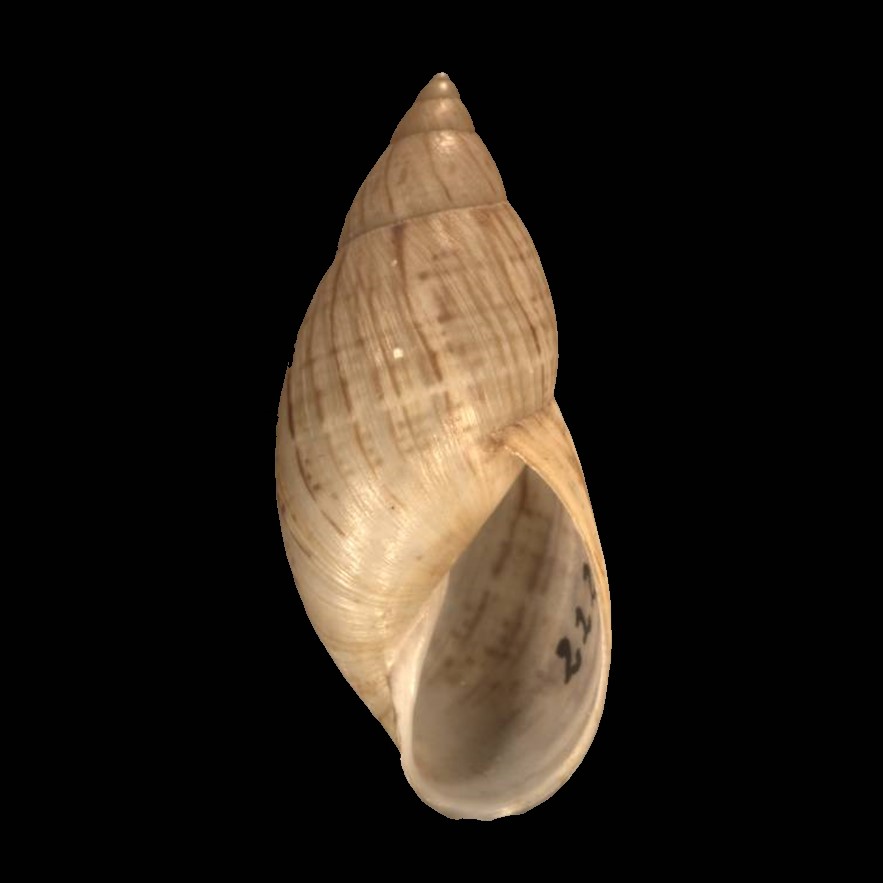
CLASSE: GASTROPODA: TERRESTRE FAMÍLIA: BOTHRIEMBRYONTIDAE ESPÉCIE: Plectostylus reflexus (L. Pfeiffer, 1842) Tamanho médio: 36 mm Ocorrência: Chile (Coquimbo) Localidade tipo: Chile, "Pichidanque near Coquimbo" Nome original: Succinea reflexa L. Pfeiffer, 1842 Fotos: Senckenberg Natural History Museum, Frankfurt: SMF 22281, tipo não especificado, 35.7mm Figura: Breure & Ablett, 2012: (A–B, i) Plectostylus punctulifer (Sowerby I, 1833), SYNTYPE NHMUK 1975171, (H = 46.5mm); (C–D, iii) LECTOTYPE de Bulimus variegatus Pfeiffer,1842, NHMUK 1975362 (h=46.0mm); (E–F, ii) LECTOTYPE de Bulimus reflexus Pfeiffer, 1842 NHMUK 12975358 (h=36.9mm) Fontes: Descrição original: (como Succinea reflexa L. Pfeiffer, 1842) Pfeiffer, L. (1842). Symbolae ad historiam Heliceorum, Part II [Sectio altera.] Kassel (Th. Fischer). 147 pp. [< 21 December]., disponível online em https://www.biodiversitylibrary.org/page/12254177 página(s): 56 Köhler, F. (2007). Annotated...
CLASSE: GASTROPODA: TERRESTRE FAMÍLIA: BOTHRIEMBRYONTIDAE ESPÉCIE: Plectostylus vagabondiae Brooks, 1936 Tamanho médio: 34 mm Habitat: vive em árvores e arbustos, "comem musgos nas árvores" (Valdovinos & Stuardo, 1988) Ocorrência: Chile (Neuquén) Localidade tipo: Chile, San Esteban [HOLOTYPE Carnegie Museum 6228185] Nome original: Plectostylus vagabondiae Brooks, 1936 Etimologia: o nome da espécie é uma referência à viagem do "Vagabondia", em que o material tipo foi coletado. Durante o inverno e início da primavera de 1936, o Yacht “Vagabondia” pertencente a W. L. Mellon de Pittsburgh (EUA) cruzou as águas do Caribe, atravessou o Canal do Panamá e foi em direção ao Pacífico Sul até a Tierra del Fuego e o Estreito de Magalhães Comentários: esta espécie tem a mesma localidade tipo de Plectostylus mariae...
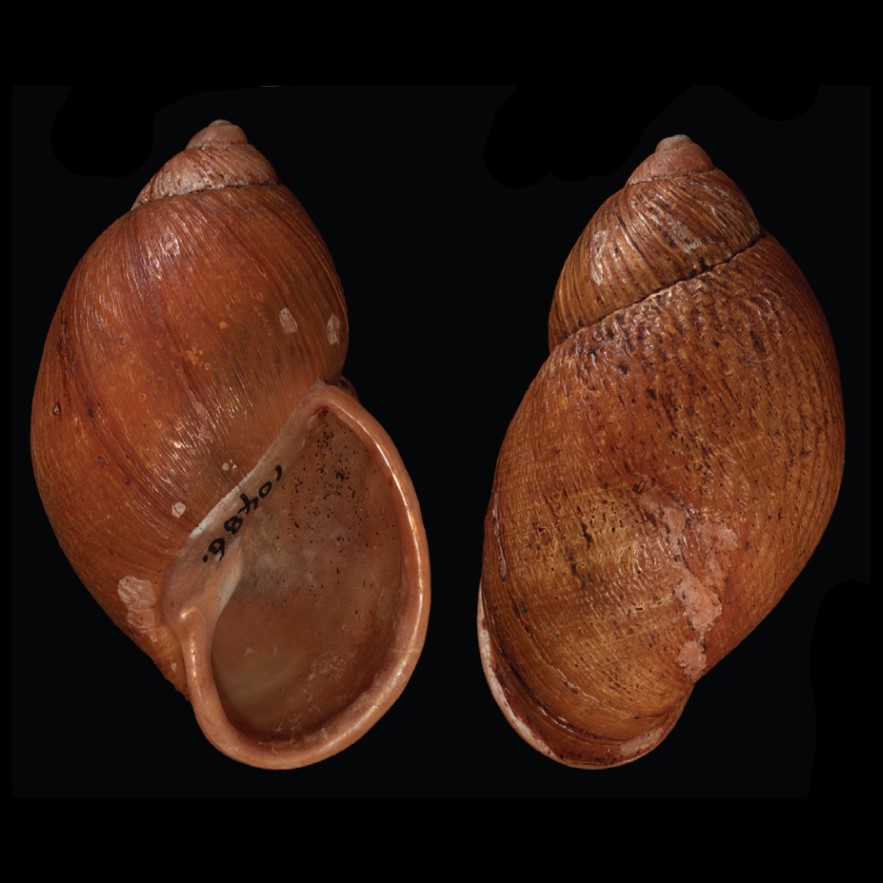
CLASSE: GASTROPODA: TERRESTRE FAMÍLIA: AMPHIBULIMIDAE ESPÉCIE: Plekocheilus alticolus (F. Haas, 1955) Tamanho médio: 45 mm Ocorrência: Venezuela, Maciço de Chimantá, conhecido apenas no Tepui Toronó Localidade tipo: Venezuela, Estado Bolívar, Tepui Torono ("6700ft: Chimantá-massif, Torono-tepui, slopes bordering Caño Mojado") Altitude: 2250 m Nome original: Plecocheilus (Plecocheilus) fulminans alticola F. Haas, 1955 Sinônimos: Plecocheilus alticola F. Haas, 1955 Fotos: (1) Salvador et al.2023: Plekocheilus alticola, AM MA114947, 39.5 mm; (2-4) Field Museum of Natural History: HOLOTYPE de Plekocheilus alticolus, FMNH 52442, coletor Julian A. Steyermark em ii.1955 Figura: Breure, 2009: Escultura de conchas de Plekocheilus: (A) Plekocheilus fulminans linterae; (B) Plekocheilus fulminans alticola; (C) Plekocheilus sophiae; (D) Plekocheilus nebulosus; (E) Plekocheilus mundiperditi; (F) Plekocheilus juliani; (G) Plekocheilus huberi; (H) Plekocheilus gibber;...

CLASSE: GASTROPODA: TERRESTRE FAMÍLIA: AMPHIBULIMIDAE ESPÉCIE: Plekocheilus ampullaroides (Mousson, 1873) Tamanho médio: 72 mm Ocorrência: Colômbia Localidade tipo: Colômbia, Bogotá Nome original: Bulimus ampullaroides Mousson, 1873 Sinônimos: Plekocheilus (Eurytus) ampullaroides (Mousson, 1873) Comentário: Segundo Borrero & Breure (2011), Plekocheilus ampullaroides é pouco conhecida e tem sido frequentemente associada a Plekocheilus coloratus Fotos: Borrero & Breure, 2011: Zoologisches Museum, Universität Zürich, Zurich, LECTOTYPE ZMUZ 511584, 72 mm Fontes: Descrição original: (como Bulimus ampullaroides Mousson, 1873) Mousson, A. (1873). Zweite Notiz über einige von Herrn Gustav Wallis aus dem nördlichen Süd-Amerika zurückgebrachte Mollusken. Malakozoologische Blätter, 21: 1-19. Cassel., disponível online em https://biodiversitylibrary.org/page/15918653 página(s): 8 Borrero & Breure, 2011. The Amphibulimidae (Mollusca: Gastropoda: Orthalicoidea) from Colombia and adjacent areas. Zootaxa. Vol. 3054 No. 1: 10...


CLASSE: GASTROPODA: TERRESTRE FAMÍLIA: AMPHIBULIMIDAE ESPÉCIE: Plekocheilus annetae Breure, 2020 Tamanho médio: ~ 38 mm Ocorrência: Venezuela, Estado Bolívar, Maciço Auyán Localidade tipo: Venezuela, Tepui Uei (6º 06' 43.7" N 62º 32' 53.6" W) Altitude: 1790 m Habitat: Animais vivos foram encontrados em uma floresta anã de Bonnetia roraimae, com muitas Brocchinia hechtioides crescendo no chão. Durante o dia os caramujos foram encontrados estivando na parte interior de bromélias Nome original: Plekocheilus (Eurytus) annetae Breure, 2020 Etimologia: o nome da espécie é uma homenagem à filha do autor, Anthonia C. Breure Fotos: (1,2) Breure, 2012: (1-2) Royal Belgium Institute of Natural Sciences: HOLOTYPE RBINS MT.3238 Figura: Breure, 2020: Plekocheilus annetae: (A–C) HOLOTYPE RBINS MT.3238; (D–E) PARATYPE RBINS MT.3239; (E) escultura no lado...
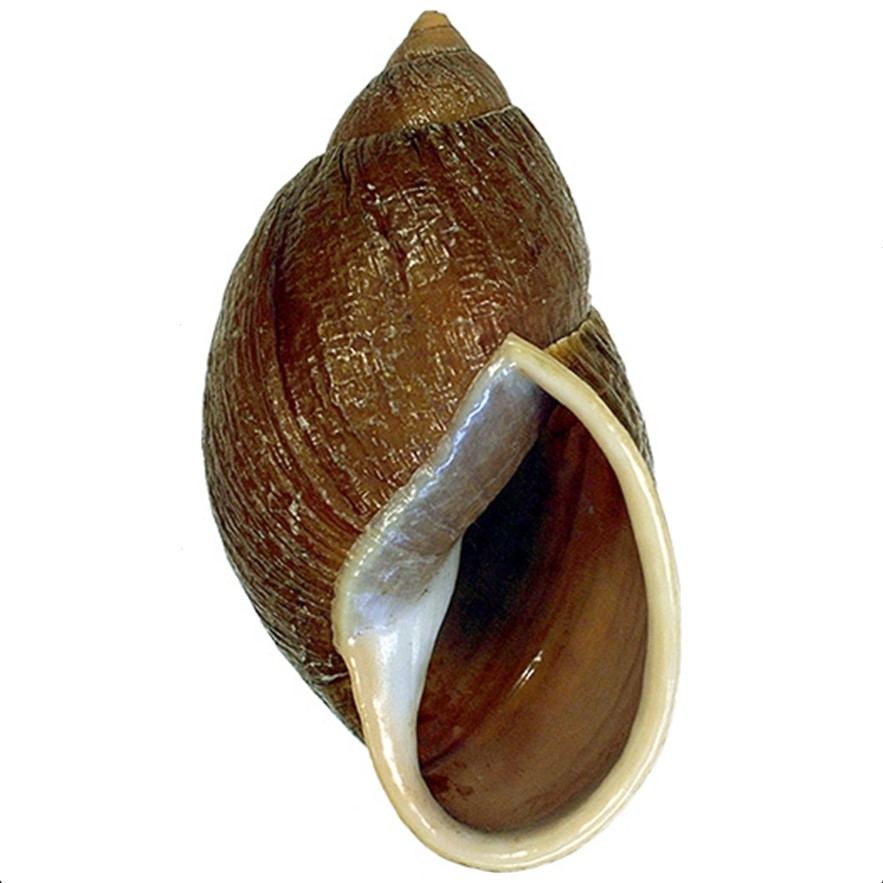
CLASSE: GASTROPODA: TERRESTRE FAMÍLIA: AMPHIBULIMIDAE ESPÉCIE: Plekocheilus appuni (Dunker, 1875) Tamanho médio: 48 mm Ocorrência: Colômbia Localidade tipo: Colômbia, Sierra Nevada de Santa Marta (LECTOTYPE ZMB 111926a) Altitude: a única precisa localidade fica a 2875 m Nome original: Bulimus appuni Dunker, 1875 Sinônimos: Plekocheilus (Plekocheilus) appuni (Dunker, 1875) Fotos: (1) Museum für Naturkunde, Berlin, LECTOTYPE ZMB 111926a, 59mm Figura: Borrero & Breure (2011): (A – C) Plekocheilus (P.) blainvilleanus (Pfeiffer, 1848), NMW Z 1981.1.118.03486 (H=60.4 mm); (D – E) Plekocheilus (P.) fulminans (Nyst, 1843), ANSP 328096 (H=47 mm); (F – H) Plekocheilus (P.) loveni (Pfeiffer, 1848), RMNH, (H=33.7 mm); (I – K) Plekocheilus (P.) appuni (Dunker, 1875), ZMB 11926 a, LECTOTYPE(H=59 mm), foto C. Zorn Fontes:...

CLASSE: GASTROPODA: TERRESTRE FAMÍLIA: AMPHIBULIMIDAE ESPÉCIE: Plekocheilus argenteus (Jousseaume, 1900) Tamanho médio: 38 mm Ocorrência: Venezuela Localidade tipo: Venezuela, Mérida Altitude: 4000 m Nome original: Euritis argenteus Jousseaume, 1900 Sinônimos: Plekocheilus (Eurytus) argenteus (Jousseaume, 1900) Fotos: (1) cortesia Femorale, 2019, Venezuela, 38 mm; (2) Museu Nacional de História Natural, Paris: SYNTYPE MNHN-IM-2000-28015, "Venezuela, pr. Merida, à 4000 m d'altitude", 24.8mm Figura: Breure & Borrero, 2011: (A–C) Plekocheilus episcopalis episcopalis (Pfeiffer, 1855), LECTOTYPE NHMUK 1953.11.30.1 (H=53.5 mm), foto: P. Crabb; (D–G) Plekocheilus episcopalis corticosus (Sowerby, 1895); (D–F) LECTOTYPE NHMUK 1907.11.21.110 (H=54 mm), foto: P. Crabb; (G) Ibidem, HOLOTYPE de Plekocheilus apolinari Pilsbry, 1935, ANSP 164566 (H=55.8 mm); (H–K) Plekocheilus episcopalis auriformis (Da Costa, 1904); (H–J) HOLOTYPE NHMUK 1907.11.21.112 (H=68.0 mm), foto: P. Crabb; (K) ANSP 174434 (H=71.0...
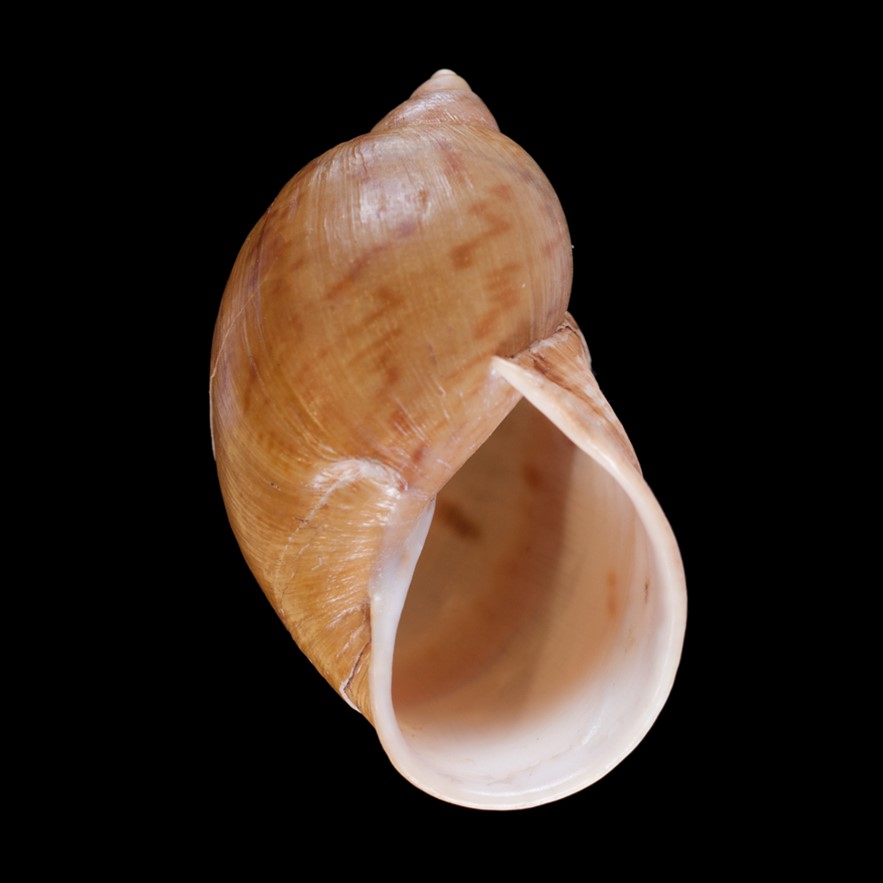
CLASSE: GASTROPODA: TERRESTRE FAMÍLIA: AMPHIBULIMIDAE ESPÉCIE: Plekocheilus aristaceus (Crosse, 1869) Tamanho médio: 48 mm Ocorrência: Equador (Chimborazo, Cotopaxi, Pichincha) Localidade tipo: "Quito, republica Aequatoris" Nome original: Bulimus aristaceus Crosse, 1869 Sinônimos: Plekocheilus (Eurytus) aristaceus (Crosse, 1869) Fotos: (1) Breure, A. S. H. & Araujo, R. (2017): Museo Nacional de Ciencias Naturales, Madrid, PARALECTOTYPE MNCN 15.05/13475, Equador, Coll. Paz Figura: Breure & Araujo (2015): Plekocheilus (Eurytus) aristaceus (Crosse, 1869), LECTOTYPE MNCN 15.05/7180 (H = 48.3mm) Fontes: Descrição original: (como Bulimus aristaceus Crosse, 1869) Crosse H. (1869). Diagnoses molluscorum novorum. Journal de Conchyliologie. 17(2): 183-188., disponível online em https://www.biodiversitylibrary.org/page/15662397 página(s): 185 Breure, A. S. H. & Araujo, R. (2017). The Neotropical land snails (Mollusca, Gastropoda) collected...
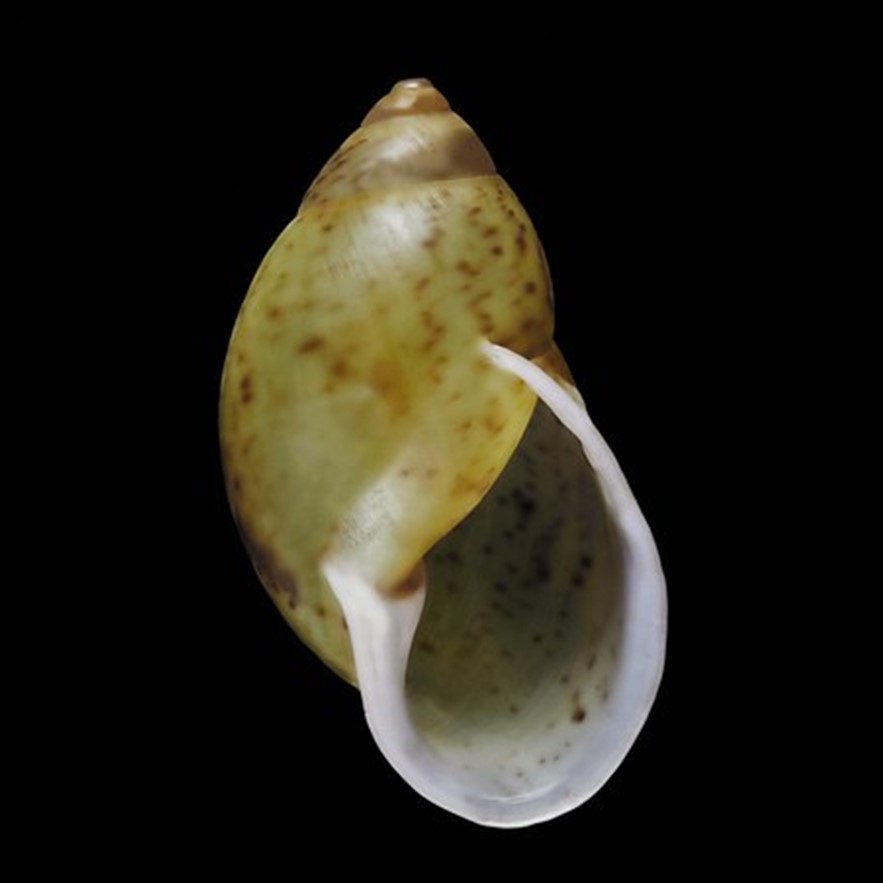
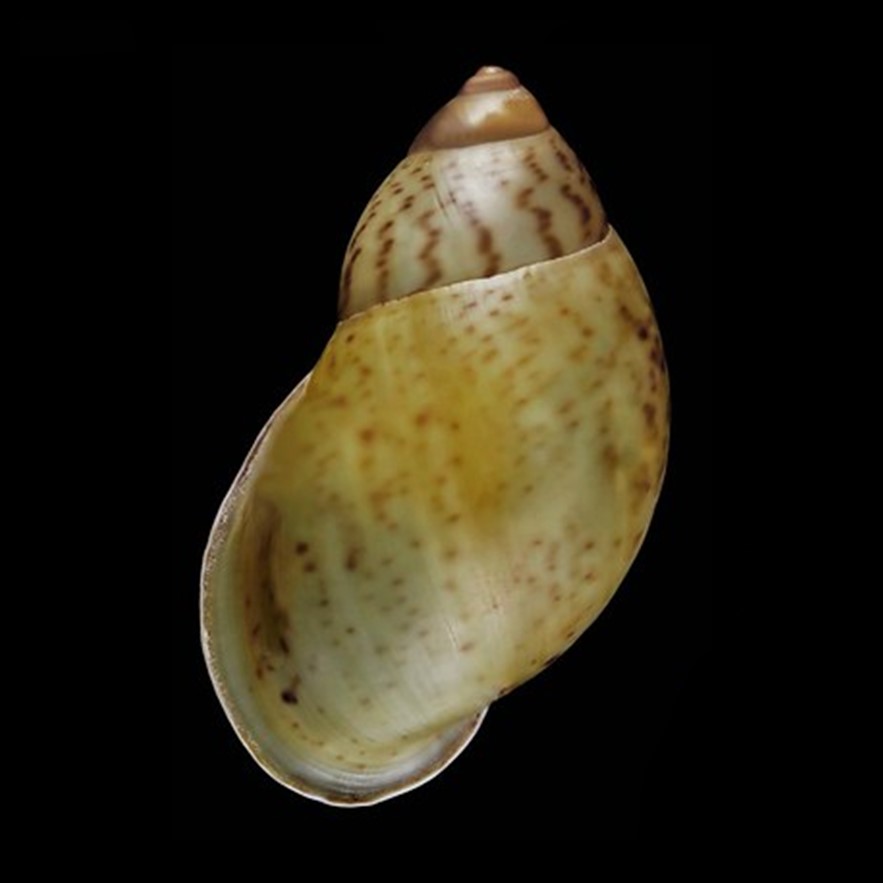
CLASSE: GASTROPODA: TERRESTRE FAMÍLIA: AMPHIBULIMIDAE ESPÉCIE: Plekocheilus aulacostylus (L. Pfeiffer, 1853) Tamanho médio: 37 mm Ocorrência: Santa Lúcia Localidade tipo: "India occident. / Inz. St. Luzia" Nome original: Bulimus aulacostylus L. Pfeiffer, 1853 Sinônimos: Bulimus lentiginosus Redfield, 1853; Plekocheilus (Eurytus) aulacostylus (L. Pfeiffer, 1853) Fotos: (1,2) Musée des Confluences, França: "West Indies", ex. Geret, 32.9mm Figura: Breure, 2013: (A-C, ii) Plekocheilus (Eurytus) lugubris (Dunker, 1882), provável SYNTYPE ZMB 117760 (H = 50.4 mm); (D-E, i) Plekocheilus (Eurytus) aulacostylus (Pfeiffer, 1853), provável SYNTYPE ZMB 112723 (H = 37.6 mm) Fontes: Descrição original: (como Bulimus aulacostylus L. Pfeiffer, 1853) Pfeiffer, L. (1853). Monographia heliceorum viventium. Sistens descriptiones systematicas et criticas omnium huius familiae generum et specierum hodie cognitarum....

CLASSE: GASTROPODA: TERRESTRE FAMÍLIA: AMPHIBULIMIDAE ESPÉCIE: Plekocheilus aureonitens (K. Miller, 1878) Tamanho médio: 53 mm Ocorrência: Equador, Província de Pichincha, Vale do Rio Pilatón Localidade tipo: Equador, “Valli Pilatonensi" Altitude: 1000 m Nome original: Eurytus aureonitens K. Miller, 1878 Sinônimos: Plekocheilus (Eurytus) aureonitens (K. Miller, 1878) Comentários: Segundo Breure & Mogollón, 2016 "esta espécie tem ocorrência conhecida apenas para a localidade tipo, e poderia ser sinônimo de Plekocheilus (Eurytus) taylorianus (Reeve, 1849) Fotos: (1) Breure & Mogollón, 2016: reprodução da figura original Miller 1879: pl. 6 fig. 2, 53.0 mm Fontes: Descrição original: (como Eurytus aureonitens K. Miller, 1878) Miller, K. (1878). Die Binnenmollusken von Ecuador. Malakozoologische Blätter. 25: 153-199., disponível online em https://www.biodiversitylibrary.org/page/15855524 página(s): 181 Breure, Bram & Mogollón, Valentin. (2016). Synopsis of...


CLASSE: GASTROPODA: TERRESTRE FAMÍLIA: AMPHIBULIMIDAE ESPÉCIE: Plekocheilus auriformis (da Costa, 1904) Tamanho médio: 74 mm Ocorrência: Colômbia Localidade tipo: “Bogotá, Colombia” Nome original: Strophocheilus (Eurytus) auriformis da Costa, 1904 Sinônimos: Plekocheilus (Eurytus) auriformis (da Costa, 1904) Fotos: (1,2) Natural History Museum, London: HOLOTYPE de Plekocheilus auriformis, NHMUK 1907.11.21.112, "Bogota, Colombia", 74mm Fontes: Descrição original: (como Strophocheilus (Eurytus) auriformis da Costa, 1904) da Costa, S. I. (1904). Description of new species of land-shells from Central and South America. Proceedings of the malacological Society of London. 6: 5-6. página(s): 5, pl. 1 fig. 1 Breure, Bram & Ablett, Jonathan. (2011). Annotated type catalogue of the Amphibulimidae (Mollusca, Gastropoda, Orthalicoidea) in the Natural History Museum, London. ZooKeys. 138. 1-52 MolluscaBase: https://www.molluscabase.org/aphia.php?p=taxdetails&id=1255495


CLASSE: GASTROPODA: TERRESTRE FAMÍLIA: AMPHIBULIMIDAE ESPÉCIE: Plekocheilus aurissciuri Guppy, 1866 Tamanho médio: 31 mm Ocorrência: Trinidad-Tobago, Venezuela, Suriname, Guiana, Guiana Francesa, Brasil (Acre) (?) Localidade tipo: Trinidad & Tobago Nome original: Plekocheilus aurissciuri Guppy, 1866 Sinônimos: Auris aurissciuri (Guppy, 1866); Auris aurissciuri var. lutea G. H. Clapp, 1927; Bulimus (Plekocheilus) aurissciuri (Guppy, 1866); Bulimus aurissciuri (Guppy, 1866); Bulimus glaber var. aurissciuri (Guppy, 1866); Plecochilus aurissciuri (Guppy, 1866); Plekocheilus (Eudolichotis) aurissciuri Guppy, 1866 Comentários: Registro para o Brasil em (1) Universidade Federal de Juiz de Fora, lote 1860, Rio Branco, Acre; (2) Salvador et al. 2023 (sem localidade específica) Fotos: (1) cortesia Femorale, 2019, Tobago; (2,3) LECTOTYPE Auris aurissciuri var. lutea, Trinidad, localidade: "Belmont, near Port of Spain, Trinidad", ANSP 89700, doador Clapp, H.G.,...

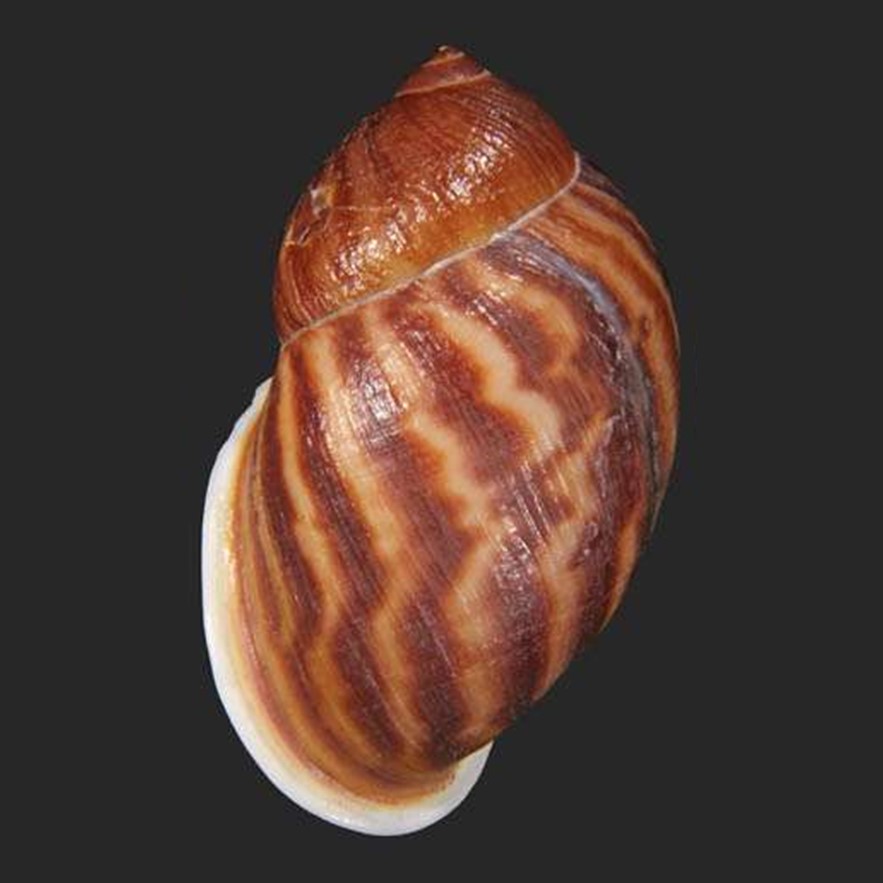
CLASSE: GASTROPODA: TERRESTRE FAMÍLIA: AMPHIBULIMIDAE ESPÉCIE: Plekocheilus aurissileni (Born, 1780) Tamanho médio: 48 mm Ocorrência: Saint Vincent and the Grenadines Habitat: em troncos de árvores Localidade tipo: nd ("Patria ignota") Nome original: Voluta aurissileni Born, 1780 Sinônimos: Auricula caprella Lamarck, 1822; Auricula chrevotin Chenu, 1847; Auricula sileni Lamarck, 1822; Bulimus (Plekocheilus) aurissileni (Born, 1780); Bulimus aegotis Menke, 1830; Bulimus aurissileni (Born, 1780); Carychium undulatum Leach, 1814; Pelekocheilus sileni Beck, 1837; Plekocheilus (Plekocheilus) aurissileni (Born, 1780); Plekocheilus undulatus (Leach, 1814) Fotos: (1) cortesia Carles Dorado (Allspira), Plekocheilus aurissileni: Richland Park, Charlotte, West Biaou, Saint Vincent Island, Saint Vincent and the Grenadines, viii.1997, 48.45 mm; (2) Rijksmuseum van Natuurlijke Historie, Leiden: RMNH. MOL.266492 Fontes: Descrição original: (como Carychium undulatum Leach, 1814) Leach, W....
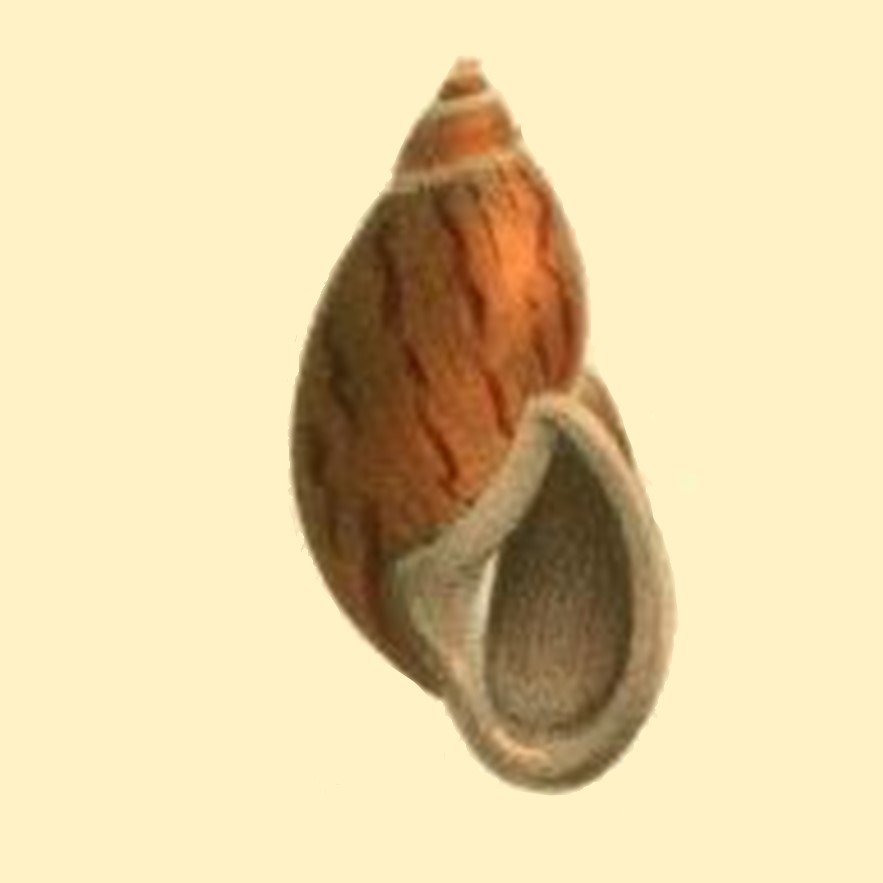
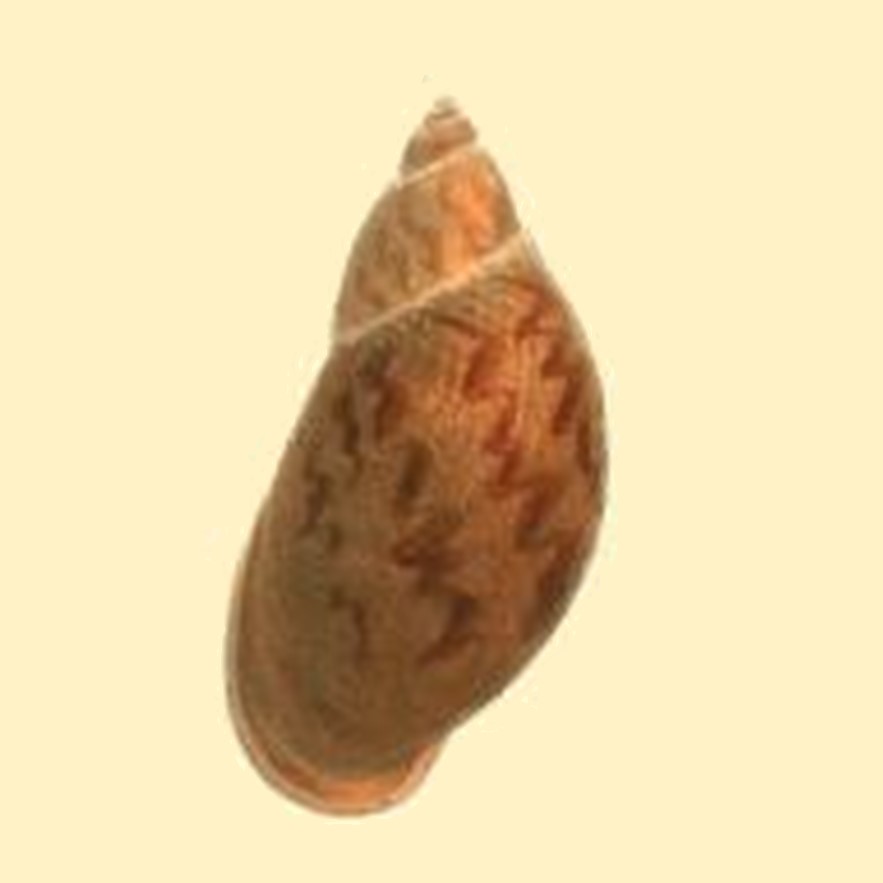
CLASSE: GASTROPODA: TERRESTRE FAMÍLIA: AMPHIBULIMIDAE ESPÉCIE: Plekocheilus bellulus (Jonas, 1844) Tamanho médio: 25 mm Ocorrência: Venezuela Localidade tipo: Venezuela (Cumaná) Comentários: a Província de Cumaná originalmente abrangia uma vasta área, incluindo o que seria atualmente o Leste da Venezuela, Oeste da Guiana e partes do Norte do Brasil Nome original: Bulimus bellulus Jonas, 1844 Descrição original: (Jonas, 1844): "B. testa ovato-oblonga, tenuiuscula, subpellucida, longiltudinaliter rugosa-striata, plicisque obliquis undulatis‚ granosa, rufo-fusca, fasciüs longitudinalibus nigris distantibus concinne picta; anfractibus quinque, primis convexiusculis, ullimo magno, ventricoso, obliquo; sutura sub-crispa, albo-marginata; apertura ovali, peristomate incrassato, reflexo, columella lata, oblique adscendente, ineunte, lamina callosa labia jungente; fauce & marginibus violaceis" Fotos: Jonas, 1844: reprodução do desenho original, Plate Tab. III, fig 3 ...


CLASSE: GASTROPODA: TERRESTRE FAMÍLIA: AMPHIBULIMIDAE ESPÉCIE: Plekocheilus bigener Borrero & Breure, 2011 Tamanho médio: 29 - 38 mm Ocorrência: Colômbia Localidade tipo: Colômbia, Risaralda, Parque Nacional Natural Tatamá, Cerro Tatamá Altitude: 3600 - 3770 m Habitat: a espécie foi encontrada em “páramos” com Espeletia frontinoensis (Asteraceae) e Chusquea tessellata (Poaceae) Nome original: Plekocheilus (Plekocheilus) bigener Borrero & Breure, 2011 Etimologia: o nome da espécie deriva da palavra em Latim "bigener", que significa híbrido (hybrid); uma referência à natureza híbrida da escultura da concha, que ocorre nos 2 subgêneros Plekocheilus s. str. e Plekocheilus (Eurytus) Descrição: (Borreto & Breure, 2012): "Shell up to 38.2 mm, 1.72 times as high as wide, imperforate, ovate, sides of spire slightly convex, moderately solid. Color light to...

CLASSE: GASTROPODA: TERRESTRE FAMÍLIA: AMPHIBULIMIDAE ESPÉCIE: Plekocheilus bisuturalis (Pilsbry, 1895) Tamanho médio: 46 mm Ocorrência: Colômbia, Brasil (?) Localidade tipo: San José de Cucuta, norte do Departamento de Santander, Colômbia Sinônimos: Auris distorta bisuturalis Pilsbry, 1896; Eudolichotis bisuturalis (Pilsbry, 1895) Comentários: Simone, 2006 considera como espécie válida, porém Molluscabase, 2024 como sinônimo de Pleckocheilus distortus (Bruguière, 1789) Fotos: (1) The Academy of Natural Sciences, Philadelphia, LECTOTYPE Auris distorta var. bisuturalis, ANSP 25421, San José de Cucuta, Colômbia, 46.1mm Figura: Borrero & Breure, 2011: Plekocheilus (Eudolichotis): ( A – F) Plekocheilus (E.) dillwynianus (Pfeiffer, 1853); (A – C) LECTOTYPE NHMUK 1975144 (H = 38.1 mm), foto P. Crabb; (D – F) LECTOTYPE de Plekocheilus spectrum Albers, 1854, ZMB 101797 (H =...
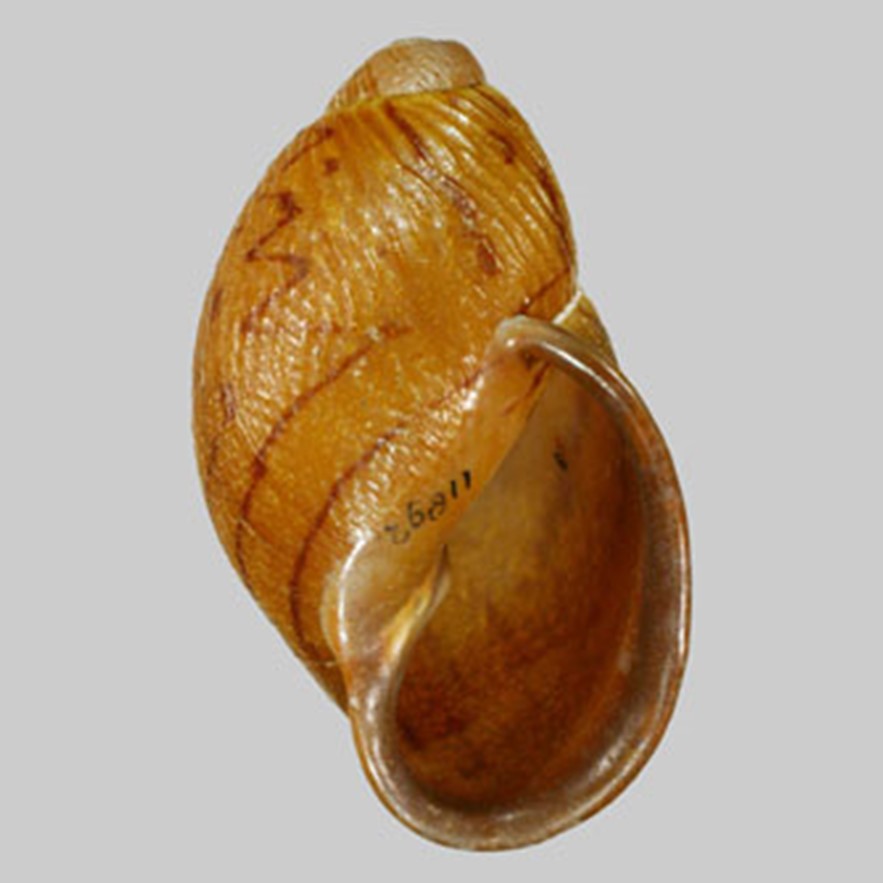
CLASSE: GASTROPODA: TERRESTRE FAMÍLIA: AMPHIBULIMIDAE ESPÉCIE: Plekocheilus blainvilleanus (L. Pfeiffer, 1848) Tamanho médio: 50 mm Ocorrência: Venezuela Localidade tipo: Venezuela, Estado de Mérida, Jají Nome original: Bulimus blainvilleanus L. Pfeiffer, 1848 Sinônimos: Bulimus (Dryptus) blainvilleanus (L. Pfeiffer, 1848); Plekocheilus (Plekocheilus) blainvilleanus (L. Pfeiffer, 1848) Fotos: (1) NMR 11892, 50mm, crédito: Joop Trausel & Frans Slieker Figura: Borrero & Breure (2011): (A – C) Plekocheilus blainvilleanus (Pfeiffer, 1848), NMW Z 1981.1.118.03486 (H=60.4 mm); (D – E) Plekocheilus (P.) fulminans (Nyst, 1843), ANSP 328096 (H=47 mm); (F – H) Plekocheilus (P.) loveni (Pfeiffer, 1848), RMNH, (H=33.7 mm); (I – K) Plekocheilus (P.) appuni (Dunker, 1875), ZMB 11926 a, LECTOTYPE (H=59 mm), foto C. Zorn Fontes: Descrição original: (como...

CLASSE: GASTROPODA: TERRESTRE FAMÍLIA: AMPHIBULIMIDAE ESPÉCIE: Plekocheilus breweri Breure & Schlögl, 2010 Tamanho médio: 41.7 mm Ocorrência: Venezuela, Estado Bolívar, Maciço Chimantá Localidade tipo: Venezuela, Estado Bolívar, Maciço de Chimantá, Tepui Churí Altitude: 2405 m Nome original: Plekocheilus breweri Breure & Schlögl, 2010 Etimologia: o nome da espécie é uma homenagem a Charles Brewer-Carias (Caracas), que durante muitos anos tem estimulado a pesquisa científica na região de Tepuis da Guiana, através de expedições na região Fotos: Breure & Schlögl 2010: (1-2) Royal Belgium Institute of Natural Sciences: HOLOTYPE RMNH 114235, 05°16'44.9"N 062°00'56.35"W, 2405 m de altitude, J. Schlögl leg., ii.2009 Figura: Breure & Schlögl 2010: (A–C) Plekocheilus vlceki, HOLOTYPE RMNH 114233; (D–G) Plekocheilus breweri, HOLOTYPE RMNH 114235. escala = 1...


CLASSE: GASTROPODA: TERRESTRE FAMÍLIA: AMPHIBULIMIDAE ESPÉCIE: Plekocheilus bruggeni Breure, 1978 Tamanho médio: 40 mm Ocorrência: Peru, Departamento de Pasco Localidade tipo: Peru, Departamento de Pasco, Huancabamba Altitude: 1750 m Nome original: Plekocheilus (Eurytus) bruggeni Breure, 1978 Etimologia: o nome da espécie é uma homenagem ao malacólogo, entomólogo e botânico Holandês, Dr Adolph Cornelis van Bruggen (1929 – 2016), colega do autor Comentários: Esta espécie foi descrita com base no material de Preston, que foi recolhido presumivelmente no final do século XIX. Esta espécie não foi coletada desde então (Breure, 2020) Fotos: (1-3) Natural History Museum, London: HOLOTYPE NHMUK 1911.11.2.88 (ex Preston), 39mm Fontes: Descrição original: Breure, A. S. H. (1978). Notes on and descriptions of Bulimulidae (Mollusca,...


CLASSE: GASTROPODA: TERRESTRE FAMÍLIA: AMPHIBULIMIDAE ESPÉCIE: Plekocheilus calliostomus (Dohrn, 1882) Tamanho médio: 30 mm Ocorrência: Colômbia (Boyacá) Localidade tipo: "provincia Antioquia, Novae Granadae" Nome original: Bulimus (Eurytus) calliostoma Dohrn, 1882 Sinônimos: Plekocheilus (Aeropictus) calliostomus (Dohrn, 1882); Plekocheilus calliostoma ( Dohrn, 1882) Fotos: (1) Borrero & Breure, 2011: Plekocheilus (A.) calliostoma (Dohrn, 1882), Colección Mastozoológica del Centro de Investigación en Biodiversidad y Conservación, Universidad Autónoma del Estado de Morelos, CMC C 13263 Fontes: Descrição original: (como Bulimus (Eurytus) calliostoma Dohrn, 1882) Dohrn, H. (1882). Beiträge zur Kenntnis der südamerikanischen Landconchylien. Jahrbücher der Deutschen Malakozoologischen Gesellschaft. 9: 97-115., disponível online em https://www.biodiversitylibrary.org/page/16359890 Breure, A. S. H. (1978). Notes on and descriptions of Bulimulidae (Mollusca, Gastropoda). Zoologische Verhandelingen. 164(1): 3-255 Borrero, Francisco J. & Breure,...


CLASSE: GASTROPODA: TERRESTRE FAMÍLIA: AMPHIBULIMIDAE ESPÉCIE: Plekocheilus camaritagua Borrero & Breure, 2011 Tamanho médio: 57 mm Ocorrência: Colômbia, Departamento de Amazonas Localidade tipo: Colômbia, Amazonas, "Corregimiento La Pedrera, Resguardo Indígena de Camaritagua , towards El Francisco" Nome original: Plekocheilus camaritagua Borrero & Breure, 2011 Sinônimos: Plekocheilus (Eurytus) camaritagua Borrero & Breure, 2011 Descrição: (Borrero & Breure, 2011): "Shell 57 mm, 1.5 times longer than wide, imperforate, sides hardly convex, rather solid. Color pale yellowish-brown with darker lines of the same color along the growth striae, crossed by reddish-brown, oblique streaks, showing some zigzags especially on the upper part of the last whorl, and bordered by a narrow, yellowish “shadow;” upper whorls lighter, eroded. Surface not shining, upper whorls with growth striae, on the last...

CLASSE: GASTROPODA: TERRESTRE FAMÍLIA: AMPHIBULIMIDAE ESPÉCIE: Plekocheilus cardinalis (L. Pfeiffer, 1853) Tamanho médio: 46 mm Ocorrência: Colômbia (Borrero and Breure 2011); Equador, Províncias de Napo, Pastaza, Pichincha (Breure and Borrero 2008, Borrero and Breure 2011) Localidade tipo: Equador, "Quito" Nome original: Bulimus cardinalis L. Pfeiffer, 1853 Sinônimos: Plekocheilus (Eurytus) cardinalis (L. Pfeiffer, 1853) Fotos: (1) Breure & Mogollón, 2016: Pleckocheilus (Eurytus) cardinalis (Pfeiffer, 1853), SYNTYPE ZMB 112721, 46.0 mm Figura: Breure, A. S. H. & Araujo, R. (2017): (A) Plekocheilus aristaceus (Crosse, 1869), MNCN 15.05/13475; (B) Plekocheilus cardinalis (Pfeiffer, 1853), MNCN 15.05/13705; (C) Plekocheilus floccosus (Spix in Wagner, 1827), MNCN 15.05/76205; (D-E) Plekocheilus jimenezi (Hidalgo, 1872), MNCN 15.05/3158. Linha da escala 5 mm (A, B), 1 cm (C–E) ...
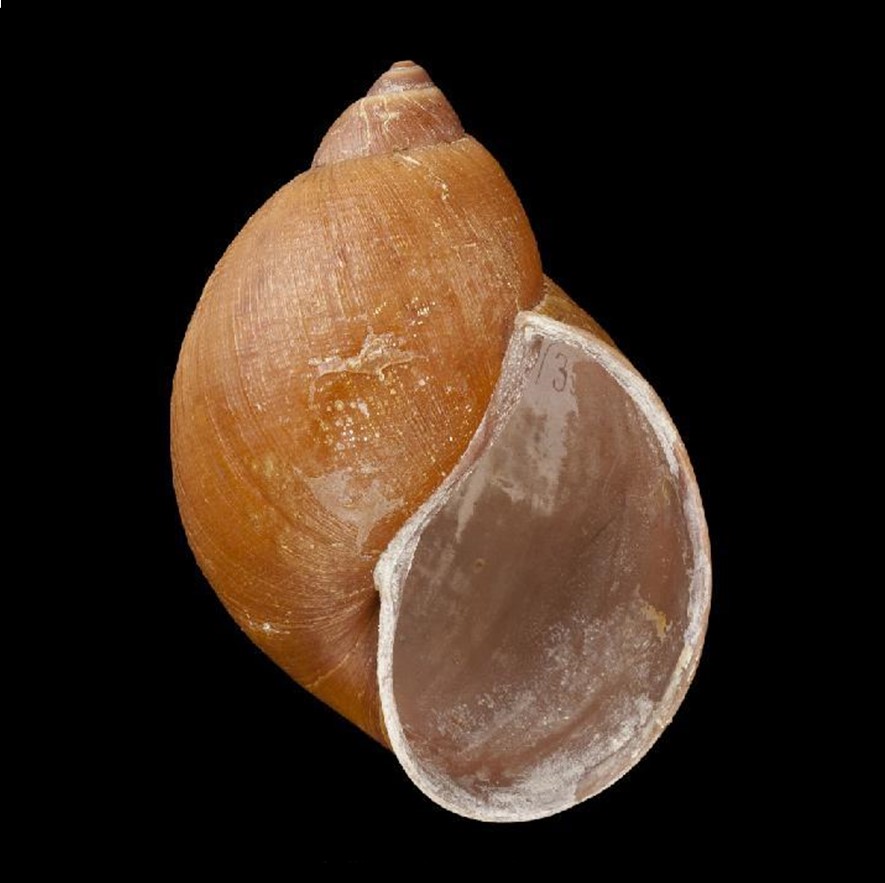
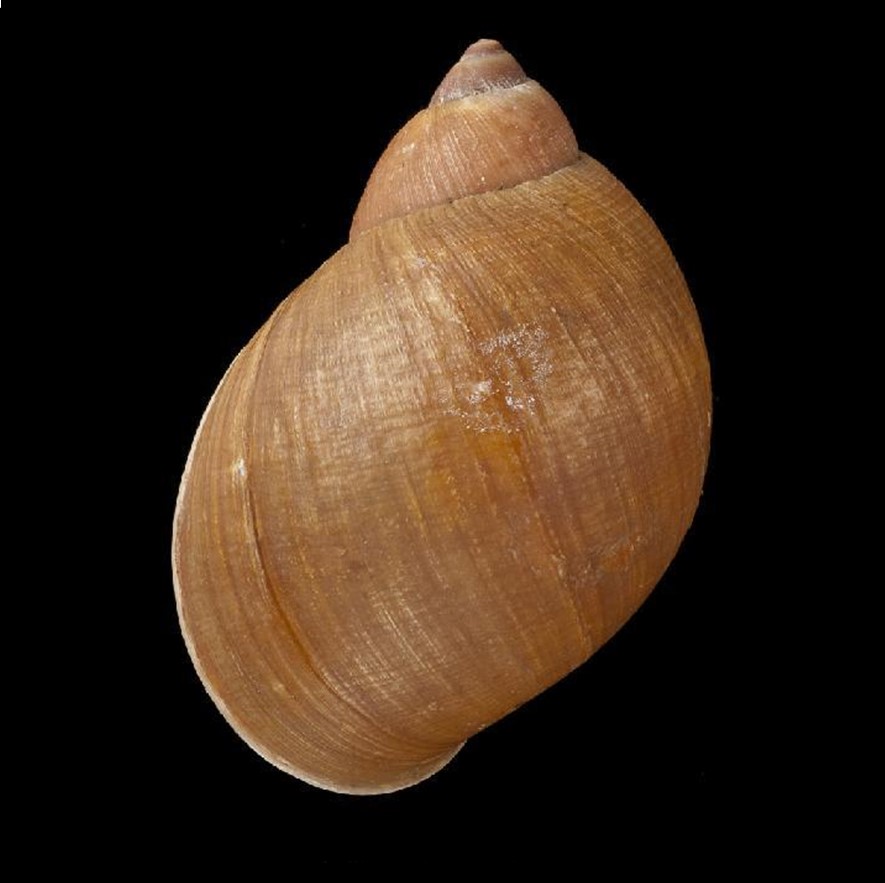
CLASSE: GASTROPODA: TERRESTRE FAMÍLIA: AMPHIBULIMIDAE ESPÉCIE: Plekocheilus castaneus (L. Pfeiffer, 1845) Tamanho médio: 70 mm Ocorrência: Venezuela Localidade tipo: “Nova Granada; Vegas on the river Quenden” Nome original: Bulimus castaneus L. Pfeiffer, 1845 Sinônimos: Plekocheilus (Eurytus) castaneus (L. Pfeiffer, 1845) Fotos: (1-3) Natural History Museum, London: LECTOTYPE NHMUK 1975279, coll Hugh Cuming, "Vegas of the River Quenden", 70mm Fontes: Descrição original: (como Bulimus castaneus L. Pfeiffer, 1845) Pfeiffer, L. (1845). Description of twenty-two new species of land-shells, belonging to the collection of Mr. H. Cuming. Proceedings of the Zoological Society of London. 13(147): 63–68. London [30 September]., disponível online em https://www.biodiversitylibrary.org/page/12862559 página(s): 68 Breure, Bram & Ablett, Jonathan. (2011). Annotated type catalogue of the Amphibulimidae (Mollusca, Gastropoda, Orthalicoidea) in the Natural...


CLASSE: GASTROPODA: TERRESTRE FAMÍLIA: AMPHIBULIMIDAE ESPÉCIE: Plekocheilus cathcartiae (Reeve, 1848) Tamanho médio: 37 mm Ocorrência: Venezuela, Colômbia Localidade tipo: Venezuela, “New Granada, Prov. Mérida” Nome original: Bulimus cathcartiae Reeve, 1848 Sinônimos: Plekocheilus (Aeropictus) cathcartiae (Reeve, 1848) Fotos: (1-3) Natural History Museum, London: LECTOTYPE NHMUK 1975288, Venezuela, Província de Mérida Fontes: Descrição original: (como Bulimus cathcartiae Reeve, 1848) Reeve, L. A. (1848-1850). Monograph of the genus Bulimus. In: Conchologia Iconica, or, illustrations of the shells of molluscous animals, 5: Pls 1–89 and unpaginated text. L. Reeve & Co., London [pls 1-9, Apr 1848; 10-12, 15-19, May 1848; 13, 14, 20-25, Jun 1848; 26-33, Jul 1848; 34, 35, Aug 1848; 36, 37, Sep 1848; 38-45, Oct 1848; 46-53, Nov 1848; 54-57, Dec 1848; 58-61, Jan 1849;...


CLASSE: GASTROPODA: TERRESTRE FAMÍLIA: AMPHIBULIMIDAE ESPÉCIE: Plekocheilus cecepeus Breure & R. Araujo, 2015 Tamanho médio: 37.8 - 45.0 mm Ocorrência: Equador Localidade tipo: Equador, "Quito" (localidade imprecisa) Nome original: Plekocheilus (Plekocheilus) cecepeus Breure & R. Araujo, 2015 Etimologia: o nome da espécie é formado da abreviatura de ‘Comisión Científica do Pacífico’ (CCP), uma homenagem aos membros da expedição desta comissão, ou seja, Patricio María Paz y Membiela (1808–1874), Manuel Almagro (1834–1895), Fernando Amor (1820–1863), Francisco de Paula Martínez y Sáez (1835–1898), Marcos Jiménez de la Espada (1831–1898), Rafael Castro y Ordóñez (1834–1865) e Juan Isern (1825–1866). Há 150 anos eles retornaram com muitas espécies não descritas e essa novidade permaneceu todos esses anos nas prateleiras de museus Zoobank: http://zoobank.org/5546825B-CF3D-4056-8778-AB58D5824937 Fotos: (1,2) Breure...


CLASSE: GASTROPODA: TERRESTRE FAMÍLIA: AMPHIBULIMIDAE ESPÉCIE: Plekocheilus coloratus (Nyst, 1845) Tamanho médio: 60 mm Ocorrência: Venezuela, Colômbia (Norte de Santander) Localidade tipo: Venezuela Nome original: Bulimus coloratus Nyst, 1845 Sinônimos: Bulimus coloratus subplicatus L. Pfeiffer, 1855; Bulimus lamarckianus L. Pfeiffer, 1848; Eurytus coloratus (Nyst, 1845); Plekocheilus (Eurytus) coloratus (Nyst, 1845) Fotos: (1-3) Natural History Museum, London: LECTOTYPE de Bulimus lamarckianus Pfeiffer, 1848, NHMUK 1975295, "Andes of New Granada, 8000 feet high (Funck)", 2440 m de altitude, coll. Hugh Cuming, 62.4mm; (4) Collection of Natural History Museum Rotterdam, NMR 11917, Ocana, Norte de Santander, Colômbia, 67mm Fontes: Descrição original: (como Bulimus coloratus Nyst, 1845) Nyst, P. H. (1845). Description de deux Bulimes nouveaux de la Colombie. Bulletin de l'Académie Royale des...
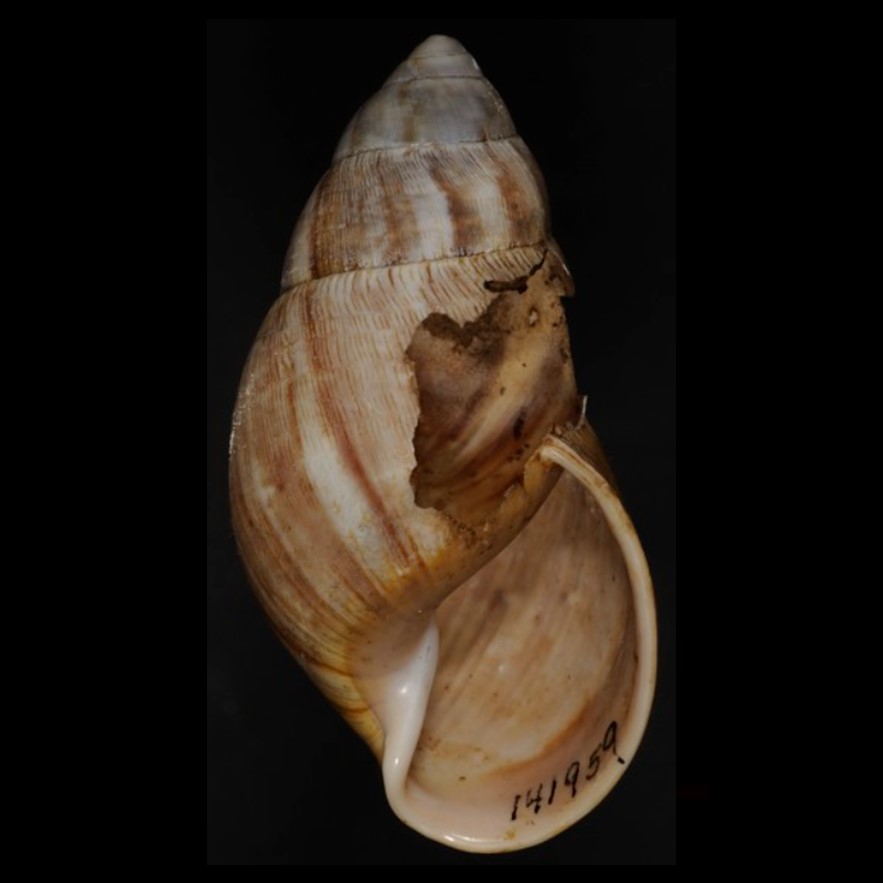
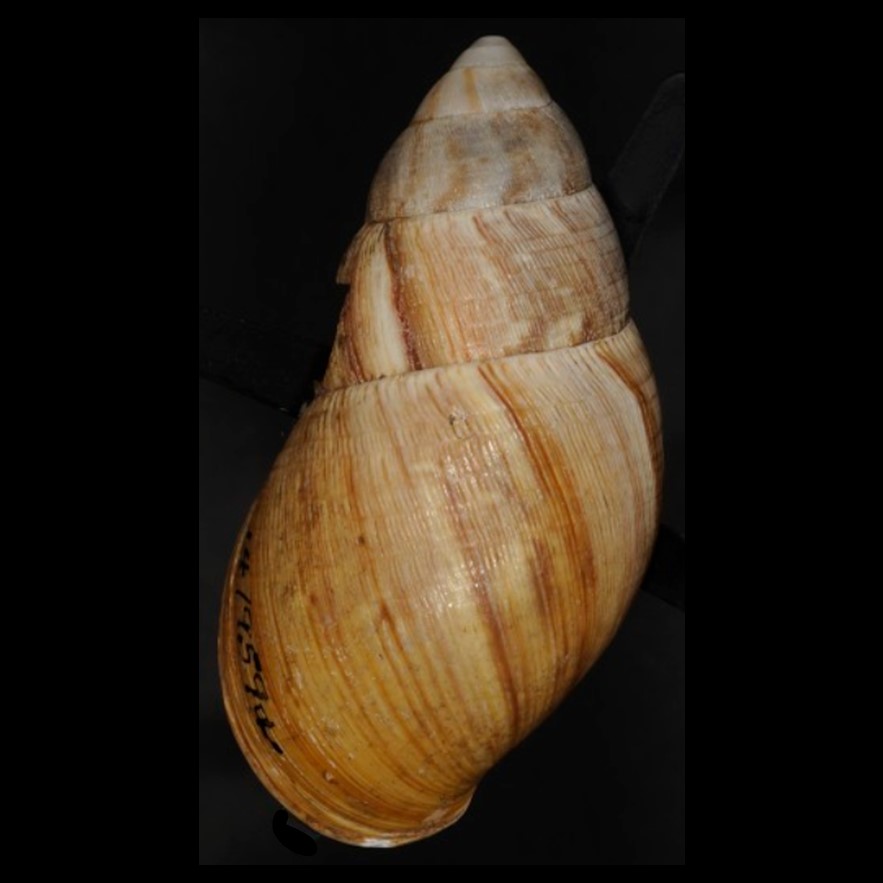
CLASSE: GASTROPODA: TERRESTRE FAMÍLIA: AMPHIBULIMIDAE ESPÉCIE: Plekocheilus conspicuus Pilsbry, 1932 Tamanho médio: 64 mm Ocorrência: Peru, Tumbes Localidade tipo: Peru, Departamento de Tumbes, "near Huasimal along Casadero - Balla Vista Trail" Altitude: 1220 m Nome original: Plekocheilus conspicuus Pilsbry, 1932 Sinônimos: Plecocheilus (Eurytus) conspicuus Pilsbry, 1932; Thaumastus conspicuous (Pilsbry, 1932) Comentários: Breure & Mogollón, 2016 considera Plekocheilus conspicuus como sinônimo de Thaumastus hartwegi (Pfeiffer in Philippi, 1846) Fotos: (1-3) The Academy of Natural Sciences, Philadelphia: HOLOTYPE ANSP 141959, coll. Olsson, A. A., 27.vii.1926, 64.5mm Fontes: Descrição original: Pilsbry, H. A. (1932). South American land and freshwater mollusks, 8. Collections of the Carriker-Roberts Peruvian expedition of 1932. Proceedings of the Academy of Natural Sciences of Philadelphia. 84: 387-402. página(s): 390, pl....
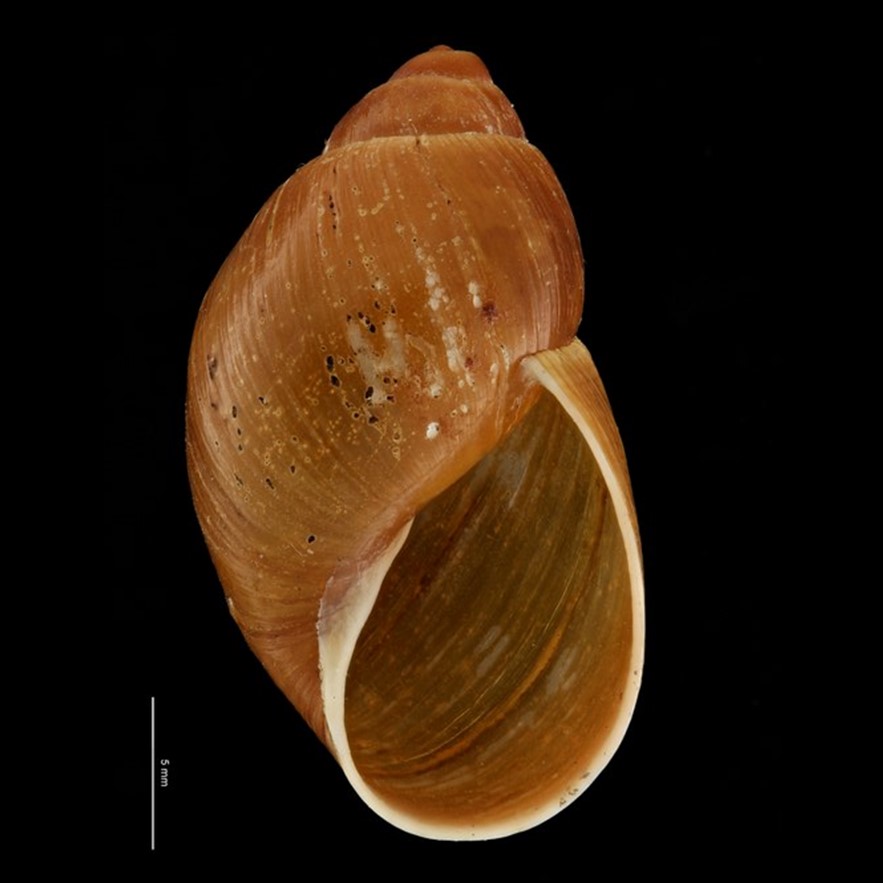

CLASSE: GASTROPODA: TERRESTRE FAMÍLIA: AMPHIBULIMIDAE ESPÉCIE: Plekocheilus dalmasi (Dautzenberg, 1900) Tamanho médio: 25 mm Ocorrência: Colômbia, Sierra Nevada de Santa Marta Localidade tipo: não informada na descrição original Nome original: Plecochilus dalmasi Dautzenberg, 1900 Sinônimos: Plekocheilus (Eurytus) dalmasi (Dautzenberg, 1900) Fotos: (1-3) Institut Royal des Sciences Naturelles de Belgique, LECTOTYPE IRSNB/KBIN MT668, "Magdalena/La Guajira, Sierra Nevada de Santa Marta", leg./1896 Figura: Breure & Borrero, 2011: (A–C) Plekocheilus episcopalis episcopalis (Pfeiffer, 1855), LECTOTYPE NHMUK 1953.11.30.1 (H=53.5 mm), foto: P. Crabb; (D–G) Plekocheilus episcopalis corticosus (Sowerby, 1895); (D–F) LECTOTYPE NHMUK 1907.11.21.110 (H=54 mm), foto: P. Crabb; (G) Ibidem, HOLOTYPE de Plekocheilus apolinari Pilsbry, 1935, ANSP 164566 (H=55.8 mm); (H–K) Plekocheilus episcopalis auriformis (Da Costa, 1904); (H–J) HOLOTYPE NHMUK 1907.11.21.112 (H=68.0 mm), foto: P. Crabb; (K) ANSP 174434 (H=71.0 mm); (L–N) Plekocheilus subglandiformis (Mousson,...


CLASSE: GASTROPODA: TERRESTRE FAMÍLIA: AMPHIBULIMIDAE ESPÉCIE: Plekocheilus delicatus (Pilsbry, 1935) Tamanho médio: 30 - 36 mm Ocorrência: Colômbia (Cundinamarca) Localidade tipo: Colômbia, "Soacha near Bogotá" Nome original: Plectostylus delicatus Pilsbry, 1935 Sinônimos: Plekocheilus (Aeropictus) delicatus (Pilsbry, 1935) Fotos: (1-3) The Academy of Natural Sciences, Philadelphia: HOLOTYPE de Plectostylus delicatus, ANSP 164577, coll. Vicente Guevara, 1934, "Soacha, near Bogota, Colombia", 31mm; (4) Museu de Zoologia da Universidade de São Paulo: TOPOTYPE MZSP 64103, coll. Vicente Guevara, Colômbia, Bogotá, "sent by Museum of Comparative Zoology, Cambridge, Massachusetts" Fontes: Descrição original: (como Plectostylus delicatus Pilsbry, 1935) Pilsbry, H. A. (1935). South American land and freshwater mollusks. 9. Colombian species. Proceedings of the Academy of Natural Sciences of Philadelphia. 87: 83-88 Borrero, Francisco...

CLASSE: GASTROPODA: TERRESTRE FAMÍLIA: AMPHIBULIMIDAE ESPÉCIE: Plekocheilus dillwynianus (L. Pfeiffer, 1853) Tamanho médio: 39 mm Ocorrência: Venezuela Localidade tipo: "Andibus Novae Granadae" Nome original: Bulimus dillwynianus L. Pfeiffer, 1853 Sinônimos: Bulimus spectrum Albers, 1854; Plekocheilus (Eudolichotis) dillwynianus (L. Pfeiffer, 1853); Plekocheilus spectrum (Albers, 1854) Fotos: Natural History Museum, London: LECTOTYPE de Bulimus dillwynianus Pfeiffer, 1853, NHMUK 1975144, "Andes of New Granada", 39.5mm Figura: Borrero & Breure, 2011: Plekocheilus (Eudolichotis): ( A – F) Plekocheilus dillwynianus (Pfeiffer, 1853); (A – C) LECTOTYPE NHMUK 1975144 (H = 38.1 mm), foto P. Crabb; (D – F) LECTOTYPE de Plekocheilus spectrum Albers, 1854, ZMB 101797 (H = 43 mm), foto C. Zorn; (G – H) Plekocheilus (E.) distortus (Bruguière, 1789), SYNTYPE de Plekocheilus bisuturalis Pilsbry 1896, ANSP 25421 (H=...
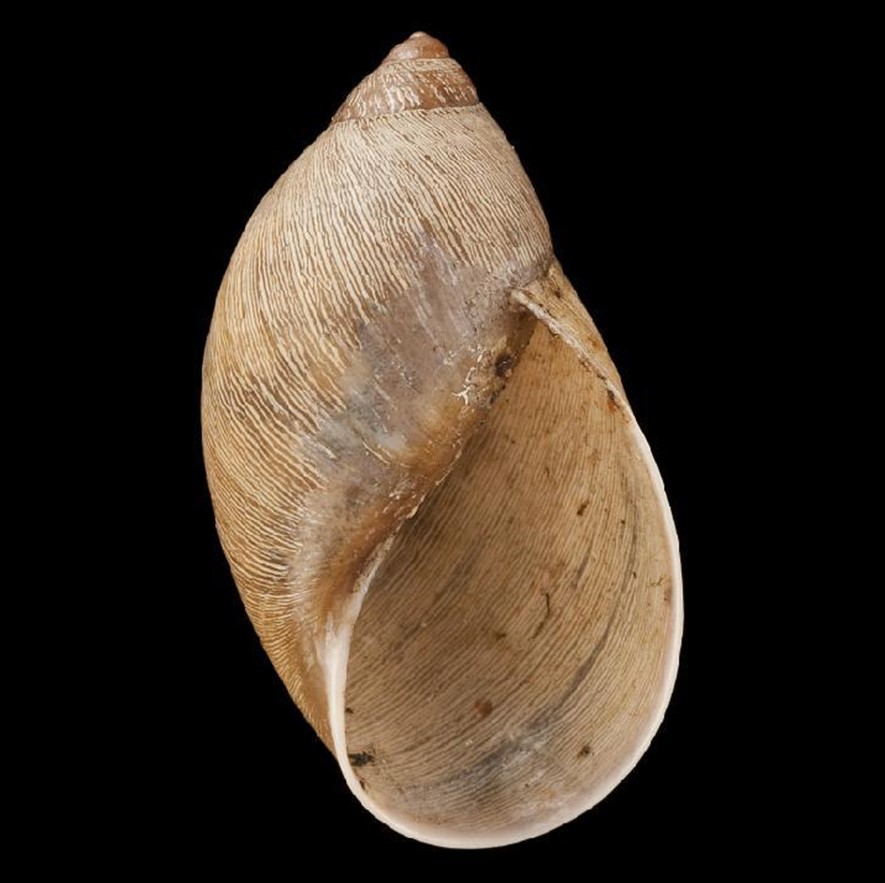
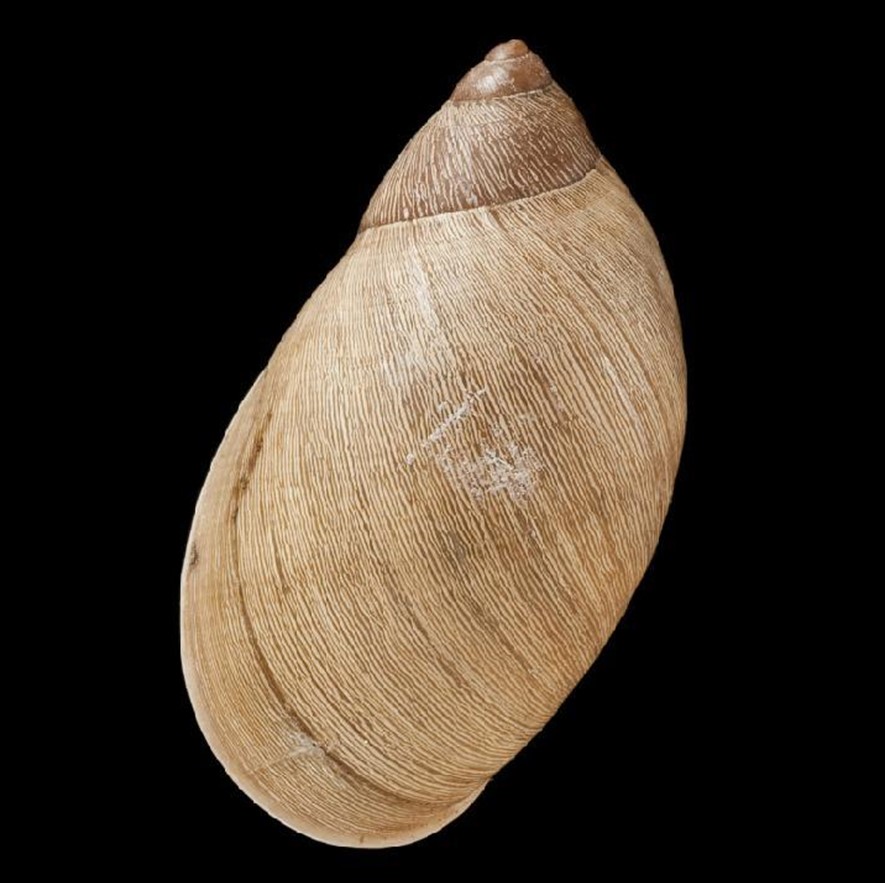
CLASSE: GASTROPODA: TERRESTRE FAMÍLIA: AMPHIBULIMIDAE ESPÉCIE: Plekocheilus dissimulans (Preston, 1909) Tamanho médio: 30 mm Ocorrência: Venezuela Localidade tipo: "Merida, Venezuela" Nome original: Bulimus (Eurytus) dissimulans Preston, 1909 Sinônimos: Plekocheilus (Aeropictus) dissimulans (Preston, 1909) Fotos: Natural History Museum, London: PARALECTOTYPE de Bulimus (Eurytus) dissimulans, NHMUK 1912.5.4.20, Mérida, Venezuela, 30.0 mm Fontes: Descrição original: (como Bulimus (Eurytus) dissimulans Preston, 1909) Preston, H. B. (1909). New land, freshwater, and marine shells from South América. The Annals and Magazine of Natural History; zoology, botany, and geology; 8th series. 3: 507-513., disponível online em https://www.biodiversitylibrary.org/page/22071880#page/541/ página(s): 509, pl. 10, fig. 5 Breure, Bram & Ablett, Jonathan. (2011). Annotated type catalogue of the Amphibulimidae (Mollusca, Gastropoda, Orthalicoidea) in the Natural History Museum, London. ZooKeys. 138. 1-52 MolluscaBase:...
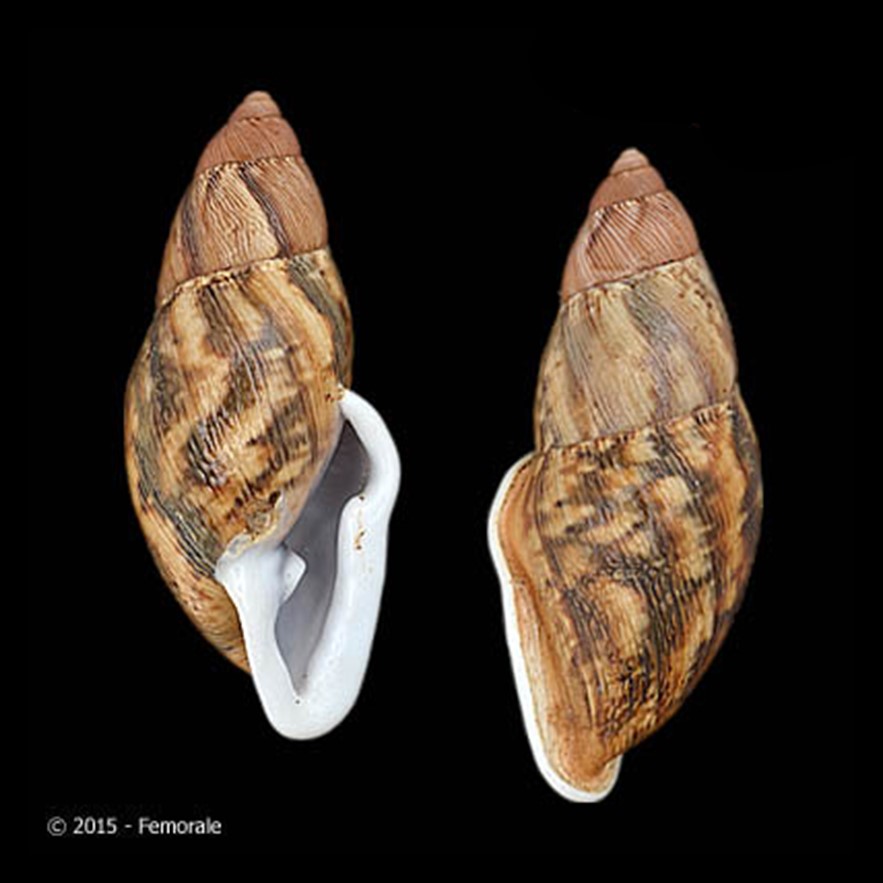

CLASSE: GASTROPODA: TERRESTRE FAMÍLIA: AMPHIBULIMIDAE ESPÉCIE: Plekocheilus distortus (Bruguière, 1789) Tamanho médio: 40 mm Ocorrência: Venezuela, Colômbia, Suriname, Brasil Nome original: Bulimus distortus Bruguière, 1789 Sinônimos: Auris distorta (Bruguière, 1789); Auris distorta bisuturalis Pilsbry, 1896 ; Auris distorta gracilis Pilsbry, 1896 ; Auris distorta panamensis Pilsbry, 1910 ; Auris distorta sublaevis Pilsbry, 1896 ; Bulimus distortus Bruguière, 1789 ; Eudolichotis distortus (Bruguière, 1789) ; Eudolichotis distortus guairensis (Jousseaume, 1889) ; Otostomus (Pelecychilus) distortus (Bruguière, 1789) ; Plecochilus distortus (Bruguière, 1789) ; Plecochilus guairensis Jousseaume, 1889 ; Plekocheilus (Eudolichotis) distortus (Bruguière, 1789) Fotos: (1) cortesia Femorale, 2019, Plekocheilus distortus, Venezuela, 38 mm; (2) Museu Nacional de História Natural, Paris: SYNTYPE de Plecochilus guairensis Jousseaume, 1889, MNHN-IM-2000-28060, Coleção Jousseaume, Venezuela, 39mm; (3) Naturalis Biodiversity Center, Plekocheilus distortus, NRM 13469, Paramaribo, Suriname ...
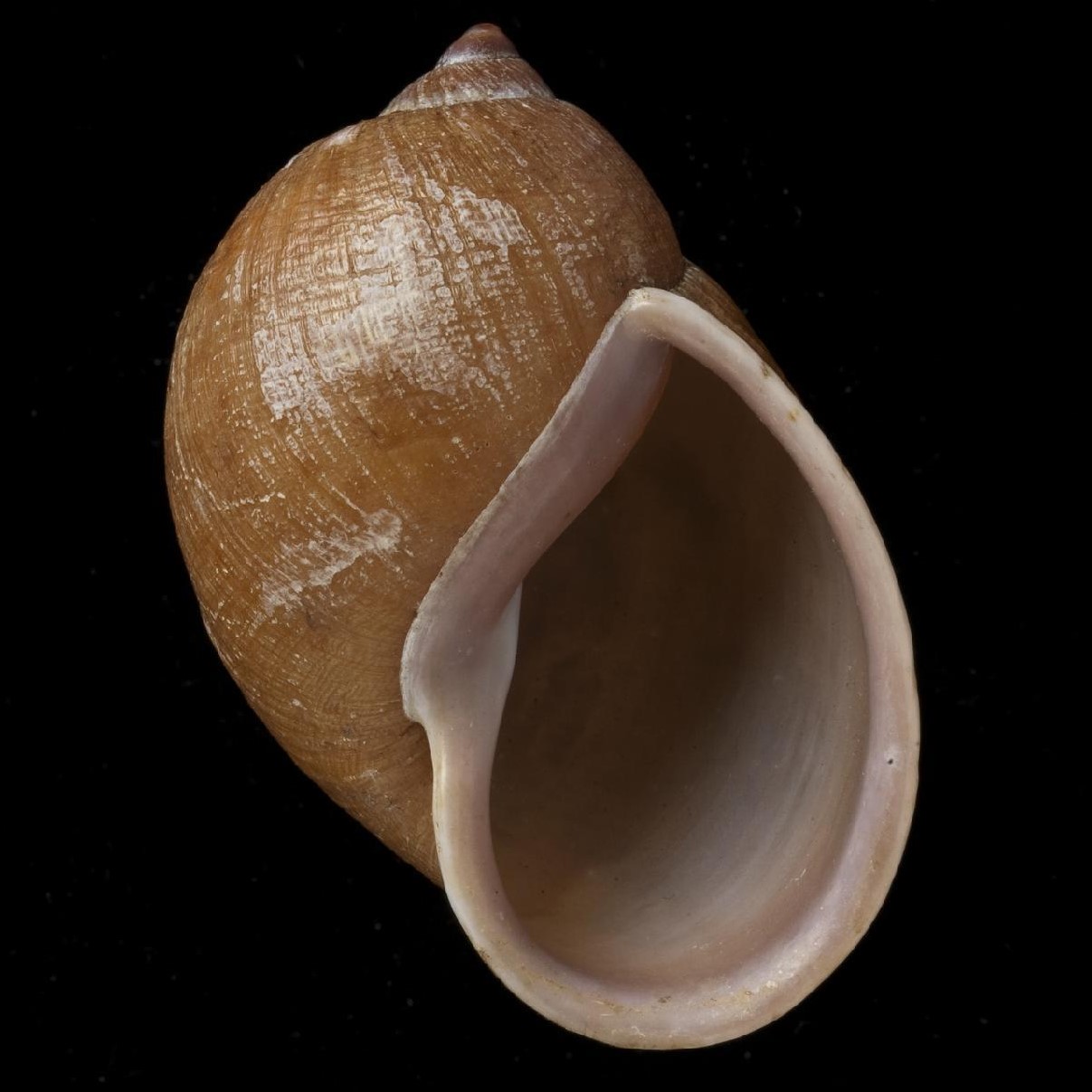
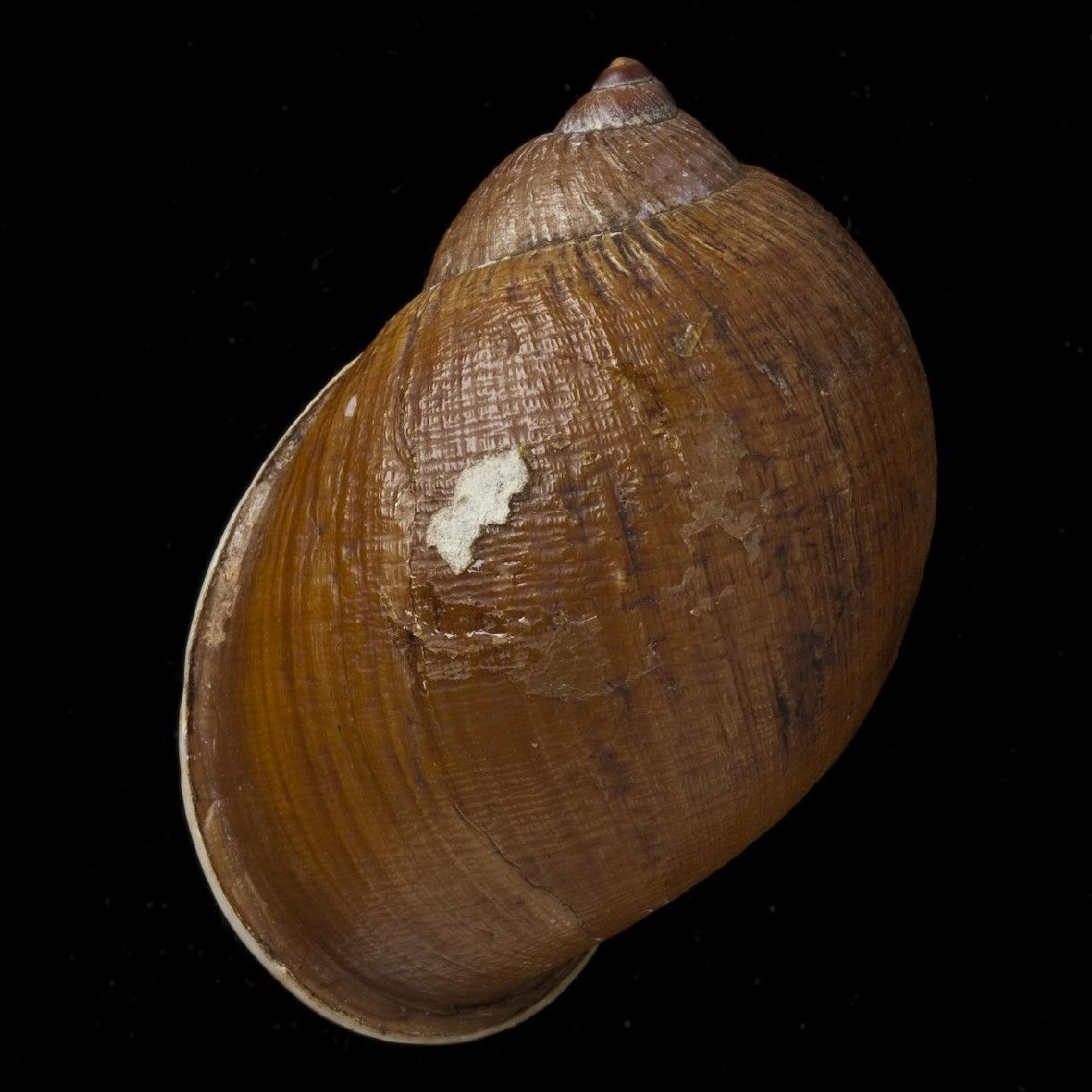
CLASSE: GASTROPODA: TERRESTRE FAMÍLIA: AMPHIBULIMIDAE ESPÉCIE: Plekocheilus doliarius (S. I. da Costa, 1898) Tamanho médio: 58- 67 mm Ocorrência: Colômbia (Borrero & Breure 2011); Equador, Província de Carchi, Hacienda Paramba Localidade tipo: “Paramba, Ecuador” Nome original: Strophocheilus (Eurytus) doliarius S. I. da Costa, 1898 Sinônimos: Plekocheilus (Eurytus) doliarius (S. I. da Costa, 1898) Fotos: (1-3) Natural History Museum, London: LECTOTYPE de Strophocheilus (Eurytus) doliarius; NHMUK 1907.11.21.117, Paramba, Paramba, Equador; (4) Forschungsinstitut und Naturmuseum Senckenberg: PARALECTOTYPE de Plekocheilus doliarius, SMF 9513, Equador, Paramba, 67mm Fontes: Descrição original: (como Strophocheilus (Eurytus) doliarius S. I. da Costa, 1898) Da Costa, S. I. (1898). Remarks on some species of Bulimulus, Sect. Drymaeus, and description of new species of land-shells from Bolivia, Ecuador, and the U.S. of...

CLASSE: GASTROPODA: TERRESTRE FAMÍLIA: AMPHIBULIMIDAE ESPÉCIE: Plekocheilus elaeodes (L. Pfeiffer, 1853) Tamanho médio: 36 mm Ocorrência: Colômbia (Boyacá, Cundimarca) Localidade tipo: “in Andibus Novae Granadae” Nome original: Bulimus elaeodes L. Pfeiffer, 1853 Sinônimos: Plekocheilus (Eurytus) elaeodes (L. Pfeiffer, 1853) Comentários: Breure & Ablett, 2011 destaca que o material do NHMUK "provam não pertencer ao gênero Plekocheilus, ao qual este táxon foi até então referido", e os autores sugerem que a espécie pertença à Família Strophocheilidae, (Chiliborus?) Fotos: (1-3) Natural History Museum, London: SYNTYPE de Plekocheilus (Eurytus) elaeodes, NHMUK 19991536, 33.2mm Fontes: Descrição original: (como Bulimus elaeodes L. Pfeiffer, 1853) Pfeiffer, L. (1853). Description of fifty-four new species of Helicea, from the collection of Hugh Cuming, Esq. Proceedings of the Zoological Society...


CLASSE: GASTROPODA: TERRESTRE FAMÍLIA: AMPHIBULIMIDAE ESPÉCIE: Plekocheilus episcopalis (L. Pfeiffer, 1855) Tamanho médio: 47 - 58 mm Ocorrência: Colômbia (Cundimarca) Localidade tipo: Colômbia, Bogotá Nome original: Bulimus episcopalis L. Pfeiffer, 1855 Sinônimos: Plekocheilus (Eurytus) episcopalis (L. Pfeiffer, 1855); Plectostylus apolinari Pilsbry, 1935; Eurytus apolinari (Pilsbry) Subespécies: (i) Plekocheilus episcopalis auriformis (da Costa, 1904) (ii) Plekocheilus episcopalis corticosus (G. B. Sowerby III, 1895) (iii) Plekocheilus episcopalis episcopalis (L. Pfeiffer, 1855) (iv) Plekocheilus episcopalis stuebeli (E. von Martens, 1885) Fotos: (1-4) Natural History Museum, London: (1,2) LECTOTYPE de Bulimus episcopalis Pfeiffer, 1855 NHMUK 1953.11.30.1-3, coll Hugh Cuming, 58mm; (3,4) LECTOTYPE de Bulimus (Eurytus) corticosus Sowerby, 1895, Bogotá, Colômbia, 58.7mm; (5,6) PARATYPE de Plectostylus apolinari Pilsbry, 1935, ANSP 164566, Colômbia, Region of Villavicencio, coll. Guevara, Vicente, 54mm...
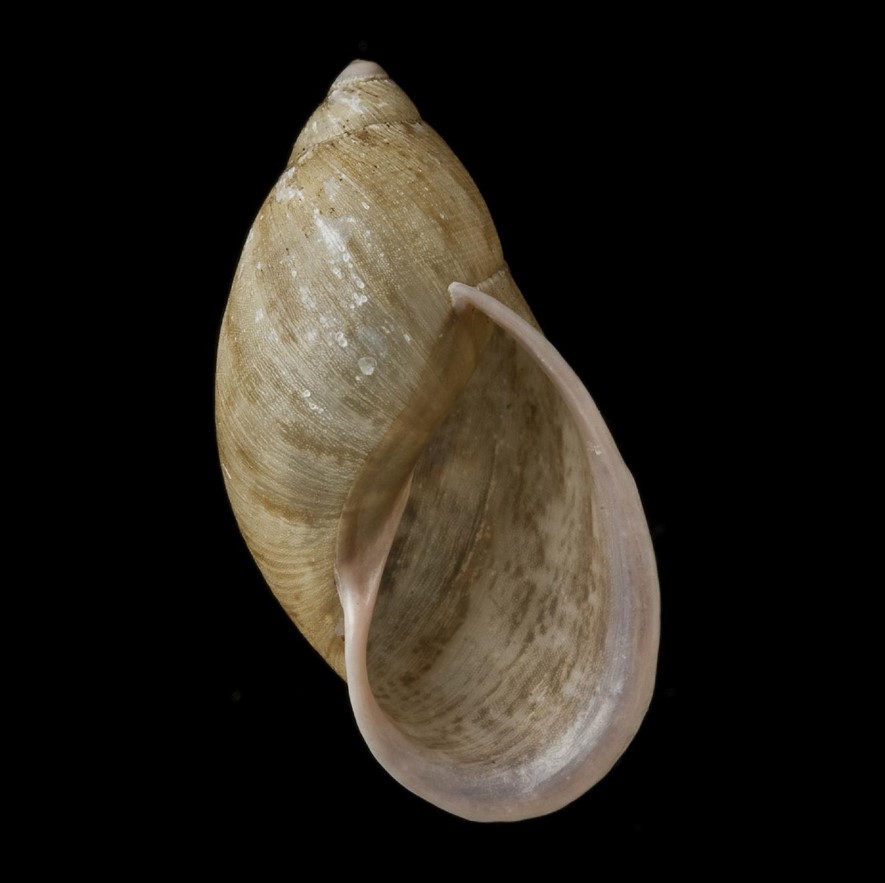
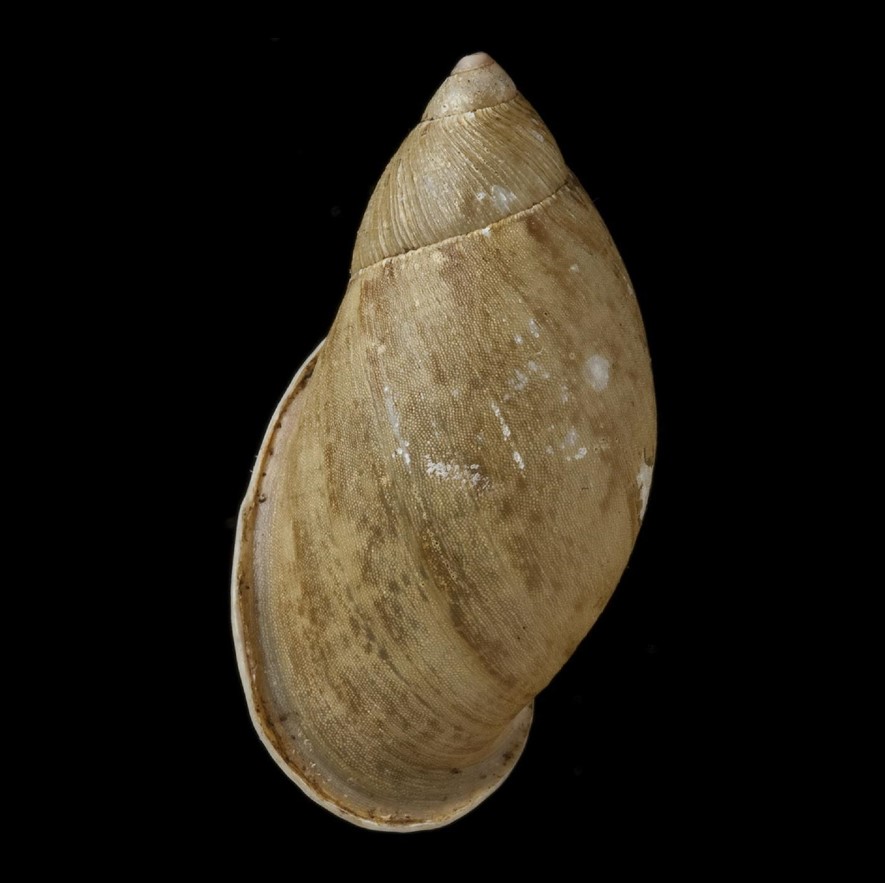
CLASSE: GASTROPODA: TERRESTRE FAMÍLIA: AMPHIBULIMIDAE ESPÉCIE: Plekocheilus eros (Angas, 1878) Tamanho médio: 36 mm Ocorrência: Equador Localidade tipo: Equador Nome original: Bulimus (Eurytus) eros Angas, 1878 Sinônimos: Plekocheilus (Eurytus) eros (Angas, 1878) Fotos: Natural History Museum, London: LECTOTYPE NHMUK 1879.1.21.2, Equador, 35.5 mm Fontes: Descrição original: (como Bulimus (Eurytus) eros Angas, 1878) Angas, G. F. (1878). Descriptions of nine new species of land and marine shells from various localities. Proceedings of the Zoological Society of London. (1878): 310-318, pl. 18., disponível online em https://www.biodiversitylibrary.org/page/28511537 página(s): 312, pl. 18 fig. 6-7 Breure, Bram & Ablett, Jonathan. (2011). Annotated type catalogue of the Amphibulimidae (Mollusca, Gastropoda, Orthalicoidea) in the Natural History Museum, London. ZooKeys. 138. 1-52 MolluscaBase: https://www.molluscabase.org/aphia.php?p=taxdetails&id=1263407
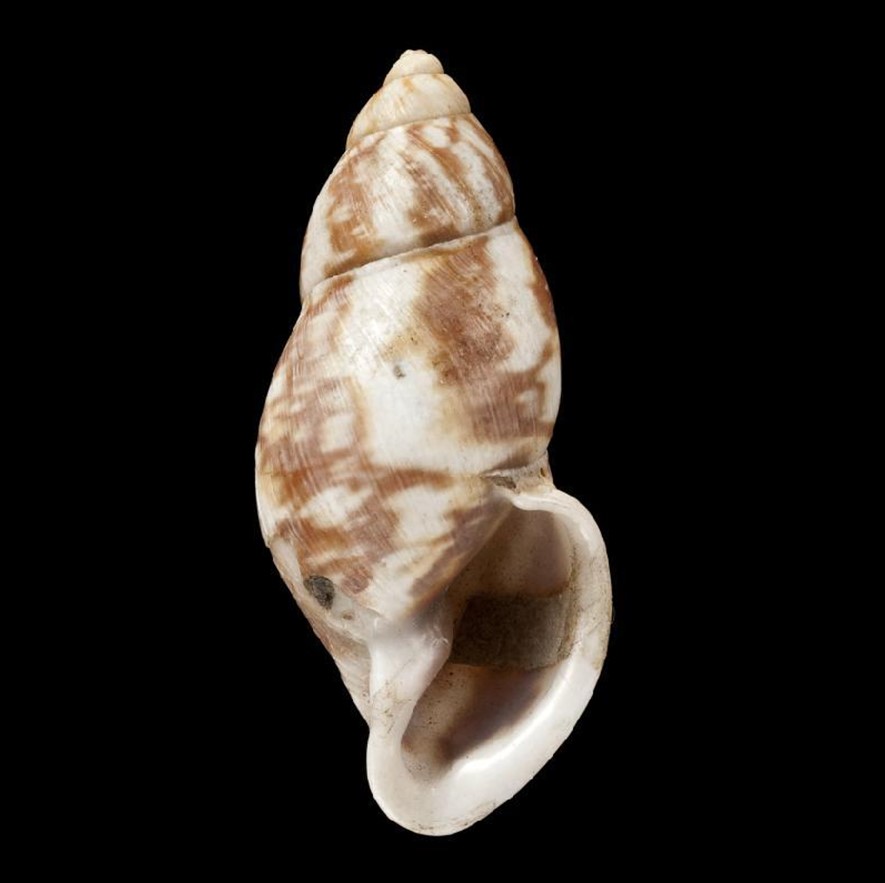
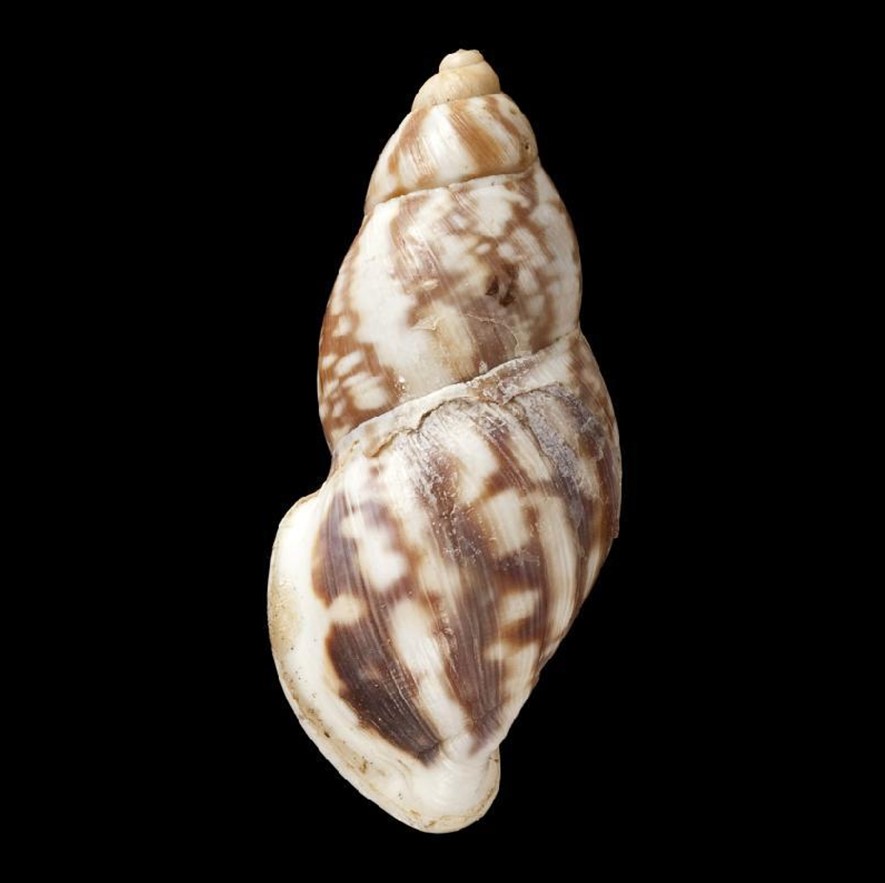
CLASSE: GASTROPODA: TERRESTRE FAMÍLIA: AMPHIBULIMIDAE ESPÉCIE: Plekocheilus euryomphalus (Jonas, 1844) Tamanho médio: 31 mm Ocorrência: Venezuela Localidade tipo: Venezuela Nome original: Bulimus euryomphalus Jonas, 1844 Sinônimos: Bulimus otostomus L. Pfeiffer, 1855; Plecochilus euryomphalus (Jonas, 1844); Plekocheilus (Eudolichotis) euryomphalus (Jonas, 1844) Fotos: (1,2,3) Natural History Museum, London: LECTOTYPE de Bulimus otostomus Pfeiffer, 1855, NHMUK 1975307, coll Hugh Cuming, 31.5mm Fontes: Descrição original: (como Bulimus euryomphalus Jonas, 1844) Jonas, J. H. (1844). Vorläufige Diagnosen neuer Conchylien welche ausführlicher beschrieben und abgebildet nächstens erscheinen werden. Zeitschrift für Malakozoologie. 1: 33-37., disponível online em https://www.biodiversitylibrary.org/page/16291402 página(s): 36 Descrição original: (como Bulimus otostomus L. Pfeiffer, 1855) Pfeiffer, L. (1855 ["1854"]). Descriptions of fifty-seven new species of Helicea, from Mr. Cuming's collection. Proceedings of the Zoological Society of London. 22(277): 286–288;...
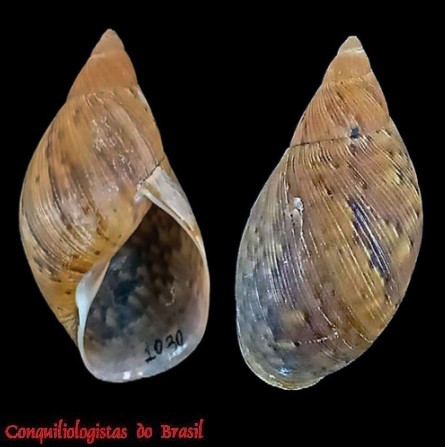
CLASSE: GASTROPODA: TERRESTRE FAMÍLIA: AMPHIBULIMIDAE ESPÉCIE: Plekocheilus floccosus (Spix, 1827) Tamanho médio: 70 mm Ocorrência: Equador, Peru, Bolívia, Brasil (Acre, Rondônia, Amazonas) Nome original: Achatina floccosa Spix, 1827 Comentários: Simone (2006) considerou Plekocheilus pentadinus d’Orbigny, 1835 como uma espécie válida, porém Molluscabase, 2024 e outras publicações mais recentes, a consideram como sinônimo de Plekocheilus floccosus (Weyrauch 1967; Breure and Mogollón Avila 2016) Nome original: Achatina floccosa Spix, 1827 Sinônimos: Bulimus lacrimosus Heimburg, 1884; Bulimus pintandinus A. d'Orbigny, 1837; Helix pentadina A. d'Orbigny, 1835; Plekocheilus (Eurytus) floccosus (Spix, 1827); Plekocheilus pintandinus (A. d'Orbigny, 1837); Bulimus pentadinus (A. d'Orbigny, 1835) Fotos: (1) Lima, Silva, Simone, Salvador & Guilherme (2021): Plekocheilus floccosus, Universidade Federal do Acre, UFAC 1030 (H = 72.9 mm); (2) observação iNaturalist 131306626, crédito:...


CLASSE: GASTROPODA: TERRESTRE FAMÍLIA: AMPHIBULIMIDAE ESPÉCIE: Plekocheilus fulminans (Nyst, 1843) Tamanho médio: 60 mm Ocorrência: Venezuela Localidade tipo: "la Colombie [sic, Venezuela], dans la province de Cumana" [Estado de Sucre] Nome original: Bulimus fulminans Nyst, 1843 Sinônimos: Plecocheilus (Plecocheilus) fulminans Nyst, 1843 Fotos: (1,2) Breure, 2011: Royal Belgian Institute of Sciences, Bruxelas, LECTOTYPE RBINS/MT2351, Venezula (sic), Cumana, (H=59.2 mm) Figura 1: (A-C, i) Breure, 2011: Royal Belgian Institute of Sciences, Bruxelas, LECTOTYPE RBINS/MT2351 (H=59.2 mm) Figura 2: Borrero & Breure (2011): (A – C) Plekocheilus (P.) blainvilleanus (Pfeiffer, 1848), NMW Z 1981.1.118.03486 (H=60.4 mm); (D – E) Plekocheilus fulminans (Nyst, 1843), ANSP 328096 (H=47 mm); (F – H) Plekocheilus (P.) loveni (Pfeiffer, 1848), RMNH, (H=33.7 mm);...
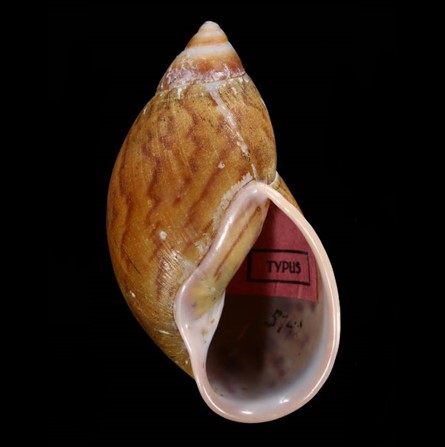

CLASSE: GASTROPODA: TERRESTRE FAMÍLIA: AMPHIBULIMIDAE ESPÉCIE: Plekocheilus fusitortus (Oberwimmer, 1931) Tamanho médio: 39 mm Ocorrência: Venezuela, Brasil (Roraima) Localidade tipo: Rio Padamo, Venezuela ("Rio Padamo im Territorium Amazonas, Venezuela") Nome original: Eurytus fusitortus Oberwimmer, 1931 Sinônimos: Eurytus fusitortus Oberwimmer, 1931; Plekocheilus (Eurytus) fusitortus (Oberwimmer, 1931); Plekocheilus fusitorsus (Oberwimmer, 1931) (erro grafia em Molluscabase? ) Fotos: (1-3) Senckenberg Natural History Museum, Frankfurt: HOLOTYPE de Plekocheilus fusitortus Oberwimmer, 1931, SMF 5142, " Rio Padamo im Territorium Amazonas, Venezuela", 63.1mm; (4) etiqueta do material tipo Figura: Breure, Abraham S. H., 2009: Plekocheilus: (A-D) Plekocheilus fulminans linterae (Sowerby, 1890), (A-C) LECTOTYPE NHMUK 1889.4.25.1; (D) PARALECTOTYPE NHMUK 1889.4.25.2; (E-G) Plekocheilus fulminans alticola Haas, 1955, HOLOTYPE NHMUK 52442; (H-L) Plekocheilus...


CLASSE: GASTROPODA: TERRESTRE FAMÍLIA: AMPHIBULIMIDAE ESPÉCIE: Plekocheilus gibber (Oberwimmer, 1931) Tamanho médio: 53 mm Ocorrência: Venezuela Localidade tipo: Sierra Maraguaca, Venezuela, Estado do Orinocco Altitude: 2170 m Nome original: Auris (Antitragus) gibber Oberwimmer, 1931 Sinônimos: Plekocheilus (Eurytus) gibber (Oberwimmer, 1931) Fotos: (1) Senckenberg Natural History Museum, Frankfurt: HOLOTYPE SMF 5143, Venezuela, 53.2mm Figura: Breure, 2009: Escultura de conchas de Plekocheilus: (A) Plekocheilus fulminans linterae; (B) Plekocheilus fulminans alticola; (C) Plekocheilus sophiae; (D) Plekocheilus nebulosus; (E) Plekocheilus mundiperditi; (F) Plekocheilus juliani; (G) Plekocheilus huberi; (H) Plekocheilus gibber; (I) Plekocheilus fusitorsus; (J) Plekocheilus tepuiensis Fontes: Descrição original: (como Auris (Antitragus) gibber Oberwimmer, 1931) Oberwimmer, H. (1931). Beschreibung dreier neuer Bulimuliden aus dem Senckenberg-Museum. Senckenbergiana, 13: 190-194. Frankfurt am Main. página(s): 192, fig. 2-3 Breure, Abraham S. H., 2009, New...

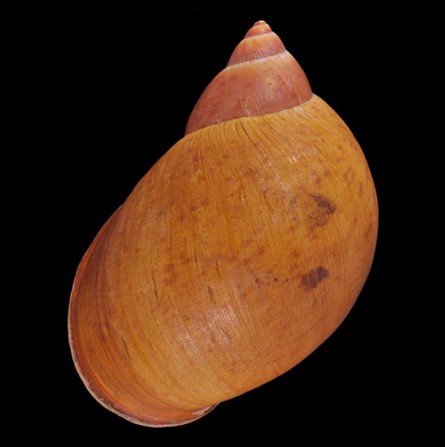
CLASSE: GASTROPODA: TERRESTRE FAMÍLIA: AMPHIBULIMIDAE ESPÉCIE: Plekocheilus gibbonius (I. Lea, 1838) Tamanho médio: 80 mm (MZSP 3313 Bra) Ocorrência: Colômbia, Brasil Localidade tipo: Colômbia: Nova Granada, entre La Plata e Tocaima Nome original: Bulimus gibbonius I. Lea, 1838 Sinônimos: Plekocheilus (Eurytus) gibbonius (I. Lea, 1838); Bulimus gibbonius I. Lea, 1838 Etimologia: o nome da espécie é uma homenagem ao Dr J. H. Gibbon quem coletou a espécie em uma "viagem pelo Pacífico" Fotos: (1,2) National Museum of Natural History, Smithsonian Institution: HOLOTYPE de Bulimus gibbonius, USNM 104909, Coletor: J.H. Gibbon Fontes: Descrição original: (como Bulimus gibbonius I. Lea, 1838) Lea, I. (1838). Description of new freshwater and land shells. Transactions of the American Philosophical Society. new ser., 6: 1-154, plates 1-24., disponível...
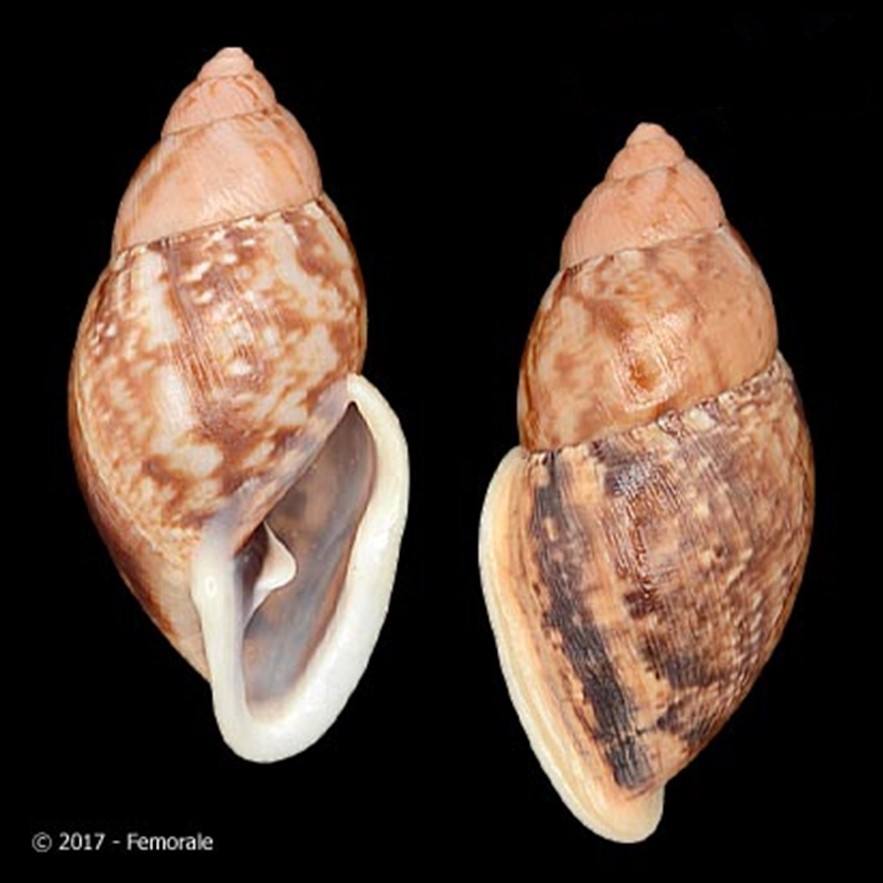
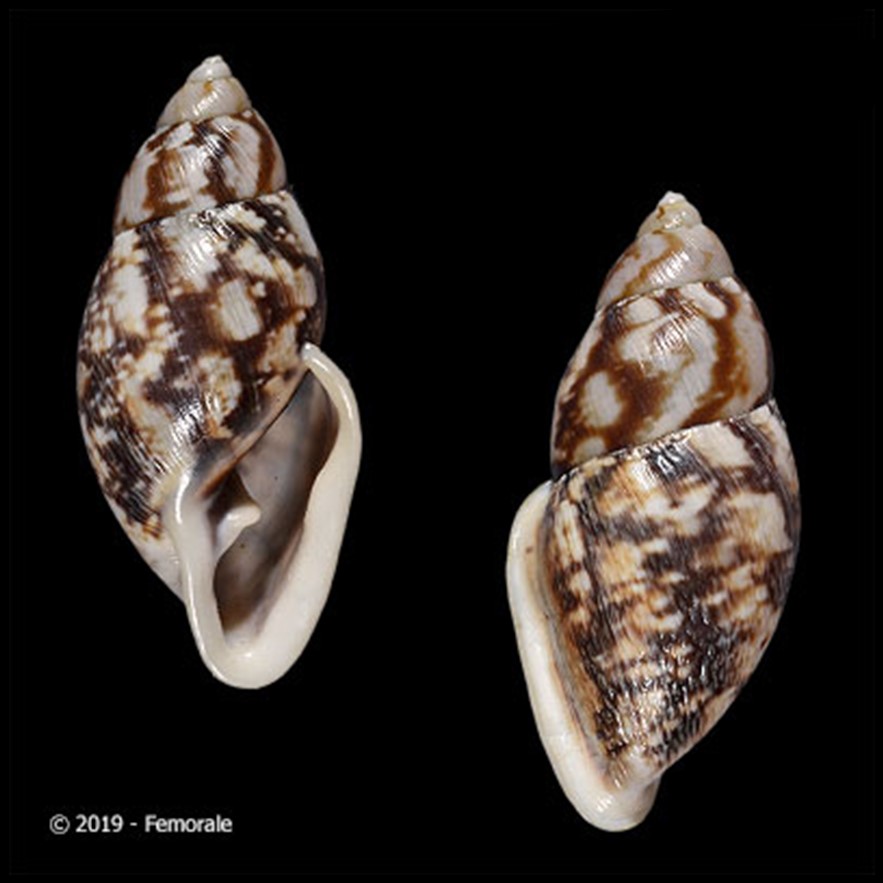
CLASSE: GASTROPODA: TERRESTRE FAMÍLIA: AMPHIBULIMIDAE ESPÉCIE: Plekocheilus glaber (Gmelin, 1791) Tamanho médio: 45 mm Ocorrência: Venezuela, Brasil? Comentários: a ocorrência de Plekocheilus glaber para o Brasil baseia-se em: i) Simone 2006 (página 151, foto 511 B, no lote MZSP 7959 no Museu de Zoologia de São Paulo); ii) Natural History Museum Rotterdam: NMR 11909 figurado abaixo Nome original: Auris glabra (Gmelin, 1791) Sinônimos: Bulimus glaber (Gmelin, 1791); Eudolichotus glabra (Gmelin, 1791); Eudolichotus glabra paraguanensis Solem, 1960; Helix auriscaprina Férussac, 1821; Plecochilus glaber (Gmelin, 1791); Plekocheilus (Eudolichotis) glaber (Gmelin, 1791); Plekocheilus glaber var. grenadensis Guppy, 1868; Voluta glabra Gmelin, 1791 Fotos: (1,2) cortesia Femorale, 2019, Venezuela, 35 mm e 35.7 mm respectivamente; (3) Natural History Museum Rotterdam: NMR 11909, Brasil, 34mm ...
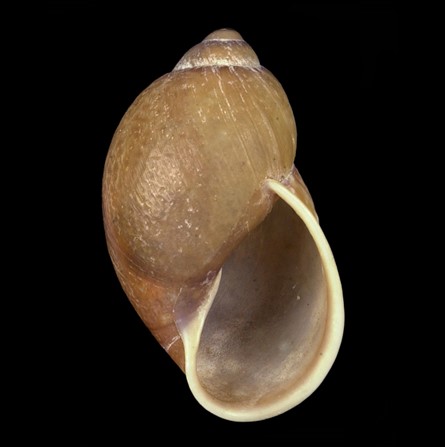
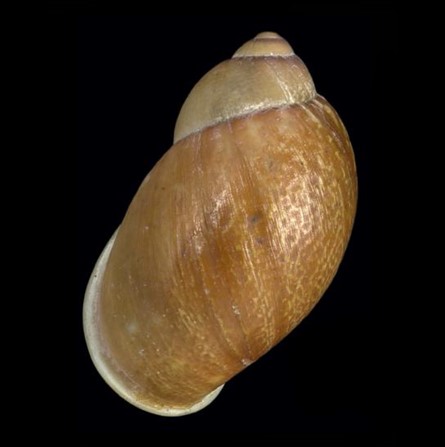
CLASSE: GASTROPODA: TERRESTRE FAMÍLIA: AMPHIBULIMIDAE ESPÉCIE: Plekocheilus glandiformis (I. Lea, 1838) Tamanho médio: 35 mm Ocorrência: Bolívia Localidade tipo: ("between La Plata and Tocaima") Nome original: Bulimus glandiformis I. Lea, 1838 Sinônimos: Eurytus couturesi Ancey, 1900; Plekocheilus (Plekocheilus) glandiformis (I. Lea, 1838) Fotos: (1,2) Smithsonian National Museum of Natural History: HOLOTYPE de Bulimus glandiformis Lea, 1838, USNM 105045; (3-5) Amgueddfa Cymru - National Museum Wales, Cardiff: HOLOTYPE de Plekocheilus couturesi (Ancey, 1900), NMW.1955.158.24074, Bolívia, coletado por G. Coutures; ex coll C. M. F. Ancey Figura: Borrero & Breure, 2011: (A–F) Plekocheilus glandiformis (Lea, 1838) , (A–C) HOLOTYPE USNM 105045 (H 33mm); (D–F) HOLOTYPE de Eurytus couturesi Ancey, NMW 1955.158.24074 (H 35.7 mm); (G–I) Plekocheilus taquinensis (Pfeiffer, 1855), LECTOTYPE NHMUK 1957.6.3.1 (H 40.2...
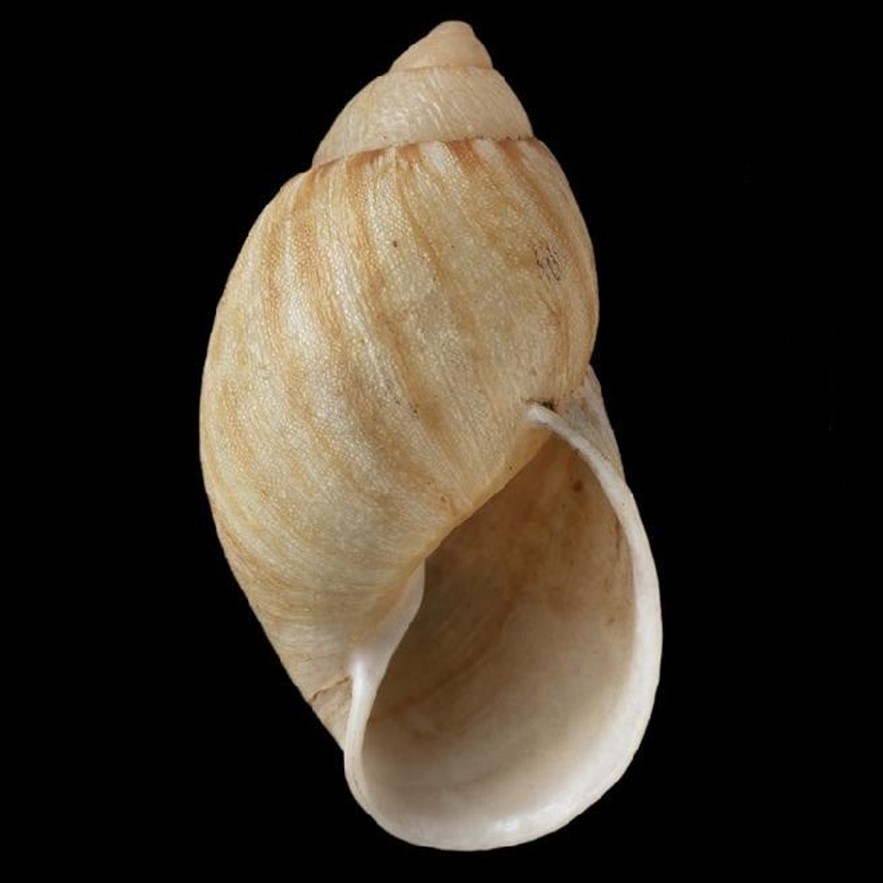
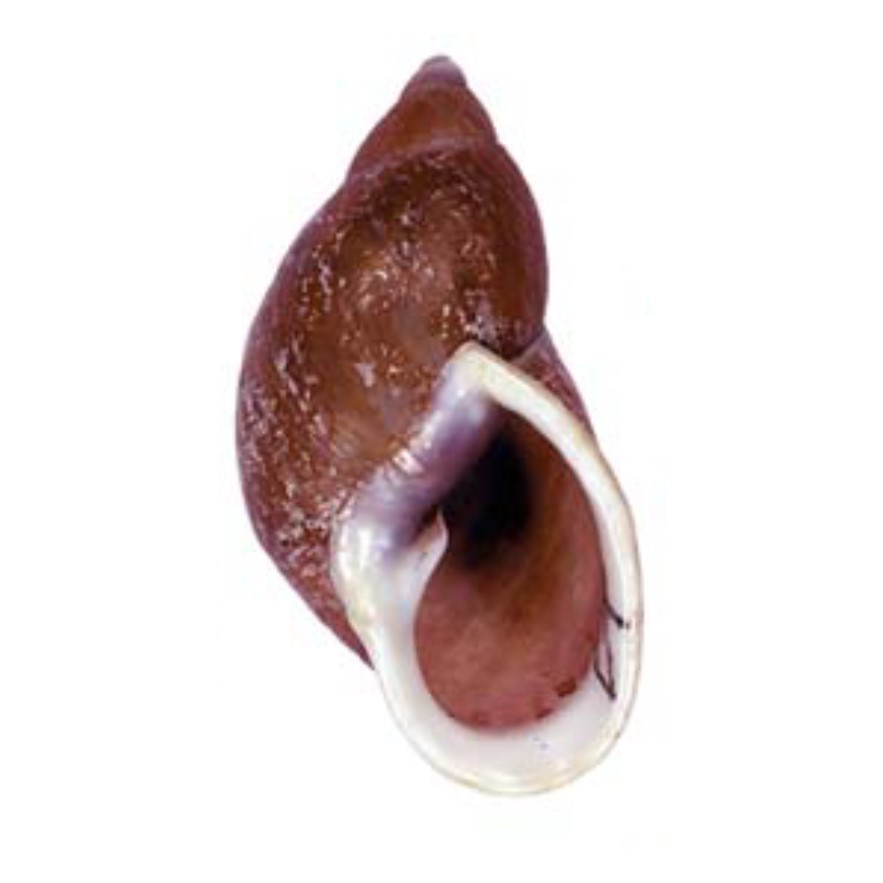
CLASSE: GASTROPODA: TERRESTRE FAMÍLIA: AMPHIBULIMIDAE ESPÉCIE: Plekocheilus guentheri (G. B. Sowerby III, 1892) Tamanho médio: 30 mm Ocorrência: Colômbia Localidade tipo: "New Granada, Colombia" Nome original: Bulimus guentheri G. B. Sowerby III, 1892 Sinônimos: Bulimus (Plekocheilus) guildingi Dohrn, 1875; Plekocheilus (Aeropictus) guentheri (G. B. Sowerby III, 1892); Plekocheilus (Eurytus) ameghinoi J. J. Parodiz, 1963; Plekocheilus ameghinoi Parodiz, 1962 Comentários: em Ablett & Breure, 2024 temos: “adquirido pelo Sr. G. B. Sowerby III”. O rótulo diz “Nova Granada” e “Colômbia”; as dimensões da concha são H = 30,0 mm, D = 16,5 mm, W= 4,35. Dada especialmente a incompatibilidade entre estas medidas e as dimensões publicadas por Sowerby em 1892, não consideramos este espécime como o tipo. Infelizmente não localizamos outro exemplar desta...
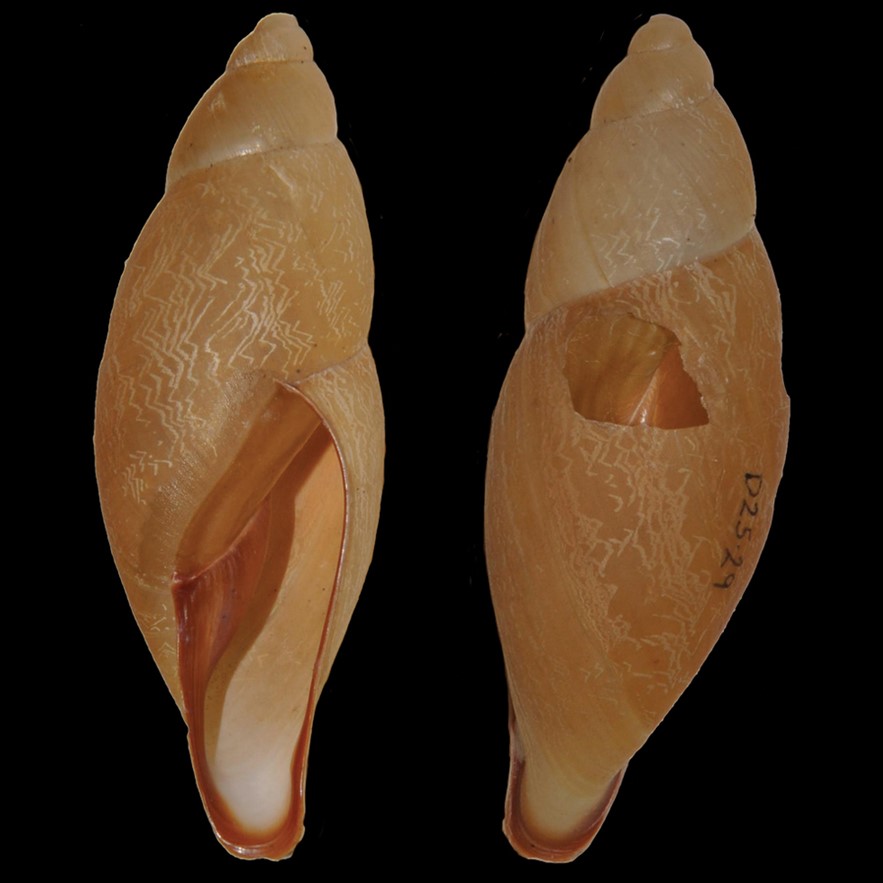
CLASSE: GASTROPODA: TERRESTRE FAMÍLIA: AMPHIBULIMIDAE ESPÉCIE: Plekocheilus hauxwelli (Crosse, 1872) Tamanho médio: 51 mm Ocorrência: Peru (Departamento de Loreto, Pebas, margens do rio Ampiyacu); Equador (Parque Nacional Cuyabeno, Província Sucumbios) Localidade tipo: “in vicinio fluminis Ambiyacu, ad locum Pebas, Peruviae” Nome original: Bulimus hauxwelli Crosse, 1872 Sinônimos: Plekocheilus (Eudolichotis) hauxwelli Crosse, 1872; Plekocheilus (Sparnotion) hauxwelli (Crosse, 1872) Fotos: (1) Breure & Mogollón, 2016, RAMM 1720/1909/D25/29, 51.1 mm; (2) cortesia Carles Dorado (Espanha): Equador, Parque Nacional Cuyabeno, Província de Sucumbios, 2018, 51.4mm Figura: Breure & Mogollón, 2016: (A–F) Plekocheilus hauxwelli (Crosse, 1872), (A–C) PARATYPE MCZ 202073 (H = 50.6mm), (C) detalhe da escultura no lado dorsal da última volta; (D–F) RAMM 1720/1909/D25/29 (H = 51.1 mm); (F) detalhe da...
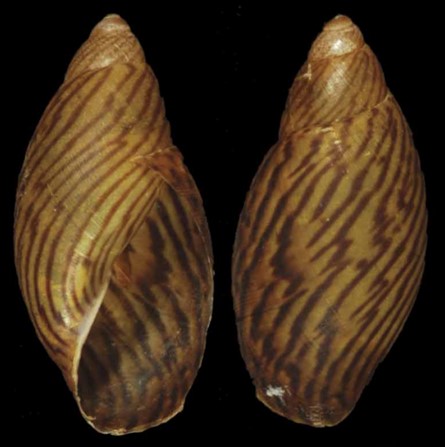
CLASSE: GASTROPODA: TERRESTRE FAMÍLIA: AMPHIBULIMIDAE ESPÉCIE: Plekocheilus huberi Breure, 2009 Tamanho médio: 48 mm Habitat: vive em árvores e arbustos Ocorrência: Venezuela (Estado do Amazonas, Brasil (Amazonas) Localidade tipo: Venezuela, Estado Amazonas, Maciço do Pico da Neblina ("ridge at Brazil-Venezuelan border divide [00° 53’ N 65° 56’ W], 2000 m, T. Plowman & W. Thomas leg., 16.iv.1984,on south slope in a cloud forest in terrestrial bromeliads, Holotype UF 284764") Nome original: Plekocheilus (Eurytus) huberi Breure, 2009 Etimologia: o nome da espécie é uma homenagem ao ecologista italiano Otto Huber (1944-). Seu foco acadêmico tem sido principalmente nos biomas não florestais da Guayana venezuelana. A partir da década de 1970, ele liderou muitas expedições pioneiras aos tepuis inacessíveis da região Comentários: o registro de Plekocheilus...